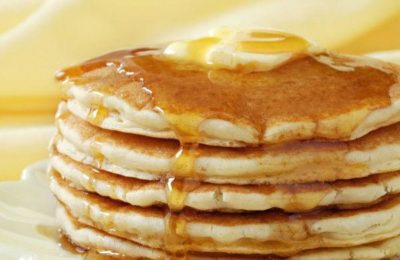
Thin pancakes with holes, like grandma made

Content
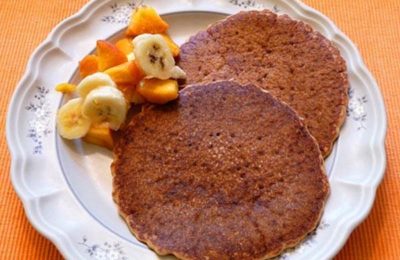
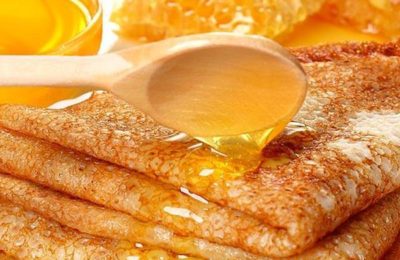
It would seem difficult to find a more straightforward recipe than that for making pancakes: mix together the simplest ingredients and pour them into a frying pan. However, this simple process has its own subtleties. It's no wonder there's a popular saying about the first pancake. To avoid this kind of mishap and get the same delicate, lacy pancakes as in the photo, you need to know and follow a few rules.
General rules
First: whatever anyone says, the best frying pan is cast iron. Or at least one with a thick bottom. Only in such a pan will pancakes cook evenly.
Second, the pan must be very hot, of course. Otherwise, sticking is inevitable. And the pancakes will turn out lumpy rather than lacy. By the way, to make the process easier, add a couple of tablespoons of vegetable oil to the batter before baking.
Third: it's impossible to bake truly good, lacy pancakes in a dry frying pan. It absolutely needs to be oiled. Grandma's tried-and-true recipe—a piece of lard—is ideal. It will both indicate the right temperature (the lard will start sizzling) and prevent excess oiliness.
Fourth: the prepared pancake batter must rest for 15-30 minutes to "ripen." This will allow the gluten in the flour to swell. This will result in especially lacy, tender pancakes that won't tear when flipped.
Fifth: if the dough is too thick, simply thin it slightly with milk or water. If it's too runny, achieving the optimal consistency is more complex: pour a small amount of dough into a separate bowl, thoroughly stir in the extra flour, and only then combine it with the main mixture—this is the only way to avoid lumps.
Yeast variant
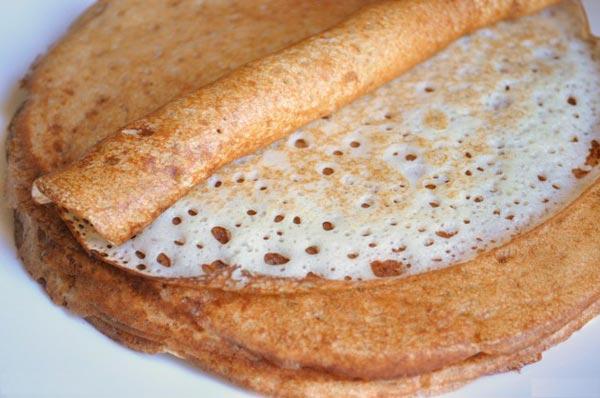
Lacy pancakes are always perfect when made with yeast. The recipe is quite complex, but the spectacular, starry-eyed look is worth the effort.
To create the same amazing beauty as in the photo, you will need:
- ½ liter of milk;
- 2 cups of boiling water;
- 3 cups flour;
- 11 g dry yeast;
- 2 eggs;
- 2 tbsp. sugar;
- 1 teaspoon salt;
- 3 tbsp. vegetable oil.
The recipe is as follows:
- Dissolve the yeast in warm milk. When a foamy cap appears on the surface, add the eggs, sugar, and salt.
- Add flour, mix thoroughly, and place in a warm place to rise. The dough is thick—don't be alarmed.
- When the dough has expanded and bubbles are clearly visible on the surface (as seen in the photo), it's time to add the boiling water. Do this quickly, stirring vigorously. One caveat: if the dough is still a bit thick, cool it and thin it with warm water or milk.
- The preparation is complete. It's time to bake. Pour a thin layer of batter onto the preheated pan. And then a miracle happens: holes immediately appear on the pancake (photo). As soon as the edges begin to pull away from the sides of the pan, it's time to flip the pancake. It cooks for another couple of minutes. That's it, basically. The rest of the pancakes are baked in the same way.
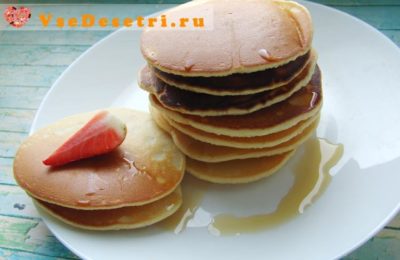
Finally, it remains to add: the finished lacy pancakes are stacked on a plate and served with sour cream, jam, condensed milk, or any other filling. Of course, if you can save them from the gourmets at home.
Yeast-free option
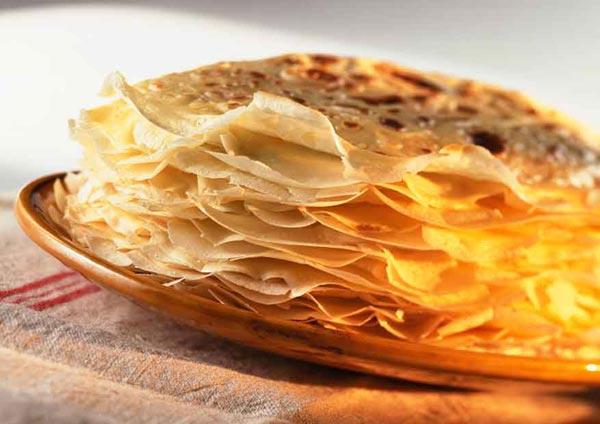
However, it's possible to create lacy pancakes without yeast. This significantly reduces cooking time, while preserving the lace effect—the photo confirms this. This is achieved using simple baking soda. The only danger is overdoing it, as it will give the baked goods an unpleasant aftertaste.
The following suggested recipe requires the following items to be present in the home:
- 0.5 liters of kefir:
- 2 eggs;
- 250 – 300 g flour;
- 3 tablespoons of sugar;
- 0.5 tsp salt;
- 0.5 tsp soda;
- 1 cup of boiling water;
- 3 tablespoons of vegetable oil.
Step-by-step recipe:
- All ingredients for the future pancake batter should be at room temperature. Therefore, they should be removed from the refrigerator well in advance.
- Next, place the flour, salt, and sugar in a large bowl, beat in the eggs, and pour in the kefir. Using a whisk, combine everything until smooth.
- Boil water, dissolve baking soda in it, and quickly mix it with the prepared dough. Let it sit.
- Now it's time to pour in the oil, mix everything thoroughly, and begin baking. The cooking principle is the same as in the previous recipe.
This method produces delicate, incredibly tender and thin pancakes that are in no way inferior in beauty to their yeast-based counterparts (photo).
In conclusion, I'd like to add that no matter what recipe you choose for preparing this wonderful dish, the most important thing is to approach it with passion and a desire to please your family. Then, the pancakes will certainly absorb the good mood and pass it on to your loved ones.