3 buckwheat pancake recipes

Content
Modern historians claim that pancakes appeared in Rus' around 1005. The dish originated before the ninth century, and the etymology of the word "blin" goes back to "mlyn" (from the Ukrainian word for "mill"), meaning a delicacy made from ground grain. Initially, recipes for this dish were based on buckwheat, and it is these "authentic" buckwheat flour pancakes that we suggest you prepare.
Russian pancake recipes date back to ancient times. It's this familiar "grandmother's" dish that's considered the first flour-based dish. The explanation is simple: what could be more filling than a dough made with a little water? As often happens, these recipes weren't created intentionally; they were purely accidental. Supposedly, someone was heating up some oatmeal jelly and simply forgot about it. He remembered only when it had browned and crisped. He was so hungry, he had to try it, and it turned out delicious. And so it went.
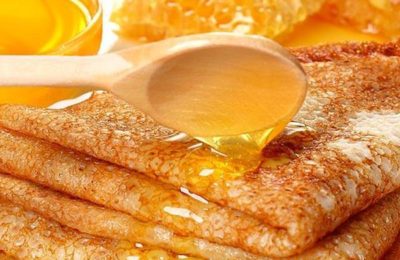
Thin buckwheat pancakes
Traditional Russian blini were fluffy and resembled small suns; they were a sacrificial, ritual dish with mystical significance. Here, we offer lighter, more modern recipes that combine our culture and traditions with modern notions of the taste and appearance of this beloved dish.
To make thin buckwheat pancakes you will need:
- 250 milliliters of milk;
- 2 whole eggs;
- 4 tablespoons buckwheat flour;
- 1 pinch of salt;
- 1 tablespoon of oil;
- Sugar to taste.
The cooking process is very simple, but it does require some skill and experience. Don't worry, your first pancake will probably be a flop. You'll have to learn to flip it and judge the doneness by trial and error.
So, first, we add eggs, sugar, salt, and flour to the milk. The ingredients must be mixed very thoroughly to create a smooth, viscous mixture without lumps.
The batter for these pancakes will be very runny, which is the key to a thin and crispy dessert. Add a tablespoon of butter to the mixture and whisk thoroughly.
In ancient times, the mixed ingredients were left in the refrigerator overnight, but today, housewives simply let the dough rest for twenty to thirty minutes. This gives the flour time to swell, resulting in a smooth dough.
After the required rest, stir the mixture again and begin frying. Experienced cooks can safely bake the dough in a dry frying pan, while beginners can grease the surface with butter or vegetable oil for the first pancake.
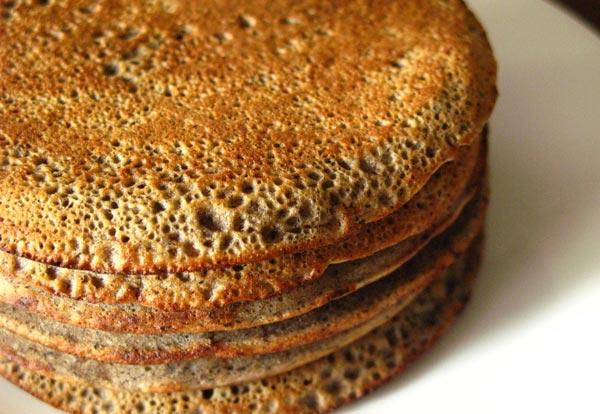
Before pouring the mixture, make sure the pan is well heated. It's easiest to pour the pancakes with a ladle or large spoon, spreading them evenly and thinly over the surface. Modern recipes call for frying the batter on both sides. Turn it over when the pores on the surface are clearly visible.
Freshly baked pancakes can be greased with butter. This will make them more tender and juicy. Buckwheat pancakes are delicious with sour cream, cottage cheese, and jam.
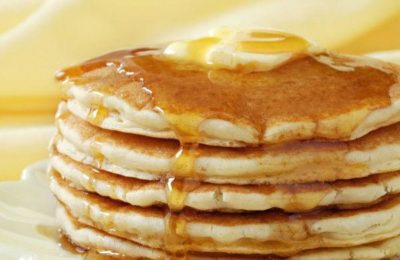
Fluffy buckwheat pancakes with added wheat flour
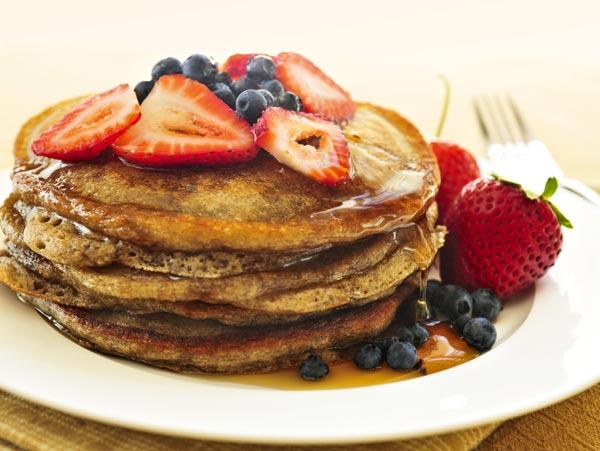
There are numerous recipes for buckwheat "suns," but this one is a classic. So, for delicious homemade pancakes, you'll need:
- 1 cup of buckwheat flour
- 1 cup of wheat flour
- 0.5 cups of water
- 4 glasses of milk
- 20 grams of dry yeast
- 3 whole eggs
- Melted butter (about 50 grams)
- A pinch of salt
- 3 teaspoons of sugar
- 2-3 tablespoons of vegetable oil
- Filling as desired.
First, you'll need to bring two and a half cups of milk to a boil, then gently warm the remaining milk. Buckwheat pancake recipes are very tricky, and if prepared incorrectly, the dish will turn out brittle rather than juicy, so be careful and follow the recipe exactly.
Buckwheat flour is diluted (stirring thoroughly!) with room-temperature water, and hot milk is added while stirring continuously. The yeast dissolves in the warm milk, and the resulting mixture is combined with the previously diluted buckwheat flour. The dough is thoroughly mixed with a hand mixer and left in a warm place for two hours.
Separate the egg yolks from the whites. Whisk the yolks with sugar. Beat the egg whites with a mixer or whisk. Add the yolks first, then the whites a little later. If the batter is too thick, add a little warm milk. Buckwheat pancake recipes require a lot of waiting, so after this process, let the pancakes rest for another two hours.
It's time to fry. First, heat a pancake griddle (ideally 17-18 centimeters in diameter) over medium heat. Before pouring in the first batch of batter, be sure to add a spoonful of vegetable oil. It's best to pour the pancake onto the hot surface using a ladle, filling it about two-thirds full.
Pour the batter into the pan and spread it over the entire surface using circular motions. After about a minute or so, the pancake will be golden brown and ready to flip. This should be done quickly. Bake one side of the pancake covered and the other uncovered. This will ensure it's both crispy and juicy. Brush the finished pancakes with melted butter.
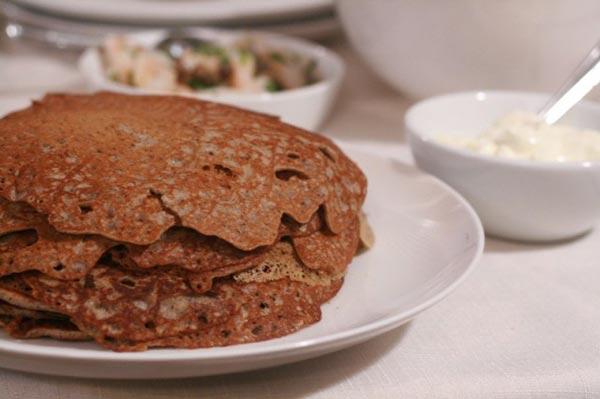
The recipes above are just a basic guide, and the filling can be sweet or savory, depending on your preference. These pancakes are delicious with onions, mushrooms, and sour cream, but that's where your experimentation lies. Recipes can truly vary, depending only on the cook's imagination and the tastes of her family. Since ancient times, every mother has kept her cooking secret, passing it on only to her daughter. Pancakes are a dish you can't help but love. They evoke spring and home comfort, and you can create a truly warm atmosphere in your home.