What to do if the meringue isn't setting: an analysis of possible errors

Content
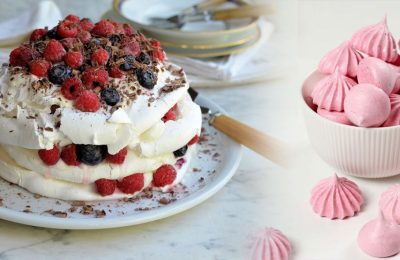
Meringue is a thick custard made from egg whites thoroughly whipped with sugar, while meringue is a pastry made from meringue by drying it in the oven. The dessert should be dry, crisp, and airy. If the meringue remains soft or collapses during cooking, you've made one of the mistakes we'll discuss in detail in this article.
5 Mistakes That Prevent Meringues From Hardening in the Oven
To make a fluffy meringue, you need to follow the recipe precisely. Even a small mistake at any stage can ruin the dessert. Below, we'll take a closer look at possible mistakes and how to fix them.
Failure to maintain proportions
When making a quality meringue, it's crucial to follow the recipe precisely, maintaining the correct proportions. To make a meringue, you need to prepare a base: 4 egg whites for every cup of sugar.
There are 3 classic ways to make meringue.
- Italian. This involves preparing a sugar syrup, which is gradually added in a thin stream to the egg white mixture. Italian meringue is the most airy and delicate.
- Swiss. This method involves mixing granulated sugar with egg whites and heating the resulting mixture in a water bath.
- French. In this recipe, you first need to beat the egg whites until stiff peaks form, then thoroughly mix them with sugar.
In each of the recipes given, you must use egg whites at room temperature.
Poorly beaten egg whites
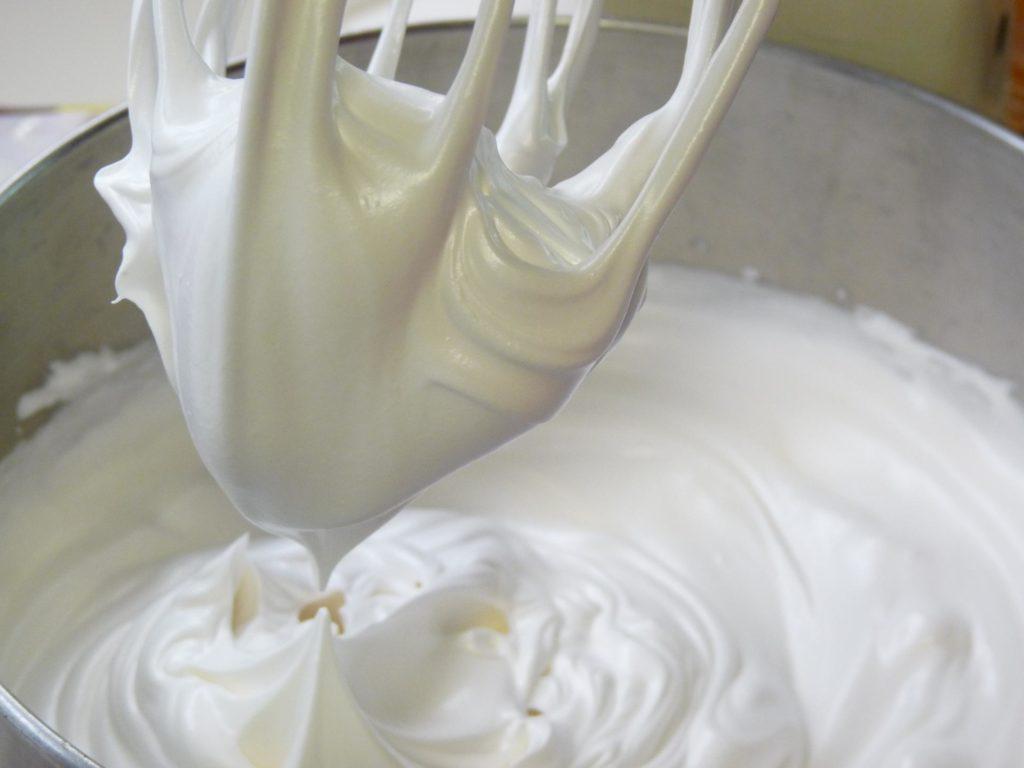
To achieve a light, airy texture, the egg whites need to be infused with air bubbles, which should be evenly distributed throughout the structure and small. Using a mixer at maximum power is likely to create large bubbles, causing the egg white foam to collapse and settle. Therefore, when making meringue, I recommend using a mixer at low or medium speed. Avoid tilting or rotating the bowl while whisking.
Also, pay attention to the quality of the eggs you use. Fresh eggs contain a large amount of albumin, which is essential for the formation of a stable, airy foam.
I advise you to carefully separate the whites from the yolks, since even a drop of the latter can ruin the dessert.
The meringue was not dried enough.
If you remove the meringue from the oven too early, it may develop a crispy crust on the outside but remain soft inside. Also, the meringue won't set properly if the oven temperature isn't set correctly.
The meringue should not be baked, but dried at a temperature no higher than 100°C in a preheated oven. Cooking time is adjusted based on the size of the dessert. You can pipe the meringue onto a baking sheet lined with parchment paper using any method you prefer: a tablespoon, a large syringe, or a pastry bag.
It is best to replace the parchment with a special silicone mat.
The oven temperature is too high
If the oven temperature is too high, the meringue will develop a crust but not set completely. To prevent this, it's important to monitor the temperature. The meringue should be placed in a well-heated oven. This is important because if you place the meringue in an unheated oven, the sweet mixture may settle.
The optimal temperature for preparing meringue is 90 – 100°.
The Pavlova dessert has become sticky.
Meringue (also called "Pavlova" in some recipes) can stick to your hands due to high humidity. When exposed to moisture, the product begins to melt slightly. Therefore, it's important to prepare the dessert in suitable conditions and avoid handling the finished meringue with wet hands.
What can you do if the meringue is still soft inside?
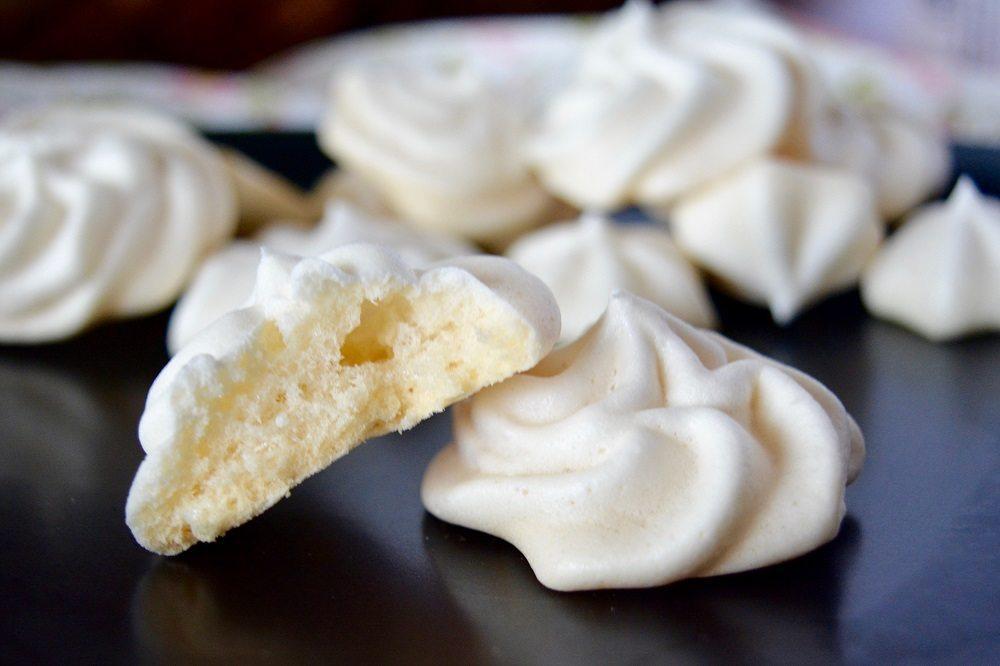
Beginner pastry chefs often encounter meringues that don't bake through and remain soft inside. If you notice this problem after baking, I recommend returning the baking sheet to the oven at 50-60°C. The baking time should be calculated based on how soft the meringue is. To check, break open one of the meringues and examine the texture.
7 Secrets to the Perfect Meringue
If you want to make the perfect meringue, I recommend following a few rules:
- Use clean, dry utensils. You can degrease the surface of the utensils and whisk with vodka/alcohol solution or lemon juice. Afterwards, wipe the utensils dry with a clean kitchen towel or paper towel.
- Whip the egg whites at room temperature. I recommend removing them from the refrigerator ahead of time so they have time to warm up. If you're short on time, you can warm them in lukewarm water. Warm egg whites become more pliable, absorb more air, and become fluffier.
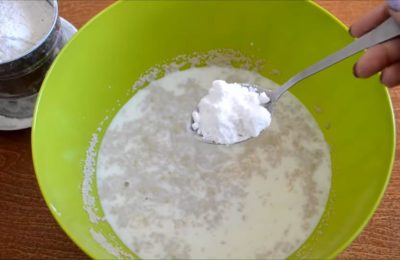
- Add powdered sugar or finely ground sugar. This product dissolves more easily in the egg whites, improving the whipping process. Large crystals can be ground in a coffee grinder. It is also possible to use sugar and powdered sugar in a 1:1 ratio.
- Don't beat the egg whites at maximum speed. Start at minimum speed. Once bubbles appear and the mixture becomes cloudy, you can increase the speed. This will ensure even oxygenation of the egg whites.
- Add the sugar and/or powdered sugar gradually to allow the crystals to dissolve completely. I recommend adding granulated sugar or powdered sugar gradually, in small portions, while continuing to mix with the mixer.
- Beat the meringue until stiff, firm peaks form. Use a mixer; a blender is not suitable for this purpose.
- Bake the meringue in a conventional or electric oven at the correct temperature for at least 2–3 hours. The optimal temperature is considered to be 90–100°.
The dessert should easily release from the parchment or silicone mat and be crisp and airy. Check the texture of the finished cake only after it has cooled completely. If the meringue doesn't dry out, try increasing the baking time.
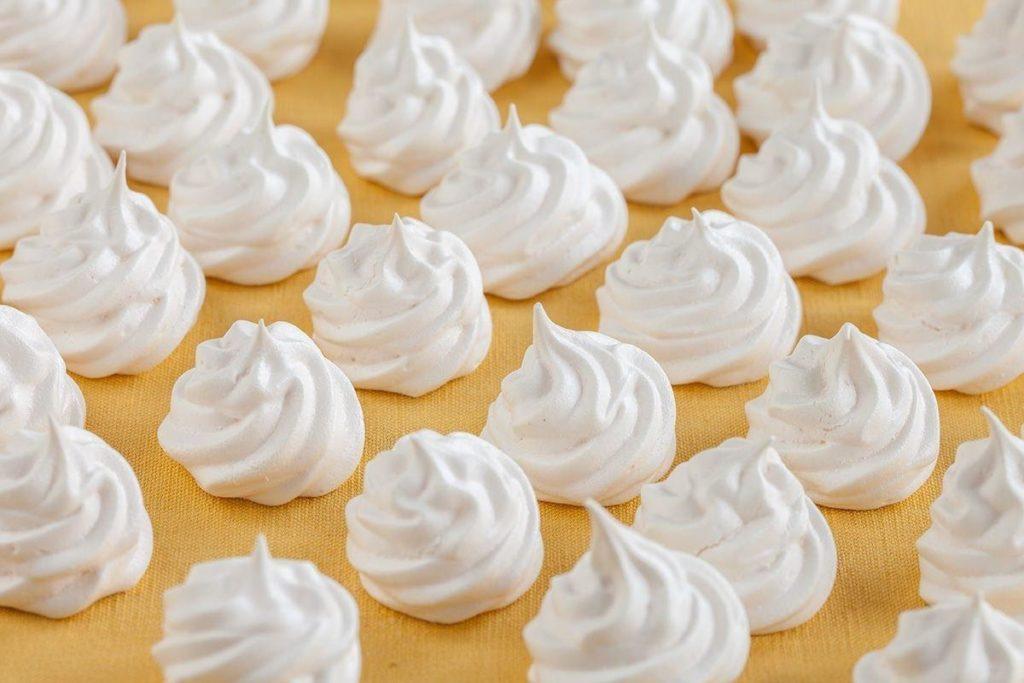
Meringue is a very delicate and finicky dessert. It can crack, become sticky, remain soft inside, fail to rise, or even collapse during drying. To prevent this, carefully follow every step of the preparation process. The meringue should remain dry and crisp even after prolonged storage.