
What is lemonade: history and varieties

Content
Lemonade is a summer drink popular all over the world. As soon as the outside temperature rises a few degrees, lemonade stands pop up on practically every corner. And it's no wonder, as the drink is refreshing, invigorating, and uplifting.
A glass of cool soda quenches thirst, relieves heat-induced stress, and energizes the body. It's a great alternative to coffee and tea, and a wonderful addition to both dinner and holiday tables. Lemonade never gets boring, and with dozens of varieties available, there's something for everyone.
What is lemonade?
Lemonade is called lemonade for obvious reasons. The base of this summer drink is freshly squeezed lemon juice, and less commonly, other citrus fruits, such as orange, lime, or grapefruit.
The fruit originated in Northern India around 2,000 BCE. It was likely, in its early stages, a hybrid of several citrus species. One of the lemon's ancestors is considered to be the citron—a large, bright yellow citrus fruit with a thick rind.
In the early 8th century, the lemon's "Great Journey" began, making it one of the most recognizable fruits in the world. Around this time, the fruit traveled from Asia to Egypt. Lemons arrived in Europe thanks to the Arabs, who brought the fruit to Spain and Italy. Columbus brought lemon seeds to the Americas.
The word "lemonade" has French origin (from lemonade - "cool drink").
The history of lemonade
The history of lemonade is extremely interesting, because the drink appeared completely by accident.
In the 17th century, during the reign of Louis XIV, the most popular drink among kings and nobles was grape wine. The finest varieties of fruit were used to create it. The wine was aged in large barrels in the dungeons. At court, there was even a special position called the cupbearer. This servant served alcohol to the royal table.
In addition to wine barrels, the dungeons also contained jars of lemon juice, which served as a booster during the fermentation process.
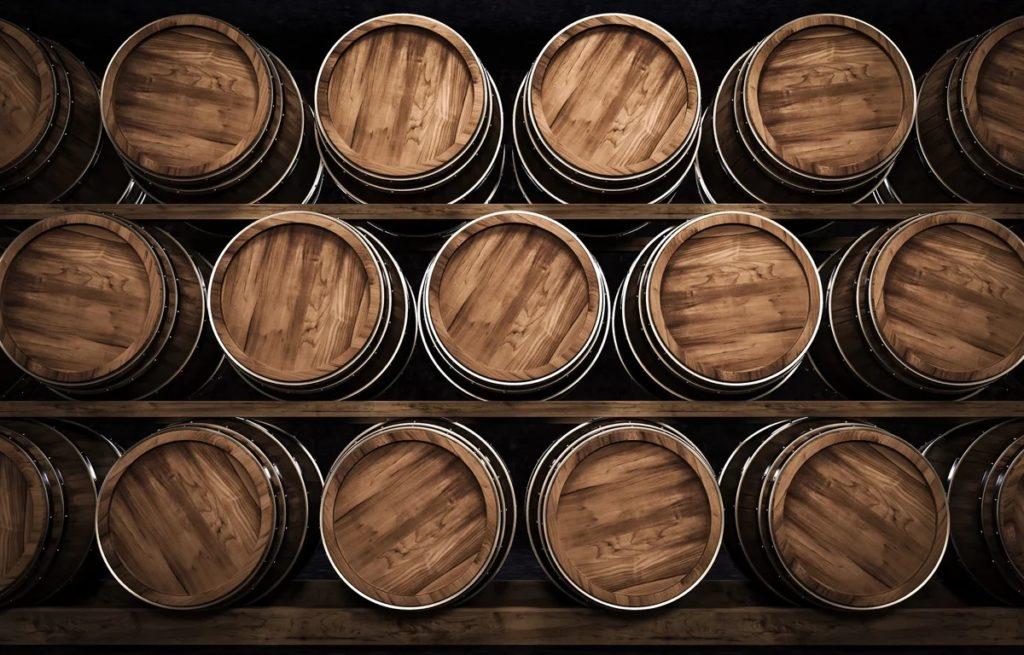
One day, Louis XIV's cupbearer mistook lemon juice for wine. He only noticed the mistake just before serving the drink. To remedy the situation, he added sugar and diluted it with water. The king liked the unusual combination, and homemade lemonade quickly spread throughout France and then throughout the world.
For a long time, only aristocrats could afford to enjoy the refreshing taste of lemonade. Not everyone could get their hands on freshly squeezed lemon juice, as it was imported from hot climates. Mineral water from healing springs was most often used to dilute the juice. And sugar was worth its weight in gold.
Joseph Priestley made a significant contribution to the development of industrial production of carbonated lemonade. In 1767, the British naturalist invented a device for infusing liquids with carbon dioxide.
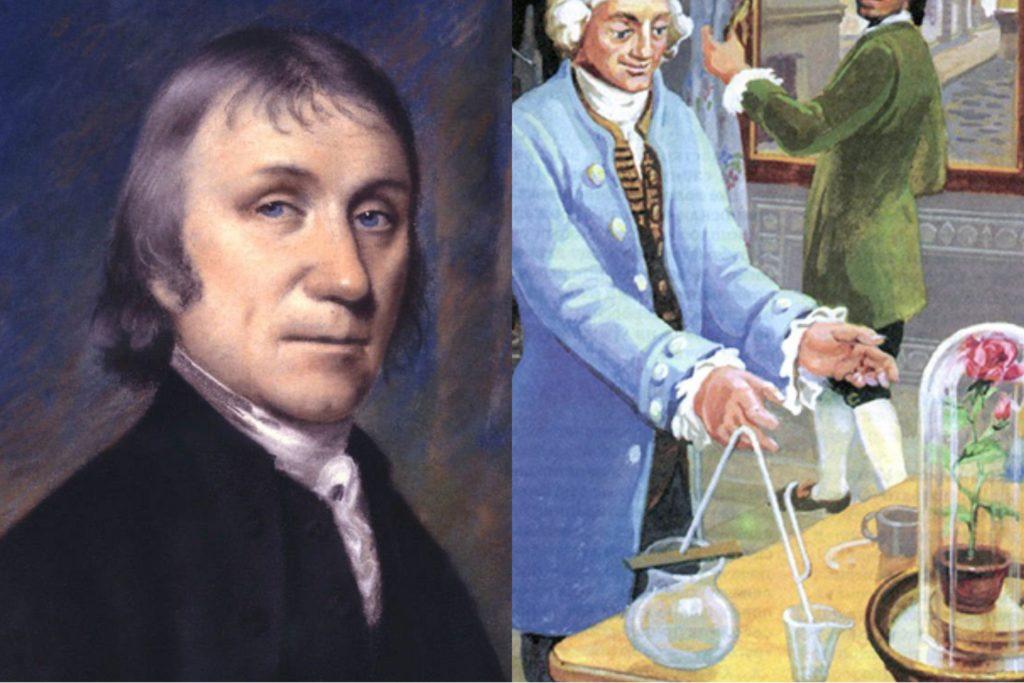
Saturators contributed to the emergence of companies producing sweet juice-based sodas. The first large-scale production of carbonated drinks was attributed to the German Jacob Schweppes, the father of the popular "Schweppes."
The Americans soon adopted this approach, taking the production of sparkling waters and juices to a new level. The first registered trademark for a soft drink was "Lemon's Superior Sparkling Ginger Ale" in the United States in 1883.
Foreign lemonade appeared in Russia during the reign of Peter the Great. The emperor was the main promoter of this drink. By his order, no social event at court was complete without lemon infusion diluted with water.
What types of lemonades are there?
The heyday of mass production of bottled fizzy lemonade came in the 20th century. Carbonated drinks became accessible to everyone, largely due to the replacement of natural juice bases with preservatives, the use of dyes for color, and flavors for aroma. The production cost of these drinks was low, but profits for producers increased severalfold.
In the USSR, lemonade was practically the most popular drink. You could buy the soda on every corner. To achieve this, lemonade dispensers were installed at train stations, public gardens, and other crowded areas.

These days, you can buy refreshing lemonade at any time of day or night at any nearby store. There are sparkling and still drinks, sweet and not so sweet, vibrant flavors, and options for every budget. Manufacturers offer hundreds of varieties. However, the quality of the drinks is often far from perfect.
Doctors warn that regularly drinking commercially produced water can negatively impact the body's overall functioning. Therefore, if you want to enjoy lemonade that's not only delicious but also healthy, it's best to make it yourself using homemade ingredients.
Industrial production
Nowadays, many people prefer not to spend even ten minutes preparing a light summer drink, instead buying commercially produced lemonade. Their names are familiar to many. Even with our eyes closed, we can imagine the taste of "Tarragon," "Citro," and "Cream Soda." But what exactly are these beloved drinks?
Tarragon
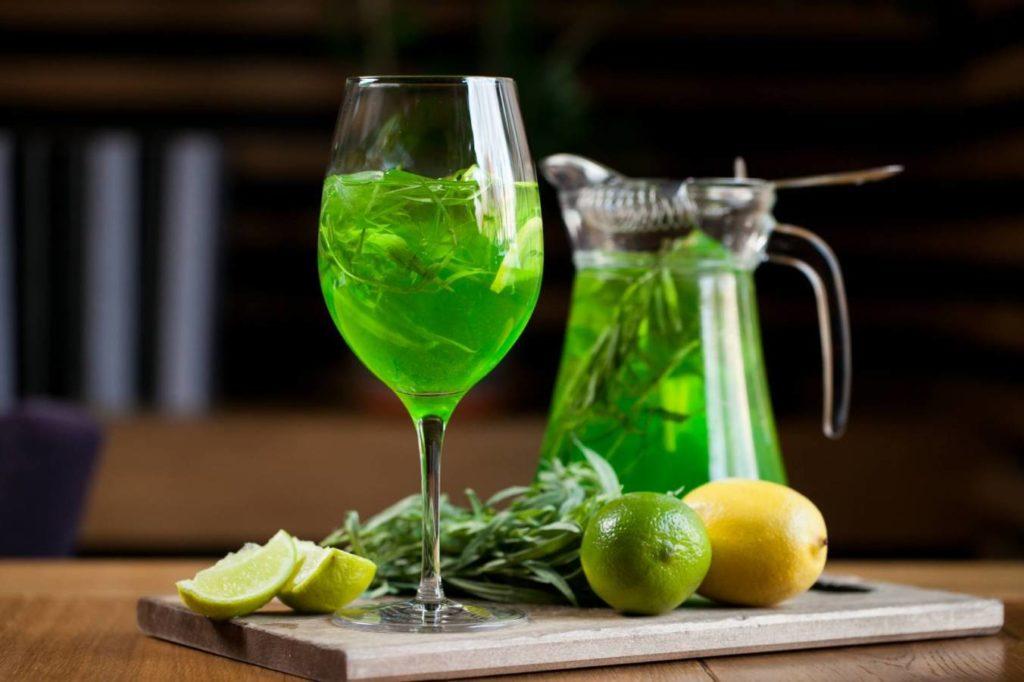
This popular drink emerged in the late 19th century thanks to the imagination of the Tiflis pharmacist Lagidze. He decided to make lemonade not with lemon juice, but with a herbal infusion containing Caucasian tarragon extract, better known as tarragon. The drink was specifically supplied to the Shah of Iran.
Citro
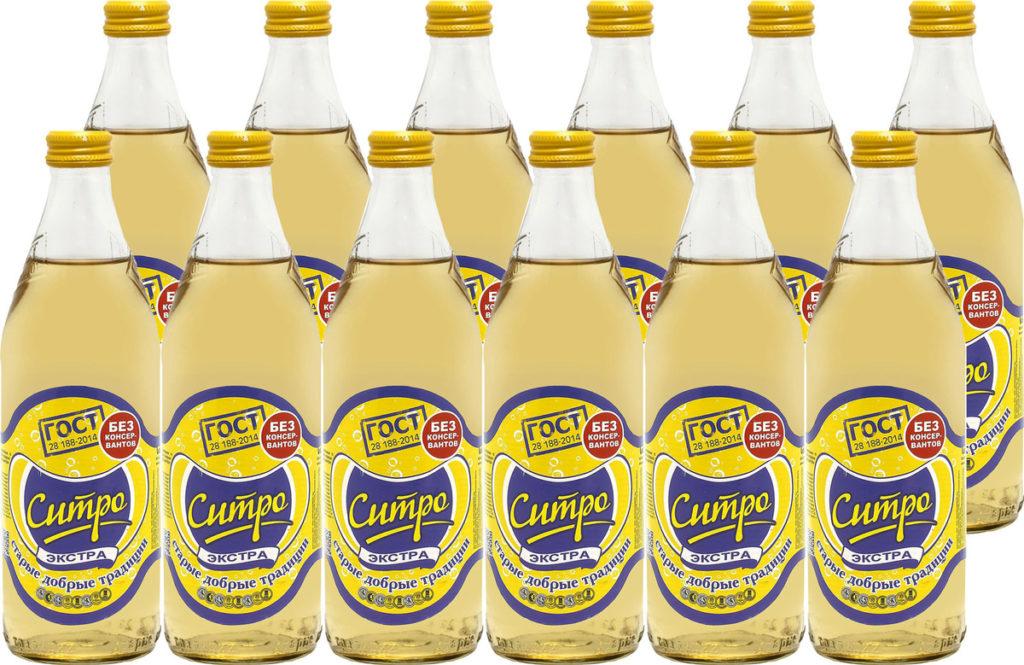
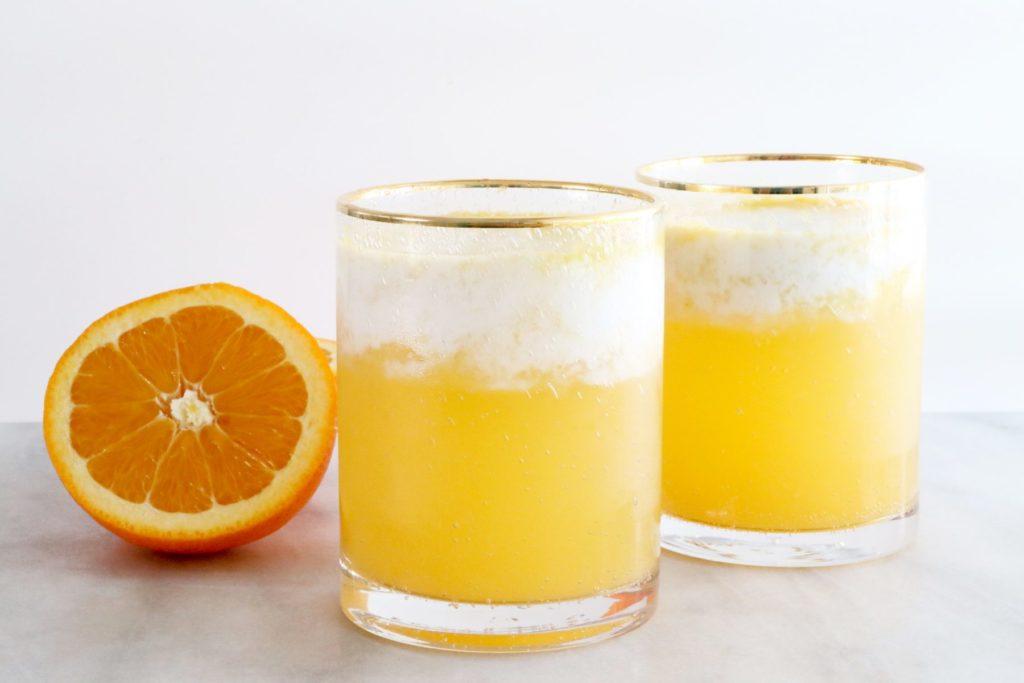
Citro lemonade (from the French citron, meaning lemon) was invented in 1812 in France. The drink's recipe was kept secret for a long time, and it only became available to the masses in the 1950s. The secret to its subtle flavor lies in the fact that it's based not on concentrated lemon juice, but on an infusion of lemon peels.
Cream soda
Another brainchild of Mitrofan Lagidze, this lemonade was created over a century ago. Its unique feature is that it's made with whipped egg whites. Carbonation of the water is a must.
Bionad
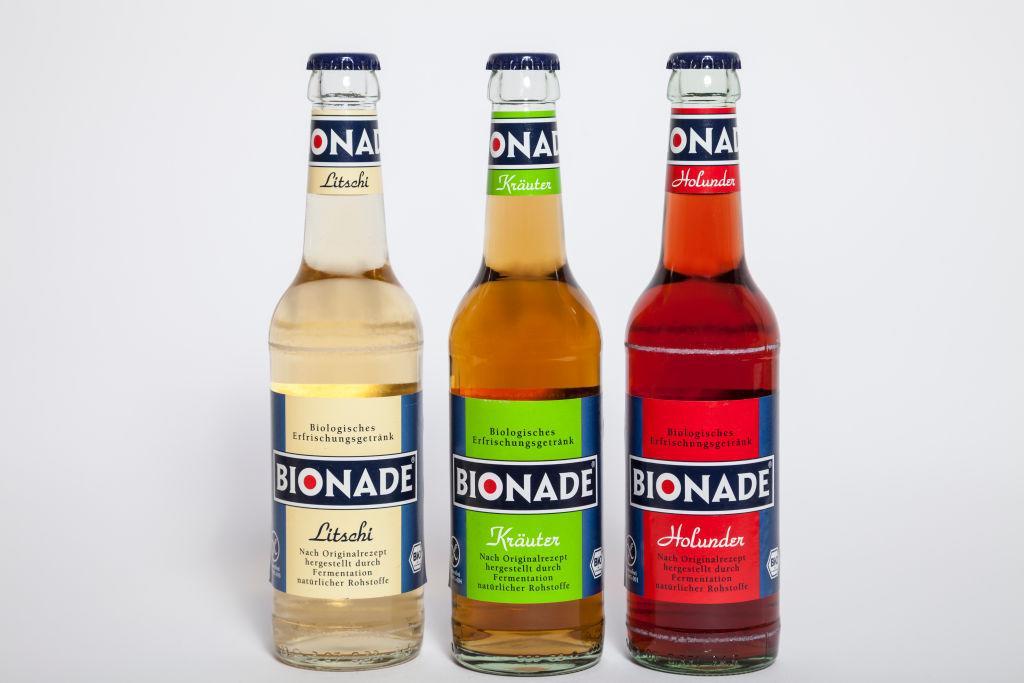
Germany has given the world not only the most delicious beer but also an unusual organic lemonade, "Bionade." The drink's ingredients are almost identical to those of beer: barley malt, sugar, and herbal additives.
The main difference is the bacterial production technology, which produces gluconic acid rather than ethanol. This non-alcoholic beverage is very healthy.
Homemade
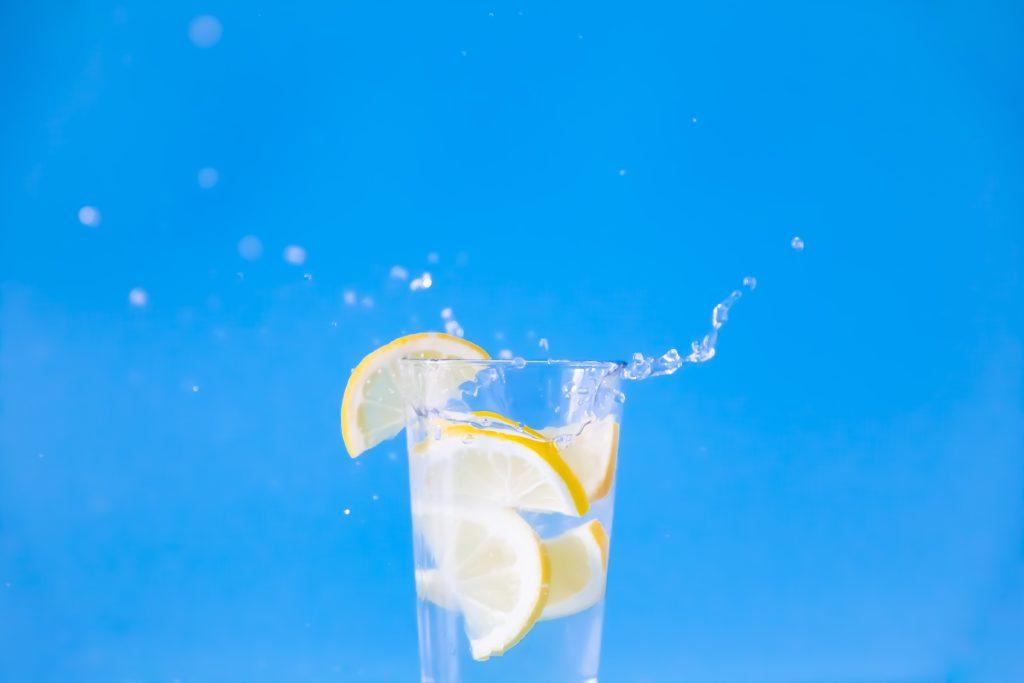
Lemonade is one of the easiest drinks to make at home. Most often, homemade lemonade requires just three ingredients: lemon juice, sugar, and water.
Natural ingredients allow you to enjoy the original taste of lemonade, once enjoyed by Louis XIV himself. However, it's important to remember that this drink can only be stored for a week. Here are a few classic recipes anyone can recreate.
Traditional lemonade
Combine 200 ml of water and sugar in a saucepan. Bring to a boil over medium heat. Squeeze 4–5 lemons to extract the juice. Combine the lemon juice and syrup in a decanter. Stir. Dilute with water or sparkling water.
Strawberry lemonade
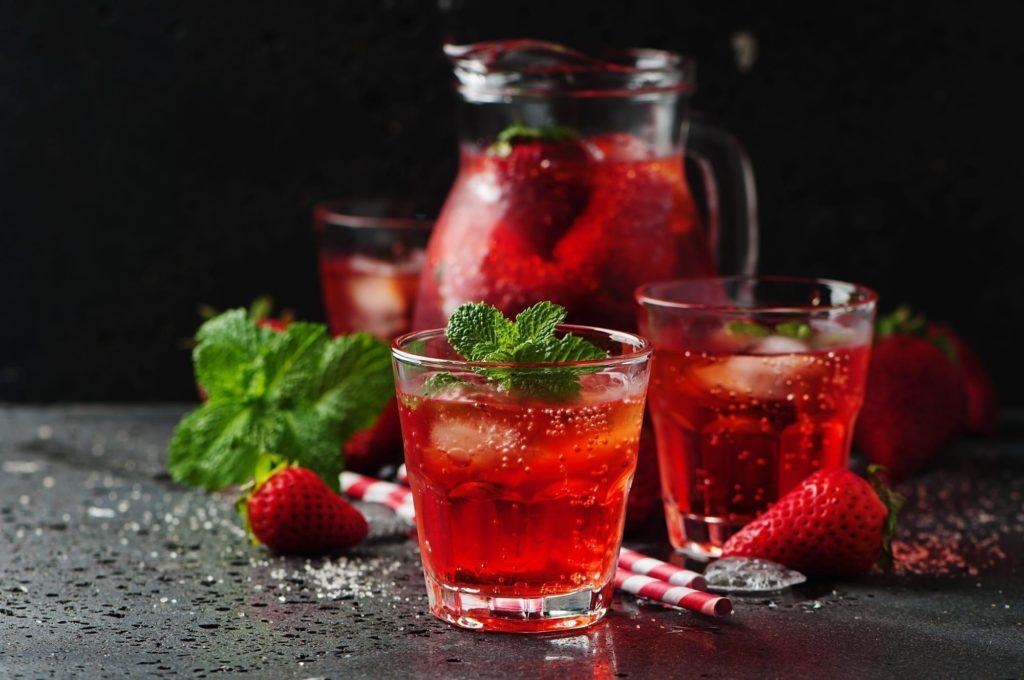
Puree 8–10 fresh strawberries in a blender. Juice one lemon and one and a half limes. Make a syrup with 150 g sugar and 200 ml water. Combine all ingredients and dilute with 1 liter of water. Add mint, tarragon, and ice to a decanter.
Blueberry lemonade
Blend 200g blueberries, 250ml lemon juice, a bunch of mint, and 125g powdered sugar until smooth. Pour the mixture into a pitcher and top with water. Add ice and mint if desired.
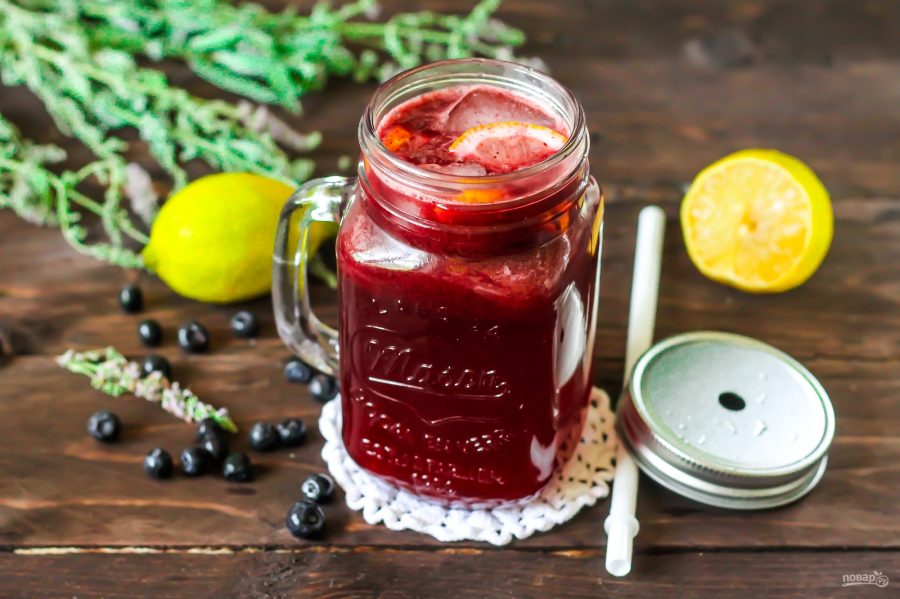
Lemonade is over 400 years old, yet it remains a popular beverage, especially during hot weather. And it's no wonder, as rich and vibrant lemonade does a fantastic job of invigorating and uplifting.