What is namelaka and how to make it?

Content
Pastry chefs associate namelaka with something delicate and airy, as its structure is similar to mousse. This cream can be used as a filling and decoration for various pastries and desserts. The namelaka recipe was first described in the encyclopedia of the world-famous French chocolate factory Valhrona. The only drawback of this cream is that it must be prepared a day in advance.
What is namelaka?
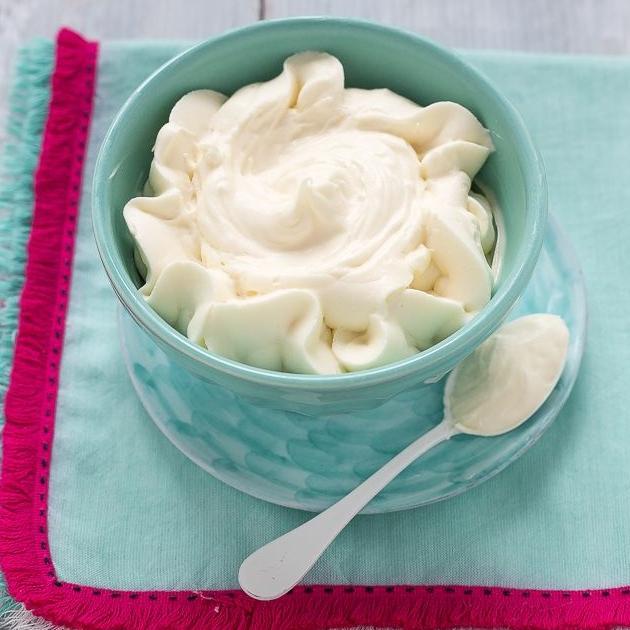
Namelaka is a delicate, creamy custard with an airy yet firm texture. The main ingredients used to make namelaka are:
- Chocolate, which acts as the base of the cream.
- Milk. Makes the product's structure lighter.
- Cream is an essential part of namelaki.
- Gelatin – gives stability and silkiness to the structure of the cream.
The term "namelaka" is believed to be of Japanese origin from "namma lakka", meaning smooth, creamy.
What desserts is namelaka suitable for?
Because namelaka is a delicate and stable frosting, it has a wide range of uses, but it's not suitable for soaking dense sponge cakes or leveling cakes. Namelaka pairs well with moist sponge, choux, and shortcrust pastry layers. This frosting holds its shape well, making it a popular filling and decoration for a variety of pastries. Namelaka is used to fill éclairs, trifles, croquembouches, profiteroles, candies, and macaroons. You can decorate any cake, pastry, tartlet, or cupcake with namelaka, or use it as a standalone dessert, for example, with crushed cookies or granola.
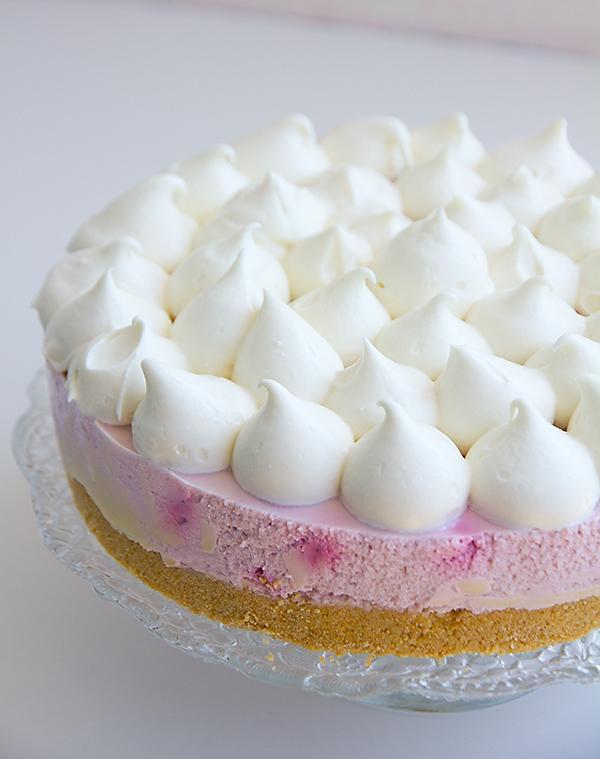
How to decorate a cake or pastries with namelaka?
I recommend preparing the namelaka for cakes and other desserts ahead of time so it can rest in the refrigerator. Afterward, beat the cream again with a mixer at high speed until smooth and fluffy. Then, transfer the mixture to a pastry bag and fit it with an 8-10 mm tip. Next, pipe the namelaka onto the dessert, distributing it in cones or berries across the surface. You can top the cream with berries or sliced fruit.
If the namelaki texture is not smooth enough and the decorations are settling, I recommend removing the cream from the dessert and whisking it thoroughly again with a mixer until you achieve the desired texture.
Vanilla Namelaki Recipe
When making cake frosting, it's crucial to use high-quality ingredients. Cream, milk, and chocolate should not contain any dairy substitutes.
Necessary components:
- 200 ml whole milk;
- 250 g 70% confectionery or bar chocolate;
- 400 ml high-fat cream (at least 33%);
- 10 g glucose syrup (you can exclude);
- 5 g gelatin;
- 2 g vanillin.
If desired, you can substitute dark chocolate with milk chocolate (40%). In this case, you should use slightly more of this product (about 350 g). When choosing chocolate, be sure to check the percentage of cocoa butter in it.
Step-by-step cooking process:
- To start, you need to place the chocolate in a heat-resistant bowl and melt it using a microwave or double boiler.
- Then, following the package directions, soak the gelatin in clean, cool water.
- Pour the milk into a small saucepan and bring to a boil. Once it boils, add the gelatin, vanilla, and glucose syrup (optional) and stir.
- After this, slowly pour 1/3 of the hot milk mixture into the bowl with melted chocolate.
- Vigorously stir the ingredients in a circular motion with a spatula. The result should be a shiny, elastic mixture.
- Next, pour in the second and third thirds and mix in the same way.
- Then add cold cream and beat the mixture with an immersion mixer until smooth.
I recommend placing the prepared cream in the refrigerator in a sealed container for 12 hours to stabilize.
Popular types of namelaki
There are many types of airy namelaki buttercream, below we will look at the most popular ones:
- Lemon. The only difference from the basic recipe is that the finely grated zest of two lemons is added to the milk before boiling.
- Caramelized. The recipe is the same. The only difference is that before whipping, the white chocolate must be caramelized for half an hour at 130°C.
- Vanilla. The recipe is completely similar to the basic one, but a few drops of vanilla essence or packeted vanillin are added to the milk.
- Raspberry. During the preparation process, milk is mixed with natural raspberry syrup, then poured into the chocolate. For a richer hue, you can add a small amount of food coloring to the cream and beat thoroughly with a mixer.
- Coffee. When preparing, add half a teaspoon of granulated coffee to boiled milk.
- Milk chocolate. This cream is made according to the basic recipe, but in this case, you use milk chocolate instead of white chocolate. It can be confectionery or bar chocolate.
If you want to give the namela a pleasant citrus or spice aroma, I recommend adding the spice to warm milk and letting it steep for 10-15 minutes, after which the product can be used to make cream.
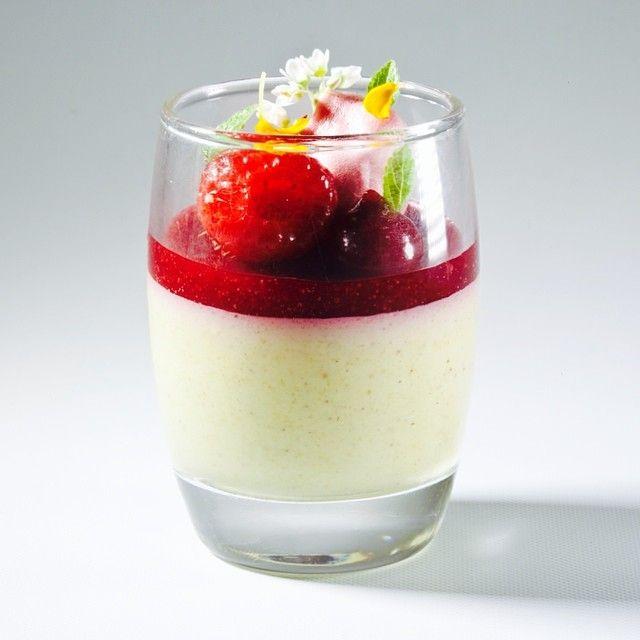
A distinct advantage of namelaki is the ability to use additional flavorings, which must be infused in boiled milk before preparation. These can include vanilla, citrus zest, instant coffee granules, fruit or berry puree, praline, or Tonka beans.