Meringue and meringue: what's the difference?

Content
Beginning pastry chefs, becoming familiar with the diversity of desserts, often wonder what the difference is between meringue and meringue, what the distinction is between these popular dishes, and why they are so often confused.
What are the similarities between meringue and meringue?
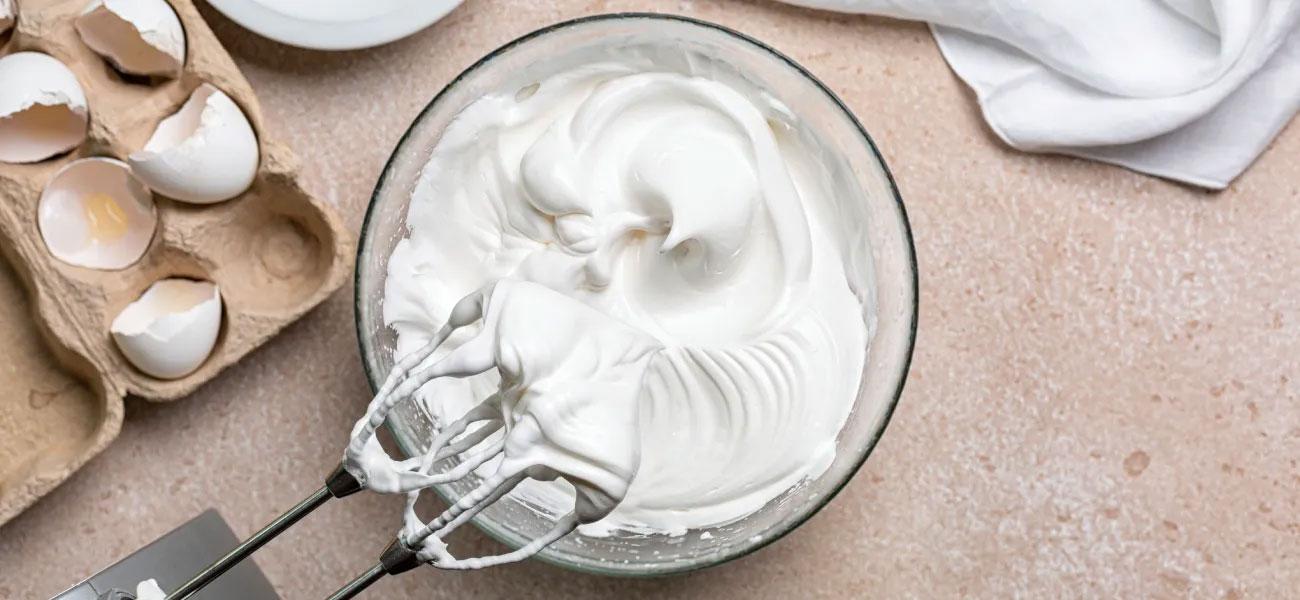
In fact, there are many desserts in the confectionery world that are based on whipped egg whites:
- meringue;
- meringue rolls;
- Anna Pavlova;
- macaroons, etc.
History of desserts
So, is meringue really a type of meringue, or not? To find the answer, let's look at the history of desserts.
Meringue – a favorite delicacy of French kings, which graced the magnificent balls of Versailles. The dessert's name comes from the French word "baiser," which translates as "kiss." According to one theory, the Italian chef François Massiallo, who described the preparation of this dish in his 17th-century book, discovered the recipe for baking egg whites whipped with sugar until stiff peaks formed. Spanish pastry chefs believe the first egg white-based desserts were invented around the same time, but who was first is unknown.
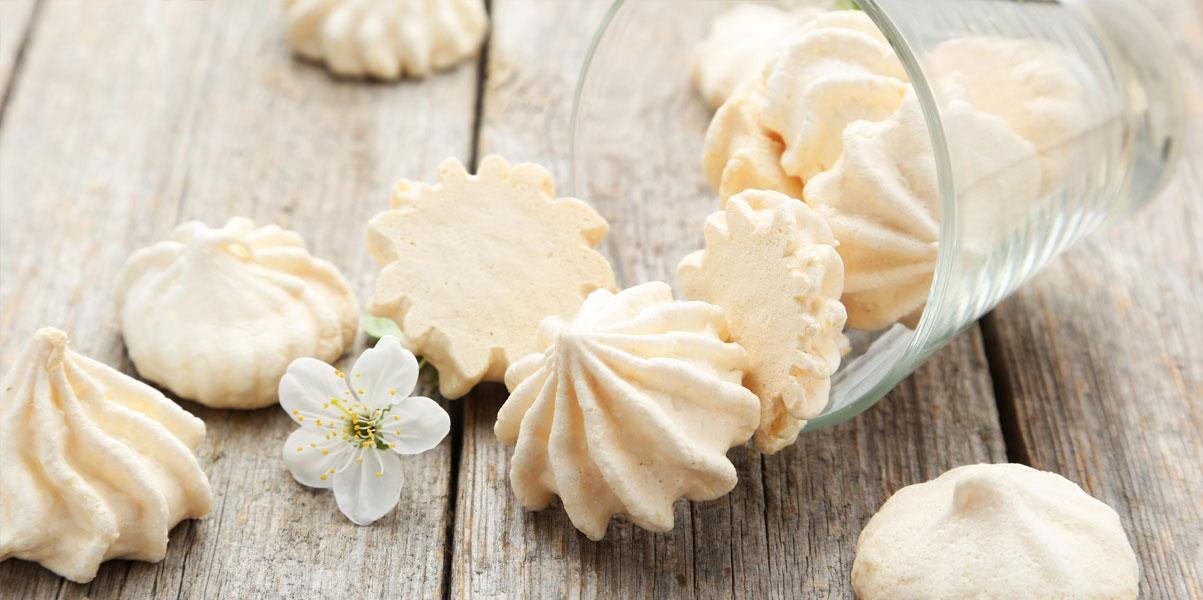
Meringue – a meringue-like dessert, the recipe for which was proposed in the 17th century by the Swiss chef Gasparini, originally from the small town of Meiringen. Without much thought, the Swiss named the then-unusual dish after his hometown – and thus the delicate and surprising "merengue" or "meringue," as the dessert became known in other European countries, was born.
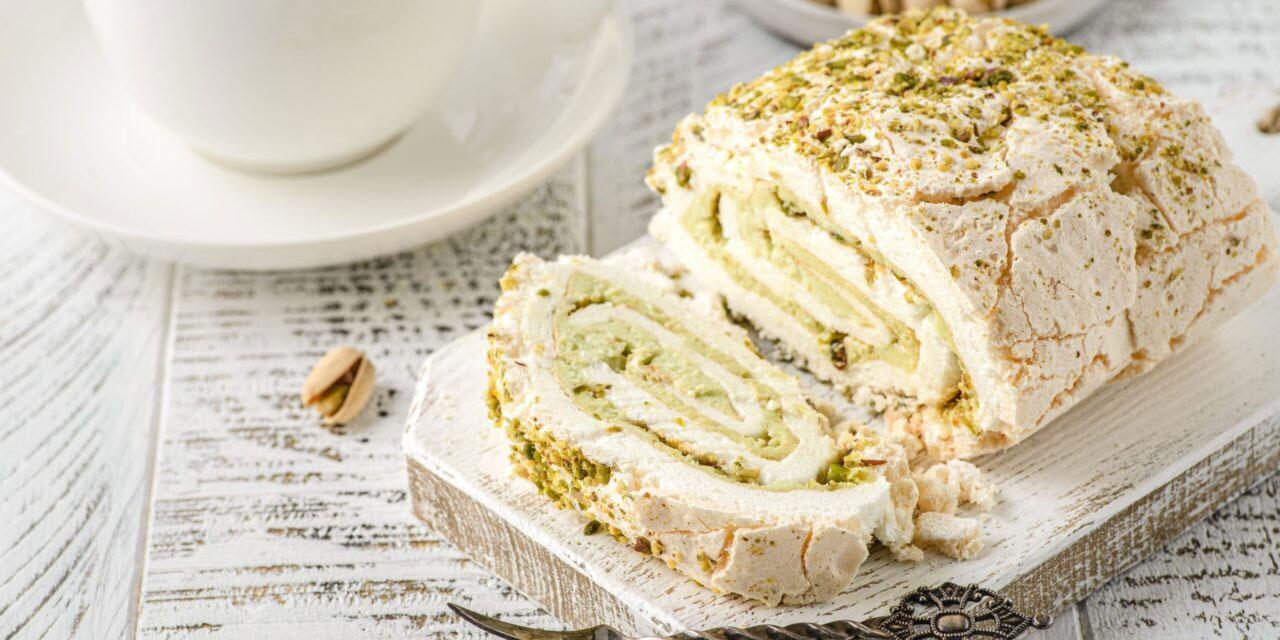
The difference between meringue and meringue (recipe features)
Although both desserts share similar ingredients, the differences lie in the preparation processes themselves. Furthermore, there are several varieties of meringue and several types of meringue, which differ significantly from each other.
Classic meringue
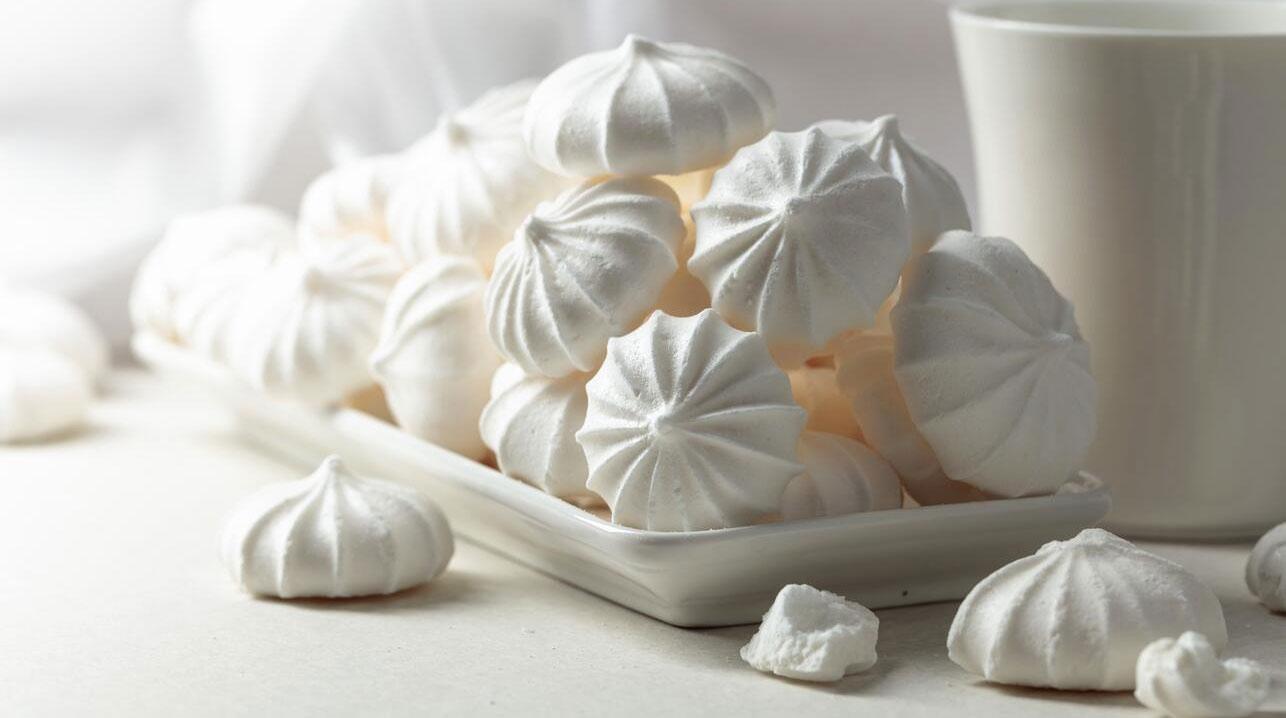
Another name for meringue is "forgotten cookies," because ideally the protein is dried to a crispy state, so that the cake not only has a crispy crust, but is also dry inside.
For a classic oven-baked meringue recipe, watch this video:
French meringue
Peculiarities:
- easy to prepare;
- the protein does not undergo heat treatment;
- the mass settles quickly;
- additional protein stabilization is necessary (adding a small amount of citric acid or cream of tartar will help).
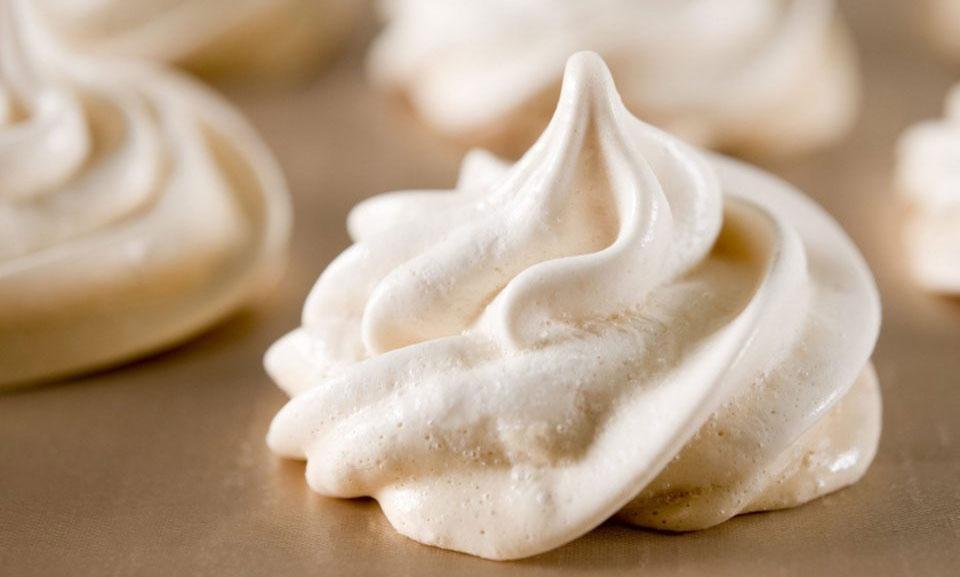
The optimal proportion for preparing an elastic mass for baking French meringue is 100 grams of protein + 300 grams of sugar.
Watch the video to learn how to make the perfect French meringue:
Swiss meringue
Peculiarities:
- dense and stable;
- does not settle;
- It is important to strictly control the temperature.
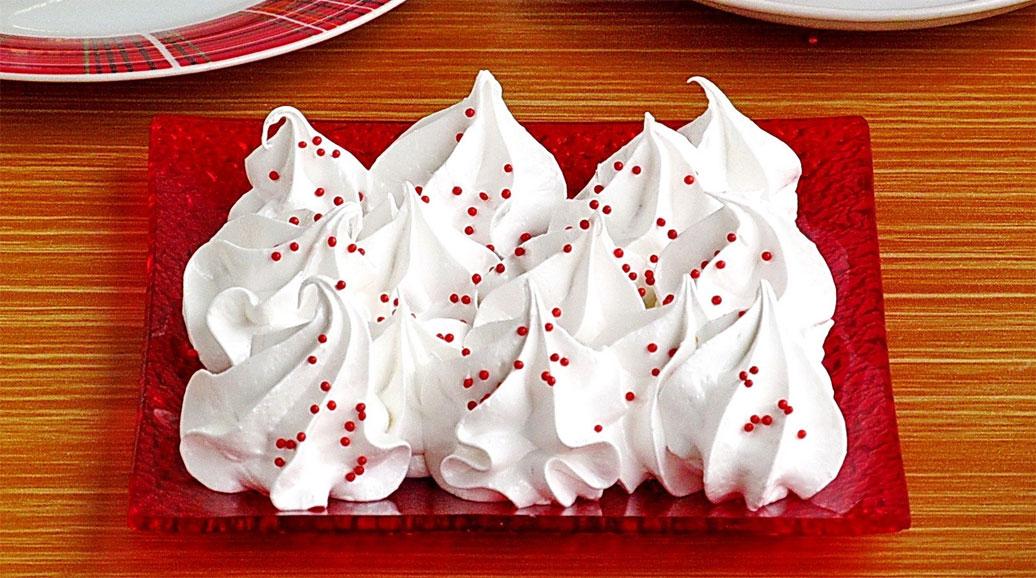
The optimal ratio is 140 grams of sugar to 70 grams of egg white. A key feature of this method is that the egg white and sugar are heated in a water bath to 50-75°C (no more!) before whipping.
For more information on the process of making Swiss meringue, watch this video:
Italian meringue
Peculiarities:
- the most difficult to prepare (not everyone succeeds even on the third try);
- requires professional equipment (works best in planetary mixers);
- has the best consistency;
- does not settle;
- holds its shape perfectly.
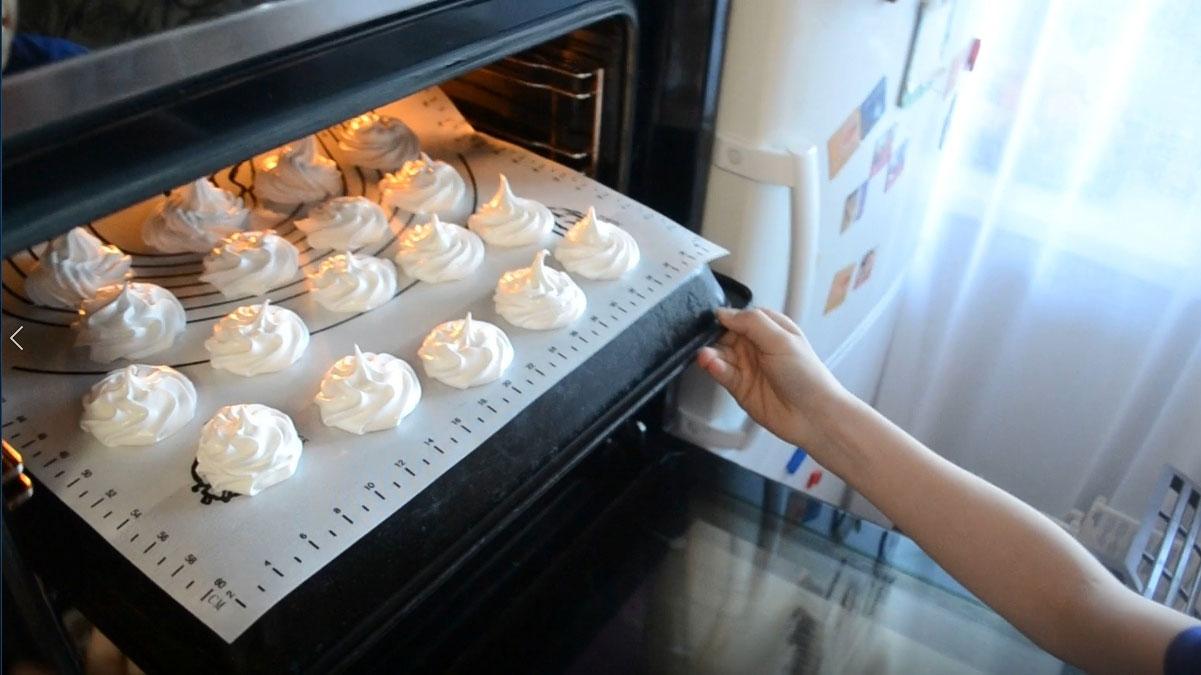
The production process uses 150 grams of sugar per 50 grams of egg white and 50 grams of water. Initially, the egg white is whipped into a foam, but the process is different. The sugar and water are brewed into a syrup, bringing it to a temperature of 121°C (250°F), and then added to the egg white in a thin stream, continuing to whisk vigorously at high speed. If you add the syrup too quickly, the egg white will curdle! This is why a fairly high mixing speed is necessary, which is difficult to achieve with a household hand mixer.
Learn how to make the perfect Italian meringue in this master class:
Anna Pavlova
A dessert consisting of two halves of meringue, the taste of which is complemented by fresh fruits and berries.
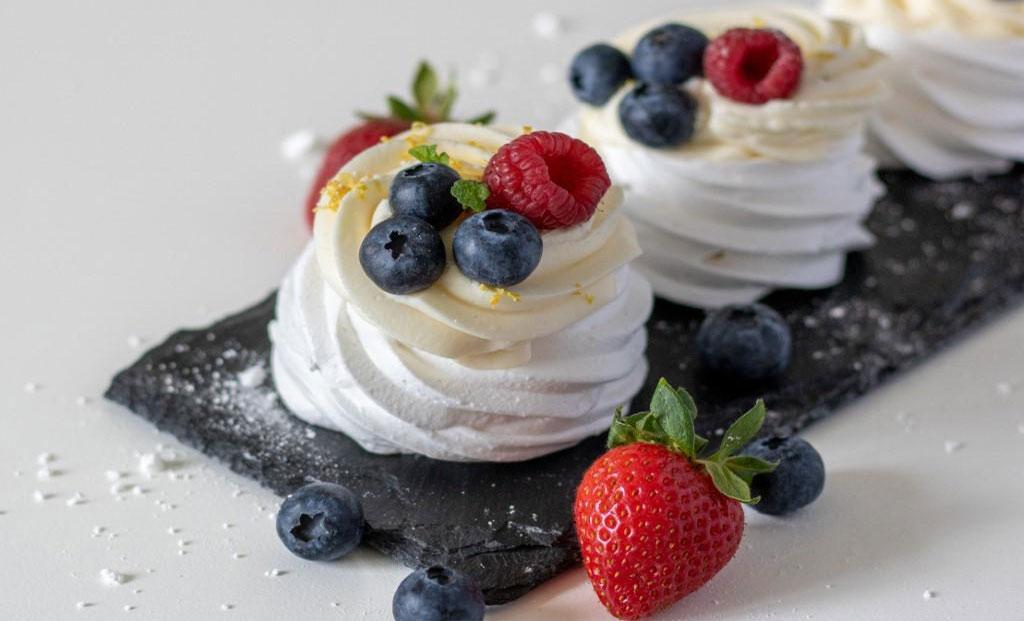
During the preparation process, the meringue is not dried out to a crispy consistency, but rather leaves a soft, chewy center, which, combined with the crispy crust, creates a unique, incredible effect.
Learn how to make the delicate meringue-based dessert "Anna Pavlova" at home in this master class:
Macaroni
Macarons, also known as macarons, are two halves of colorful cookies made with airy meringue and almond flour, held together by various fillings.
All stages of dessert preparation are discussed in more detail in this video:
Conclusion
Now you know the difference between meringue and meringue, and why they're so often confused. If you happen to come across a misleading use of one or the other in a pastry recipe, know that this misuse is simply due to the fact that the difference between a French meringue and a classic meringue, especially before the drying or baking process, isn't very significant.
People don't always wonder how meringue differs from meringue or cake maker. They simply think the phrase "meringue layer" sounds more impressive and modern.