Self-raising flour: what it is and how to make it at home

Content
We're continuing our exploration of the intricacies of modern cooking. Today, we'll explore what self-rising flour is, how it differs from traditional flour, and what recipes it's used in. As a bonus, we'll share how you can quickly make a similar mixture at home for fluffy baked goods and a variety of desserts.
Self-rising flour and its features
The baker claimed that flour prepared according to his recipe had the ability to impart a distinctive fluffiness and rich flavor to dough. The effect was indeed highly praised, and by 1855, all bread for the country's sailors was being baked with self-rising flour.
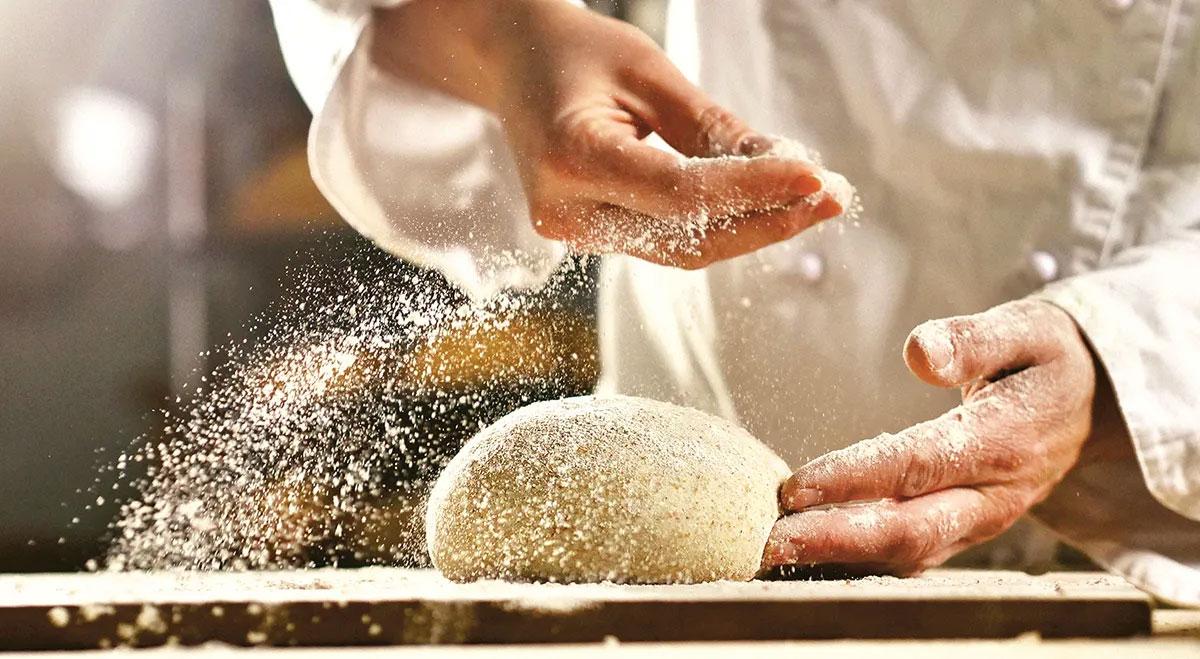
Today, self-raising flour, often referred to as "confectionery flour," is widely used in the preparation of a variety of dishes. Using this product, you can prepare:
- fluffy pancakes or fritters;
- gingerbread and cookies;
- Viennese waffles;
- cupcakes and muffins;
- biscuits;
- dough for pies, buns, open or closed pies and other baked goods.
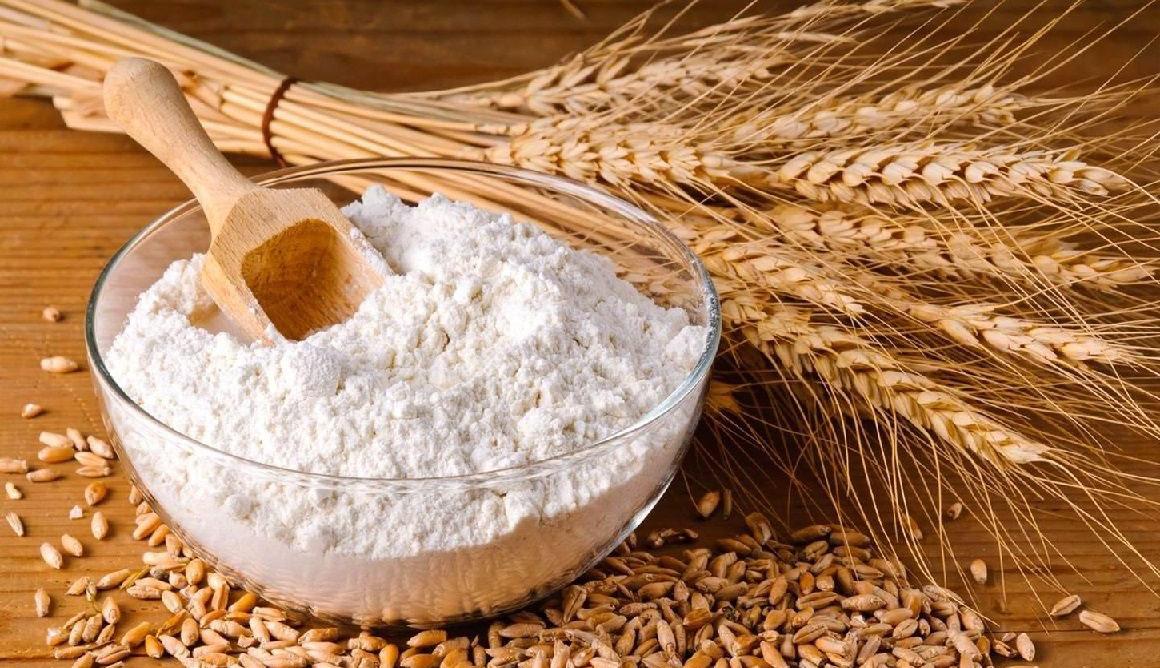
Self-raising pastry flour is ideal for any dough whose porous texture is formed by saturating the mass with carbon dioxide bubbles, as the mixture contains:
- premium flour;
- table salt;
- soda (sodium bicarbonate);
- acid phosphates (acidity regulators).
How to make self-rising flour
You can also make self-rising flour at home. This mixture is significantly cheaper than store-bought flour, but it works just as well. Reviewing reviews from experienced cooks, you'll see that store-bought flour doesn't always live up to expectations, whereas by making your own self-rising flour, you can always be confident in the safety and quality of your ingredients.
Recipe No. 1 – with baking powder
Ingredients:
- premium flour – 1 cup (190 g);
- fine salt (extra) – 1 pinch;
- baking powder – 1 teaspoon;
Preparation:
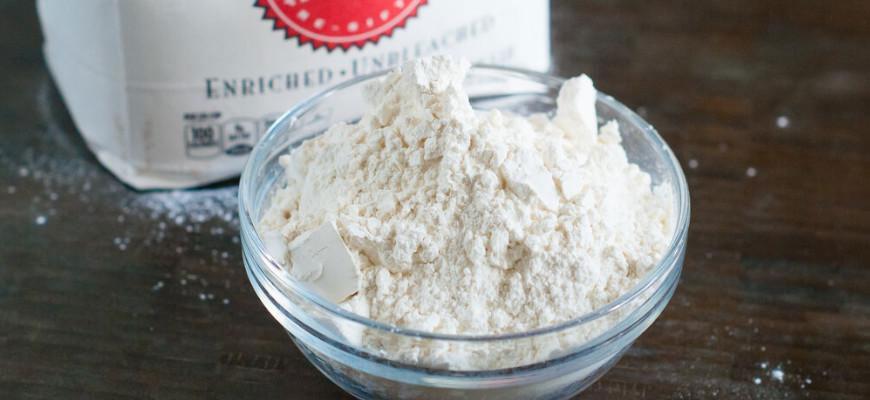
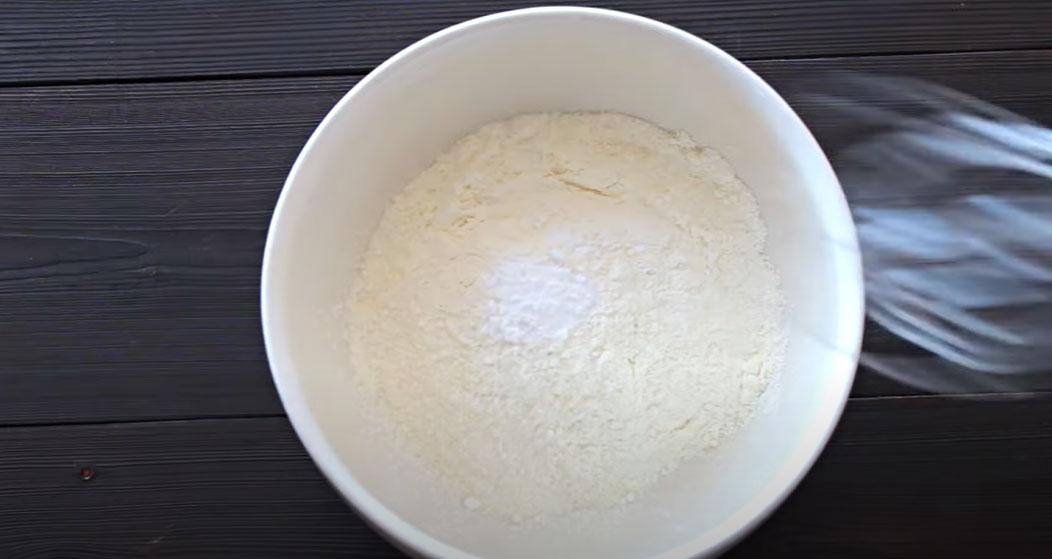
Step 1. Pour the required amount of flour into a bowl, add salt and baking powder according to the recommended proportions.
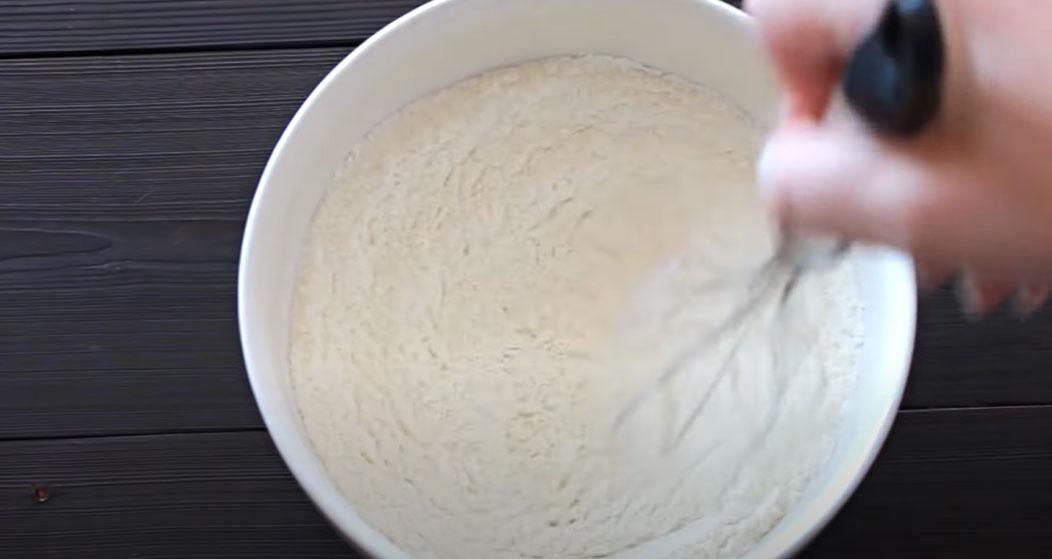
Step 2. Mix dry ingredients thoroughly with a whisk or fork.
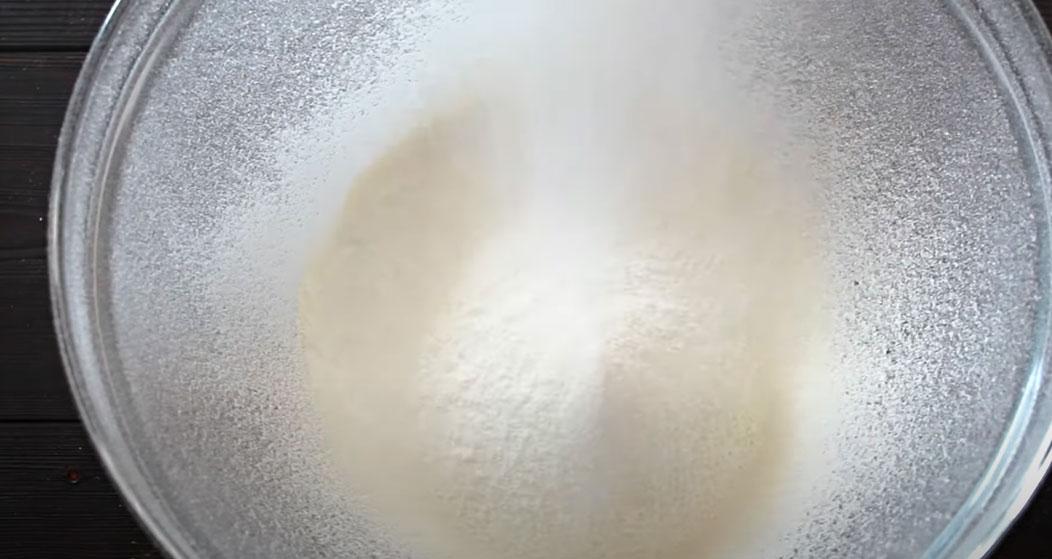
Step 3. Sift the dry mixture through a sieve 3-4 times to ensure all ingredients are distributed as evenly as possible.
Recipe #2 – using homemade ingredients
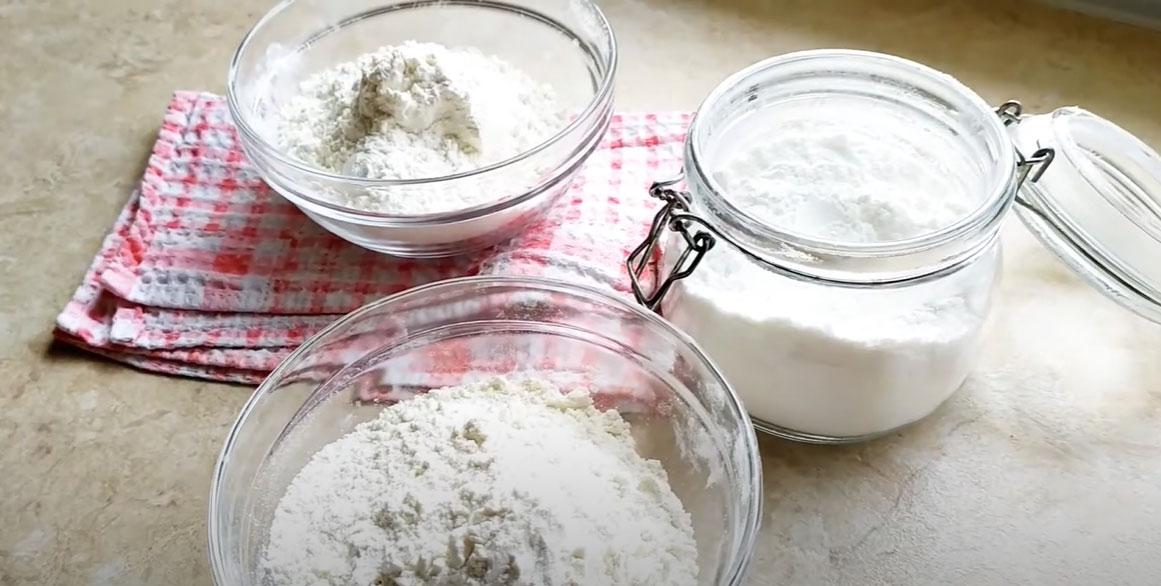
Ingredients:
- corn starch – 122 g (can be replaced with flour);
- soda – 48 g;
- citric acid – 30 g.
Preparation:
Step 1. Grind citric acid in a coffee grinder.
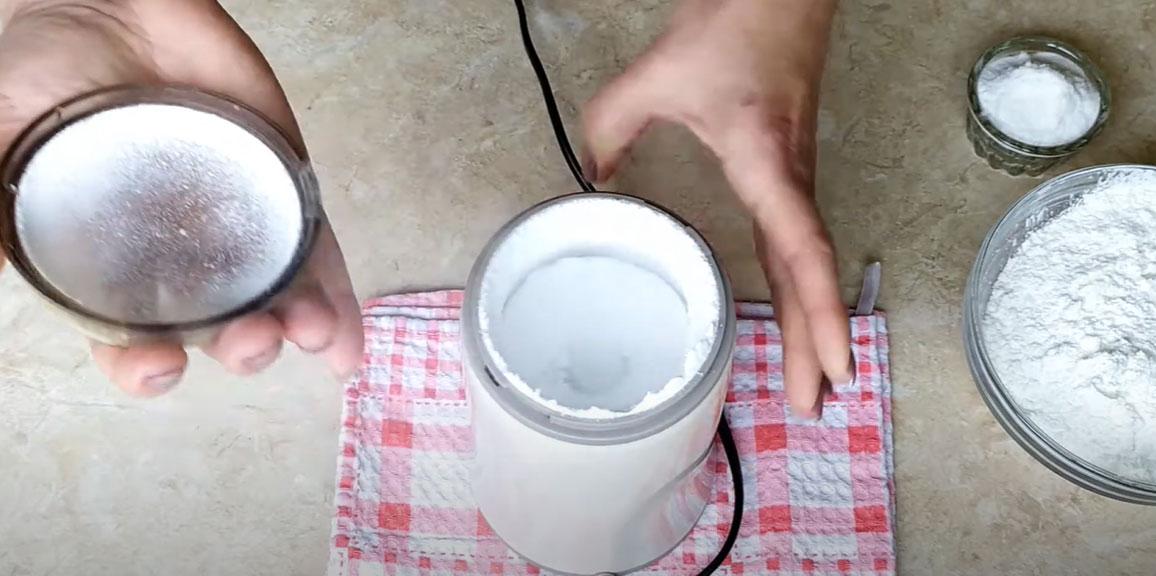
Step 2. Pour starch (or flour), baking soda and citric acid into a bowl according to the recipe.
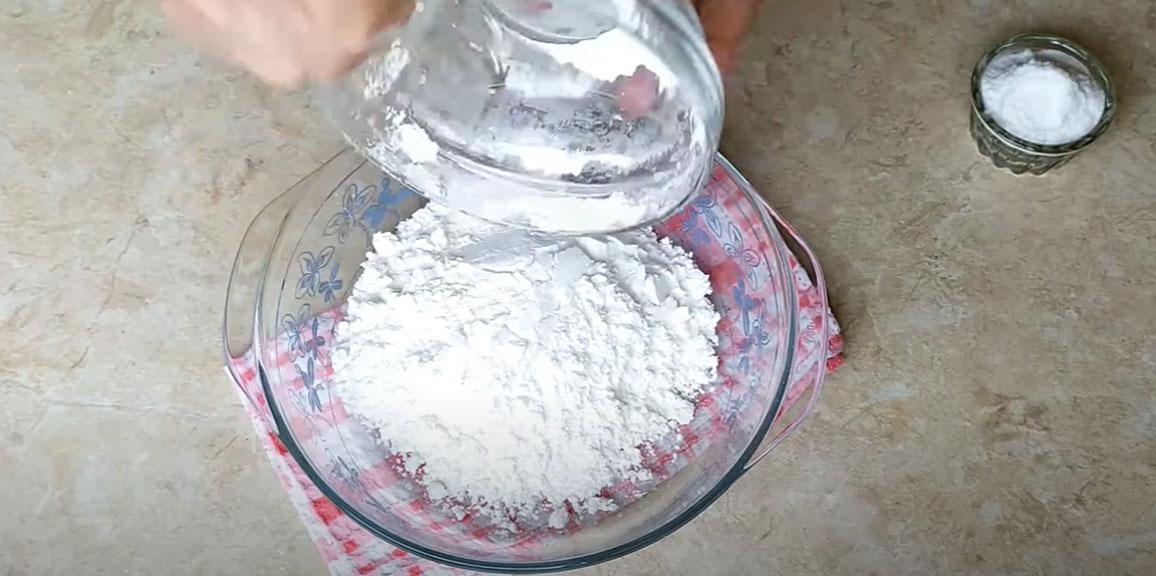
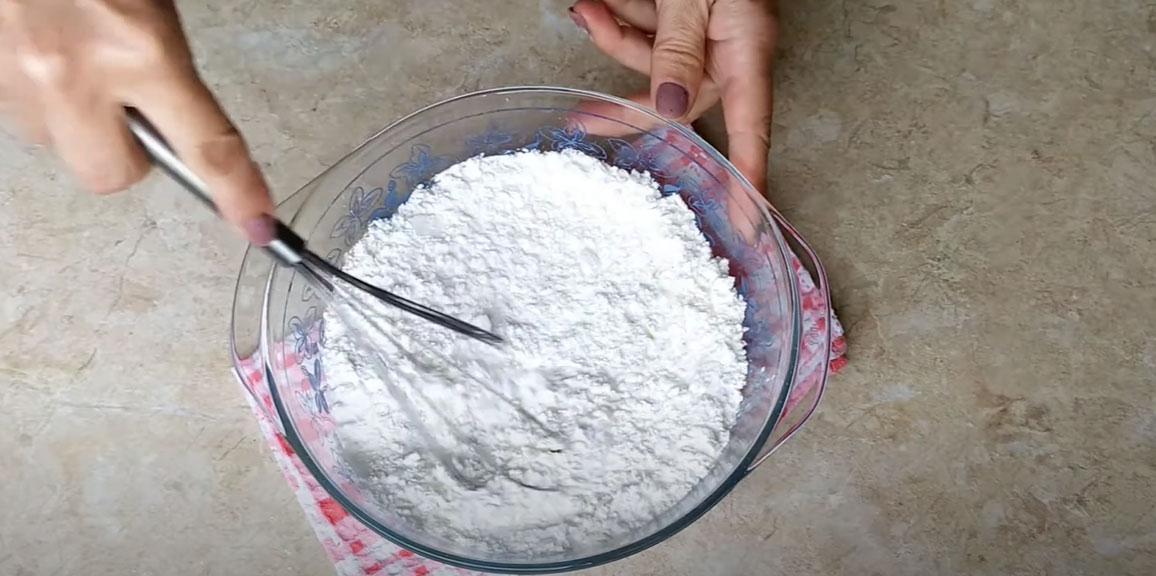
Step 3. Mix dry ingredients thoroughly with a whisk or fork.
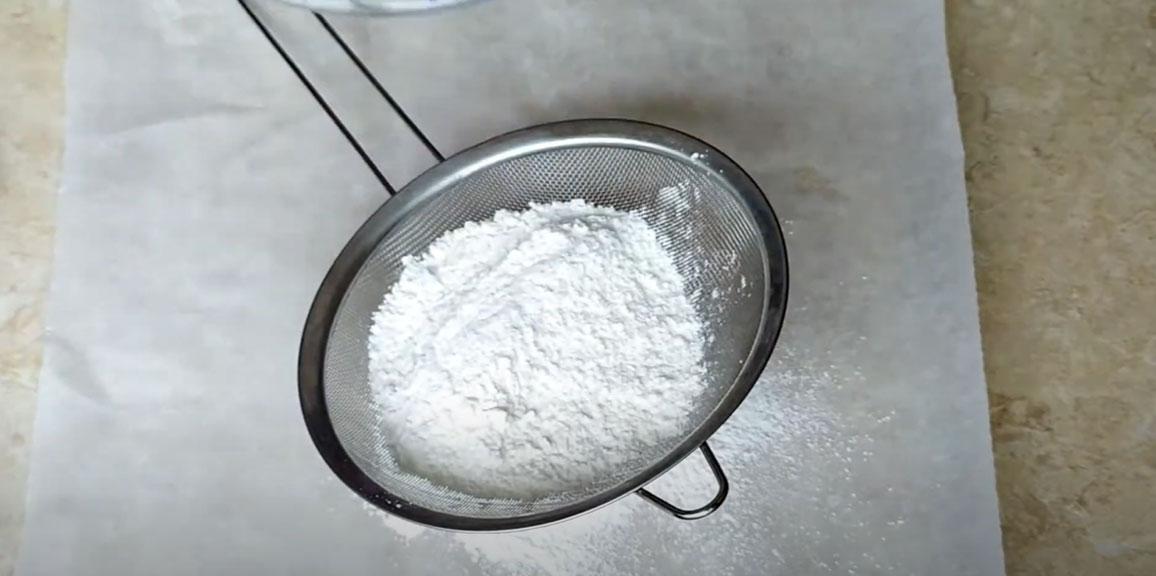
Step 4. Sift the mixture through a sieve 3-4 times to achieve the most uniform distribution of ingredients in it.
Step 5. Baking powder can be poured into an airtight container and added to the flour immediately before preparing the dough, or you can immediately prepare self-rising flour using it according to recipe #1 above.
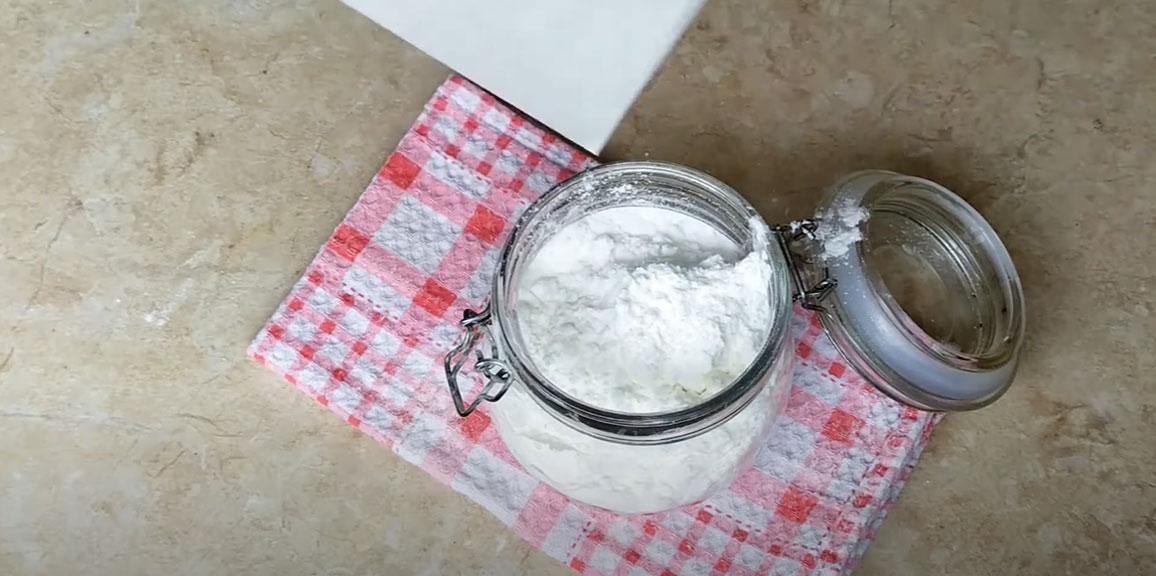
Recipe #3 – Gluten-Free
Ingredients for 1 kg of gluten-free flour:
- grain flour (dark) – 400 g;
- starch – 600 g;
- xanthan – 10-20 g.
Grain flour can be made from brown rice, buckwheat, corn, millet, amaranth, quinoa or sorghum.
As starchy component You can use corn or potato starch, or rice or potato flour (tapioca starch is also suitable).
For more information on making gluten-free flour for baking and desserts, watch this video:
Questions about using self-rising flour
• Poods; • Garnec;
• Capital mill; • Uvelka;
• Tikhoretskaya; • Sarepta.