Sugar and wafer paper: what's the difference, and which one is better for printing cake designs?

Content
Edible printing is a must-have for any pastry chef, retaining its uniqueness over time thanks to its simplicity and ease of use. It's a great way to effectively, easily, and affordably decorate cakes, cupcakes, lollipops, and gingerbread. It's only logical that pastry chefs use completely edible (wafer or sugar) images for this purpose. Therefore, below, we'll explore the differences between sugar and wafer paper and, accordingly, which is best for decorating your baked goods.
Features of edible paper
The principle of edible printing is simple and straightforward. Just like with a regular printer, you prepare the desired image, then send it to the printer, and voila! You can print anything you want this way, even photographs (just remember that a cake will need to be cut into slices, and photo cutouts featuring people... you get the idea).
So, edible paper, edible ink, a little imagination and spectacular decor is already gracing the customer’s table.
Experienced confectioners use both sugar and wafer stamping, so it's worth taking a closer look at each method.
Compound
So, sugar paper is made from mastic, pressed and rolled to the required thickness. Manufacturers also often add vanilla flavoring to sugar paper, giving it its distinctive aroma. Wafer paper, on the other hand, is made from water, vegetable oil, and starch.
Taste
Sugar paper tastes sweet, while wafer paper has no characteristic taste or aroma and therefore does not change the taste of the dessert in any way.
Thickness
In terms of thickness, sugar paper is denser and therefore thicker. It is white and completely opaque, unlike wafer paper, which is transparent and porous.
Scope of application
Based on all the above-mentioned properties of sugar and wafer paper, it's worth noting their applications. Since sugar paper is made from fondant and is much denser, it can be applied to sponge cake, fondant, and even thick cream (which doesn't separate moisture). However, it's worth noting that if you want to apply a sugar design to a cream that separates moisture, you need to insulate the design, for example, with melted chocolate. Wafer paper, on the other hand, is attached with a neutral gel. Sometimes the design itself is also coated with neutral gel for brightness, but in this case, it's important not to overdo the application of gel, or the design will become soggy. Wafer paper absolutely does not tolerate moisture, so it should be applied either to a fondant layer, marzipan, or chocolate.
Printing Features
It's also worth mentioning the specifics of printing edible images. Images printed on sugar paper are bright and vibrant, while wafer paper printing produces muted tones and slightly distorted images.
So, which is better, sugar paper or wafer paper?
Pros and cons of sugar paper
Benefits of edible printing on sugar paper:
- obtaining a rich and bright image;
- pictures do not require covering with neutral gel;
- It is easy to transfer a sheet of paper on a film base.
Along with the advantages, there are also disadvantages to using sugar paper:
- sugar paper is more expensive than wafer paper;
- Any design printed on sugar paper should be cut out right before decorating the cake, otherwise the paper will dry out and become brittle;
- Sugar paper cannot be stored in the refrigerator and the cake must be decorated before serving, as sugar pictures are short-lived;
Pros and disadvantages of wafer paper
Benefits of using wafer paper:
- lower price compared to sugar (the price differs by approximately 2 times, according to confectionery stores);
- the paper is completely tasteless and therefore does not change the taste of the product;
- Wafer paper shelf life: 2 years;
- You can even decorate the sides of a cake with wafer patterns. To do this, you need to fold the paper along the desired lines and secure it at the joints using confectionery gel.
Disadvantages of using wafer paper:
- wafer pictures are afraid of moisture, they are more fragile and there is a risk that the picture will bubble when in contact with, say, too liquid cream or when using too much decorating gel;
- Fingerprints are clearly visible on wafer paper, which is why it is important to be extremely careful and maintain cleanliness.
How to distinguish sugar paper from wafer paper by appearance?
It's quite easy to distinguish between sugar and wafer paper by appearance. As mentioned earlier, the images on sugar paper are denser, more saturated, and brighter in color. The tone on wafer paper images is more muted, and the image itself is transparent and translucent. Furthermore, wafer paper images are much thicker than their sugar counterparts.
Which paper to choose – sharing my experience
So what paper should you choose for your cakes and desserts?
In terms of quality and brightness, wafer designs are certainly inferior to sugar designs. Sugar designs have brighter and clearer outlines, and the image itself is richer. However, the cost of wafer designs is significantly more affordable, which is a definite advantage for both beginning confectioners wanting to master a particular design and customers on a budget.
Sugar designs are best applied to cakes with buttercream cheese frosting, chocolate ganache, and fondant. Avoid wafer designs on cream frosting (you don't want the design to dissolve and float off your cake, do you?)
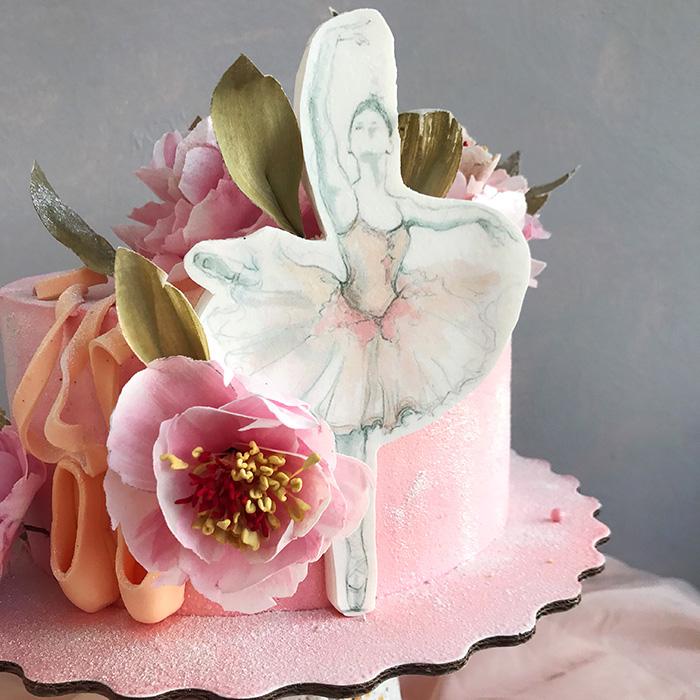
That is, wafer images are best used: to decorate the surface of a cake with fondant, marzipan, or jelly icing; to decorate gingerbread; to create light decorations like wafer flowers, sails, feathers, and butterflies (after all, wafer paper is easy to fold and cut, and is also more flexible to work with, unlike dense sugar images). For example, in the popular butterfly cake from Pinterest, pastry chefs use wafer paper because the colors are pastel and muted, and the butterflies are thin and easy to cut out of a sheet of wafer paper.
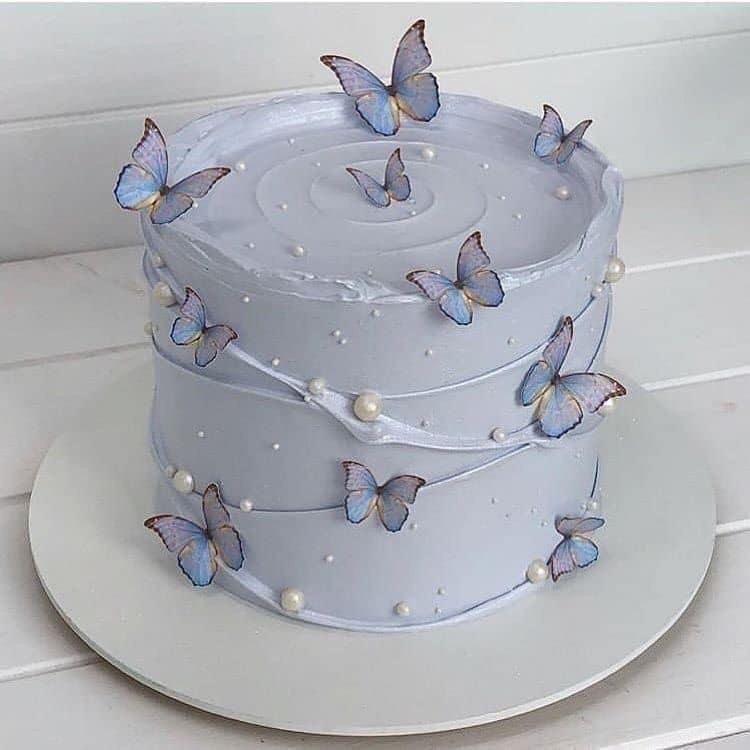
In other cases, we use sugar paper and enjoy brighter pictures).
For example, sugar images are suitable for creating toppers and cupcake signs. Sugar images are also ideal for isomalt lollipops and gingerbread cookies, as they produce a vibrant image.
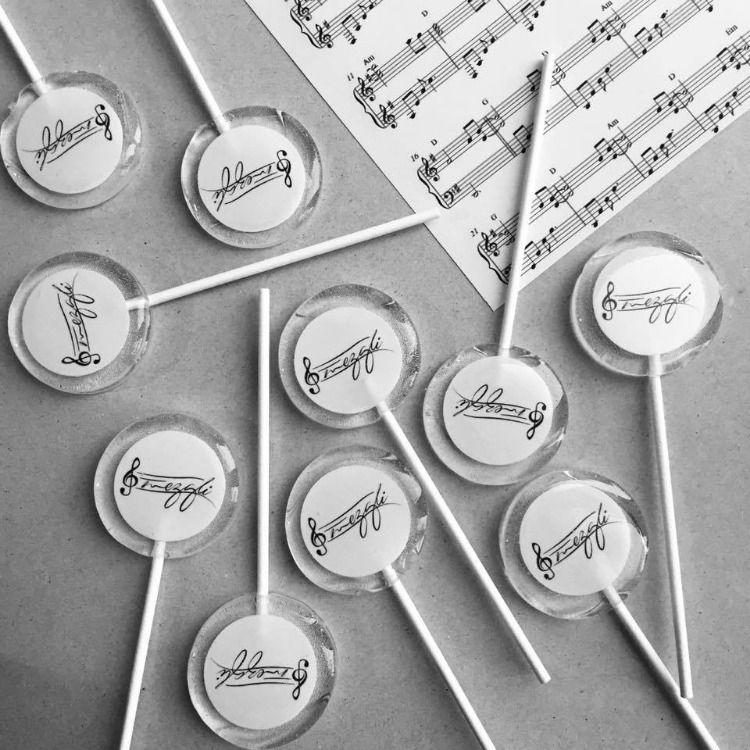
But remember that sugar pictures are short-lived and the cake should be decorated immediately before delivery to the customer.
From all of the above we draw a logical conclusion:
- Choose a picture based on your goals (if you want a bright and vibrant picture, a full-fledged photograph, go for a sugar stamp; but if you're planning on decorative patterns (leaves, butterflies, flowers) that need to be cut out, it will be much more convenient for you to work with thin wafer paper);
- Focus on the price range expressed by the client, explain the pros and cons of sugar and wafer pictures.