Pear dessert recipes

Sometimes, while flipping through recipe pages, we focus on the photos, devouring the image with our eyes. We want to make it exactly as shown, but... following the recipes and trying, we sometimes notice that the photo and the actual dessert are very different. It's not just a matter of inconsistency in proportions. Of course, you also need some practice (as they say). And there’s nothing wrong with the fact that not all pear desserts turn out right the first time.
Believe me, there's not a single high-level artisan on earth who could perfectly create a masterpiece with just one stroke of the pen. And many of the desserts in the photos have been edited and made more delicious and juicy with Photoshop. So don't get upset in advance if something doesn't turn out right.
Sugar-coated pear
One of the trickier dessert recipes is candied pear. These fruits vary in variety, softness, and flavor, and not all stores can clearly identify the variety listed on the price tag and match it to the recipe. In our dessert recipe, we'll keep it simple.
To make the "sugar pear" dessert, we'll need a firm pear. You can use a clear, round one or a dark green, oblong one. The variety shouldn't be too soft.
Place cinnamon, vanilla crystals, citric acid, and sugar on the table next to you. You can use brown sugar if you like, which will give the dish a more exotic flavor.
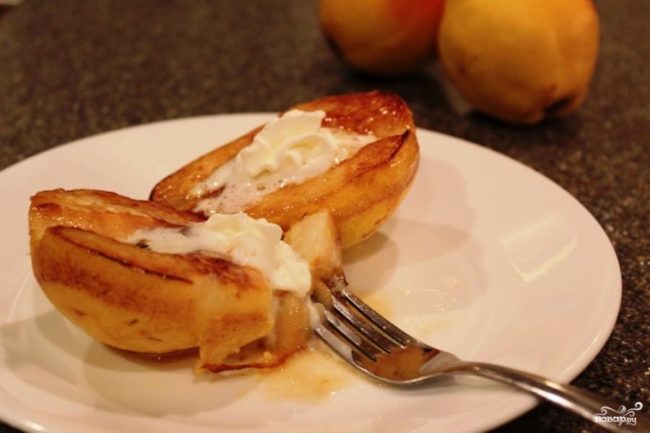
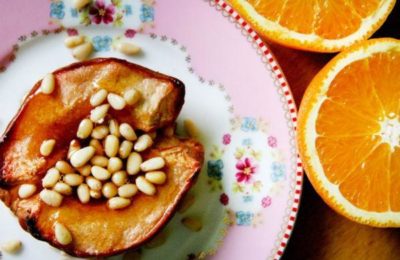
Carefully and precisely cut the pear in half, creating boat-shaped cups. Using a sharp knife, scrape the pear flesh away from the skin, leaving two empty fruit cups. Finely chop or grate the flesh, add sugar, cinnamon, vanilla, and citric acid to taste, and use a dessert spoon to fill the empty skin. Arrange the almost-cooked pears attractively on a baking sheet and place in a preheated oven. 150-170°C (328-358°F) is ideal. The pears will brown, the sugar inside will simmer, turning into a light caramel, and you'll have a delicious sweet and sour dessert.
Once the pear is done, keep it warm for a little while longer. It should cool gradually, otherwise the fruit will shrivel and become unsightly. If this does happen, it's best to fill the empty space in the skin with more pulp. It won't hurt. Incidentally, you'll end up with more pulp than you need, since you won't be able to pack all the extras tightly into the pear.
After standing in the refrigerator, your dessert will become even more delicious, and if you sprinkle it with powdered sugar, it will turn out like in the photo, or maybe even better.
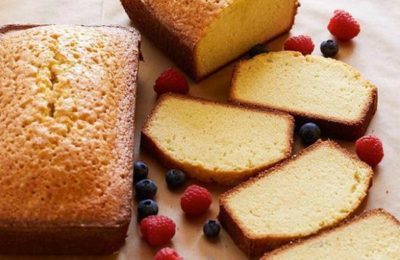
Sponge cake with pears
If you want to impress your guests with a light, cool pear dessert, it's very easy to make. No need to spend hours at the stove baking sponge cake layers. You can find affordable, perfectly smooth sponge cake layers at any grocery store. Some types of cake layers are sold in a single thick layer. To make it easier to separate them along the marked lines, take a regular thread and run it along the layer until it cuts into the lines, easily separating the layers.
The spaces between the cake layers can be filled with raspberry jam or syrup mixed with condensed milk or cream. Lingonberries work very well, as do raisins and cinnamon (but without the cream).
The top is reserved for garnishing with pear slices. To preserve the dessert's appearance, it's best to simmer the fruit slices in honey or sugar syrup. To do this, take a saucepan, pour in half a cup of sugar or ¼ cup of honey, and add water until the mixture appears runny, about an index finger's breadth from the bottom of the saucepan. Bring to a boil and thicken, then pour in the peeled pear.
After thoroughly mixing the pieces, bring to a boil again, stir for about three minutes, and remove from heat. If you're making the filling with sugar, it's best to spoon it onto the crust immediately, as sugar tends to harden into caramel at room temperature. If using honey, you can wait 10-15 minutes to avoid accidental burns. This dessert is best served cold. It looks very appetizing and is accompanied by the sweet aroma of pear.
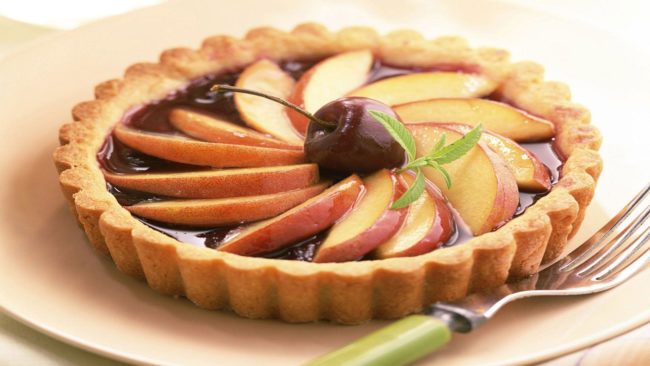
Pear made from dough
Of course, for those who love to create a masterpiece at the stove themselves, there's an interesting and ingenious recipe called "pear," and it needs to be baked.
For preparation:
- Confectionery margarine 200g
- Sour milk or kefir 200g
- Soda ½ tsp.
- Citric acid on the tip of a teaspoon
- Flour 3 cups
Mix the lemon zest, melted margarine, and flour into the sour milk. The dough should be like soft play dough. We can shape this dessert dough into anything we want, including a pear.
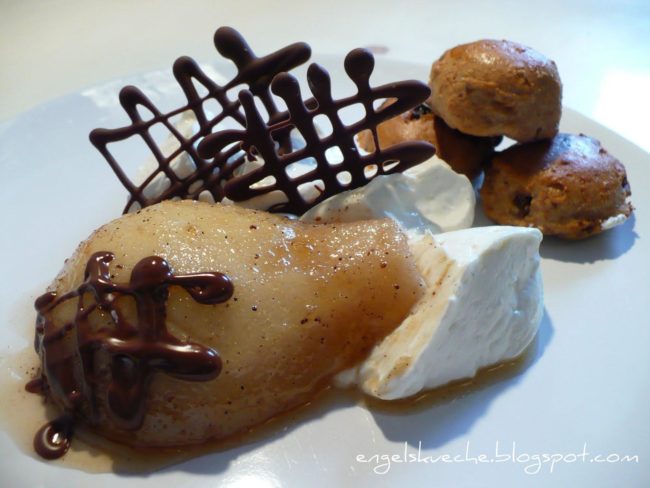
To enhance this treat, add a filling. It can be anything: pear pieces, nuts, raisins, lighter cookies, or chocolate. For ease of use, roll out small teardrop-shaped doughnuts. Feel free to pile one layer of filling on top and cover with another, carefully sealing the edges before rolling the resulting shape into a pear. After baking, you can roll these pears in colored sugar.
It's best to let the dessert cool, otherwise you risk burning your guests, since everything you put inside will also be hot and will stay warm for a little longer than the surface of this sugary dessert.