It becomes candied, tastes bitter, and doesn't darken—common mistakes that prevent caramel from turning out well

Content
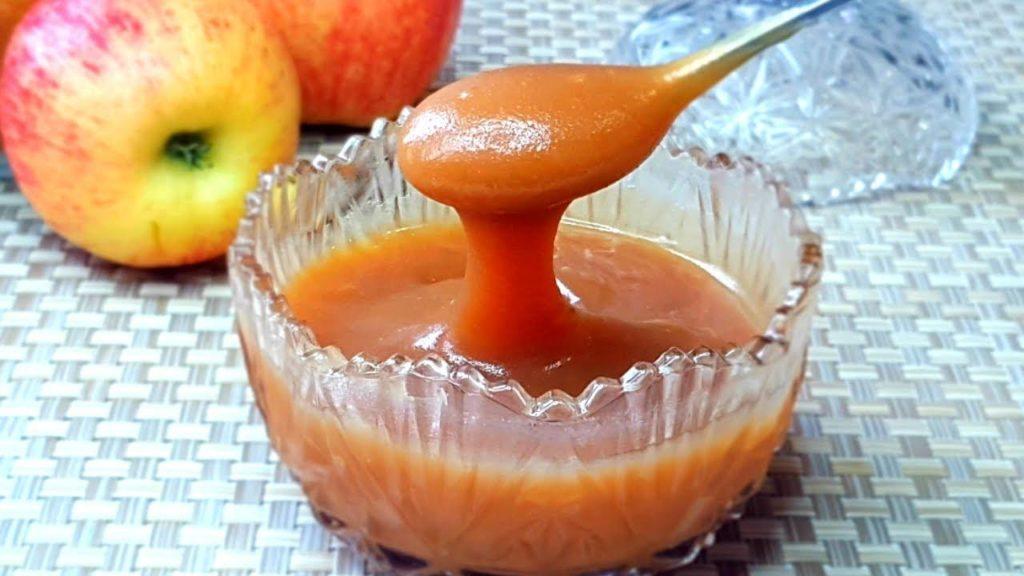
Soft, smooth, homogeneous, and chewy, aromatic caramel, made at home, is a perfect complement to desserts and cakes and pastries. When prepared correctly, it makes an excellent filling for eclairs and can be used as a topping for ice cream, brownies, pancakes, and cupcakes. Even those with a sweet tooth can devour the caramel sauce with a spoon!
Making homemade caramel is quite simple. However, not everyone gets it right the first time. To be fair, even experienced cooks often make fatal mistakes that turn delicious caramel into a large, crystallized lump or a bitter, inedible substance.
Today we will discuss the main mistakes and find out why the mass is sugared, does not darken or stratifies, which can lead to the fact that caramel It starts to feel bitter, how to fix it and prevent something like this from happening.
5 Common Mistakes That Prevent Caramel From Turning Out
There are many reasons why caramel doesn't turn out well. However, there are some common mistakes made by both beginners and experienced cooks. Here are a few:
- Incorrectly selected cookware. A saucepan with a thin bottom is not suitable, and its diameter should correspond to the size of the burner.
- The heat is too high. Caramel should be cooked over medium or low heat.
- Uneven melting of sugar.
- Undercooked syrup.
- Stir the mixture while cooking with a spoon or spatula. Only slight tilting of the container from side to side is allowed.
- Use of low quality products.
Next, we'll examine each error in detail and determine how they impact the final result.
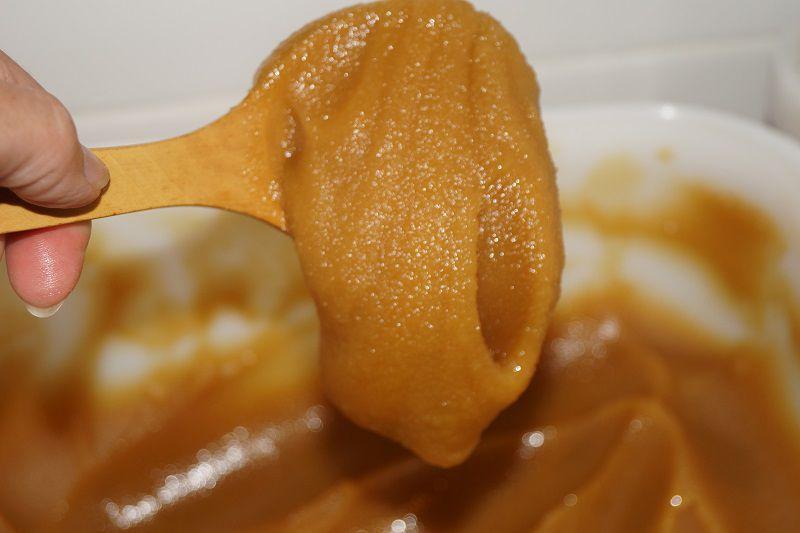
Caramel crystallizes (the sugar crystallizes) when boiled or cooled.
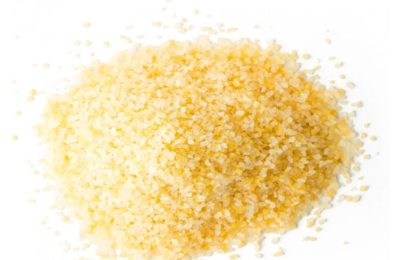
A common question on forums is why caramel crystallizes when cooling or during cooking. Sugar crystallization is what cooks fear most when they begin cooking. To prevent the formation of large crystals, experienced cooks use various "additives" to prevent crystallization: glucose, molasses, invert sugar, or honey. Mixing different types of sugar creates a chaotic mixture of crystals that don't fit together, preventing crystallization. Other components present in cream and butter, added during cooking, also prevent crystallization.
Mistakes that lead to caramel crystallization:
- Uneven melting of sugarTo ensure the caramel is smooth and uniform, the sugar must dissolve as evenly as possible. To achieve this, choose a pan with a thick, wide bottom.
- Stirring the mixture while cookingDon't stir the syrup with a spoon or silicone spatula. Otherwise, the sugar will begin to form clumps while melting. If necessary, simply rock the saucepan from side to side to better distribute the sugar.
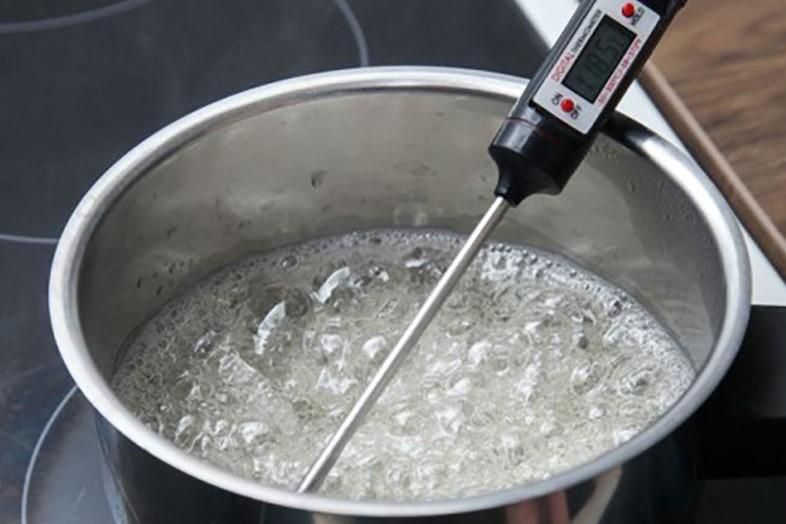
- Undercooked syrup. Don't rush removing the syrup from the heat. Wait until the mixture has a bright, rich color, not a light, light brown. Otherwise, the sauce may crystallize after adding the cream. You can also judge the syrup's readiness by its temperature—heat it to 170–175 degrees Celsius.
- The cream is not hot enough. If you pour cold cream into caramel, it will cause the melted sugar to crystallize again.
The sugar doesn't melt and the caramel doesn't darken.
Sometimes housewives encounter another problem: sugar doesn't melt at all and doesn't brown, or melts only slightly and then crystallizes again. This is often attributed to the poor quality of the product itself, but more often than not, the cause lies in errors made during preparation.
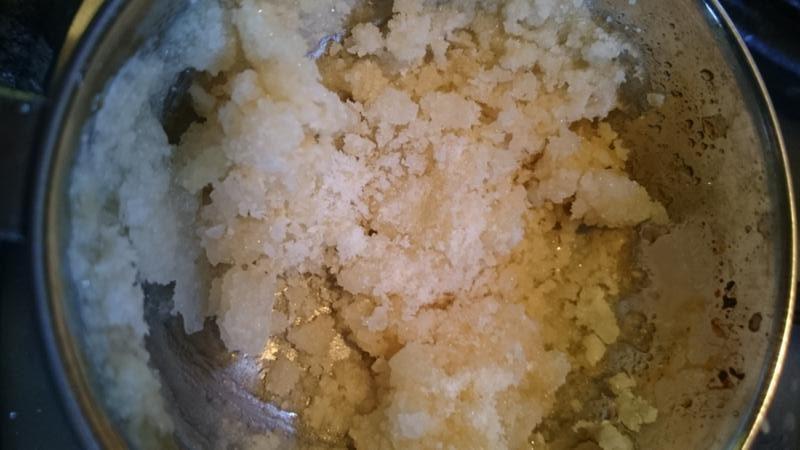
To ensure that the sugar melts as required, the following errors must be avoided:
- Stirring sugar during cooking. Once the sugar begins to melt, do not stir it under any circumstances.
- Sugar crystals on the walls of the saucepan. While cooking, make sure no individual crystals remain on the sides of the pan. Use a pastry brush dipped in water to promptly remove any grains.
The caramel turns out too runny.
Even if the sugar has melted and the caramel has cooked without any grains or crystals, that doesn't guarantee it will turn out as expected. Another problem is a too-runny consistency. This type of caramel is unsuitable for filling, layering, or decorating a cake. However, it can be used as a topping for cupcakes or ice cream.
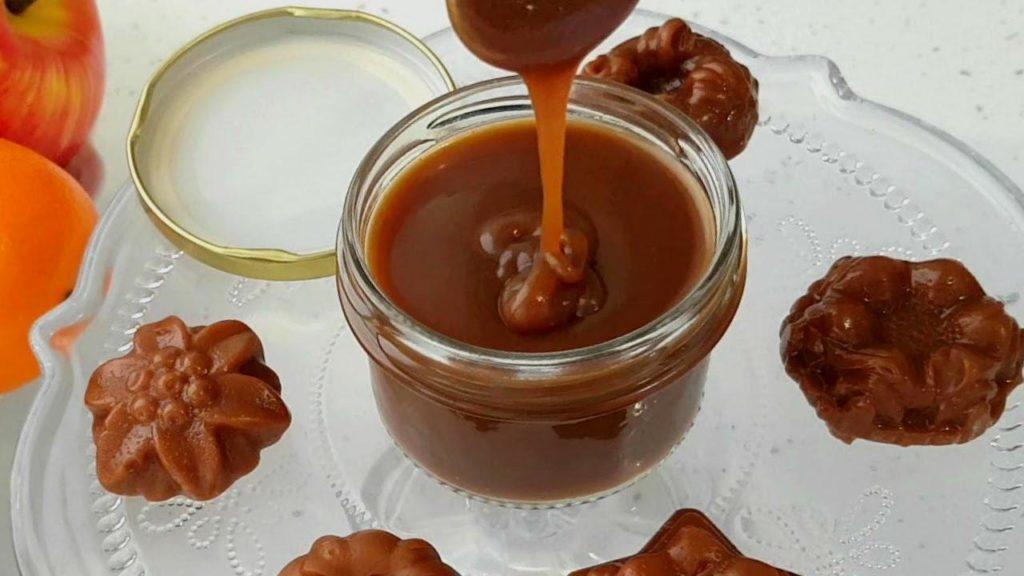
If your caramel turns out too runny, you've probably made one or more of the following mistakes:
- Undercooked syrupIf you remove the caramel from the heat too early, it may It should turn out light and remain liquid. The same goes for the caramel sauce: after adding the cream, the mixture should be simmered for at least 3-5 minutes at a temperature of about 107 degrees Celsius.
- Broken recipe. Incorrect proportions can cause the caramel to have an improper consistency. For example, adding too much cream makes even a properly prepared syrup insufficiently thick.
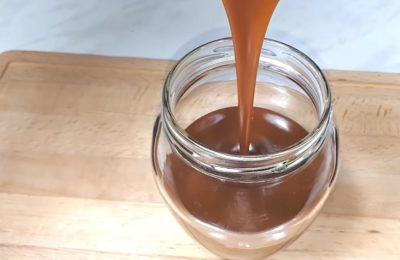
- Uncooled caramelIf you've ignored the previous points, the syrup may be perfectly fine. You just need to wait for it to cool. Freshly made caramel will be quite runny—that's normal. After cooling to room temperature, it will reach the desired consistency.
The caramel is bitter
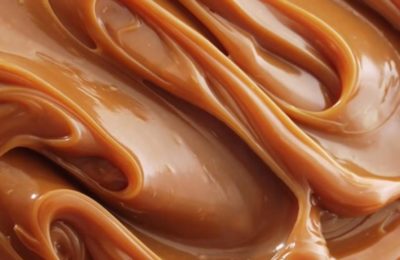
Properly cooked caramel has a pleasant, creamy flavor and aroma. However, if mistakes are made during the preparation process, the syrup can turn out bitter.
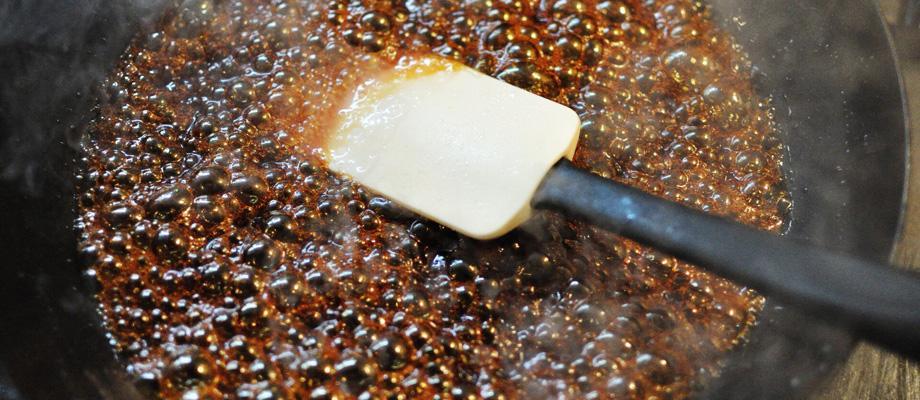
To avoid having to worry about how to remove the bitterness later, you should pay attention to the following points:
- The syrup was left on the stove for too long.Bitterness appears if the sugar has been cooked for too long and has started to burn.
- Wrong choice of cookwareIn thin-bottomed pans, heating occurs unevenly, so the sugar at the edges may start to burn while the center is not yet completely melted.
The caramel is separating or in grains
Another problem that arises with caramel is its separation after cooling. A proper sauce has a smooth, uniform texture that remains stable.
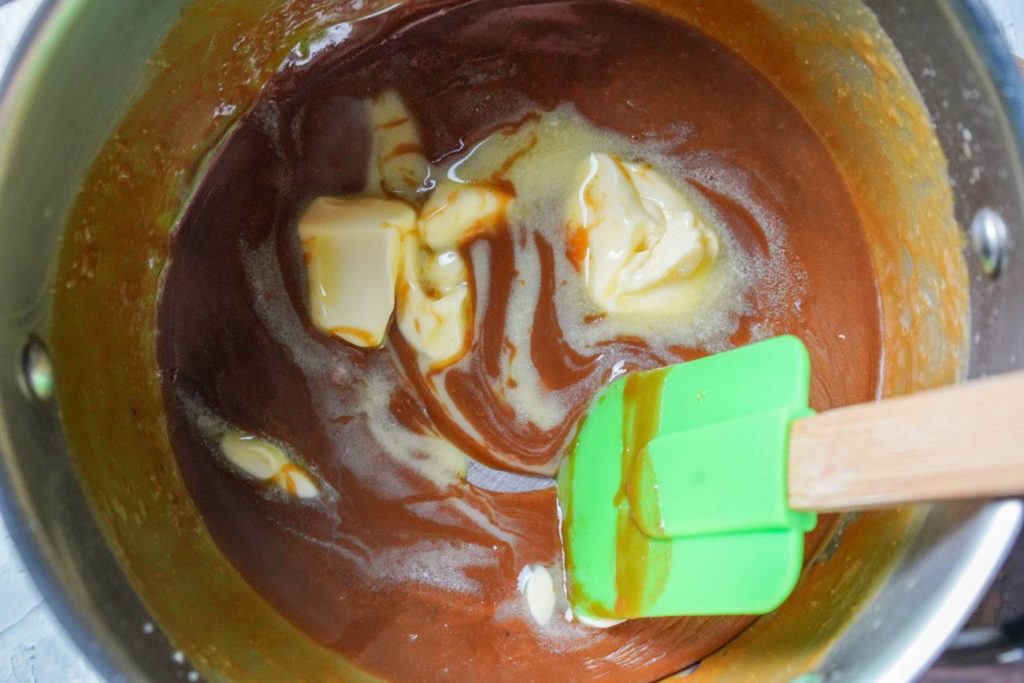
If your homemade caramel has separated into separate substances, the problem is most likely in the quality of the ingredients:
- Low-fat cream and butterThe fat content of cream must be at least 33%, butter – 82.5%.
- Butter or cream contains vegetable fats.The creamy components included in the caramel must be of the highest quality, without any foreign impurities.
Is it possible to fix the situation if the caramel didn't turn out?
If the final result is less than ideal, don't despair. Some mistakes can be corrected. Experienced pastry chefs know how to thicken caramel and achieve a smooth consistency.
- If the mixture is too runny, you can cook it further. Do this over medium heat, stirring constantly, until the mixture reaches a temperature of approximately 105 degrees Celsius.
- If the lack of thickness is due to incorrect calculation of ingredients, you can add gelatin to it and use it as a separate dessert or a layer for a cake.
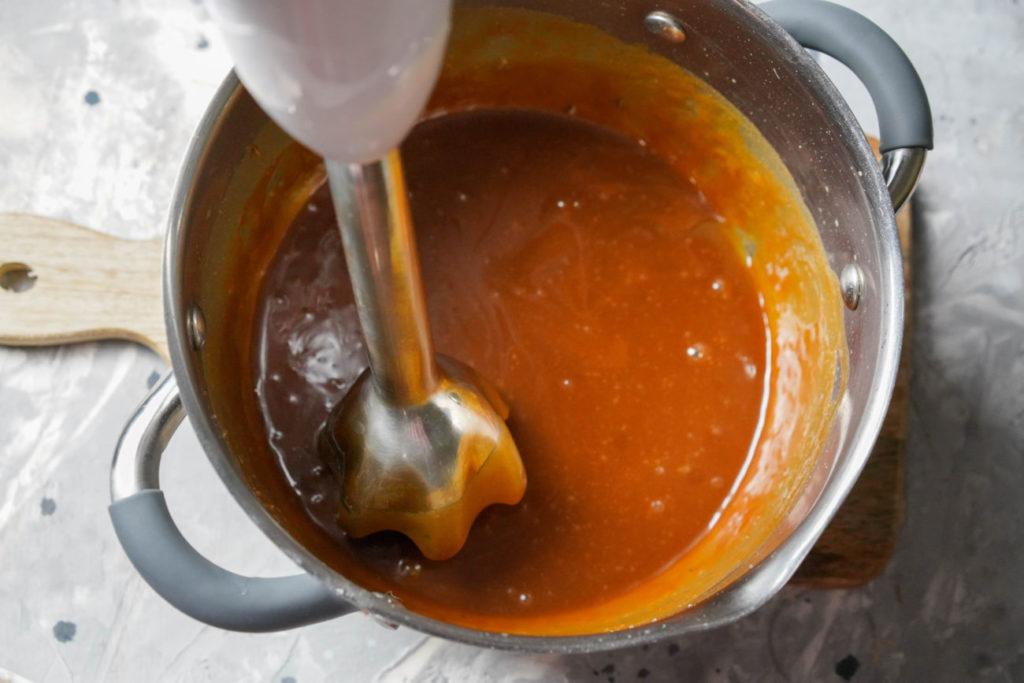
- The separated caramel can also be used for its intended purpose. It is recommended to puree it with an immersion blender before using.
If the caramel turns bitter, crystallizes, or clumps together during cooking, there's no way to salvage it. You'll have to figure out the cause and, taking into account the previous mistakes, try making the caramel again.
A Checklist for Perfect Caramel
So, let's sum it up and list the basic rules, the observance of which is the key to obtaining perfect caramel:
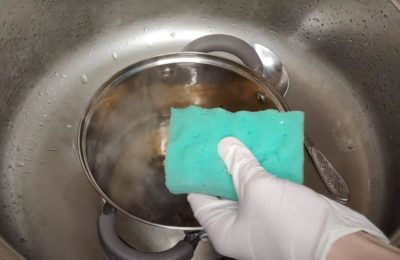
- Clean and dry dishes.
- A saucepan with a thick bottom, the diameter of which corresponds to the size of the burner.
- Medium or low heat to ensure even heating of the mixture.
- No stirring of the mixture – maximum tilting of the container from side to side.
- Timely removal of sugar crystals from the walls of the saucepan.
- Boil the syrup until it reaches a bright, rich, amber color and the required temperature.
- Strict adherence to proportions.
- Using high-quality ingredients with sufficient fat content.
Another key to achieving perfect caramel is self-confidence! Don't be afraid, you're sure to succeed!