Why Your Cupcake Won't Turn Out Right - Top 7 Baking Mistakes

Content
Poor-quality ingredients, incorrectly measured quantities of ingredients, inattentive reading of the recipe, failure to follow the kneading and baking instructions, or an unsuccessfully chosen recipe—all of these can lead to muffins that don't turn out well, being too wet or too dry.
In this article, I'll detail the most common mistakes home cooks make when baking cupcakes and the problems they cause. I'll also show you a great way to salvage a failed cupcake.
Common mistakes when baking cupcakes
When we start making cupcakes, we want them to turn out just as good as the photos in the recipe. And we get very frustrated when we can't achieve the desired result. Let's find out the most common mistakes when baking cupcakes and learn how to avoid them.
Mistake 1. Ingredients
One of the most common mistakes is using the wrong amounts of ingredients. It's important to follow the recipe exactly when cooking. If you're using weight as a unit of measurement, you should use a kitchen scale. Measuring spoons and other graduated utensils are also indispensable in the kitchen. Ignoring this rule can ruin your baked goods: too much flour will result in a dry, sticky batter, while too much sugar or butter will result in uneven muffins.
It's also crucial to monitor the quality of your ingredients. Use only natural and fresh ingredients. Keep in mind that even baking soda and baking powder don't last forever, and the fluffiness and tenderness of baked goods depend on their effectiveness.
To check if your baking powder is working, add 1 teaspoon of the powder to a glass of hot water. If the mixture bubbles, everything is fine. Baking soda, being an alkali, reacts to the addition of an acid. So, to test it, do the same as with baking powder, but add 1 teaspoon of vinegar or citric acid. The baking soda should react and fizz. Testing flour is much simpler—just carefully inspect it, checking for mold or an unpleasant odor.
Mistake 2: Misunderstanding the recipe
Before you begin cooking, read the recipe carefully. For example, if the instructions call for adding 1 cup of chopped nuts, that's not the same as chopping 1 cup of nuts.
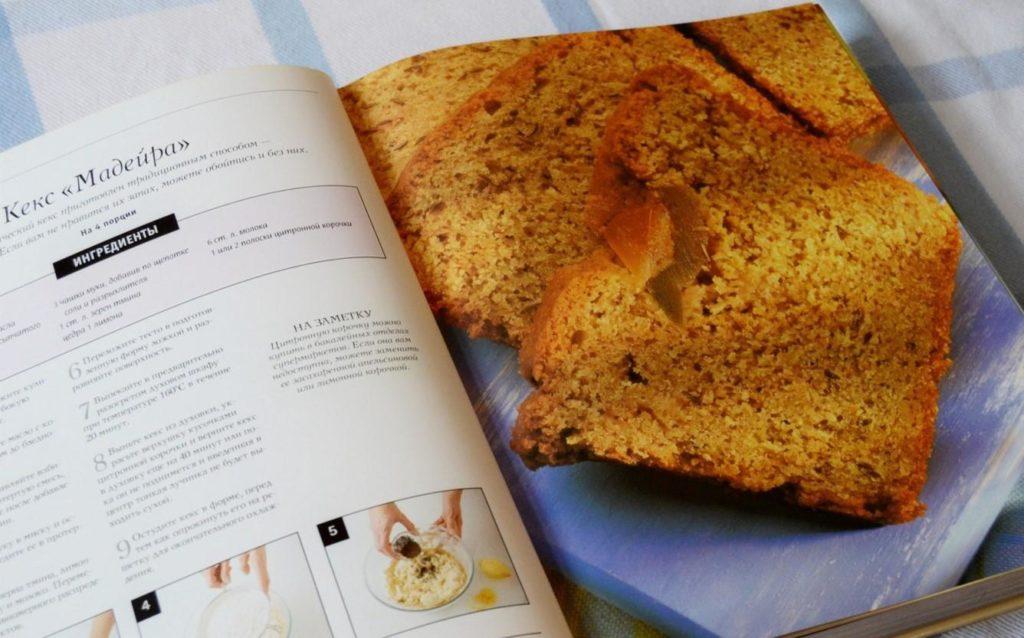
Choose your recipe carefully. Choose websites and videos with large followings and subscribers, and read the comments below recipes.
Error 3. «Whip» - this is not «mix»
Once again, I emphasize the importance of reading the recipe carefully and following the directions. If it says "mix," it doesn't mean the author is too lazy to dirty the mixer. When making muffins, it's best not to beat the eggs at all. This is a dense batter that shouldn't be as delicate as a sponge cake. Furthermore, if you overbeat, the batter will be too runny and may even separate.
Mistake 4. Cold foods
The temperature of the ingredients used to prepare the dough depends on the type of baked goods. For shortcrust pastry, it's important that the butter doesn't melt and change the texture. For cakes, however, cold temperatures are detrimental. Ideally, all ingredients should be at room temperature.
If you follow this simple rule, your baked goods will rise well, turning out tender and porous. Otherwise, the dough will collapse before it reaches the oven temperature.
Mistake 5: Preparing the cake pan
When greasing the pan, it's important not to over-grease. If the cake has dark edges, it's too heavily greased. Chefs recommend greasing the sides with a thin layer of butter and lining the bottom with parchment paper.
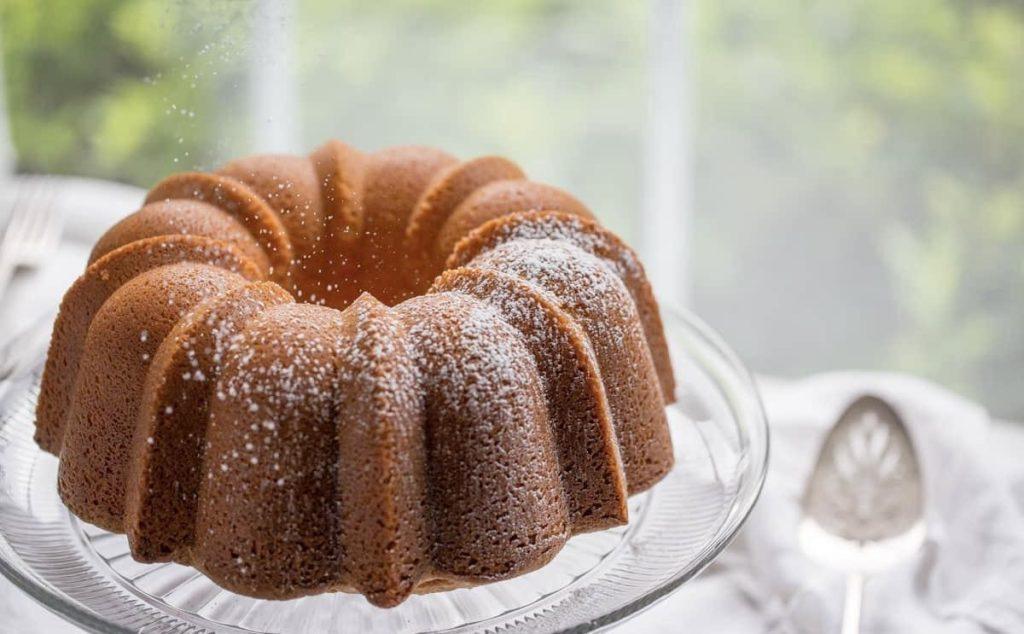
Error 6. Temperature conditions during baking
When choosing the temperature and baking mode, follow the recipe precisely. Keep in mind that all ovens operate differently. To be sure the temperature is set accurately, consider purchasing a special thermometer.
Mistake 7: Opening the oven door too early
Patience and endurance are the best assets for any pastry chef. Don't open the oven too early to check on the cakes. The first time, wait until three-quarters of the baking time has passed. After that, check the cakes no more than every 5-10 minutes to allow the oven to warm up again.
Top 5 Problems with Failed Cupcakes
The cake is raw inside and won't rise, the crust is burnt, or it's soggy. These are the problems most often encountered by home cooks when baking cakes. Let's explore the causes and how to prevent them.
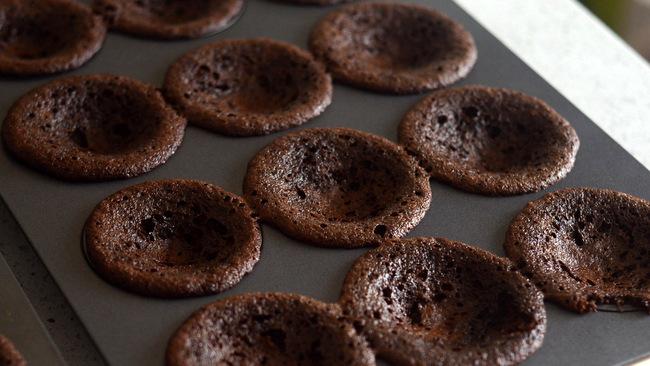
Why do muffins fall after baking?
If your muffins fall when you take them out of the oven, you need to pay attention to the following points:
- It is important to preheat the oven well before baking and not to open the door prematurely.
- It is necessary to follow the recipe exactly and add a sufficient amount of baking powder, after making sure that it “works”.
- It's important to monitor the dough's consistency. Not enough flour can cause the baked goods to collapse.
Why doesn't the cake rise in the oven?
If the cupcakes don't rise at all, the reason may be an incorrect recipe.
- Too much flour in the dough will prevent it from rising. Too much gluten will prevent the gas bubbles from expanding.
- Poorly mixed dough prevents the formation of gluten, which is responsible for trapping gas bubbles.
- Ignoring the flour sifting procedure can also negatively affect the fluffiness of the finished product.
The cake is not baked through: what to do?
Some home cooks encounter the problem of uneven baking of their cakes. The top and bottom of the cake burn, while the center remains undercooked and soggy. There are several solutions to this problem:
- Reduce the baking temperature. Typically, muffins are baked at 170-180 degrees Celsius. If the bottom is starting to burn and the center is still underdone, place a pan of water on the bottom of the oven. If the top is uncooked, cover it with foil.
- Change the position of the pan in the oven. This option works if the oven's characteristics cause the dough to bake unevenly.
- Choose the right baking pan. Opt for special muffin pans. They're typically shallow and have a hole in the center.
If you discover raw dough inside after cutting the cake into portions, don't despair. You can try to salvage the situation. Wrap each piece in foil and bake in the oven for another 10 minutes.
The cake cracks on top while baking: why does this happen?
Cracks on the surface of a cake are a normal part of the product. The outside of the cake quickly develops a firm crust, while the inside is still raw. When heated, steam is released, which causes the crust to break and the characteristic crack to appear.
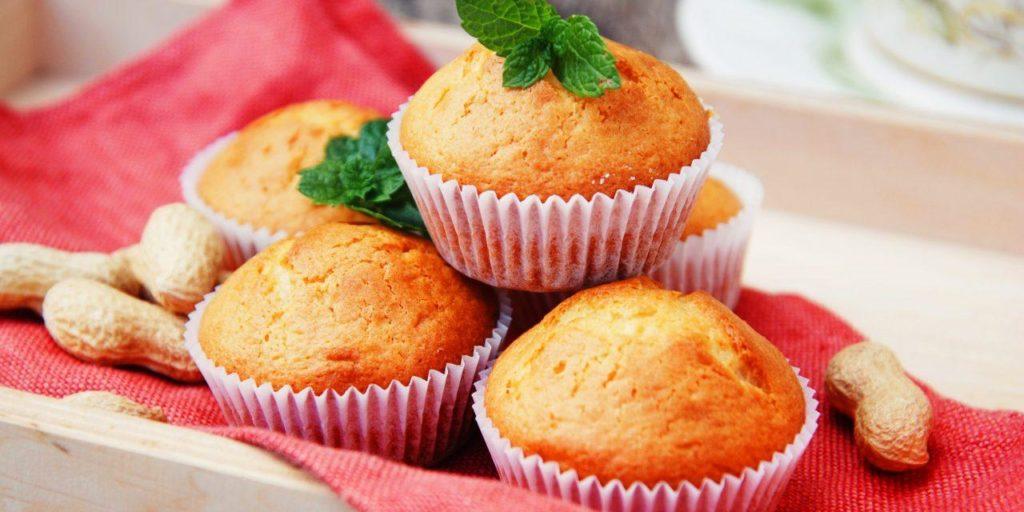
Deep and unsightly cracks can occur due to the following reasons:
- the dough is too runny;
- a large amount of baking powder.
Some chefs recommend covering the cupcakes with foil at the beginning of baking and gradually increasing the oven temperature.
The cake turned out soggy: what's the reason?
Sometimes a cake turns out rubbery, dense, heavy, and has a tough crust. There can be various reasons:
- baking temperature too high;
- insufficient baking time;
- insufficient amount of baking powder or using an expired product;
- the dough is too runny.
Video - Cake «a la Pancho» from a failed cupcake
If your cake doesn't turn out right, don't be upset. Analyze your mistakes and make notes for future reference. Don't rush to throw out the failed baked goods. They could become the basis for a delicious and beautiful dish.
In the video recipe below, the author took a very creative approach to solving the problem. With a little imagination, she transformed a crumbling cupcake into a gorgeous "Pancho-style" cake that's ready to be served.
Be sure to watch this video and remember that failures happen even to experienced cooks!
Armed with the information above, your cupcakes will always turn out great! Share any cupcake baking challenges you've encountered in the comments.