What is a muffin? History, varieties, and a simple recipe

Content
Muffin. The very word conjures up a sweet and pleasant ambiance. Indeed, the airy name of this popular treat perfectly matches its delicate flavor, pleasantly fluffy dough, and presentable appearance.
This is a must-have dessert on the menu of small coffee shops, as it always makes coffee or tea taste better. Chocolate-rich, with a tall topping, sprinkled with almond crumbles, and brimming with nuts—that's the secret to the perfect muffin. Today, I'll tell you how this beloved treat for children and adults alike came to be, why it has two homelands, and how the English version differs from the American version. We'll also make a classic American muffin together.
What is a muffin?
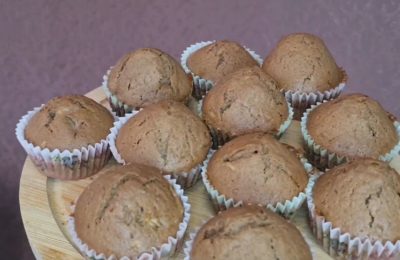
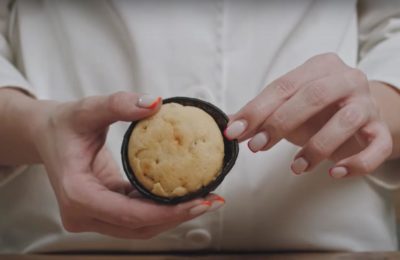
Muffins (from the English word "muffin") are sweet, small, round cupcakes with a variety of fillings. A standard muffin is a single-serve dish. One muffin fits in the palm of an adult's hand.
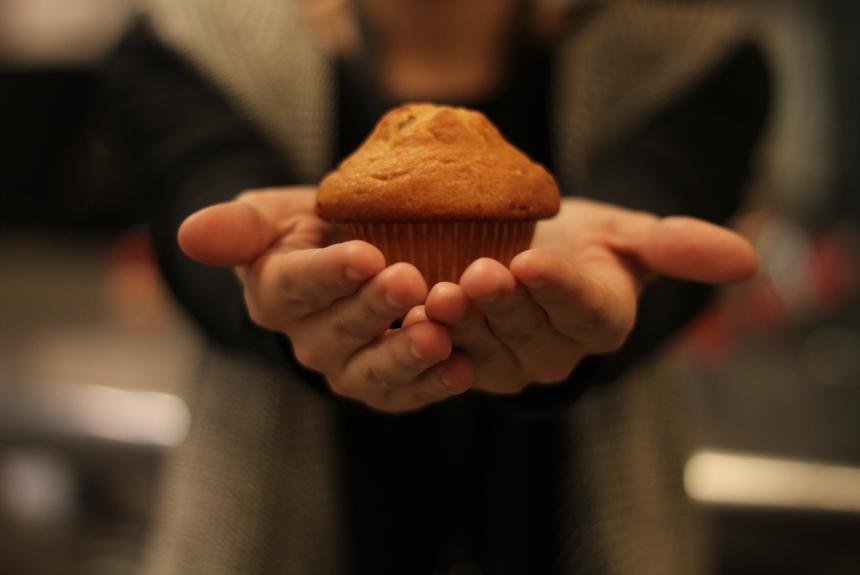
These baked goods are most often made from wheat or corn flour. Various ingredients are added to the dough during the baking process, from chocolate chips and raspberries to lemon and carrots. Depending on the fat content of the milk, the amount of sugar, and the type of filling, muffins can be an excellent diet companion. Filling and delicious, they will satisfy any sweet tooth.
The only minor drawback to muffins is that they go stale quickly. However, this dessert certainly won't last long on the table.
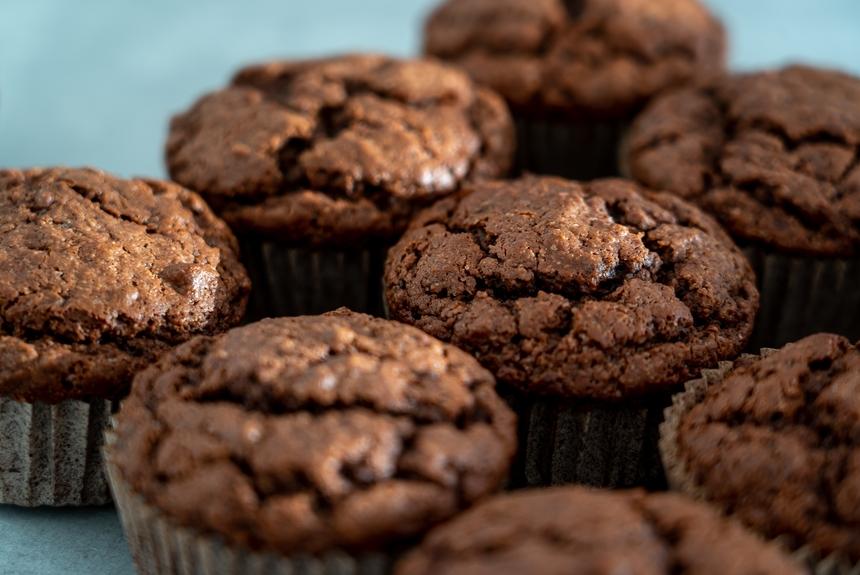
Don't confuse muffins with cupcakes. For the main differences between these types of baked goods, read my article.
The history of muffins
The origins of muffins are a topic of debate among many culinary historians. The precise origins of this dessert remain unknown. The first and perhaps most significant point of contention is the origin of the name. There are several opinions on this matter.
According to one theory, the name muffin, a pastry, originated in Great Britain in the 11th century. The English borrowed the French word "moufflet," meaning soft bread. A second hypothesis holds that the product originates from a German culinary tradition, and is related to the word "muffe," meaning small cake. It is undeniable that this delicacy first appeared in Europe. However, who invented this classic pastry remains unknown.
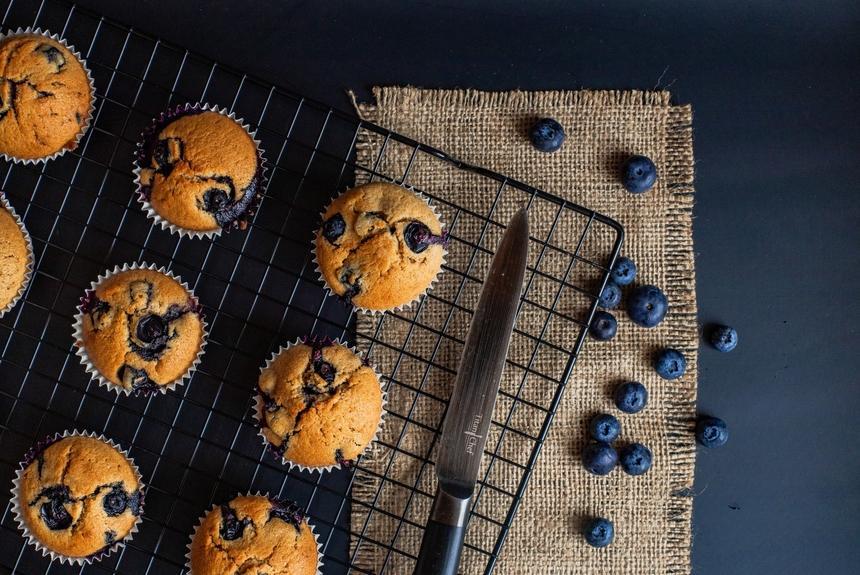
Muffins were small, hot, flatbreads made from cornmeal, eaten like bread. In the 17th century, they weren't considered a dessert at all, and even the filling was often unleavened or savory.
Muffins weren't designed for long shelf life. Because they quickly went stale, they were baked less and less frequently in the 17th century. Durable baked goods that could withstand long transportation were prioritized. Furthermore, confectioners of the time couldn't boast a wide variety of recipes.
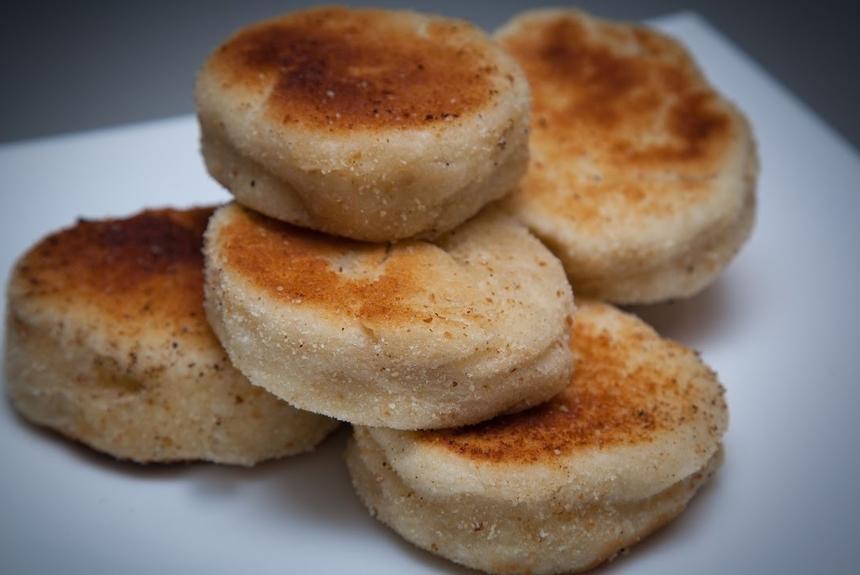
Muffins came to America thanks to English immigrants, who brought a piece of their culture overseas. The first bakery selling these fluffy pastries opened in New York City in 1880. Its founder was British citizen Samuel Thomas. It was here, at the Muffin House in Manhattan, that the fist-sized muffins were first made, replacing the traditional yeast with baking powder. But muffins truly gained popularity after the 1893 Chicago World's Fair.
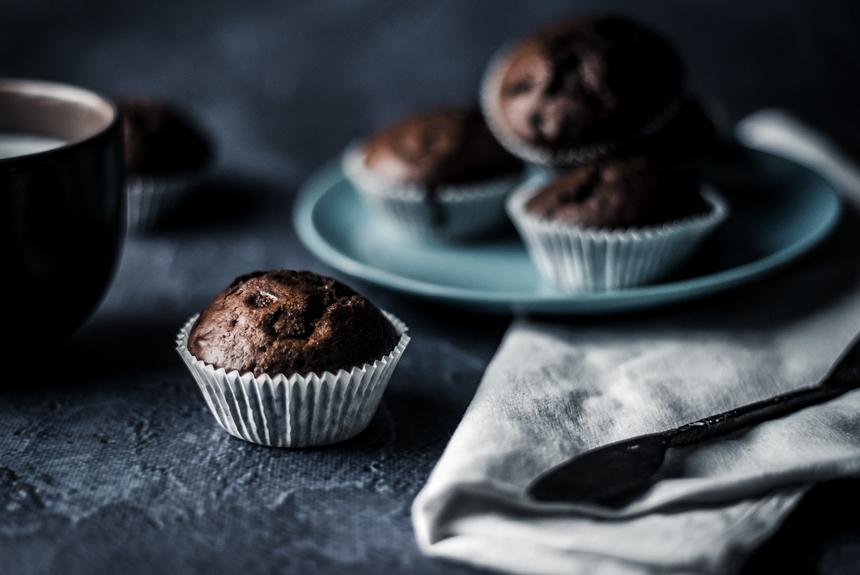
In the mid-20th century, British and American food manufacturers began producing ready-made muffin mixes. By the 1960s, dozens of cafes and houses specializing primarily in muffin sales were already operating in the UK and New Zealand. This regional business soon acquired national proportions.
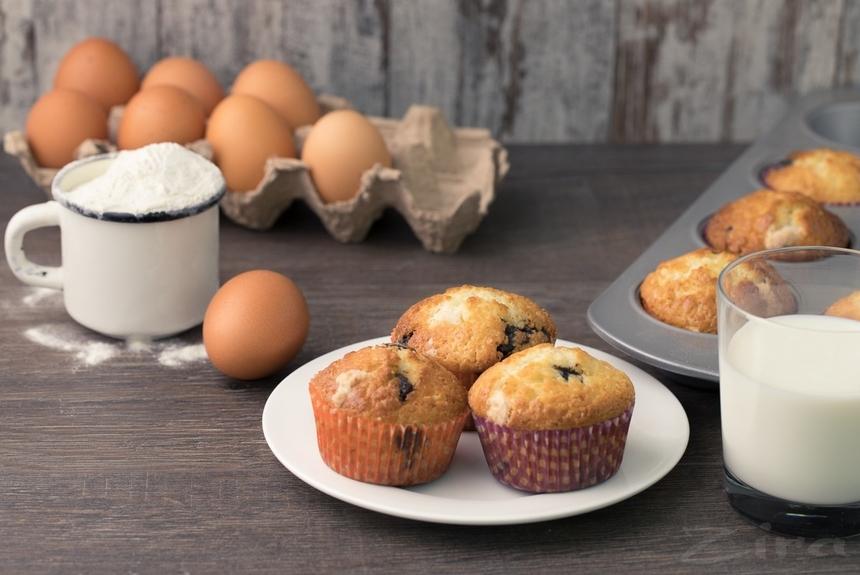
Interesting to know! Unlike most baked goods, muffins are not only healthy, but even beneficial. Pediatricians often recommend these baked goods for underweight children. Nutritionists recommend choosing reduced-calorie muffins to stay in shape.
Moreover, due to its high content of vegetable fats, this dessert is safe for blood vessels. Diet muffins, baked with premium flour, are beneficial for brain function due to their fiber content. And traditional fillings such as walnuts, candied fruit, or fresh fruit have a beneficial effect on the entire body.
Types of muffins
So what kinds of muffins are there? There are countless variations and different recipes. But only true cooks know that there are only two basic types of muffins: American and English. Despite sharing the same name, the baking techniques are significantly different.
English muffins
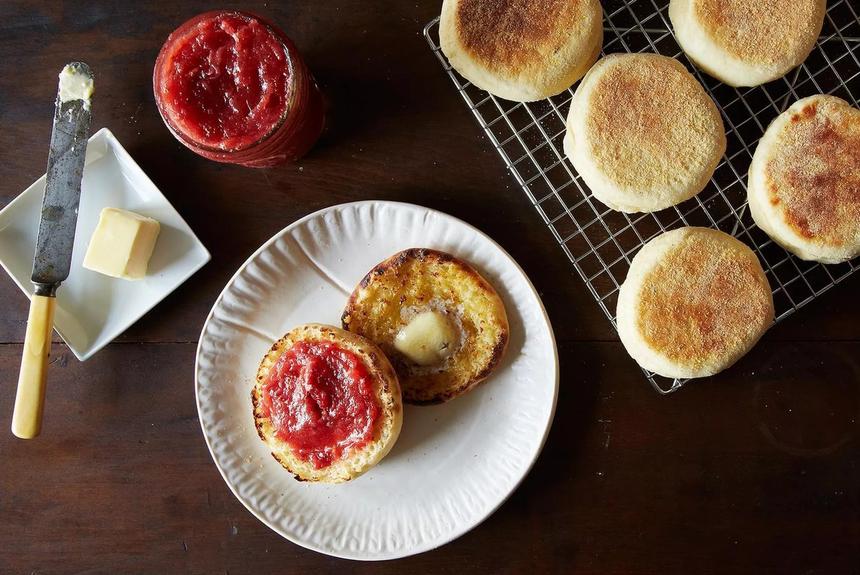
A muffin in English is a round, flat bun without filling—in simple terms, a regular flatbread. It's made from yeast dough. These pastries are baked in special ovens or ovens without the use of molds.
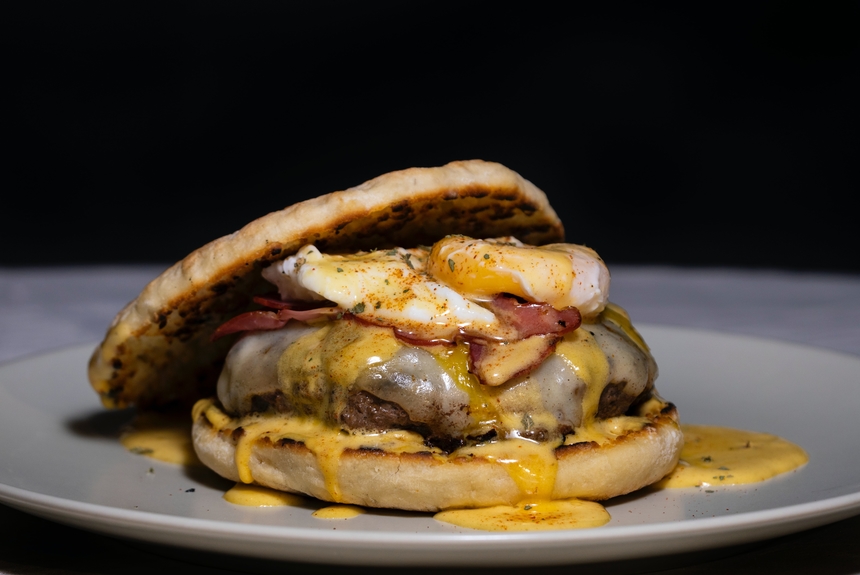
The unsweetened English muffin is served warm and cut in half. Jam, cream, or butter are used as a spread. Perfect for traditional teatime!
Beyond serving as a dessert, English muffins make a great base for toast and a hearty breakfast with eggs Benedict and sausage.
American muffins
American muffins are a type of individual cupcake that can be made with a variety of doughs. They often feature fillings such as currants, cherries, pears, and cashews. This prevents the dough from sinking to the bottom of the pan and, of course, imparts a unique flavor and aroma to the baked goods.
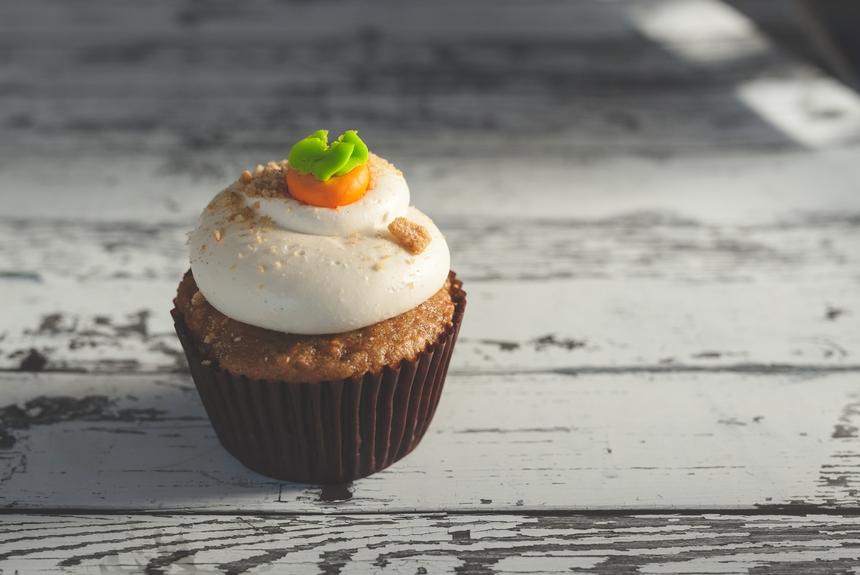
In the US, baking powder is a mandatory ingredient in dough, which makes baked goods plump and airy. American bakers bake these sweet treats using special silicone or metal molds.
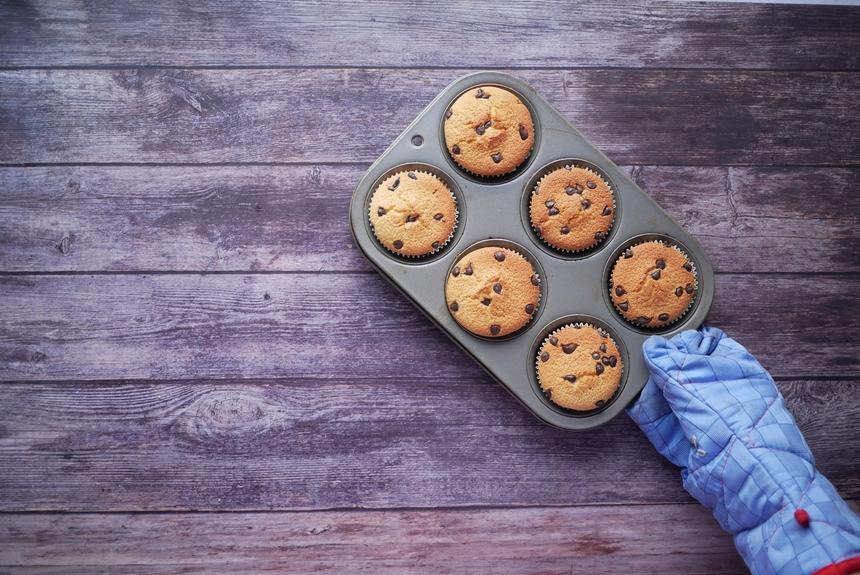
Fluffy, sweet, and incredibly delicious, American muffins are incredibly popular around the world. Homemakers love them for their quick preparation, and little ones enjoy the variety of flavors.
Recipe for classic American muffins
- Proteins: 5.8 g
- Fats: 15.9 g
- Carbohydrates: 47.6 g
- Total time:
-
Complexity:
It's easy and straightforward to prepare, but it does require some experience. Not everyone can do it right the first time.
- Number of servings: 16
Ingredients
-
Milk250 ml
-
Egg C12 pcs
-
Sugar150 G
-
Flour250 G
-
Cocoa60 G
-
Butter70 G
-
Vegetable oil50 ml
-
Baking powder10 G
-
Vanilla sugar10 G
-
Salt1 pinch
Preparation

Prepare the ingredients.

Combine dry ingredients (flour, cocoa and baking powder) and mix.

Place the room temperature butter into a large container.

Add sugar, a little vanilla sugar, and a pinch of salt to the butter. Then beat everything with a mixer until smooth.

Pour in the vegetable oil and beat again with a mixer. At this point, all large lumps should be gone.

Beat in room temperature eggs. Beat again.

You should get a viscous, homogeneous mass without lumps.

Pour warm milk into the mixture and whisk gently.

Sift the previously combined dry ingredients into the resulting mixture through a sieve. Add the flour and cocoa in portions to avoid lumps. You can stir with a whisk or a silicone spatula.

Now you can add almonds, nuts, berries or candied fruits to the chocolate dough.

Prepare the muffin tins. Spoon the batter into the muffin tins. Fill them 2/3 full and smooth the top slightly.

Bake in an oven preheated to 180 degrees for about 20-25 minutes.

Remove the risen muffins from the oven. Let them cool. Done!
Delicious chocolate muffins are a perfect addition to any holiday table. Depending on the type—English or American—they can be used in desserts, savory dishes, and appetizers. Which do you prefer?