Cream Cheese and Cottage Cheese for Frosting - 7 Brands to Buy for Cream Cheese Cake

Content
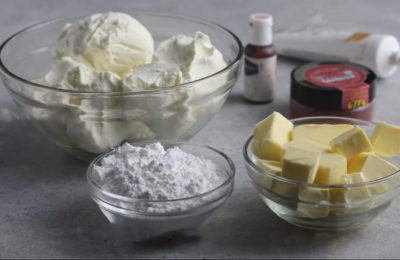
Cream cheese frosting is a popular frosting widely used by pastry chefs. Its popularity and widespread popularity are due to its excellent taste and ease of preparation. Just three ingredients and about 10 minutes of preparation time, and this delicious frosting is ready to decorate your confectionery masterpieces.
Cream cheese frosting is made using butter or heavy cream, powdered sugar, and cream cheese. This article will focus on the latter ingredient. Below, I'll explain which cream cheese is best for this cake, and which ones are best avoided.
What is cream cheese?
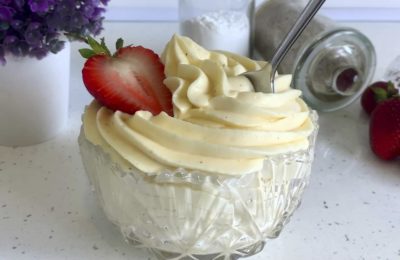
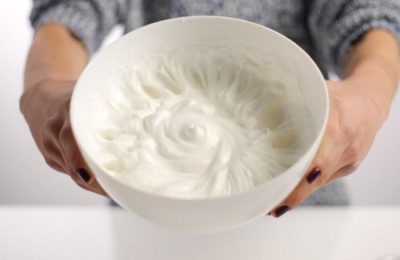
Cream cheese frosting is a versatile, very light, delicious, and airy filling. It's perfect for almost any dessert that calls for cream. It can be used to layer cake layers, frost the sides, decorate cupcakes, fill eclairs, and much more. It's also incredibly easy to make. With the right ingredients, any home cook can create it.
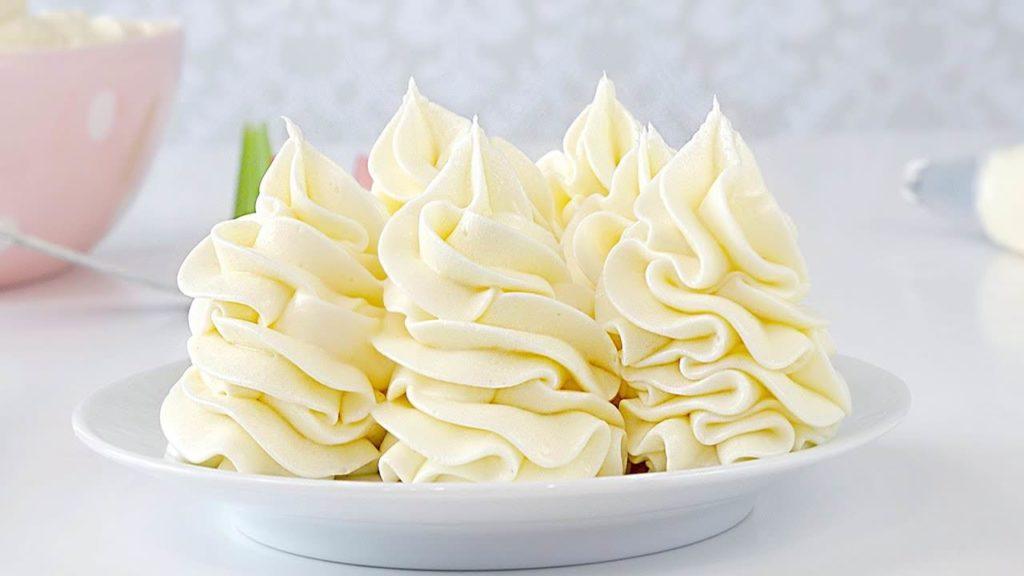
Cream cheese used in confectionery has only one synonym: "cream cheese cream." All other names, such as curd-cream cream or simply curd cream, do not refer to cream cheese, as they are made with cottage cheese. It's also important to understand that the jars of "cream cheese" you see on store shelves are not ready-made pastry cream, but rather one of the main ingredients used to make it.
Creamy or curd?
Let's look at the types of cheese that can be used to make cream cheese: cream cheese, Philadelphia, cottage cheese, and cream cheese.
Cream cheese can be either cream or curd cheese. According to regulations, the packaging must indicate which type you're dealing with. However, the consistency of the same cheese can vary, depending on the fat content of the product and its overall composition.
Speaking of Philadelphia, this type of cheese is classified as a cream cheese. It's also commonly used to make cream cheese. However, this option is an acquired taste, as Philadelphia typically has an overly salty flavor.
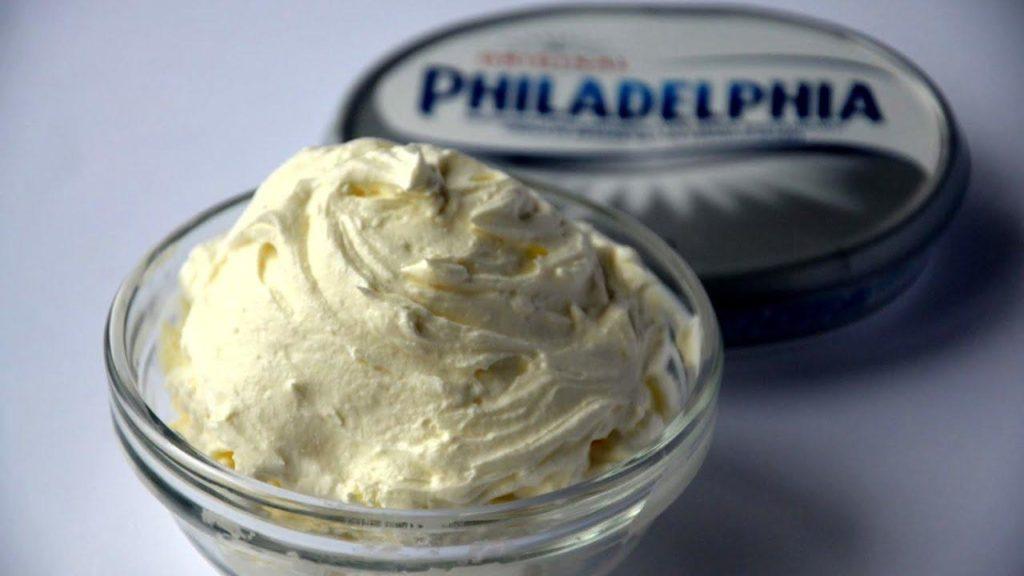
Let's highlight the main differences between "curd", "cream" and "curd-cream" cheeses.
- Creamy. It has a very delicate consistency and a subtle creamy flavor. It's usually made with cream.
- Curd cheese. This soft cheese is made using an acid or acid-rennet method from a standardized milk mixture. The finished product has a distinctly sour milk flavor.
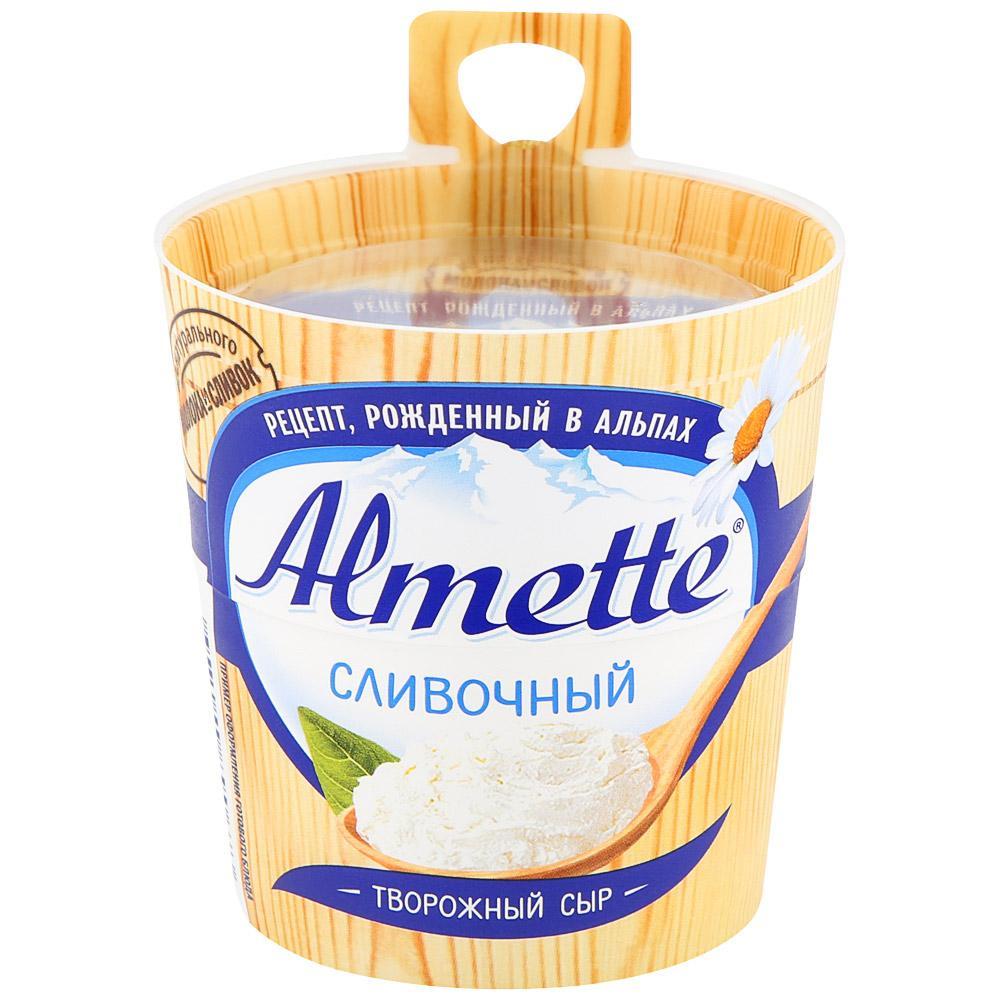
- Curd and cream cheese. Its name probably tells you what this cheese is. It's essentially cottage cheese with added cream. Sometimes you'll find a product on store shelves called "Curd Cheese," but the packaging also says "Creamy." This is an example of a curd and cream cheese. However, in this case, it's more like cottage cheese with a small amount of cream added. In any case, it's a good idea to check the ingredients before purchasing.
All the above-mentioned cheeses are perfect for making cream cheese. However, there's one caveat: it's important that the cheese has the right consistency and fat content.
What kind of cheese do you need for cream cheese?
As you can see, not every cheese is suitable for making the famous cream cheese. Although mascarpone and ricotta are soft cheeses, they are not suitable for making this cream cheese. Therefore, before heading to the store, I suggest you review the following guidelines. I'll explain the basic requirements a cheese must meet to make the perfect cream cheese.
- Ingredients. This is the first thing we pay attention to. The label shouldn't list anything other than cottage cheese, cream, milk, starter culture, and salt. The presence of flavorings and colorings should prompt you to look for a different brand of cheese.
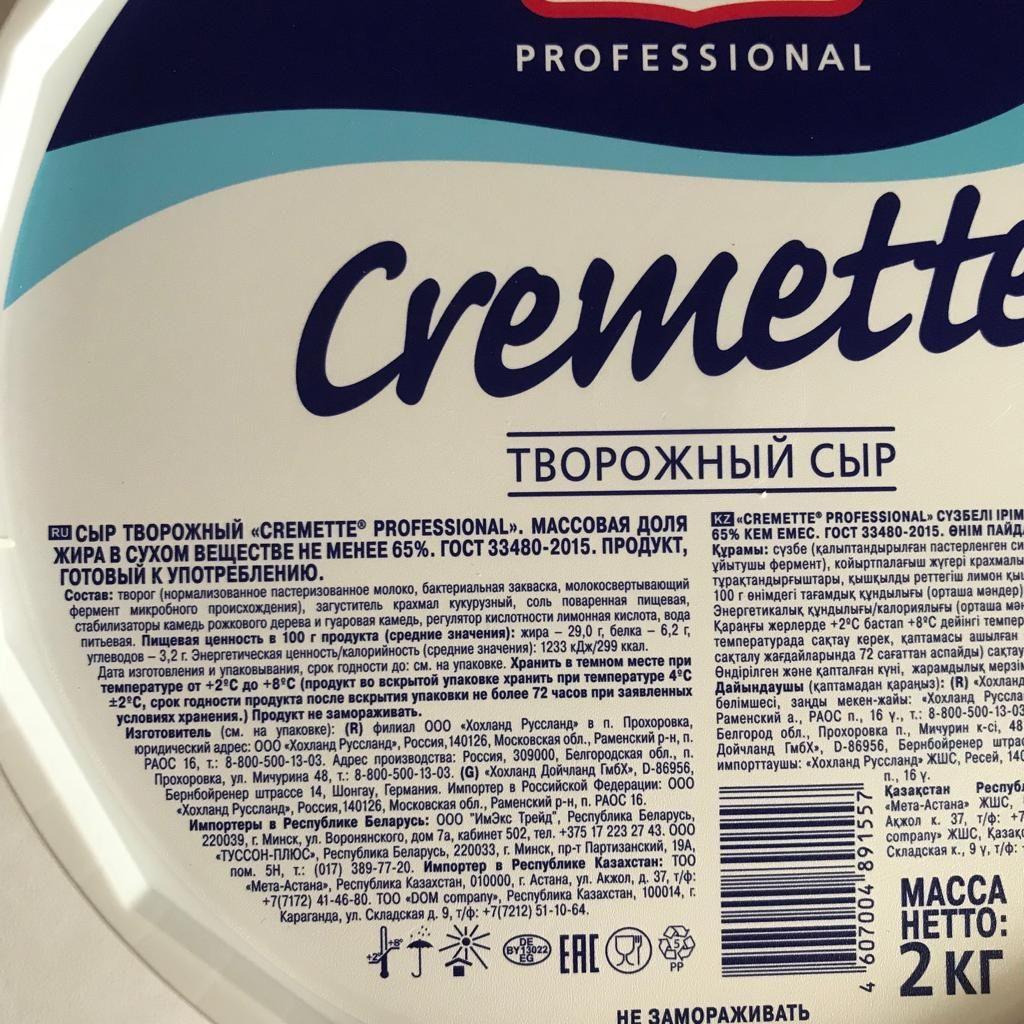
- Fat content. The fat content of a product determines whether your cream will turn out well. This parameter should be at least 28.5% in the finished product and at least 60% when calculated on a dry weight basis. Lower values can result in a runny and unstable cream.
- Color. The natural color of a product suitable for making cream is white. If it has a rich creamy hue, the manufacturer most likely uses dyes.
- Smell. High-quality cream cheese has a delicate milky aroma. There shouldn't be any strong odors, especially sour ones. Otherwise, you risk ruining the cream.
- Consistency. A good product is thick and smooth. It contains no solid particles or lumps. This allows the cheese to whip easily, creating a fluffy, smooth mass with the desired texture.
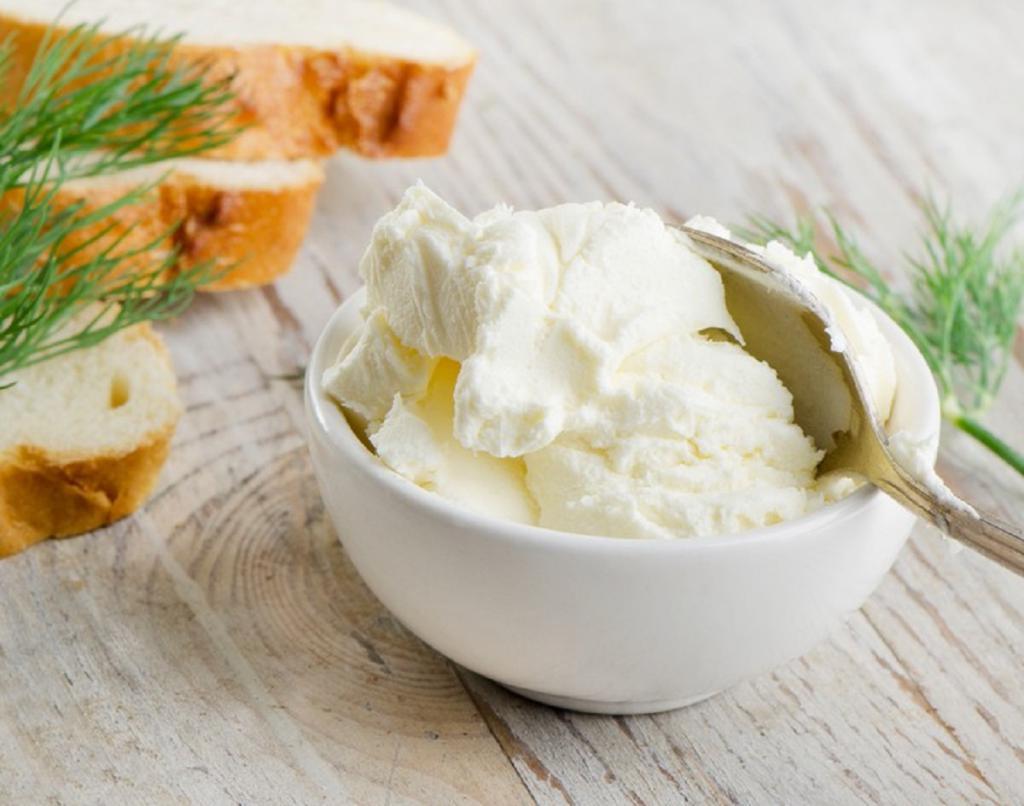
- Flavor. Cottage cheese should have a rich, creamy flavor with a subtle tartness and a hint of saltiness. It's best not to use overly sour cheese for making cream.
7 Best Brands of Cottage Cheese and Cream Cheese for Frosting
On the shelves of large supermarkets, you can find several cheeses that are perfectly suitable for making cream cheese. However, if you've never tried one of them, it can be difficult to decide which one is best. Therefore, I offer a brief overview of the most popular cheeses that can be used to make cream cheese.
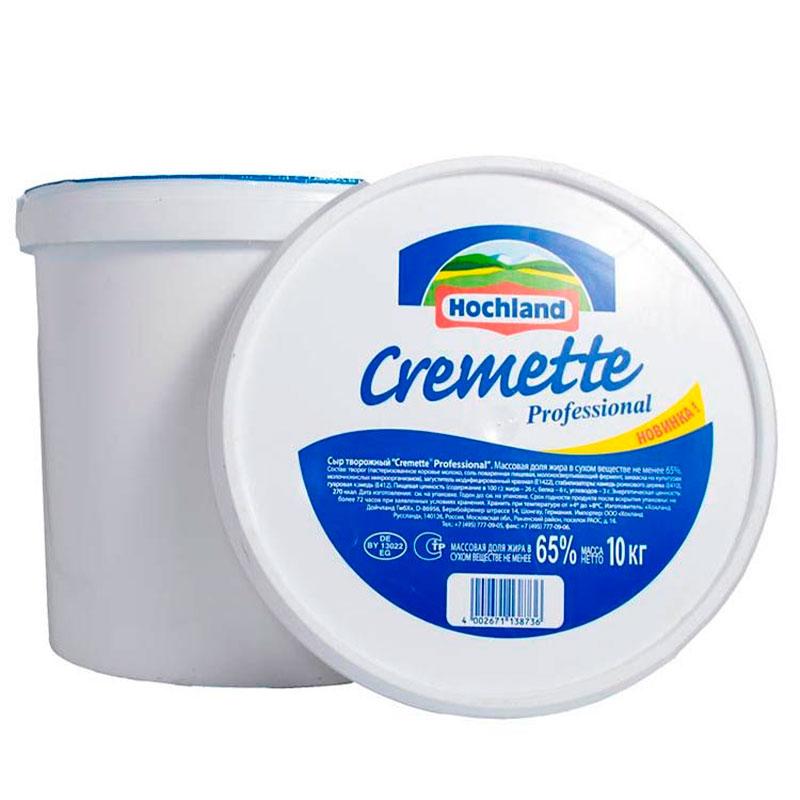
Kremette Hochland
Main characteristics:
- Fat content: 65%
- Package weight: 300g, 1000g or 2000g
- Country of origin: Germany
It meets high quality standards, is characterized by minimal whey production, high elasticity, and a balanced, creamy flavor. It is currently one of the most suitable options for making cream cheese.
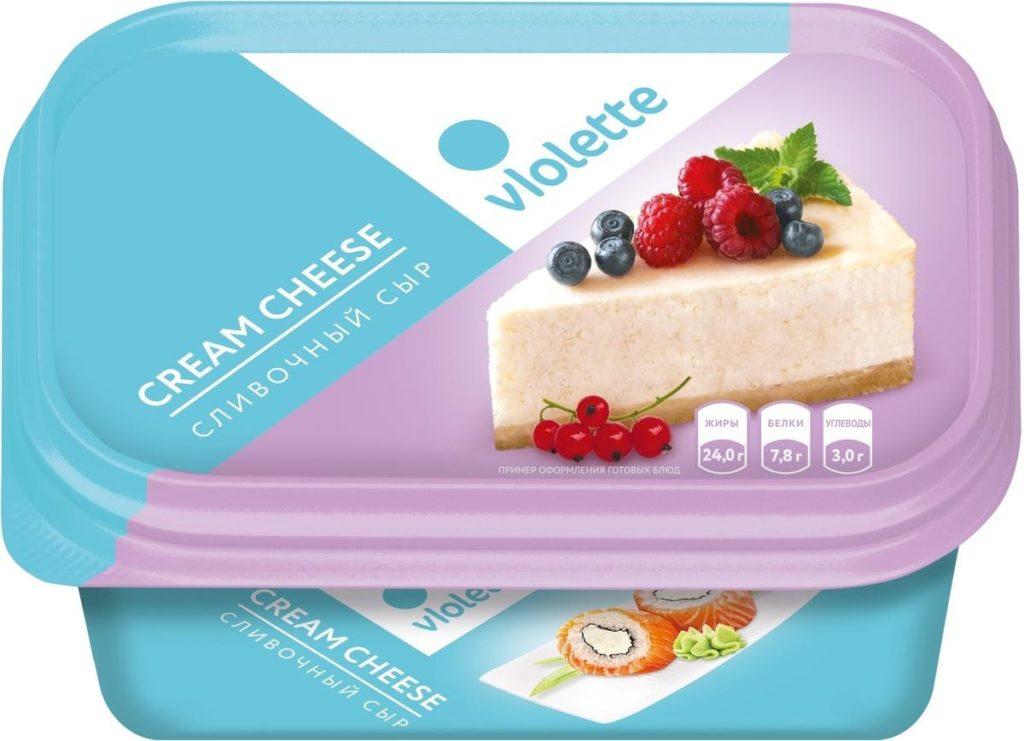
Cream cheese Violette
Main characteristics:
- Fat content: 70%
- Package weight: 400 g
- Country of origin: Russia
A very good cheese from a domestic producer. Perfect for making cream. I recommend it as a more affordable alternative to Hochland.
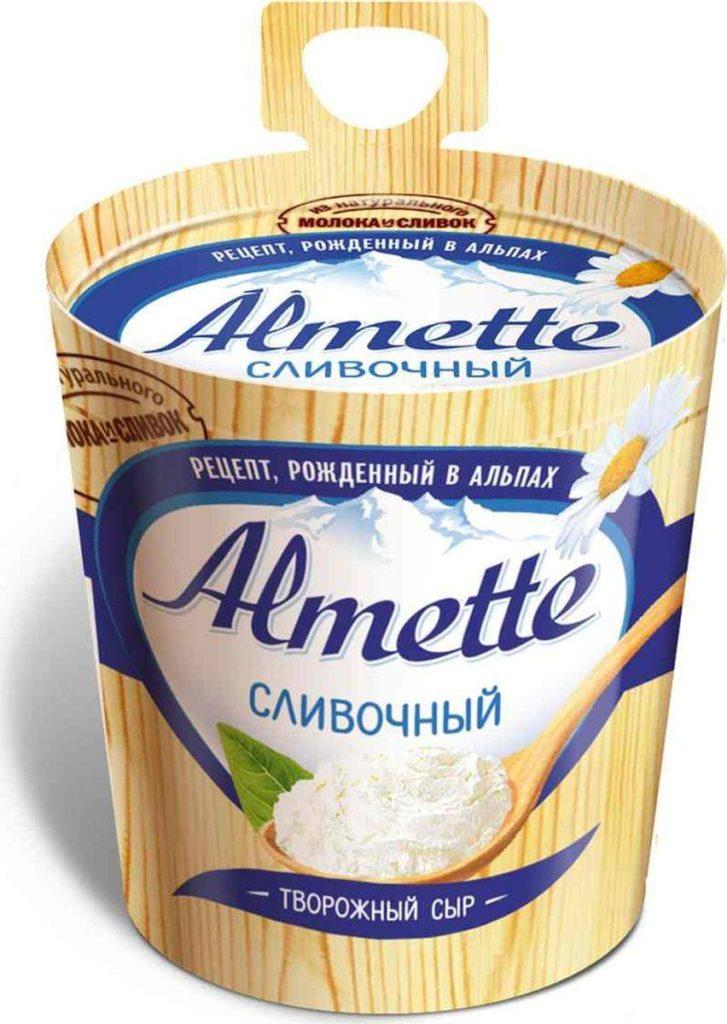
Almette curd cheese
Main characteristics:
- Fat content: 60%
- Package weight: 150 g
- Country of origin: Poland
The most common type of cream cheese found on store shelves. It's also excellent for making cake frosting.
Cream cheese from Bonfesto
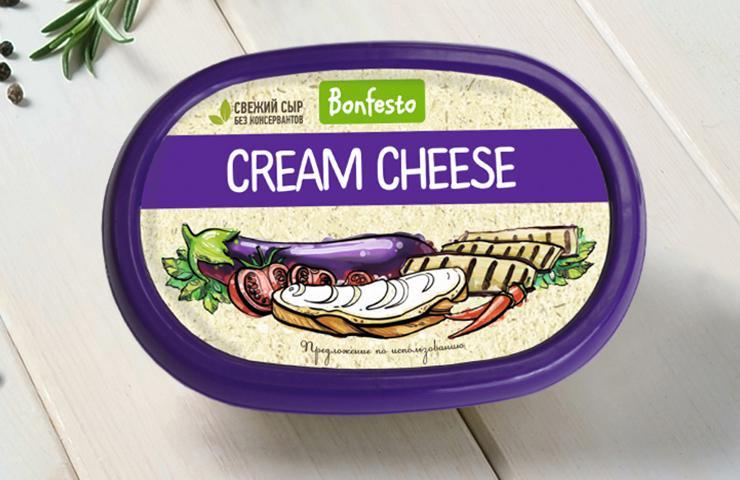
Main characteristics:
- Fat content: 70%
- Package weight: 170g, 250g, 500g or 2250g
- Country of origin: Belarus
This version can also be used to make cream cheese. However, in my opinion, Bonfesto's cheese is slightly inferior to the previous versions.
Valio curd cheese
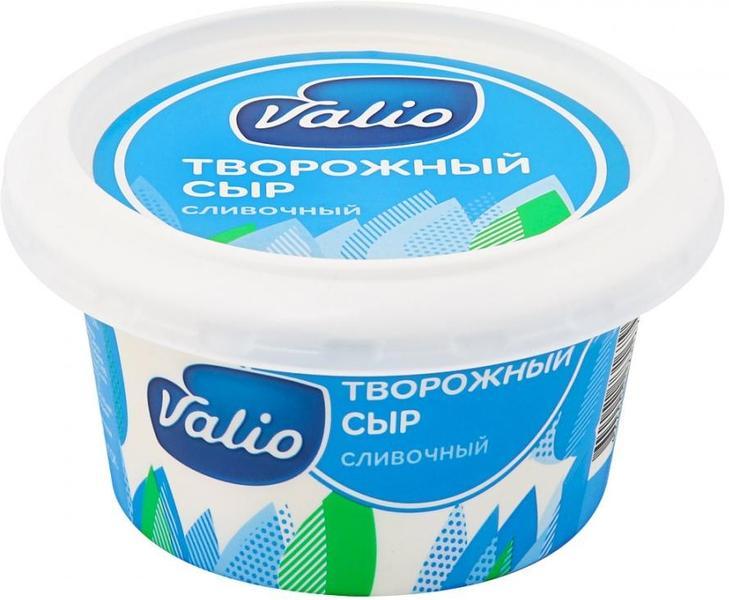
Main characteristics:
- Fat content: 70%
- Package weight: 150 g
- Country of origin: Russia
This cheese has a dense, smooth, glossy texture, making it ideal for cheesecakes, pancakes, and cake decorating.
Arla cream cheese
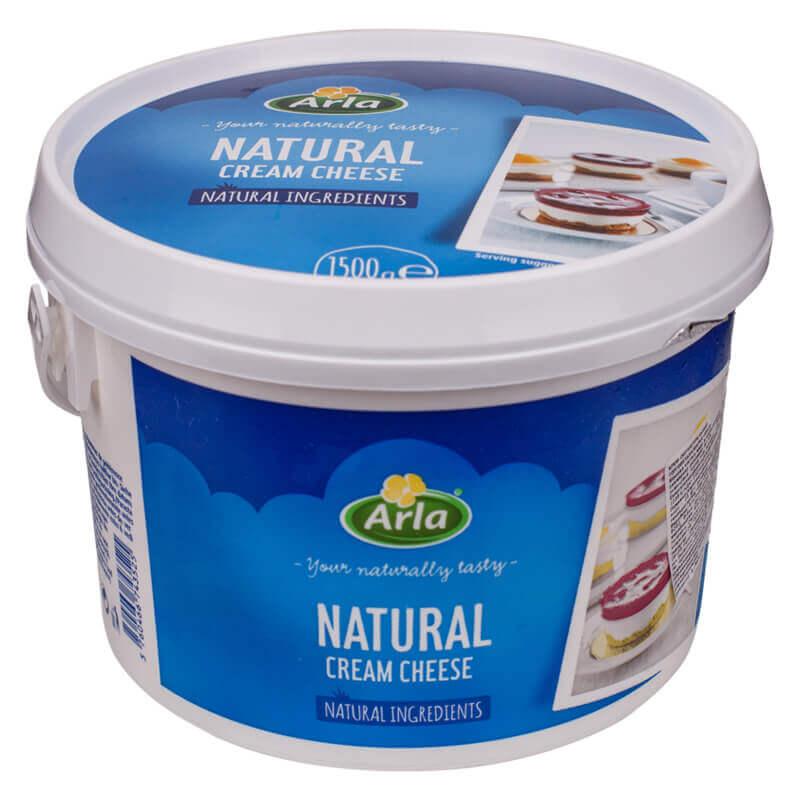
Main characteristics:
- Fat content: 70%
- Package weight: 1500 g
- Country of origin: Denmark
This cheese is perfect for making cheesecakes and cakes. It is one of the best alternatives to Philadelphia cheese—its price is comparatively lower, but the quality is comparable to that of the German brand.
Soft cheese Mlekara Sabac A la Kaymak creamy
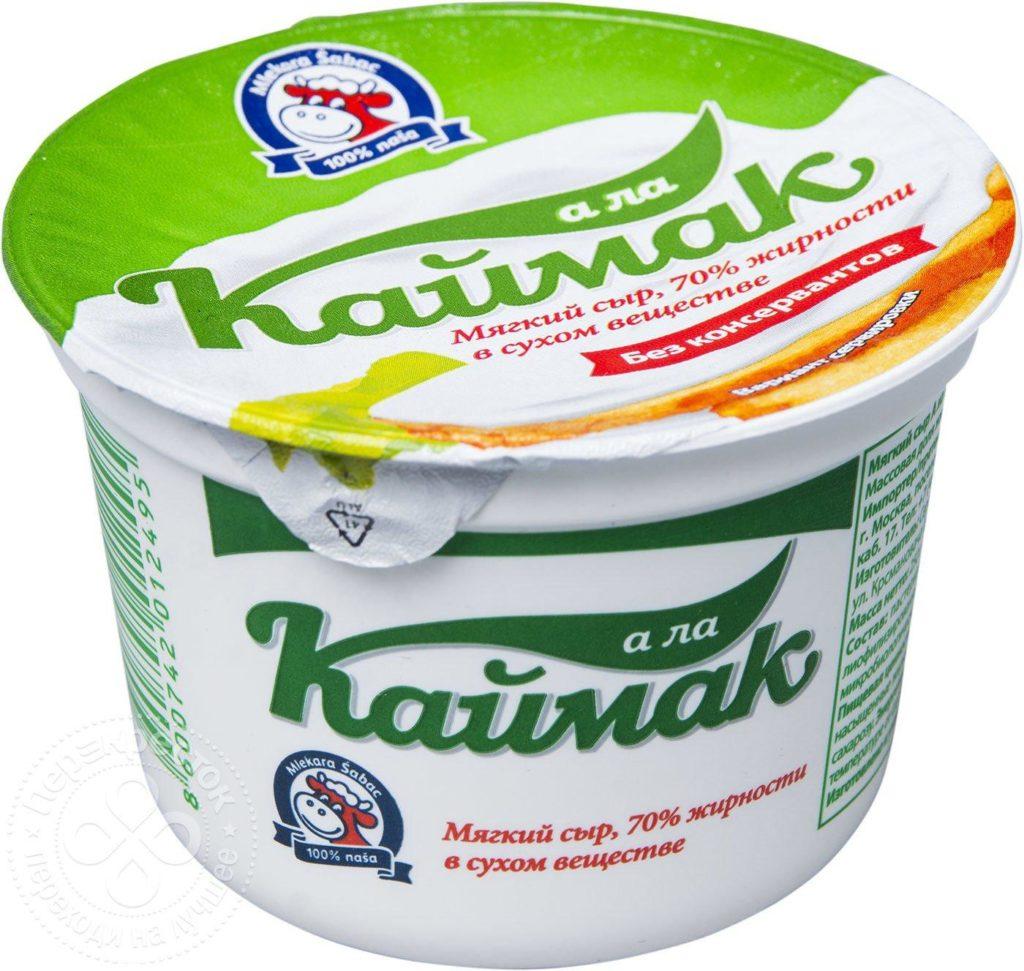
Main characteristics:
- Fat content: 70%
- Package weight: 150 g
- Country of origin: Serbia
Until recently, this cream cheese was my favorite for frosting: it offered the perfect balance of price and quality. But lately, it's often separating when combined with powdered sugar, releasing whey and creating lumps.
Frequently asked questions about cream cheese
If after reading this article you still have doubts about choosing cheese for making cream cheese, I'll try to answer the most common questions.