Recipes for "Alexandrian" and "Viennese" Easter cakes – classic Easter baked goods

Content
If you're trying Easter cake for the first time or are looking for a new recipe, be sure to try the methods below. Baked goods made with Alexandrine or Viennese dough are incredibly fluffy, airy, and weightless, while simultaneously being delicious and very aromatic.
This collection will feature the most successful recipes using dry and fresh yeast, as well as a variety of ways to decorate finished Easter cakes.
Alexandrian dough for Easter cakes
- Proteins: 7 g
- Fats: 9 g
- Carbohydrates: 48 g
- Total time:
-
Complexity:
It's easy and straightforward to prepare, but it does require some experience. Not everyone can do it right the first time.
- Number of servings: 2
Ingredients
-
Flour650 G
-
Baked milk250 ml
-
Sugar250 G
-
Egg C14 pcs
-
Yeast40 G
-
Butter125 G
-
Vanillinto taste
-
Cinnamon0.5 tsp
-
Cardamom0.5 tsp
-
Salt0.33 tsp
-
Nutmeg0.33 tsp
Preparation

We collect the necessary products and measure out the required quantity.

Warm the milk slightly.

Break the yeast into it. Stir. Set aside.

In a separate deep bowl, beat 3 eggs and one yolk.

Add sugar and beat until the mixture thickens.

Add soft butter. Beat.

Pour in the yeast mixture.

Transfer it to a deep container and leave the dough in a warm place for 8-12 hours.

Add vanilla, salt, and spices to the sifted flour. Mix.

Add flour to the dough. Mix well first with a spoon, then knead for 5-7 minutes by hand.

Add the washed and dried raisins and mix again. Leave to rise.

Knead the dough. Spread it into the molds, filling them no more than 1/3 full. Let it rise again in the molds. Brush the top with egg and bake in the oven at 180 degrees Celsius for 30-40 minutes.
A rich Easter cake made from Alexandrian dough with dry yeast
If you've decided to make an Alexandrian kulich using dry yeast, this recipe is ideal. Kulis baked this way are fluffy, airy, and very light. The alcohol in the recipe helps loosen the yeast dough, allowing it to rise better. Cognac is most often used, but it can easily be substituted with an equal amount of vodka, rum, or liqueur.
Ingredients
- Baked milk - 500 g
- Flour - 1250 g
- Butter - 250 g
- Sugar - 500 g
- Eggs - 7 pcs.
- Cognac - 1 tbsp.
- Dry yeast (fast-acting) - 15 g
- Raisins - 250 g
- Vanilla sugar - 1 tbsp.
- Zest of 1 orange - 1 tbsp. l.
- Salt - 1/2 tsp.
Cooking time: 2 hours plus 8-12 hours for the dough
Servings: 3 large and 6 small
Step-by-step recipe
Step 1
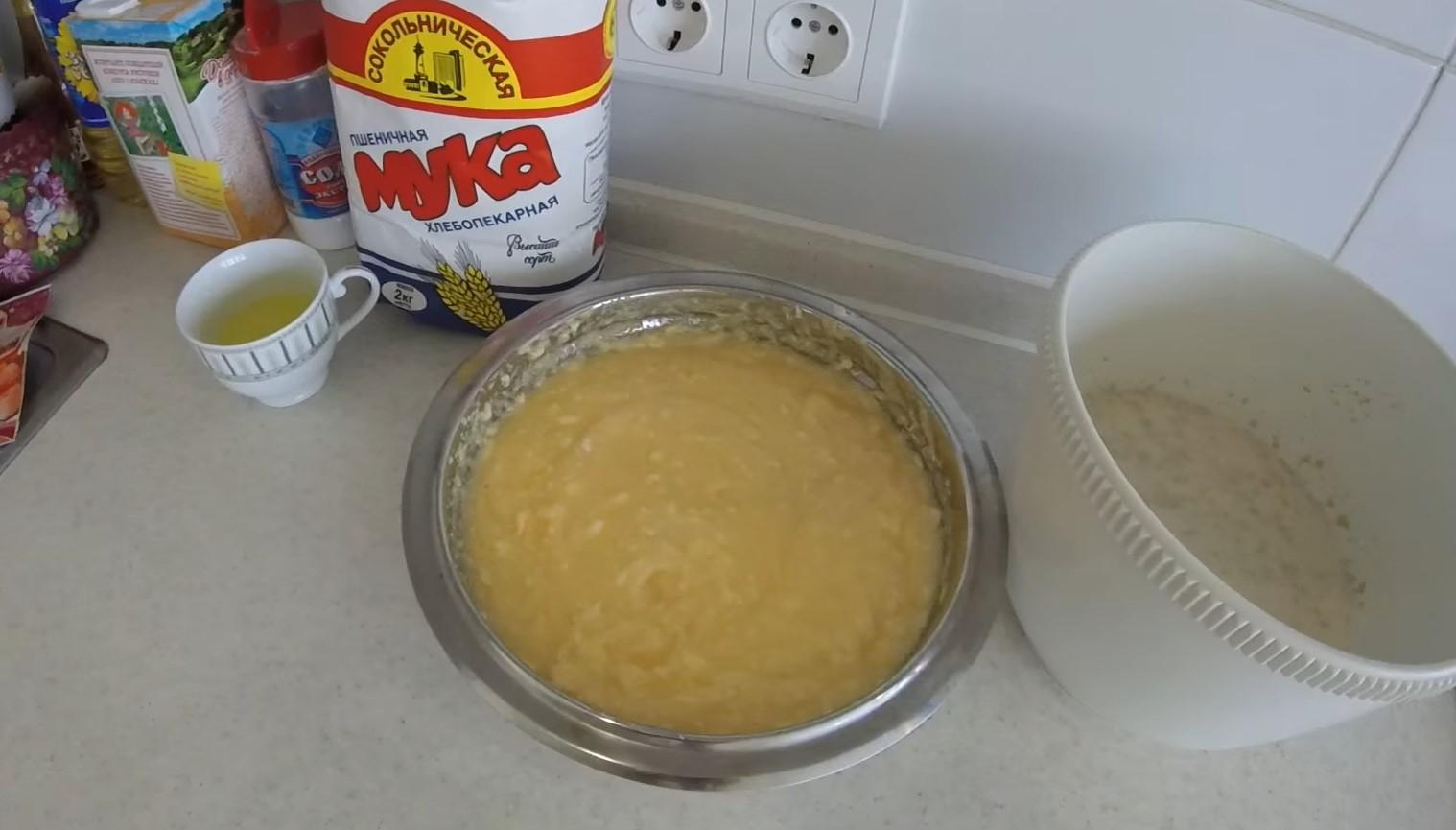
Make the dough. In a deep bowl, combine 5 eggs and 2 yolks, sugar, and softened butter. Mix.
Step 2
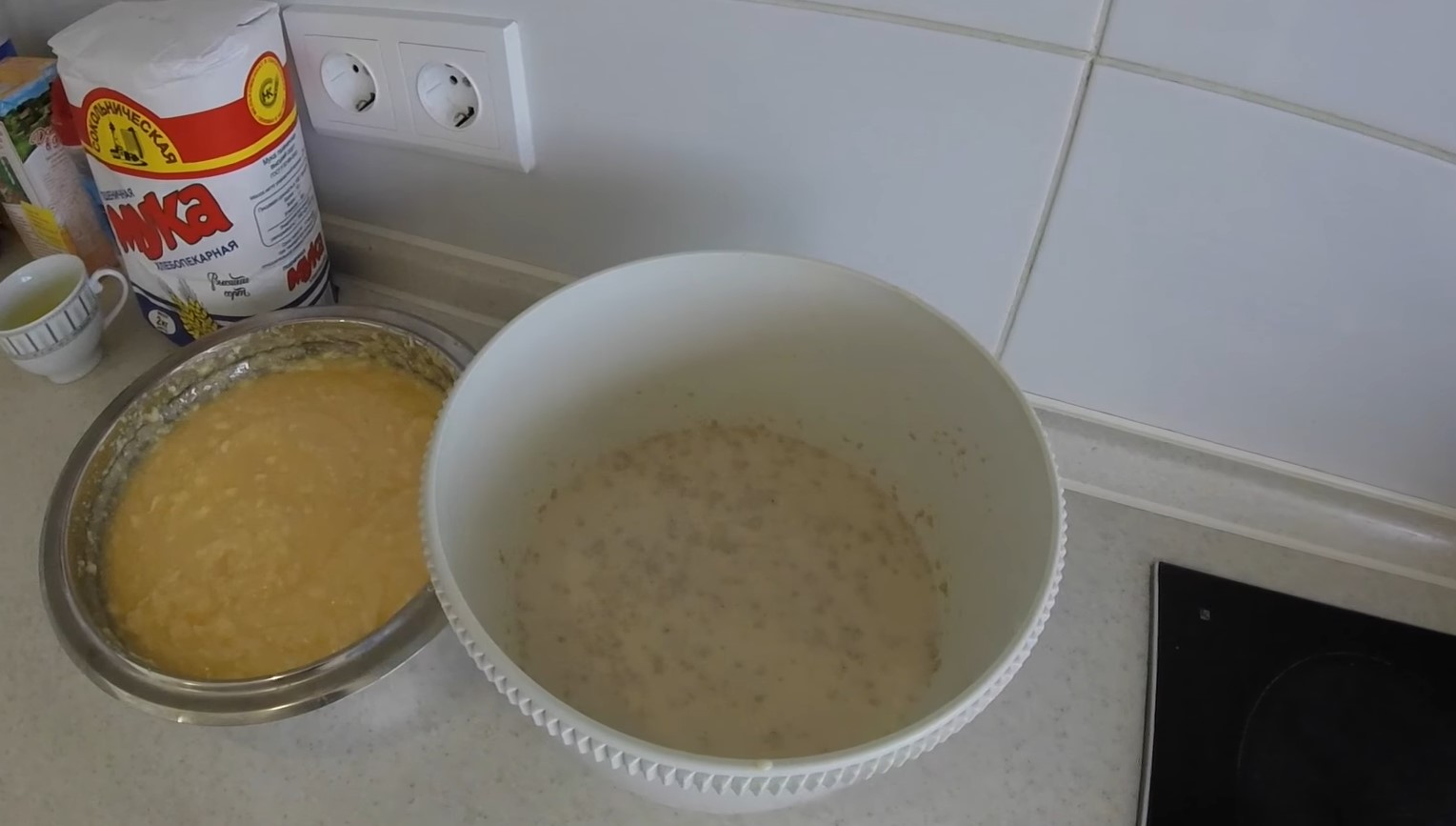
In a separate bowl, combine warm milk (30-36 degrees) and yeast.
Step 3
Combine both mixtures. Leave the dough to rise in a warm place for 2-3 hours or at room temperature for 8-10 hours.
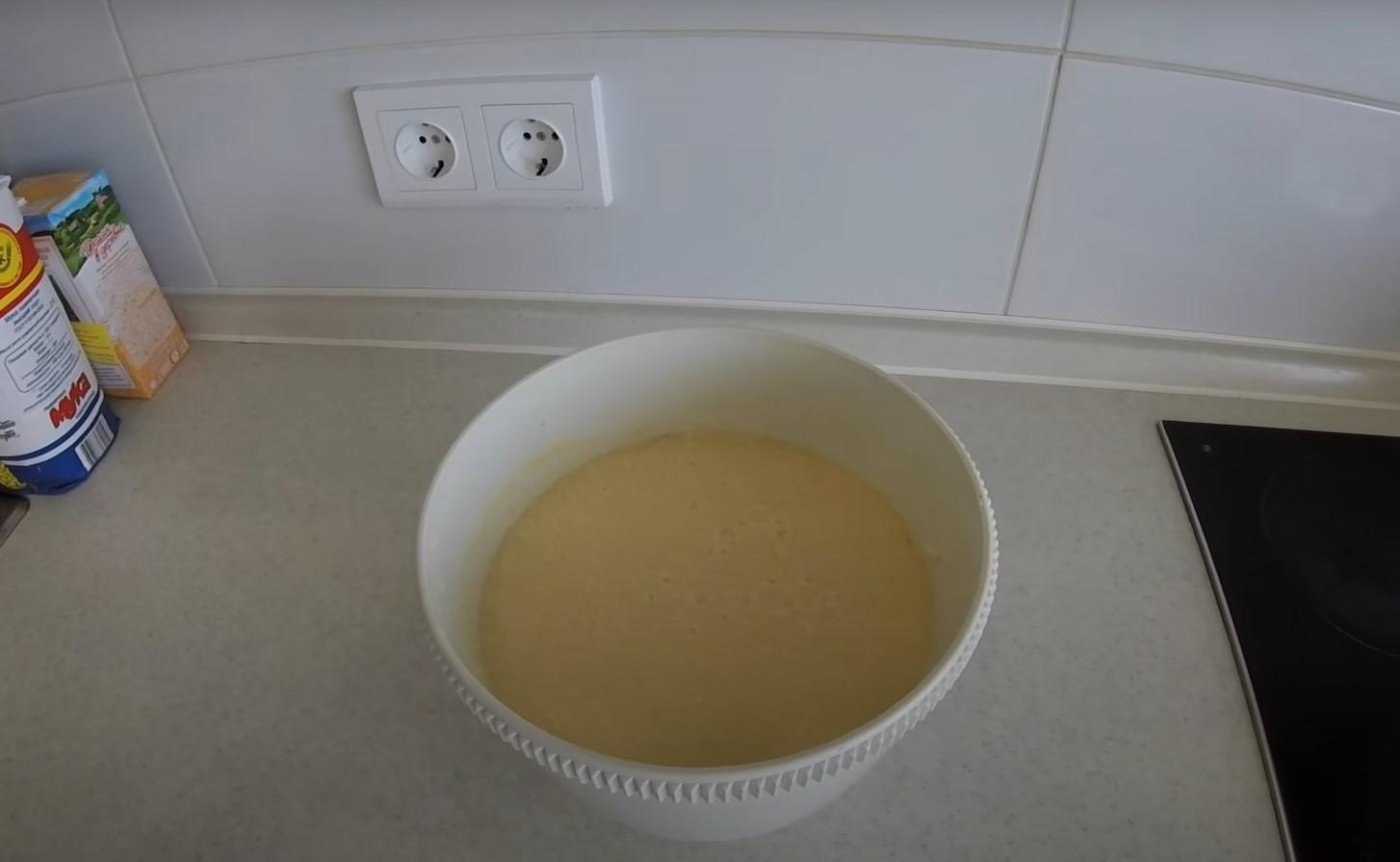
Step 4
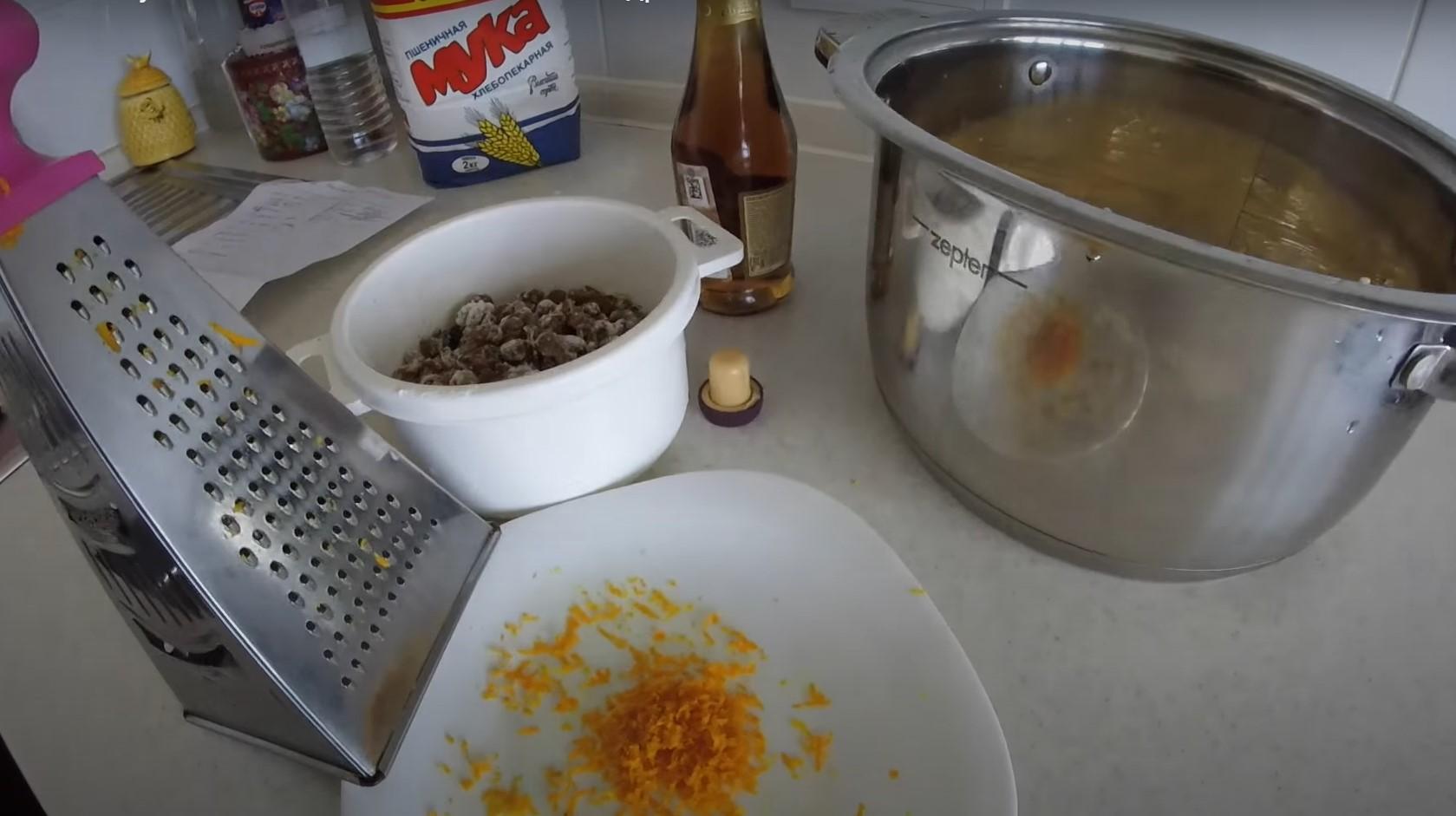
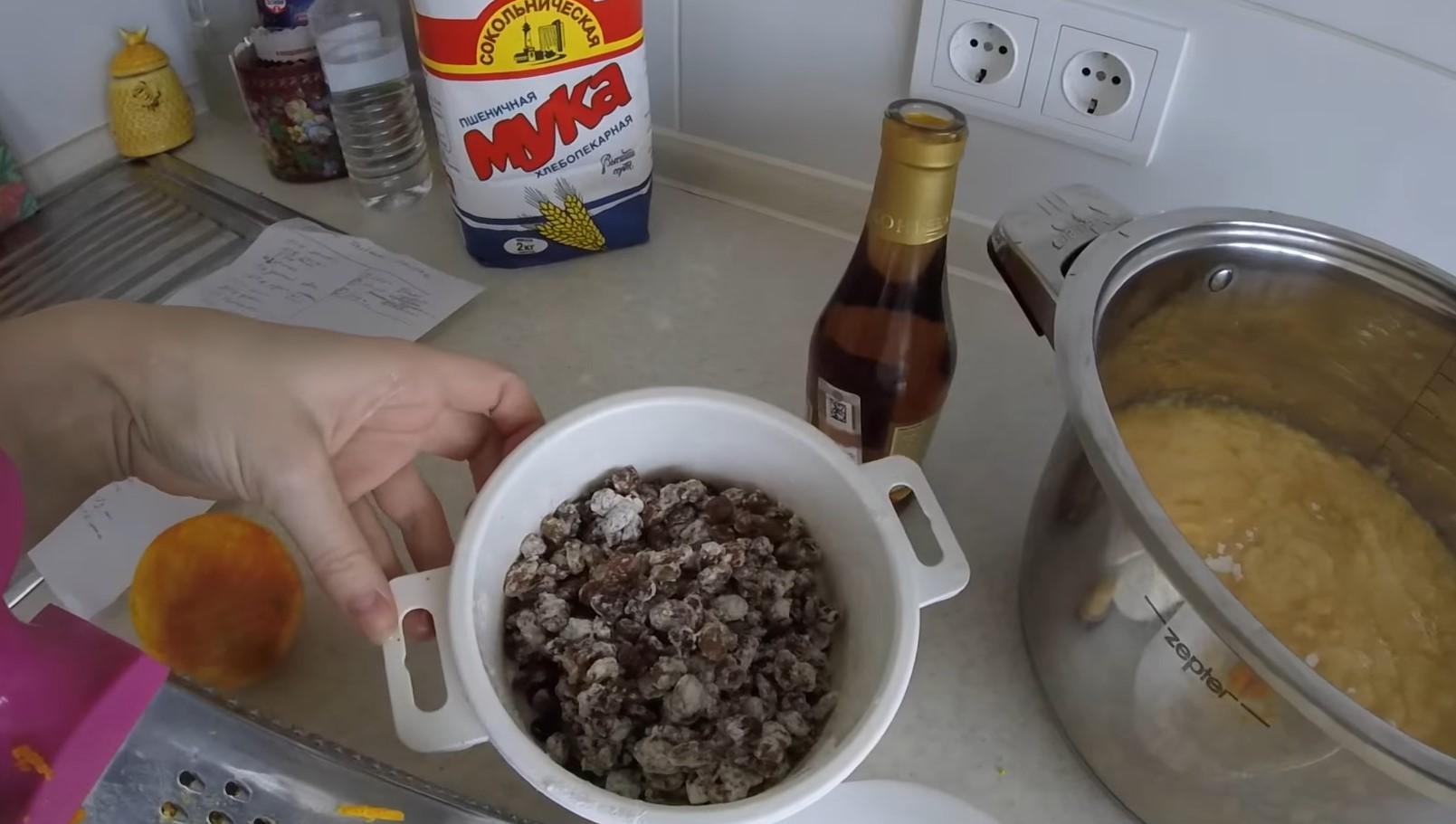
Grate the orange zest. Wash the raisins and sprinkle them with a little flour.
Step 5
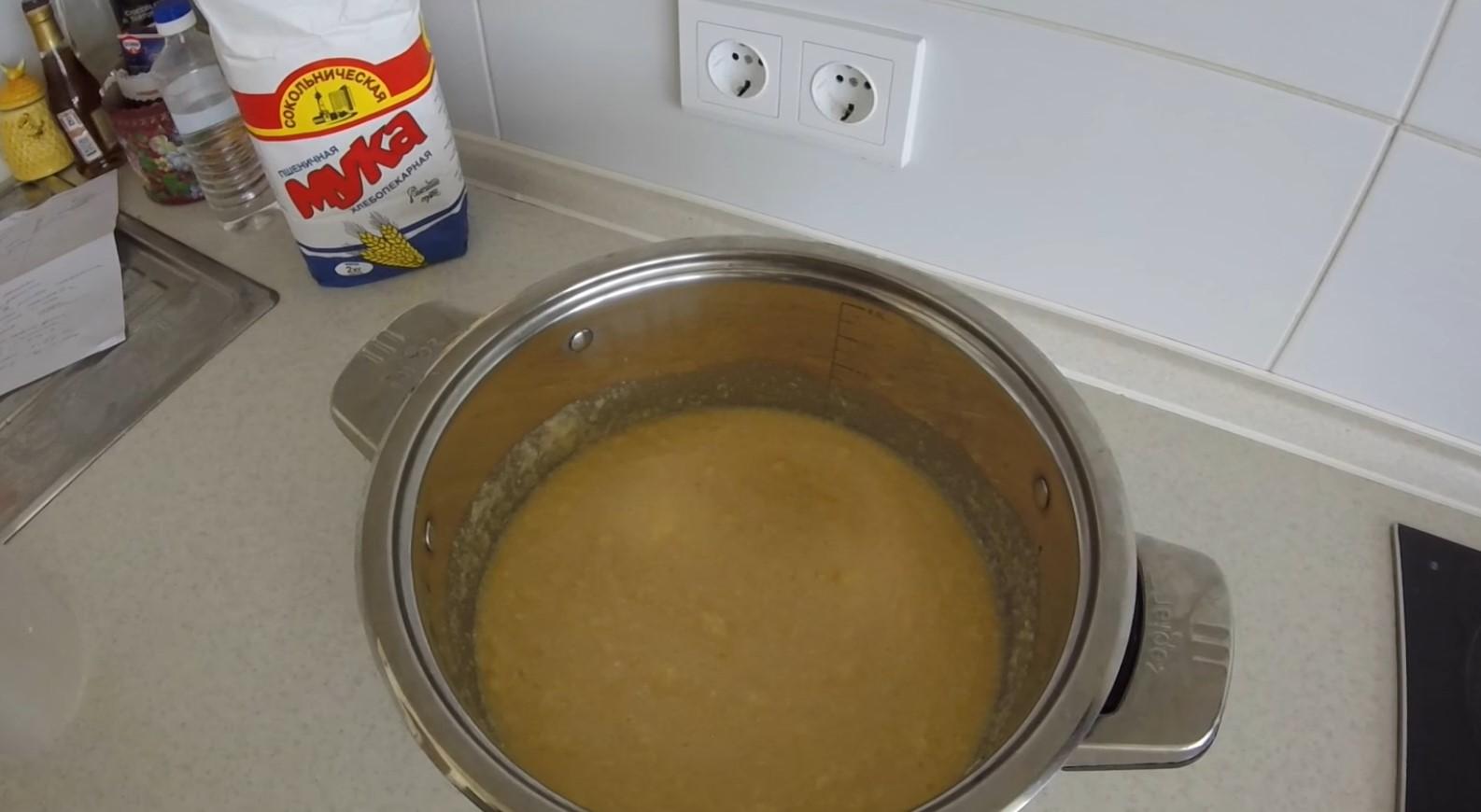
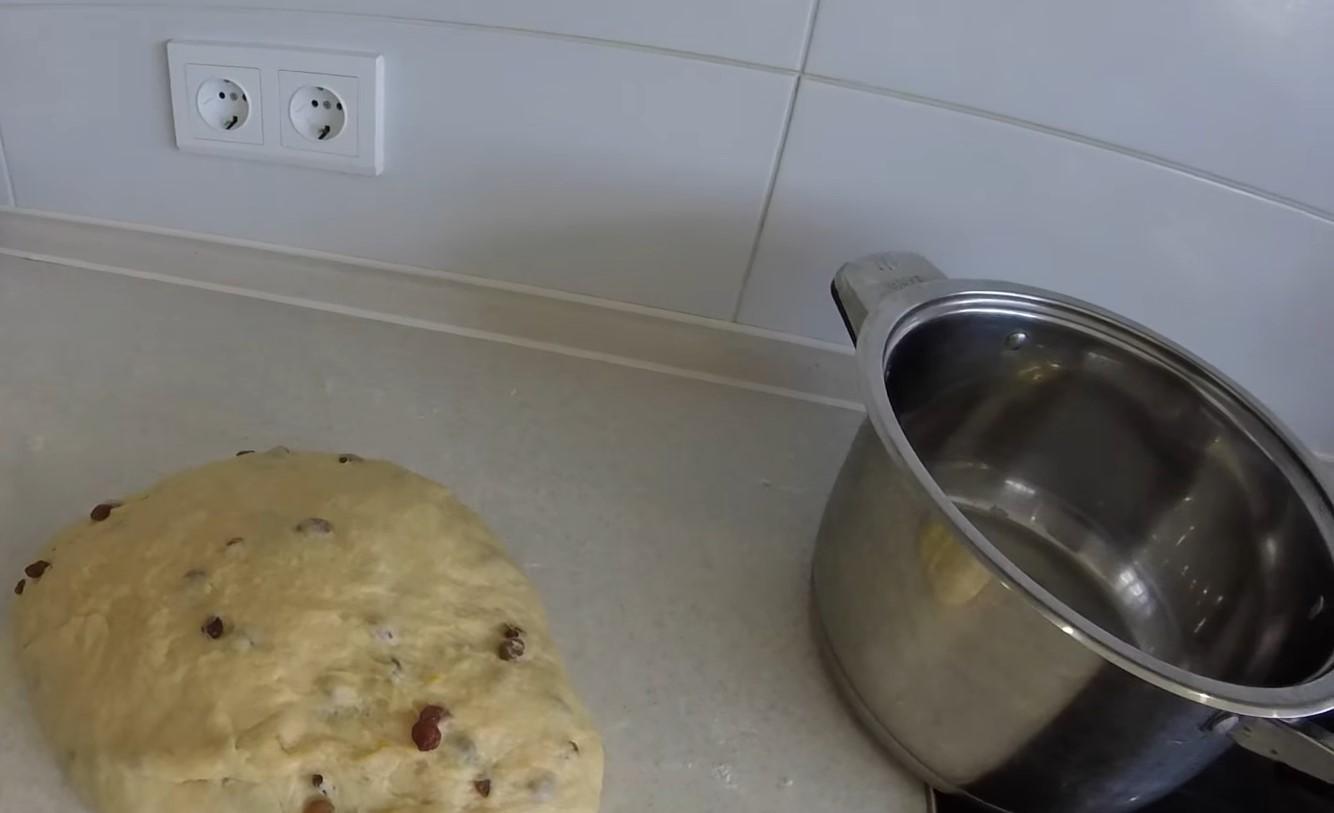
Transfer the dough mixture to a deep bowl. Add raisins, zest, cognac, vanilla sugar, and salt.
Step 6
Gradually add flour. Knead the dough until it stops sticking.
Step 7
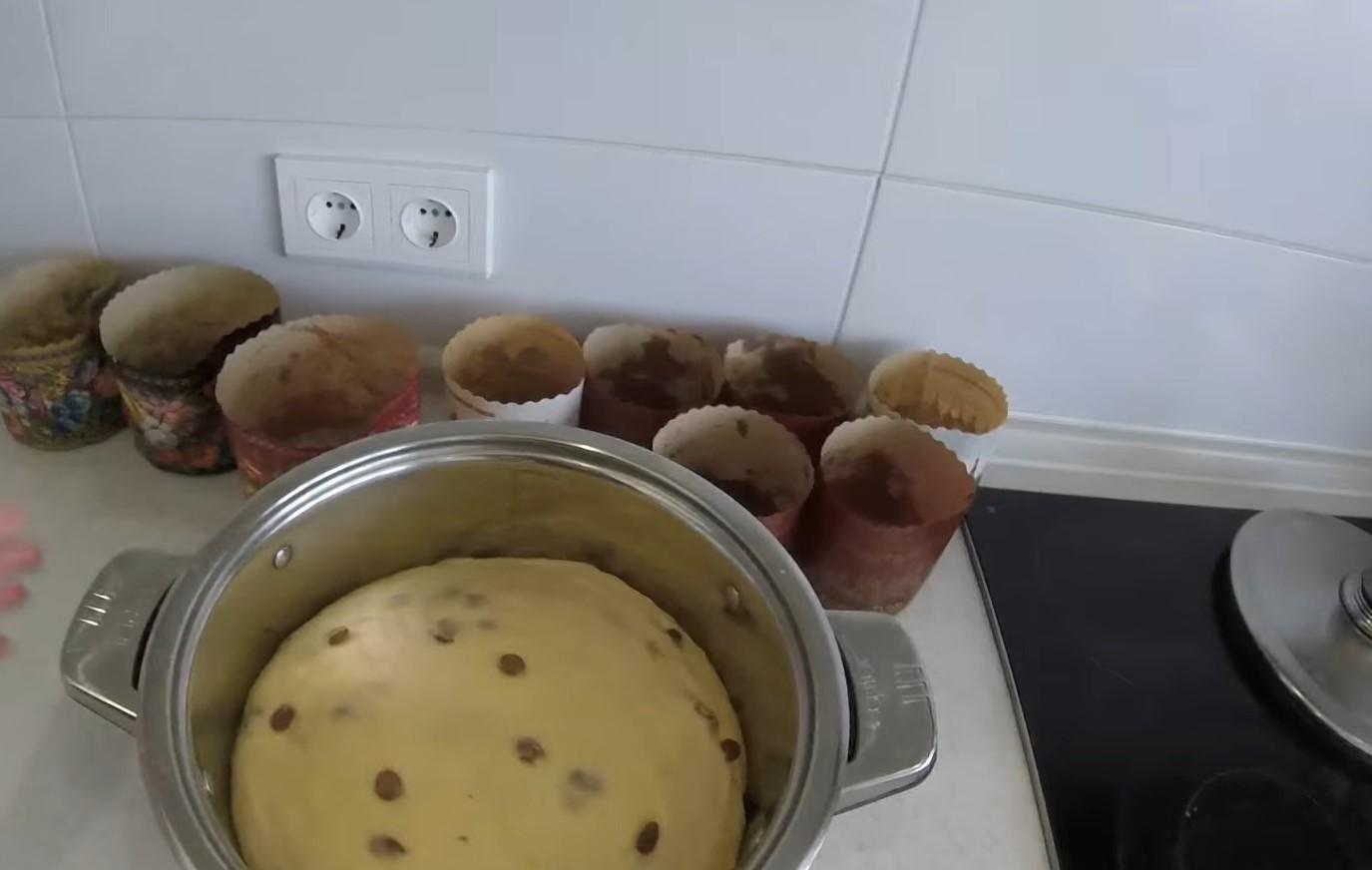
Place the dough in a saucepan, cover with a towel and leave in a warm place to rise.
Step 8
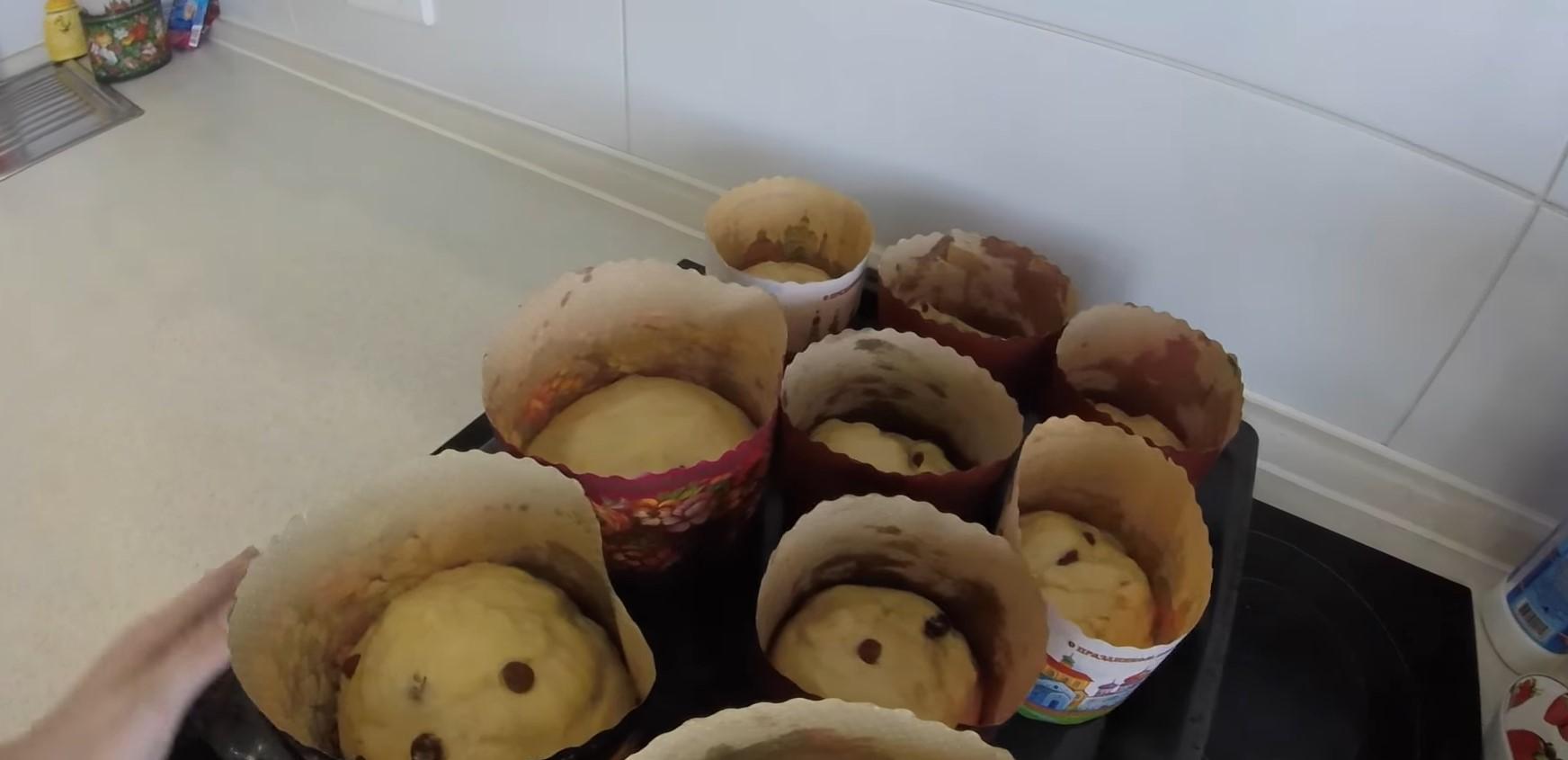
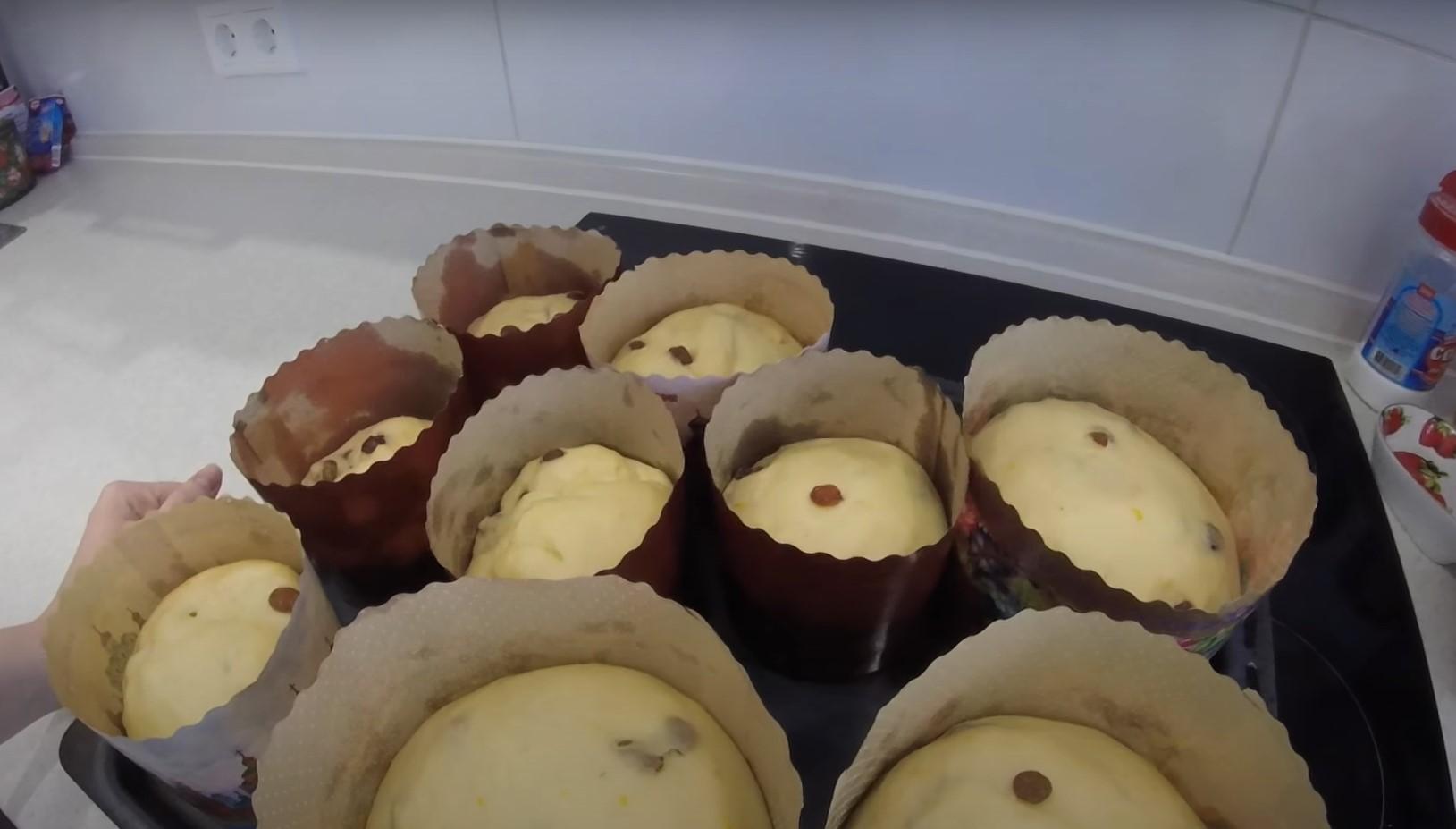
Knead the risen dough and divide it into the molds. Fill them halfway. Let them rise for an hour. Bake the kulichi at 180 degrees Celsius for 40-45 minutes.
Step 9
These are the Easter cakes we got. Decorate them as you wish.
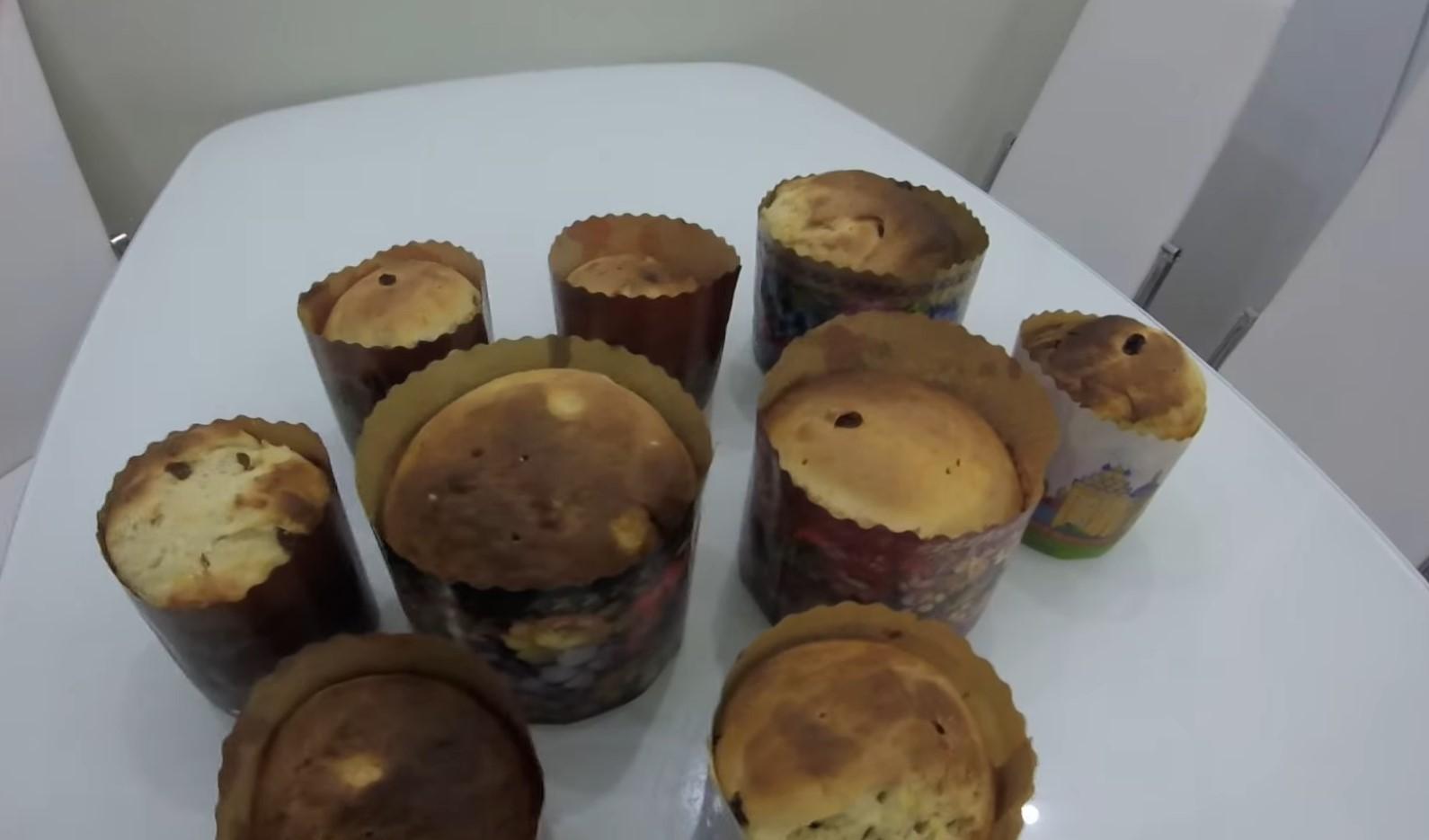
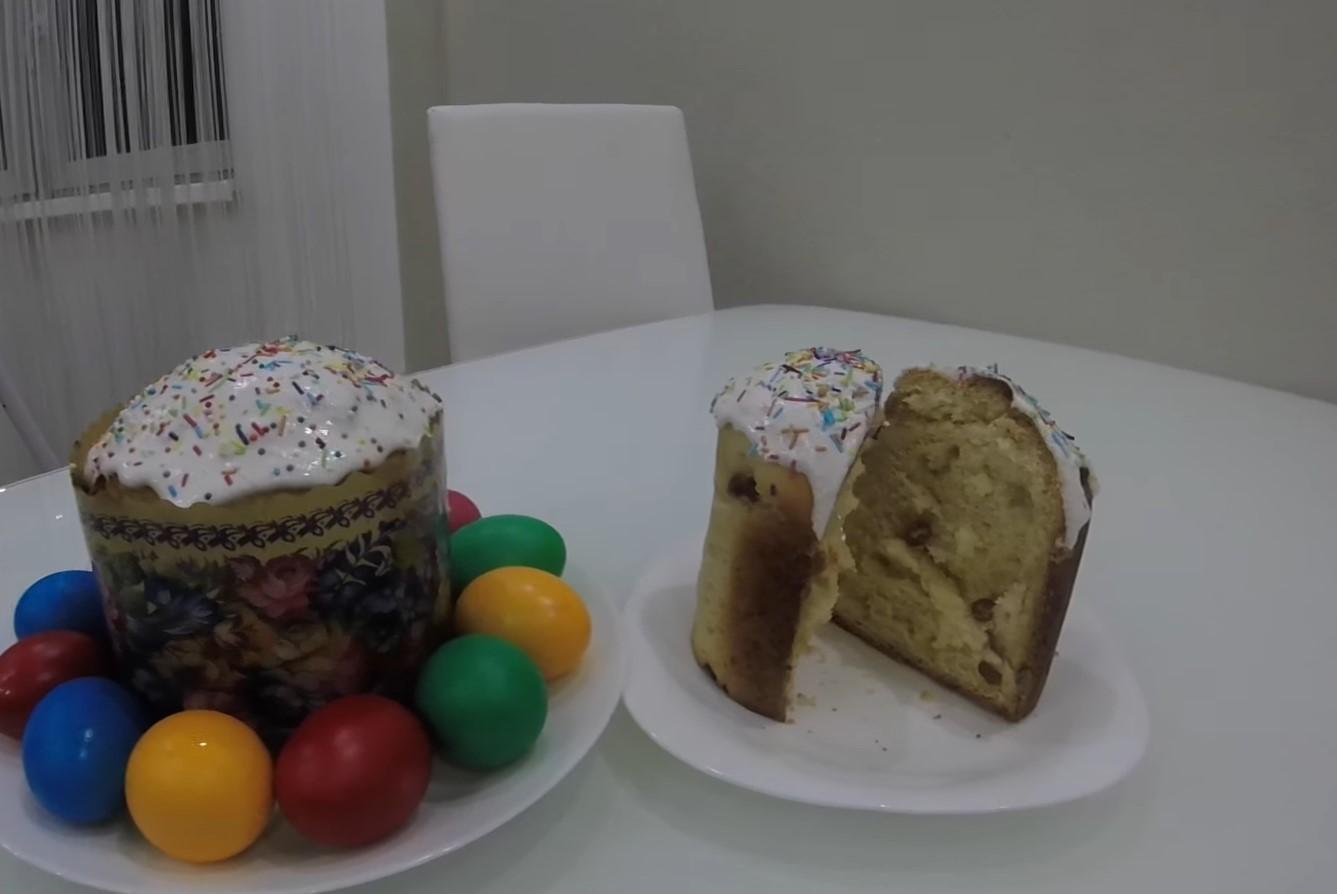
Have you ever wondered why you should add alcohol to your baking dough? It turns out that any baked good will benefit from the addition of spirits, vodka, wine, cognac, or rum. Typically, 1 tablespoon of alcohol per 1 kg of flour is enough to produce a smoother and more beautiful baked good. Easter cakes made with spirits bake better, have a fluffier and more tender texture, are airier, and stay fresh longer. If you want delicious yeast baked goods, consider adding a small amount of alcohol to the dough.
Viennese dough for Easter cakes
Besides Alexandrian dough, Viennese dough, also known as "night dough," is very popular among home cooks. It gets its name from the unique recipe. The starter for Viennese dough is left to rise overnight. This saves time on preparation; in the morning, the dough can be kneaded from the prepared starter and baked into Easter cakes.
Although the Viennese Easter cake shares many similarities with the Alexandrian version, there are fundamental differences in the recipe. This is why the kulichi are always fluffy, light, and practically weightless. However, they are not hollow at all; the crumb is quite dense, porous, and very soft. I invite you to learn the secrets of making kulichi using Viennese dough.
Ingredients
Dough:
- Eggs - 4 pcs.
- Sugar - 200 g
- Milk - 300 g
- Live yeast - 35 g
- Butter - 200 g
Dough:
- Flour - 1 kg
- Salt - 1/2 tsp.
- Vanilla sugar - 10 g
- Candied fruits - 100 g
- Orange, lemon zest
- Juice of 1 orange
Cooking time: 2 hours plus 8-12 hours for the dough
Servings: 6 medium Easter cakes
Step-by-step recipe
Step 1
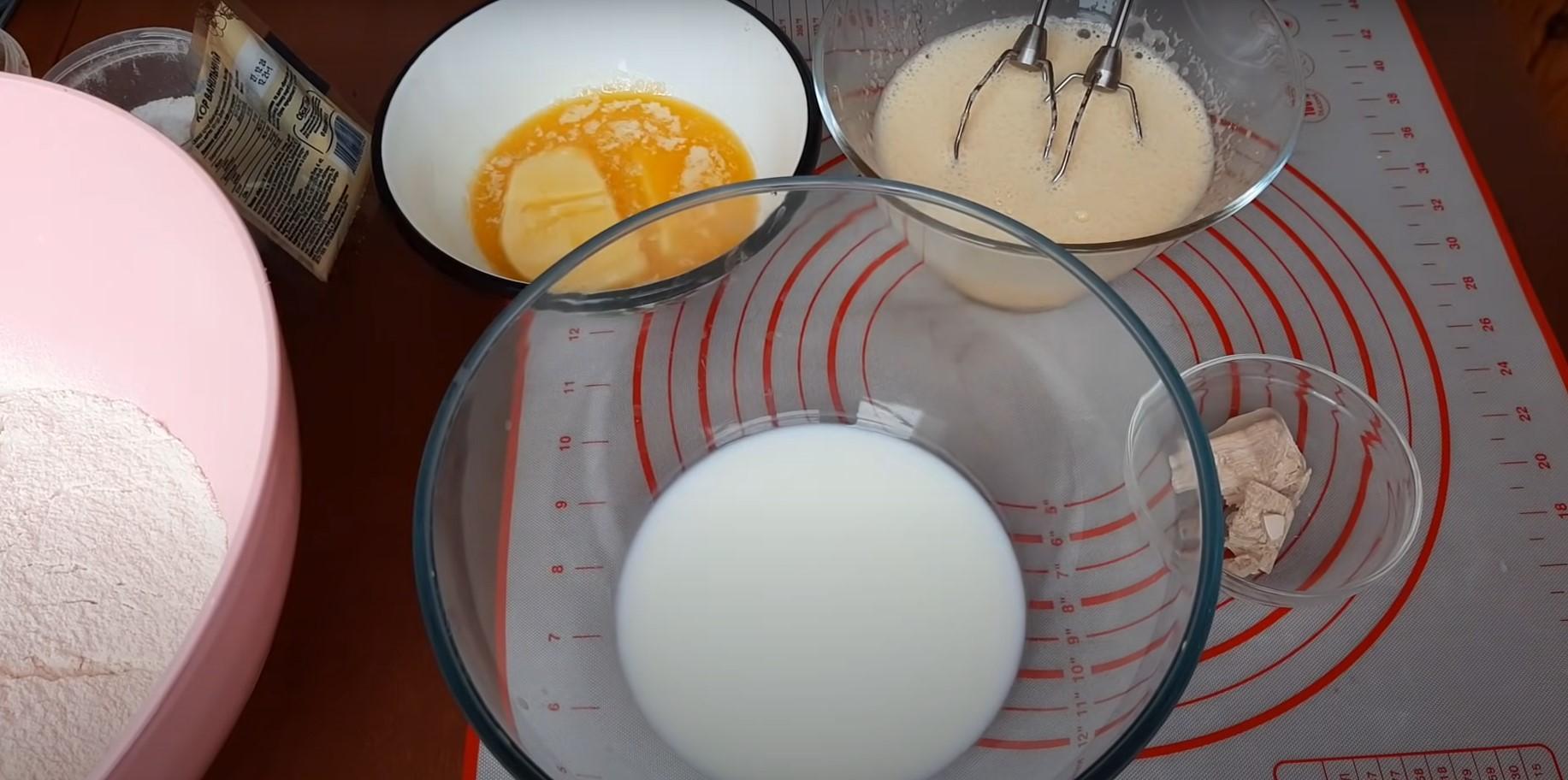
Prepare the ingredients for the dough. Melt the butter and let it cool. Warm the milk slightly. Beat the eggs with the sugar until the sugar dissolves.
Step 2
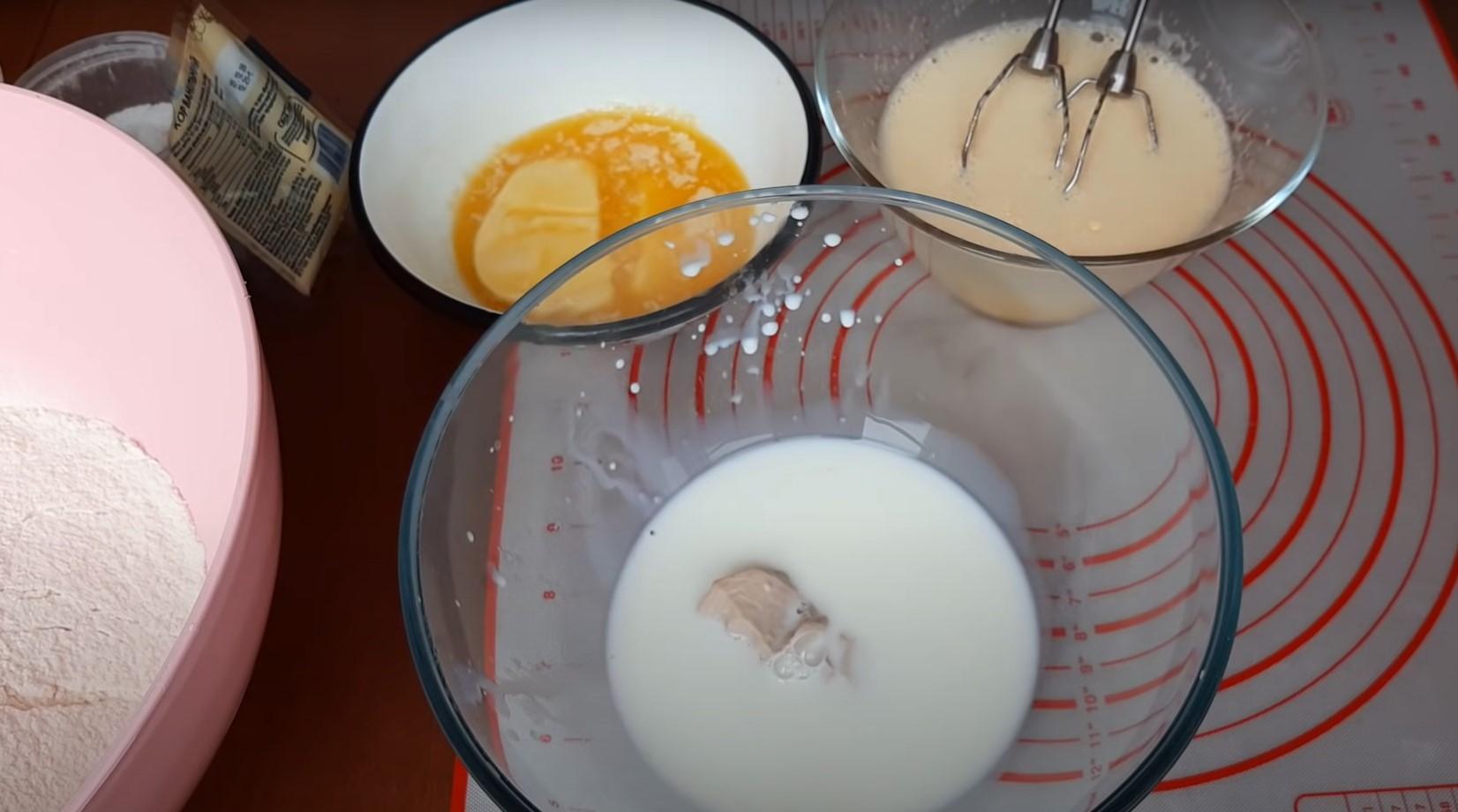
Dissolve the yeast in milk.
Step 3
Combine the egg mixture with the yeast mixture.
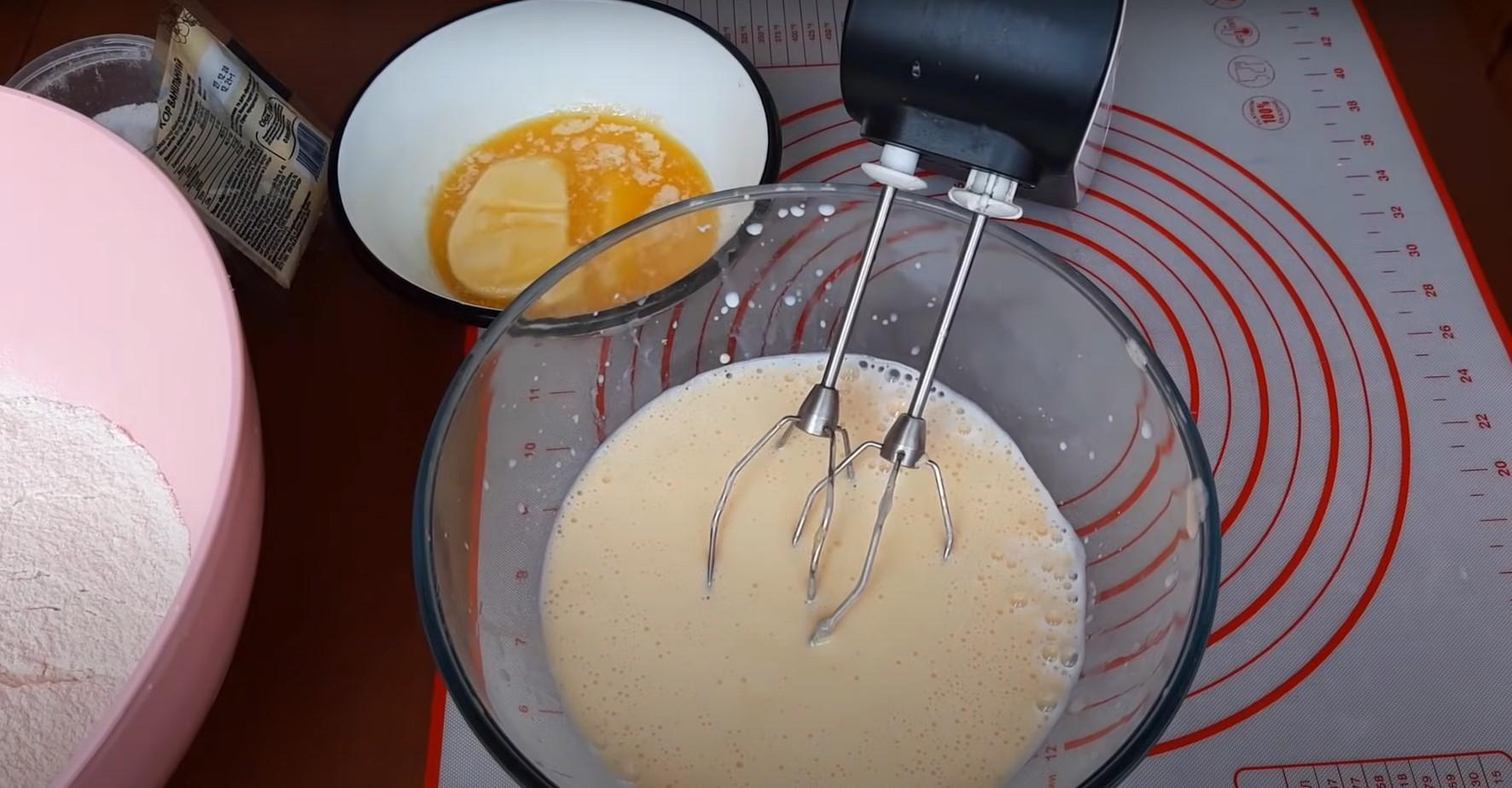
Step 4
Pour in the oil and stir.
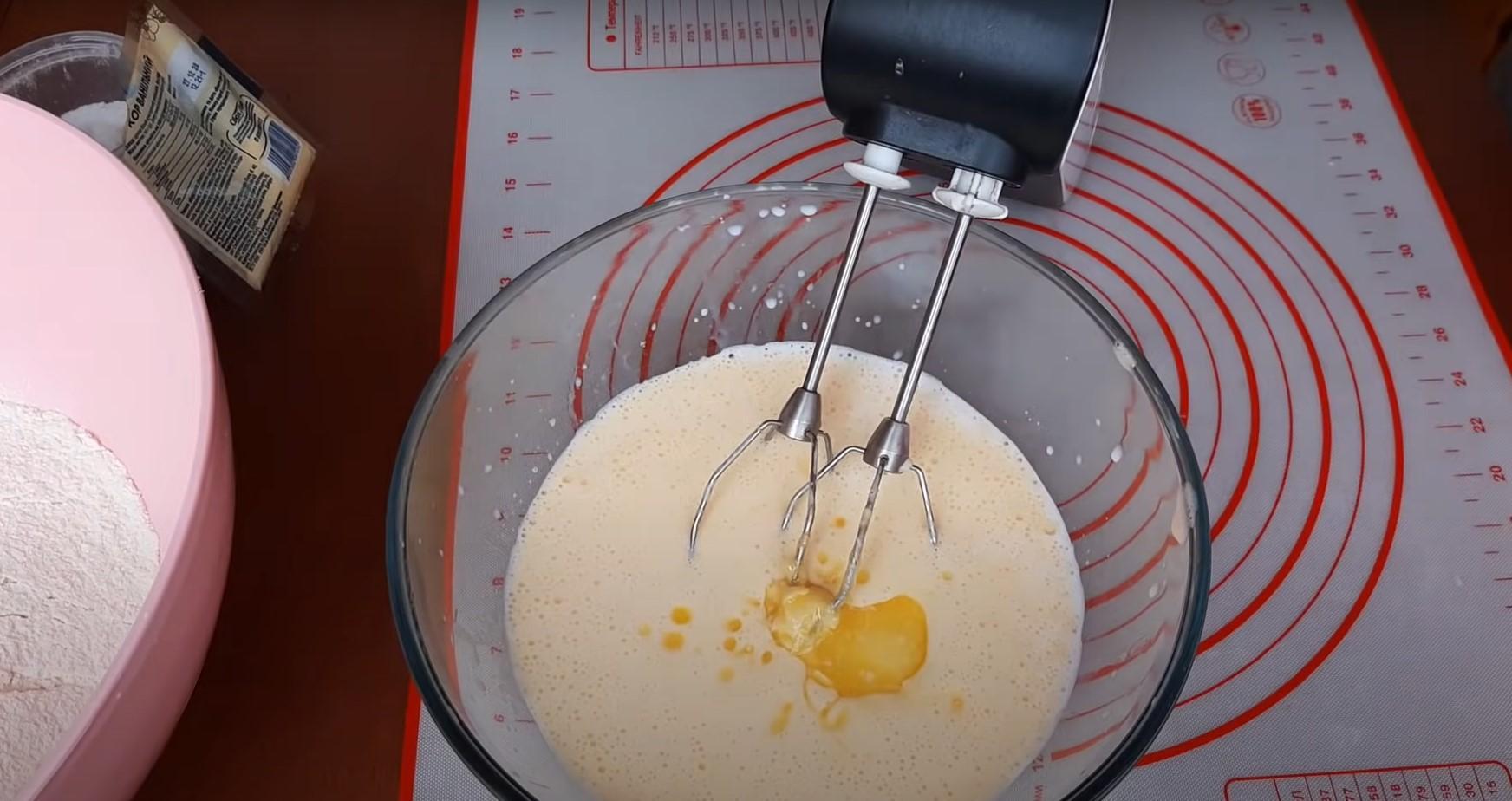
Step 5
Cover with cling film and leave for 8-10 hours at room temperature.
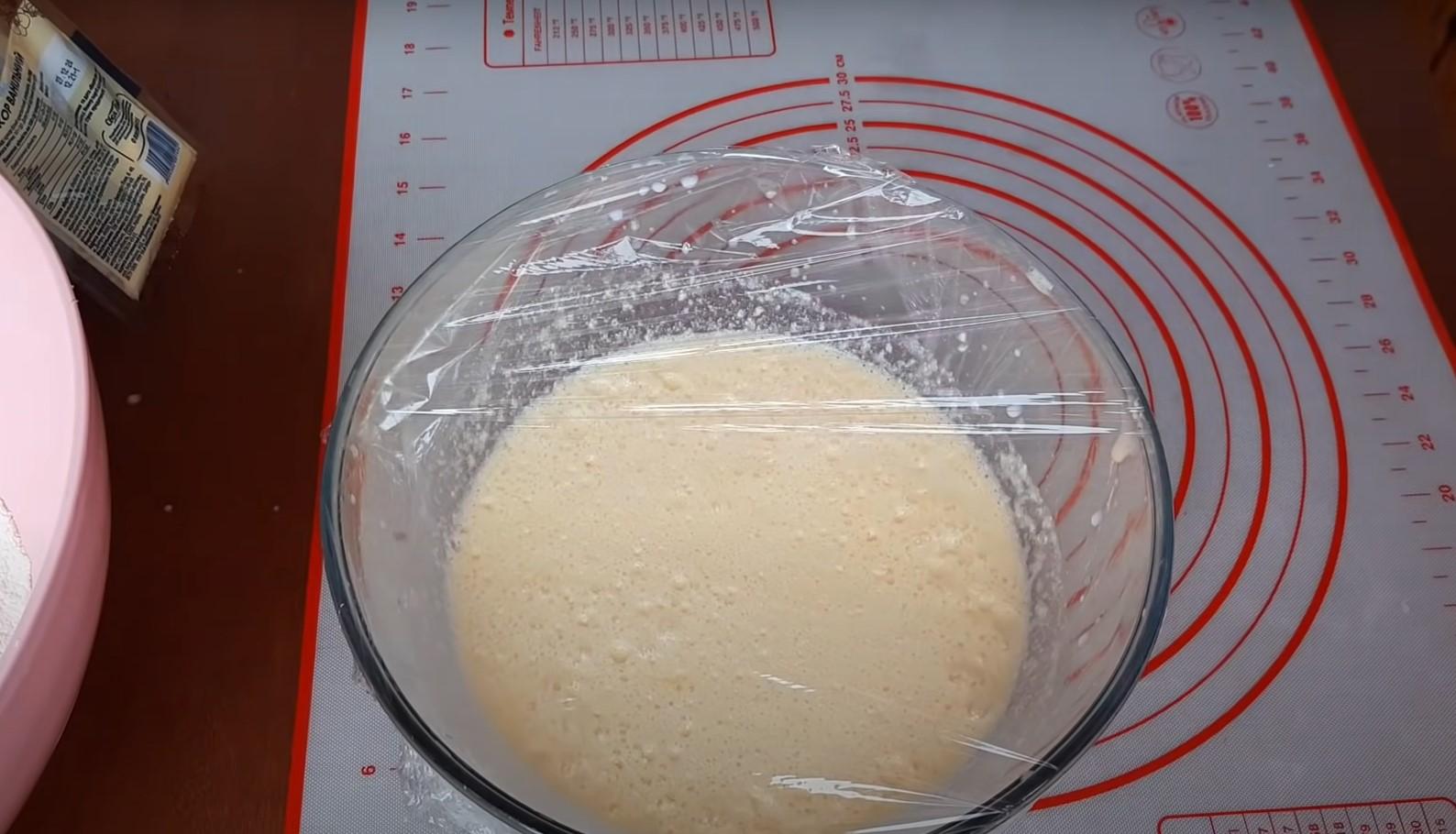
Step 6
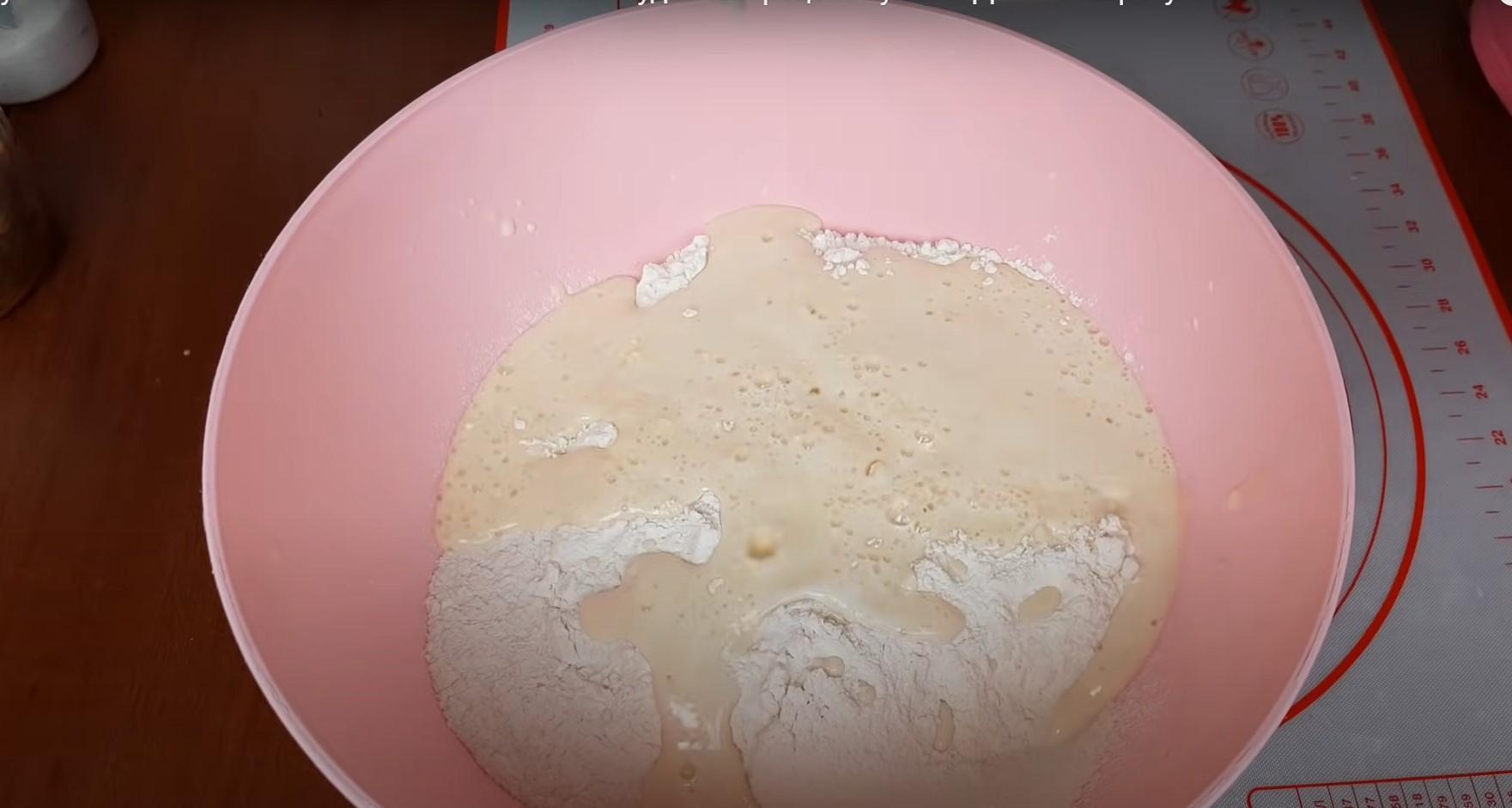
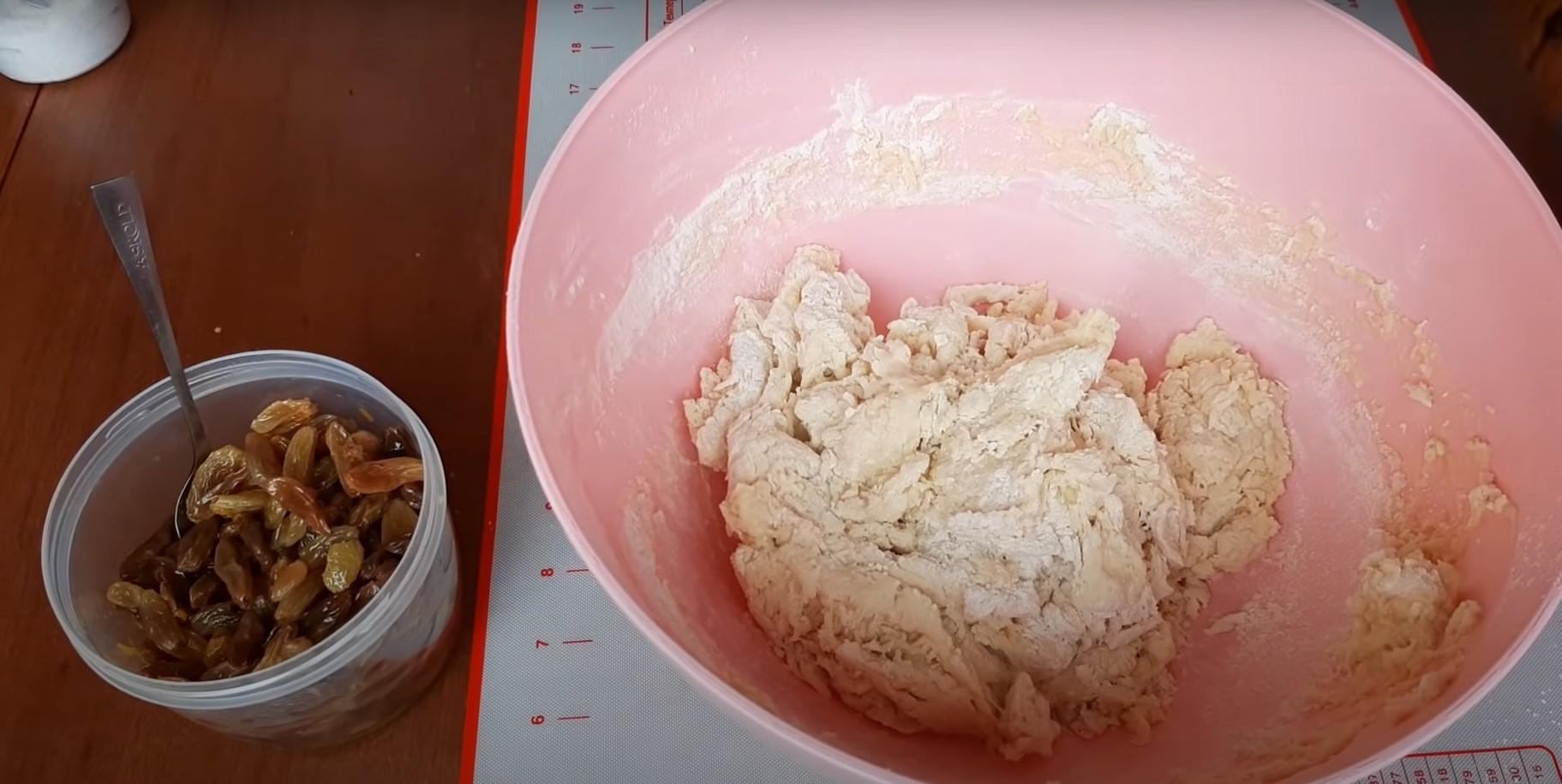
Add salt and vanilla sugar to the flour and pour in the prepared yeast mixture. Knead the dough, first with a spoon, then with your hands for 5-10 minutes, until it stops sticking.
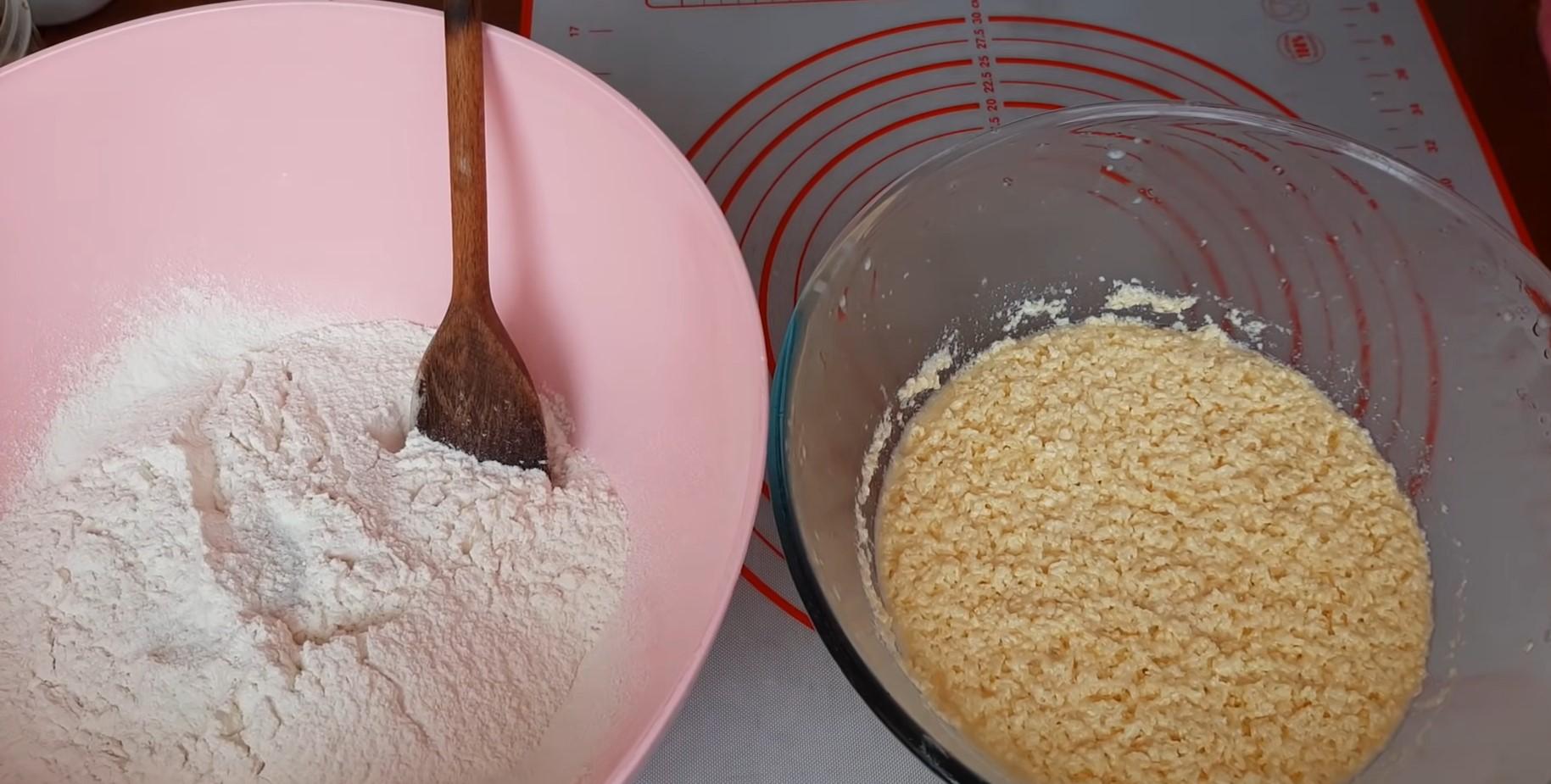
Step 7
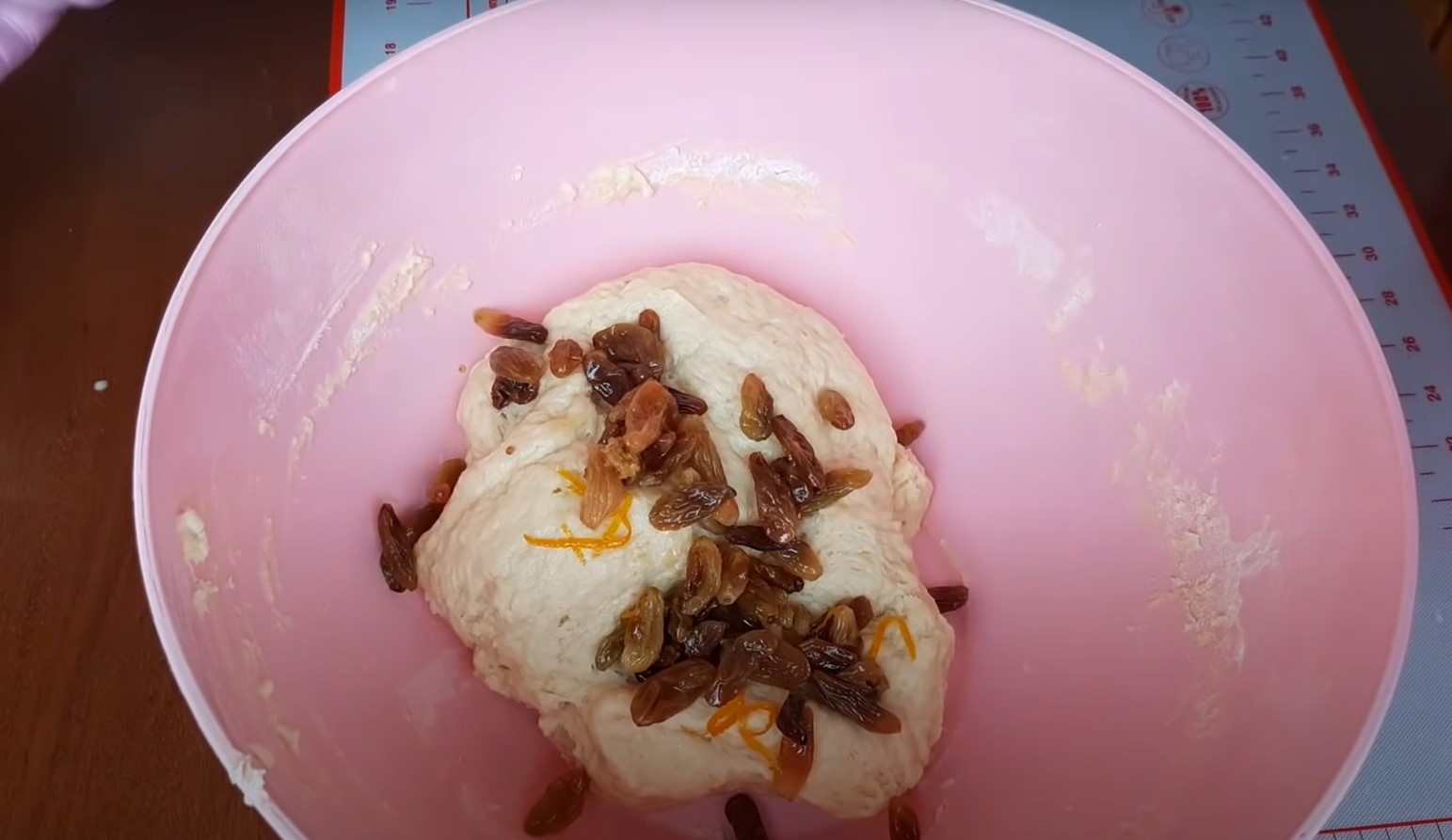
Add lemon and orange zest, orange juice to the raisins and pour it into the dough.
Step 8
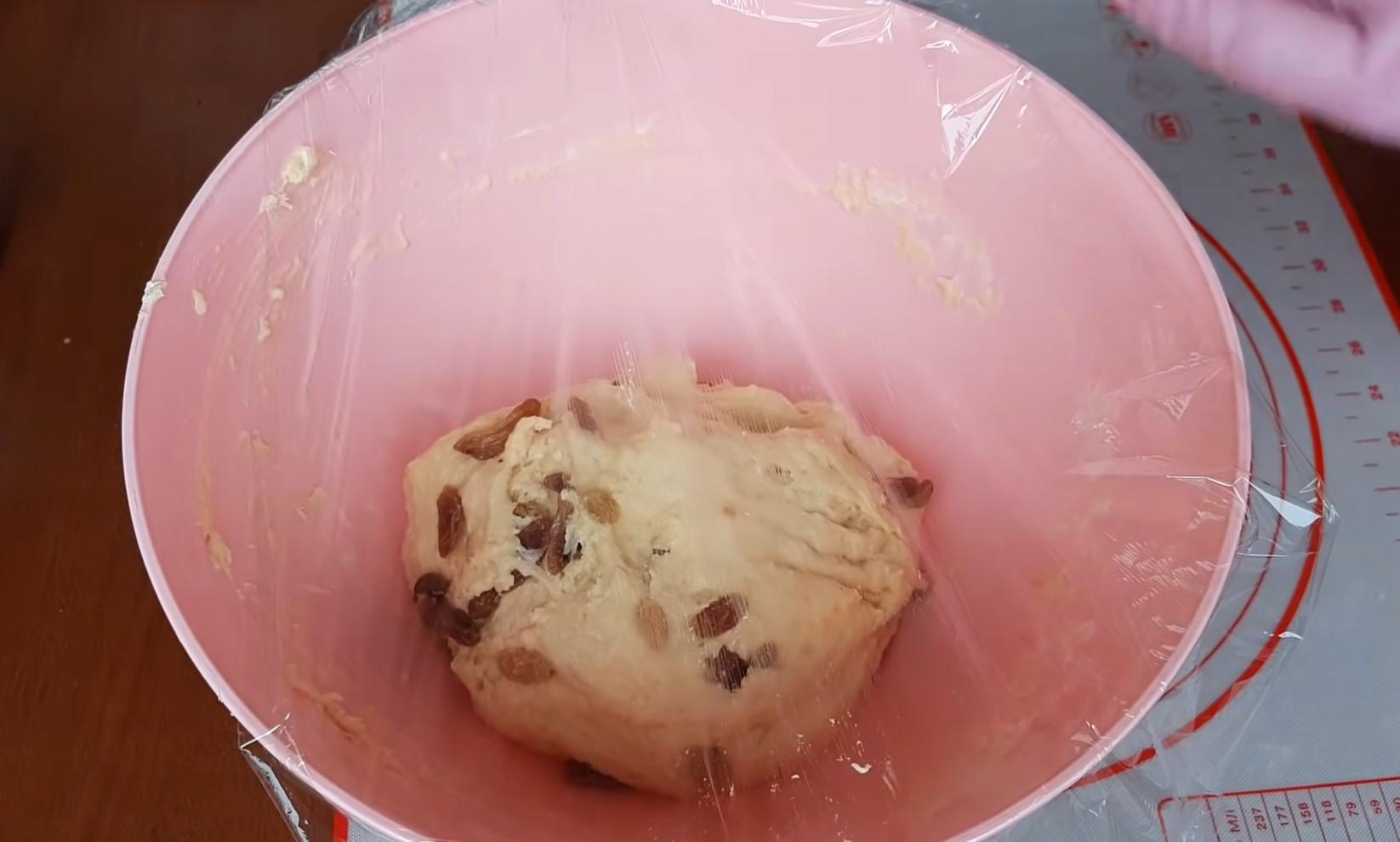
Place the dough in a deep container, cover and leave in a warm place to rise.
Shg 9
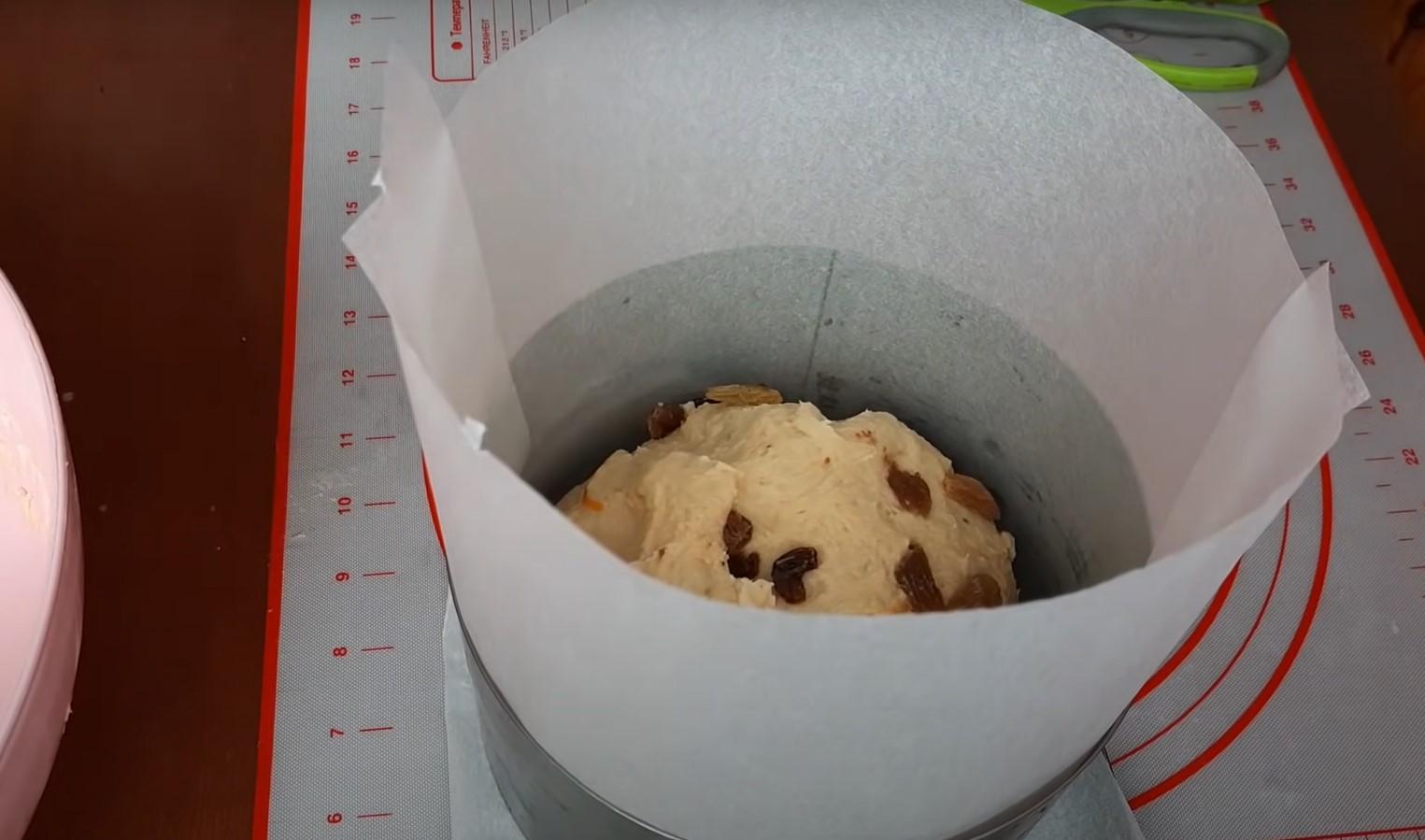
Knead the dough. Place it in a baking pan and let it rise until it doubles or triples in size. Bake at 170 degrees Celsius for 40-45 minutes.
Step 10
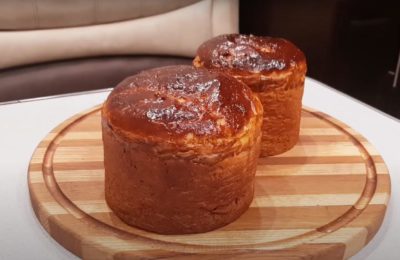
This is such a beautiful kulich with an incredible texture. Be sure to try baking with Viennese dough!
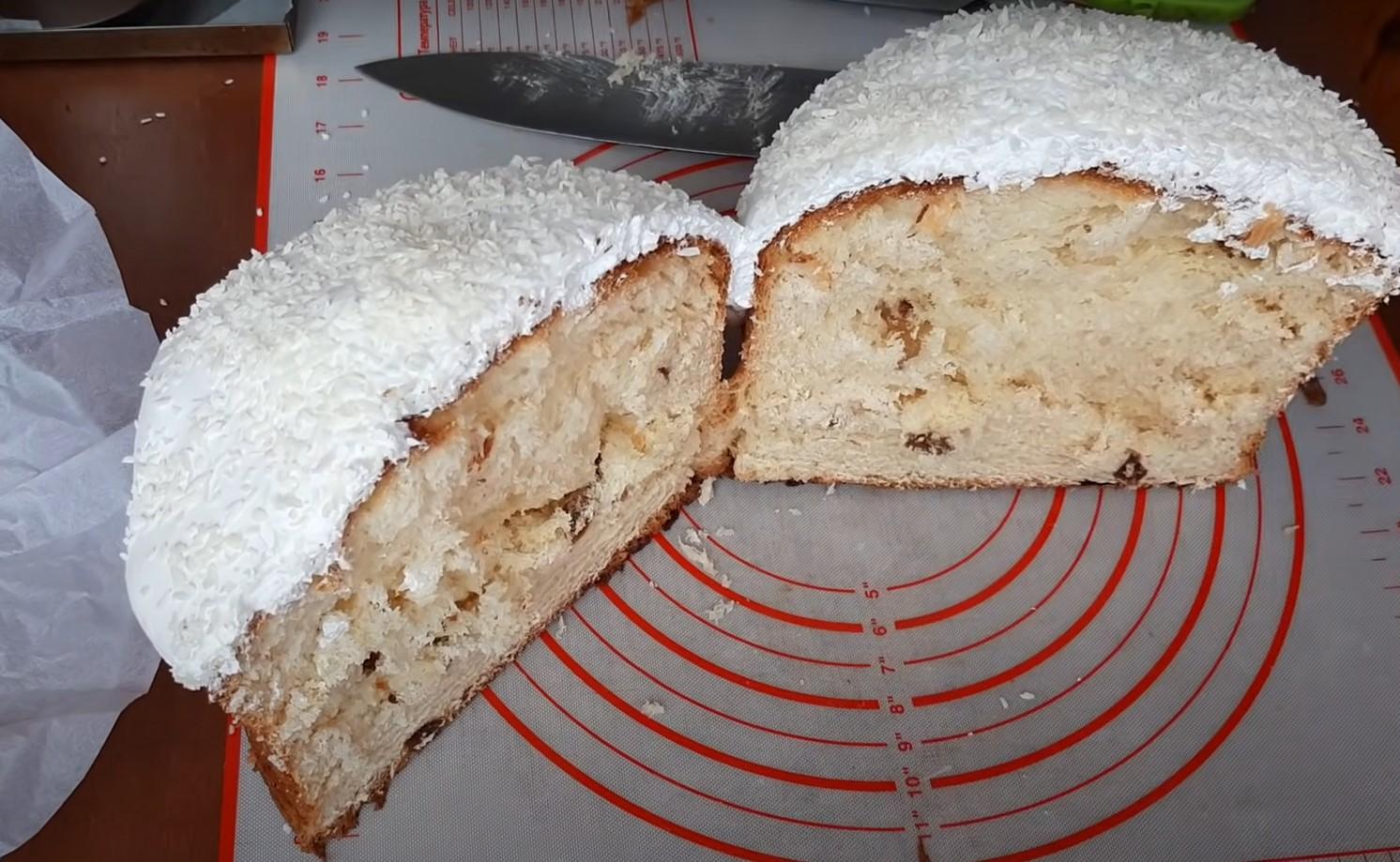
Delicious Viennese Easter cake made with dry yeast
I offer another step-by-step recipe for making the most delicious Viennese dough for Easter kulichi. This time, we'll use dry yeast. The process is quite simple, using readily available ingredients. Even a beginner can handle it. Don't worry, the kulichi will definitely turn out great. What's more, they'll be incredibly airy, tender, and flavorful.
Ingredients
Dough:
- Eggs - 8 pcs.
- Sugar - 700 g
- Salt - 1 tsp.
- Baked milk – 700 ml
- Dry yeast - 28 g
- Butter - 400 g
Dough:
- Flour - 2 kg
- Raisins - 150 g
- Candied fruits - 300 g
- Rum essence
- Vanilla sugar - 16 g
Cooking time: 3 hours plus 10 hours for dough
Servings: 8 pieces in a 9cm x 9cm pan and 4 pieces in a 13.4cm x 9cm pan
Step-by-step recipe
Step 1
Prepare the ingredients for the dough. Melt the butter and let it cool. Warm the milk slightly. Crack the eggs into a deep bowl.
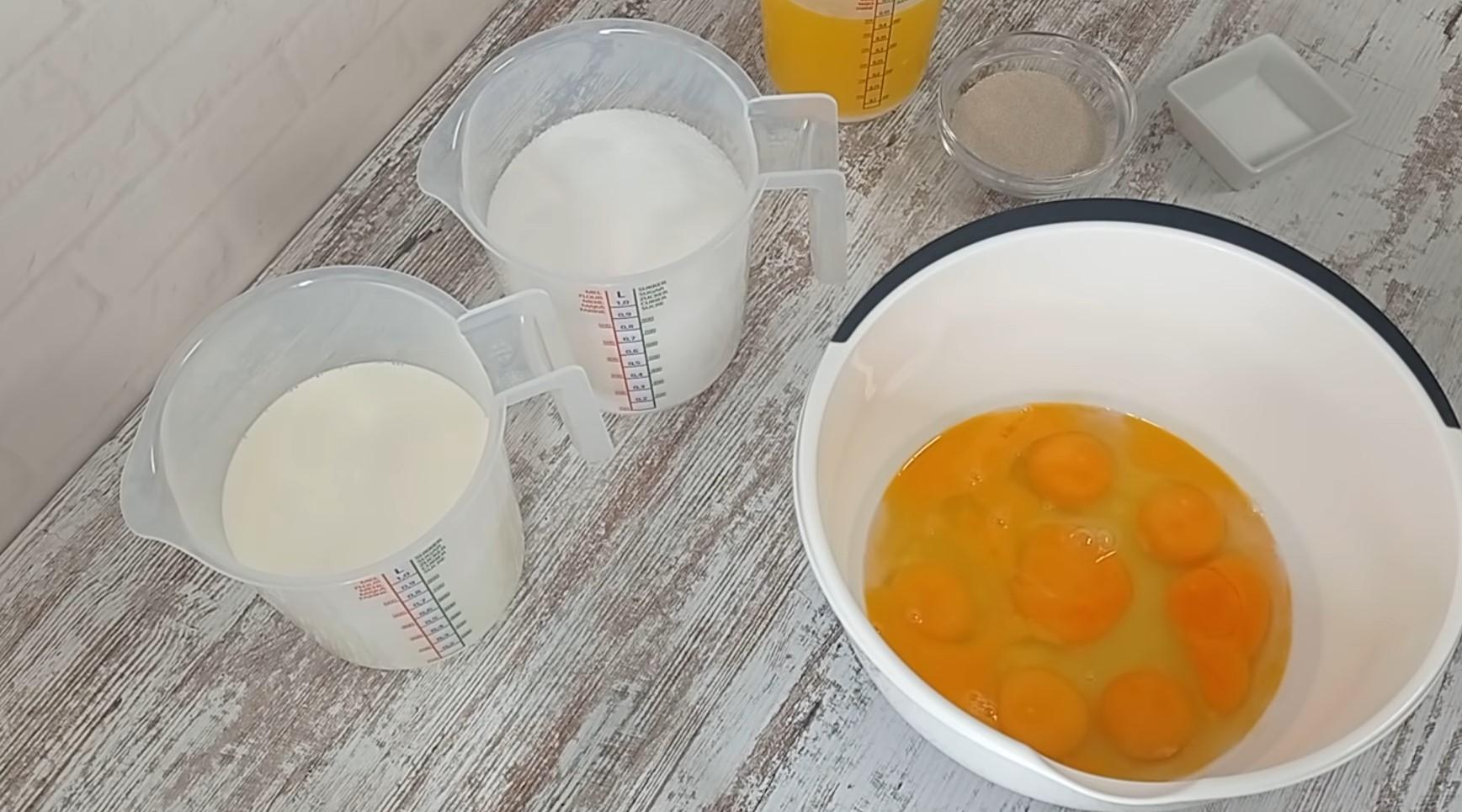
Step 2
Add salt and sugar to the eggs.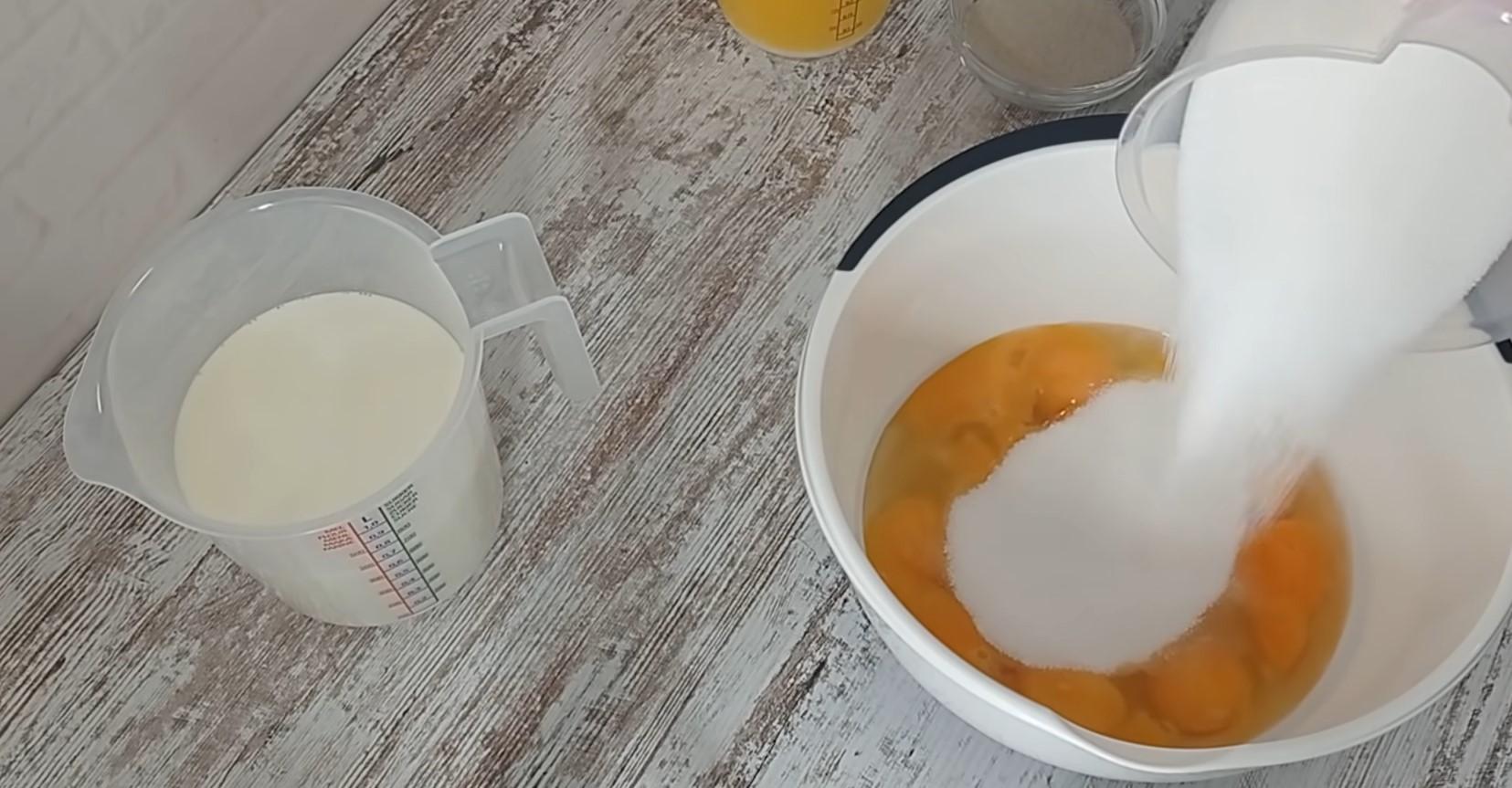
Step 3
Pour yeast into milk and stir.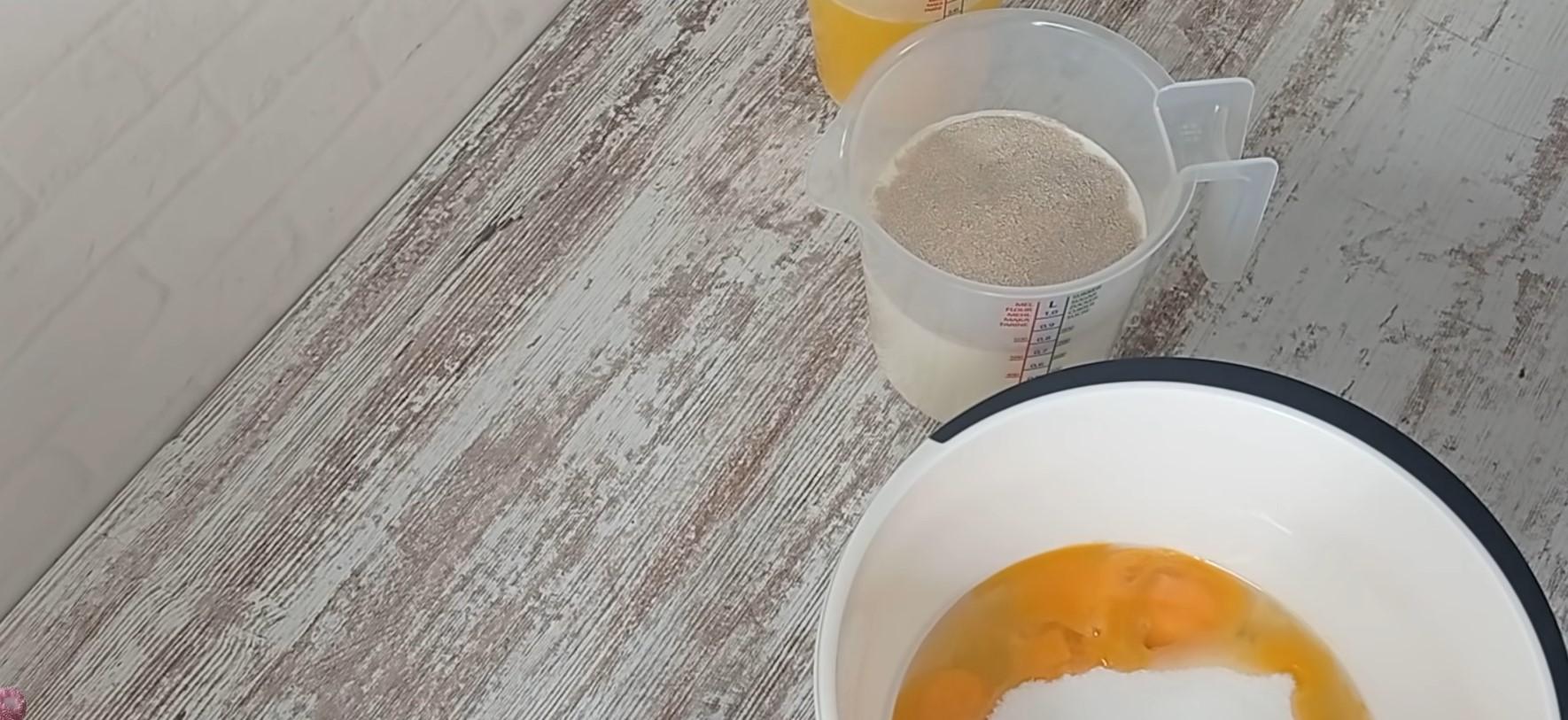
Step 4
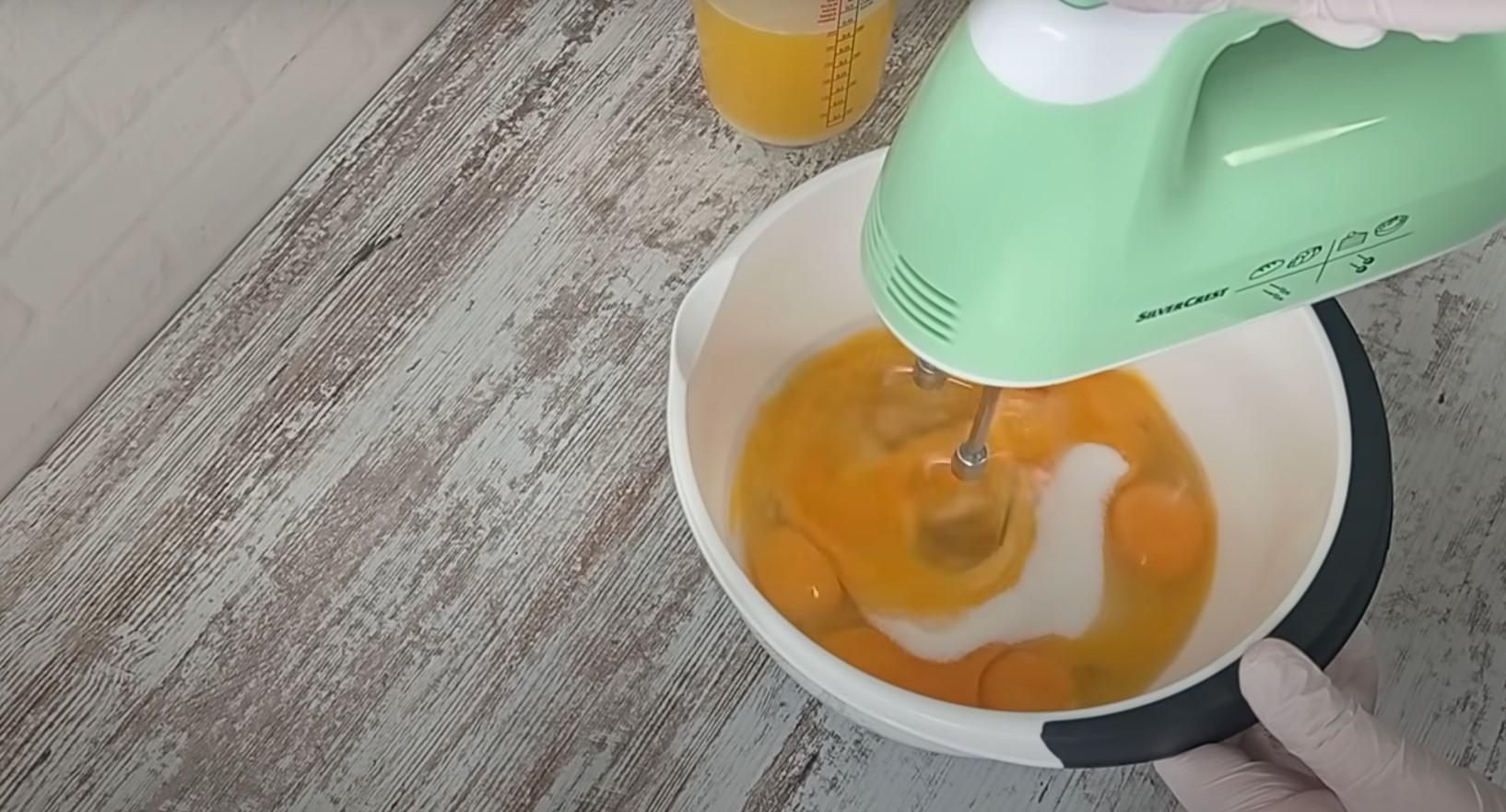
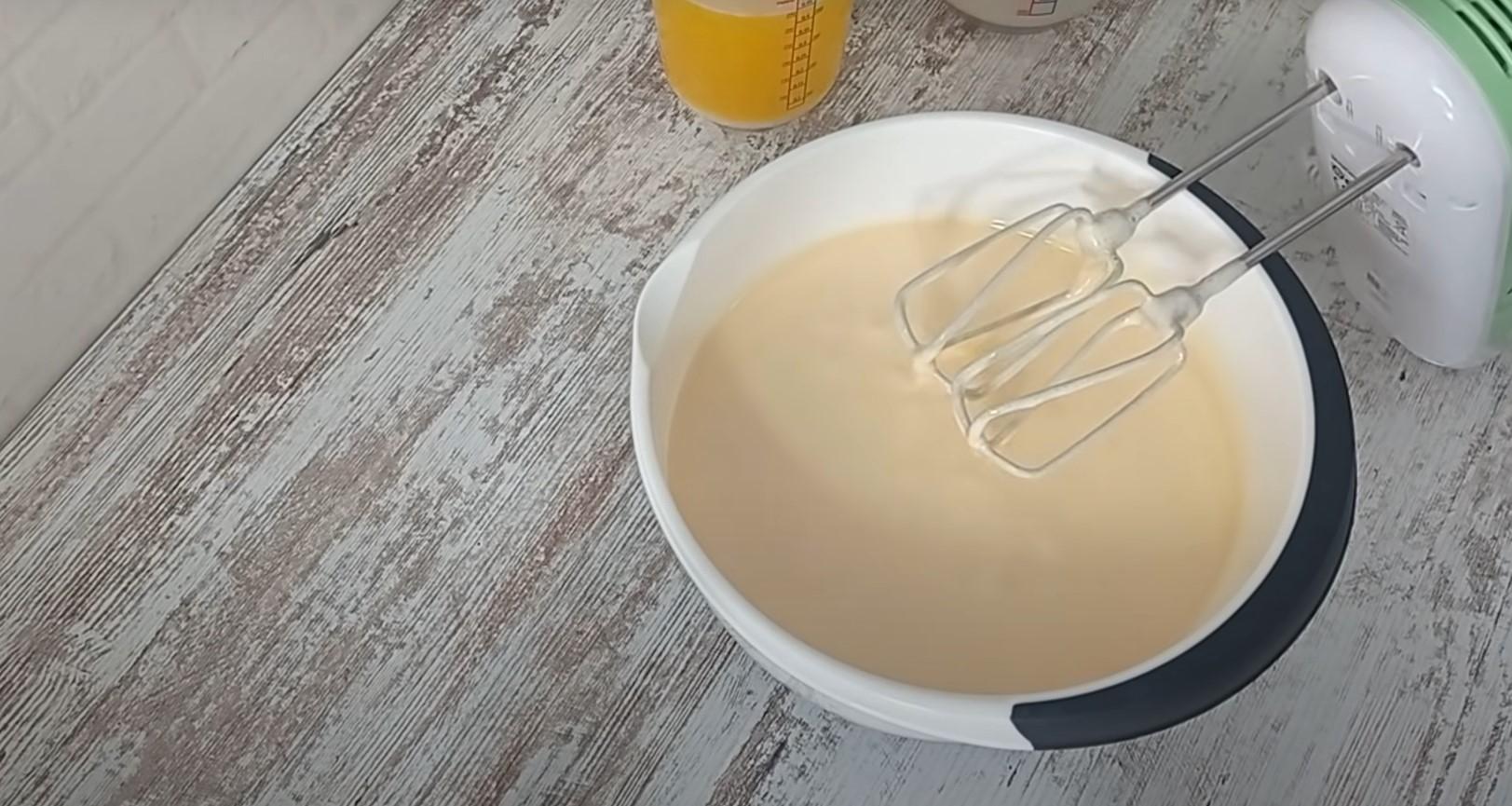
Beat the egg-sugar mixture with a mixer until it turns white and increases in volume.
Step 5
Pour the milk and yeast mixture into the egg and sugar mixture.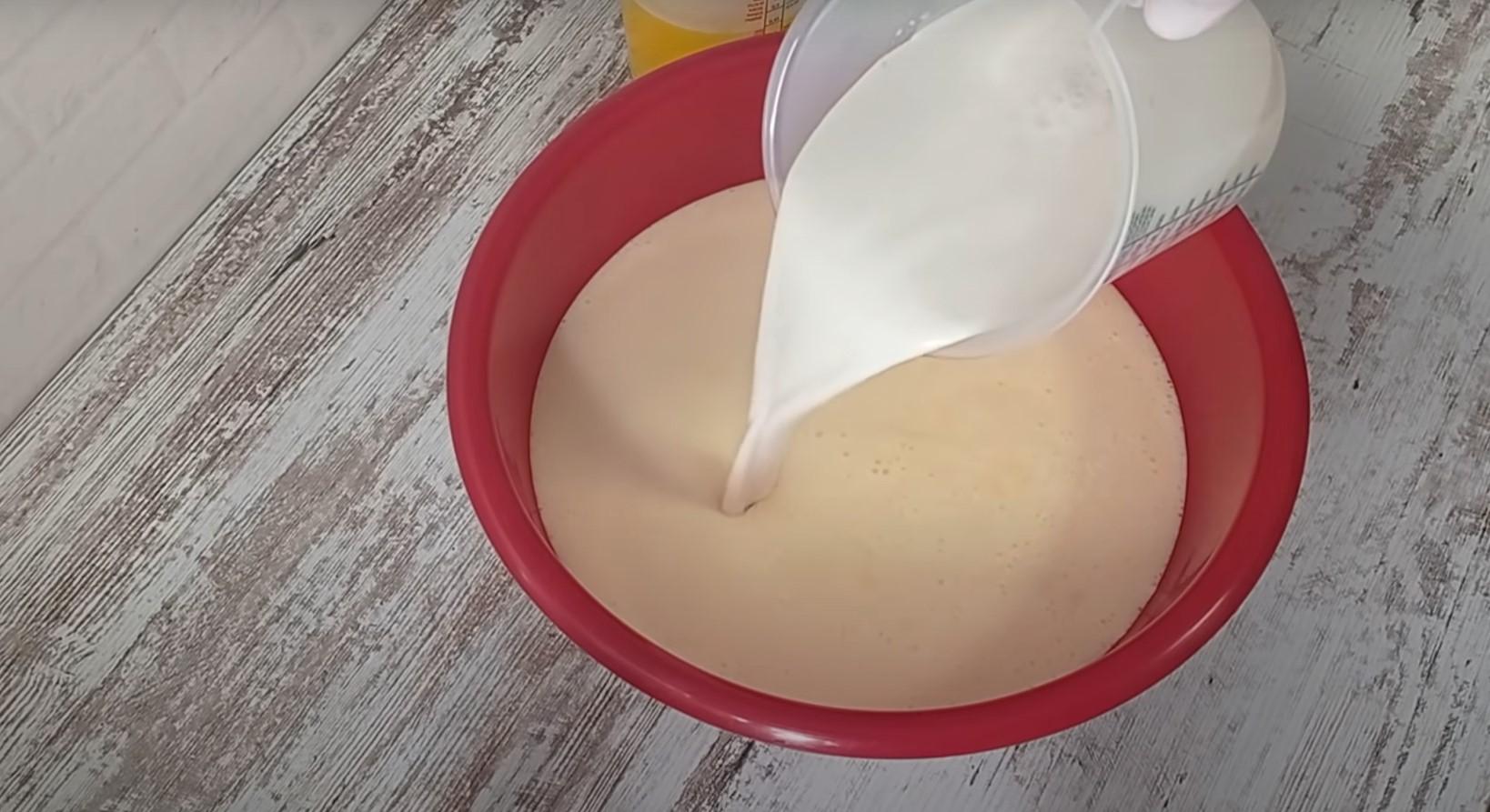
Step 6
Add butter.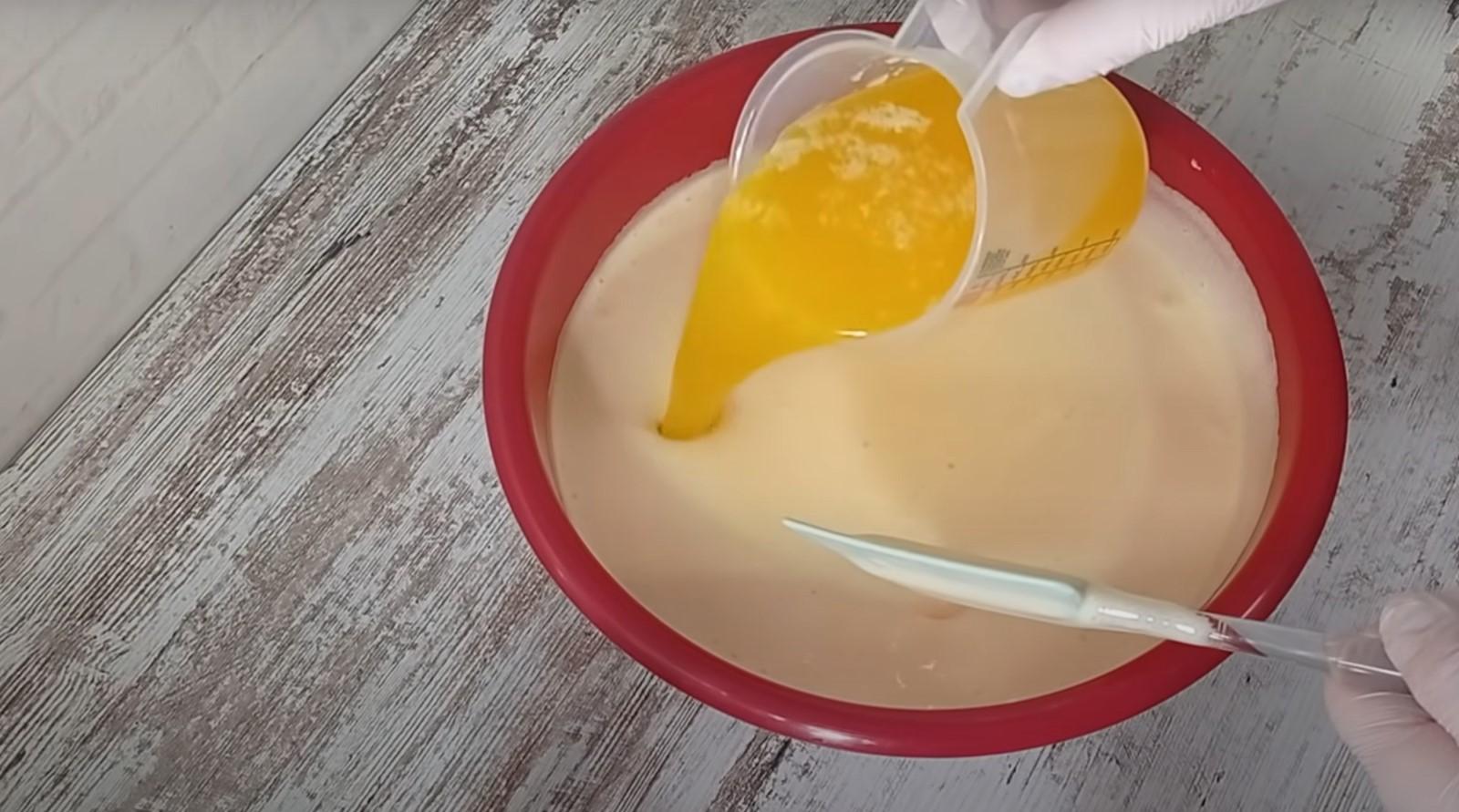
Step 7
Cover with a lid, towel or cling film and leave at room temperature for 10 hours.
Step 8
Add rum essence and vanilla sugar to the prepared dough.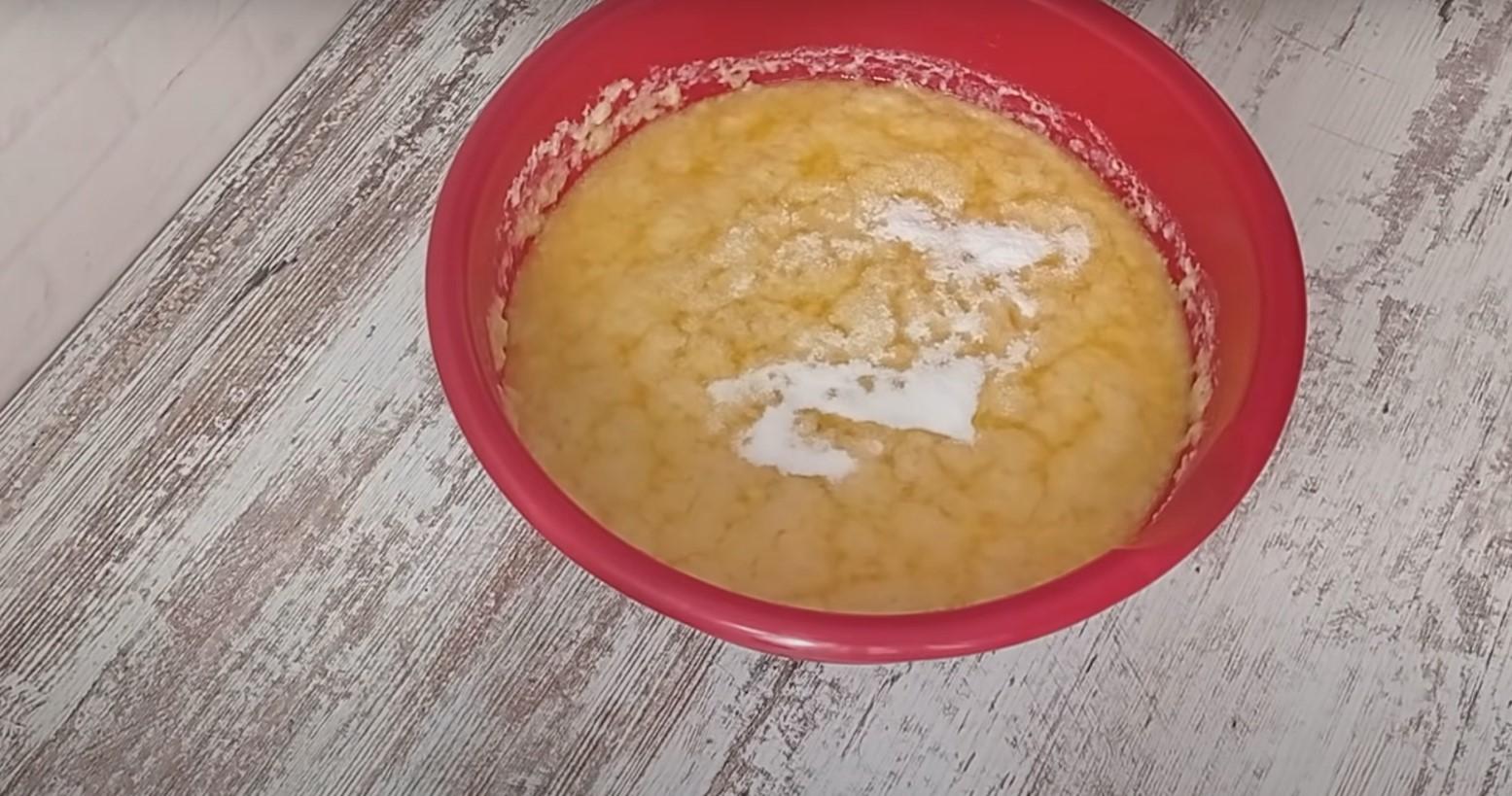
Step 9
Sift and add flour. Mix.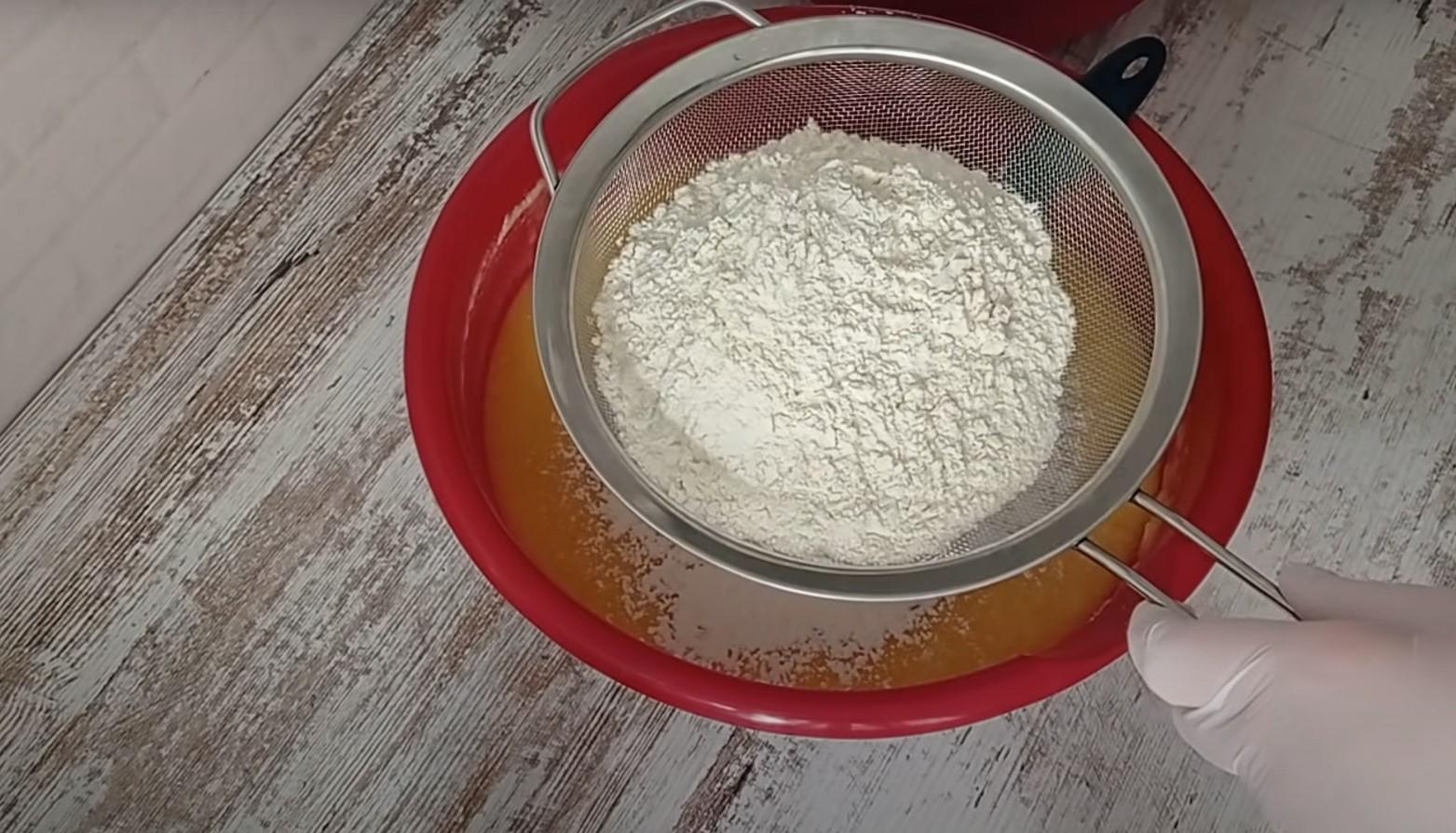
Step 10
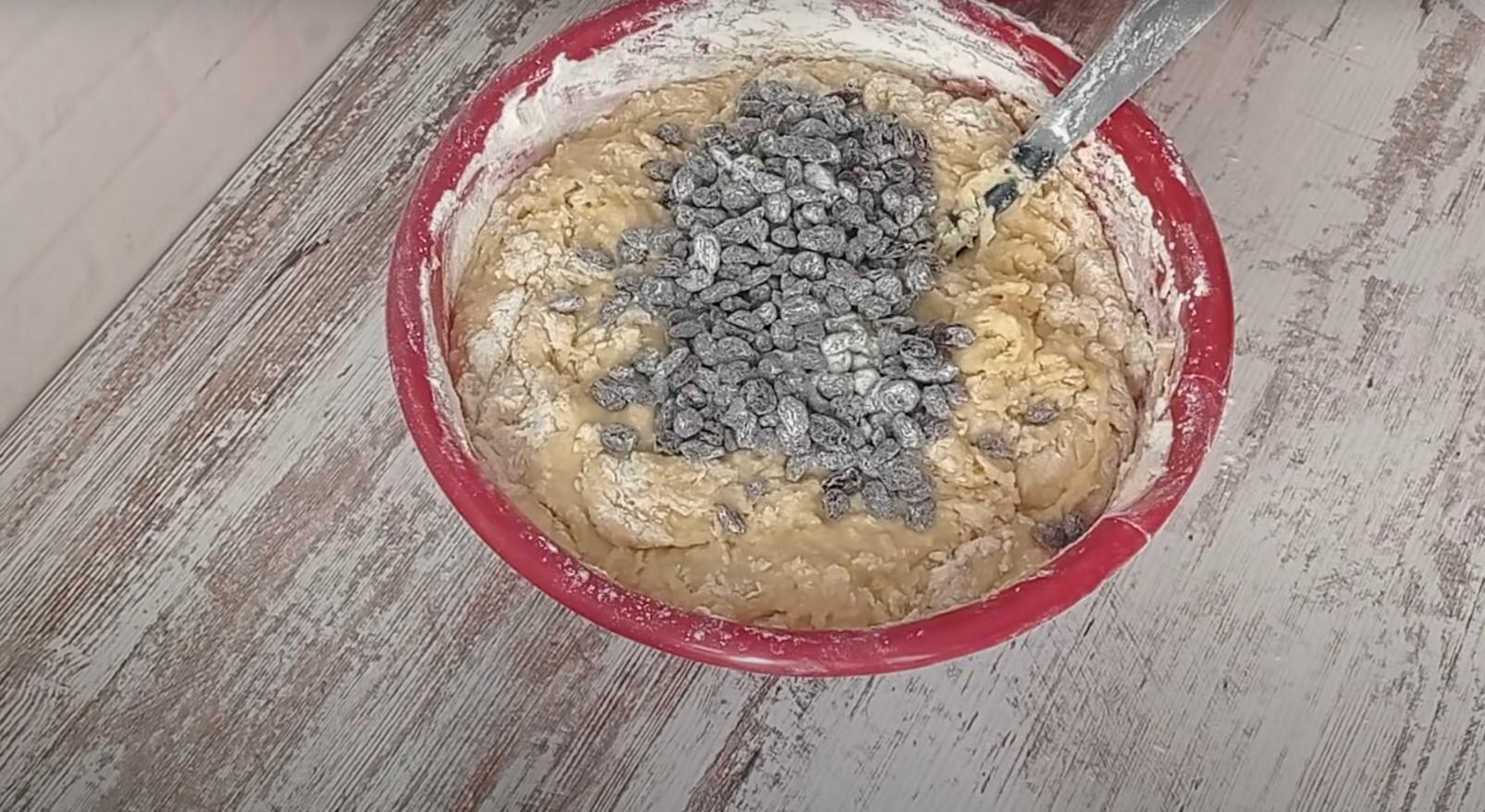
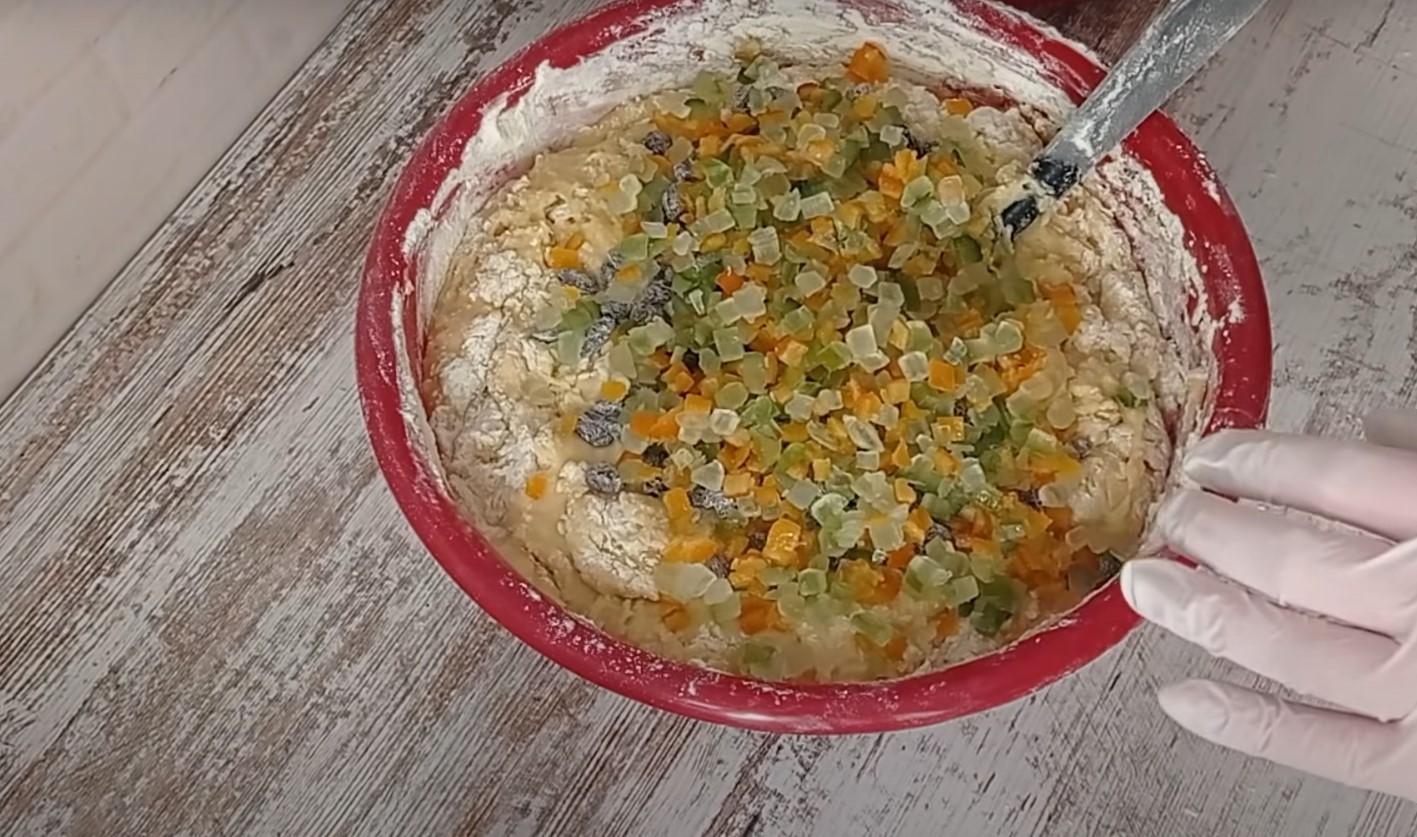
Add raisins (pre-wash and sprinkle with flour) and candied fruit. Mix.
Step 11
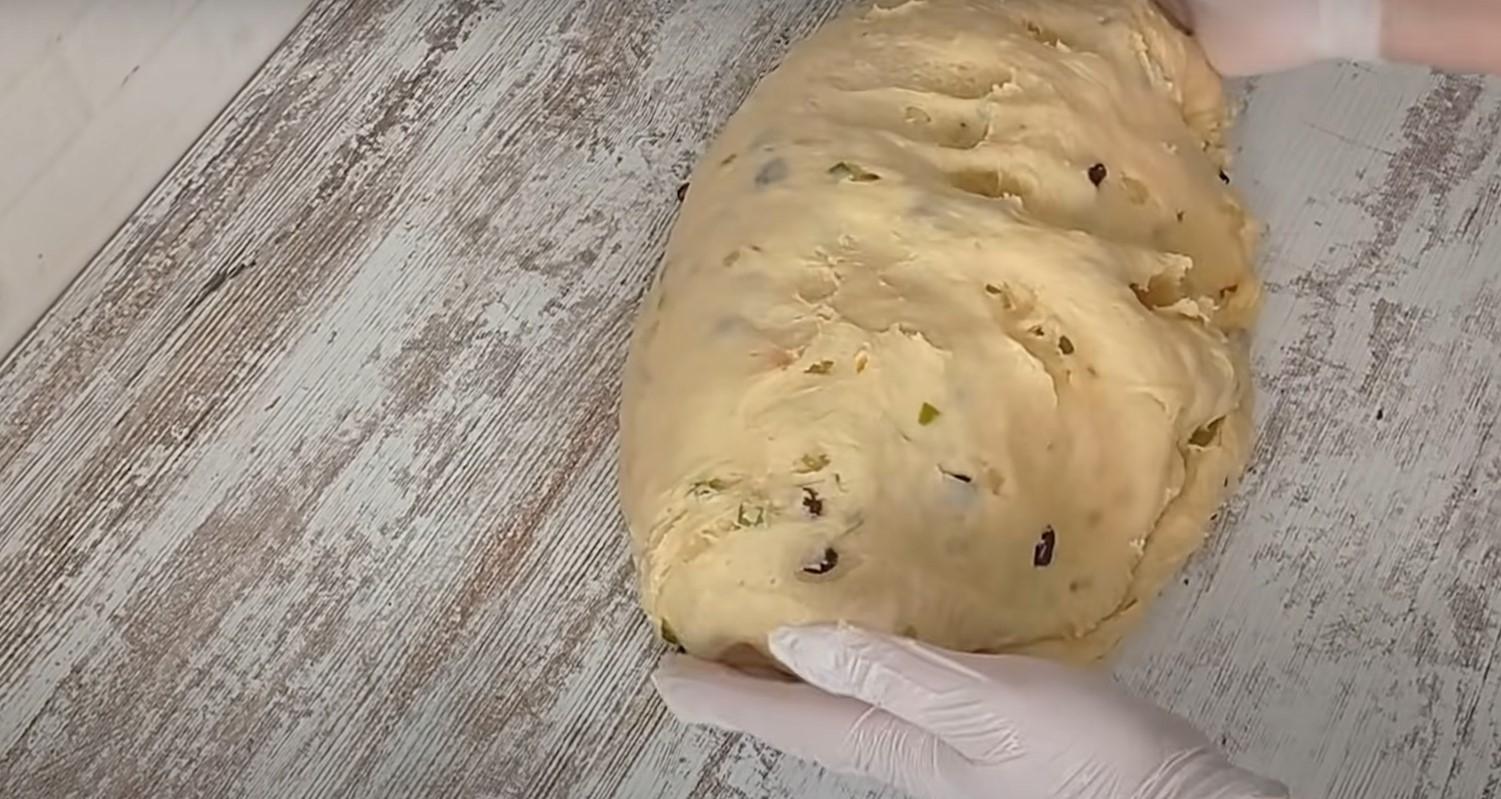
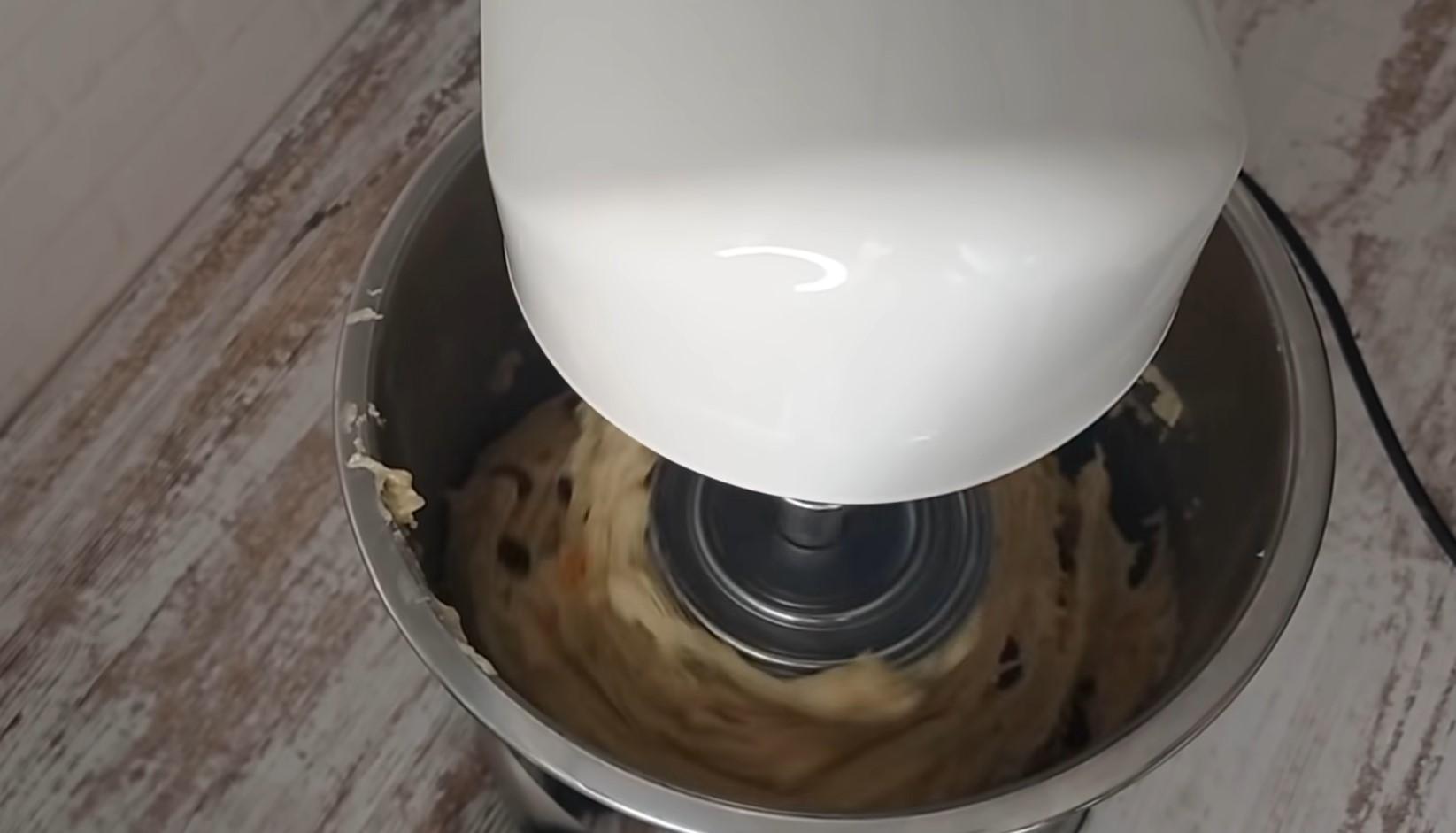
Knead the dough by hand on the countertop or in a mixer at low speed until it stops sticking. This will take about 15 minutes.
Step 12
Divide the dough among the molds, filling them 1/3 full. Cover with a towel and let rise in a warm place for about 2 hours.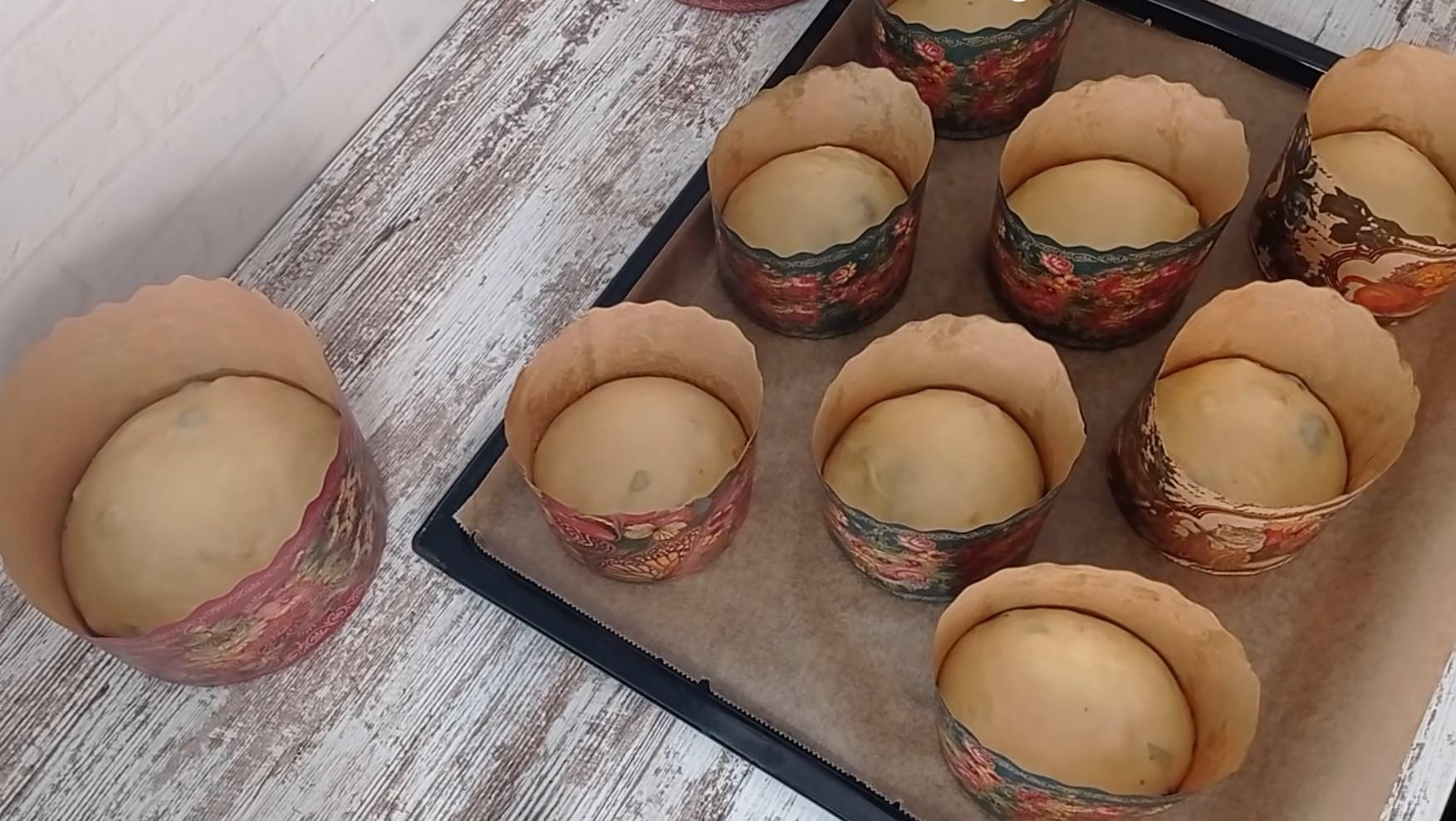
Step 13
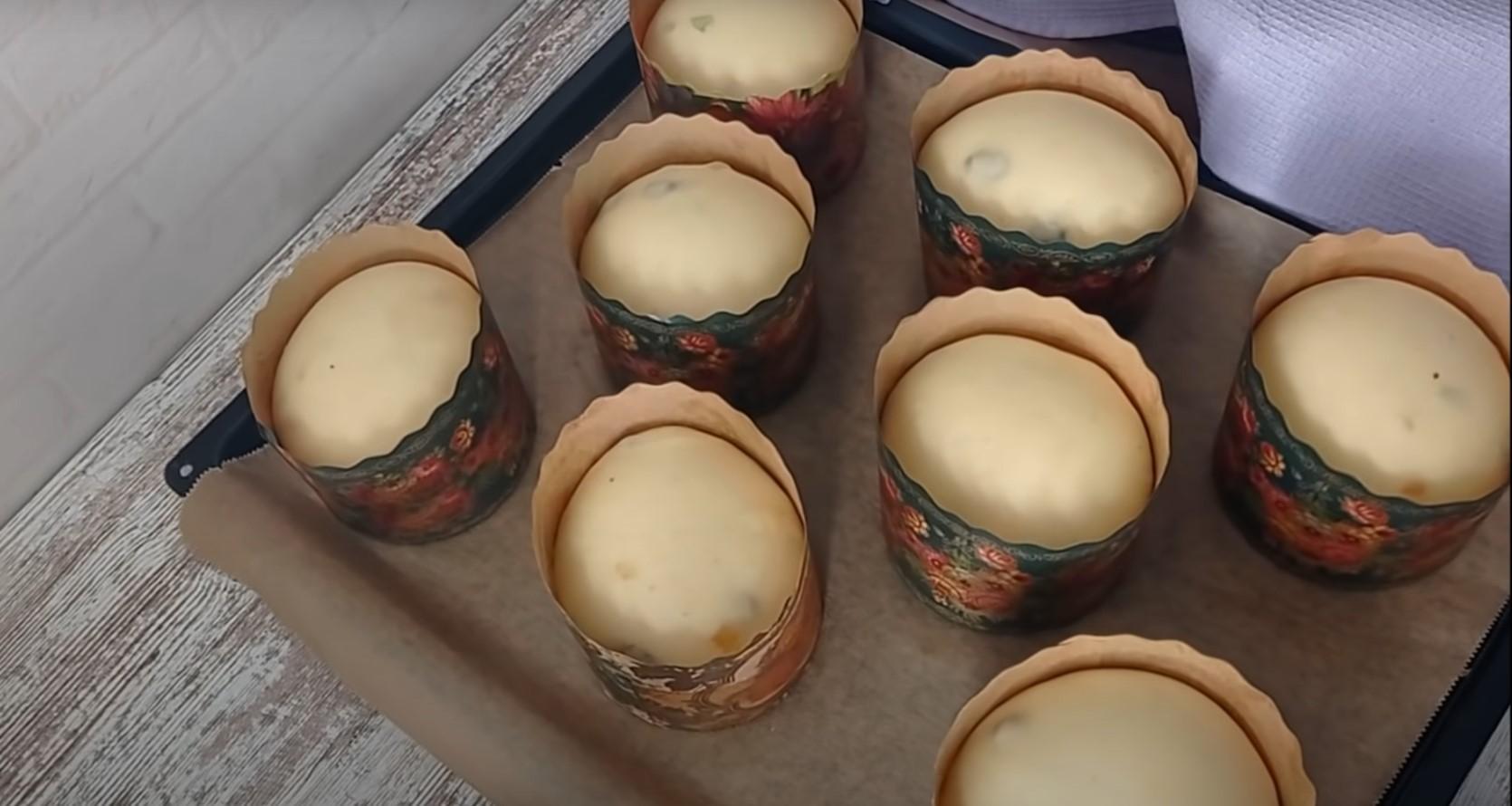
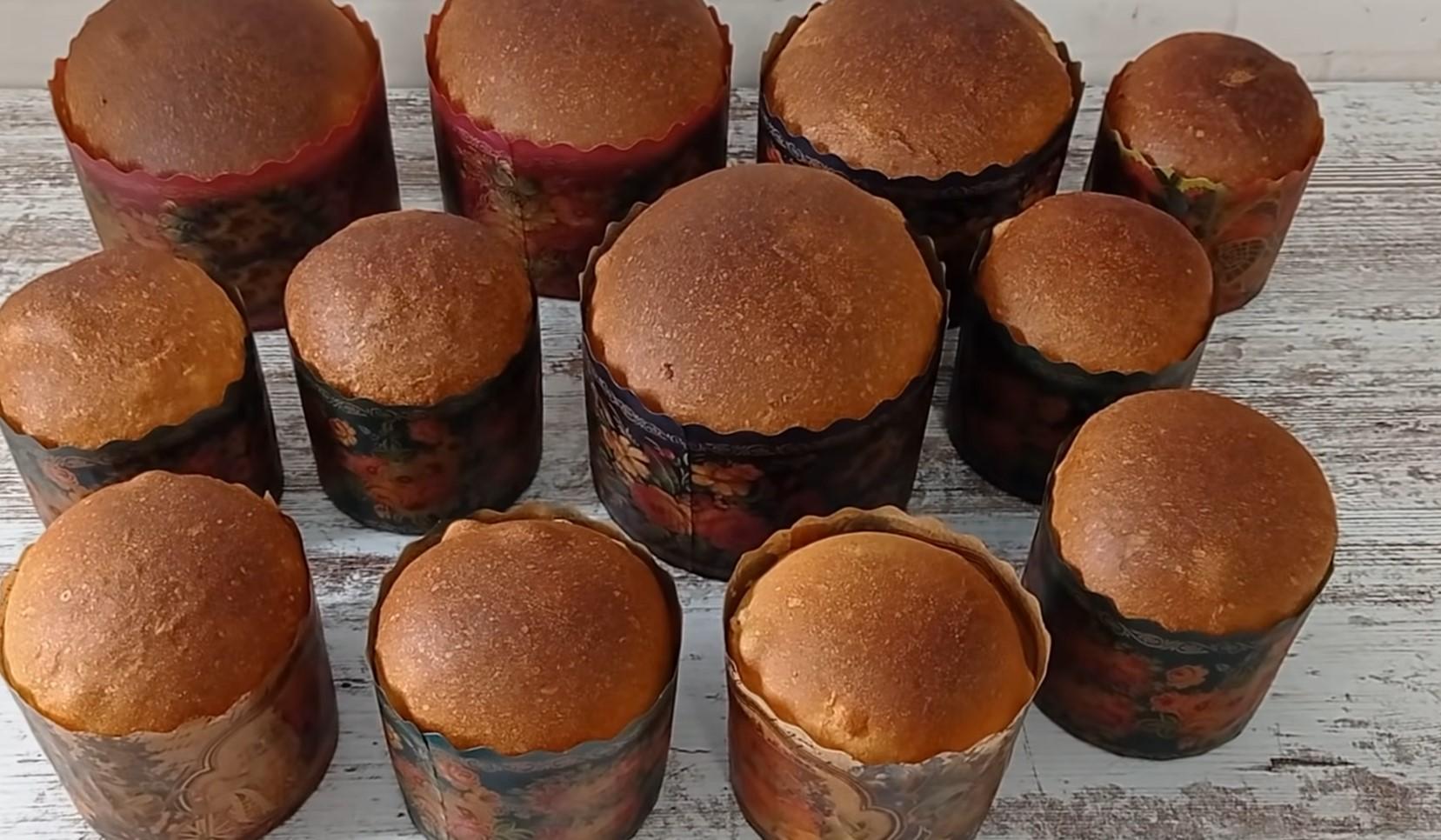
Place in the oven at 175 degrees for 35-60 minutes depending on the size.
30 ideas for decorating Easter cakes
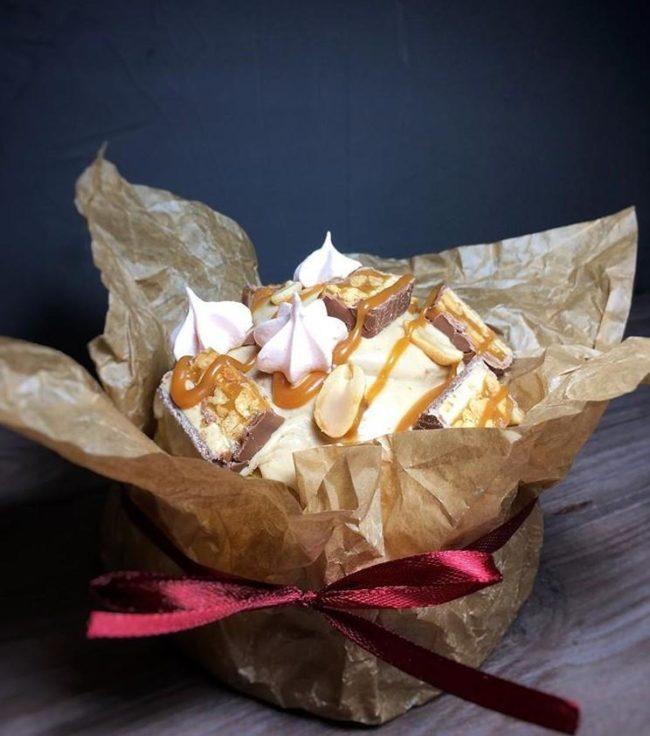
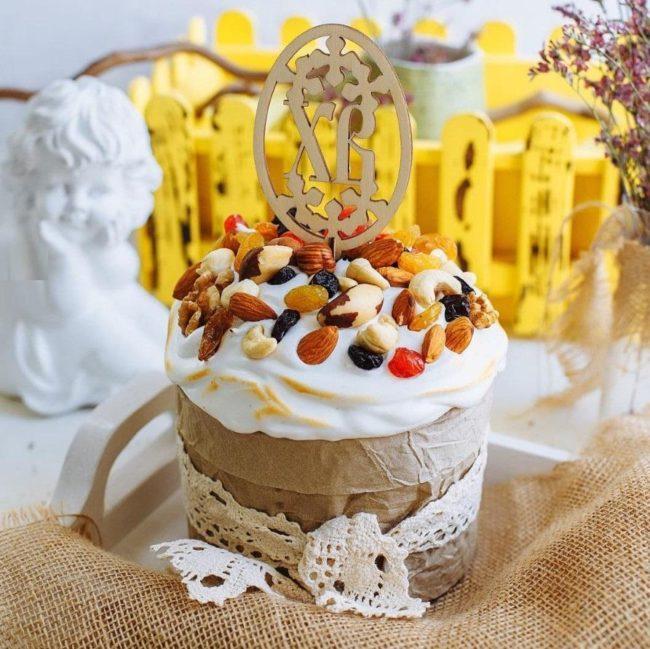
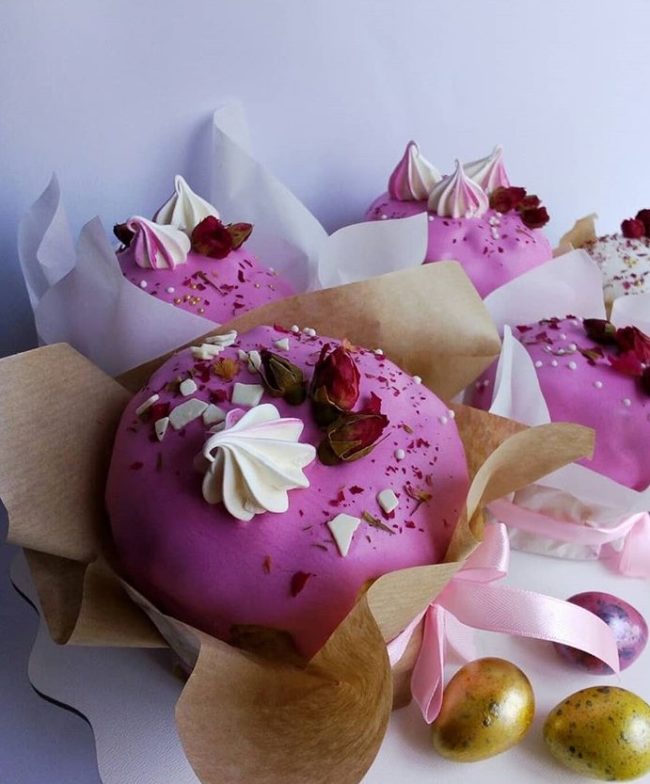
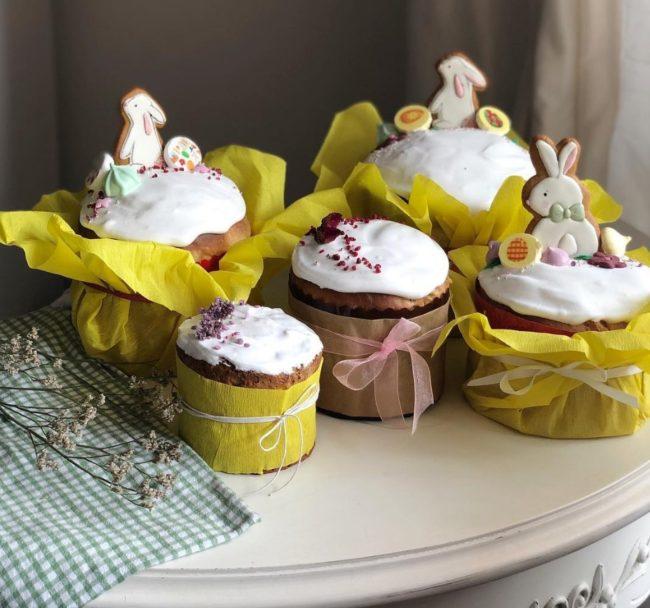
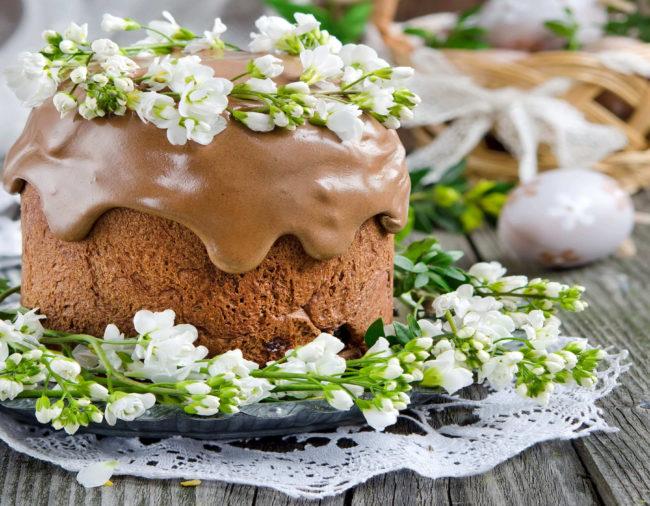
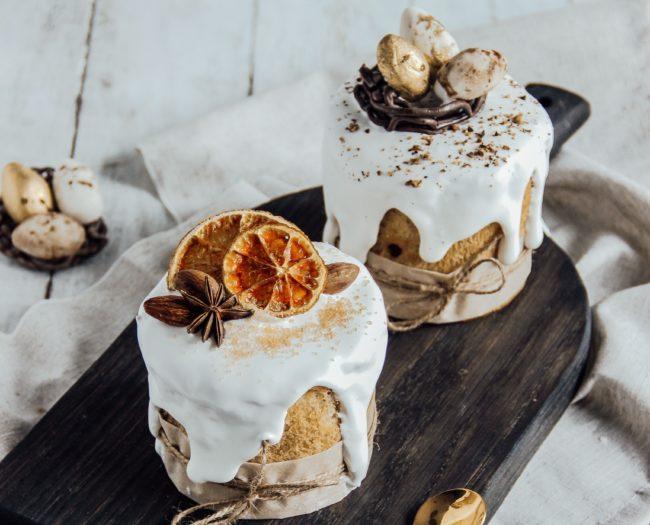
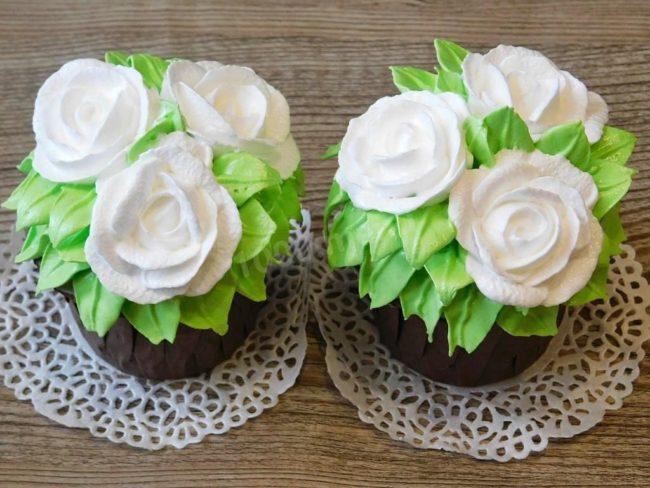
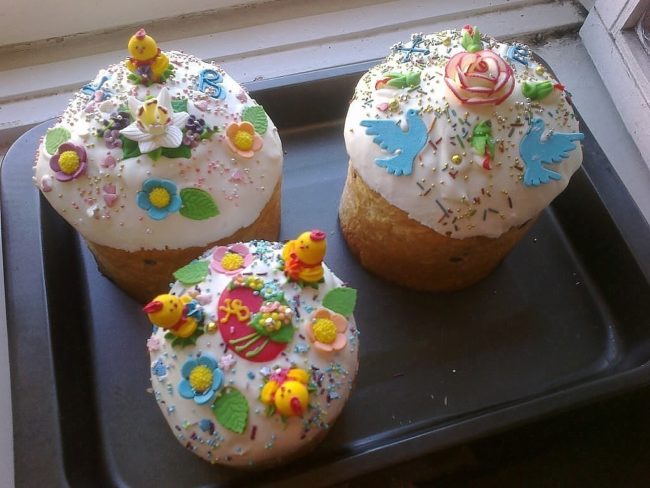
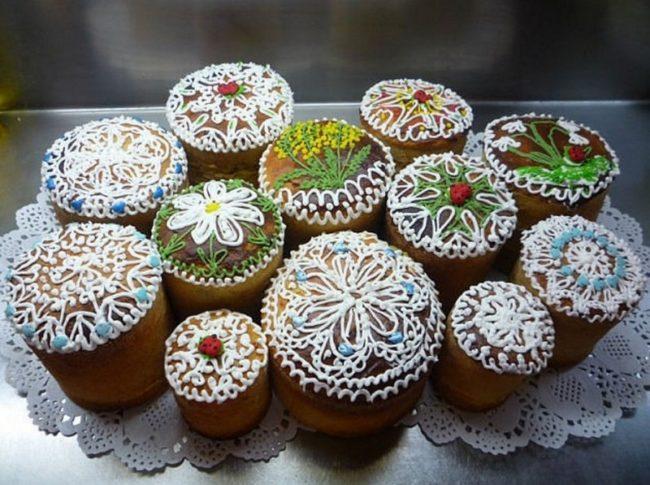
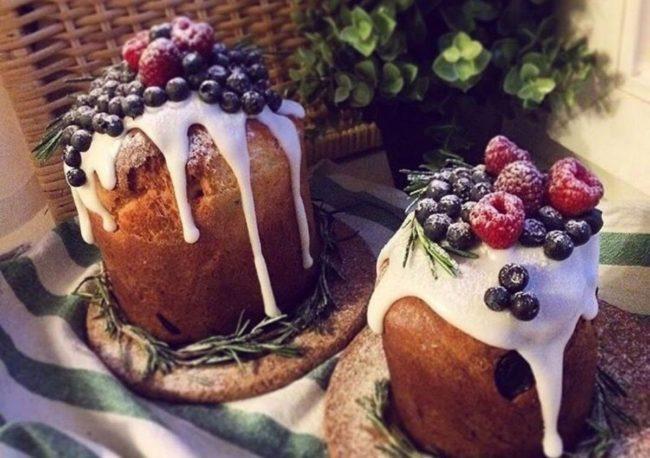
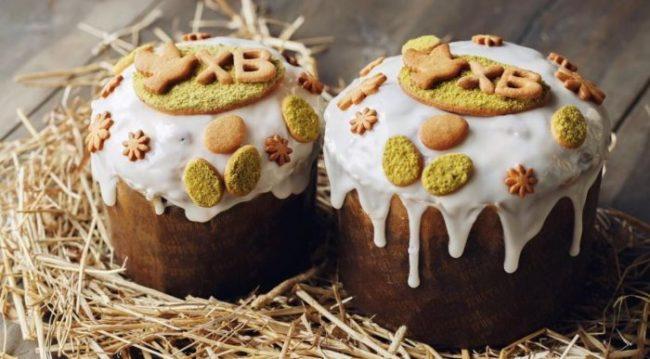
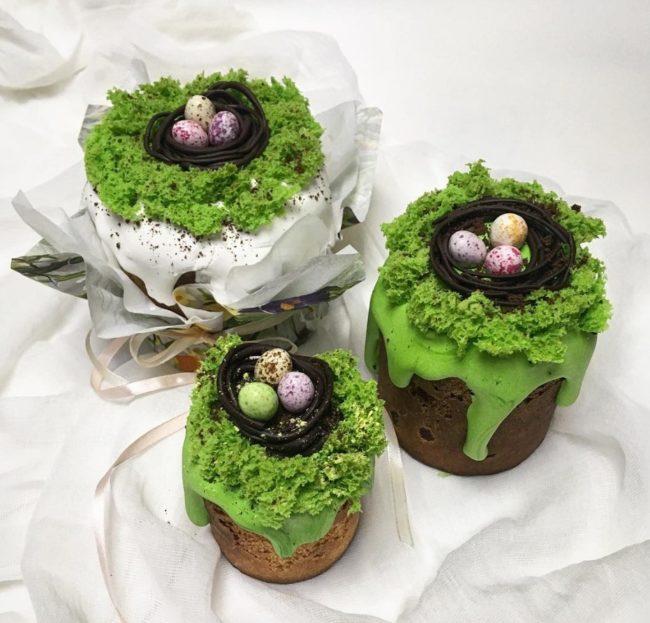
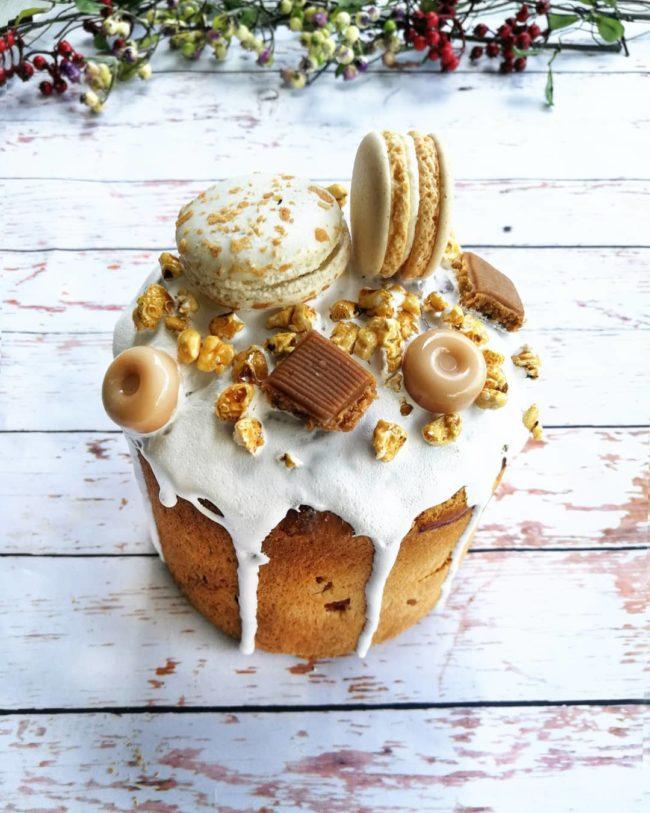
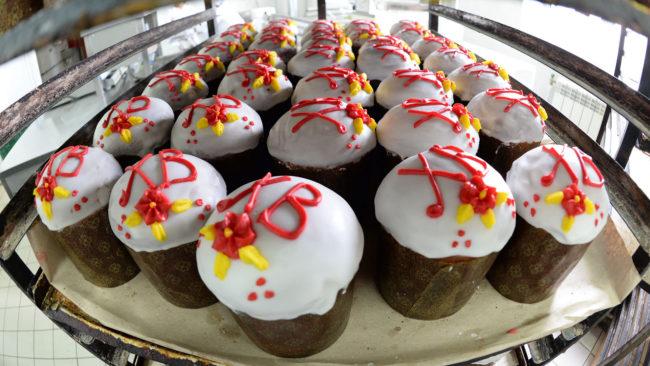
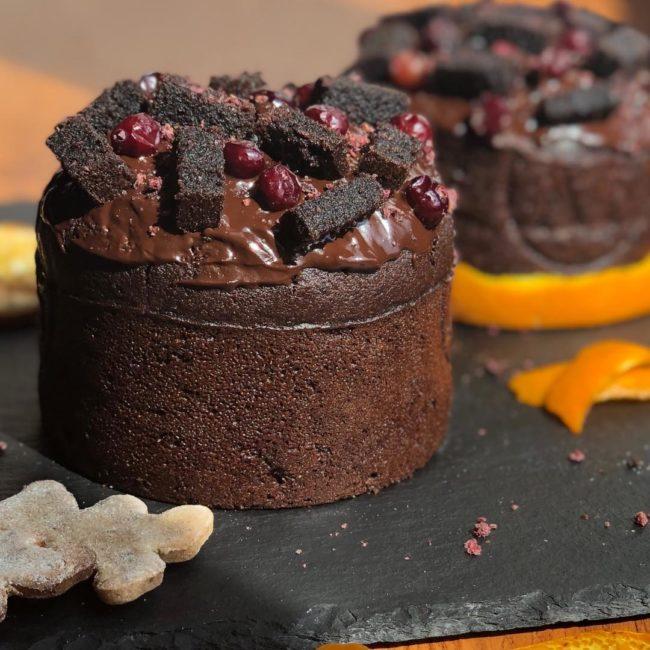
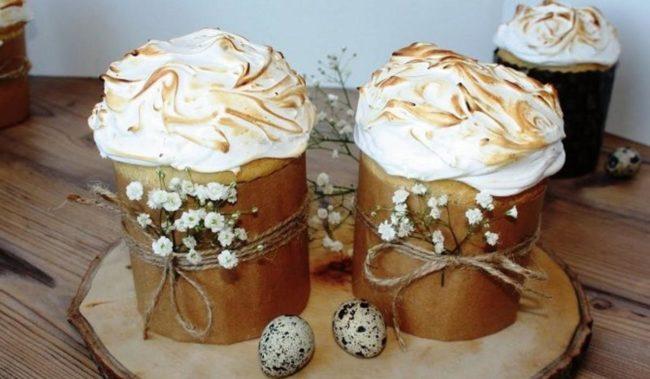
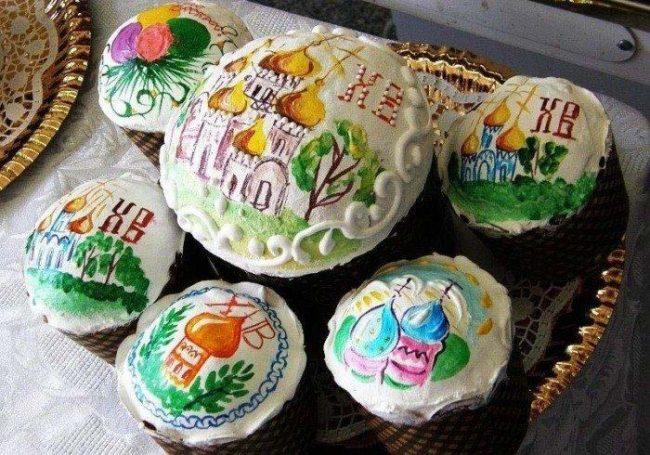
Any homemaker knows that baking an Easter cake is only half the battle. Decorating it beautifully is equally important. I offer 30 decorating ideas, from the simplest to the most original.
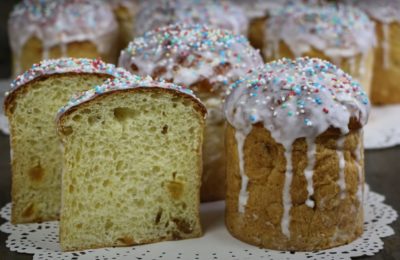
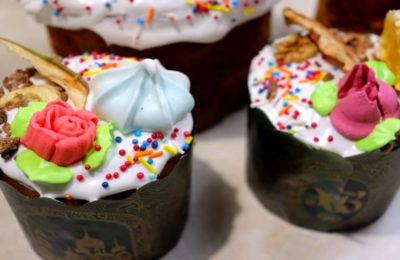
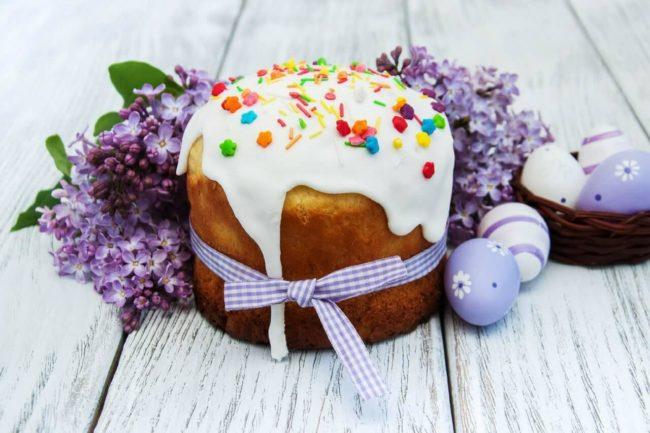
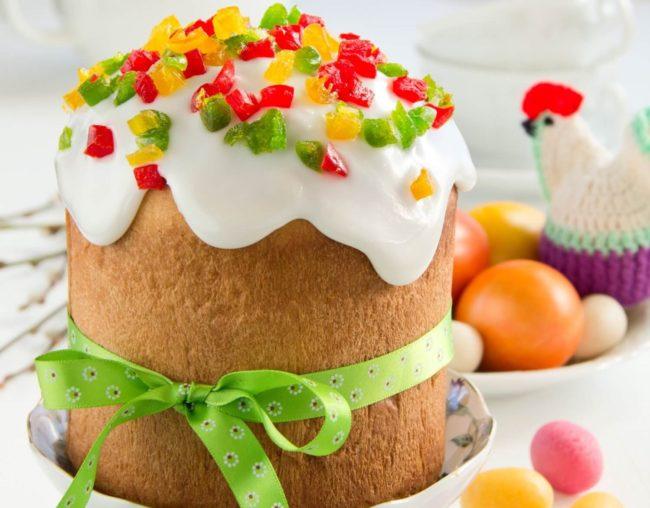
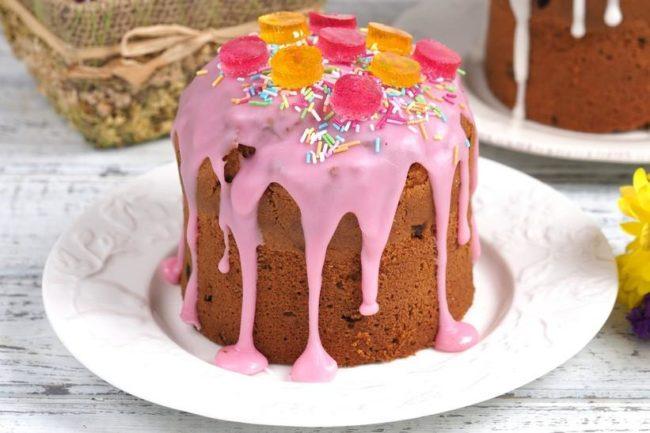
- Simply drizzle the cake with icing sugar and decorate with sprinkles.

- Place chopped chocolate candies and marshmallows on top of the icing.

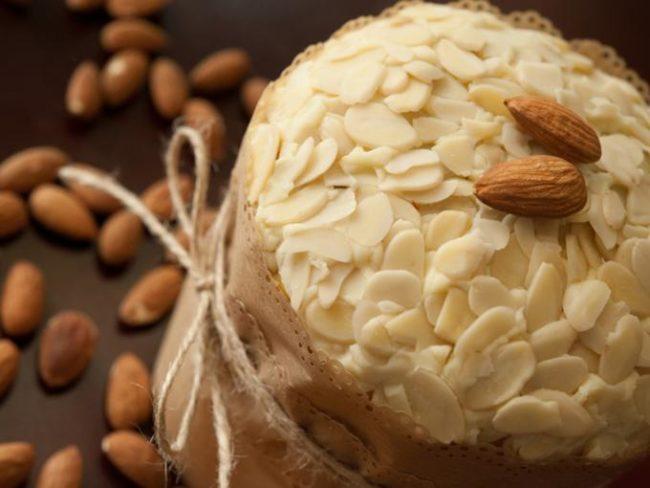
- Decoration with nuts and dried fruits will be a wonderful idea.

- Experiment with the color of the icing.

- Gingerbread themed figures will be a wonderful addition to baked goods.

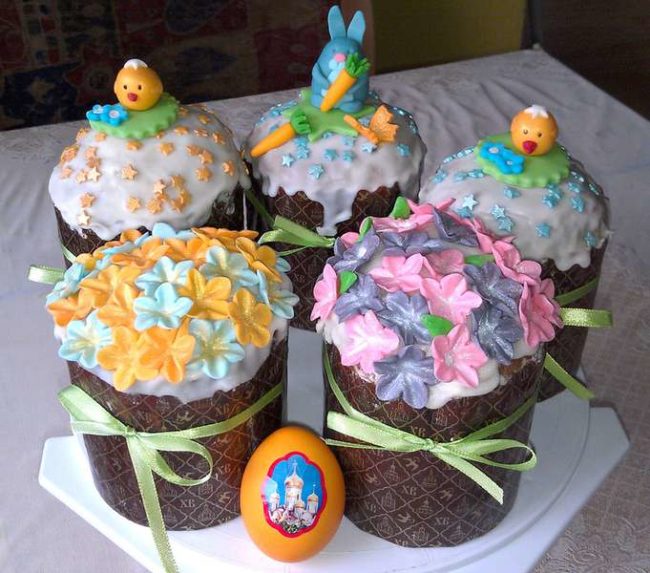
- Recently, decorations made from dried and fresh flowers have become popular.

- Dried oranges paired with nuts and cinnamon sticks are another trendy addition.

- Decorating with buttercream or protein cream will make the Easter cakes bright and original.

- Special sugar figures will add a festive touch to your baked goods.
- Lace patterns on chocolate spread, created using protein glaze, will make the Easter cakes delicate and elegant.

- Garnish with fresh fruit or berries.

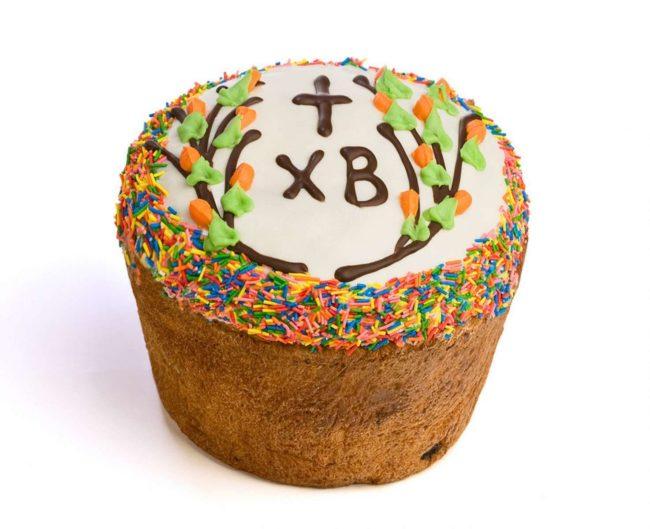
- Classic HV lettering can be made three-dimensional if baked separately.

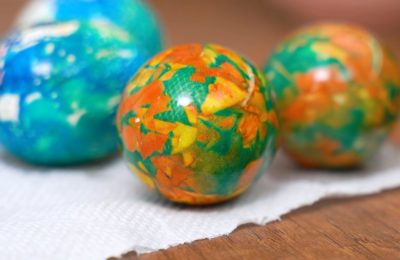
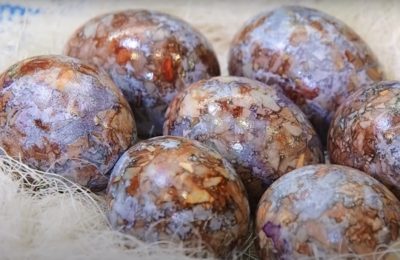
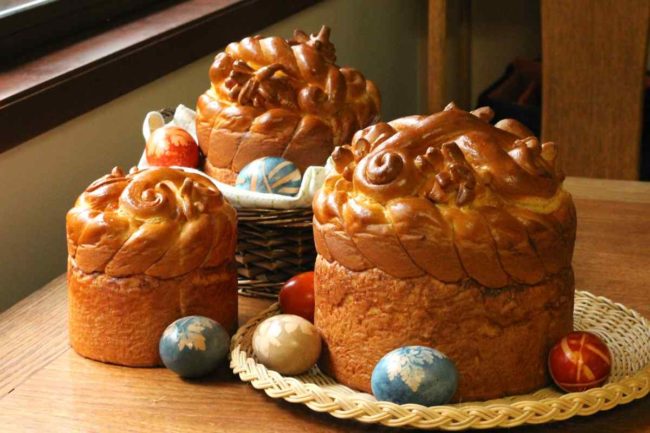
- Decorations that imitate painted eggs are perfect for baking.

- The multi-colored macarons that are popular today can also be used.

- Using multi-colored protein glaze, you can create various images on Easter cakes.

- Easter cakes decorated with pieces of biscuit dough look original.

- You can simply add texture to the glaze using special food coloring.

- How do you like this mega candy Easter cake decoration?

- Multi-colored candied fruits on snow-white glaze make the baked goods very festive.

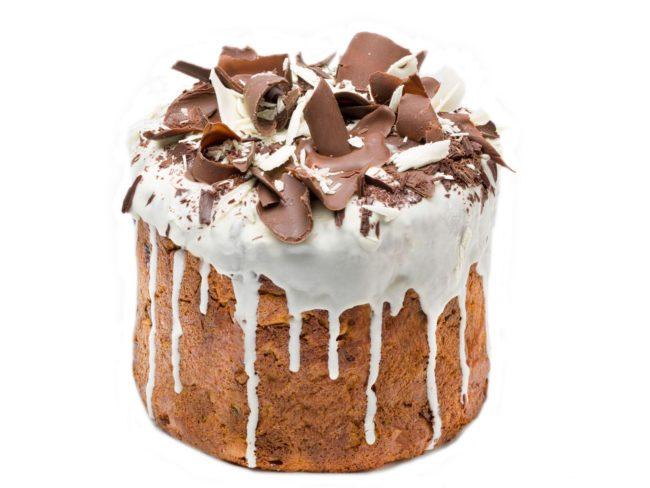
- You can decorate the Easter cake not only with protein icing, but also with chocolate icing.

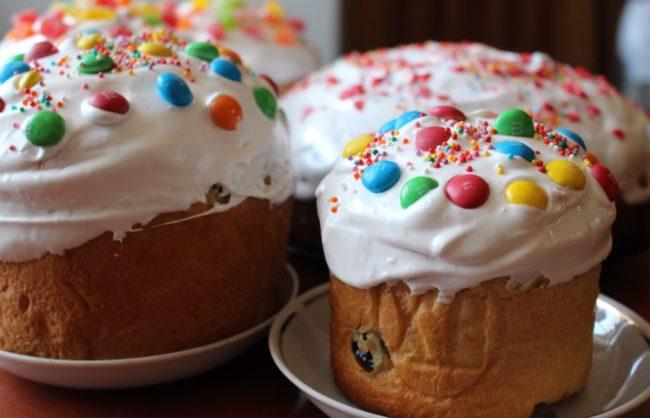
- If you like colored m&m's candies, you can use them.

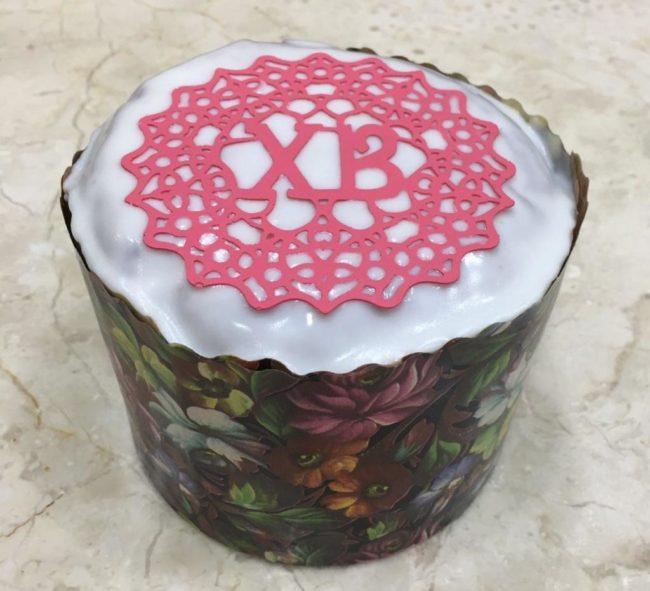
- Special themed lace looks great on Easter baked goods.

- For those who have artistic skills, it is possible to create a painted Easter cake.

- You can decorate the Easter cake using dough.
- Chocolate lovers will love the chocolate chip decoration option.
- Marmalade is a wonderful product for creating decorations.
- Almond crumbs can also be used for decoration.
- Don't forget about mastic.

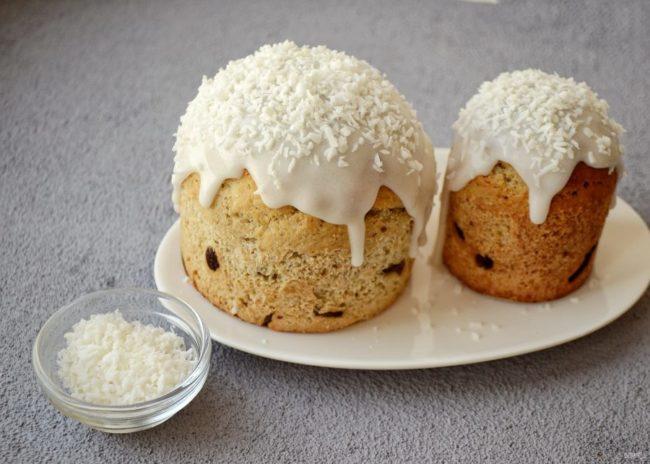
- Coconut flakes are a great option for minimalist and very delicate decor.

- And the last option is simply a cosmic Easter cake!


Today I've introduced you to the most popular and foolproof Easter cake dough options, as well as the most sought-after decorations. Experiment and share your impressions in the comments!
Video: Alexandrian Easter cake
Alexandrian Easter cake sounds absolutely delicious. It looks and tastes even better. Baked goods made according to this recipe have an airy crumb, rich flavor, and incredible aroma.
I offer another detailed recipe for Easter kulich using Alexandria dough. The video explains step-by-step how to make soft, fragrant pastry—in short, how to create the perfect kulich. If you want to make a beautiful holiday kulich with a melted flavor and a pleasant creaminess, try this recipe. This method is quite simple and doesn't take much time. The dough rises only once in the pan, and the kulich turns out fluffy and tender. Watch and try it!