Frosting and fondant for decorating Easter cakes - 10 easy recipes

Content
- 1 Eggless icing for Easter cake
- 2 Glaze for Easter cake made from egg whites and sugar
- 3 The best gelatin glaze for Easter cake
- 4 A quick recipe for icing for Easter cake using powdered sugar
- 5 White chocolate glaze
- 6 Lemon Curd in 1 Minute
- 7 Swiss meringue for decorating Easter cakes
- 8 A delicious nutty fudge recipe for Easter cake made with starch
- 9 Snow-white icing for Easter cake made from condensed milk
- 10 Chef's Answers to Frequently Asked Questions
- 11 Video: White Frosting for Marshmallow Cake
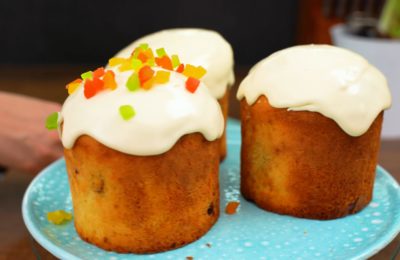
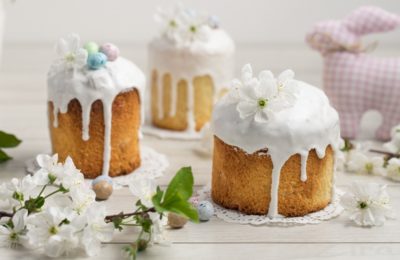
An Easter kulich is not only a soft, spongy dough and a pleasant aroma, but also a unique, beautiful decoration. Glaze and fondant, which homemakers use to decorate the cake, ensure its striking appearance. It can be classic white or trendy colored. It can be as fluffy as sea foam or barely noticeable on the golden-brown crust. It all depends on the limits of your imagination and culinary skills. Either way, it makes the festive kulich look much more interesting, and the sight of it alone is mouth-watering.
Eggless icing for Easter cake
- Proteins: 2.2 g
- Fats: 0 g
- Carbohydrates: 79.4 g
- Total time:
-
Complexity:
It will work even if you're making it for the first time. Not just this dish, but your first time ever.
- Number of servings: 2
Ingredients
-
Sugar100 G
-
Water1 tbsp
-
Gelatin1 tsp
Preparation

Pour 2 tablespoons of cold water over the gelatin. Stir. Let it swell for 10 minutes.

Pour 40 ml of boiled water into a saucepan. Add sugar.

Place the saucepan over low heat. Stirring constantly, bring the mixture to a boil. The sugar should completely dissolve.

Remove the syrup from the stove. Let it cool to 60–70 degrees Celsius, stirring constantly.

Place the swollen gelatin into the syrup. Stir thoroughly until completely dissolved.

Pour into a deep bowl. Beat with a mixer until thick white peaks form.

The decoration is ready!
Glaze for Easter cake made from egg whites and sugar
After baking the kulich, there are always some extra egg whites left over, which should never be thrown away. A snow-white, silky egg white glaze with a light vanilla scent will be a beautiful decoration for your paska.
Ingredients
- Proteins – 100 g
- Sugar – 200 g
- Vanilla sugar – 10 g
- Citric acid – ½ tsp.
- Salt - a pinch
Cooking time: 10 minutes
Servings: for 2-3 Easter cakes
Step-by-step recipe
Step 1
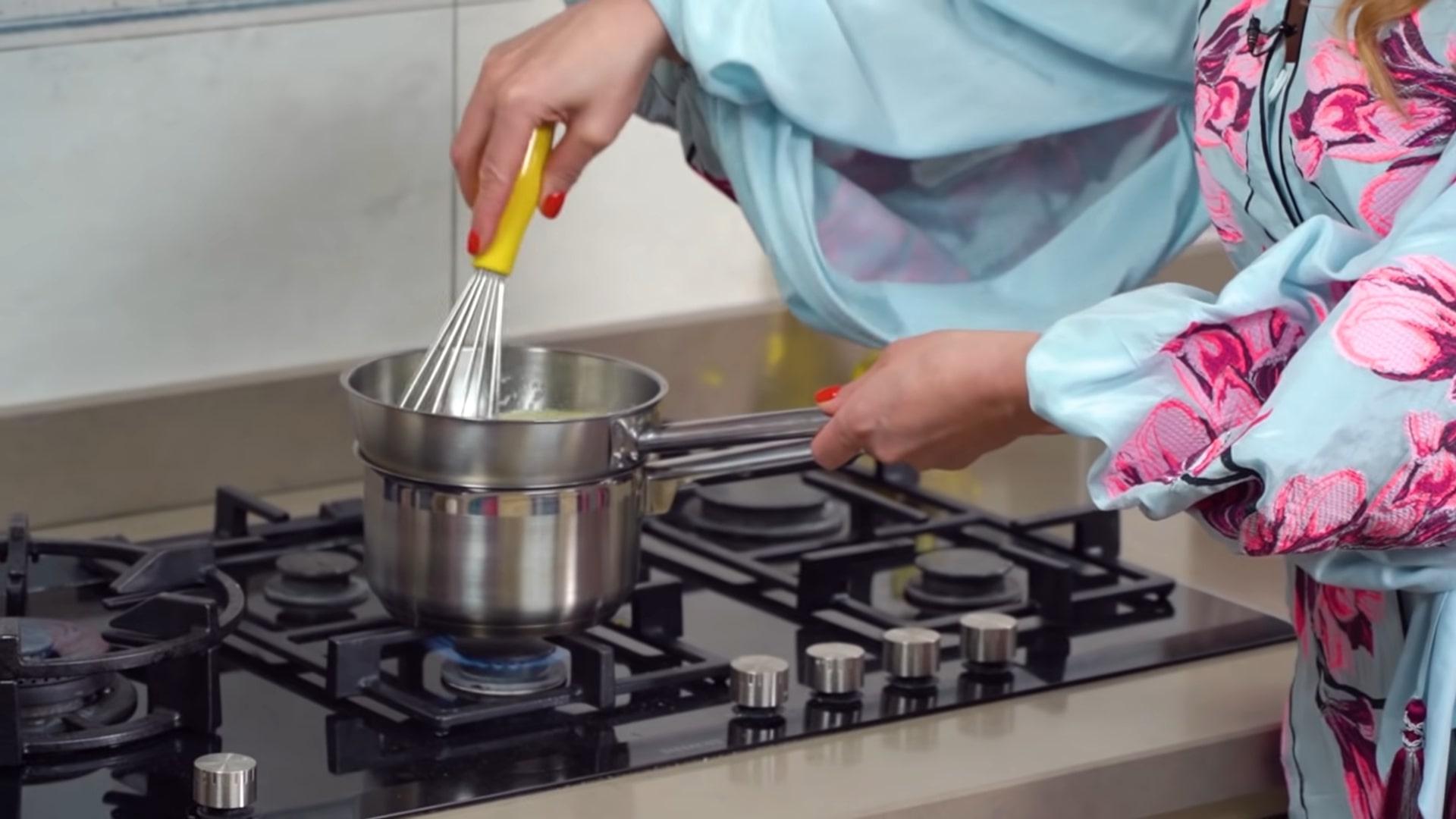
Place the egg whites and sugar in a double boiler. Stir until the sugar is completely dissolved.
Step 2
Add citric acid to warm egg whites.

Step 3
When the sugar has completely dissolved, remove the egg whites from the water bath. Beat with a mixer until thick, fluffy foam forms soft peaks.

Step 4
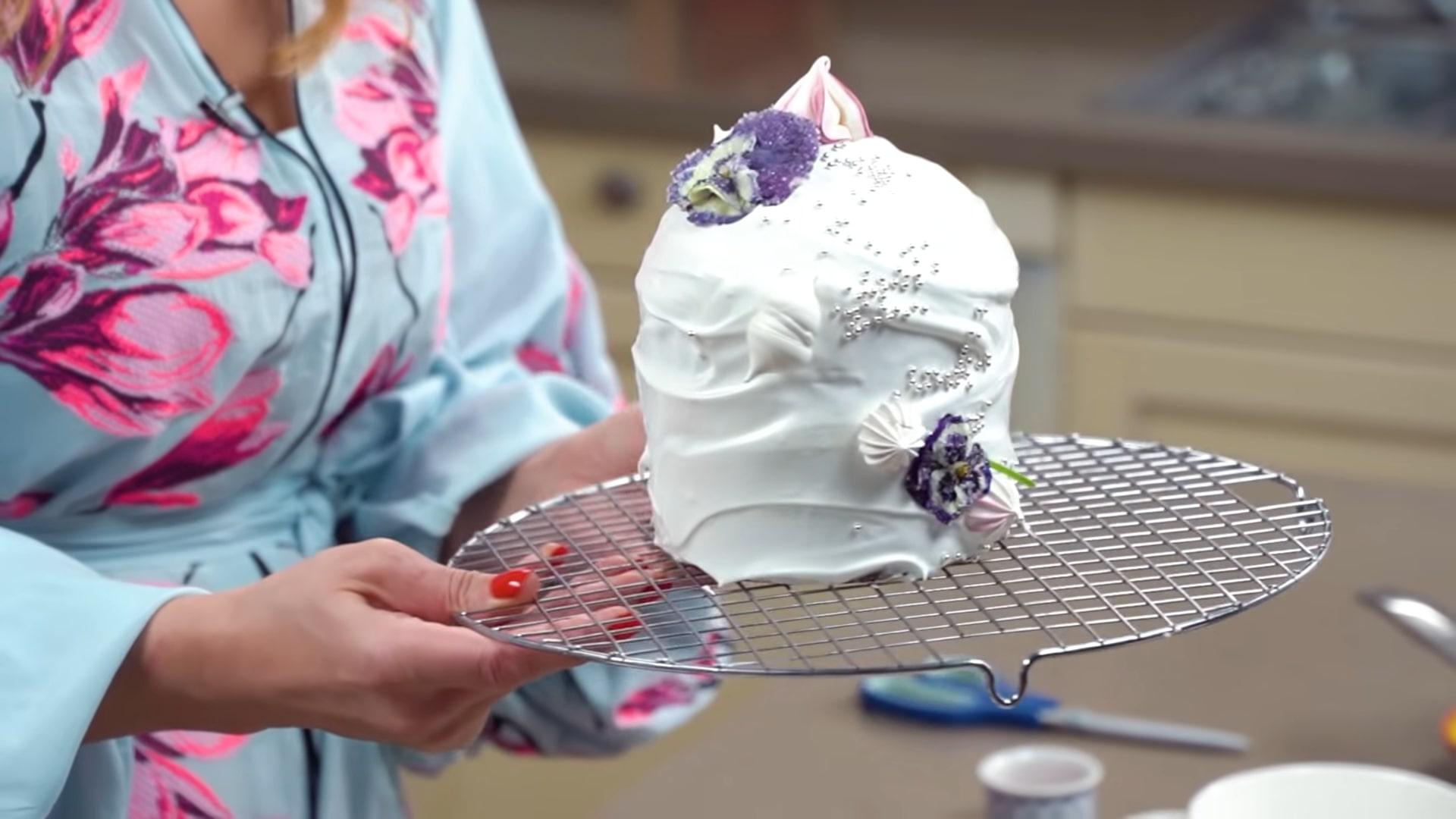
We spread the icing on the kulich and decorate it with additional decorations.
Easter is the bright holiday of Christ's Resurrection, which has come down to us from ancient times. It is filled with sacred symbols, the meanings of which are often hidden in the most insignificant details.
Few people know this, but the traditional kulich has its roots in prehistoric paganism. It symbolizes the male reproductive organ. You might notice that the first kulichiki were tall loaves with a prominent top. The white icing covering the top of the pastry symbolized semen.
According to the original Christian version, white icing symbolizes the beginning of life.
The best gelatin glaze for Easter cake
Eggless icing with gelatin requires a special approach due to its specific nature. It requires quick work, as it sets instantly. However, gelatin icing can be used to create beautiful swirls and "snowy" waves that will last a long time.
Ingredients
- Sugar – 100 g
- Water – 30 ml
- Gelatin – 1 tsp.
- Lemon juice – 1 tbsp.
Cooking time: 10 minutes
Servings: for 1–2 Easter cakes
Step-by-step recipe
Step 1
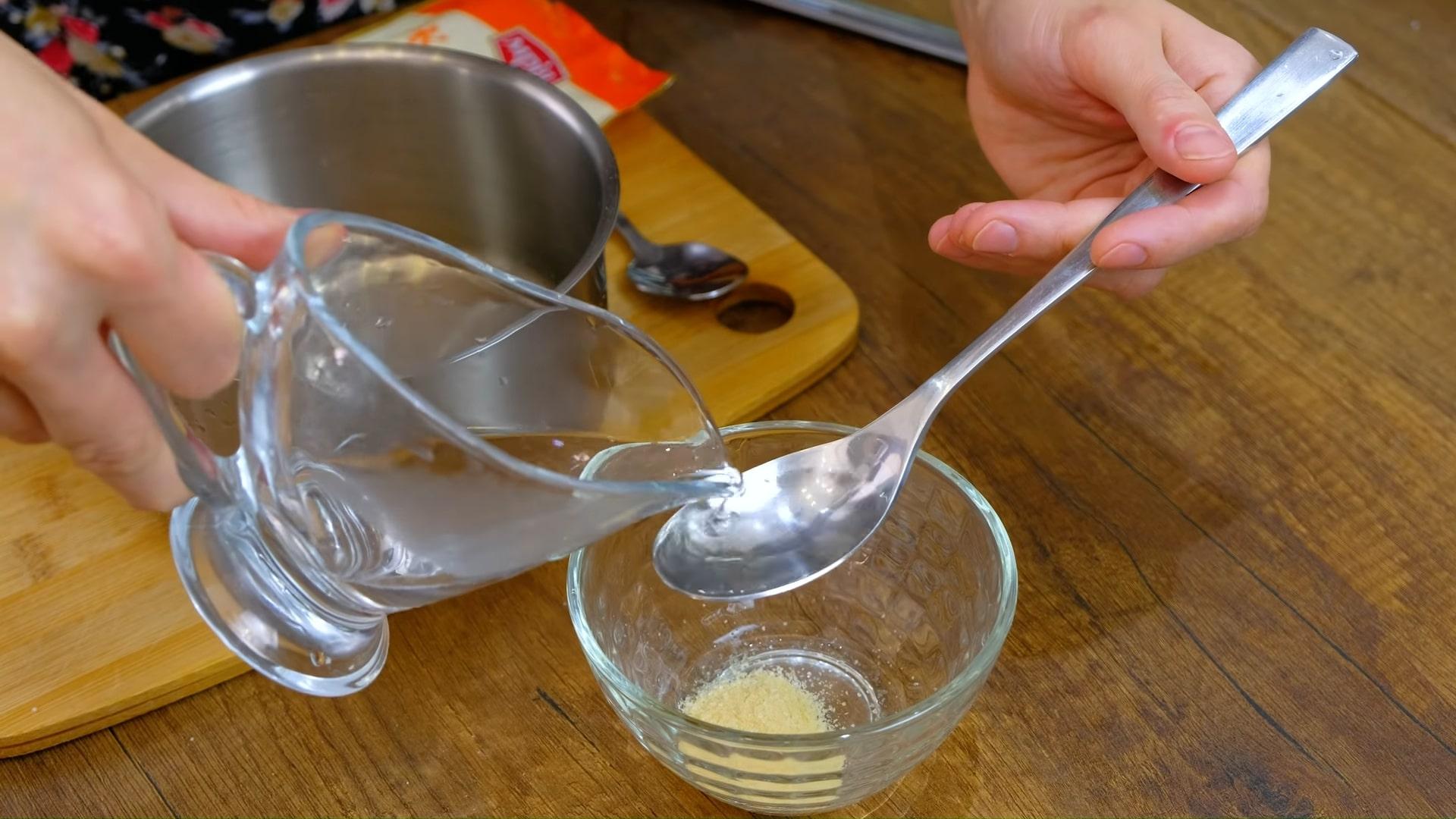
Pour 1 tablespoon of warm water over the gelatin. Stir. Let it swell.
Step 2
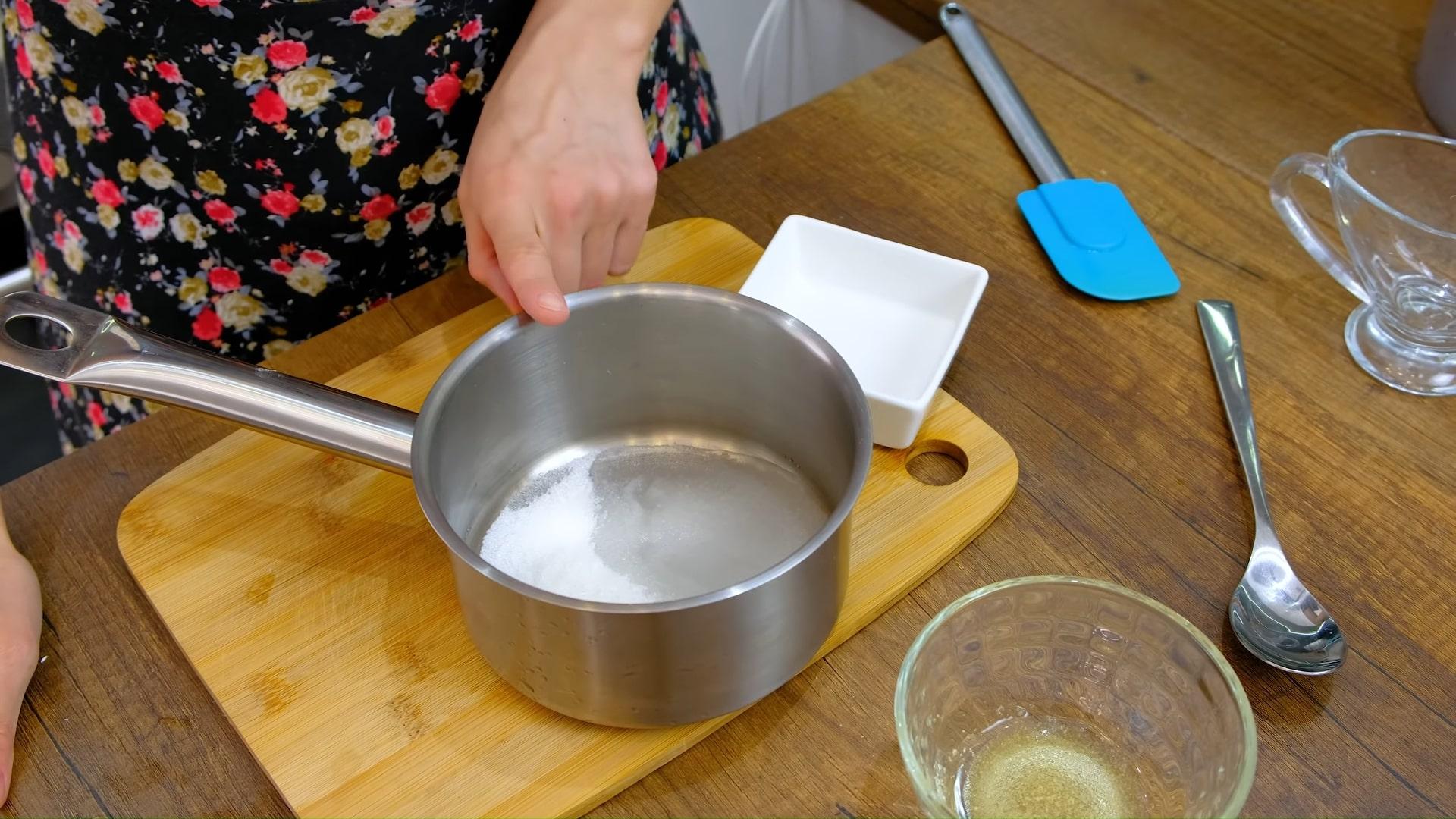
Pour sugar into a saucepan. Fill with the remaining water.
Step 3
Cook the syrup over low heat until the sugar is completely dissolved.
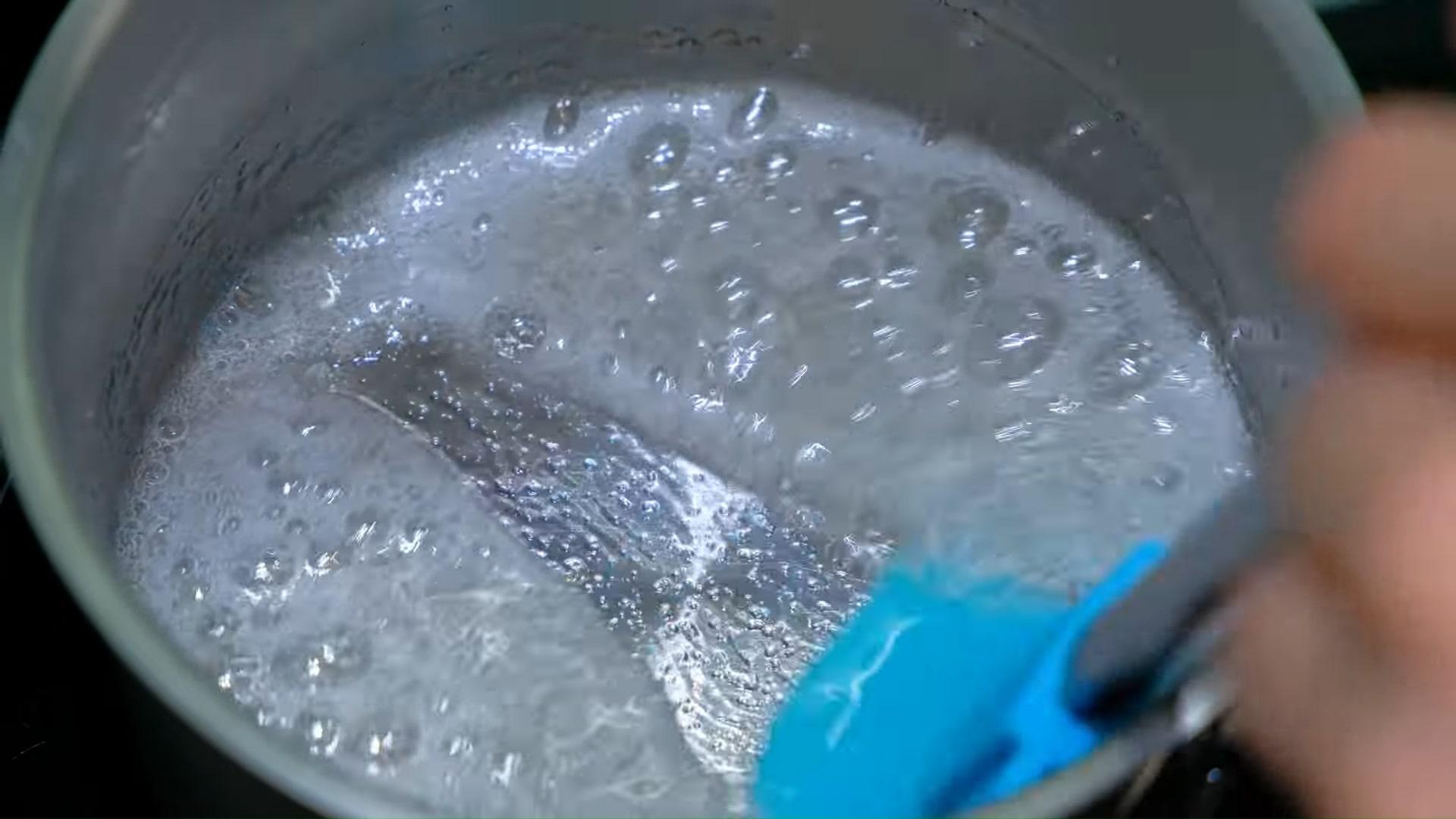
Step 4
Add the swollen gelatin to the prepared syrup. Stir until smooth.
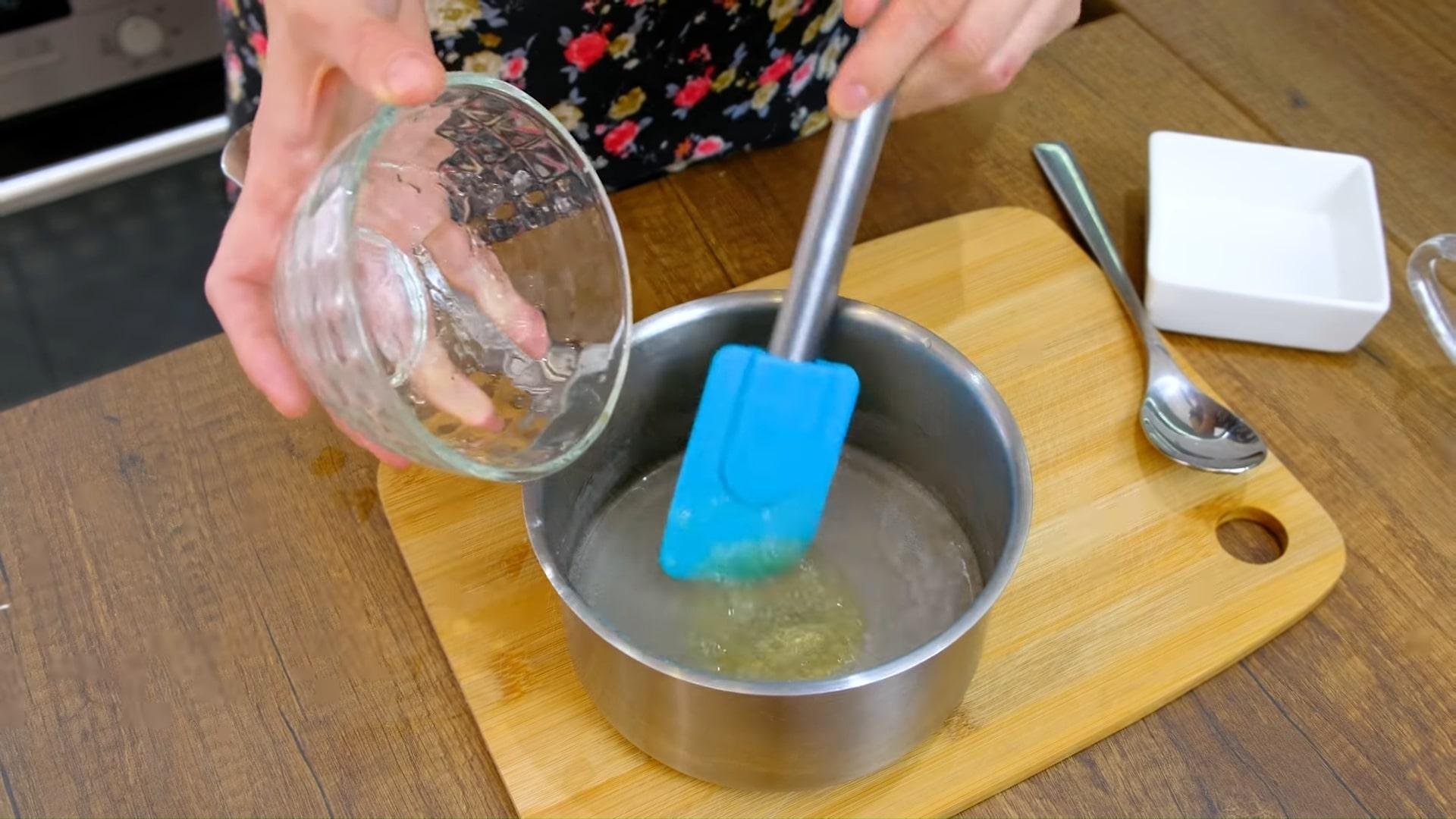
Step 5
Beat the mixture with a mixer. Add lemon juice as you go.
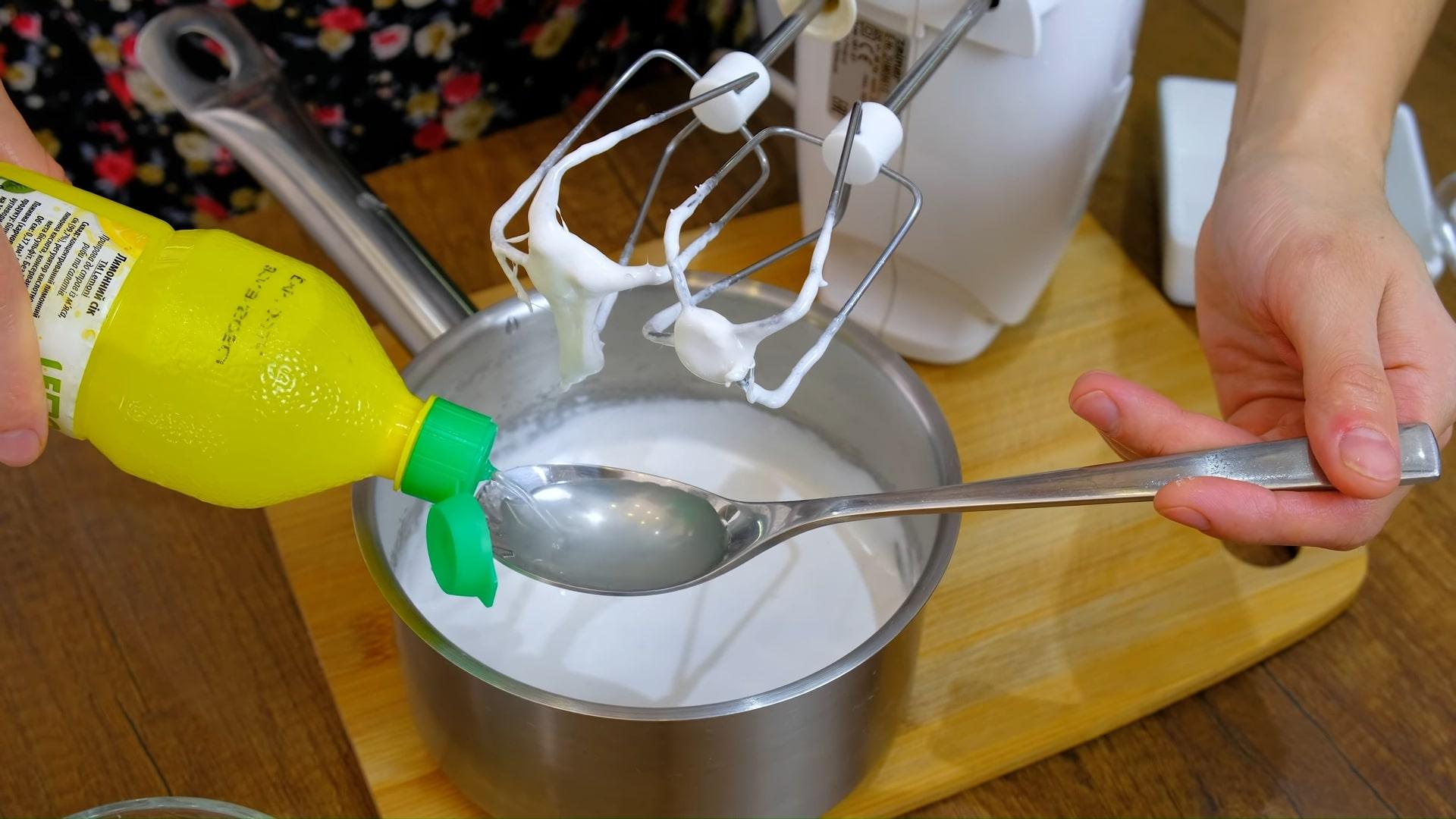
Step 6
We decorate the Easter cakes with the fluffy ready-made glaze.
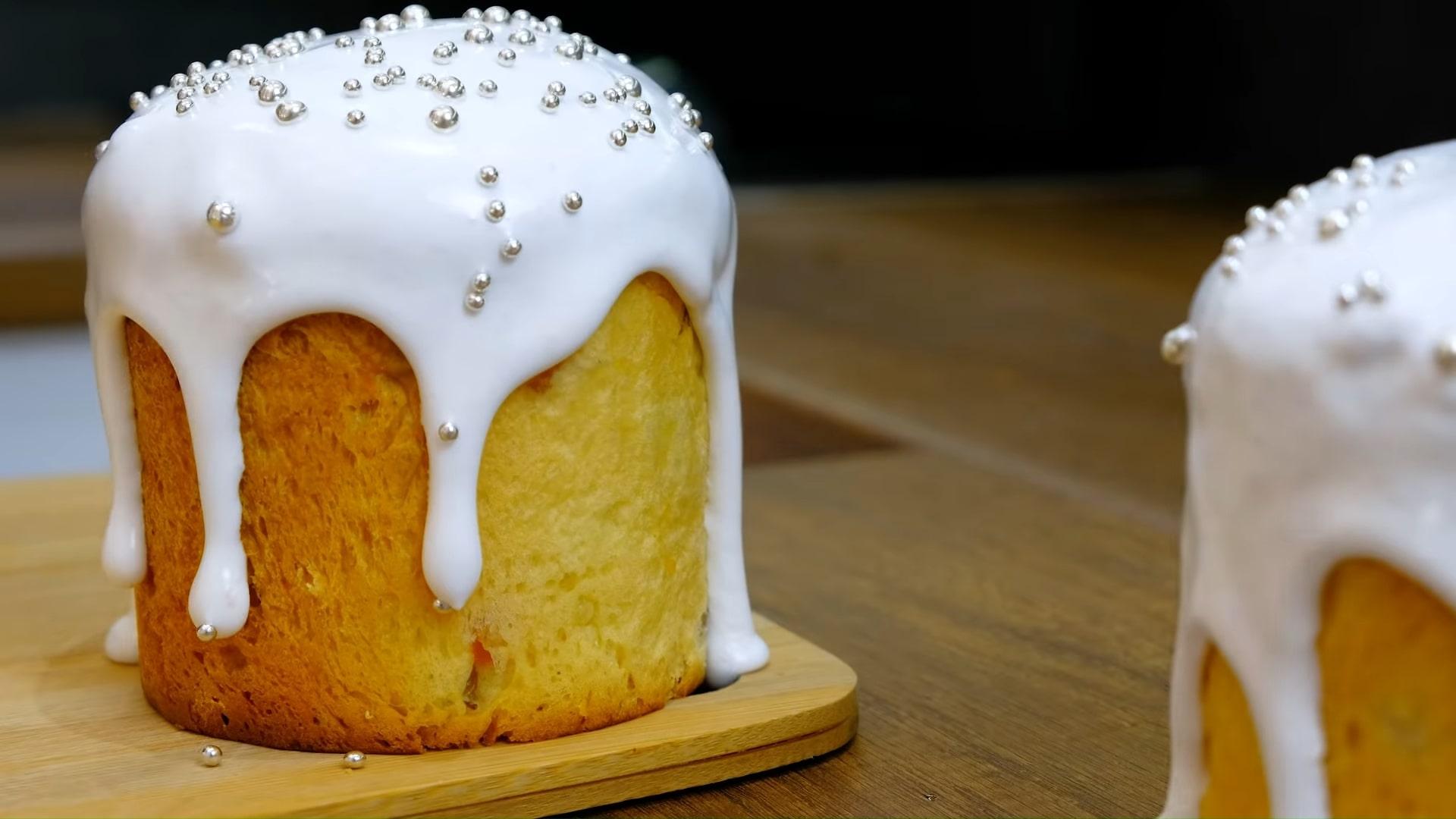
A quick recipe for icing for Easter cake using powdered sugar
Powdered sugar is a great substitute for sugar when making icing for Easter cakes. The finely ground crystals make the icing smooth and almost imperceptible.
Ingredients
- Powdered sugar – 200 g
- Water – 100 ml
- Vanillin – 1 tsp.
- Citric acid - a pinch
Cooking time: 5 minutes
Servings: for 2-3 Easter cakes
Step-by-step recipe
Step 1
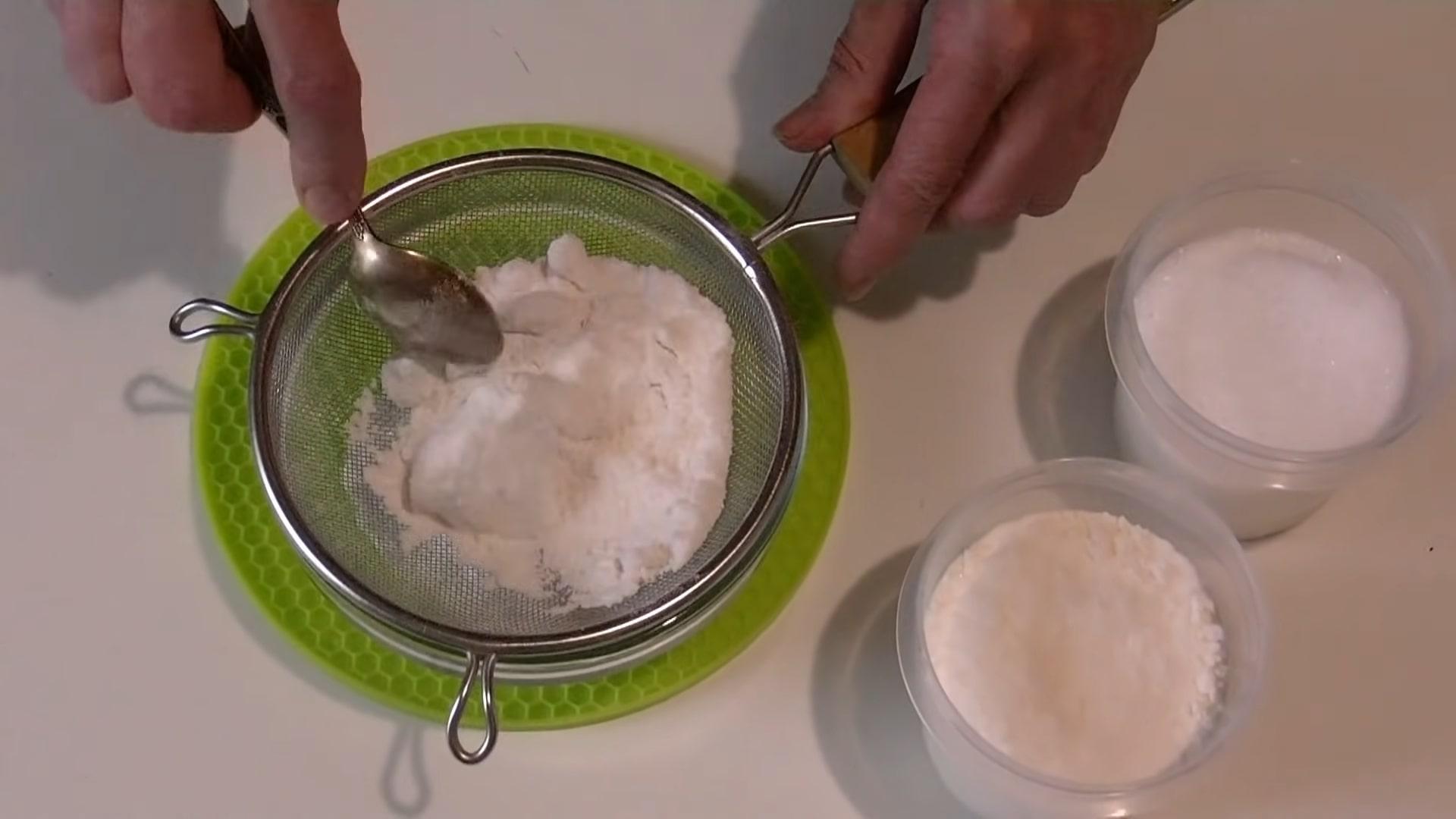
Rub the powdered sugar through a sieve into a clean container.
Step 2
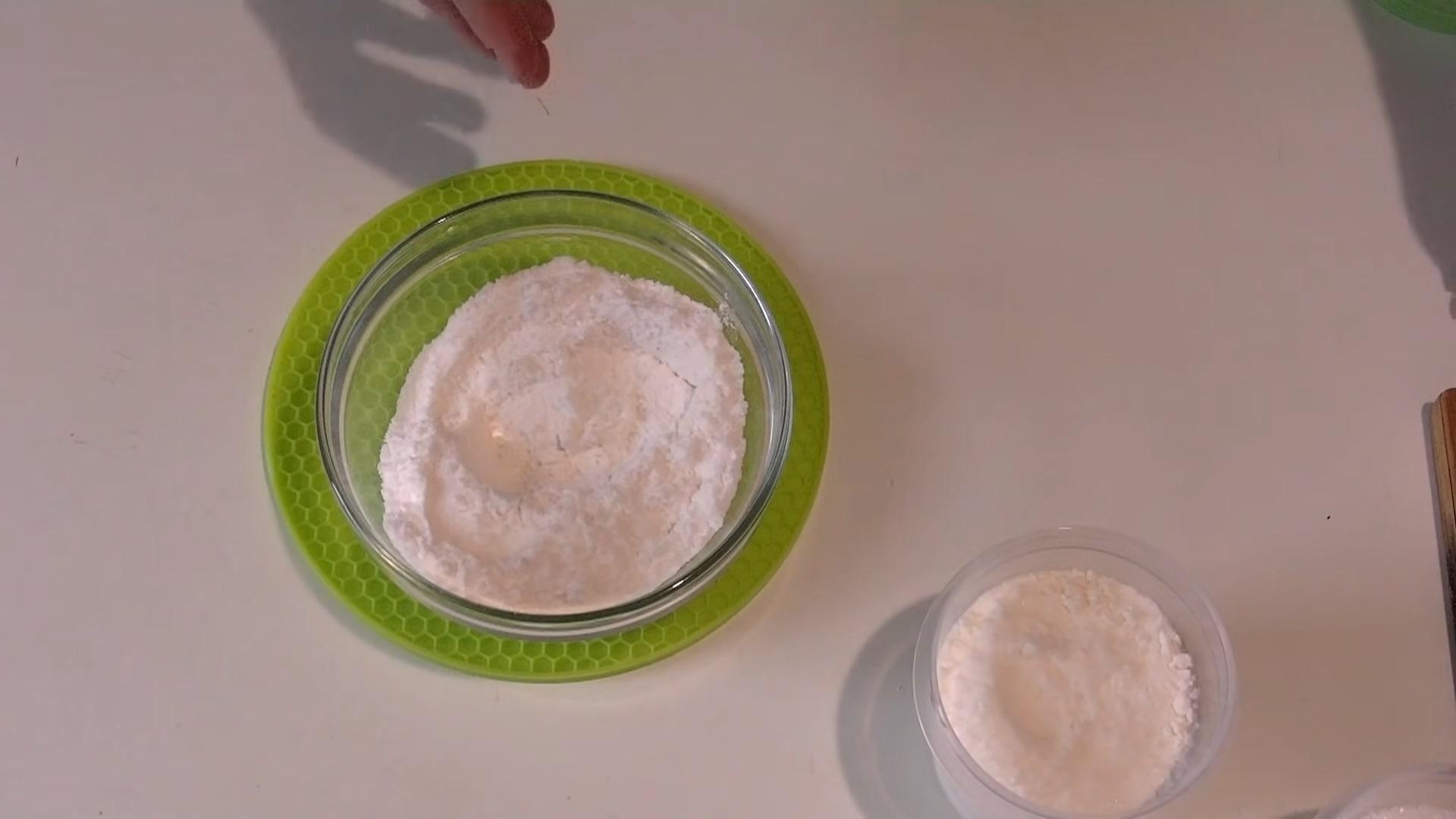
Add vanillin and citric acid. Stir.
Step 3
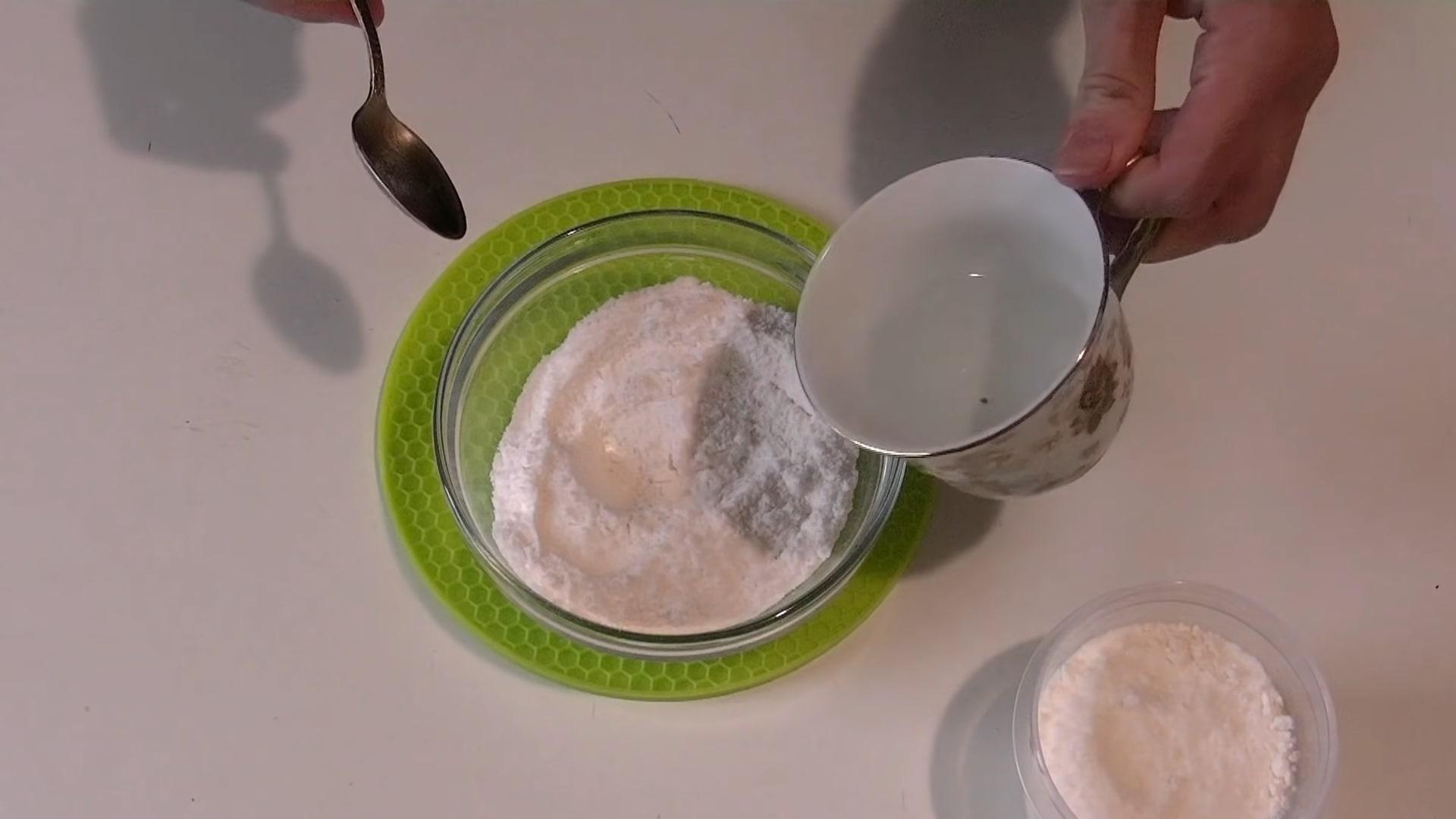
Pour in boiling water in a small stream, stirring after each addition.
Step 4
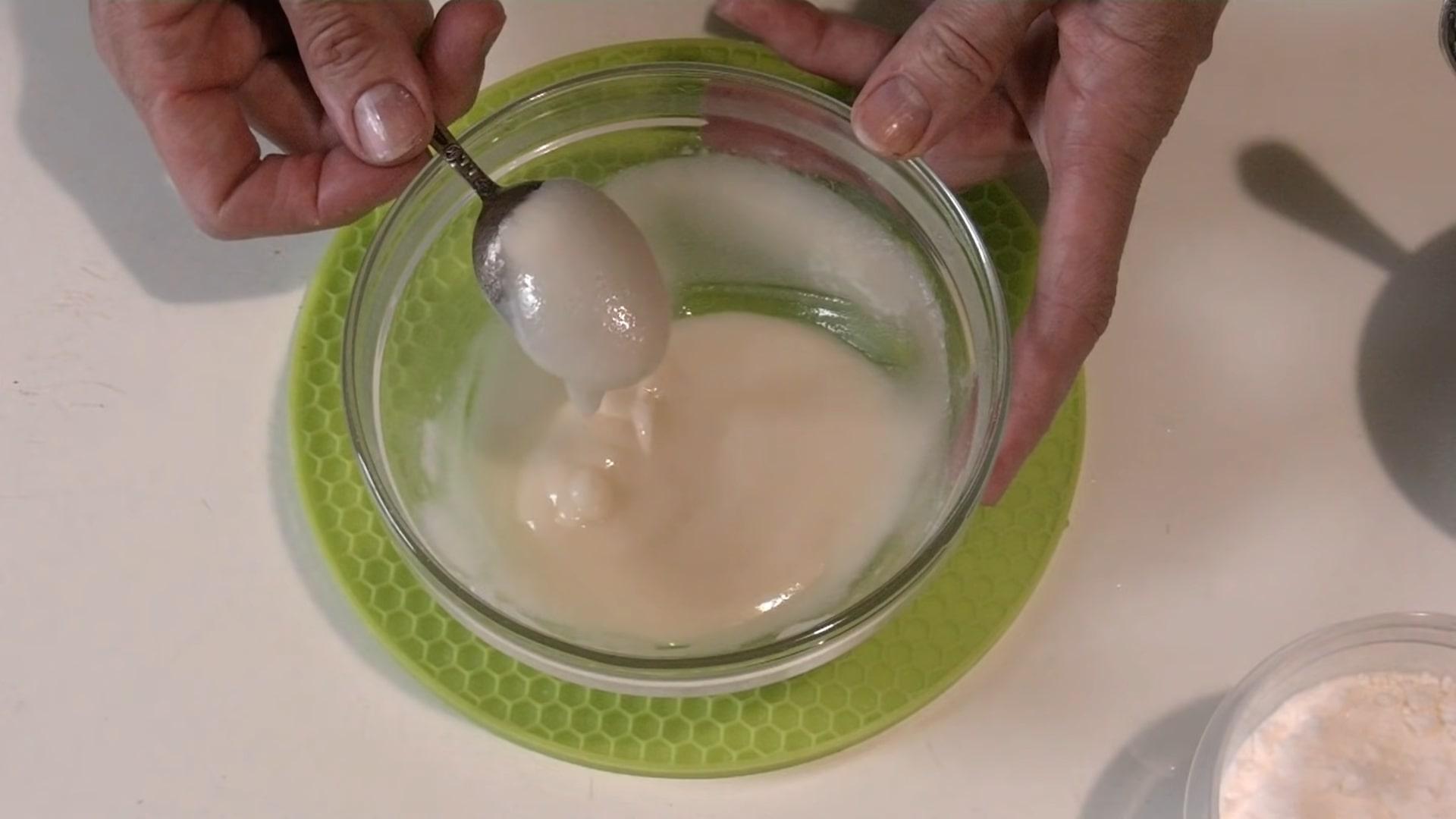
Ready.
White chocolate glaze
This exquisite white chocolate glaze has a delightful, rich, creamy chocolate aroma and a stunning, delicate flavor. Just two ingredients, yet so much delight and beauty!
Ingredients
- White chocolate – 200 g
- Butter – 200 g
Cooking time: 40 minutes
Servings: for 2-3 Easter cakes
Step-by-step recipe
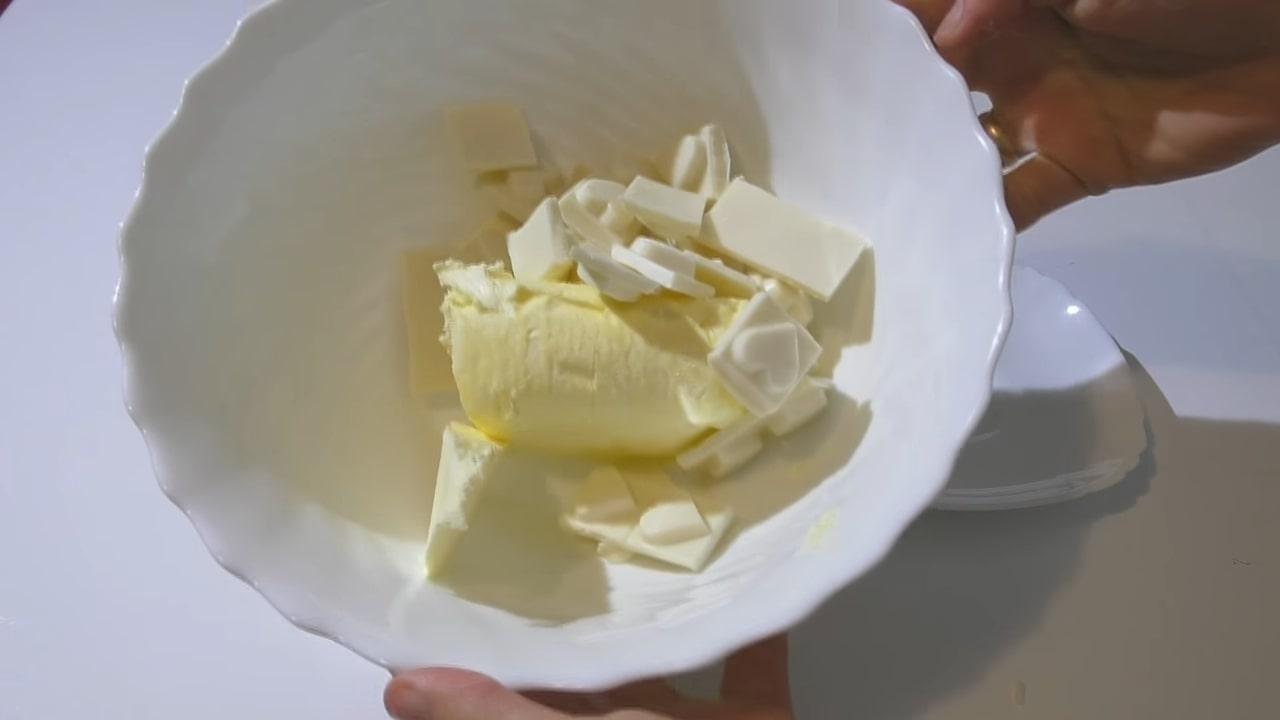
Step 1
Chop the chocolate and add it to the room temperature butter.
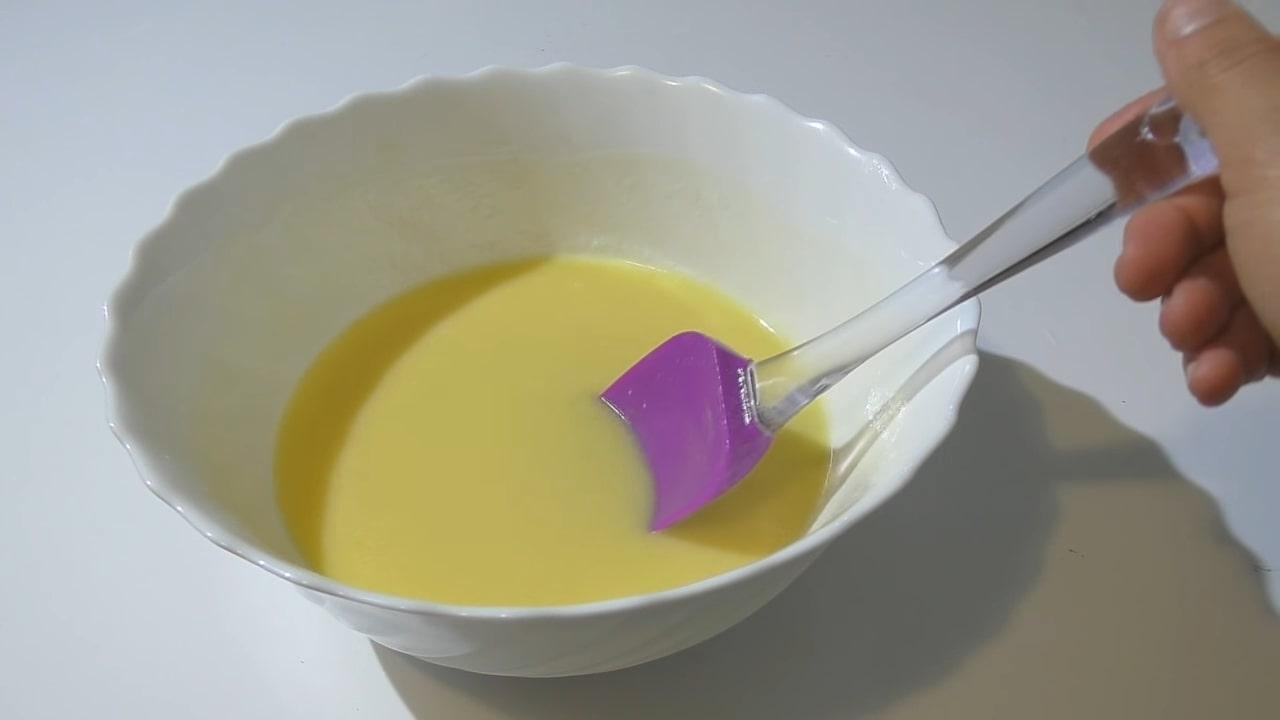
Step 2
Melt the chocolate with butter in a water bath.
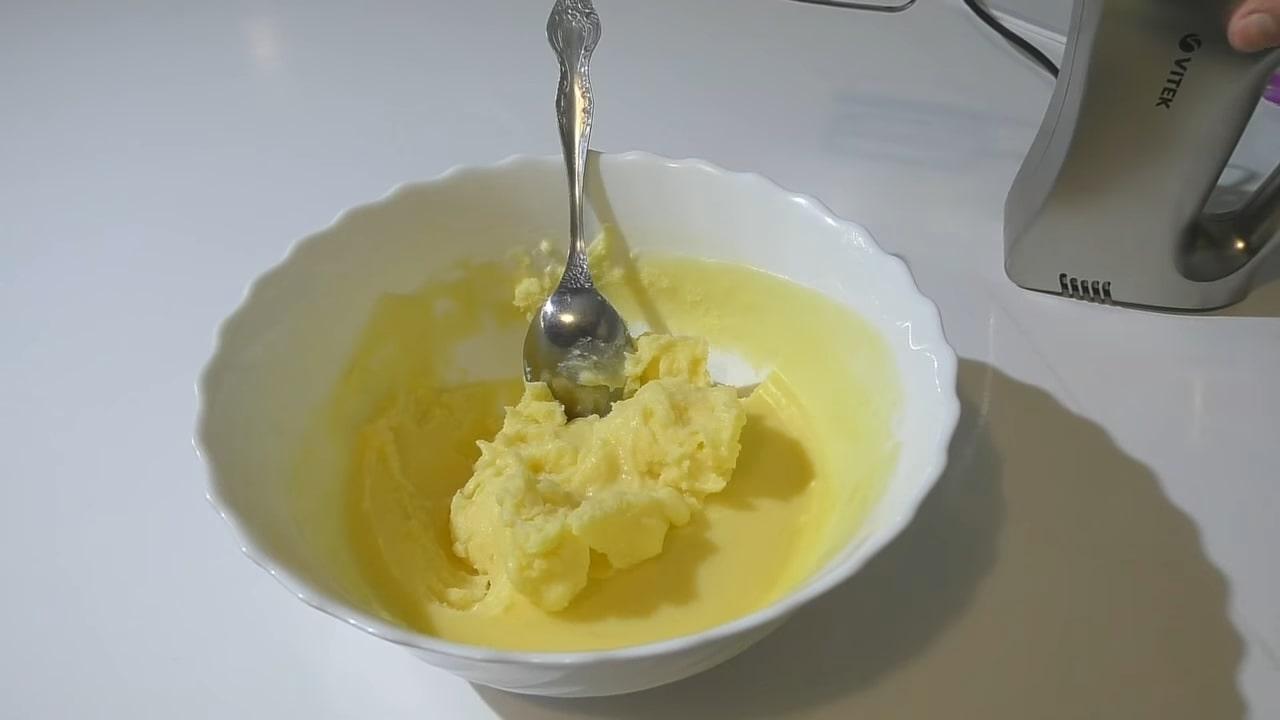
Step 3
Place the cooled mixture in the refrigerator until it hardens.
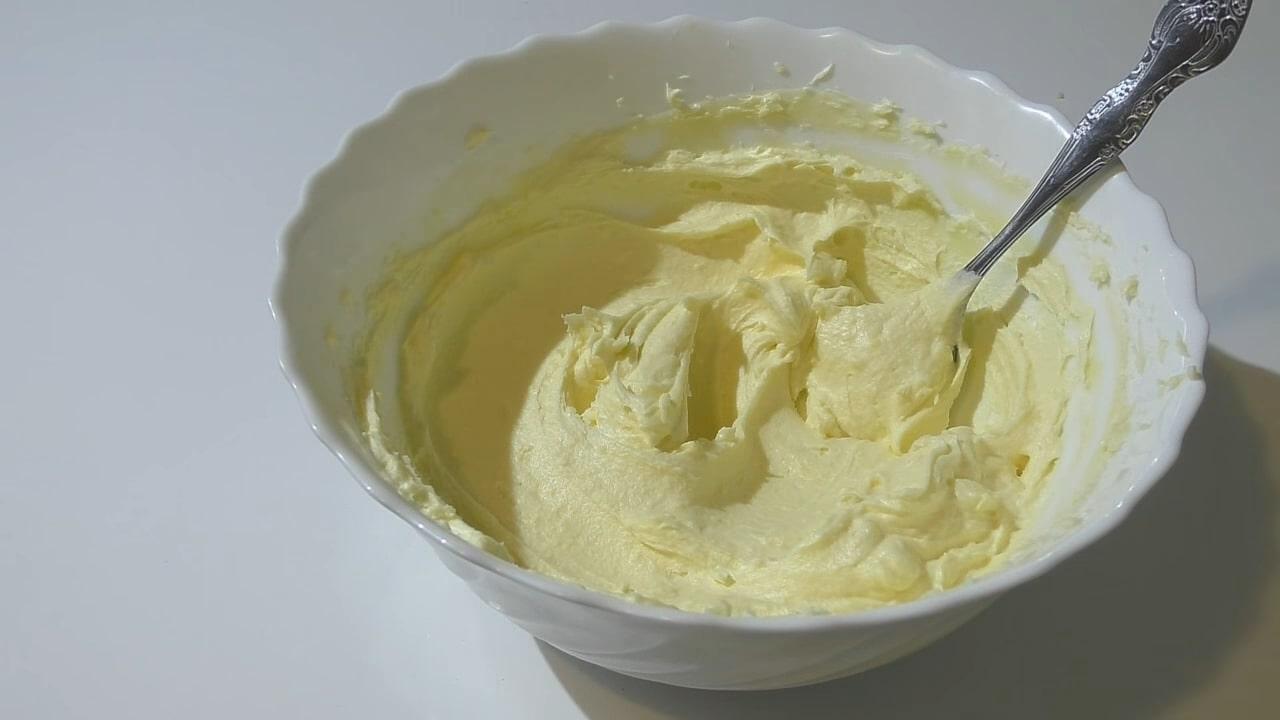
Step 4
Beat the mixture with a mixer until fluffy.
It's best to apply the icing to a slightly cooled kulich. This will allow it to set faster and adhere smoothly. Fondant and egg white icing should be applied to a completely cooled kulich. You can decorate the top with a spatula or a pastry bag. The latter will result in a more voluminous and airy decoration. In some cases, small kulich can be dipped directly into the icing or fondant. This will maximize volume and create beautiful, chaotic drips on the sides of the kulich.
Lemon Curd in 1 Minute
This delicate fudge with a pleasant citrus aftertaste will be an unusual addition to Easter cake.
Ingredients
- Powdered sugar – 150 g
- Lemon – 1 pc.
Cooking time: 2 minutes
Servings: for 1–2 Easter cakes
Step-by-step recipe
Step 1
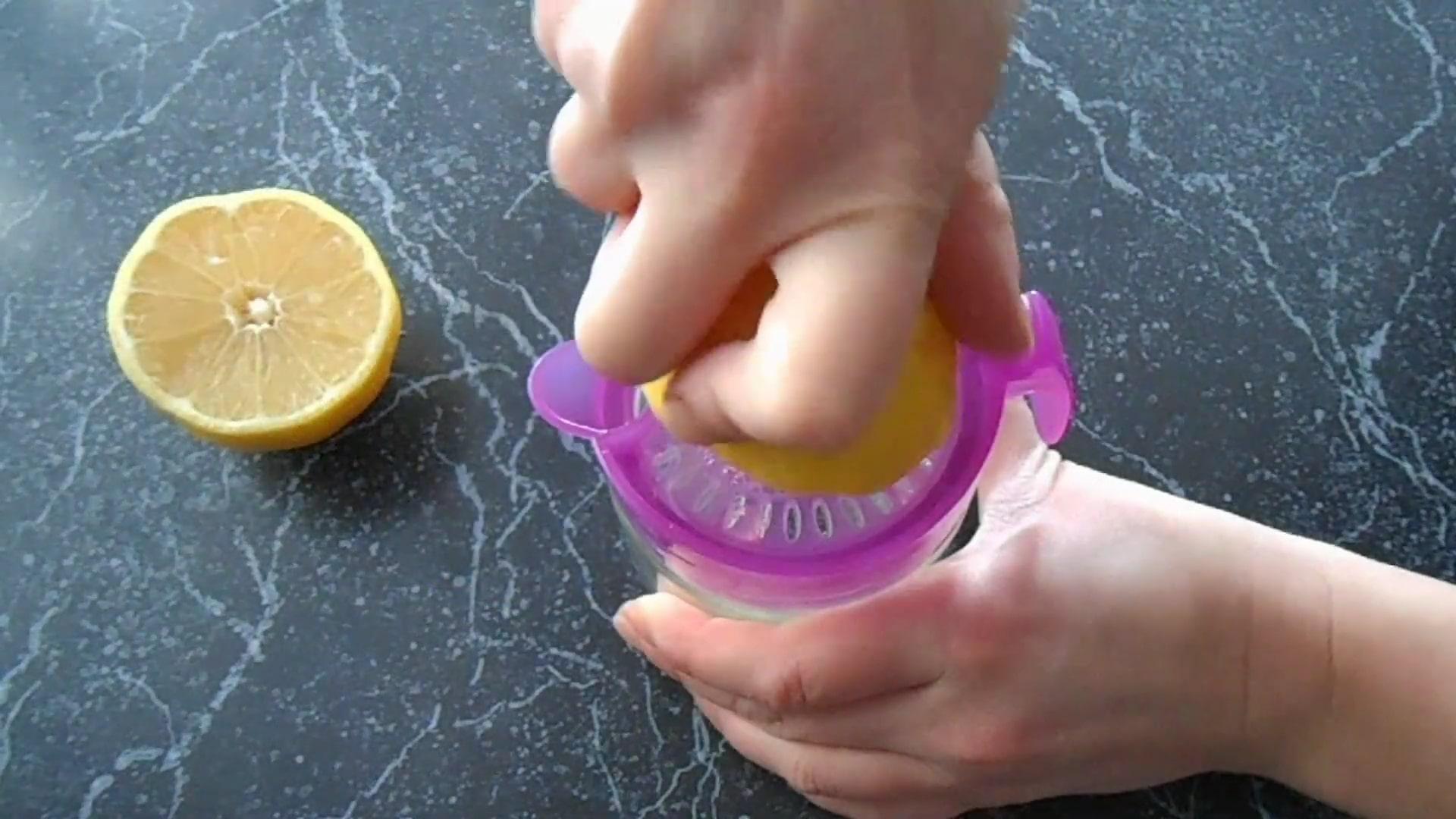
Squeeze the lemon juice. You can use store-bought.
Step 2
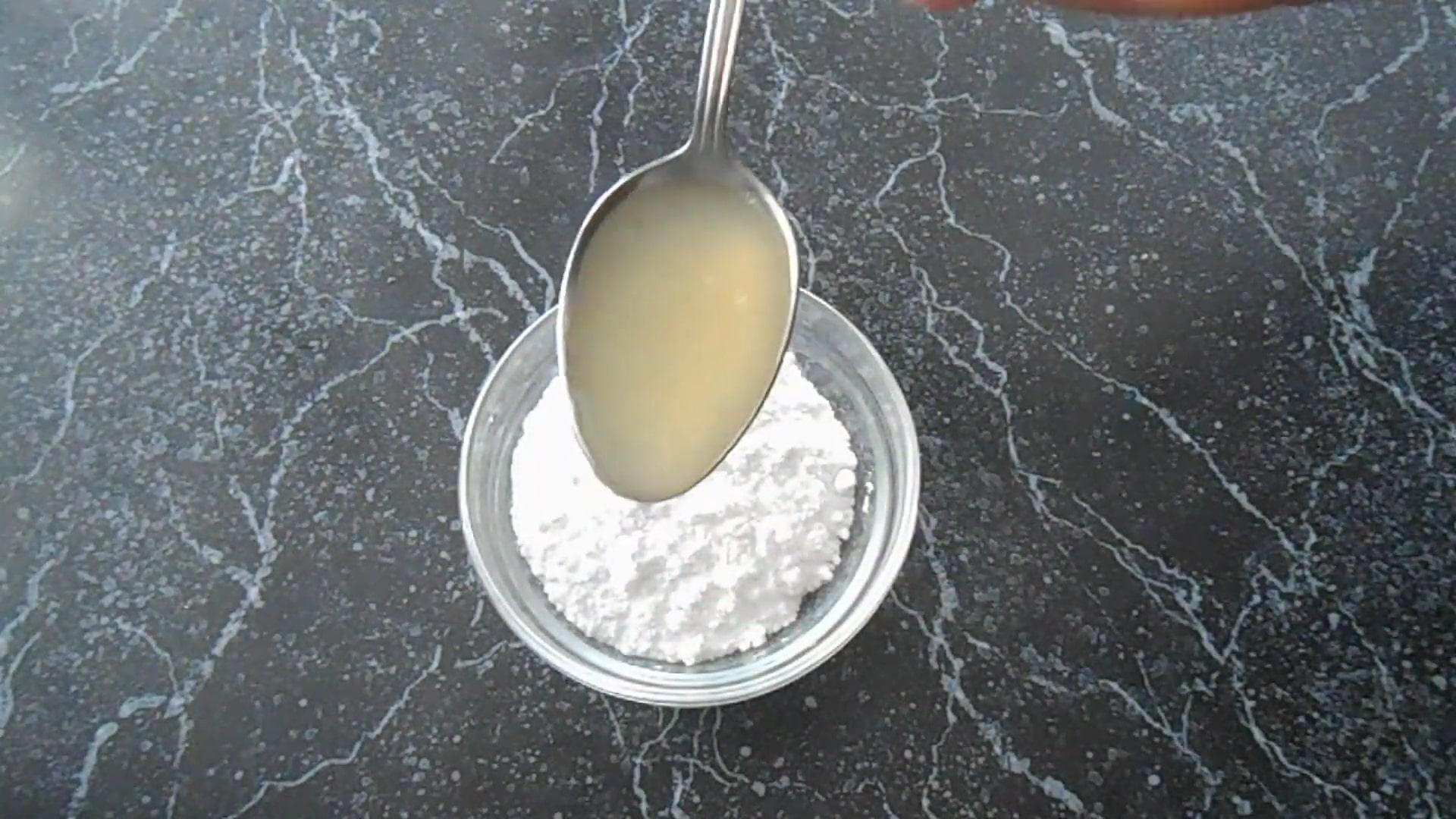
Pour 2 tablespoons of lemon juice into the powdered sugar. Mix thoroughly.
Step 3
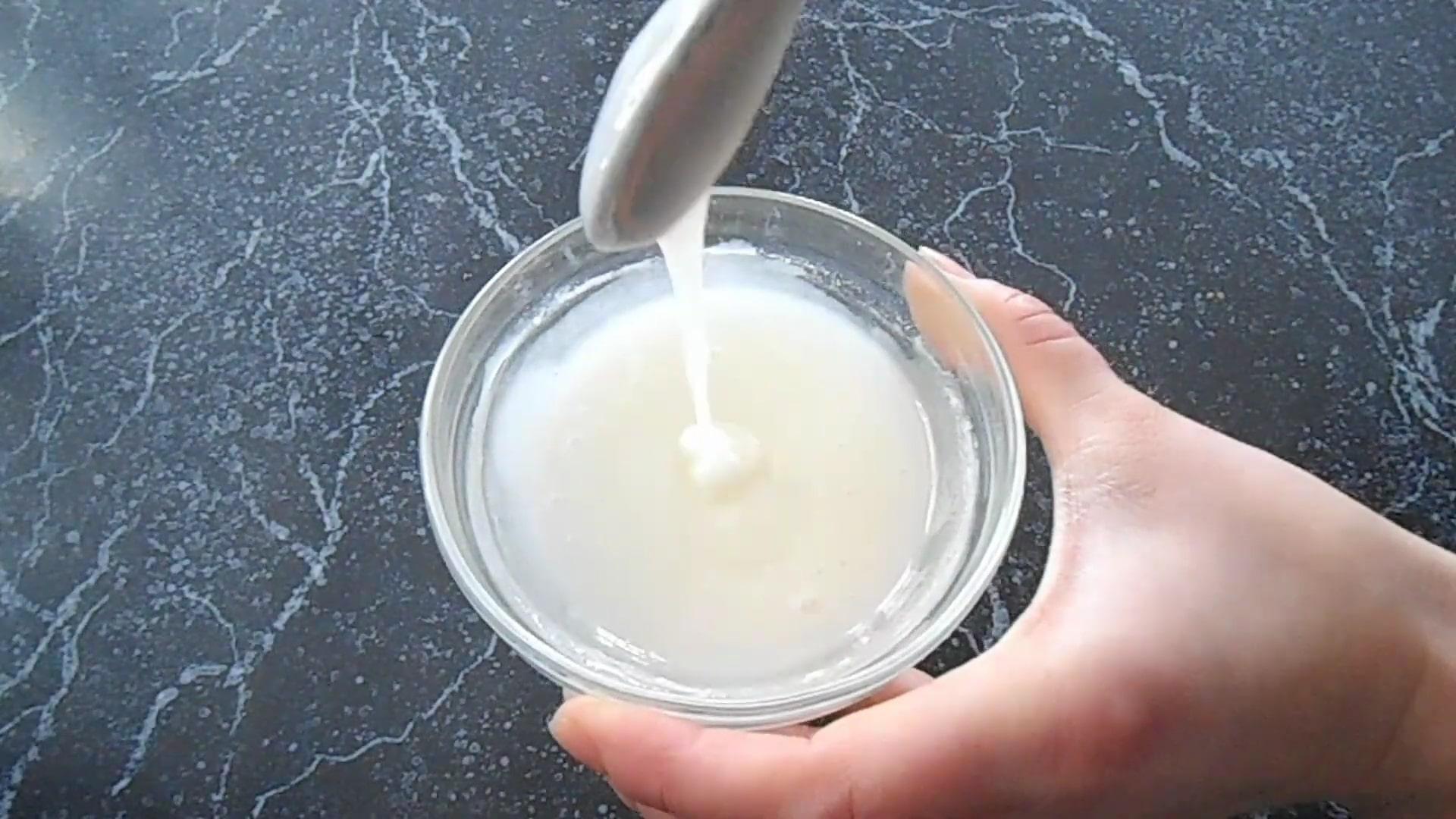
The icing is ready!
Swiss meringue for decorating Easter cakes
This airy, snow-white Swiss meringue is a gorgeous decoration for an Easter treat. It looks very presentable and unusual.
Ingredients
- Proteins – 100 g
- Sugar – 200 g
- Powdered sugar – 50 g
- Vanilla sugar – 10 g
- Citric acid – 1/3 tsp.
- Salt - a pinch
Cooking time:
Servings: for 2-3 Easter cakes
Step-by-step recipe
Step 1
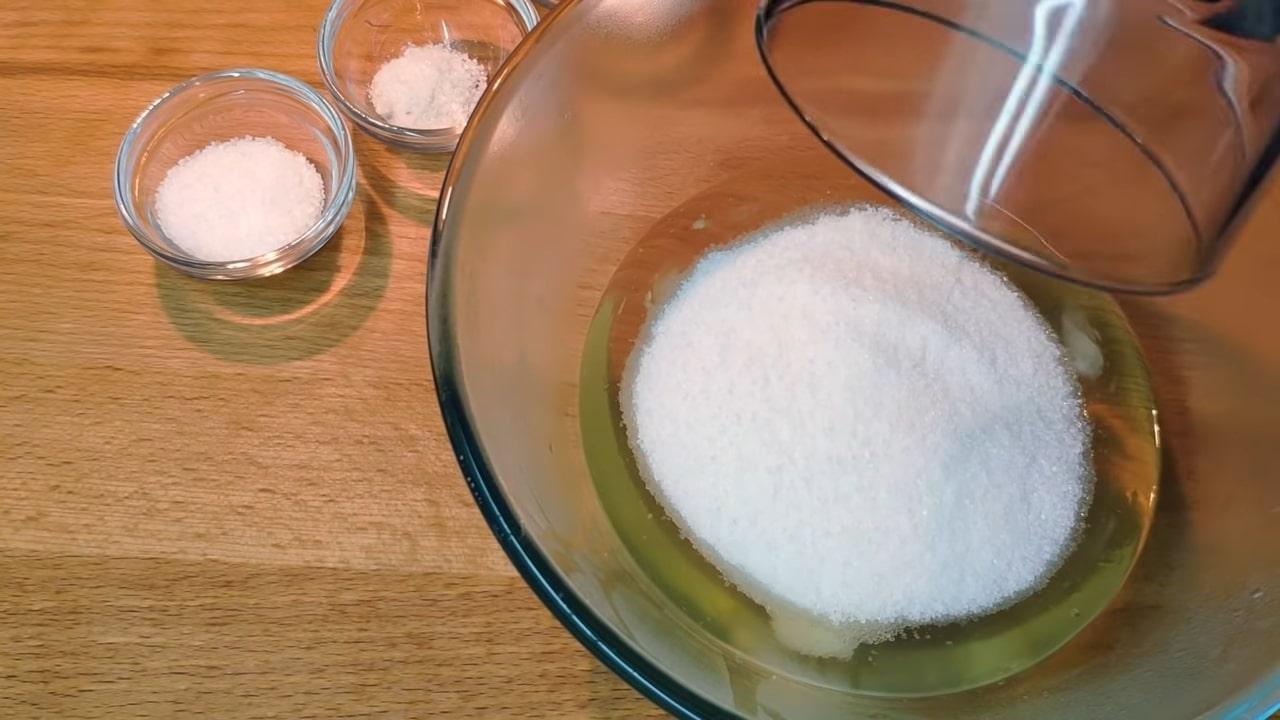
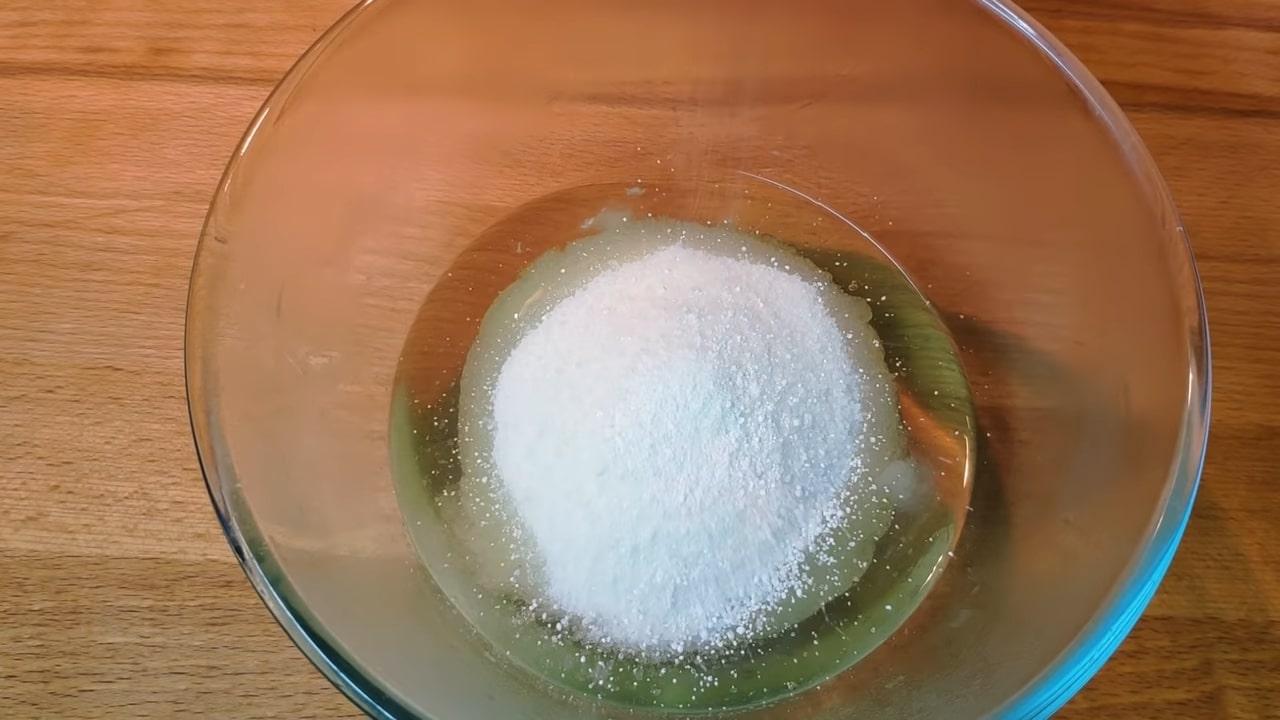
Add sugar, vanilla sugar and a pinch of salt to the cooled egg yolks.
Step 2
Add gelatin.
Step 3
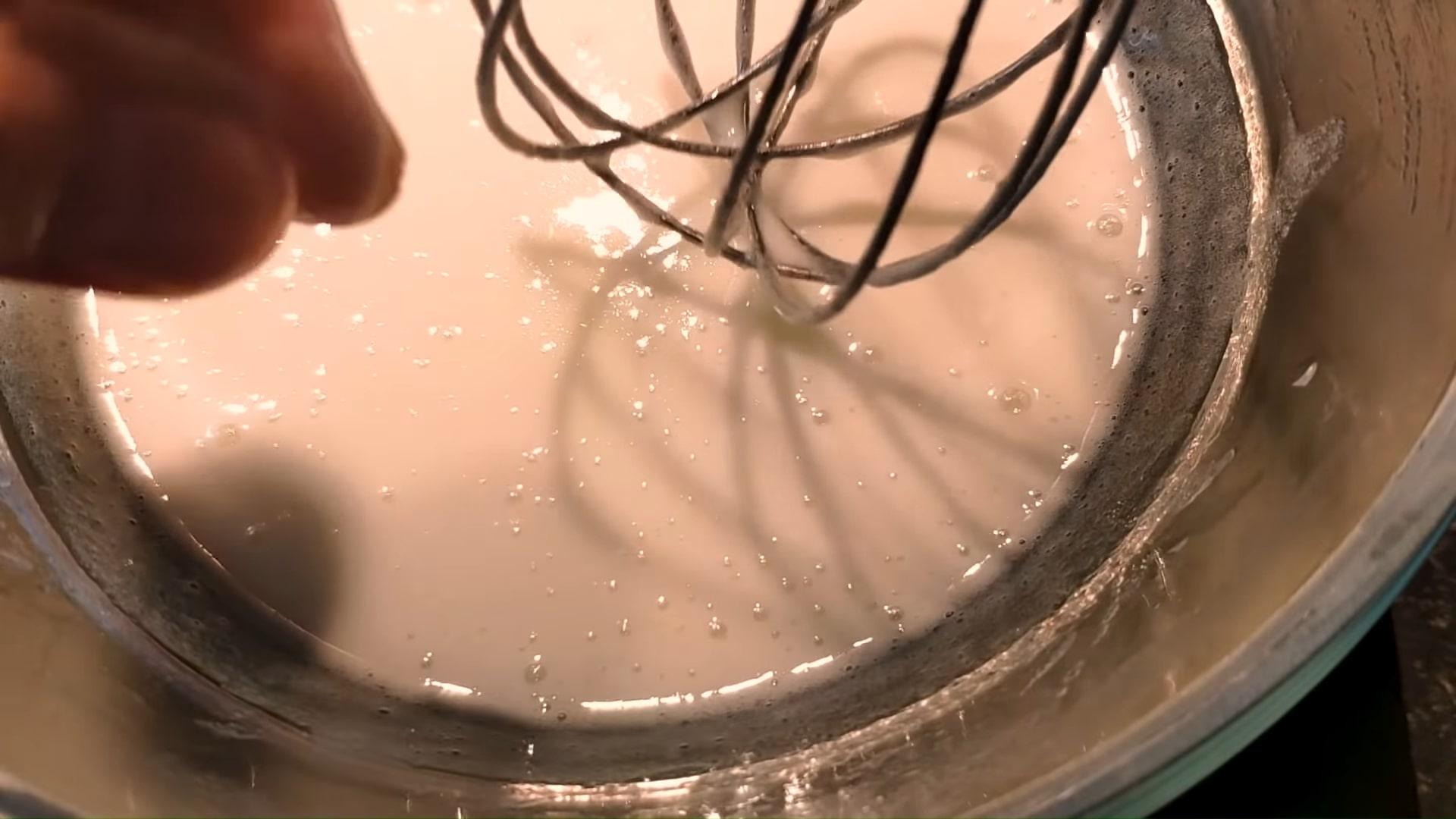
Place the mixture in a water bath. Stir until the sugar dissolves.
Step 4
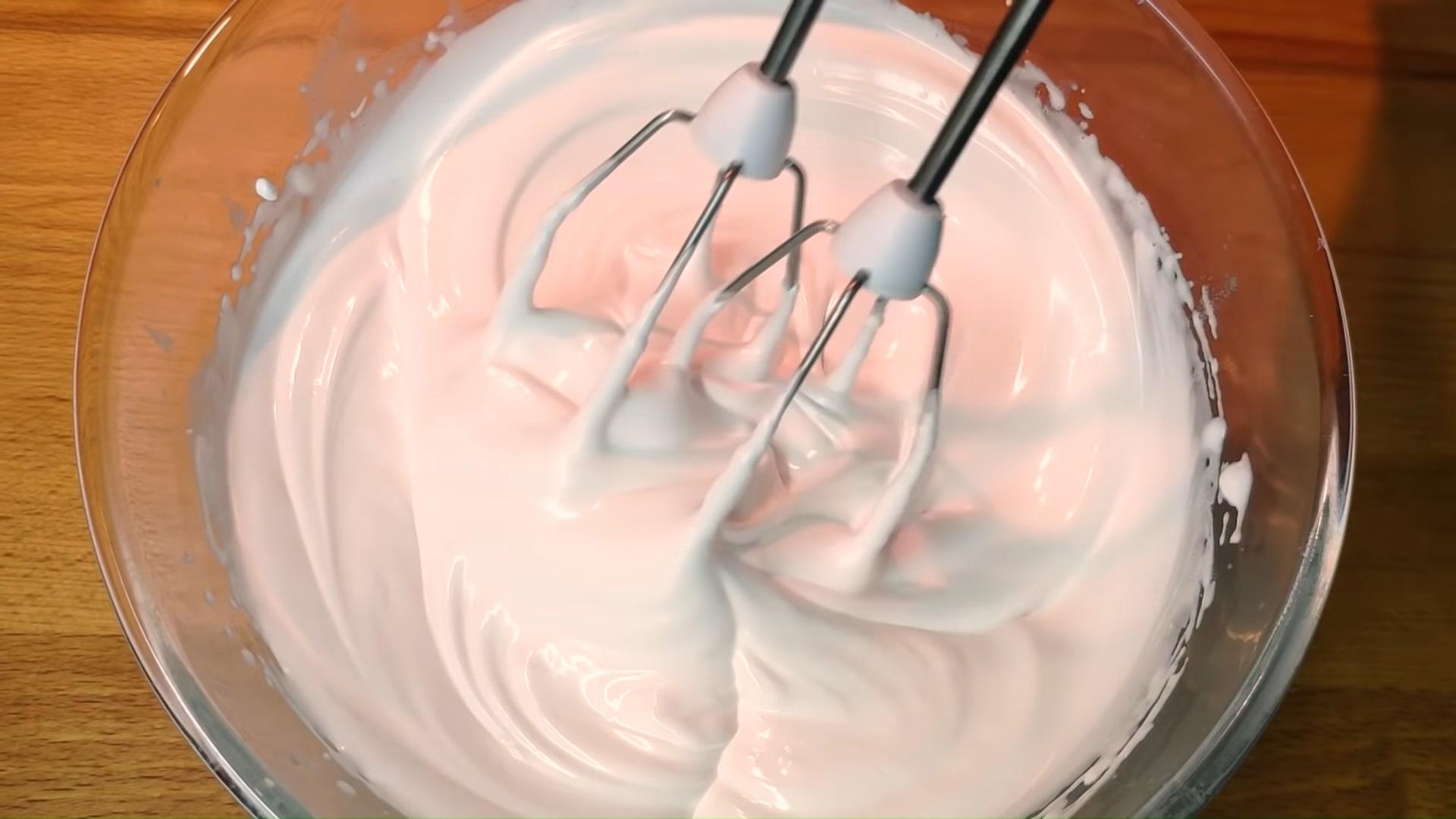
Remove the egg white mixture from the water bath. Beat until thick, creamy foam forms.
Step 5
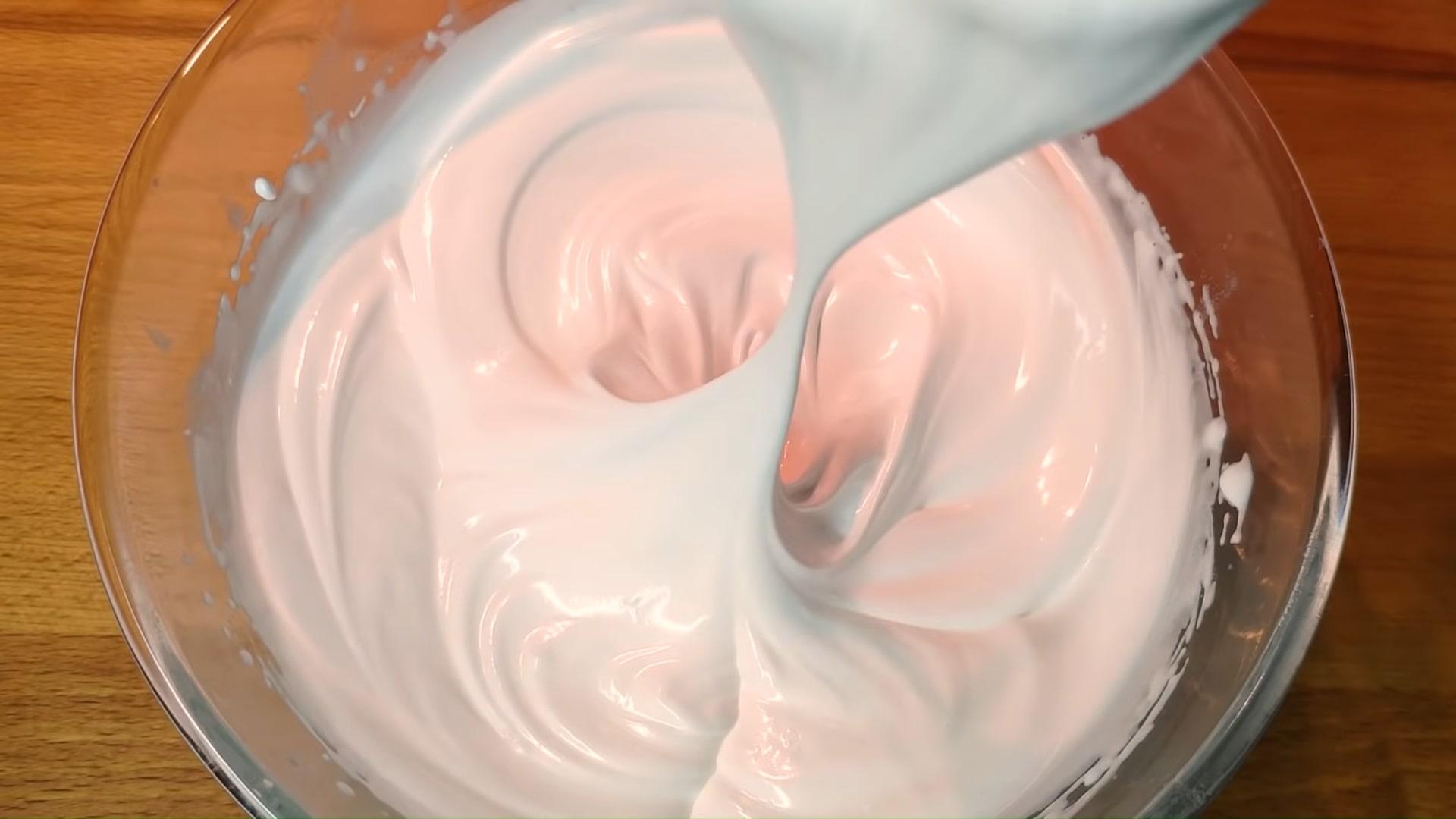
Add powdered sugar. Whip the glaze.
A delicious nutty fudge recipe for Easter cake made with starch
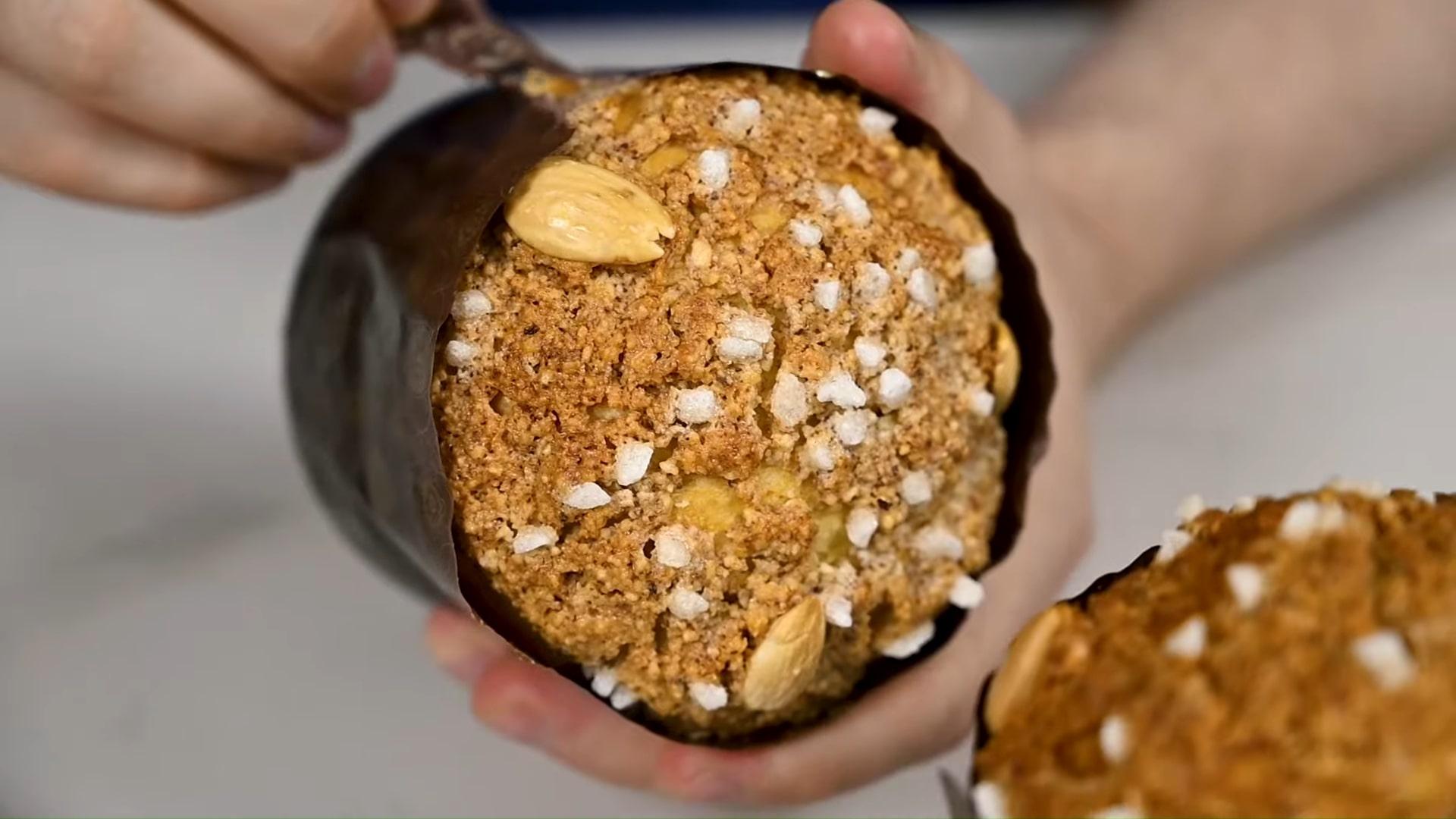
A fragrant, unique frosting with almonds and hazelnuts will impart an incredible aroma to baked goods. Brushing it on the cake before baking will transform the top of the kulich into a textured, golden crust.
Ingredients
- Protein – 1 pc.
- Sugar – 50 g
- Almonds – 40 g
- Hazelnuts – 40 g
- Starch – 10 g
Cooking time: 7 minutes
Servings: for 3-4 Easter cakes
Step-by-step recipe
Step 1
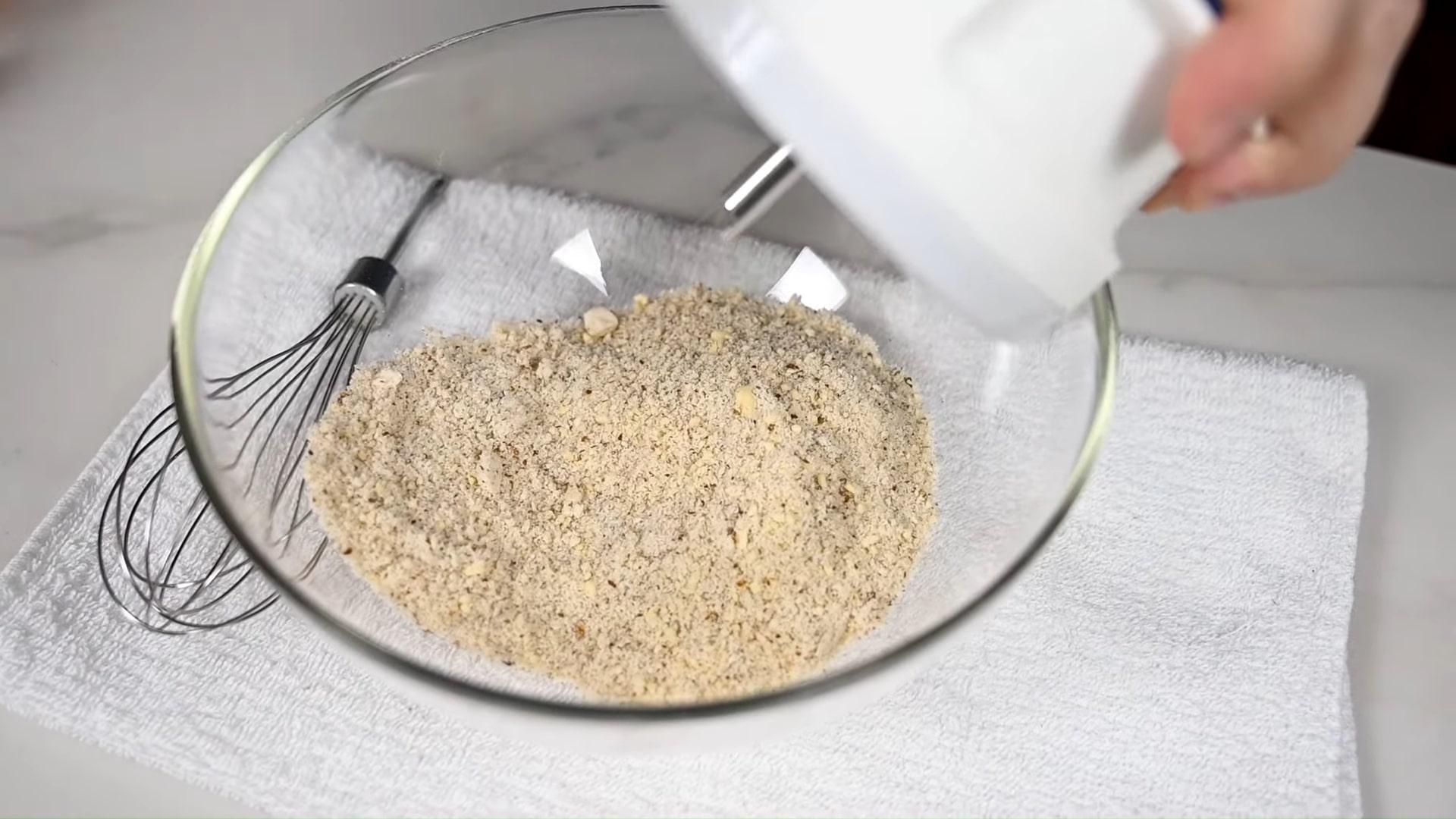
Grind almonds, hazelnuts with starch and sugar into fine crumbs in a blender.
Step 2
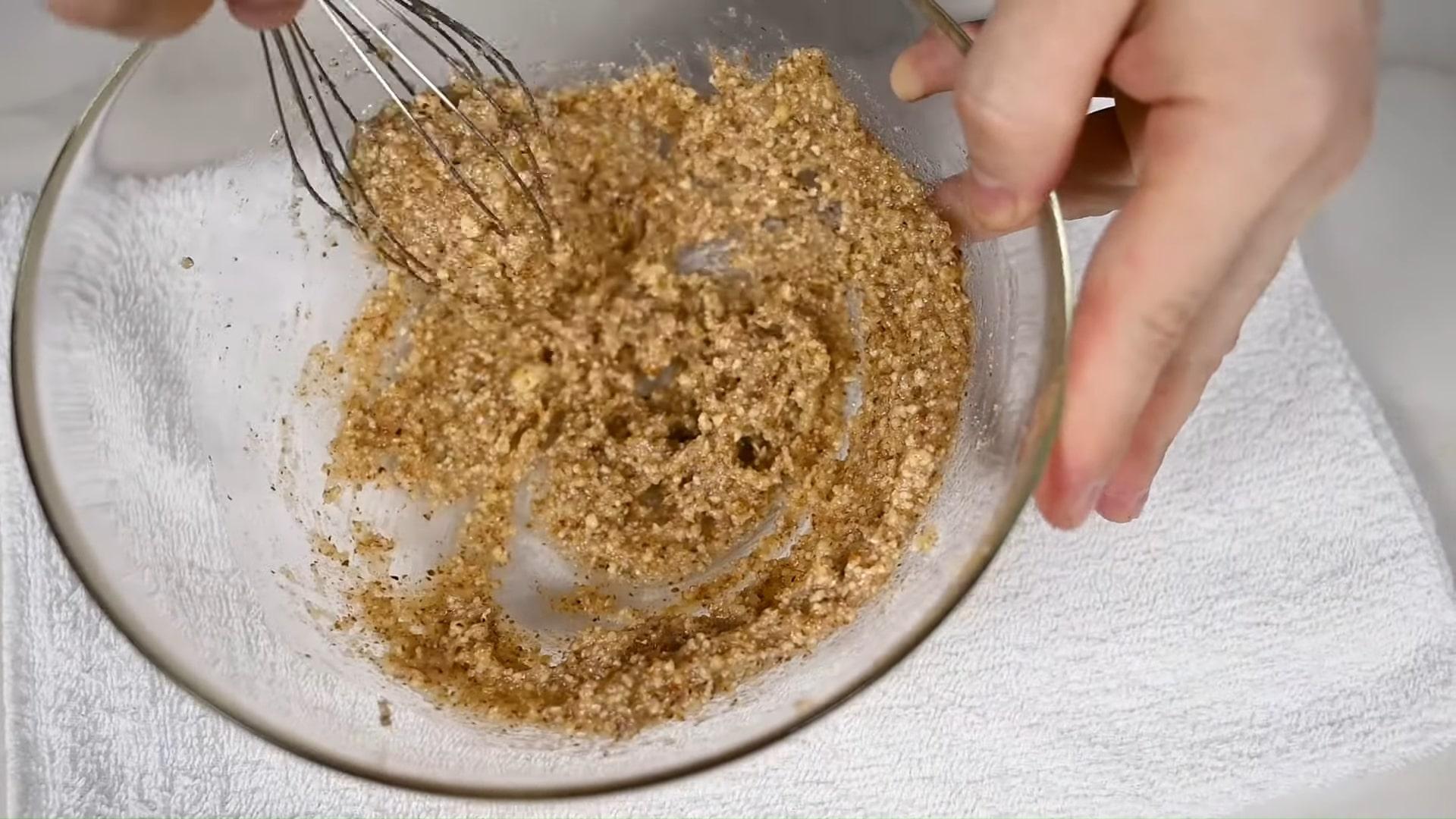
Add the egg white and mix.
Step 3
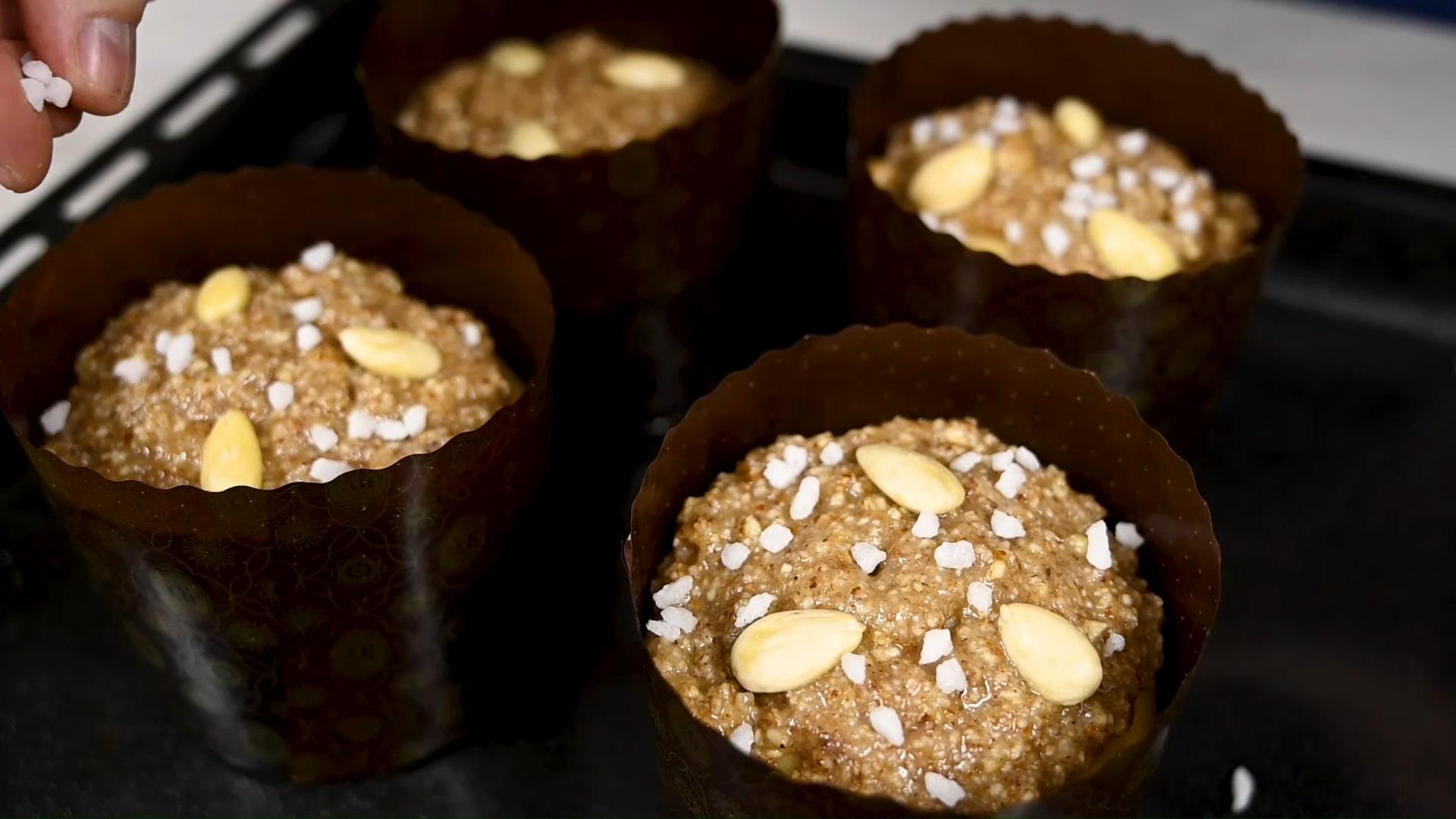
Using a pastry bag, spread the icing onto the tops of the uncooked Easter cakes.
Step 4
We bake Easter cakes.
Snow-white icing for Easter cake made from condensed milk
Sweet, rich, and aromatic, this condensed milk glaze not only makes a wonderful decoration but also enhances the flavor of baked goods.
Ingredients
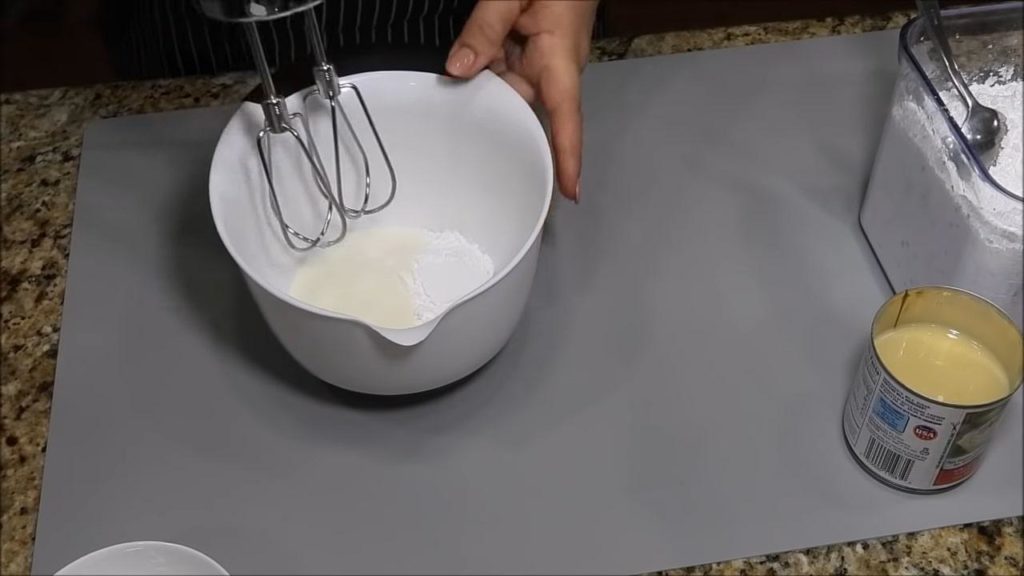
- Condensed milk – 130 g
- Powdered sugar – 2 tbsp.
- Powdered milk – 4 tbsp. l.
- Vanillin - a pinch
Cooking time: 1 minute
Servings: for 2-3 Easter cakes
Step-by-step recipe
Step 1
Add dry ingredients to condensed milk.
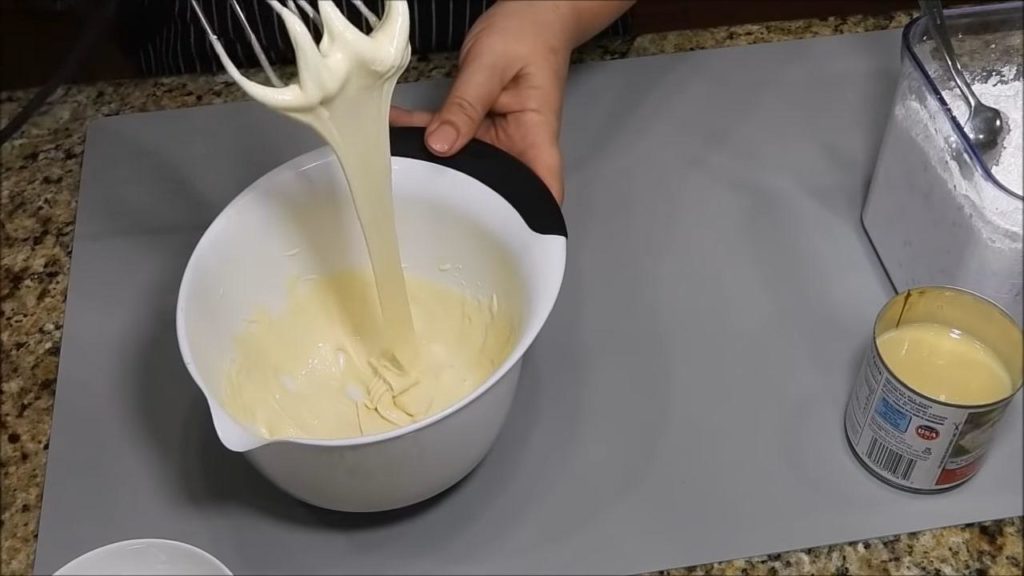
Step 2
Mix until smooth.
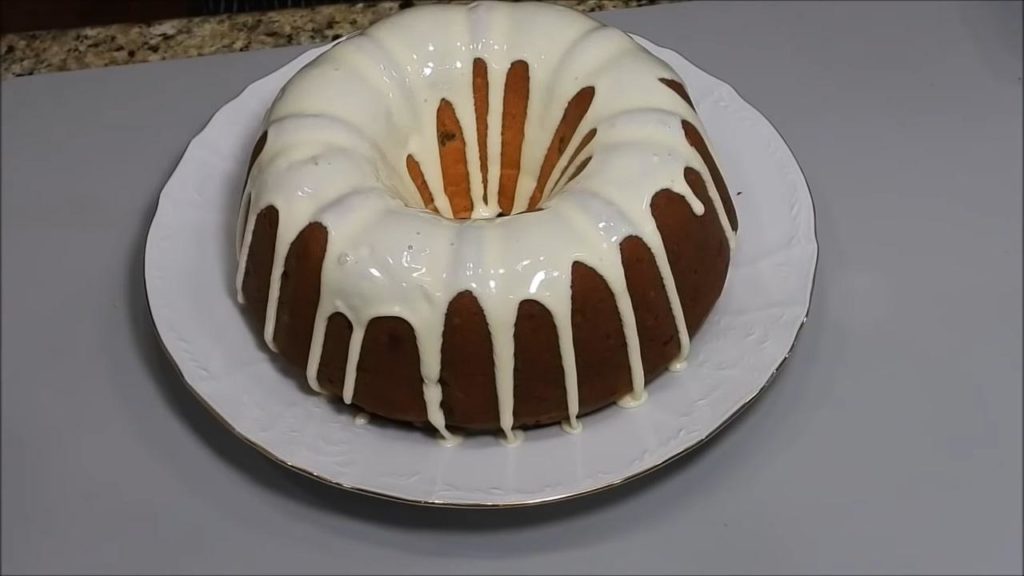
Step 3
Cover the cooled cake with icing.
Chef's Answers to Frequently Asked Questions
🔸the sugar has not dissolved completely;
🔸warm egg whites were used in preparation;
🔸it turned out too runny;
🔸the whites are not beaten enough;
🔸grease cold Easter cakes.
In addition, the freshness of the eggs, the temperature of the ingredients, the order in which sugar and powdered sugar are added, and the speed of the mixer are important.
If the icing is too thick or too thin, overwhipped, or contains too much sugar or powdered sugar, it may crumble. Therefore, pay attention to these factors when preparing it.
| Icing | up to 14 days |
| Protein glaze | from 1 to 3 days |
| Royal icing | up to a week |
| Mirror glaze | up to 14 days |
| Chocolate glaze | from 3 to 6 months |
| Meringue | From 7 to 10 days |
All glazes should be stored in the refrigerator or in a cool, dark place without exception. Cover the container with plastic wrap to prevent air from entering and damaging the glaze's structure.
If the glaze turns out runny:
🔸let the mixture cool slightly;
🔸Add extra powdered sugar;
🔸use cornstarch or tapioca;
🔸try thickening it with a small amount of strong flour;
🔸Add cream cheese or heavy cream;
🔸Use extra cocoa powder in the chocolate glaze.
Thick glazes are best thinned with additional liquid. Add water or syrup little by little until you reach the right consistency.
This sweet, beautiful glaze is quick and easy to make. Just a few ingredients and a couple of minutes of your time will transform your Easter cake into a beautifully decorated kulich.
Video: White Frosting for Marshmallow Cake
The creator of the "Recipe Collection" YouTube channel is known to me for her love of baking. I've already come across recipes for incredibly delicious muffins, pies, bread, and other baked goods. Dina's dishes are always simple and easy. And even a child can make them.
Today I'd like to share a video recipe for a unique marshmallow glaze for Easter cake. Marshmallows are a type of soft marshmallow, more reminiscent of a delicate soufflé. Glaze made with them is glossy, elastic, and incredibly sweet with a pleasant aftertaste. Furthermore, it doesn't crack, stick, or crumble. It looks very elegant and beautiful.