The Tradition of Baking Easter Cakes: What Is Easter Bread?

Content
Easter is a traditional Christian religious holiday associated with the resurrection of Jesus Christ from the dead. For believers, it is one of the most important holidays, heralding the greatest miracle. On this day, traditions and rituals that have come down to us from ancient times are observed. Even children know the attributes of Easter Sunday. Kulich is one of the main dishes of the Easter table, yet we know too little about its origins, symbolism, and the peculiarities of its form. After all, few people consider the difference between kulich and paska. But they are more than just a holiday dish.
Bright Easter: the history and meaning of the holiday for Orthodox Christians
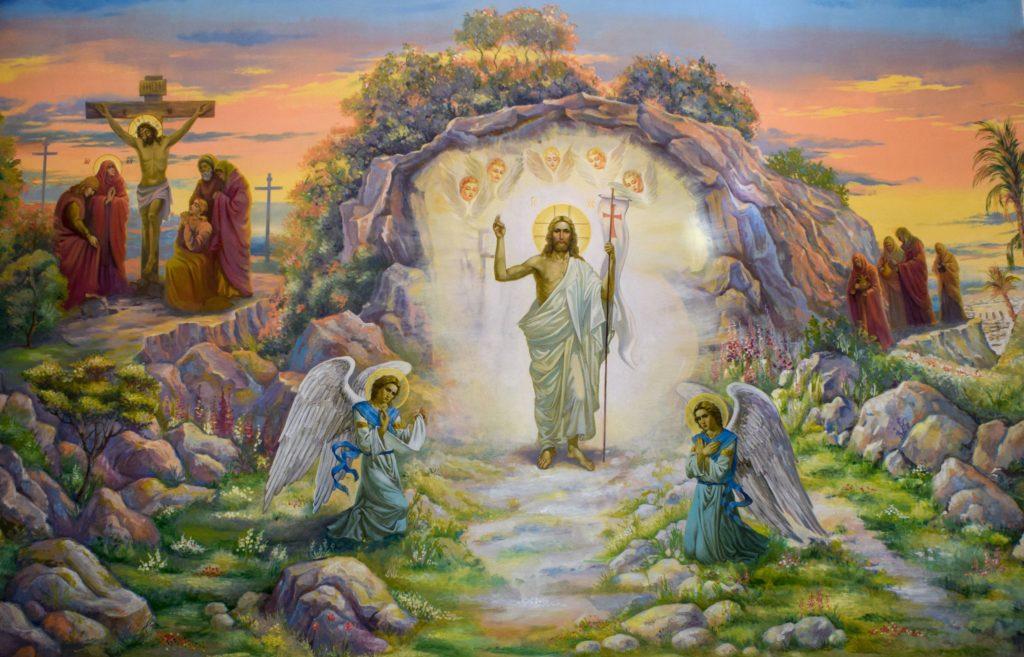
Easter — One of the most important Orthodox holidays. It has its origins in the Jewish religion. Originally, Passover or Pesach (Hebrew: פֶּסַח—transition) symbolized the Jews' escape from Egyptian captivity. It arose after the wandering people crossed the parted waters of the Red Sea. It was then, on Mount Sinai, that the Jews gained freedom and received a revelation of God.

We understand Christian Easter in a different light. It is the day when Jesus Christ, risen from the dead, appeared to his disciples. The apostles believed that this event was foretold by the Old Testament, and the resurrection of the Son of God itself — This is a transition. Humanity's transition to Light, immortality, and dispassion. Just as the Jewish people once cast off the shackles of slavery, so humanity, after the sacrifice of Christ, received the opportunity to cast off the burden of the first humans' fall. — Adam and Eve.
What does Easter cake symbolize?
The symbolism of Christian Easter is obvious. This holiday is imbued with many sacred meanings. Some of these are conveyed through rituals, while others — through the dishes of the festive table. Easter cake — one of such embodiments of such symbols.
According to Holy Scripture, at the Last Supper, Jesus treated his disciples to bread, which he proclaimed to be "his body." After the resurrection, none of the apostles dared to take the Teacher's place, but instead placed bread where he had previously sat. It became, as it were, an attribute of Christ, his incarnation. Thus, the appearance of kulich on the festive table connects everyone present with the light and goodness. — to God.
Easter cake: description and baking requirements
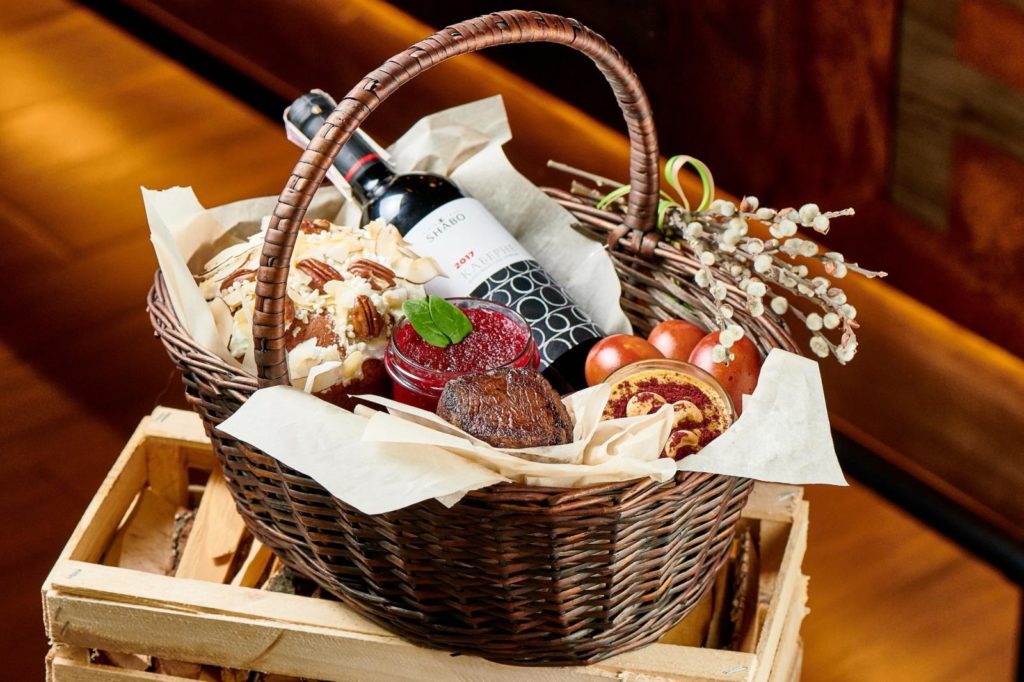
Easter cake — An essential attribute of the Easter basket and table. Nowadays, it can be modified and replaced with other baked goods, but it's indispensable. So what should a kulich be, and what does its shape signify?
Test requirements
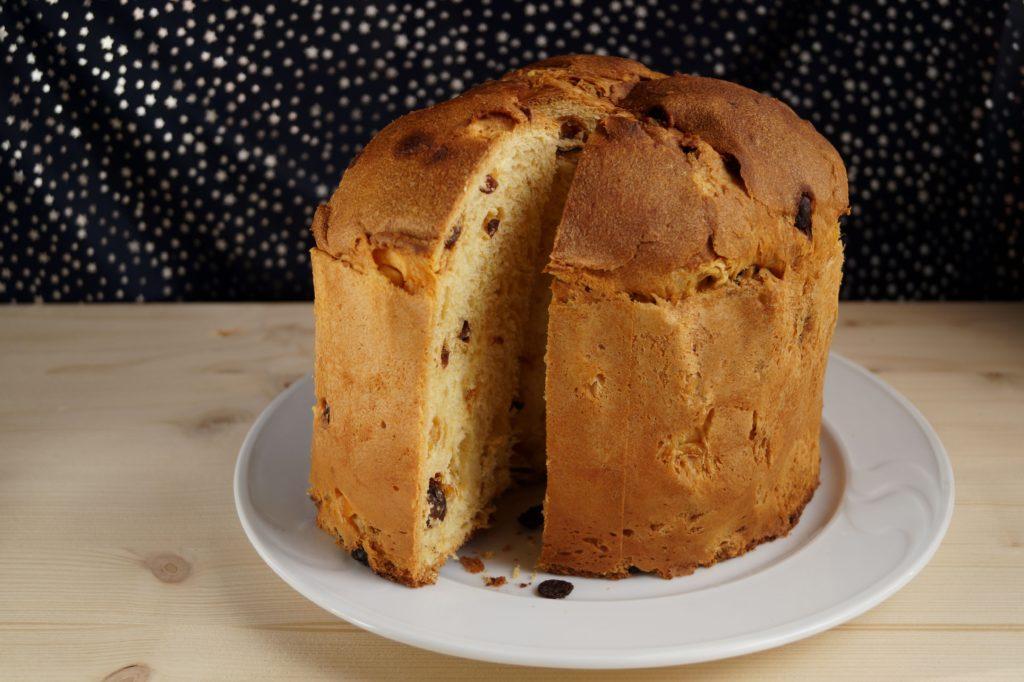
Baking Easter cakes is a labor-intensive and time-consuming process. Every homemaker knows this. Creating the perfect Easter cake requires not only patience, but also pure intentions and a good mood. The dough may not rise if you bake it while upset or after a fight.
The correct dough for Easter cake:
- has a uniform consistency. Dough that is too thin or too thick risks not rising;
- does not stick to hands;
- maintains temperature not lower than 30 C;
- rises three times;
- easy to cut with a knife after baking.
I came across a video recipe for a classic Easter cake on food blogger Olga Matvey's YouTube channel. The author explains in great detail the process of making these delicate, fluffy, and moist Easter cakes, which stay soft for a long time and don't go stale. Olga shares the secrets of making delicious, fluffy, and airy baked goods without a sponge.
Her kitchen hacks are simple, yet incredibly helpful for making the perfect Easter kulich. The video also includes a recipe for a gorgeous, sweet meringue glaze for decorating.
Why is the Easter cake shaped like this?
The shape of the kulich wasn't always the same. For example, in Siberia, it was common to bake a rye-flour gingerbread in the shape of a cross. It was always placed near the icon before which people prayed. In the Vologda region, the traditional Easter pastry was baked in the shape of an open berry pie. However, it was almost always a tall, cylindrical loaf, decorated with meringue icing and bearing the image of a cross.
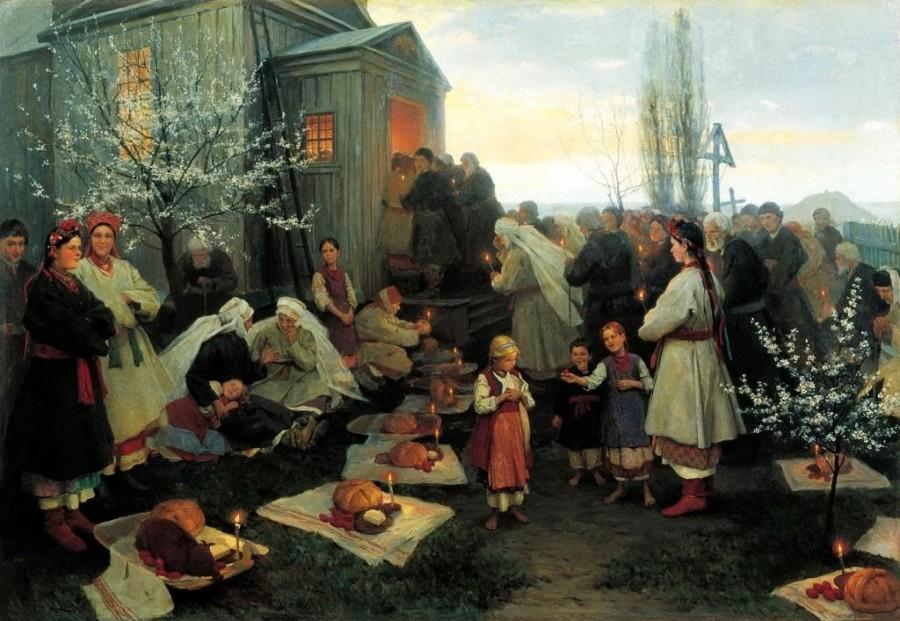
There's still no consensus on why Easter cakes are baked the way they are today. Here are a few theories.
The first refers to ancient pagan times, when ceremonial bread was associated with the god of fertility. The phallic shape of the kulich was identified with the reproductive organ. — the beginning of a new life.
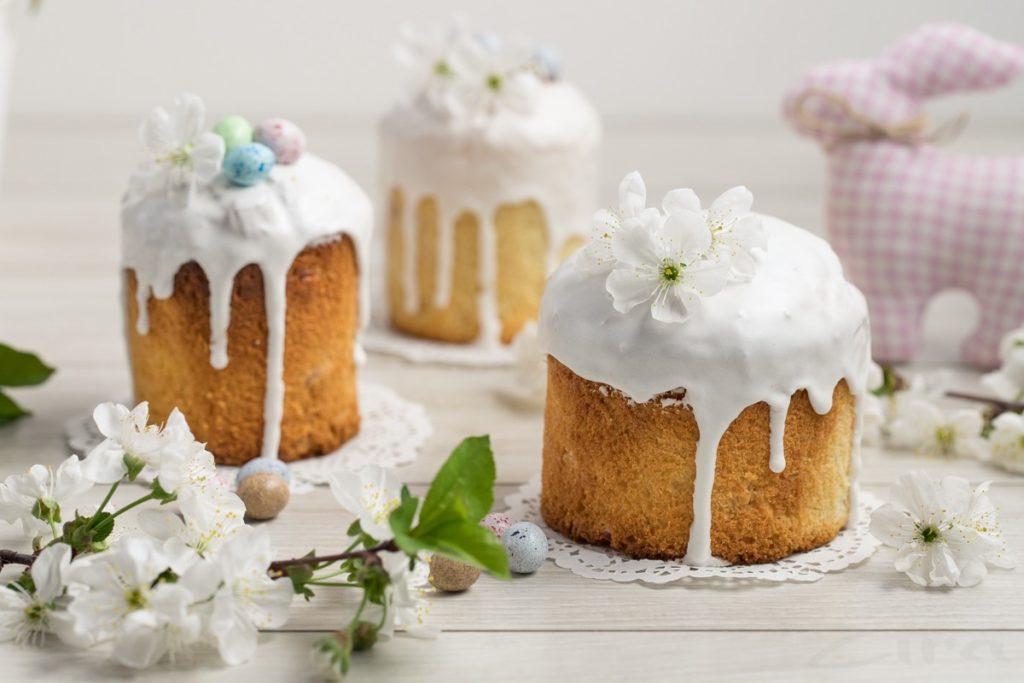
The calendar-ritual version states that our ancestors, the ancient Slavs, also baked a tall, round loaf of bread. This loaf was called "kolocha," meaning "child of the daylight" or "child of the sun." It was offered to the gods, who granted them an early spring and a bountiful harvest.
In Christianity, the shape of the kulich symbolizes the shroud of Christ, which, according to Jewish custom, was round. The tall, fluffy dough conveys nature's yearning for the sun.
When can't you bake Easter cake?
According to church canons, the most auspicious day for preparing Easter baked goods is Maundy Thursday. The final deadline for preparing this festive product — Holy Saturday. Of course, you should bake the Easter cakes early in the morning on this day, because you need to get it done before sunset.
There's no strict prohibition on when exactly one shouldn't bake Easter cakes. However, church officials discourage cooking on Good Friday. It was on this day that Jesus Christ was crucified and then buried. Therefore, Friday is considered a day of great sorrow throughout the Christian world. On the fifth day of Holy Week, churches hold special services, including the removal of the shroud. According to religious beliefs, one should eat pre-prepared food, fast, and pray on this day.
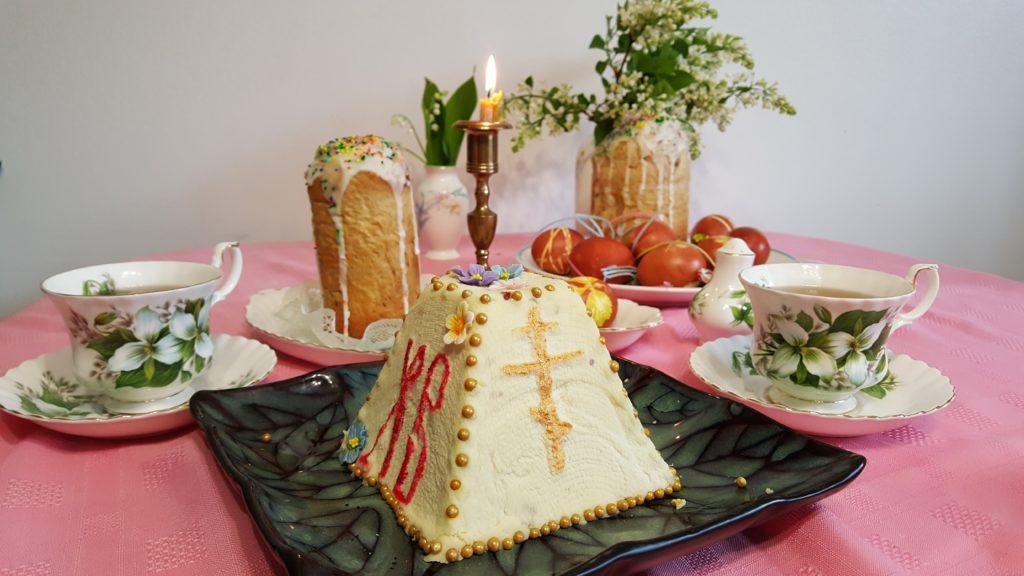
What's the difference between kulich and paskha? This question is a source of much debate. So what do housewives actually serve at the holiday table?
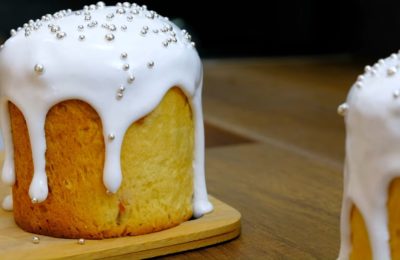
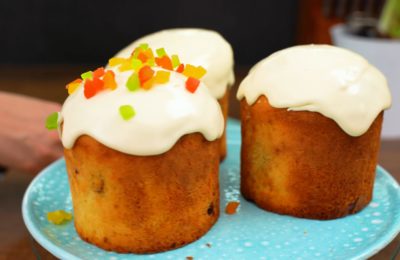
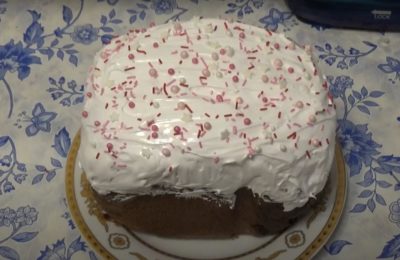
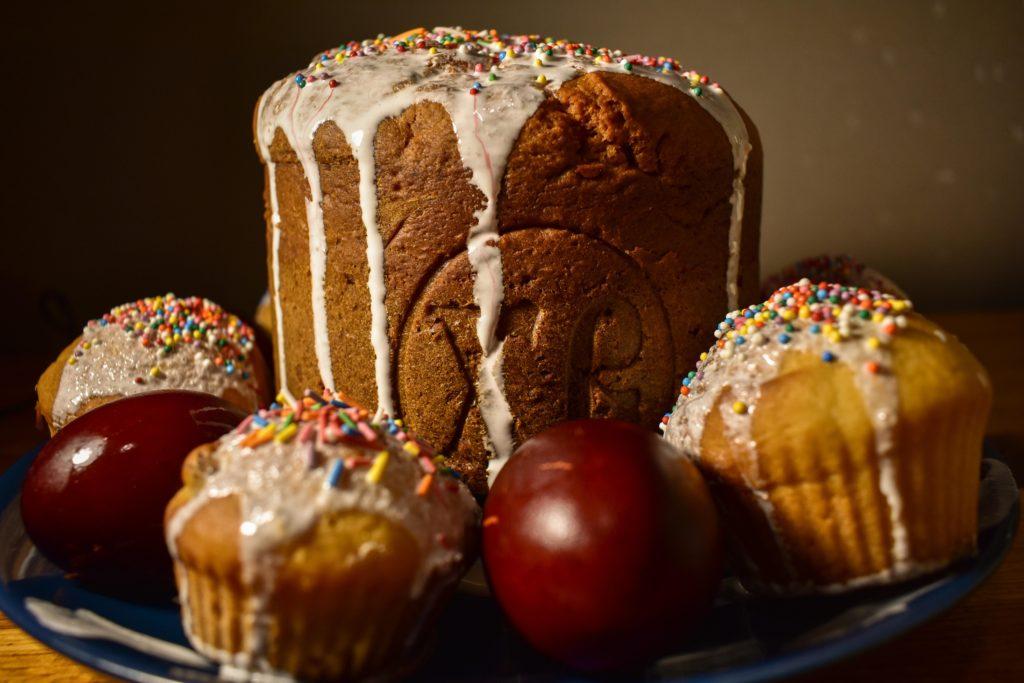
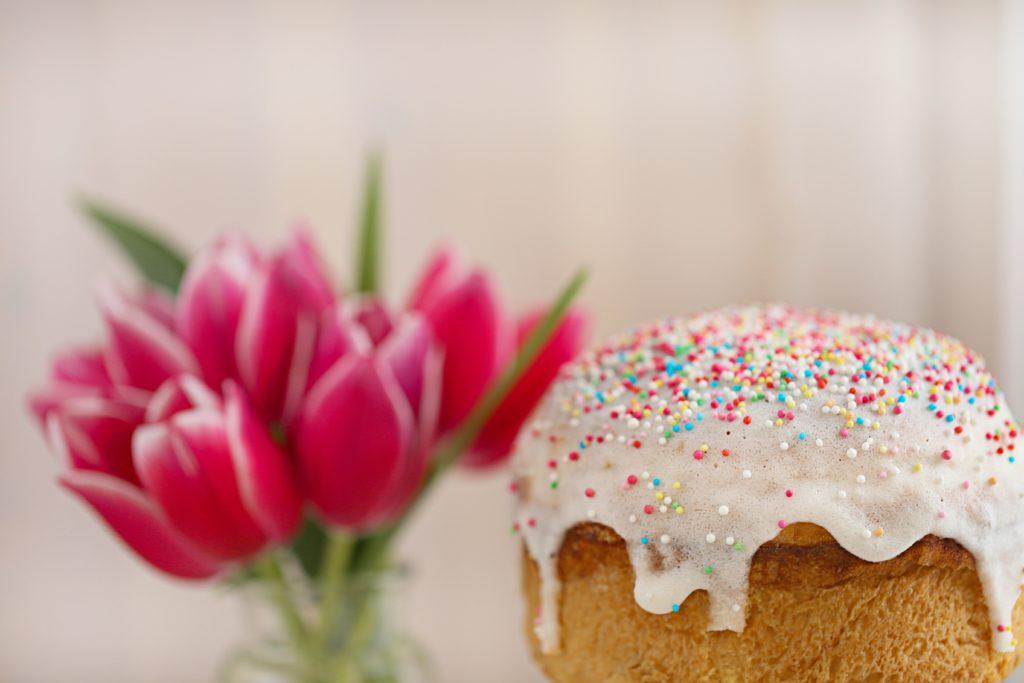
Easter cake Kulich is a tall, cylindrical, sweet bread with a top decorated with white icing and sprinkles. Its main feature is its yeast dough, which symbolizes life.
Easter cake – is a dish made from pressed cottage cheese in the shape of a truncated pyramid. It represents the Holy Sepulcher, where the greatest miracle of our era – the resurrection of Jesus – occurred. The pyramid's sides are traditionally decorated with the letters "ХВ," signifying the greeting "Christ is Risen!"
What can you bake for Easter besides kulich?
Easter baking — This is something no one can imagine celebrating the Resurrection of Christ without. Many housewives imagine that a basket wouldn't be complete without kulich or paska. But this is far from true. Your favorite cupcakes, muffins, muffins, pies, buns, and cookies are excellent alternatives to traditional Easter cakes. They can also be used as a delicious complement to kulich. Small desserts that replicate the decor of the main pastry will look very harmonious and sweet. They can be a great treat for children, who will appreciate the attention on this day.
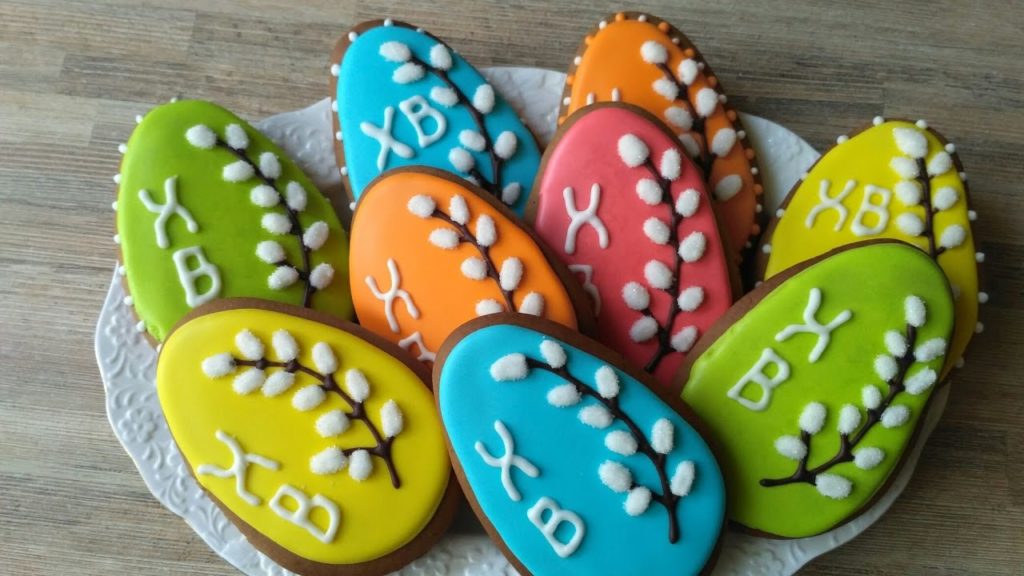
Easter shortbread cookies
- Proteins: 0 g
- Fats: 0 g
- Carbohydrates: 0 g
- Total time:
-
Complexity:
It's easy and straightforward to prepare, but it does require some experience. Not everyone can do it right the first time.
- Number of servings: 16
Ingredients
-
Egg yolk2 pcs
-
Flour180 G
-
Powdered sugar100 G
-
Butter100 G
-
Cornstarch20 G
-
Baking powder1 tsp
-
Saltto taste
Preparation

Beat soft butter until smooth, about 1–2 minutes.

Gradually add powdered sugar or finely crystallized sugar to the butter, whisking.

Add the yolks with a pinch of salt. Beat.

Sift the cornstarch and baking powder into the flour. Mix. Gradually fold the dry ingredients into the egg-cream mixture. Mix with a spatula.

Form the finished dough into a ball. Wrap in cling film. Refrigerate for 30 minutes.

After half an hour, remove the dough from the refrigerator and transfer it to a work surface. Roll out the dough, covering it with plastic wrap, to a thickness of 0.5 cm.

Using a stencil or a regular sharp knife and a handy tool, cut out cookie shapes from the rolled out dough.

Line a baking sheet with parchment paper. Place the cookies on it. Bake in a preheated oven at 200–220 degrees Celsius until done.

Decorate the cooled cookies with chocolate and regular icing, creating a pattern in the form of willow branches.
What new things have you learned about the main Easter dish? Share them in the comments..