Hot treats: chocolate and baked apples

Content
Any delicacy that traditionally concludes a lunch or dinner is called a dessert. While not essential from a nutritionist's perspective, these dishes are nonetheless indispensable: they create a festive atmosphere and bring pleasure and joy to life with their exquisite appearance and taste. These beloved delicacies can be divided into two main categories, depending on serving temperature: cold and hot desserts. We'll focus on the latter.
These delicacies are especially delicious in the fall and winter. When it's cold and damp outside, the delicate aroma of baked fruit will remind you of sunny summer and lift your spirits. These warm sweets will fill you with energy and positive emotions.
The Neverending Story
Dessert is a word of French origin. It literally means "to clear the table." This refers to the dishes served at the end of a meal, after the main courses have been cleared. Originally, dessert was a light, airy treat with a refreshing effect. It's no surprise that fresh fruits, berries, and juices were the main ingredients used to prepare it.
Nowadays, the word "dessert" conjures up images of something sweet, mouth-watering, and delicious. It's no secret that people have always loved sweet treats. The ancestor of all desserts, of course, was honey. It was served both on its own and as an addition to various dishes and baked goods. This continued for quite a long time—other sweets were simply unknown.
The dessert's "golden age" only began in the 18th and 19th centuries, when sugar, and later chocolate, became available to Europeans. And then, chefs gave free rein to their imagination.
An endless variety of recipes for "third" courses, including hot ones, has appeared:
- drinks (coffee, cocoa, tea);
- pancakes, croutons, omelettes, fritters with fruit;
- cottage cheese casseroles;
- various puddings, risotto;
- baked or flambéed fruits and much, much more.
To this day, confectioners from different countries are constantly improving their art of creating exquisite, refined and, of course, unsurpassedly delicious desserts.
How to please yourself and your loved ones
Creating a festive atmosphere in your home doesn't require much: just a little desire. Don't be afraid to experiment. Anyone can become a chef in their own kitchen. And what could be better and more desirable than a treat prepared with love and care for your loved ones? The recipes below will help you create your own culinary masterpieces.
Chocolate
It's hardly a mistake to say that everyone loves chocolate. It originated in the Americas. The ancient Olmec civilizations, and later the Mayans and Aztecs, considered chocolate a drink of the gods. Only a select few were permitted to drink it. However, the Indians' "chocolatl" was significantly different from the sweet drink we're accustomed to: ground cocoa beans were mixed with cold water and hot pepper.
Europeans refined the recipe to suit their tastes, replacing pepper with sugar. For a long time, chocolate was also used as a medicine. And for good reason: it contains a wealth of vitamins, flavonoids, and microelements. Chocolate is an excellent antidepressant; it energizes, lifts mood, and improves brain function.
But let's get back to our topic. Desserts are meant to be enjoyed, and hot desserts are also meant to warm you up.
Hot chocolate
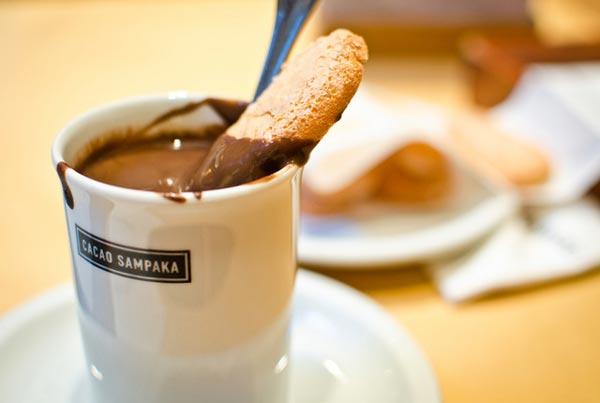
The easiest warming dessert to make is hot chocolate. But this simplicity doesn't make it primitive. Various additives—vanilla, cinnamon, nutmeg, and cardamom—will create a unique and inimitable flavor each time. Ginger, a "hot" spice, is also a welcome addition: it adds a subtle aroma and an extra warming kick. Ginger also improves digestion and is a renowned aphrodisiac and excellent antioxidant. You can experiment with adding chili pepper, as the Indians did. Liqueur, cognac, and rum will also enrich the drink with a sophisticated flavor. In short, the sky's the limit: it all depends on your preferences and imagination.
So, you will need:
- a glass of milk or cream;
- 100 grams of chocolate.
Preparation:
- Bring milk (cream) almost to a boil.
- Add grated chocolate and stir until dissolved. One caveat: don't boil the drink.
- Pour into cups and garnish with whipped cream, if desired. Your drink of energy and good mood is ready!
Baked apples
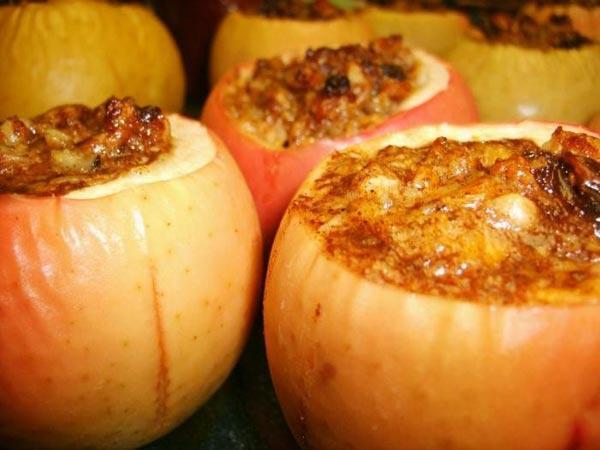
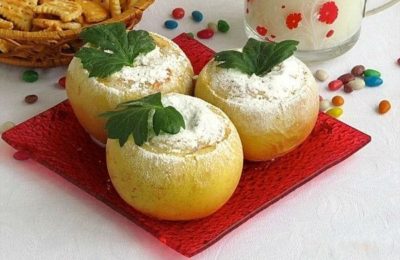
Baked apples are a simple and familiar childhood treat that our grandmothers used to make. This treat is not only delicious but also incredibly healthy: fruits prepared this way retain the maximum amount of essential vitamins and minerals. Eating baked apples improves metabolism and promotes weight loss.
The basic recipe is extremely easy to prepare, and even a novice cook can handle it with flying colors.
Ingredients:
- apples (according to the number of eaters);
- honey or sugar;
- butter, sour cream or cream;
- raisins, candied fruits, dates, nuts, cottage cheese (fillings depend only on your imagination).
Preparation:
- Wash the apples and carefully remove the core. The hole in the center should be approximately 2.5 centimeters in diameter.
- Prepare the filling: mix the chosen fillings with sugar (honey) and, of course, a pinch of cinnamon. This spice pairs perfectly with apples, giving them a unique, enticing aroma.
- Fill the apple "pots" with the filling, and place a spoonful of sour cream or a piece of butter on top of each one.
- Place the apples in an ovenproof dish. Pour a little warm water into the bottom.
- Bake the apples in an oven preheated to 180 degrees Celsius (350 degrees Fahrenheit) for 15 to 30 minutes (the time depends on the variety and quantity of apples). The finished dessert should be neither too soft nor too hard.
Enjoy this delicious treat right away. Ice cream served with baked apples will be a wonderful flavor accent. Enjoy your childhood revisitation!
And another video recipe for baked pumpkin