Pancakes, casseroles, and other Russian desserts

Russian cuisine has always been famous for its baked goods. Therefore, the sweets of Russian cuisine are not always light, like French cream, but are no less desirable than foreign tiramisu or cheesecake.
Russian desserts come into their own during holidays, especially Easter. Traditionally, neighbors and friends visit each other, wish each other happiness, and exchange the traditional "Chrestos Voskrese" (Christ is risen) and the slapping of painted eggs. Afterward, they sit down at the table, which on this day becomes heavy with traditional Russian desserts.
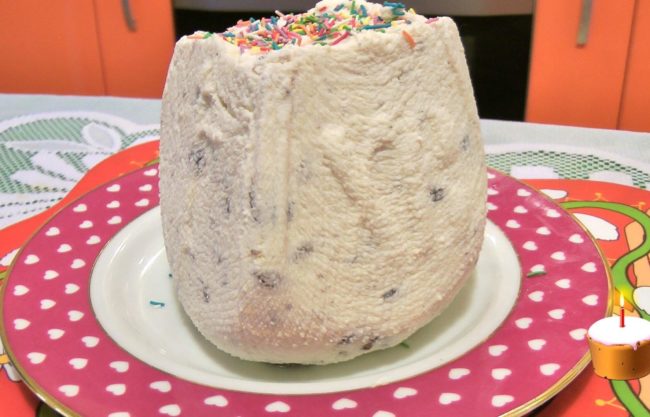
Curd Easter cake
Without Orthodox Easter, a holiday is not a holiday.
- Hard cottage cheese, preferably country-made
- A piece of fresh butter
- 2 cups of fat sour cream
- 2 cups of sugar
- Nuts (peanuts, almonds, hazelnuts)
- Raisin
- Vanilla sugar or vanillin
- 1 chicken egg
Mix the cottage cheese, butter, sour cream, sugar, and egg thoroughly and cheerfully until you have a smooth white mixture with a pleasant, fermented aroma. The mixture will be somewhat runny, just thick enough to bring to a boil over low heat. Don't overcook it. While the mixture is cooling, add clean, soft raisins and peeled, dried nuts.
Mix everything thoroughly and place it in a deep pan, lined with cheesecloth. This is necessary to ensure easy removal of the Russian dessert from the pan. Refrigerate the paskha for 2-3 hours. Then, remove the dessert using the cheesecloth onto an open plate and unwrap it.
Healthy and delicious cottage cheese casserole
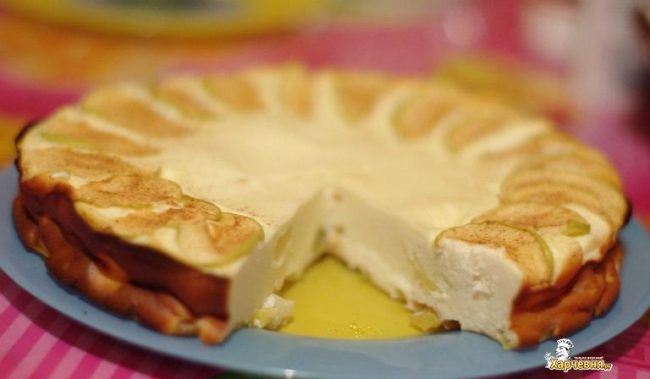
Another traditional cottage cheese dish that can be prepared not only for holidays but also to bring smiles and full bellies to your nearest and dearest. There's nothing complicated about this recipe. And besides, absolutely anything is allowed. Your imagination can run wild with experiments.
The ingredients remain the same as for the Easter dessert, but the cooking time and method vary. Add a shot of semolina (10-20 grams) to the pureed mixture and mix thoroughly. Grease the pan into which we'll be pouring the mixture with margarine or butter and sprinkle with breadcrumbs to prevent the liquid mixture from sticking to the pan.
After smoothing the dessert out on a baking sheet, drizzle it with sour cream to ensure a golden brown, soft, and even texture, and bake for 30 minutes at 200°C (400°F). You can also add dried apricots, bananas, any type of nuts, or other fruits and berries to the curd mixture to your liking.
Russian cuisine is rich in desserts in the morning.
Pancakes
Russian pancakes are so popular all over the world that foreign visitors rush to try them first, paired with red caviar.
The recipe for this dessert comes to us from the distant times of cast iron cookware, and to this day the best pancakes are made in this type of frying pan.
If you follow all the rules, the pancake pan should be kept separate from all other cookware and never used for cooking anything else. Periodically, it should be seasoned on the stove and greased with a very thin layer of flavorless lard or pure butter. Then it will never let you down at the crucial moment.
Blini are cooked in a very hot frying pan. While it's heating up, prepare the batter for the Russian dessert:
Beat 4 eggs with 1 tbsp. sugar and 1 tsp. salt, add 8 tbsp. vegetable oil, half a teaspoon of baking soda (not slaked) and mix everything very thoroughly.
Once you have a uniform yellow mass, add 2 cups of flour. We want the batter to be neither too runny nor too thick. It should be sticky, or as they say, "like pancake batter." Now it's time to add the milk. Pour it in gradually, carefully softening the sticky dough. If you pour in the entire liter at once, the batter won't dissolve, and you'll end up with a lumpy liquid that will take a long time to dissolve.
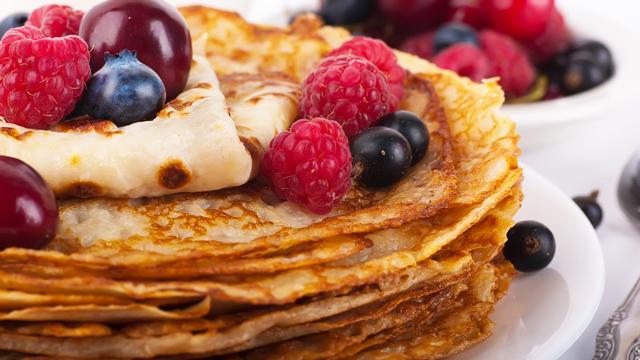
The mixture we're aiming for is similar to evaporated milk. It's liquid and viscous, capable of spreading across the pan if tilted at the right angle.
Now, take the frying pan in your right hand and a convenient ladle with pancake batter in your left. Tilt the pan as if you were trying to create a sunbeam and begin pouring the batter, gently rotating the pan with your hand to ensure the batter spreads over the entire surface. Place the pan on the stove and cook until a pleasant aroma begins to emit and a light brown line appears around the edges of the pancake. Now flip the pancake.
If you've made the batter correctly and haven't spread more than necessary, you'll see a yellowish, baked surface that won't spread. You can grab the edge of the pancake with both hands and flip it over in the pan, like a sheet. It only seems difficult, but if the batter is made correctly, it won't burn the edges. If you're worried, use a spatula.
Finished pancakes, usually buttered, are served to distinguished guests with caviar. But you can also wrap them with jam and whole berries or drizzle them with honey. Children adore this sweet Russian dessert made with condensed milk.
Pancakes
For breakfast for a family of three you will need:
2 eggs
1.5 cups of milk
1 tbsp. sugar
1.5 cups of flour
1 teaspoon of soda (quenched with vinegar)
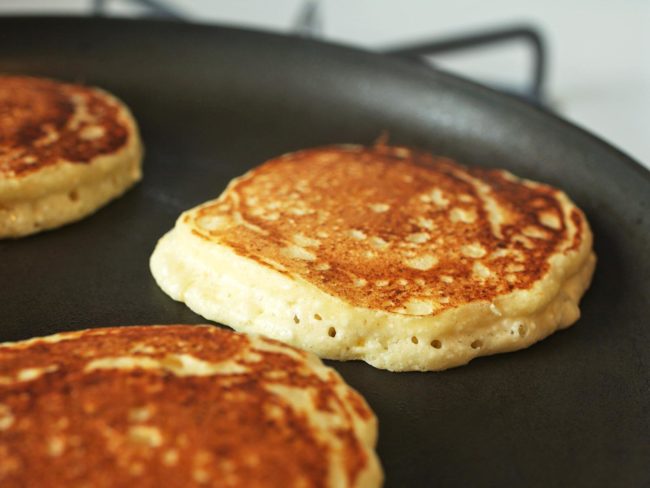
If you're looking for a quick and delicious breakfast for the whole family in the kitchen, and don't want to worry about dough, simply take a couple of eggs from the fridge, mix them with sugar, then add milk, flour, and baking soda. Mix the mixture thoroughly, preferably with a mixer. Drop the pancakes into the pan by the tablespoonful and fry until golden brown on both sides.
Whatever one may say, Russian cuisine is rich in desserts made from simple ingredients. A single set of ingredients can be used to create an incredible variety of desserts: blini and pancakes, vatrushka and syrniki, cookies and dessert cream—the diversity of Russian cuisine delights homemakers.