Acetate Cake Film: How to Use It

Content
Acetate film is a flexible, transparent sheet of a special type of plastic (acetate) that is completely safe for the human body and resistant to high temperatures. Today, we'll learn how to choose acetate film for cakes and desserts, as well as how to properly use this handy tool.
Benefits of using
Experienced pastry chefs know that acetate cake wrap is a very convenient and indispensable tool, but when baking cakes at home (for themselves), they use it less often. The desire to purchase the wrap usually arises after beginning pastry chefs see in a master class or video recipe that using acetate at home is just as simple and convenient.
The advantages of acetate film are undeniable, because this material:
- does not emit hazardous substances, therefore it is harmless, even with prolonged direct contact with food products;
- does not wrinkle or crease when bent;
- does not absorb moisture, fats and odors;
- resistant to a wide range of temperatures (sheets tolerate refrigeration well, as well as contact with hot foods, but acetate should not be placed in the oven for a long time; it is better to use a silicone mat or baking pan for baking);
- not afraid of moisture and acidic environments;
- has a perfectly even cut, thanks to which the sheets can be joined together;
- has an absolutely smooth surface, due to which it does not stick to products (cream, mousse, etc.) and is very easy to remove without damaging the dessert crust;
- can be reused (thick border tape is easy to wash and convenient to store).
Features of selection
Acetate film for cakes and desserts has three main parameters:
- sheet thickness;
- size (width and height);
- transparency.
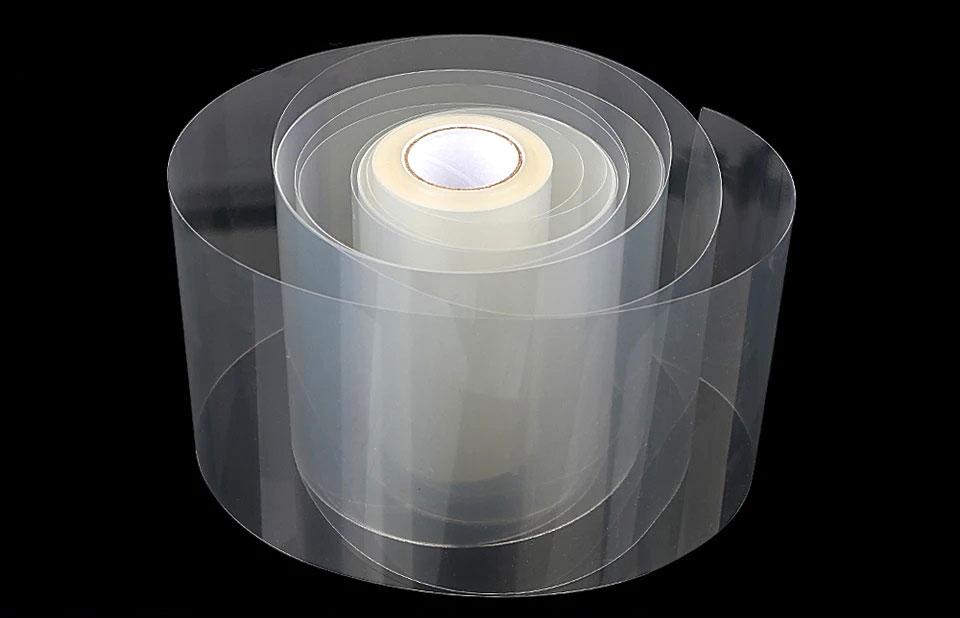
When choosing a particular material, you first need to know how you plan to use it, because acetate film can be used for purposes such as:
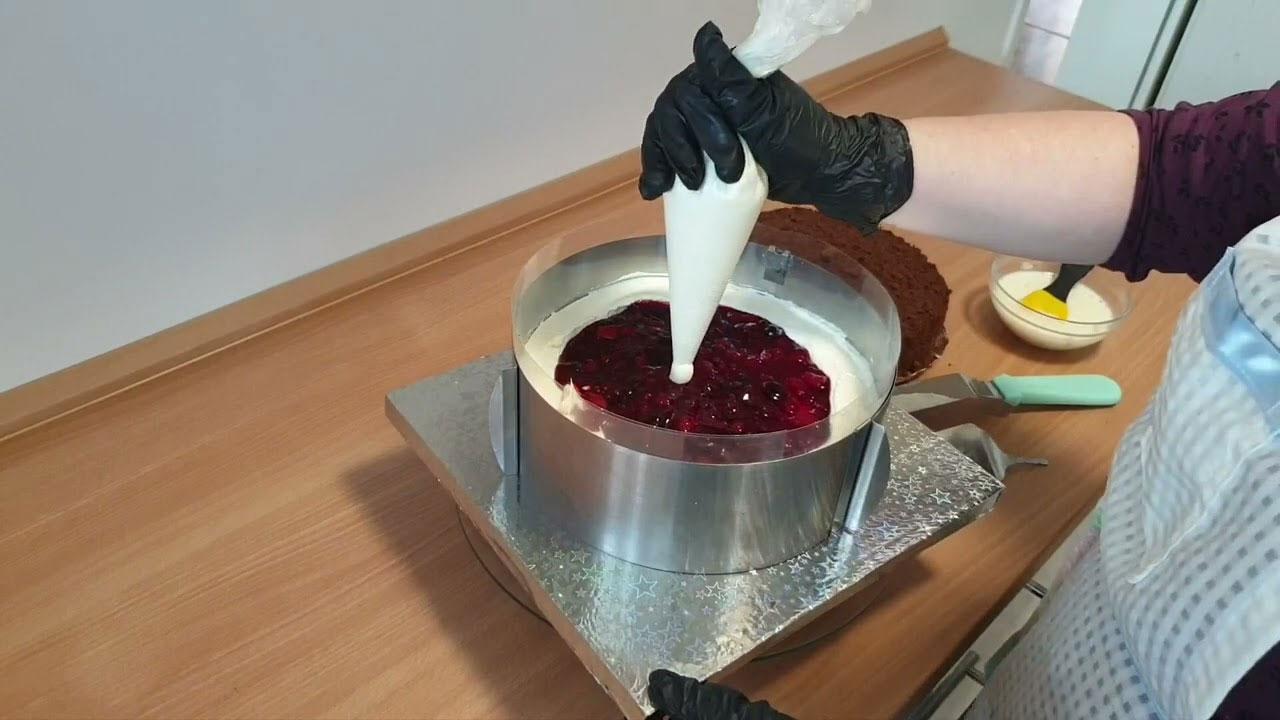
- separating the cake from the metal ring during the assembly stage;
- forming the correct shape of a cake with a high mousse or jelly layer (without a clamping ring);
- laying out multi-layered holiday salads;
- leveling the side edge of soft desserts;
- increasing the height of the forming ring;
- working with chocolate decoration;
- packaging of cakes and desserts (when you need to show off a beautiful multi-layered side design).
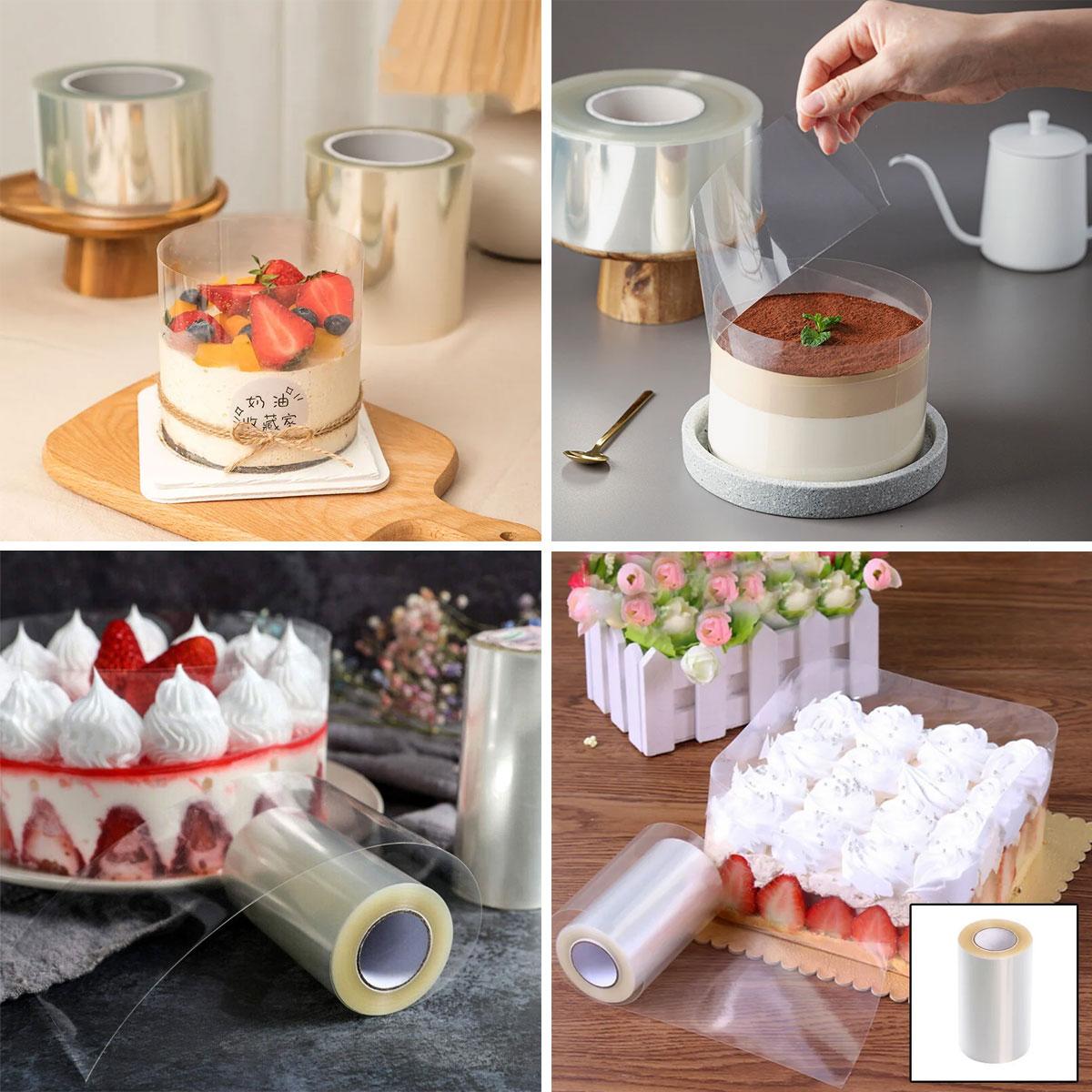
In Wildberries or Yandex Market catalogs, as well as in specialized stores in Moscow and other cities, you can find different types of film:
- in sheets or rolls;
- transparent or with a pattern;
- thickness from 40 to 220 microns.
Tips for Beginners
If you don't yet know how to use acetate film but want to simplify the assembly of beautiful cakes at home, we recommend listening to these tips from experienced pastry chefs:
- For assembling sponge cakes, a 200 micron acetate border with a height of 10 cm is ideal;
- It is more convenient to assemble cakes with a high mousse layer using a 90-110 micron film 5-6 cm high;
- Finding culinary border tape taller than 15 cm is quite problematic, so if you need to assemble a tall cake, simply connect the sheets together, securing them along the outside with masking tape or regular tape;
- using film to line the inside of the ring, the surface of the mold is moistened with water so that the film sticks and does not curl inward;
- for fine work with chocolate, it is better to buy special “guitar sheets”;
- After use, acetate should be stored by thoroughly washing it with soapy water, drying it, and rolling it into a roll not too tightly.
Examples of acetate film applications
To better understand how to use classic acetate film for assembling cakes, we recommend watching a master class on decorating a sponge cake in a culinary ring using acetate film:
We also suggest looking at an example of filling a tall mousse cake using an acetate film fixing structure:
Another culinary use for acetate is creating chocolate decorations. This video shows step-by-step how to make a beautiful cake crown yourself.
What can be used as a replacement?
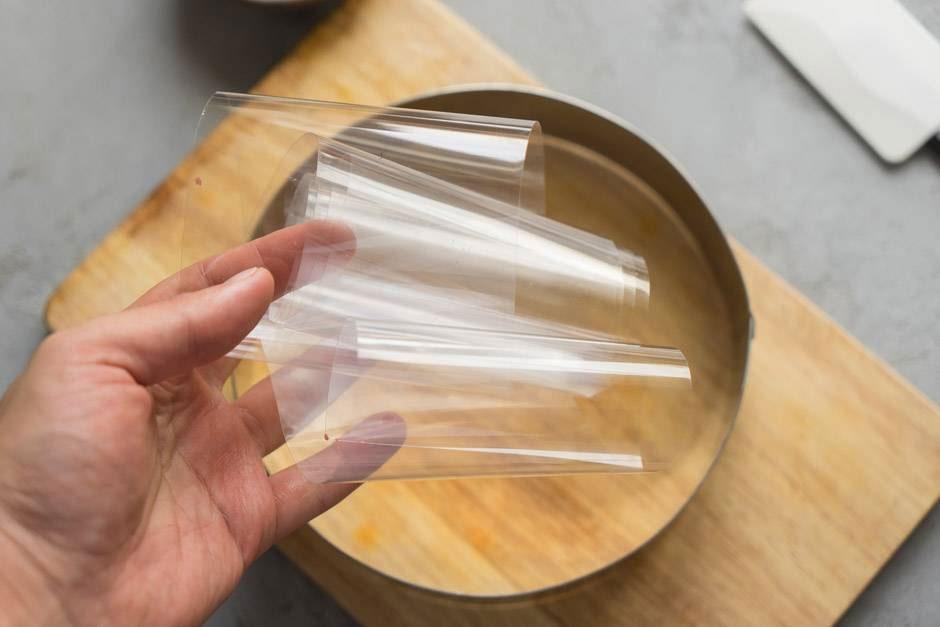
There's a wealth of information available online about how replacements can be made with a wide variety of materials, from office folders and files to film from a hardware store.
You will be using the material in direct contact with food products, which means that any harmful substances (carcinogens) that may be contained in non-food plastic (bisphenol A, organotin compounds, phthalates and other highly toxic substances) can simply migrate into the food product with all the ensuing consequences.
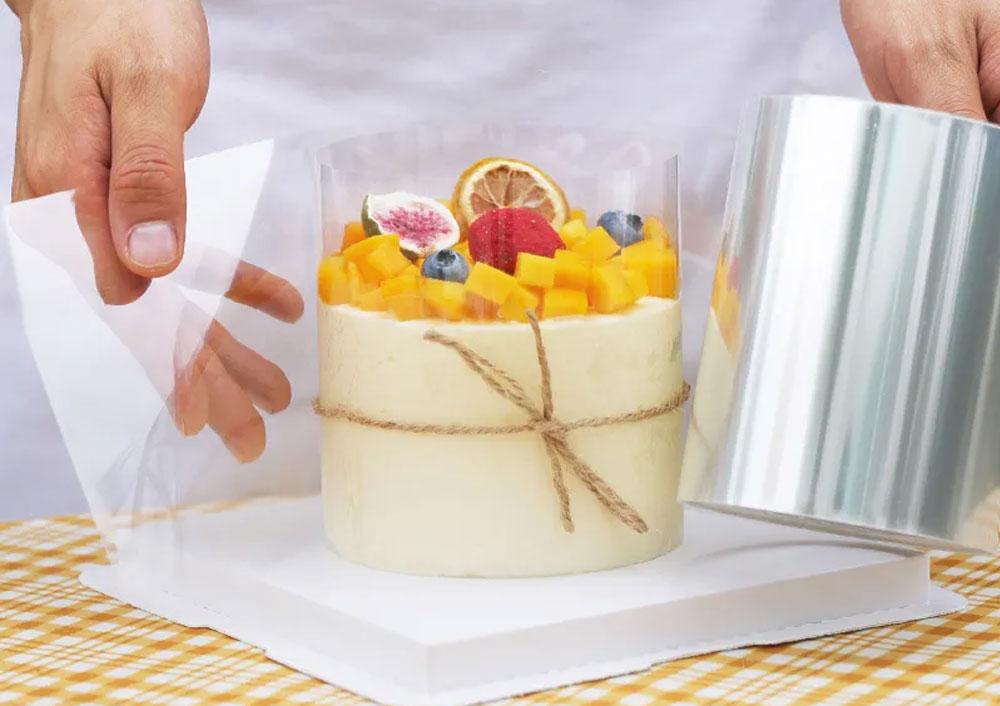
What can I safely use instead of border tape when assembling a sponge cake in a pan?
As an additional layer between the pan and the cake you can use:
- foil;
- baking parchment;
- siliconized paper;
- thin and smooth silicone mat.
We invite you to share some life hacks about what other culinary processes you use acetate sheets in or what you use as a substitute for this material.