How to use a baking pan with a removable bottom?

Content
A springform pan is an indispensable tool for pastry chefs. It can be used to create airy sponge cakes, delicate cheesecakes, sumptuous pies, and many other delicious desserts. However, not all home cooks know how to properly use a springform pan. Therefore, it is often avoided in favor of other types of kitchen baking accessories.
In this article, I'll share some useful information about the extendable pan and explain how to use it correctly. You'll appreciate all the benefits of this kitchen accessory and learn how to make delicious desserts in it.
Types of springform pans
Today, stores offer a huge variety of springform pans to suit every taste. There are many criteria to consider when choosing kitchen baking accessories, but the most important are material, shape, and height. Let's take a closer look at each of these.
Based on the material
The material used to make a springform pan determines its quality, durability, and the taste of the finished dessert. Modern manufacturers use the following materials to create springform pans:
- Stainless steel. Expensive, but also the most durable and strong material. Pans made from it are highly resistant to temperature fluctuations, acid, scratches, and other deformations. However, choose pans with a non-stick coating, otherwise baked goods will stick.
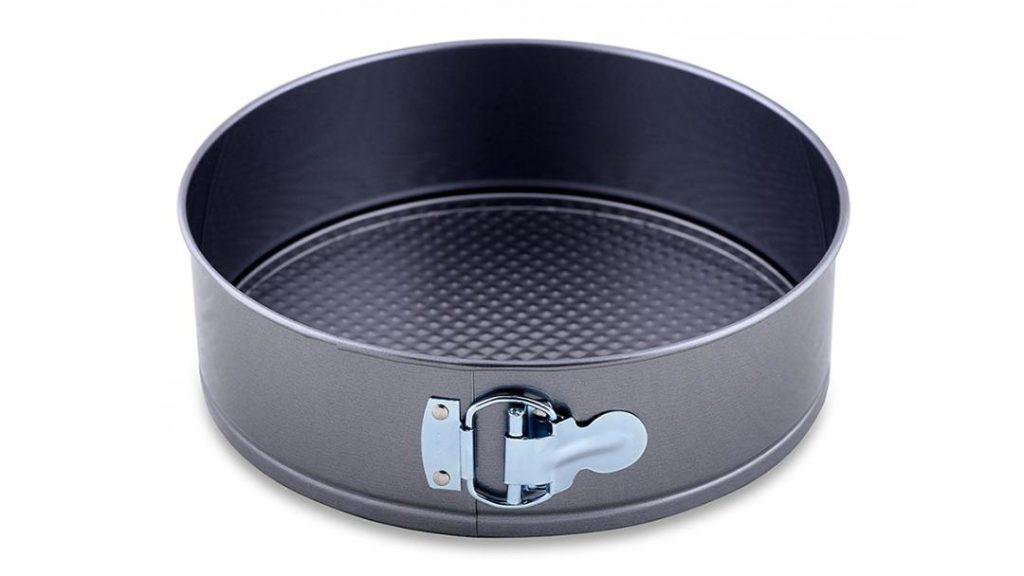
- Carbon steel. Also an expensive option, this material is high quality and lightweight. Products made from it have relatively thin walls and a double non-stick coating, so baked goods cook quickly and don't burn.
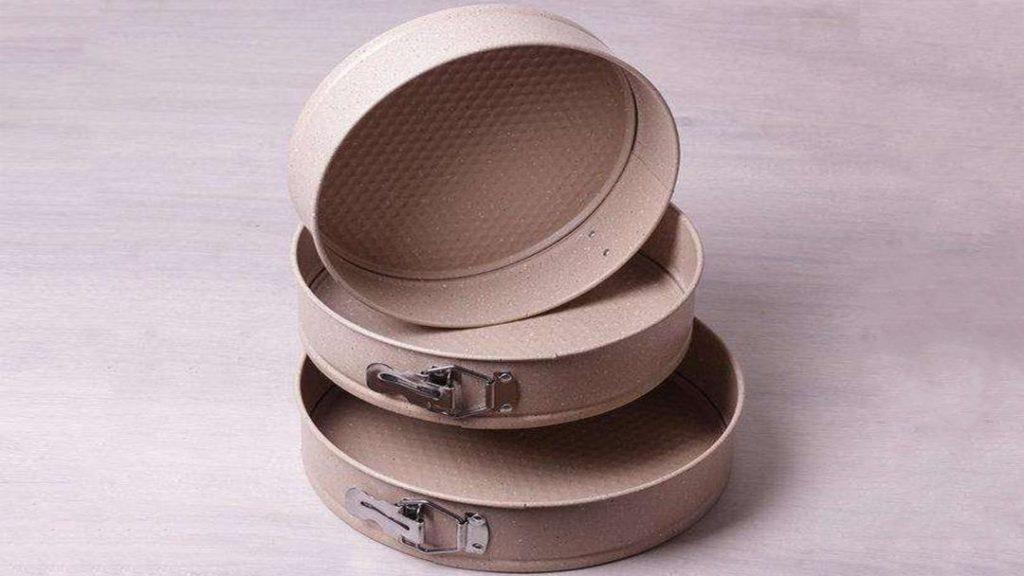
- Aluminum. A budget-friendly and least durable material. Forms made from it are not very resistant to damage and can easily become deformed. Therefore, for long-term and frequent use, it's better to choose other options.
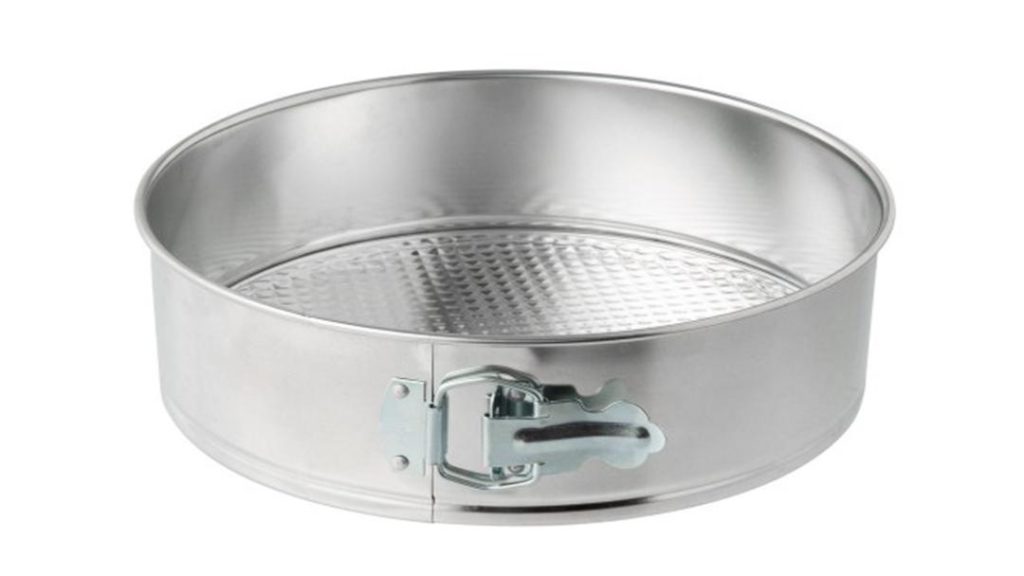
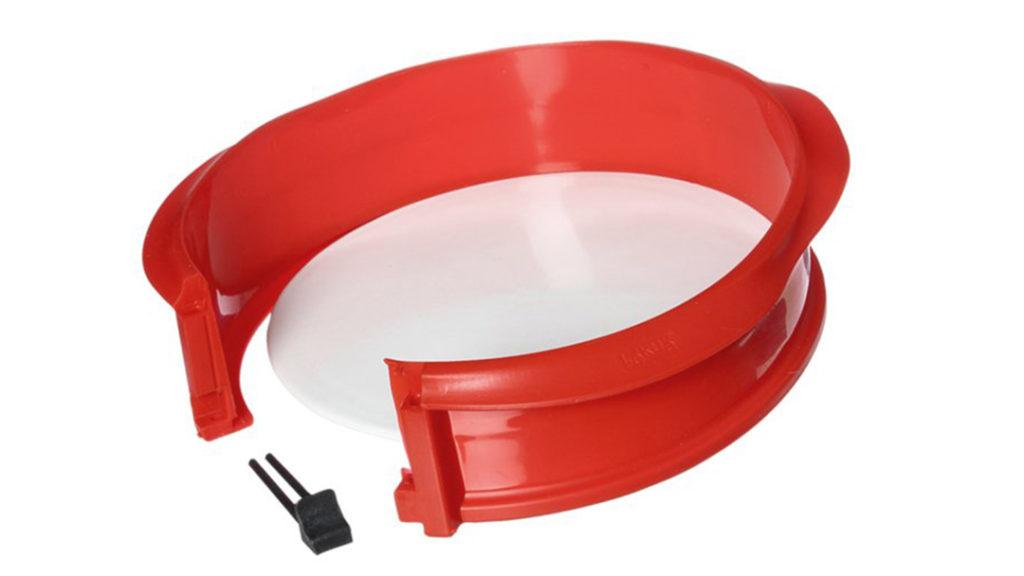
- Silicone. The easiest to use and safest option. The bottom of this pan is made of glass or ceramic, and the sides are made of durable food-grade silicone. It holds the dough well, stays securely in place, is very easy to clean, and requires no special preparation before use. Desserts bake evenly without sticking.
By form
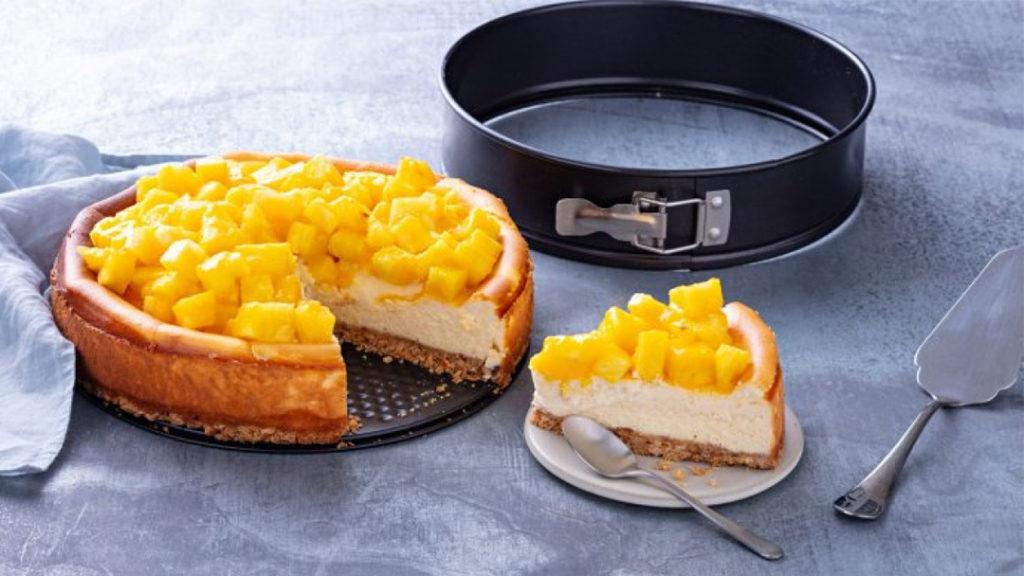
When choosing a springform pan, always consider its shape. After all, it determines the appearance of the finished dessert. The most popular is springform round panIt's ideal for baking biscuits, pies, and muffins. But let's consider other options. All baking sheet shapes can be roughly divided into two groups:
- Standard. This includes all the classic, familiar shapes: round, rectangular, square.
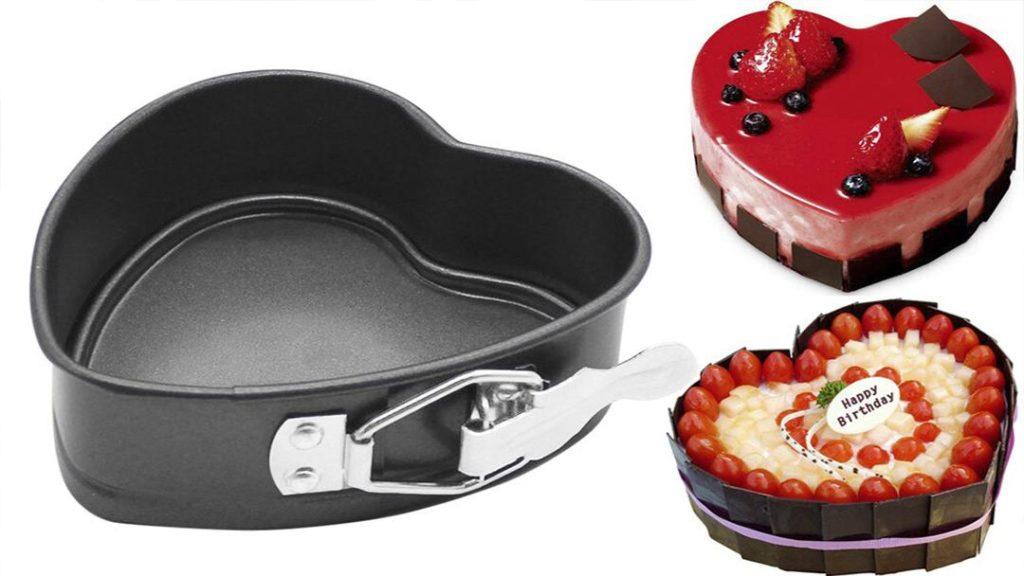
- Unconventional. More complex shapes: hearts, moons, stars, clouds, and many others. They are rarely used, mainly for themed cakes.
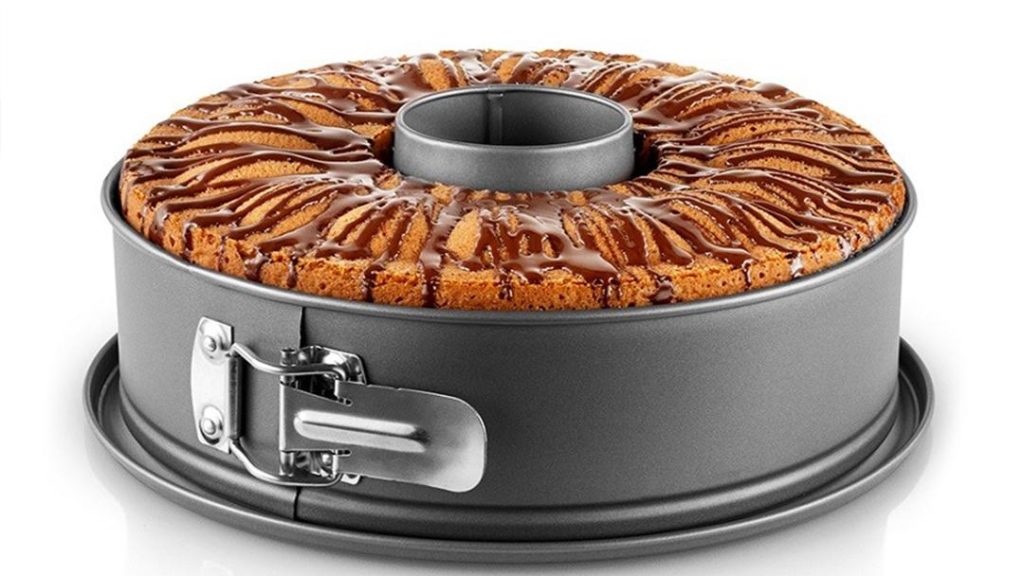
Round springform pans with holes are a separate category. They produce beautiful and delicious muffins.
By height
For baked goods less than 5 cm high, using springform pans is pointless. Therefore, baking sheets with 5-7 cm rims are generally chosen for small pies, while for fluffy muffins and sponge cakes, 7-13 cm rims are used.
By width, detachable forms are:
- 11-12 cm - for mini-cakes, small muffins, Easter cakes, portioned desserts;
- 13-21 cm - most often elongated, irregular in shape, used for making non-standard baked goods;
- 22-28 cm - the most common, used for making a variety of cakes, pies, large muffins;
- from 28 cm - large baking trays for huge cakes and pies, most often rectangular in shape.
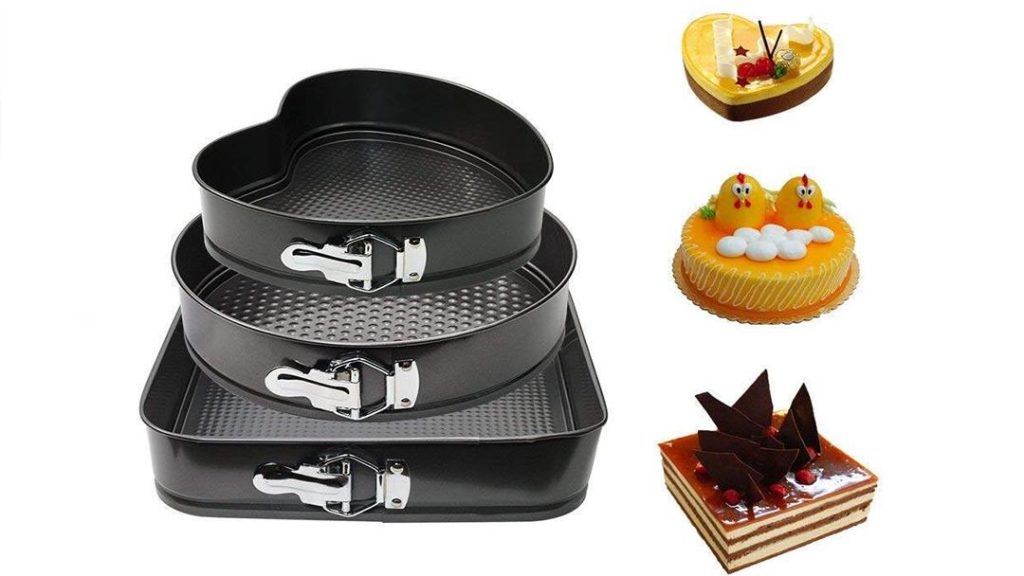
Ideally, you should have several molds in your kitchen, varying in shape and size. Always pay attention to the quality of the product. Its walls should be thick, the coating should be durable and stable, and the lock should open easily and lock securely. Choosing the cheapest options always risks getting a low-quality product that will quickly crack, deform, and ruin your dessert.
Pros and cons of springform pans
What are the features and advantages of springform baking pans? This question interests many homemakers. Let's find out.
Among the main advantages of springform pans, the following can be noted:
- Shape retention for baked goods. Baked goods are easily removed from springform pans without damage or deformation.
- Versatility. These pans are suitable for baking cakes, pies, muffins, and Easter cakes made from any dough (sponge, puff pastry, shortbread, yeast dough). The baked goods rise well and bake evenly. Springform pans can also be used for making jellies and mousse desserts that require no-bake preparation.
- Ease of use. The detachable mold is very easy to assemble and disassemble, and requires no maintenance.
- Heat resistance. High-quality molds withstand both high and low temperatures well. Therefore, they can be used not only for baking but also for freezing desserts.
But like any other kitchen accessory, springform pans are not without their drawbacks. Let's compare the pros and cons of this baking dish.
Always choose high-quality springform pans from trusted manufacturers. Then the advantages will outweigh the disadvantages. It's better to buy expensive but high-quality cookware once than to constantly waste money on cheap products that quickly become unusable.
How to assemble and open a springform pan?
Any springform cookware set consists of three parts: the base, the ring, and the lock. All of these easily fold into one simple unit.
But how do you properly assemble and open a springform pan? This must be done very carefully to avoid damaging either the pan itself or the baked goods inside. Working with a springform pan is as follows:
- Carefully insert the bottom of the mold into the ring.
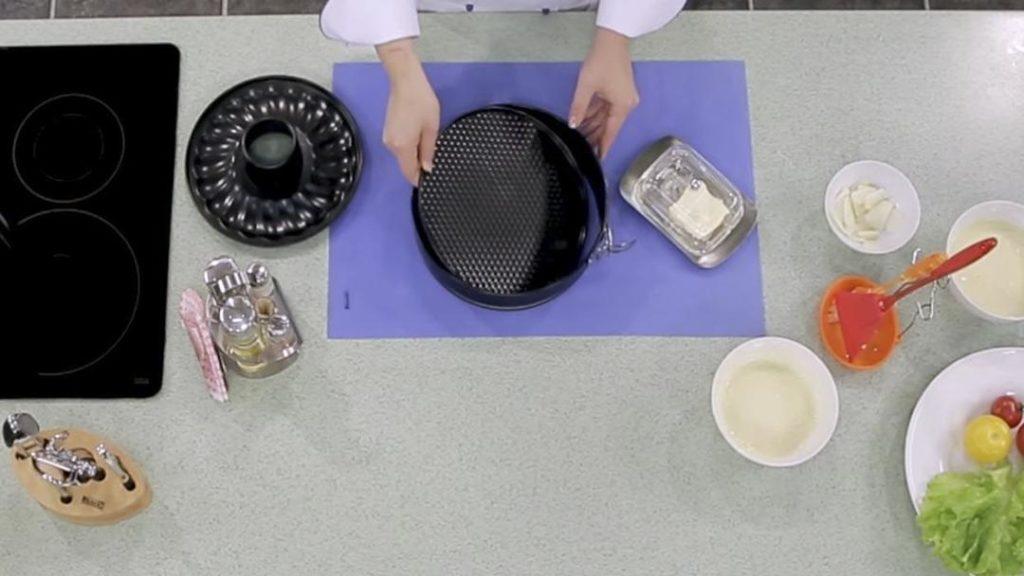
- Once you've made sure the bottom is positioned correctly, snap the lock into place.
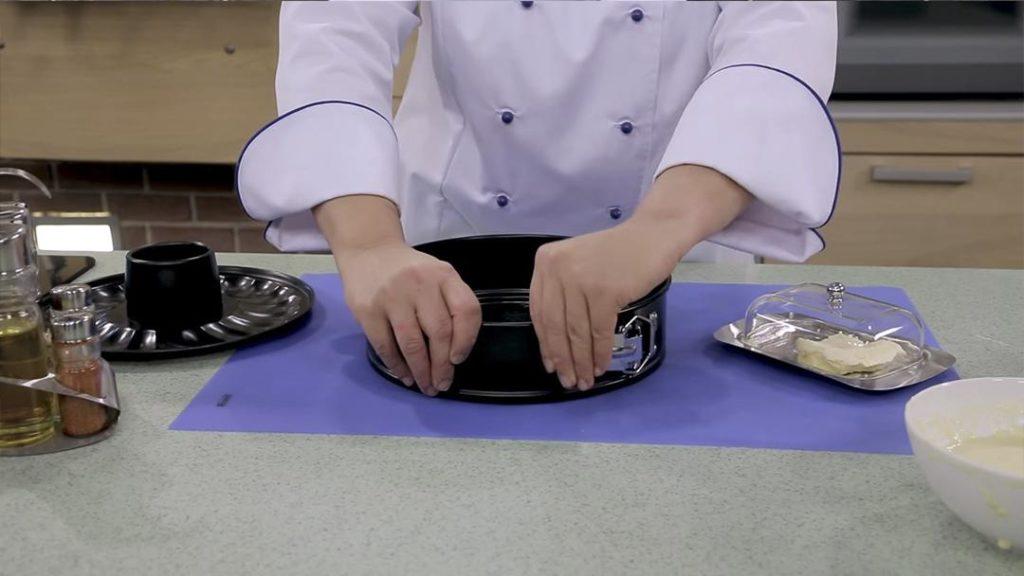
- Grease the pan with butter, put the dough in it and bake it.
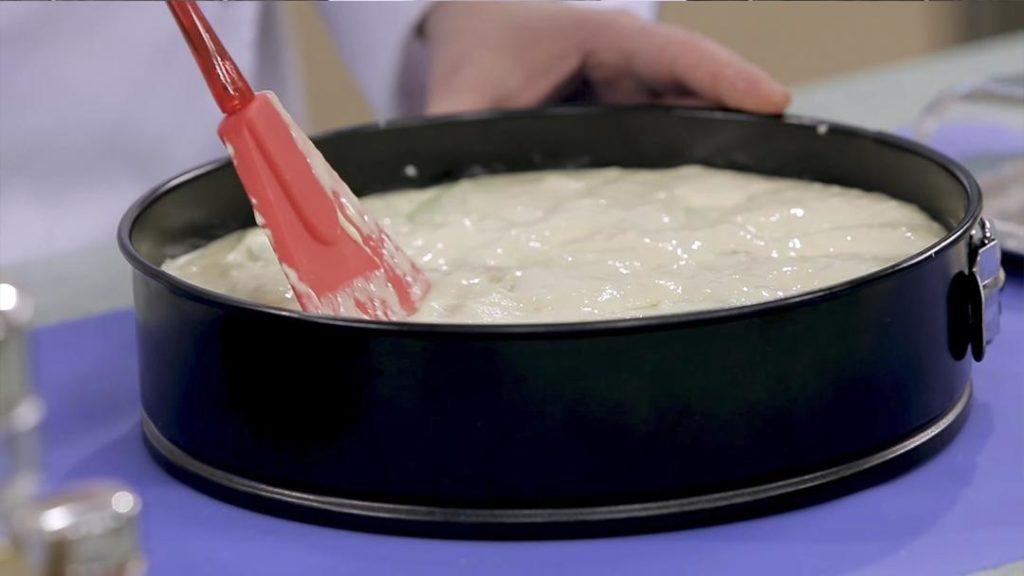
- Remove the pan from the oven and let the baked goods cool. Then open the lock.
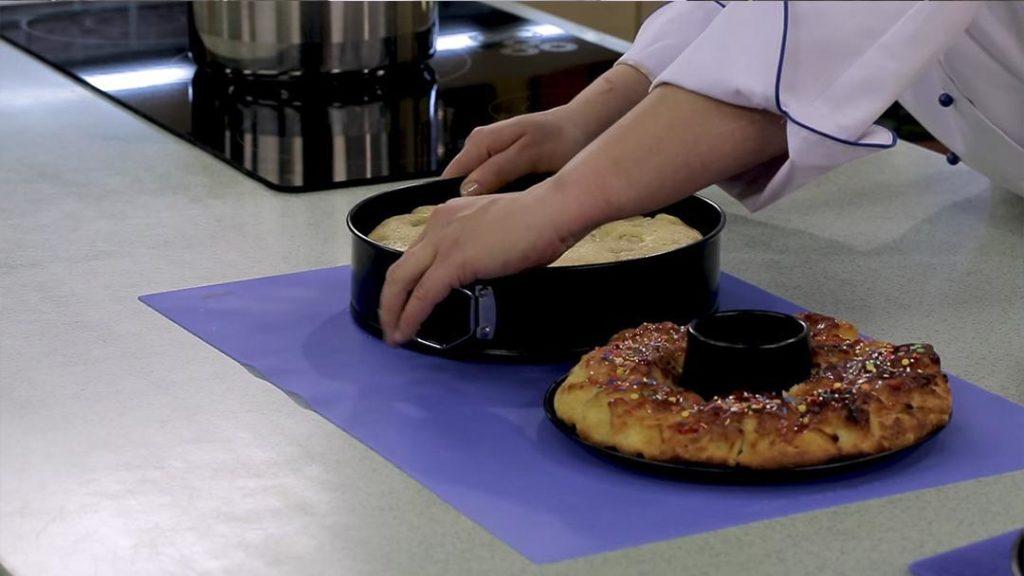
- Remove the ring. If any baked goods are stuck to it, gently loosen the edges with a silicone spatula. A knife isn't suitable for this purpose, as it could damage the pan.
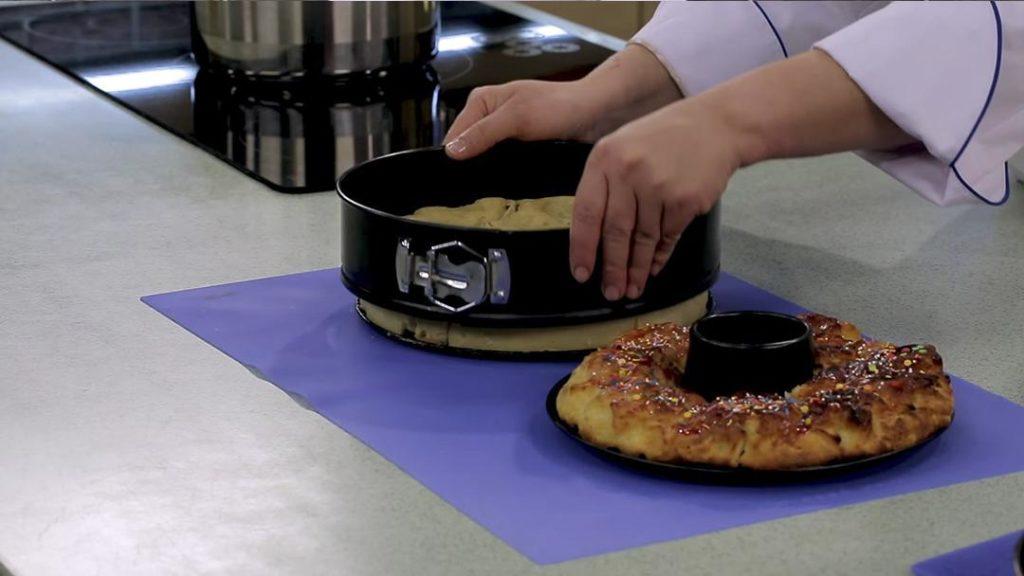
After use, the pan must be washed thoroughly to ensure that no pieces of dough or fat remain on it.
2 ways to line a sponge cake pan with parchment paper
It's essential to prepare a springform pan before use. Otherwise, the baked goods may burn or stick to the bottom or edges of the pan. Removing the cheesecake, sponge cake, or pie will then be nearly impossible.
I would like to offer you two simple methods for preparing a springform pan.
Method 1
Grease the pan with butter or vegetable oil. To do this:
- Assembling the springform pan.
- Wet a silicone brush thoroughly in melted butter or vegetable oil.
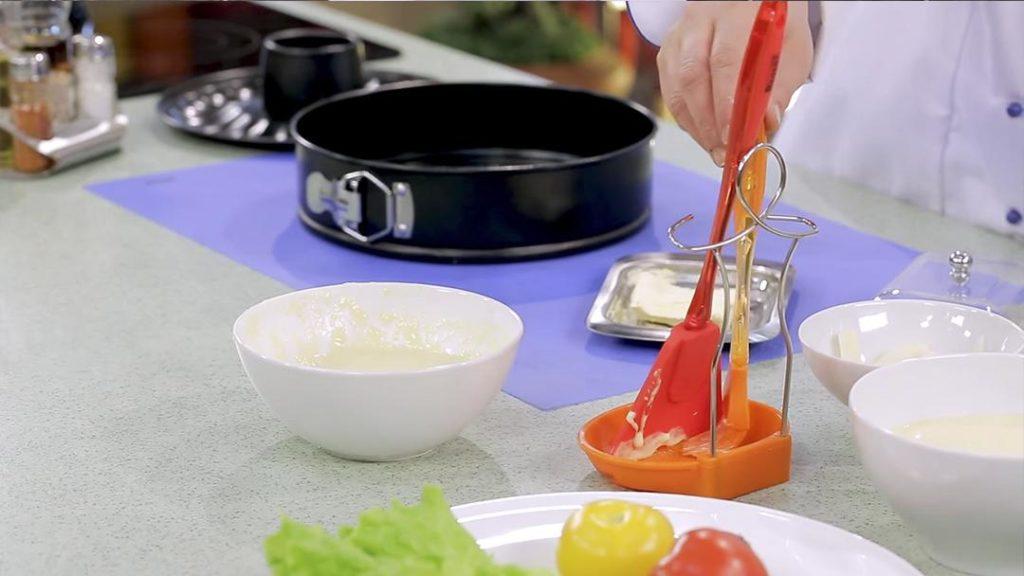
- Grease the bottom and sides of the pan well with oil.
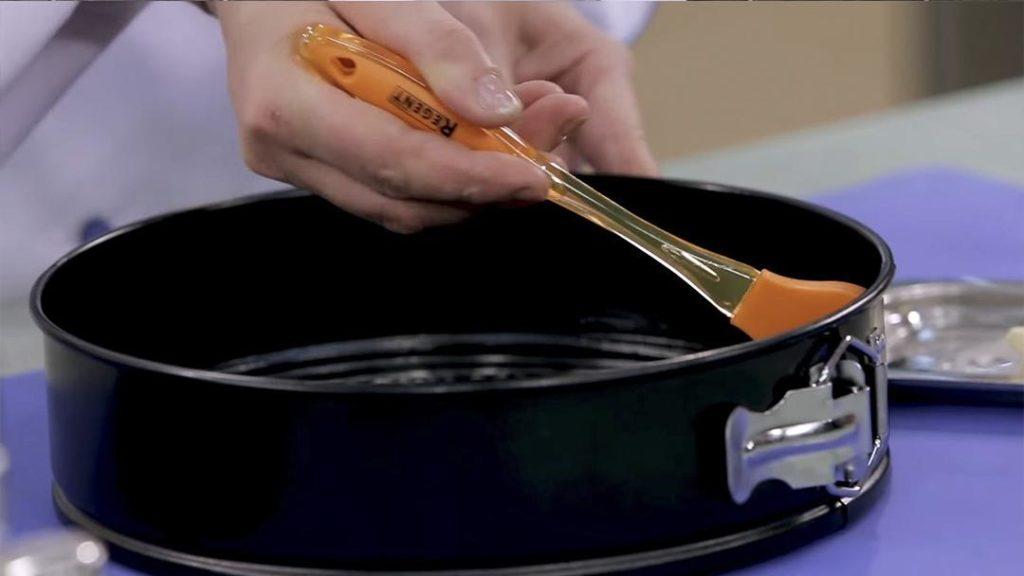
The springform pan is ready for use.
Method 2
Line the pan with parchment paper. To do this:
- Cover the bottom with parchment.
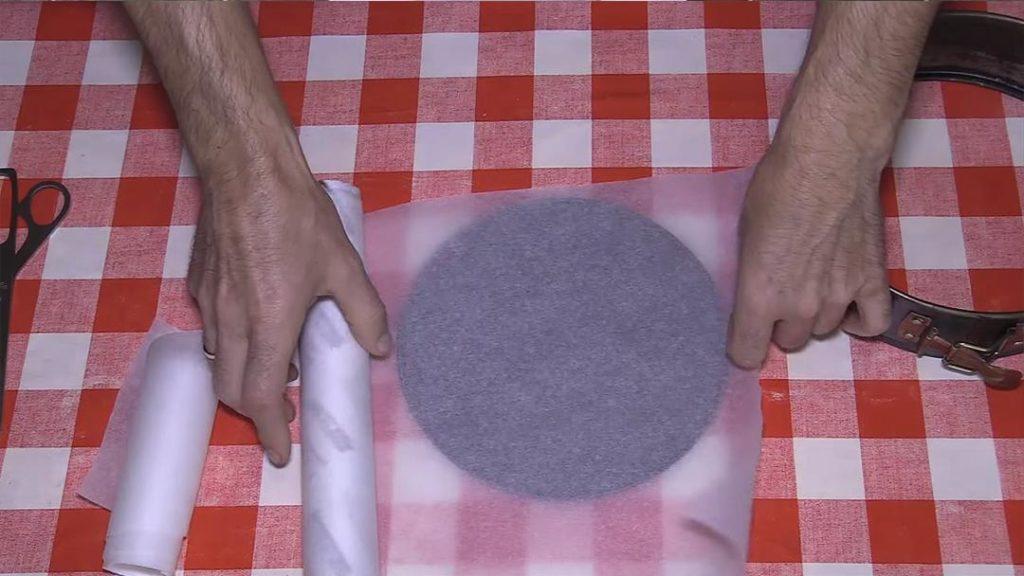
- We put on the ring and close the form.
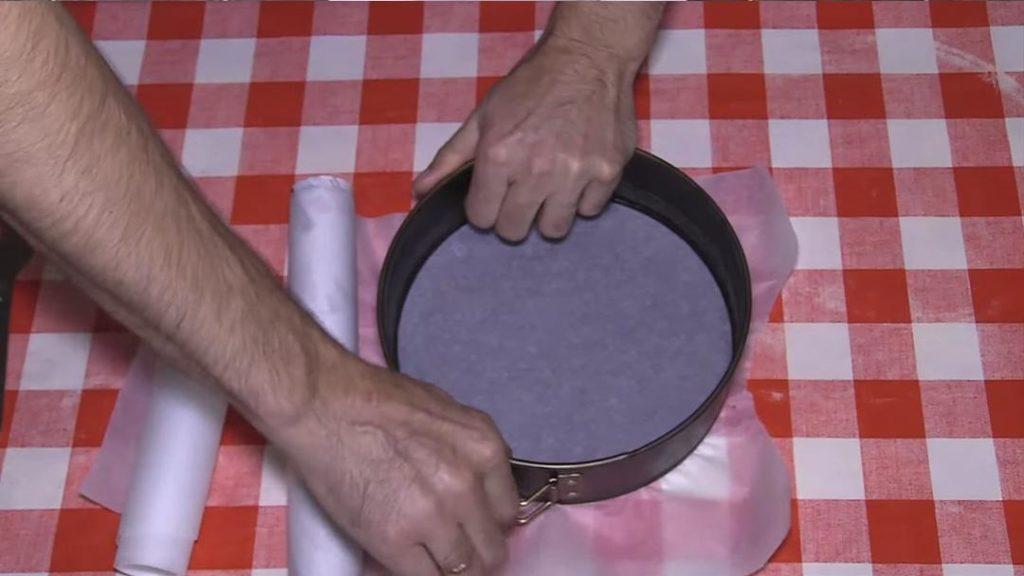
- We cut off the excess paper.
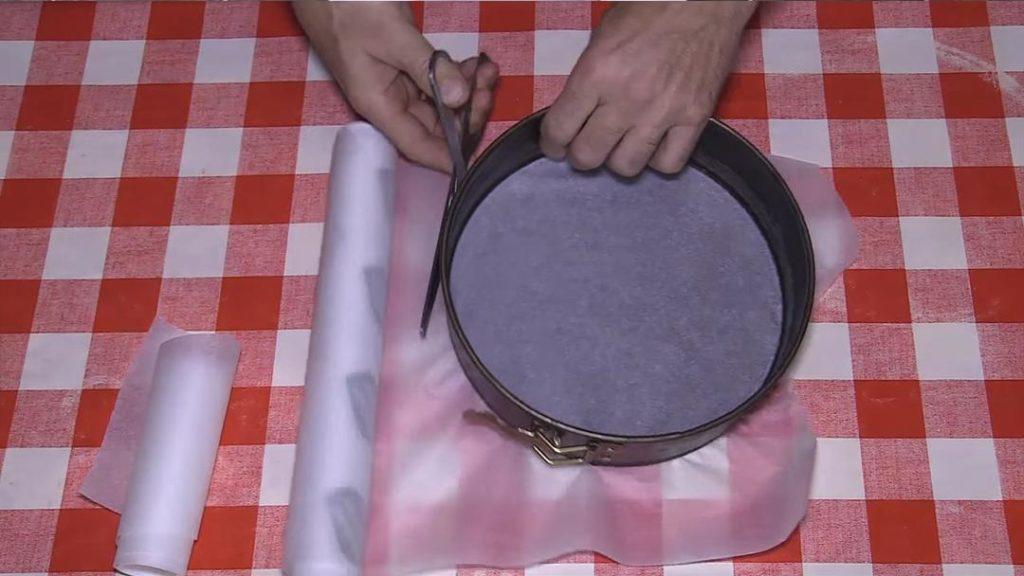
The springform pan is ready to use in this form. Alternatively, you can line the sides with parchment paper, cutting pieces to the desired size.
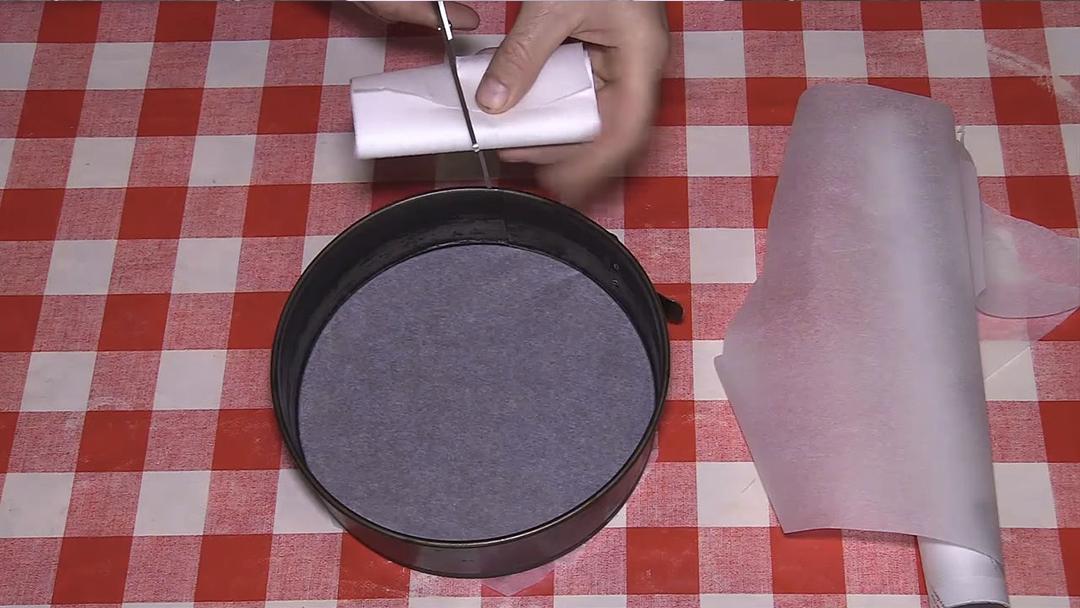
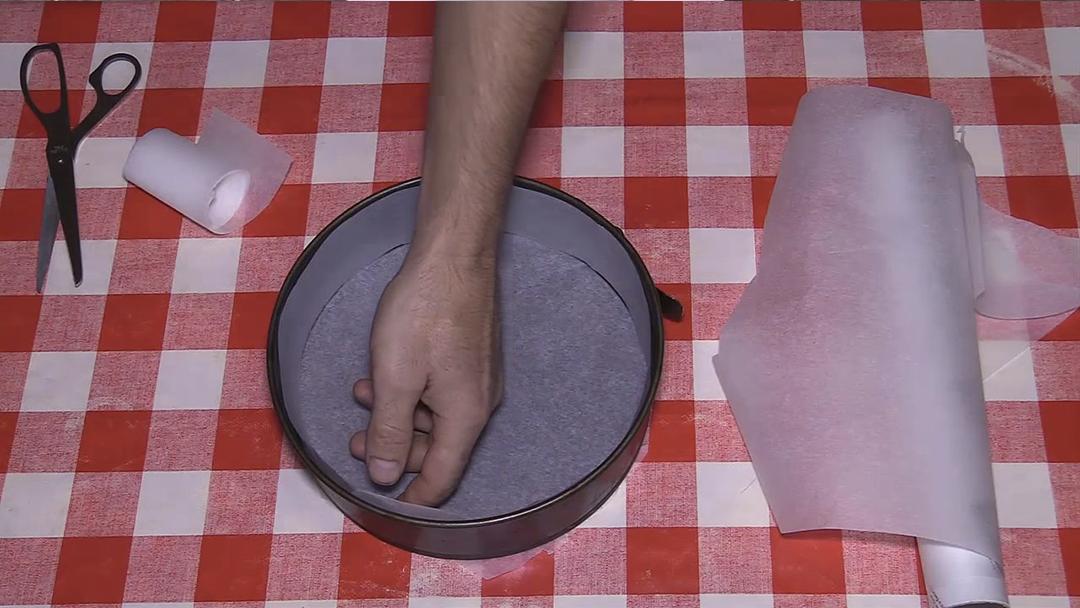
To help the parchment stick to the sides, you can grease it with a small amount of butter.
Video: How to remove a pie from a springform pan
Want to learn how to easily and quickly remove baked goods from springform pans? Then be sure to watch this video. It shows you how to easily remove a pie from a springform pan. The dessert will remain beautiful, intact, and undamaged.
The video's creator clearly demonstrates the entire process, explains how to properly remove and cool the cake, and how to carefully separate its edges from the sides of the pan. After watching this video, you'll forget about broken, cracked, or dented cakes. Your baked goods will always look perfect.