How to choose a stand mixer for a pastry chef: selection criteria, rating of popular models

Content
Those who frequently bake are most likely to consider purchasing a stand mixer. This type of equipment can thoroughly and evenly beat egg whites, prepare fillings, icings, and cream, and knead dough of any consistency. To choose a stand mixer for a pastry chef, it's important to familiarize yourself with the key features and ratings of the best models.
Is it necessary for a pastry chef to have a planetary mixer?
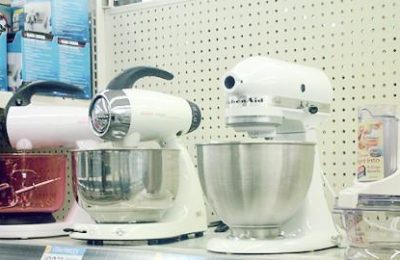
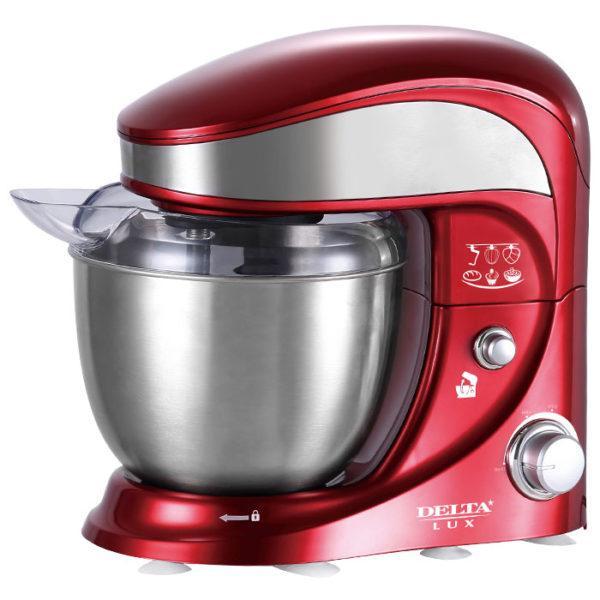
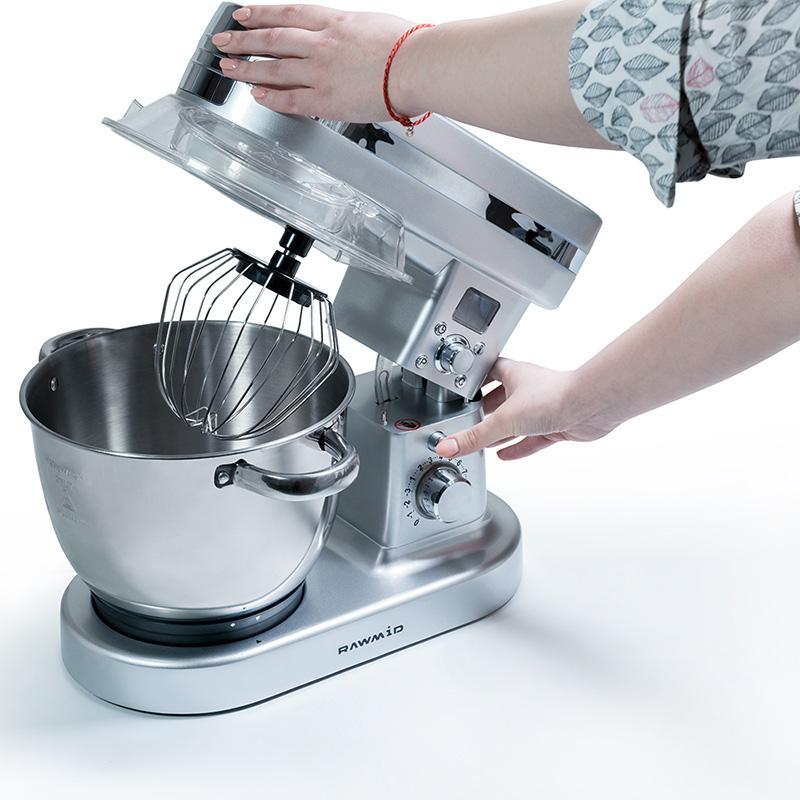
A planetary mixer is a type of stationary device. It consists of a bowl and a housing, the top of which hinges to reveal special holes for attachments.
The main feature of these mixers is the rotation of the blades around their own axis and around the entire circumference of the bowl. Some models feature a rotating platform on which the bowl is placed. This trajectory is similar to the orbital motion of a planet, hence the name of this type of mixer.
The following advantages of the equipment under consideration can be highlighted.
- The ability to prepare dough of any consistency is much faster and better than with other mixers.
- This type of device works completely independently, unlike a hand mixer, which must be held in your hands throughout the entire cooking process.
- Easy removal and heating (if necessary) of the metal container included in the kit.
The disadvantages of a stand mixer with a bowl include its relatively high cost and large size. Therefore, if you plan to frequently prepare various dishes with this type of equipment, I recommend choosing a stand mixer. If needed, you can purchase additional attachments for mincing meat, slicing vegetables, and juicing.
Criteria for choosing a good planetary mixer
Before purchasing, it's important to consider the parameters of a stand mixer. First, check its performance and the capacity of the included bowl. Don't skimp on these parameters, as they determine quality and ease of use.
Next, we will examine in detail the main criteria for choosing such equipment: power, material and volume of the bowl, number of speed modes, controls and accessories.
Power
Before purchasing a stand mixer, I recommend determining your desired power output. If you plan to use the equipment infrequently, you might choose a mixer with a power output of 500–600 watts.
For daily use, 900 W – 1 kW is sufficient. Maximum values reach 2.3 kW, and such devices are most often purchased by professionals.
The higher the power, the faster the attachments rotate. This parameter also directly impacts the cost of the equipment and the amount of electricity consumed.
Bowl volume
To choose a stand mixer with a bowl of the appropriate capacity, I recommend considering in advance what you'll be cooking most often and how many people you'll be serving. For example, if you're whipping ingredients or kneading dough for a family of two or three, it's unreasonable to buy a mixer with a 4-5 liter bowl. It's better to choose a mixer with a two- or three-liter bowl.
For preparing meals for large families, as well as for those who frequently prepare various confectionery products, I recommend choosing equipment with a large bowl capacity - 3.5 - 4.5 liters.
For housewives in large families, I recommend choosing a planetary mixer with a deeper bowl (from 5 l).
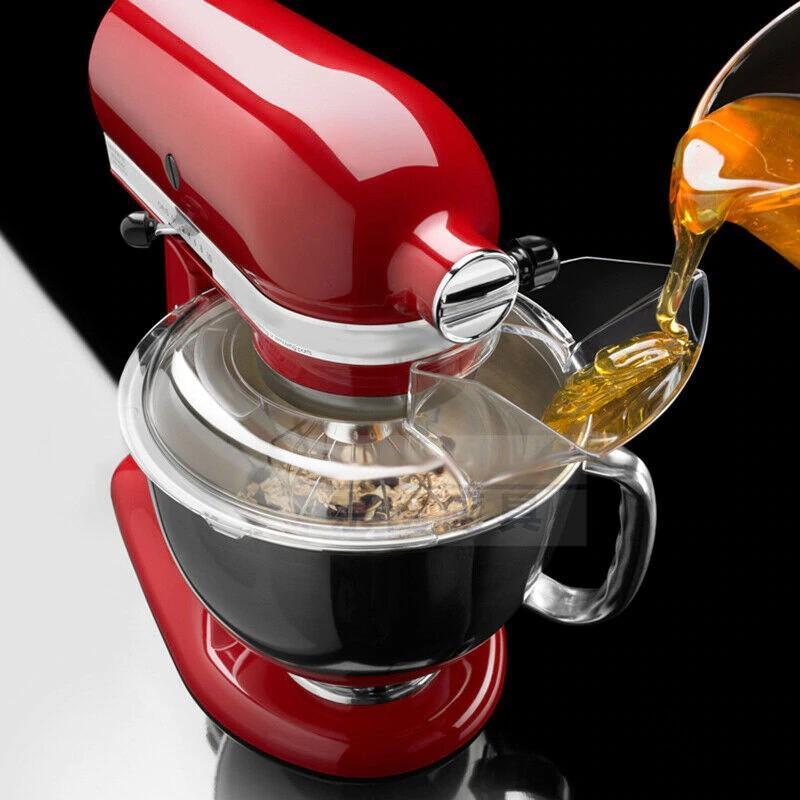
It is also advisable to purchase a device with a lid included, which will help protect the kitchen from possible splashes of contents in the bowl while whipping.
Bowl material
When buying a mixer, in addition to capacity, you need to consider the material the mixing bowl is made of. Bowls are made of plastic, tempered glass, and stainless steel. I recommend choosing the third option.
Metal containers are more reliable and durable than other types. They are dishwasher safe. These bowls are completely safe, as the materials they are made from do not react chemically with food.
As for plastic, bowls made from this material are the most budget-friendly option. However, they are not very durable and can absorb odors from other foods.
Glass containers are easy to clean, and you can watch the mixing or whipping process through them; however, they are quite fragile compared to other containers.
Number of speeds and special modes
A standard mixer supports 2 to 4 speed settings, which is sufficient for everyday use. Professional planetary mixers require 6 to 7 speeds.
I recommend purchasing a blender with a soft start, which essentially starts at a minimum blade speed and gradually increases to the set value. The slow start allows the ingredients to remain in the bowl, preventing splashes.
An equally useful feature of planetary mixers is the turbo mode, which is essential for better blending of ingredients. Keep in mind that it shouldn't be used for long periods of time to prevent the mixer from overheating.
Many models also have a pulse mode, which allows you to thoroughly crush nuts, ice, whole coffee beans, and lumps in dough.
Complete with attachments
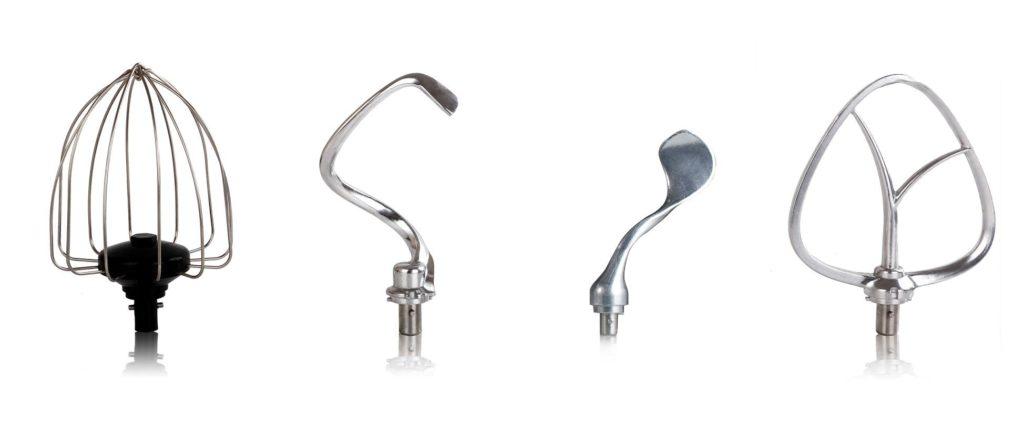
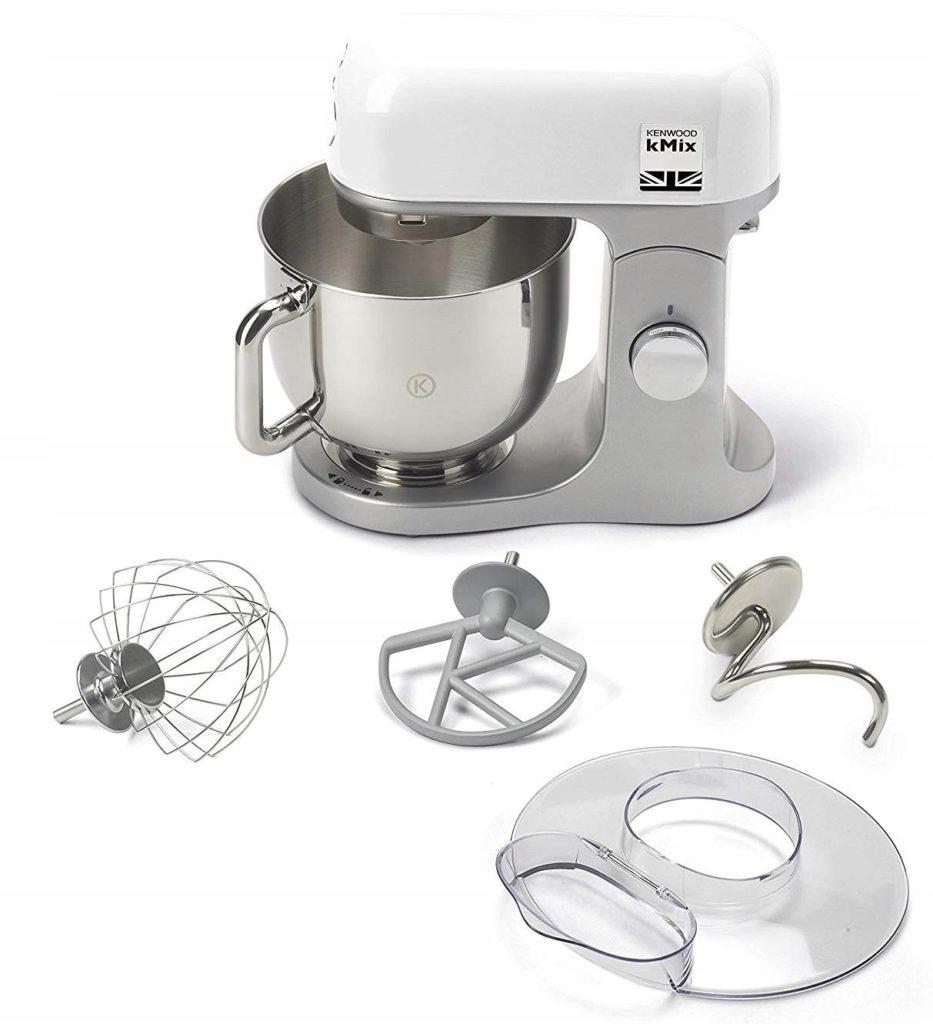
The standard set of attachments for an inexpensive stand mixer includes a whisk, a dough hook, and a special paddle. The whisk is great for beating eggs, preparing dough for sponges, mousses, and soufflés.
The hook is generally used for kneading dough.
A spatula makes it easy to mix ingredients to prepare various fillings, creams, and glazes.
The set may also include attachments for chopping meat, slicing vegetables, and making juice.
A planetary mixer may have several paddle holes (from 1 to 4). The number of holes determines the cooking time: the more paddle holes, the faster the mixer will complete the task.
If the mixer you're interested in doesn't include any of the attachments, don't worry—you can purchase them separately. Just pay attention to the material they're made of. Stainless steel is best.
Control
The control panel on a planetary mixer can be either touch-sensitive or mechanical. The former is more stylish and modern, and easier to maintain, while the latter is more reliable. The key feature to consider is the convenient location of the panel.
It is advisable to choose a device with additional functions:
- overheating protection, which ensures automatic shutdown of the equipment during prolonged use;
- protection against accidental switching on or restarting after the blades have stopped
- protection against turning on the appliance with an incorrectly installed bowl or with a lid that is not fully closed (if available).
The presence of rubberized feet or suction cups on the base of the device gives the device even greater stability.
The cable compartment provides convenient storage and protects the cable from kinks during use.
Timer
I recommend purchasing a model with a built-in timer, which not only signals the end of cooking but also automatically shuts off the appliance. Most timers only count down to 60 minutes. However, in most cases, this is more than enough time for whisking, mixing ingredients, and kneading dough.
Top 7 Planetary Mixers for Home Pastry Chefs
Here's a ranking of good stand mixers for home bakers in various price categories:
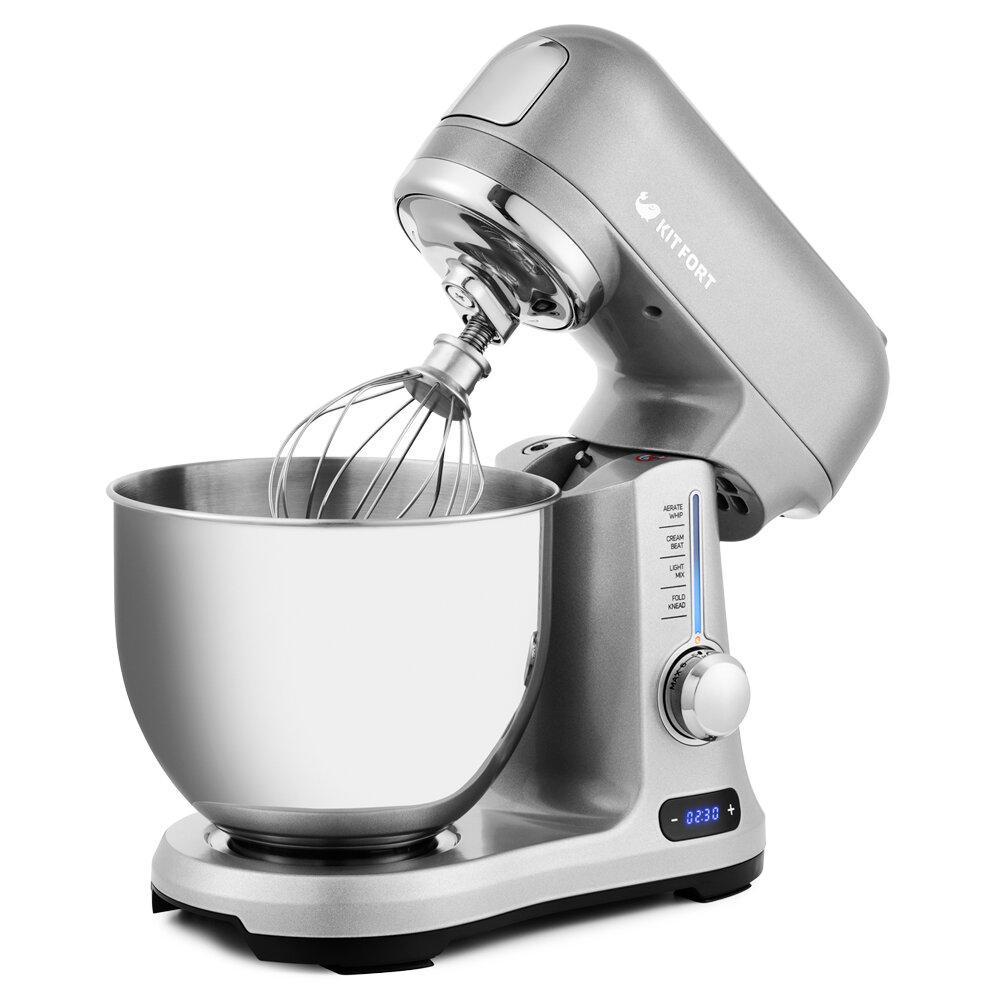
1. Kitfort 1308 – one of the best budget mixers from this brand, priced at around 7,500 rubles. This device features 600 watts of power, 6 speed settings, and an additional pulse mode. It comes with a 4.2-liter stainless steel bowl and 3 metal attachments. Its advantages include reliability and ease of use. Disadvantages: minimal functionality.
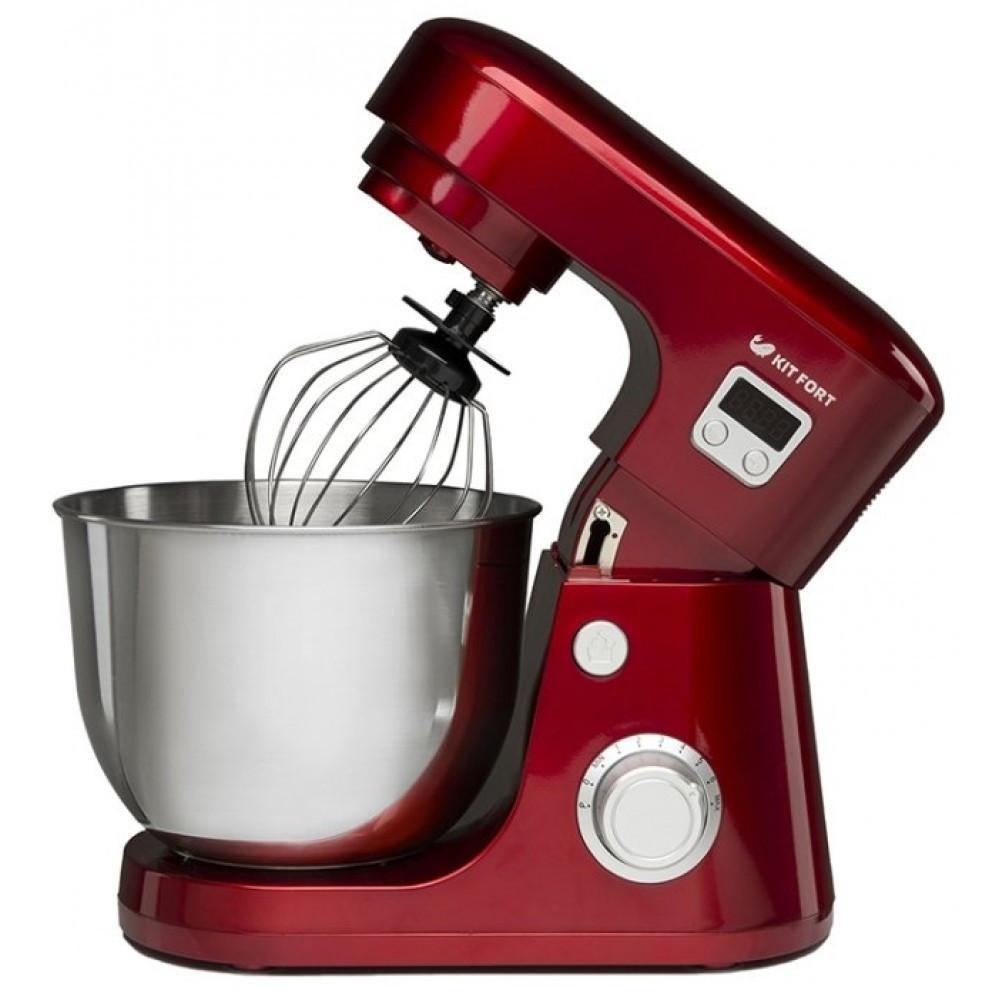
2. Kitfort KT-1357 – a more expensive device with 1000W power, costing around 16,000 rubles. This mixer supports 8 speed settings and a pulse function. The kit includes a 4.5-liter metal bowl and three attachments. Drawbacks include the long cord (1 m) and the built-in light, which remains active even when the device is inactive.
3. Kenwood kMix KMX750WH – a 1000-watt planetary mixer with a timer, priced at approximately 16,000 rubles. It includes a 5-liter stainless steel bowl, a plastic lid, and three attachments: a paddle, a hook, and a whisk. The device features a soft start, six speed settings, and one pulse mode. Disadvantages: the need to purchase additional attachments.
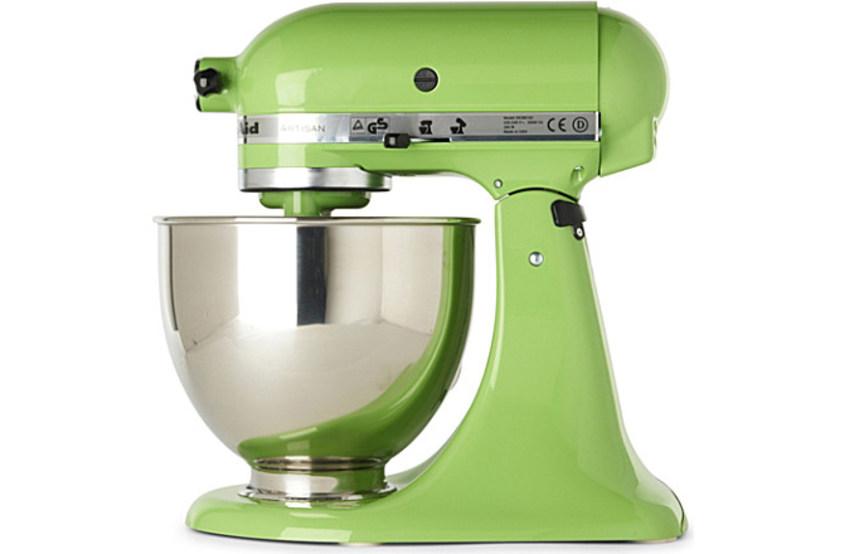
4. Kitchen Aid Artisan 5KSM150PSE – a 300-watt mixer priced at approximately 30,000 rubles. This mixer features 10 speed settings and is made of metal. It includes three standard attachments and a 4.8-liter stainless steel bowl. Its drawbacks include low power and a lack of additional options.
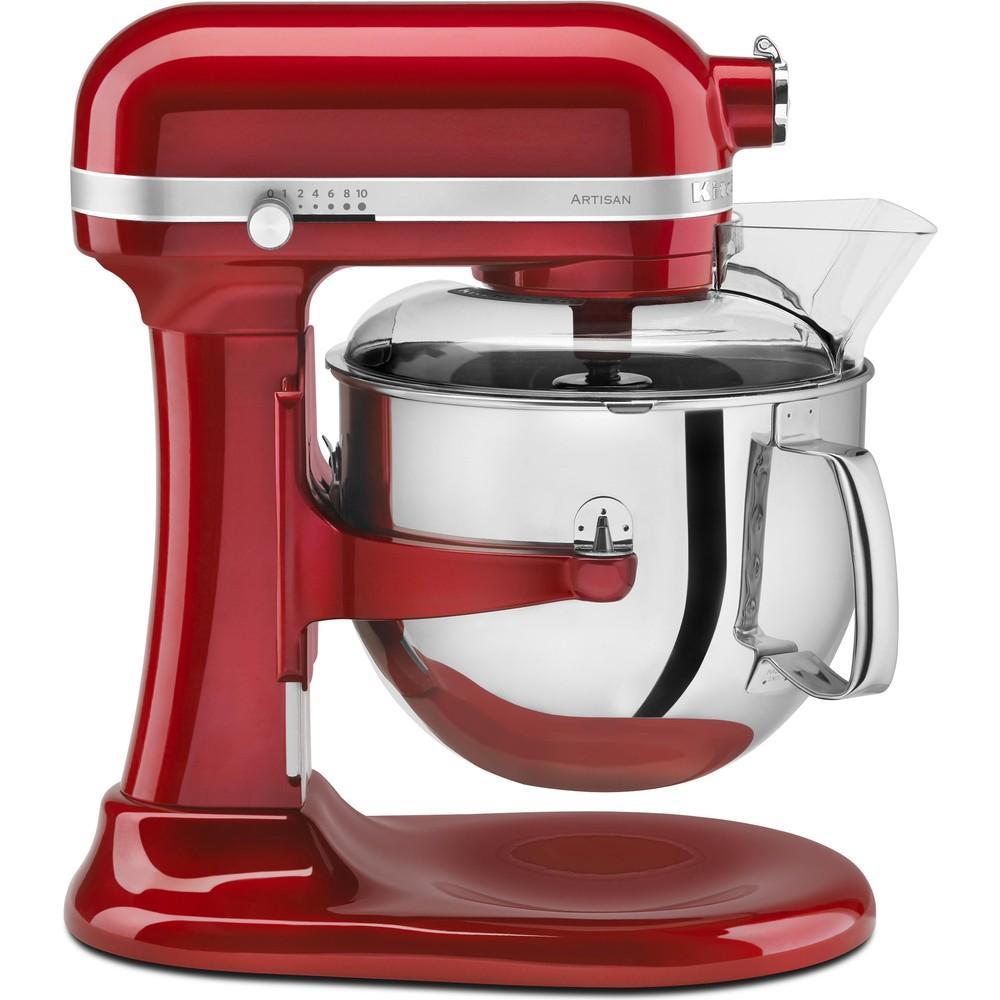
5. Kitchen Aid Artisan 5KSM7580 – a semi-professional device with 10 speed settings, 500W of power, and a price tag of approximately 70,000 rubles. It operates silently. The kit includes a 6.9-liter metal bowl, a lid, and four attachments. Its drawbacks include the high price and minimal functionality.
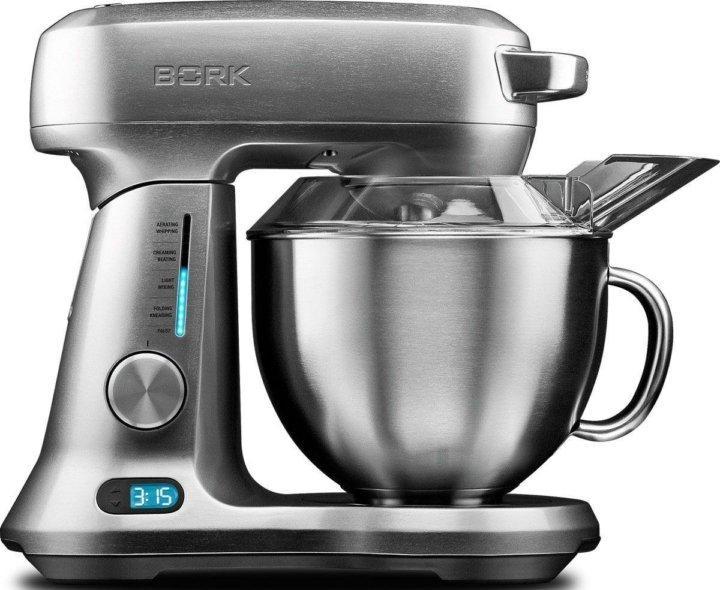
6. Bork E800 – a professional planetary mixer with a metal body and 1000W of power, priced at approximately 30,000 rubles. It features a safety system that automatically shuts off the device if it overheats, and a timer. This device supports 12 speeds. It comes with a 4.5-liter bowl and three attachments: a whisk, a paddle, and a hook. Disadvantages: high price and large dimensions.
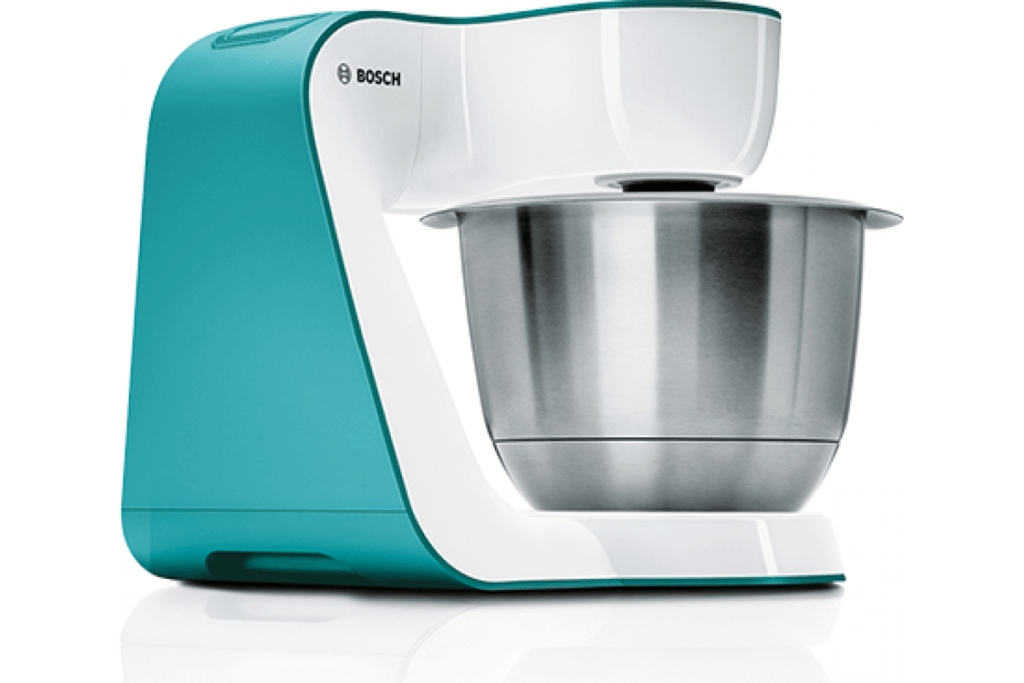
7. Bosch Start Line Mum54D00 – a 900-watt device priced at approximately 18,000 rubles. The mixer comes with a 3.9-liter metal bowl, a transparent lid, three standard attachments, and a storage bag. It features 7 speeds, a soft start, and a turbo mode. Disadvantages: Additional attachments required.
Choose any of the planetary mixer brands offered for your home, based on your budget, desired functionality, and equipment configuration.
Planetary mixer or dough mixer – which is better?
I'm sure many pastry chefs have heard of specialized dough mixers. When answering the question of which is better—a planetary mixer or a home dough mixer—it's worth highlighting the key features of each piece of equipment.
So, with a planetary mixer, you can thoroughly whisk or mix ingredients, and make dough of any consistency. With additional attachments, you can also chop vegetables, prepare ground meat, and juice.
As for the dough mixer, this equipment is designed for high-quality mixing of dough of various consistencies. This equipment is suitable for those who frequently bake large quantities of baked goods and pastries.
Therefore, if you plan to use the appliance for preparing various dishes, when choosing between a stand mixer and a home dough mixer, I recommend choosing the former. It's also worth considering the appliance's power and functionality.
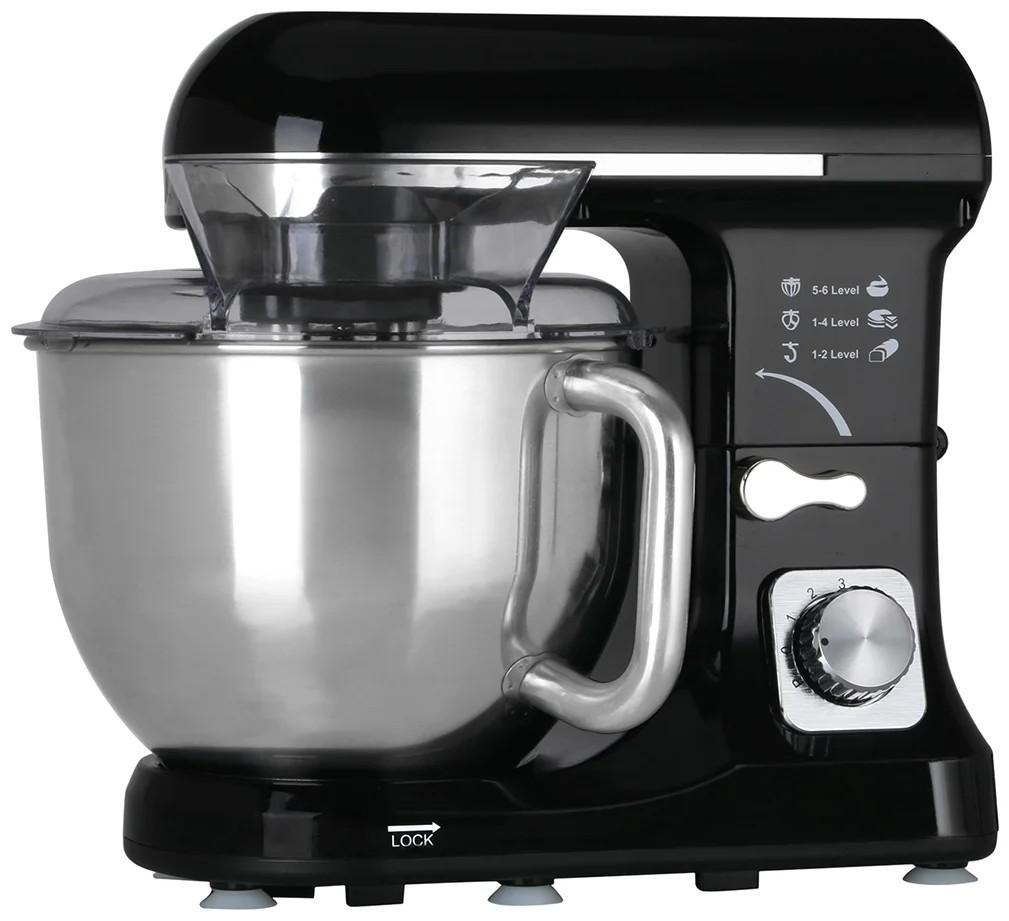
So, a planetary mixer is a device that can be used in both professional and home kitchens. Models vary in power, bowl capacity, accessories, and controls. Before purchasing, it's important to familiarize yourself with the key features and ratings of the best devices from different brands based on price and quality.