Which mixer should a pastry chef choose?: A review of parameters and popular models

Content
Many homemakers and aspiring pastry chefs wonder how and which mixer to choose for their home. To choose the right kitchen appliance, it's important to consider its intended use. I also recommend familiarizing yourself with the advantages, disadvantages, and features of each type of mixer: hand mixer, stand mixer, combination mixer, and stand mixer.
Why does a pastry chef need a mixer?
A mixer differs significantly from a blender or food processor in its functionality. A mixer is most often used by pastry chefs for mixing, whipping, or kneading ingredients. For this purpose, the mixer comes with attachments such as paddles, whisks, and hooks. A blender's bowl contains blades, so you can't knead dough or whip egg whites to a stiff peak; these attachments will cut the ingredients. This equipment is used for making smoothies, purees, and chopping nuts and coffee beans. A food processor, on the other hand, has a wide range of attachments and functions, from blending ingredients to juicing.
What kind of mixers do confectioners use?
Mixers, like other kitchen appliances, vary depending on their intended use and ease of use. Below, we'll explore the advantages, disadvantages, and differences between hand mixers, combination mixers, stand mixers, and planetary mixers.
Manual
A hand mixer for home use is distinguished from other types by its compactness. It's quite easy to use, featuring a base housing the motor, handle, and beater holes. To mix ingredients with this device, hold it in your hand, keeping it suspended, occasionally rotating it for better mixing. The speed control is conveniently located on the top, allowing the pastry chef to easily increase or decrease the power during operation. Another advantage of this device is its compact size, making it easy to store even in a small kitchen. This appliance is excellent for whipping foam, preparing creams, or making thin pancake or sponge cake batter.
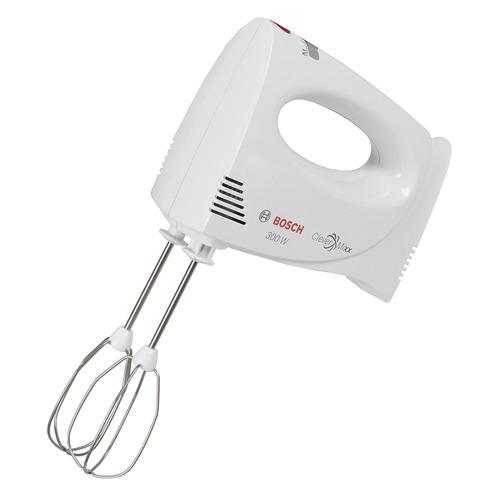
When choosing a hand mixer, consider its power, which can reach up to 700 watts, and its weight (up to 3 kg). Some models come with a plastic bowl, but the mixer is not attached to it. This option is more convenient because it has a bowl of the required capacity and is easy to clean. To clean and disassemble the device, remove the attachments and rinse them thoroughly under running water; you can also use a mild detergent. The body can be easily wiped with a damp cloth.
Stationary
A stand mixer is more complex. It consists of a body with attachments and a bowl where the ingredients are mixed. The main advantage of this type of device is that it requires minimal intervention from the pastry chef. Simply place the ingredients in the bowl, lower the body with the attachments, and press a button to select the desired mode. From there, the device will work automatically.
Stand mixers typically have more power than handheld mixers, so they can handle even the toughest dough without your intervention. A rotating stand is an added advantage, helping to mix ingredients more thoroughly and evenly, maximizing oxygenation. This is especially important when whipping egg whites. When choosing a stand mixer, look for a power rating of up to 2700 watts and a weight ranging from 5 to 12 kg, depending on the size.
Combined
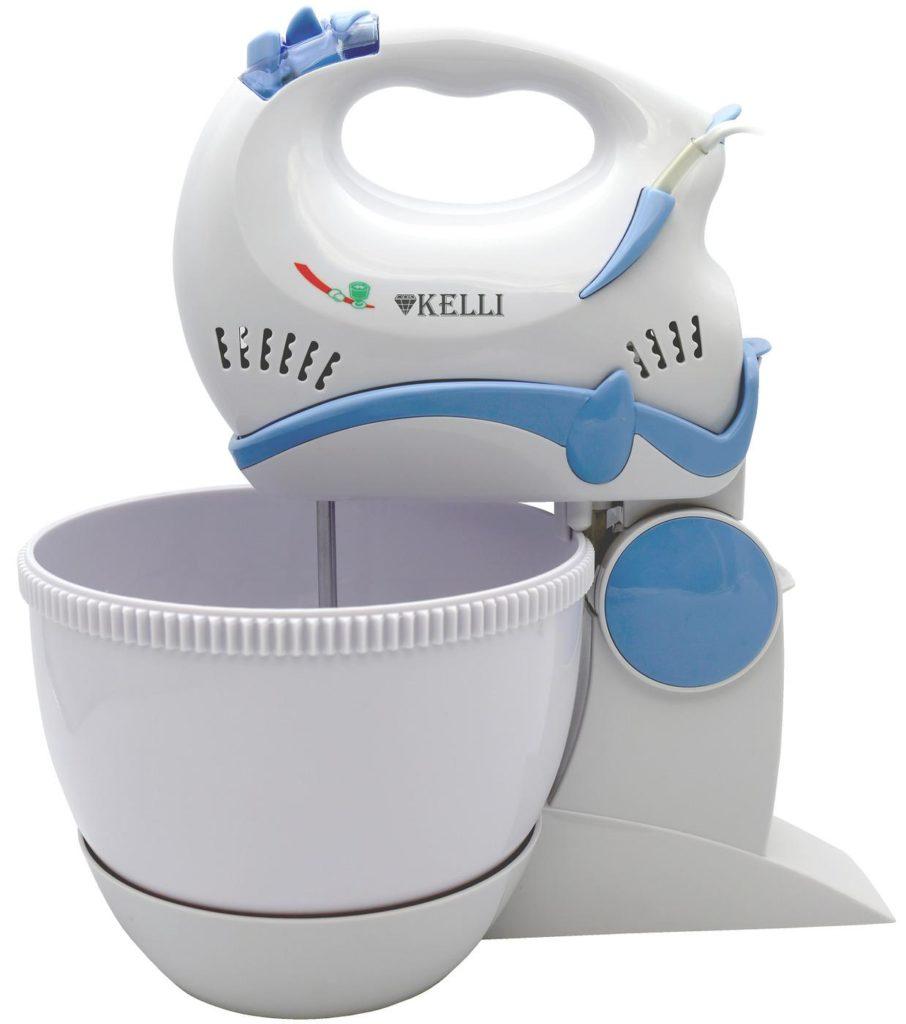
A combination mixer is similar in appearance to a stand mixer, but has the added benefit of being detachable from the main body. This allows you to whisk ingredients manually, turning the handle as needed, or simply attach it to the main body and leave it in place with the desired setting selected. This type of mixer is quite compact, consumes little energy, and is easy to maintain.
Planetary
A planetary mixer is a type of stationary equipment that thoroughly mixes ingredients in a deep bowl, which is included in the set. This device features not only a rotating base but also multi-directional blade rotation, ensuring even oxygenation and quick and thorough mixing of ingredients. A planetary mixer is suitable for kneading dough. Furthermore, this device offers a variety of additional features, from mixing ingredients and setting the shut-off time to using the mixer as a grater or meat grinder. This type of mixer is the heaviest, but also the most powerful.
What criteria should a home pastry chef use to choose a mixer?
When choosing a mixer, it's important to understand its intended use. A number of factors influence the price of the device. Therefore, if the basic functions for whipping liquid mixtures are sufficient for you, there's no point in overpaying for additional features you won't use. Below, we'll look at the criteria to consider when buying a mixer.
Power
The most important characteristic when choosing a mixer is power. This determines the number of tasks you can accomplish with the device. The higher the power, the more ingredients the mixer can mix for a long time without overheating. Power also affects the energy consumption and cost of the kitchen appliance. Therefore, consider this parameter very carefully when purchasing equipment.
The most basic hand mixer has a minimum power of 250 watts, but this isn't suitable for long periods of beating ingredients; it needs time to rest. The optimal power level for home cooks is 350–400 watts. For complex dishes and mixing tough dough, 500–700 watts is required, and these models will be considerably more expensive.
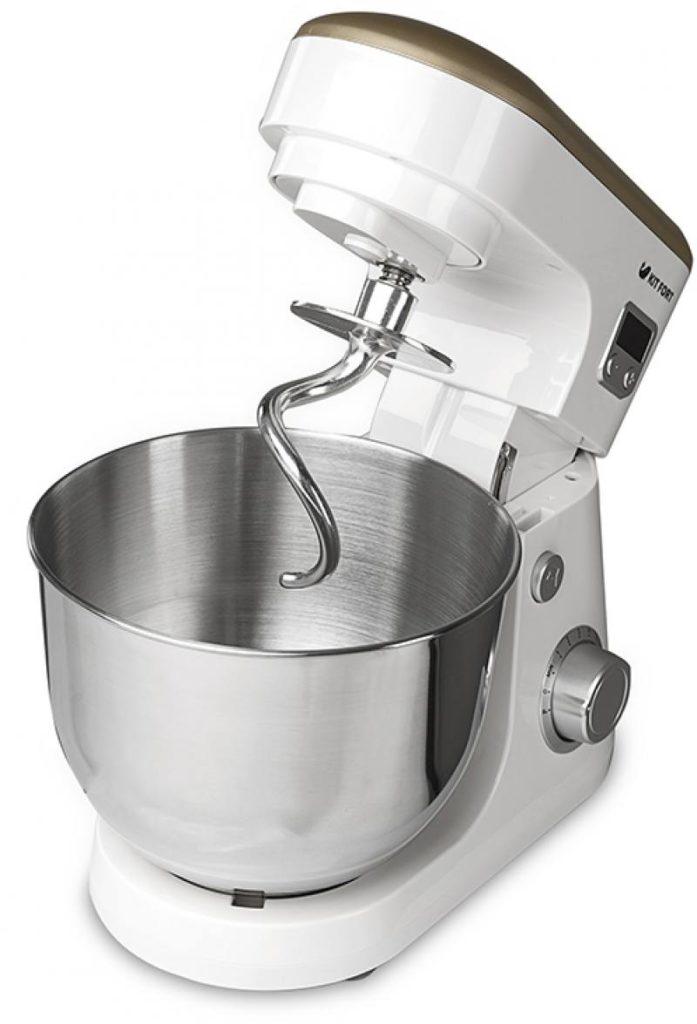
Power ratings for stationary mixers start at 500 watts. More functional, and therefore the most expensive, options are planetary mixers with ratings starting at 600 watts. For preparing a cream or cocktail weighing no more than 0.5 liters, a unit with minimum power is sufficient. For mixing 1.5 kg of dough, a minimum of 400 watts is required. If you plan to whip mixtures weighing up to 4 kg, I recommend purchasing a stationary or combination mixer. For preparing various types of dough, creams, and complex dishes, it's best to choose a planetary mixer with maximum power.
Body and bowl material
The mixing bowl and base of mixers are made of plastic, stainless steel, and tempered glass. Each material has its advantages and disadvantages. Plastic devices are easy to hold, generally remain intact if dropped, and are inexpensive. However, this material is prone to deformation and is easily scratched and cracked.
Therefore, avoid plastic bowls, which are also unsuitable for whipping egg whites because they absorb fat well. However, this material is suitable for the base. When purchasing such a mixer, pay attention to the smell. If you detect an unpleasant chemical odor, it's best to choose another option, as this odor may transfer to the ingredients you're whipping. This also indicates a low-quality device.
Metal mixers are more reliable and durable, but more expensive than plastic options. A stainless steel mixer can withstand heavy use. A stainless steel bowl is ideal for mixing any ingredients, as stainless steel doesn't react chemically with food. The only drawback is the need for more careful maintenance; stains and fingerprints are more visible on a metal surface, but these can be easily removed with a clean cloth or napkin.
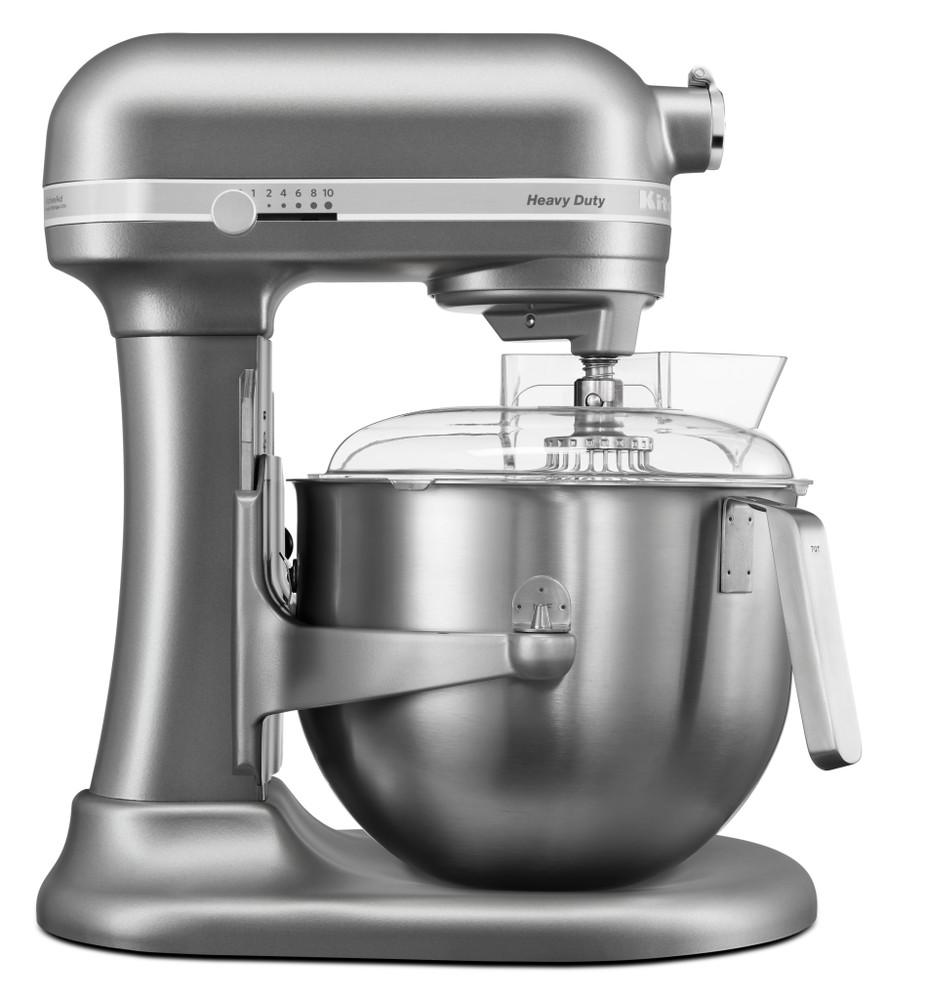
Glass bowls are safe for food; you can see the mixing process and the progress of the ingredients through them. This material is also easy to clean, has an aesthetically pleasing appearance, and doesn't absorb odors. However, such a bowl can break if hit or dropped. Mixers with this capacity are not budget-friendly.
Bowl
I recommend choosing a bowl based on your needs and the amount of ingredients you'll be using. I also recommend adding an extra 500 ml, as the contents often expand during blending. A lid eliminates this need. The capacity of these bowls ranges from 2 to 5 liters. Therefore, if you're cooking for two, it's best to choose a small bowl with a capacity of 2-3 liters; this will be sufficient, but don't fill it completely. A family of 3-4 people will need a bowl with a capacity of 3-3.5 liters.
The containers in question are made of plastic, tempered glass, and stainless steel. The material affects not only the service life but also the aesthetics and durability. To ensure the longest possible service life for your bowl, I recommend choosing a stainless steel container.
Number of speeds and operating modes
When choosing a mixer, it's also worth considering the number of speeds and modes. Most home cooks use no more than 3-5. A larger number would only be of interest to professional chefs. Many models have additional options:
- Turbo mode. Allows you to instantly turn on the mixer at maximum power. This is especially useful when whipping butter or cream. However, this mode should not be left on for long periods of time to prevent the mixer from burning out.
- Pulse mode. This allows you to control the rotation of the blades by pressing a button: the more pressure you apply, the faster they spin. It's used for breaking up lumps in tough dough and crushing nuts.
- Slow start. Gradually "accelerates" to set values, allowing the contents to remain inside the bowl without scattering.
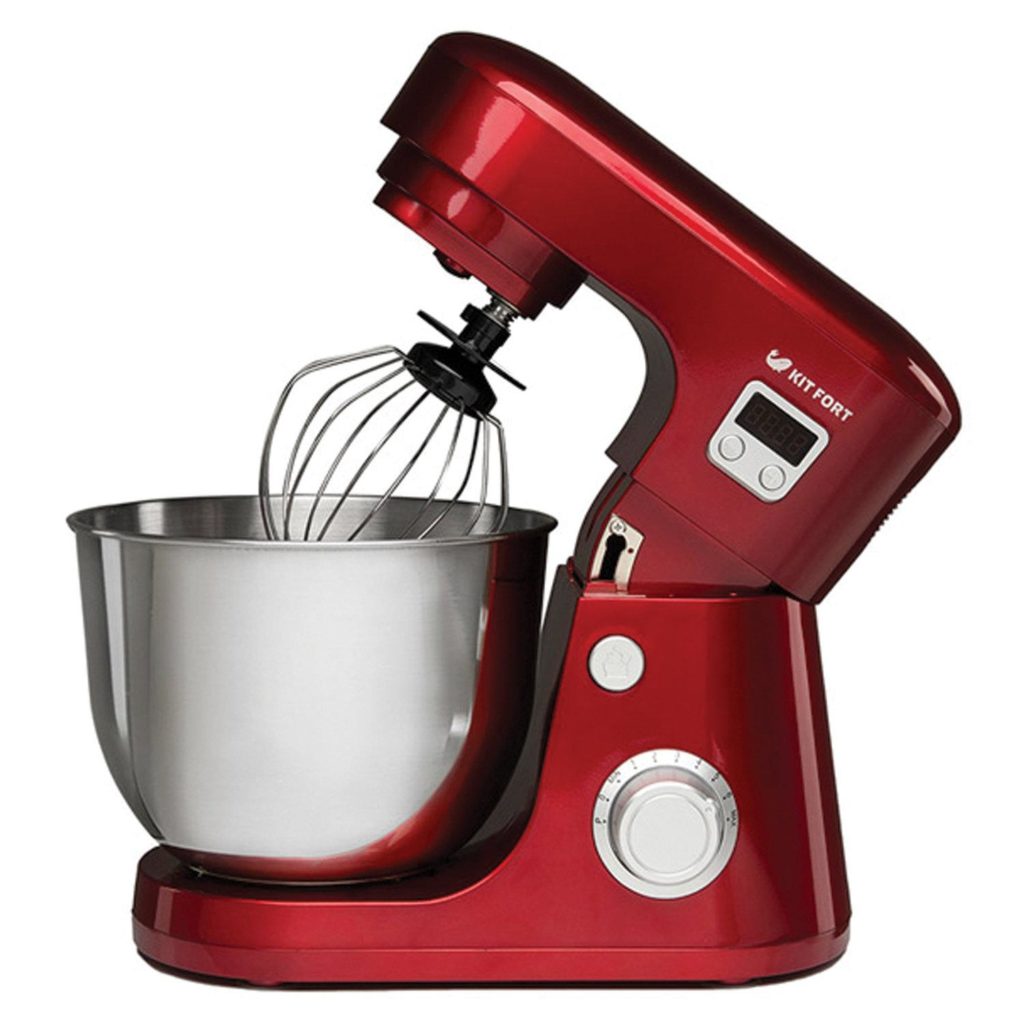
Advanced models feature buttons or a touchpad for speed control. Some mixers even have an option to set the end-of-beating time.
Weight and ergonomics
When choosing a hand mixer, consider its shape and weight to ensure it's easy and comfortable to hold for long periods. Also important is the placement of the buttons and power controls on the top of the handle. This allows you to adjust the speed smoothly without stopping whisking. When choosing a hand mixer, consider the storage compartment and cord length. The longer the cord, the easier it is to place the mixer in your kitchen without using an extension cord. It's best to choose a model with overheat protection.
Attachments and accessories
On average, a stand mixer comes with 2-3 attachments. The maximum number is 16. A handheld mixer has a whisk and a dough hook. A stand mixer has a kneading paddle. These attachments should be made of stainless steel. Some models include an immersion blender or a special blade for chopping hard ingredients.
Brand
Popular, high-quality, and expensive mixers include Bork, Smeg, and KitchenAid. More affordable, yet equally functional, models can be found from Bosch, Kitfort, Moulinex, and Philips. Manufacturers producing affordable models for everyday home use include Vitek, Supra, and Polaris.
Does a pastry chef need a planetary mixer?
A planetary mixer is considered a versatile kitchen appliance. It offers high power and is used for whipping, crushing, cooking, and kneading various ingredients. These devices typically come with several attachments (from 3 to 12). If you cook infrequently or only use your mixer for whipping cocktails, creams, or purees, purchasing a planetary mixer is unwise. If you've decided on one, I recommend reading the article about planetary mixers on this website.
Top 7 Mixers Best for Pastry Chefs
The top 7 models of good mixers that have proven themselves among pastry chefs for their price-quality ratio:
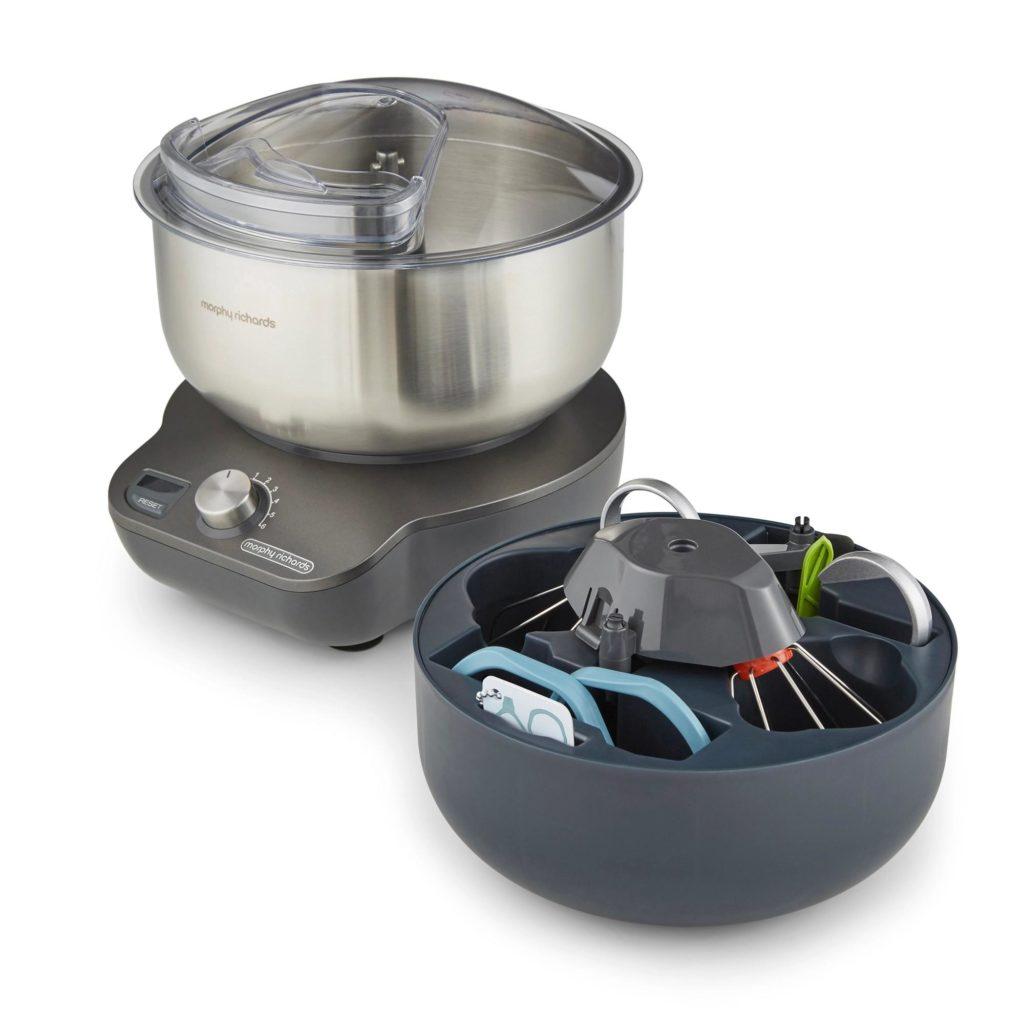
1. Vorphy Richards Mixstar 400520 – a planetary mixer priced at approximately 15,900 rubles. It features a built-in timer, 6 speed settings, and a 650-watt power output. It comes with a 4-liter bowl and dual attachments: whisks, dough hooks, and special paddles for quick mixing. It also includes a storage container for the attachments and a transparent lid to prevent splashes while mixing.
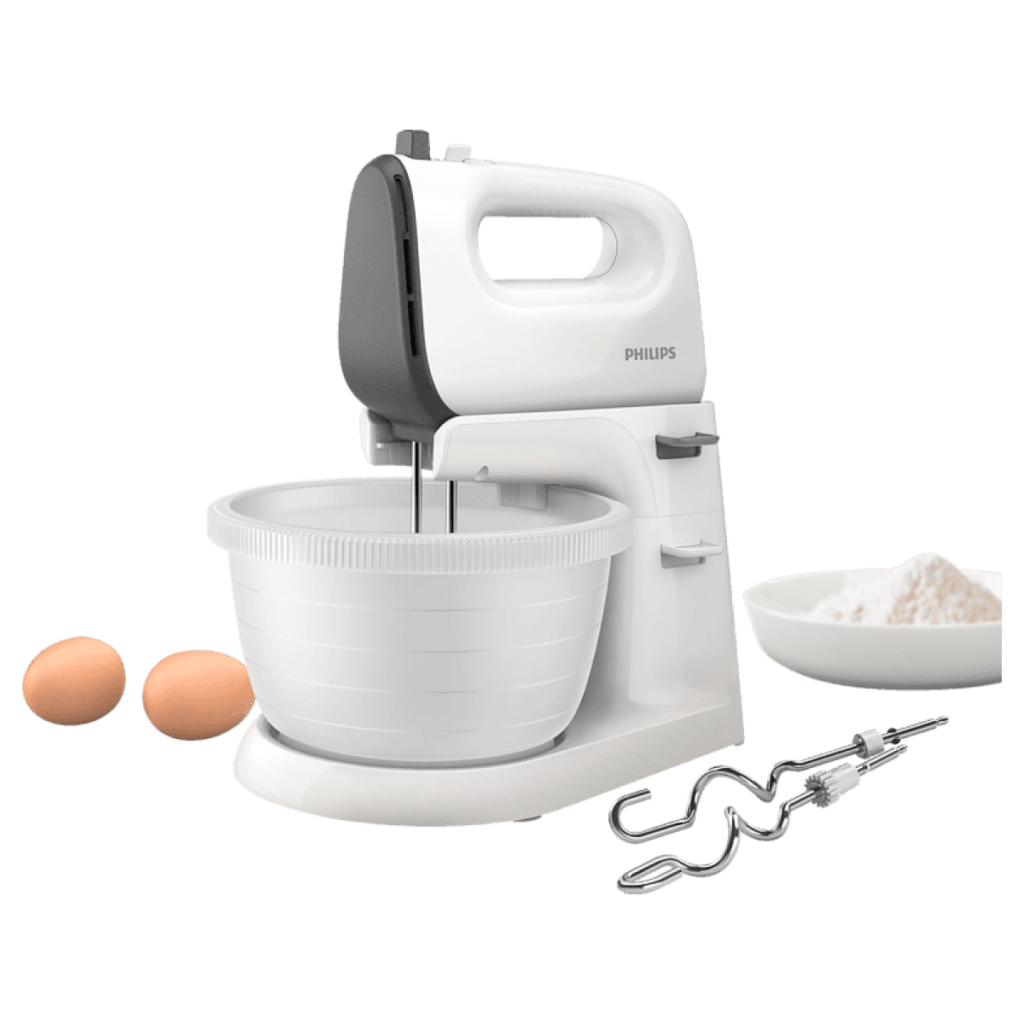
2. Philips HR3745/00 – a 450-watt stand mixer, priced at approximately 3,800 rubles. It features 5 speeds and a turbo mode. It comes with a cone-shaped beater for maximum oxygenation of the ingredients being whipped, as well as a 3-liter rotating bowl with a motorized motor. The mixer body is equipped with suction cups for added stability.
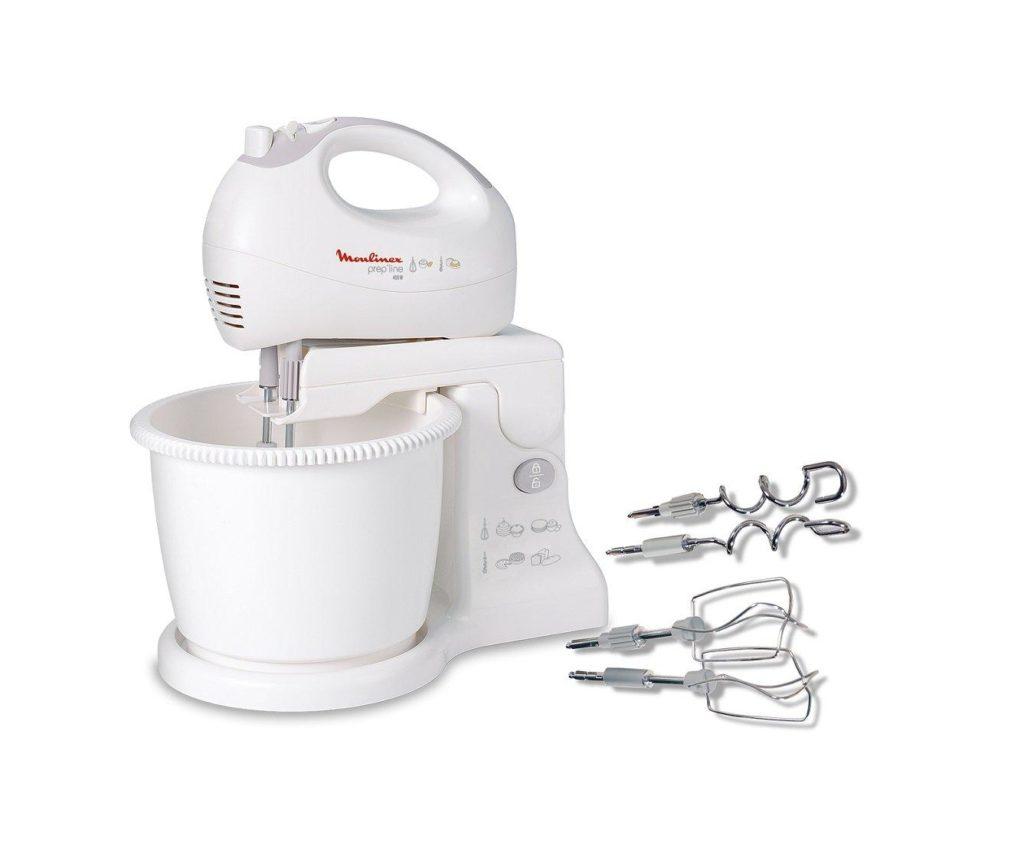
3. Moulinex HV412131 Prepline – a combination mixer with a 2.5-liter bowl and 450W power, priced at approximately 4,600 rubles. This stationary mixer has a removable mixer head, so you can use it by hand if needed. The kit includes whisk and hook attachments. The mixer body features a 5-speed selector switch with pulse and turbo modes.
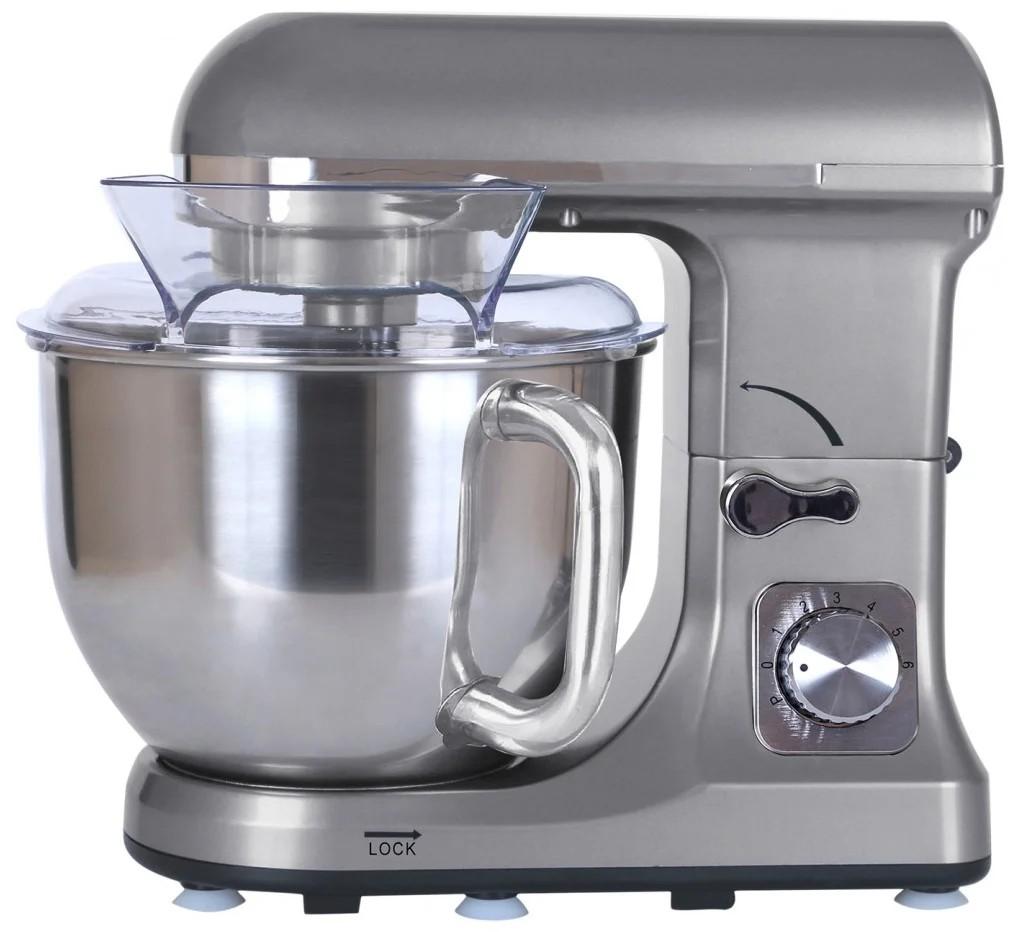
4. Kitfort KT-1350 – a 1300-watt planetary mixer with a meat grinder, priced at approximately 14,900 rubles. Suitable for professional use, it includes a spacious 6-liter bowl, a lid, 3 attachments for preparing complex dishes, and a spatula. The mixer body is equipped with suction cups for improved stability. It also features 6 speeds, a timer, and overheat protection.
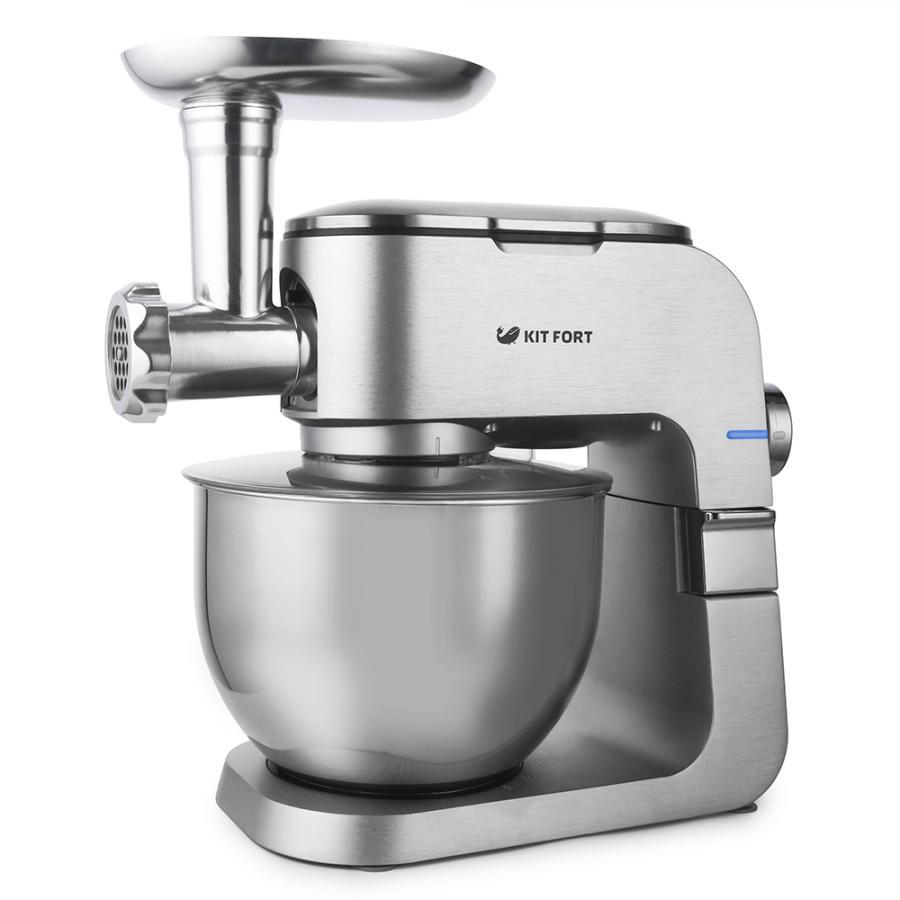
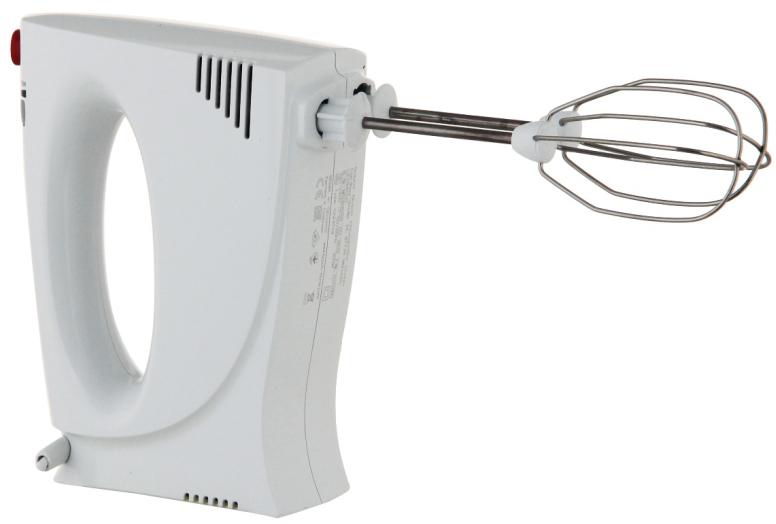
5. Bosch MFQ 3010 – an inexpensive but good 300-watt hand mixer, priced at around 2,000 rubles. It has two speed settings and a turbo option, as well as whisks and hooks included.
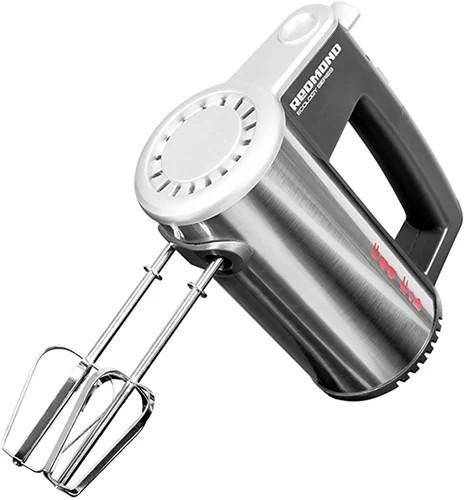
6. Redmond RHM-M2104 – a 500-watt hand mixer with 5 speed settings, priced at approximately 2,300 rubles. It comes with two pairs of attachments: dough hooks and whisks. It has a built-in overheat protection feature.
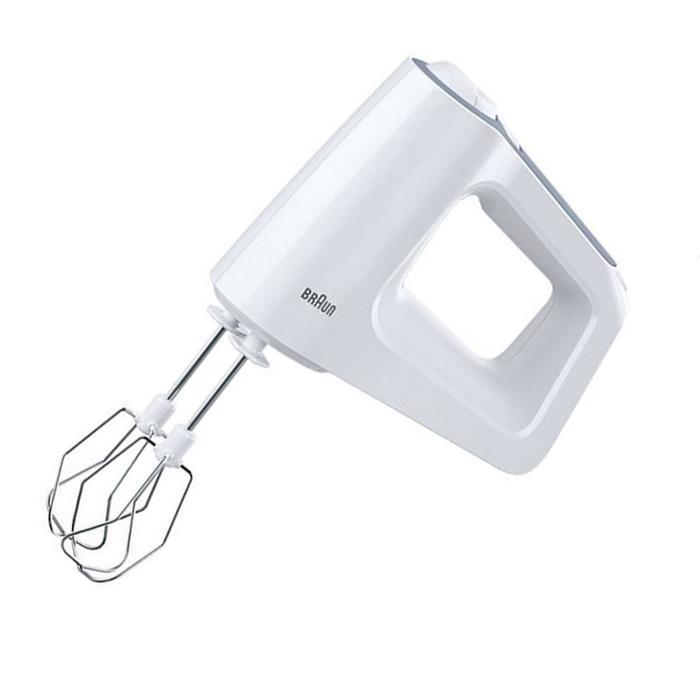
7. Braun HM-3107 – a 500-watt hand mixer, priced at approximately 5,500 rubles. It has 5 speed settings and a turbo option. The kit includes whisks, hooks, a blender foot, and a measuring cup.
Choose a kitchen mixer based on reviews and your preferences, considering the intended use and number of servings. For preparing complex dishes and kneading tough dough, it's best to buy a multi-functional stand mixer with high power. If you plan to prepare lighter dishes, such as smoothies, purees, or whipping liquids, a hand mixer is a smart choice.