How to Make Black Buttercream for Cake: A Step-by-Step Recipe

Content
The fashion for black desserts is relatively new, but the trend has proven so enduring that for almost 10 years now, pastry chefs have been perfecting techniques for achieving a deep black hue for cake coatings and dessert decorations. Today, we'll explain in detail how to make a beautiful, delicious, and safe black cake frosting, and also offer a simple step-by-step recipe for coloring the frosting and preparing a black coating without chemical dyes.
Coating Features
Black cakes look incredibly impressive and festive, but custom-made ones are quite expensive (primarily due to the increased interest in this design option).
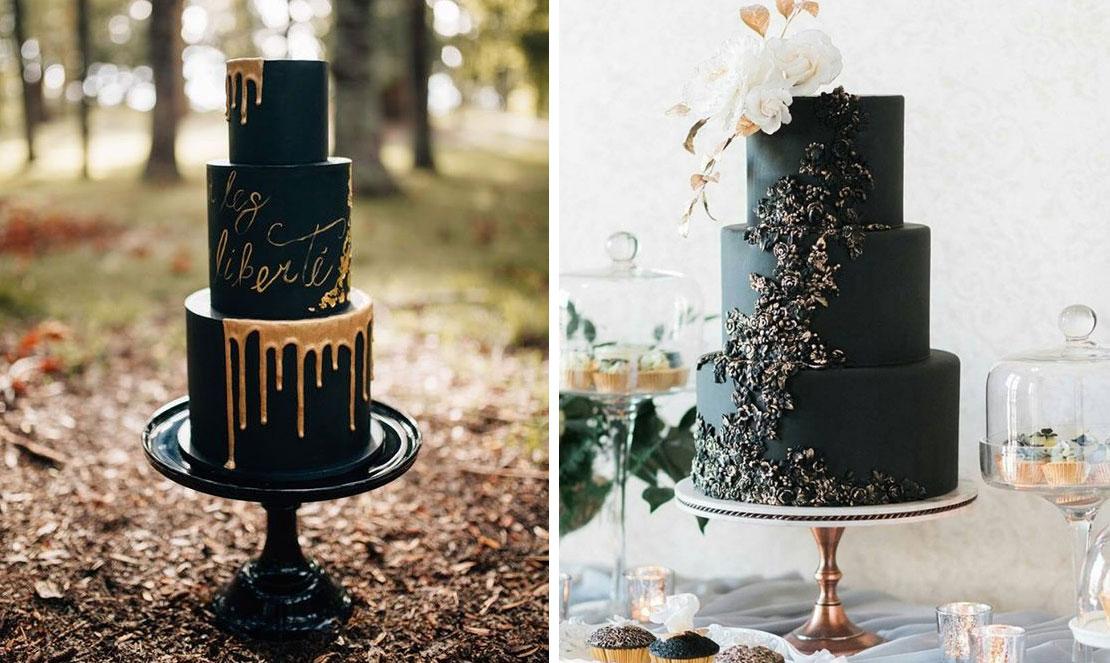
Naturally, housewives who already have experience creating original homemade desserts are wondering how to make such a beautiful black cake at home.
Chefs distinguish three ways to decorate such desserts depending on the coating used:
- black cream for leveling the cake (a fairly thick, but soft coating that does not harden completely);
- dark chocolate ganache (allows you to make the thinnest possible layer while maintaining a dense black color);
- black mastic (good as a base for complex decor, as it holds its shape firmly).
Staining methods
We suggest taking a detailed look at the features of using different coloring methods and choosing which food coloring to use.
Pigments (food colors)
If you want to ensure that the results of using black pigment don't disappoint you, follow these simple rules:
- Buy only high-quality, proven pigments. Sugarflair and Americolor fat-soluble dyes have proven themselves to be the best, while paints from brands like Creda, TOP-product, and Rosdecor don't produce the desired results even when adding large amounts of dye to the cream.
- Choose your coloring based on the composition of your frosting. For butter and chocolate ganaches, as well as most frostings, oil-soluble pigments are ideal.
- Follow the directions for use strictly. Do not exceed the dye concentration.
- When preparing the mixture, be sure to let the dye activate. This usually takes about 30 minutes.
- If you are unsure about the properties of the dye, use chocolate cream (or even better, dark chocolate ganache) instead of light chocolate, as this will result in a more intense color.
- To apply the coating in the thinnest possible layer, use an airbrush with a nozzle diameter of 0.3-0.5 mm.
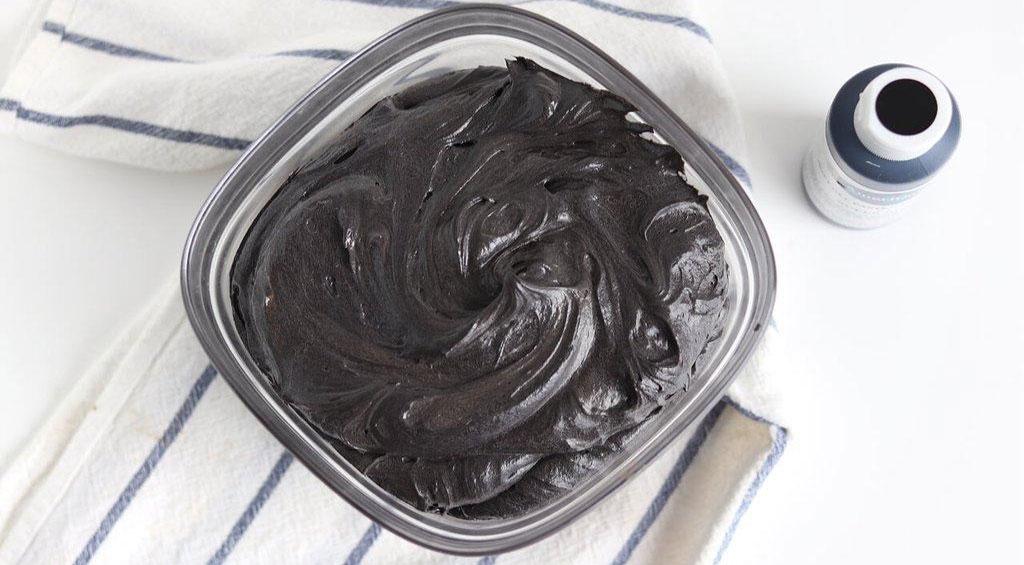
Bamboo charcoal
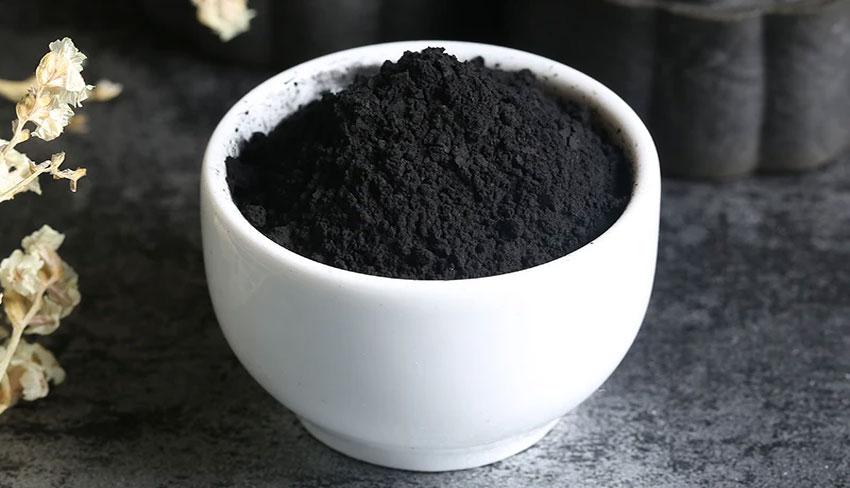
Bamboo charcoal has a wide range of uses. It can be used to color not only cream or icing, but also cake bases, sponge cakes, muffin batter, and bun dough.
Benefits of use:
- lack of taste and smell;
- beautiful coloring and deep black color;
- consumption 2-4 grams per 100 grams of cream (depending on the composition).
Beginner bakers often wonder if activated charcoal can be substituted for bamboo charcoal. Experienced bakers advise against this for three reasons:
- using a household coffee grinder, you will not be able to achieve the required degree of grinding, and the undissolved carbon will crunch on your teeth like sand;
- the absorption rate of activated carbon is several times higher, which will affect the structure of the coating;
- Due to the coarser grind, the amount of charcoal entering the body with such a cream will be several times higher, which will increase the likelihood of unwanted gastrointestinal effects.
Alkalized (dark) cocoa
Another effective way to make black frosting for a cake without using chemical dyes is to add alkalized (black) cocoa.
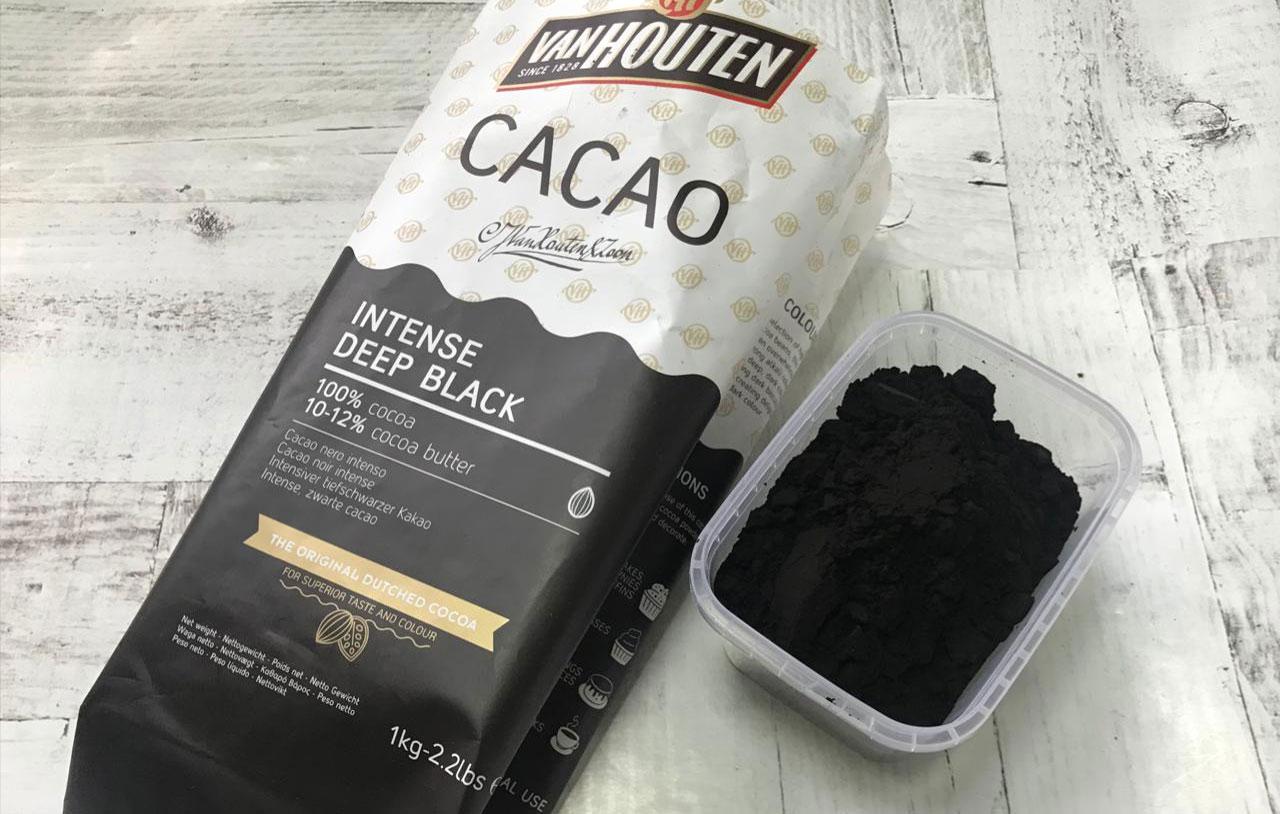
Before you decide to dye your cream with black cocoa, it's worth knowing the following:
- This coating is guaranteed not to stain the tongue;
- To color a portion of cream you will need about 3 tablespoons of cocoa;
- at high concentrations, such a coating can taste noticeably bitter;
- The powder worked well in combination with cream cheese, but butter cream became too porous when adding a large amount of cocoa.
Popular recipes
So, you've learned about the three most popular methods for coloring cake icing. Now let's take a closer look at how to achieve black cake frosting using each method.
Chocolate ganache with powdered coloring
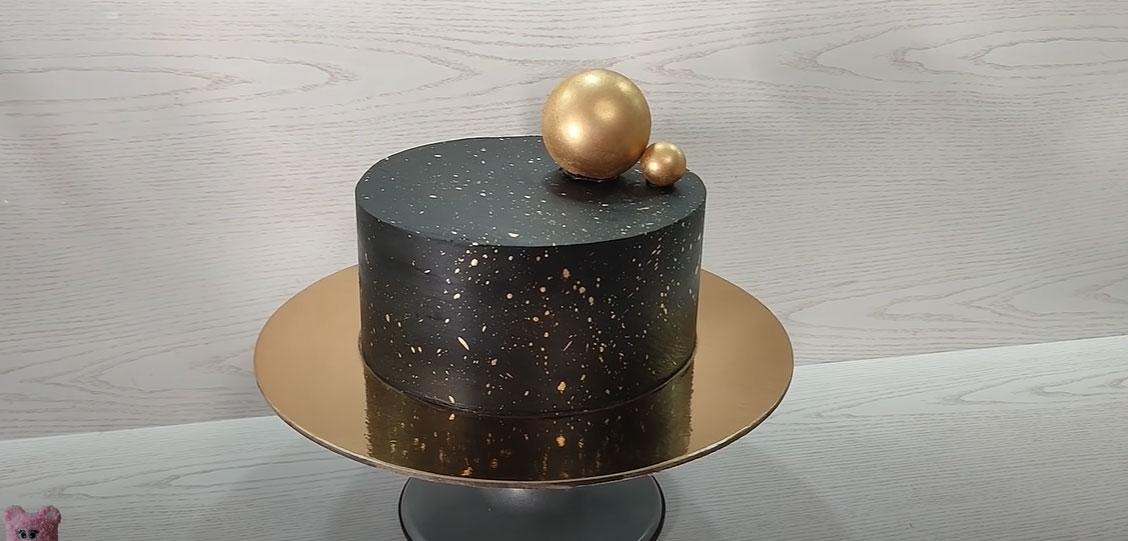
Ingredients:
- chocolate 60% – 200 g;
- butter – 100 g;
- cream 33% – 100 g;
- iron oxide E172 – 2.5 g.
Preparation:
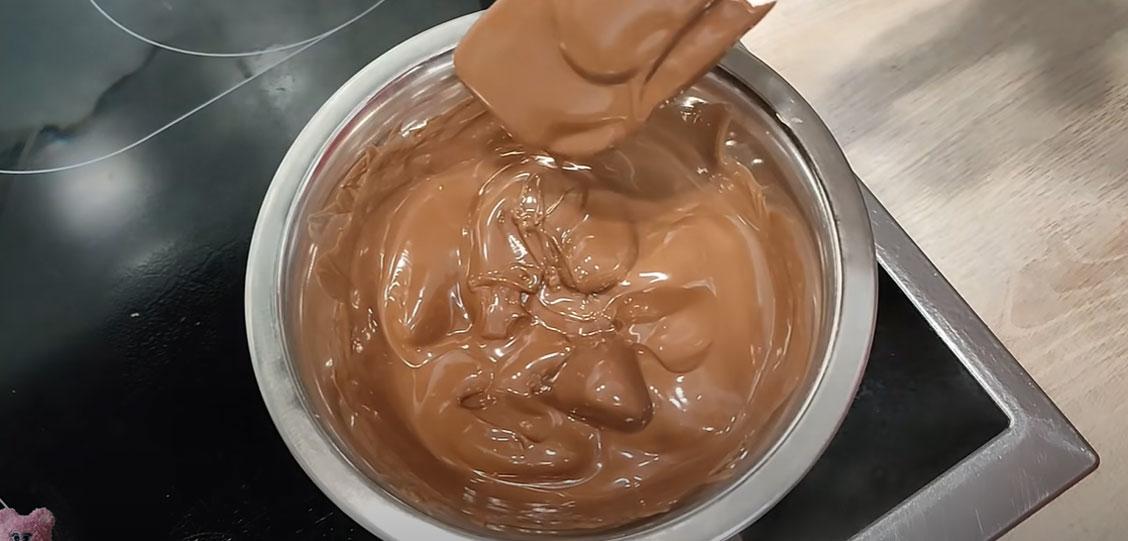
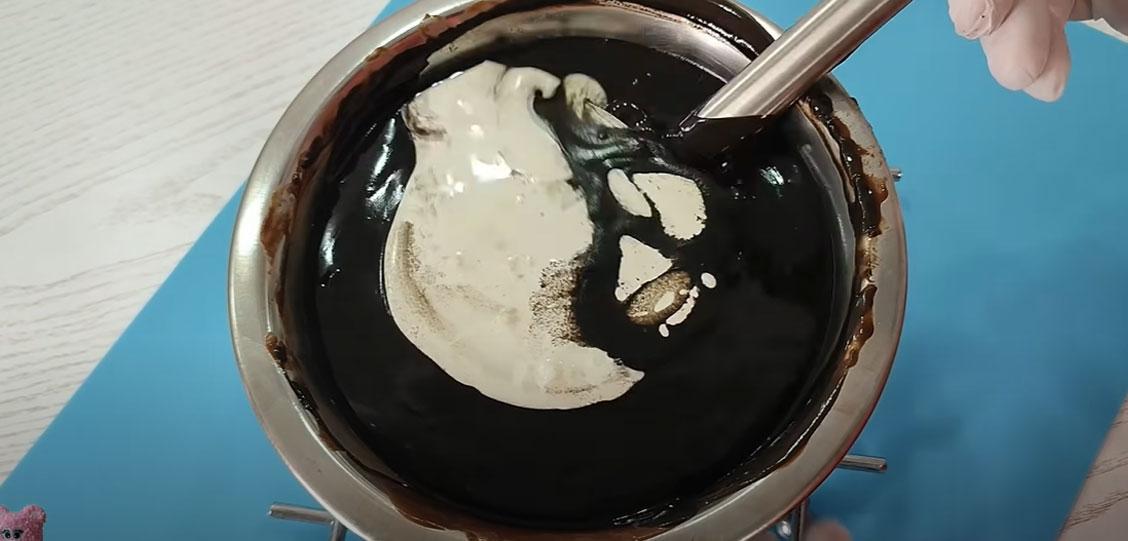
- Melt the chocolate in a water bath and knead into a homogeneous mass.

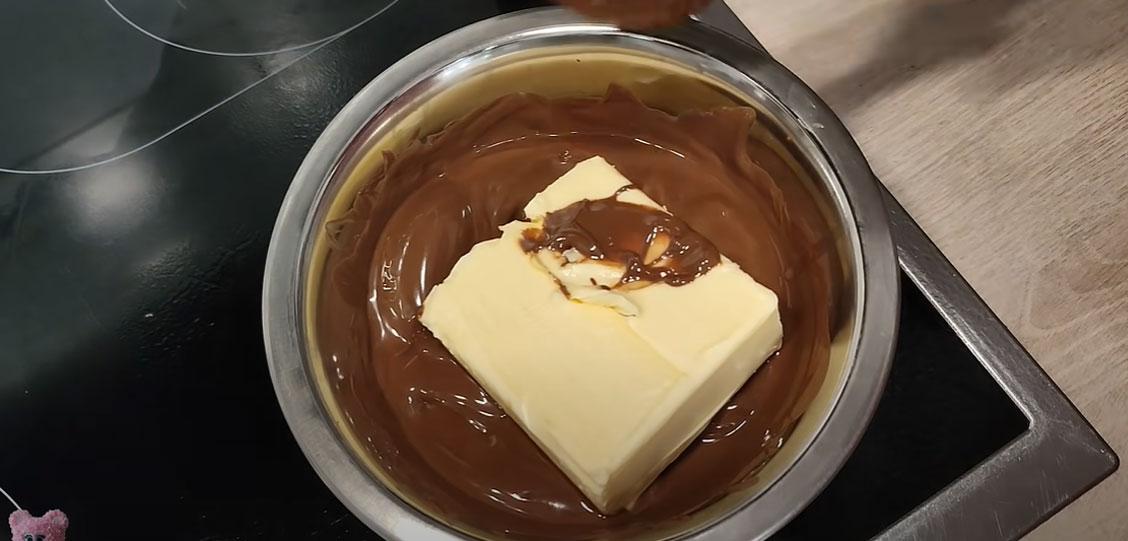
- Add butter, melt and mix until smooth.
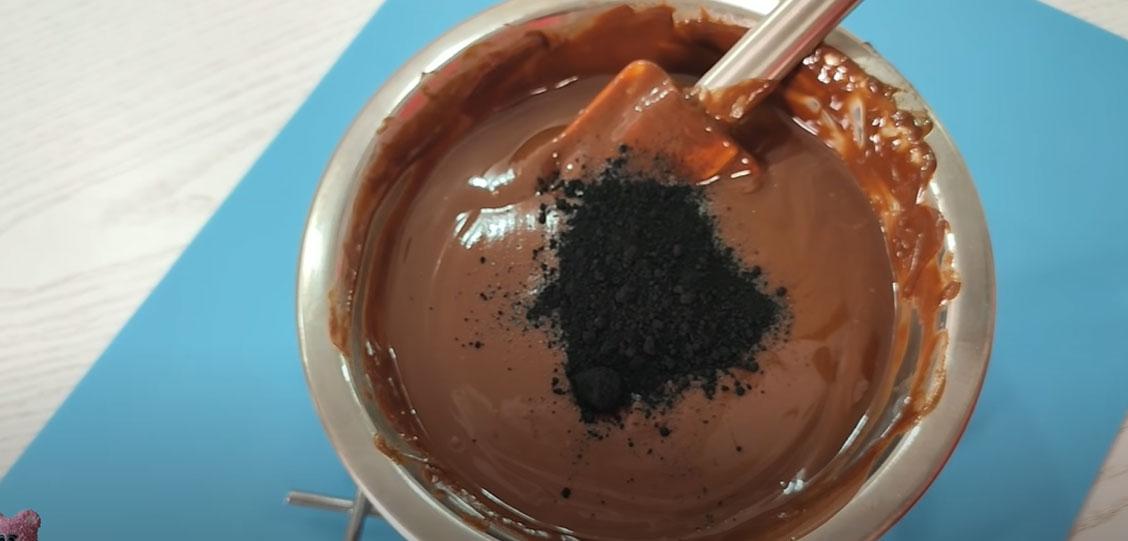
- Add 2.5 grams of powdered dye to the mixture and stir thoroughly until completely dissolved.
- Add cream and stir until the mixture becomes smooth.
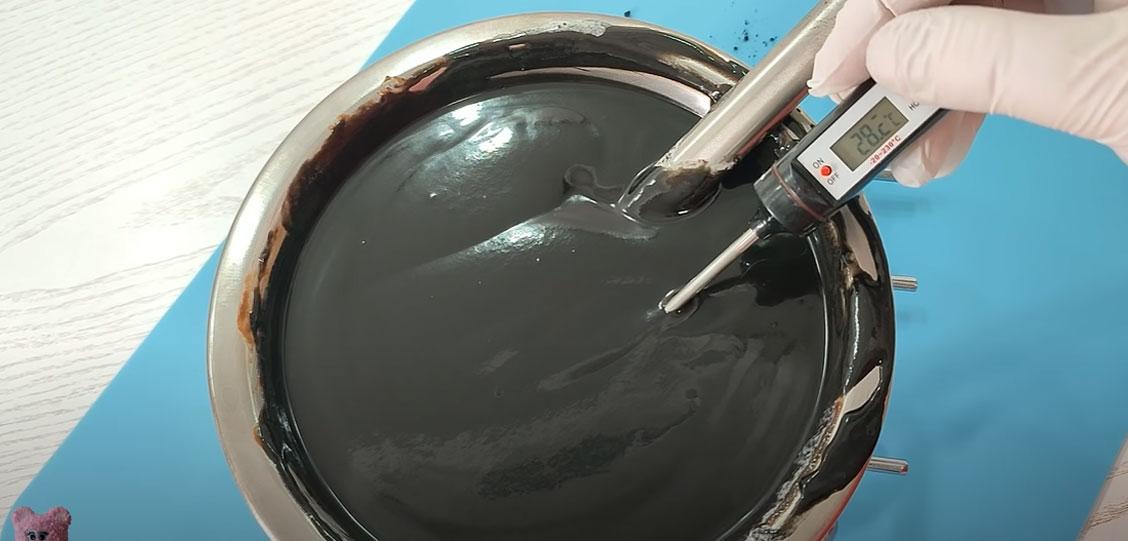
- The working temperature of black ganache on chocolate is 28℃.
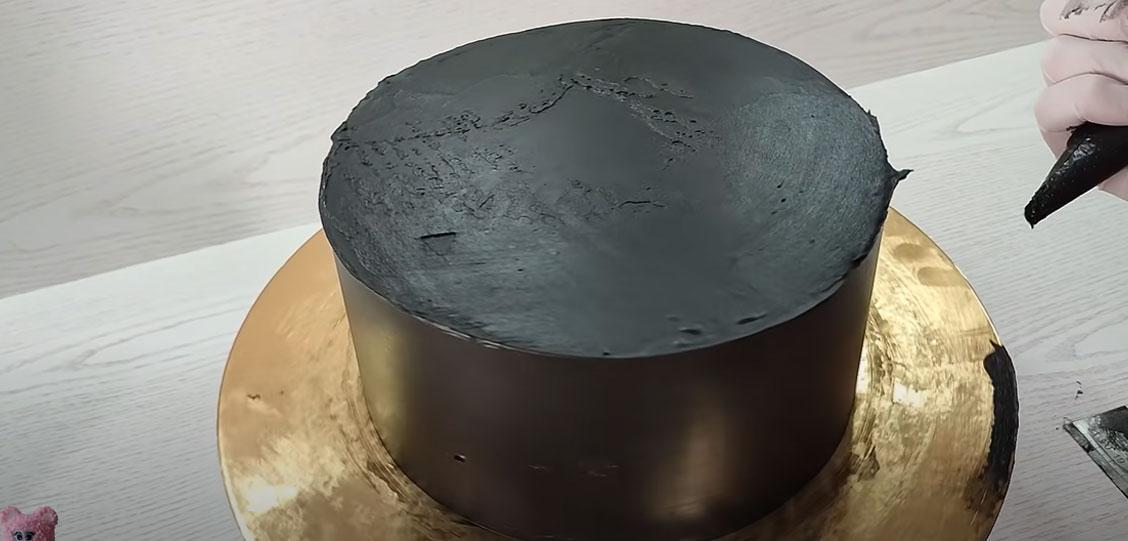
- All that remains is to apply the coating to the cake.
Cream cheese with bamboo charcoal
Ingredients:
- butter – 100 g;
- almette cottage cheese – 300 g;
- powdered sugar – 80 g;
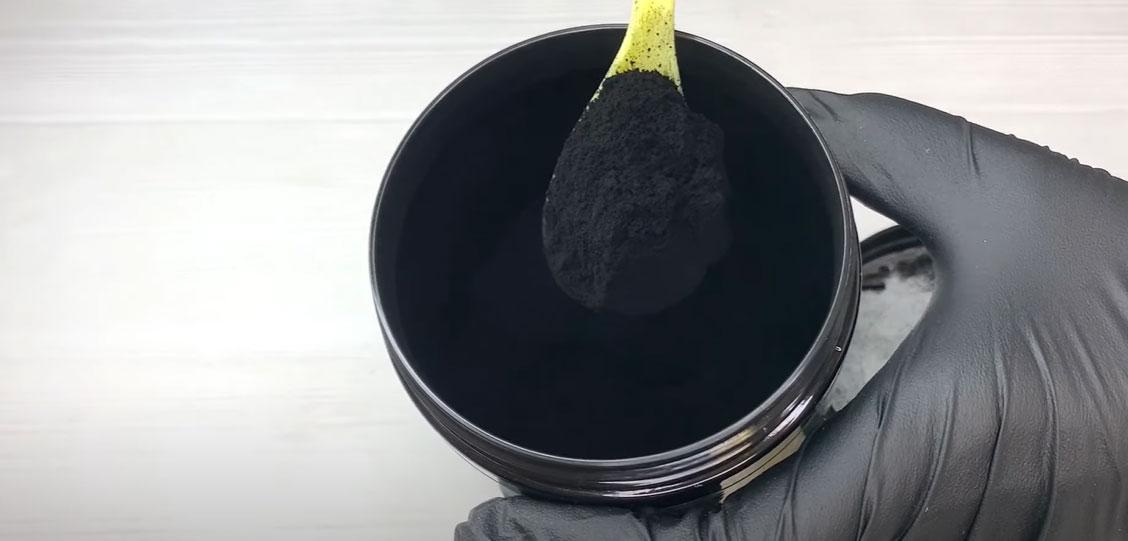
- bamboo charcoal – 4 tsp
Preparation:
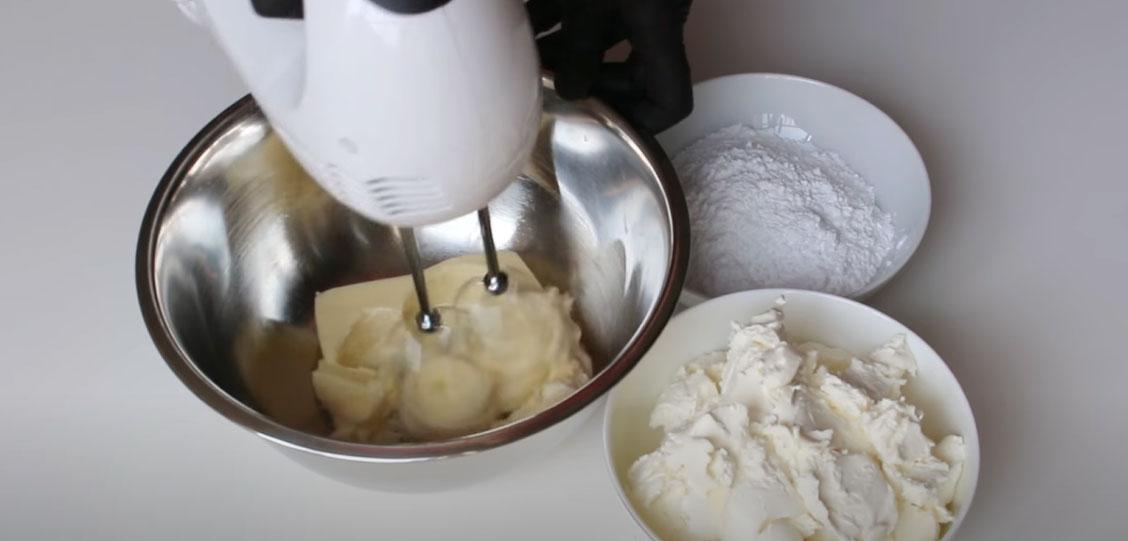
- Beat the softened butter with a mixer for about 7 minutes.
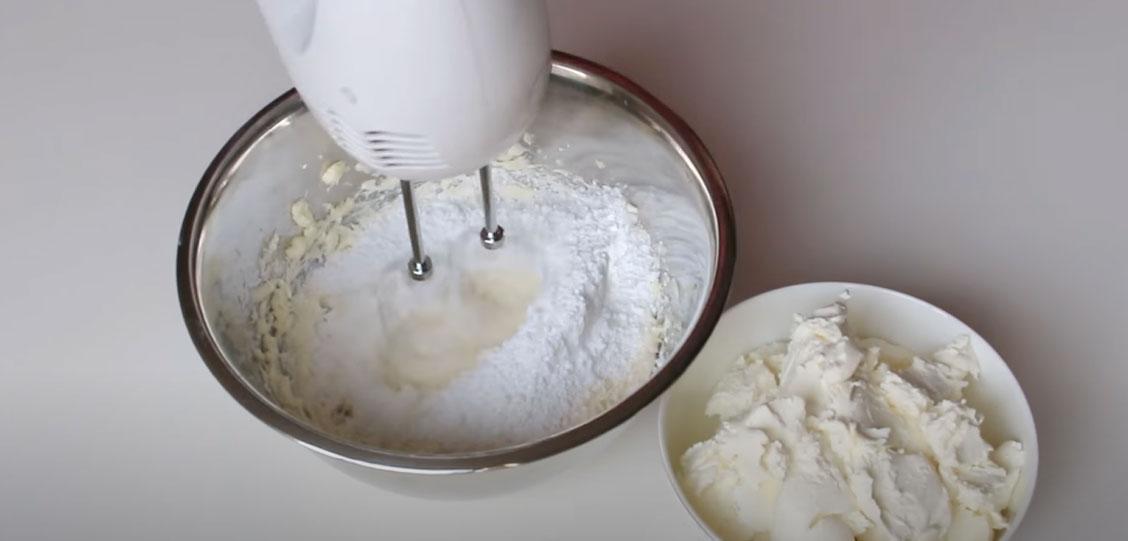
- Add powdered sugar and mix with a mixer until smooth.
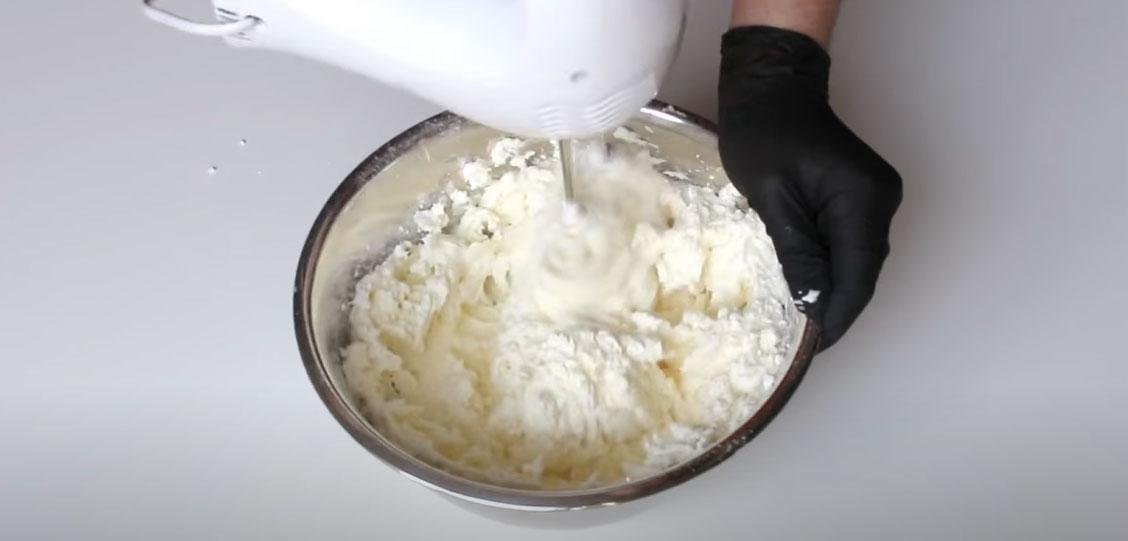
- Add cream cheese to the mixture and beat until smooth cream cheese is obtained.
- Separate 100 grams of the cream (the rest can be used for frosting the cake and rough leveling) and add 3 heaping teaspoons of bamboo charcoal. Mix thoroughly and let it sit at room temperature for 20-30 minutes to achieve a more intense color.
- Let's decorate the cake.
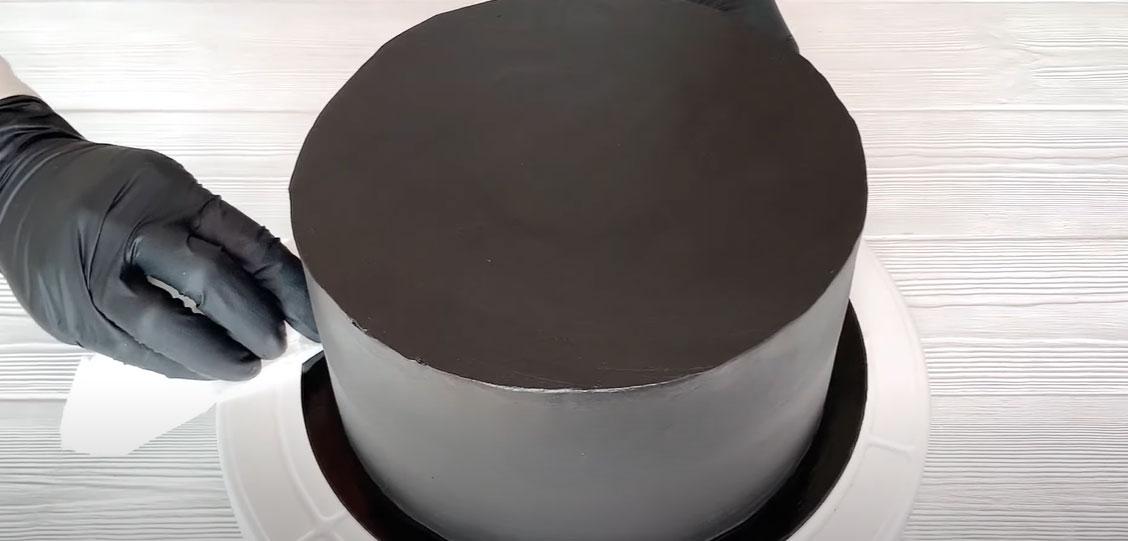
Cream cheese with dark cocoa
Ingredients:
- cream cheese – 3 tbsp;
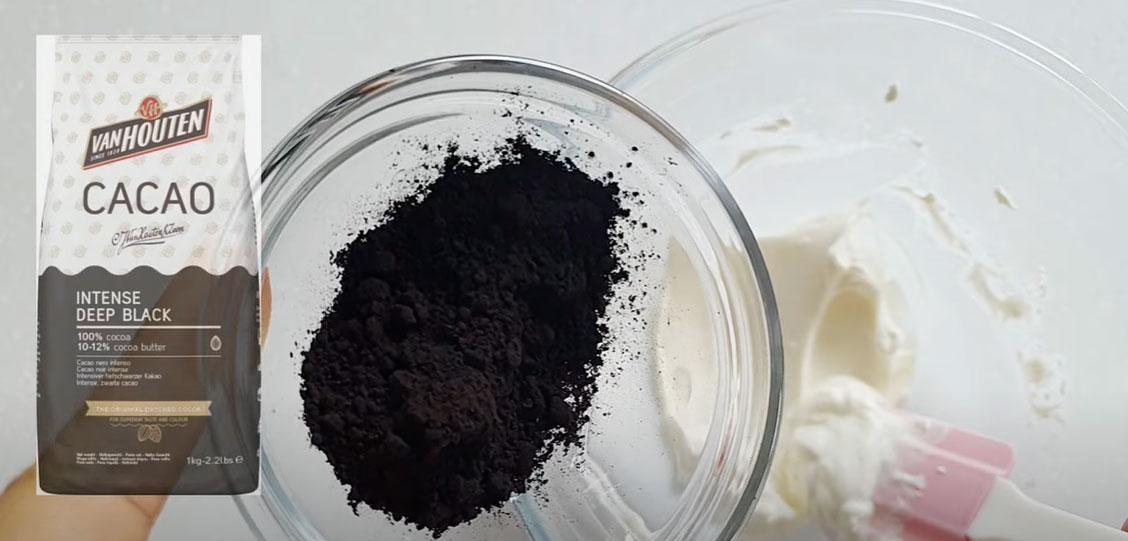
- alkalized (black) cocoa – 1.5 tbsp.
Preparation:
- We use the most common cream cheese (detailed cream cheese recipe with cream (available on our website). To prepare the black coating, you will need 3-4 tablespoons.
- Add cocoa to the cream 1 teaspoon at a time and mix.
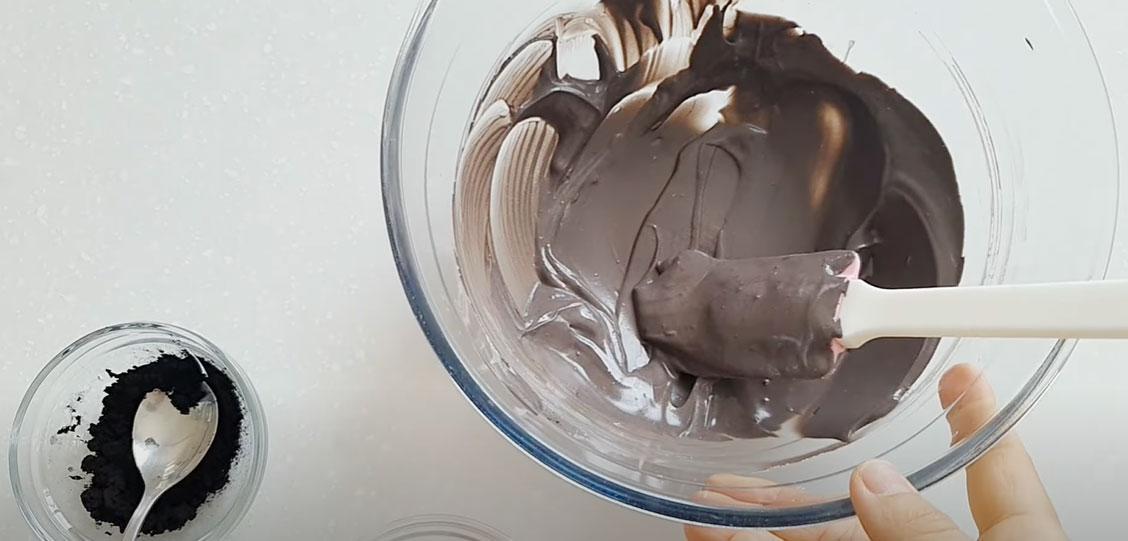
- If the powder does not dissolve well in the cream, you can first dilute it in a teaspoon of water.
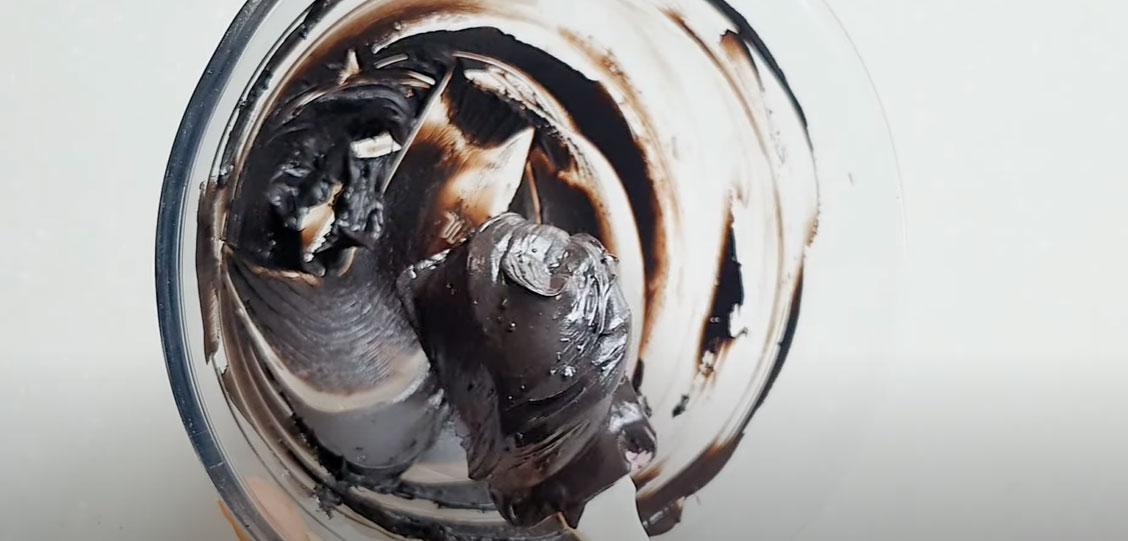
- This is what the color will be after adding 1 tsp.
- This is what the cream looked like after adding 1.5 tablespoons of powder.
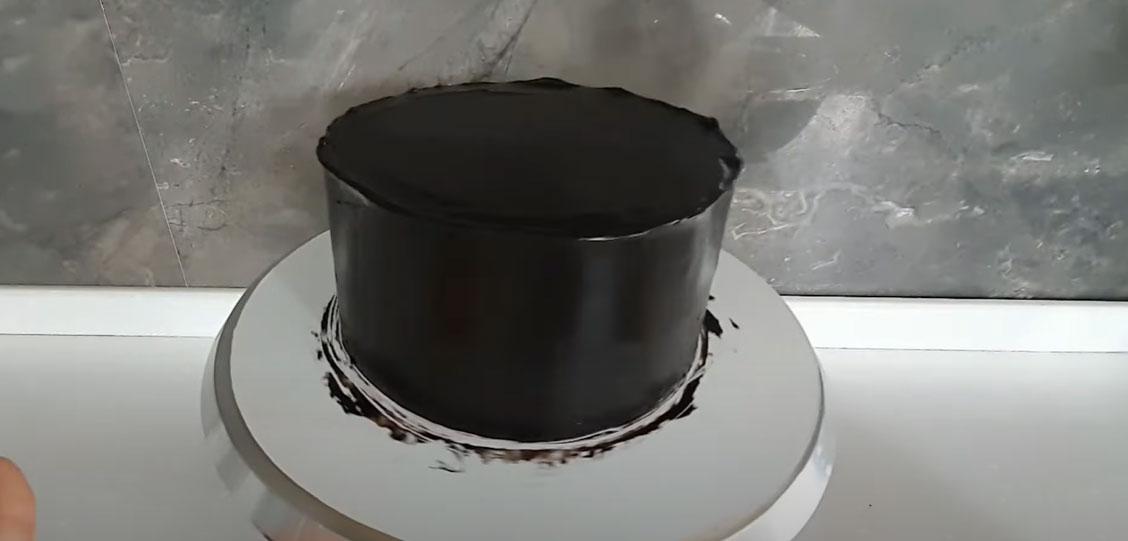
- All that remains is to let the mixture reach its maximum saturation (15-20 minutes) and decorate the cake.
Black velour
Ingredients:
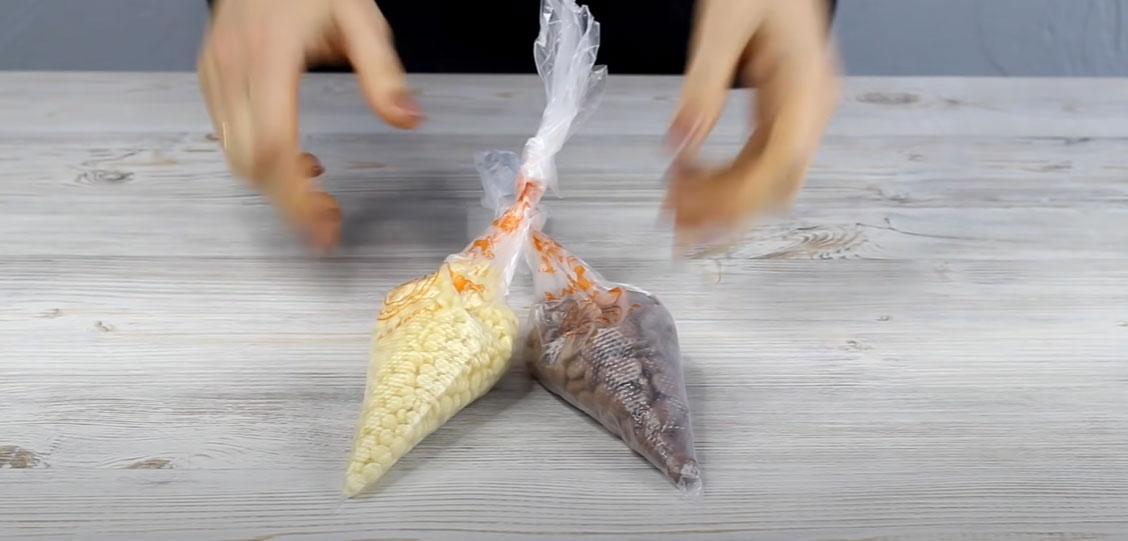
- chocolate – 50 g;
- cocoa butter – 50 g;
- dye.
Preparation:
- Melt the chocolate and cocoa butter separately.
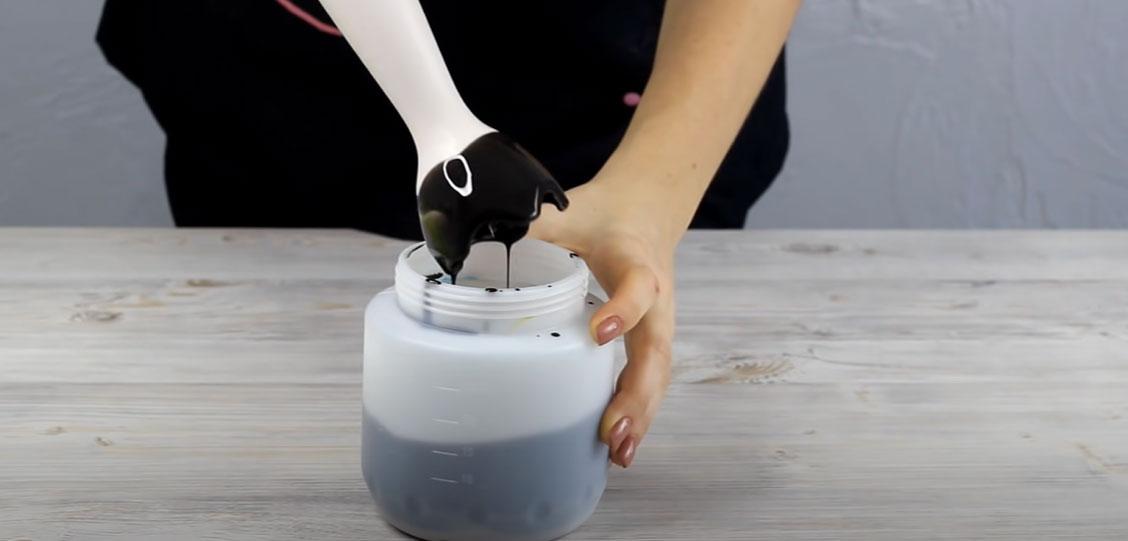
- Combine the melted ingredients, add black fat-soluble food coloring (according to the manufacturer's instructions) and blend the mixture.
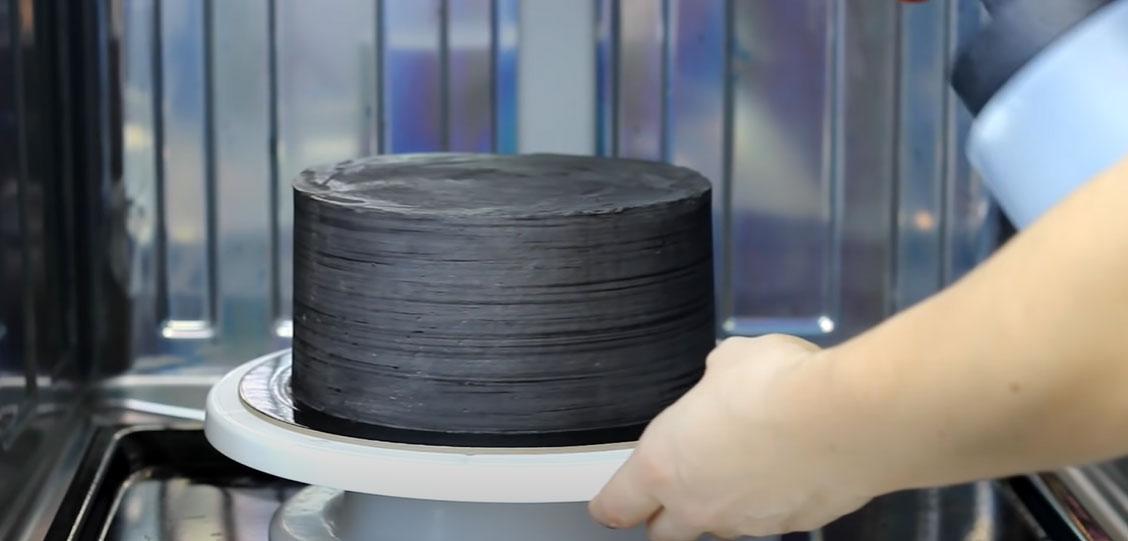
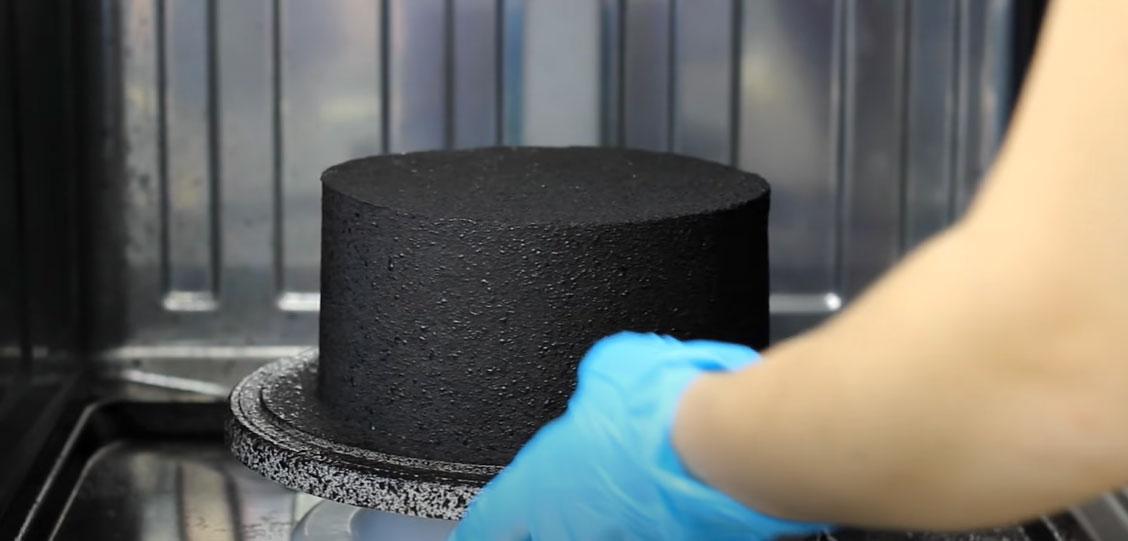
- The working temperature of the velvet is 34-38°C. Apply the coating using a special spray gun with a 0.3-0.5 mm nozzle onto a smooth and thoroughly cooled cake surface (it's best to freeze the cake before spraying the velvet).
- The velvet needs to be applied in the thinnest possible layer, so first you need to level the cake with cream, which will also be painted black.
Black cake decorating ideas
Now you know how to make the perfect black cake frosting in three different ways. All that's left is to come up with a stunning way to decorate your dessert.
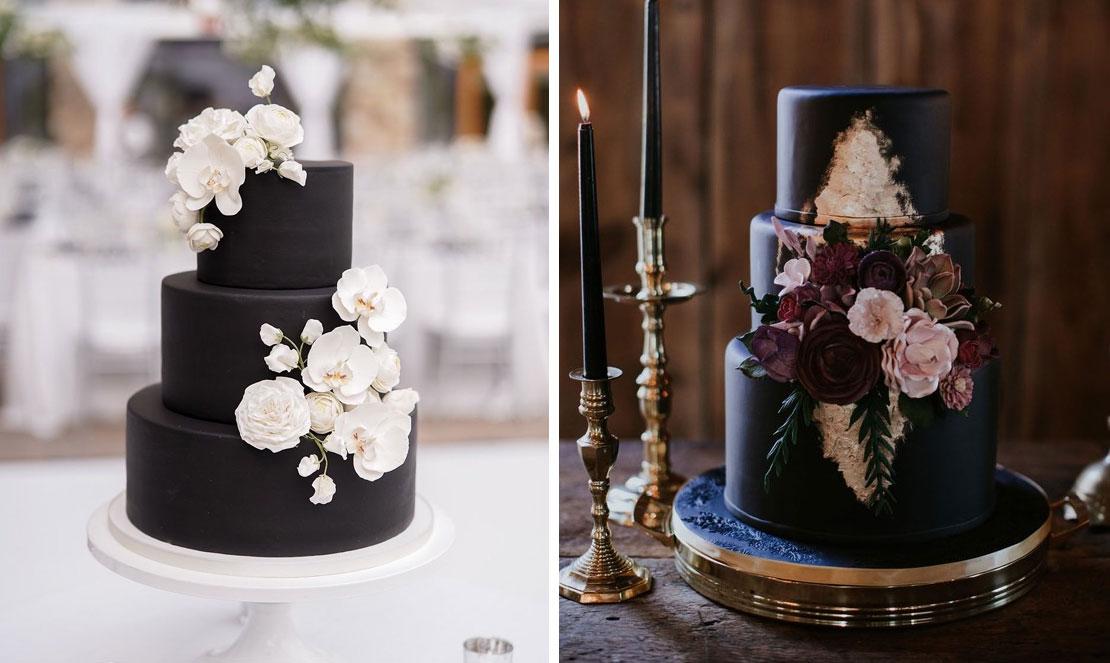
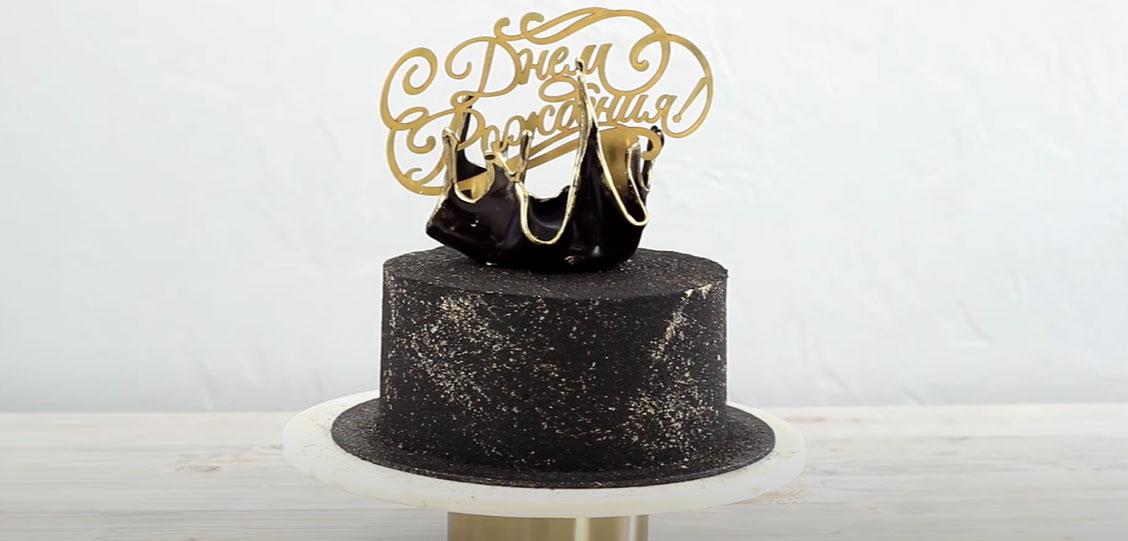
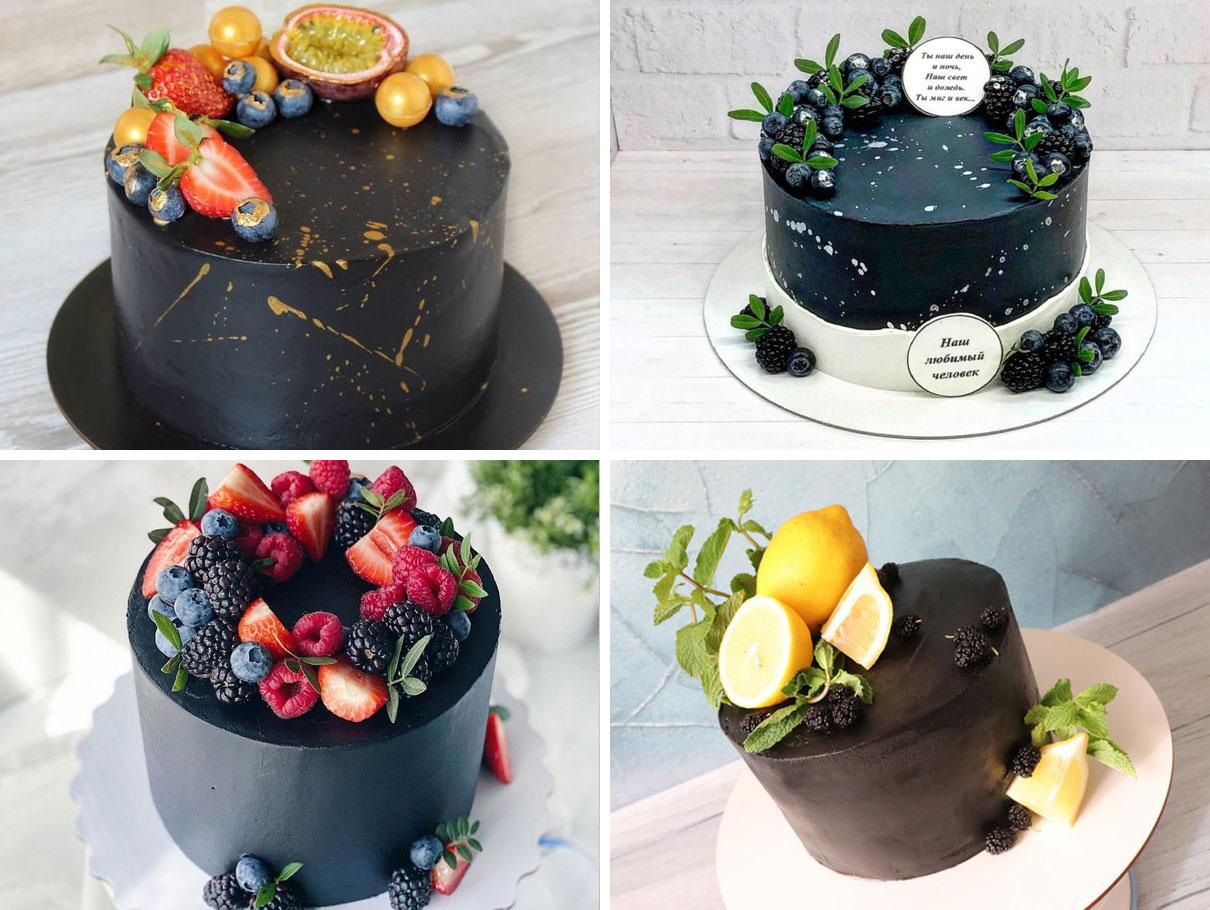
Gold and silver design elements or lettering with edible glitter, as in these photos, look very rich on a black background.
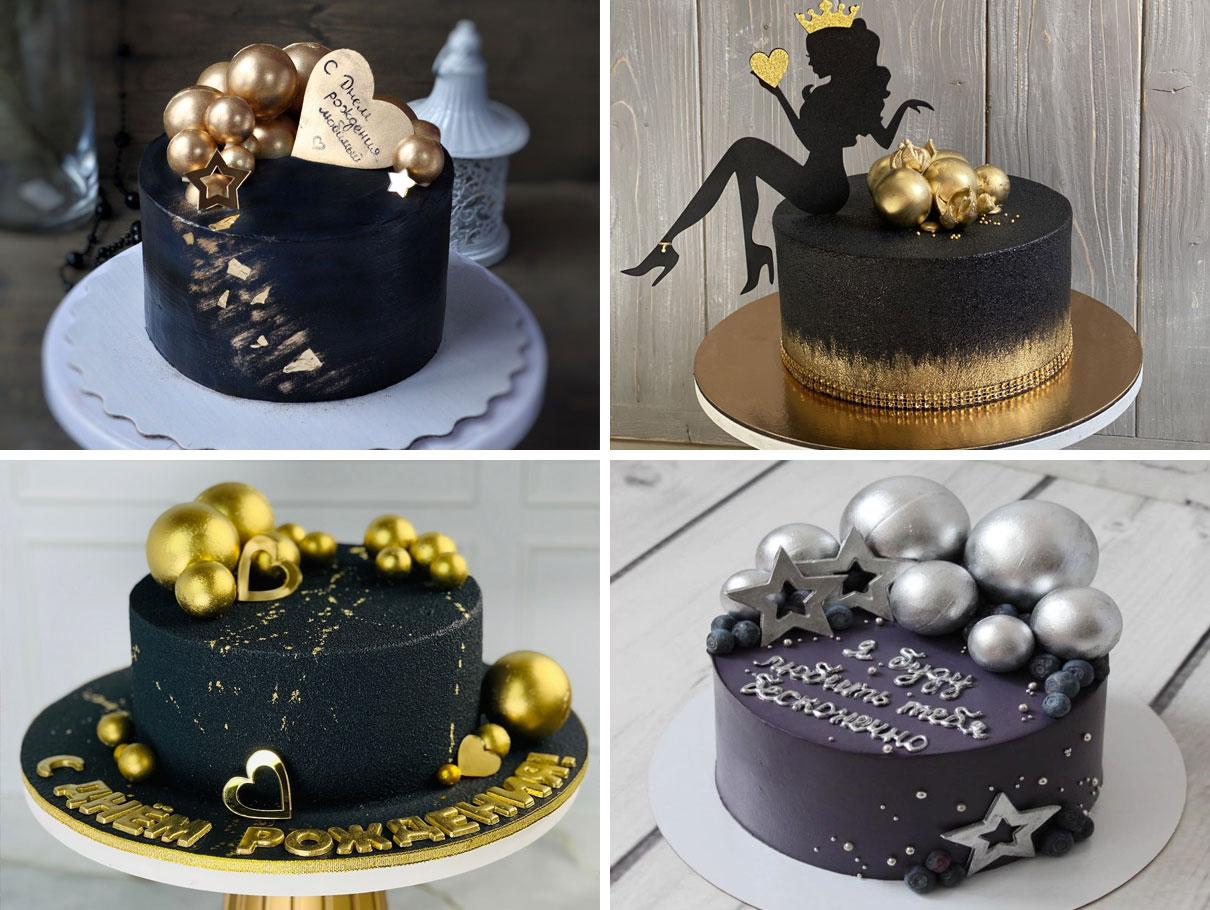
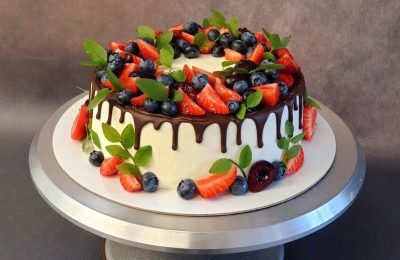
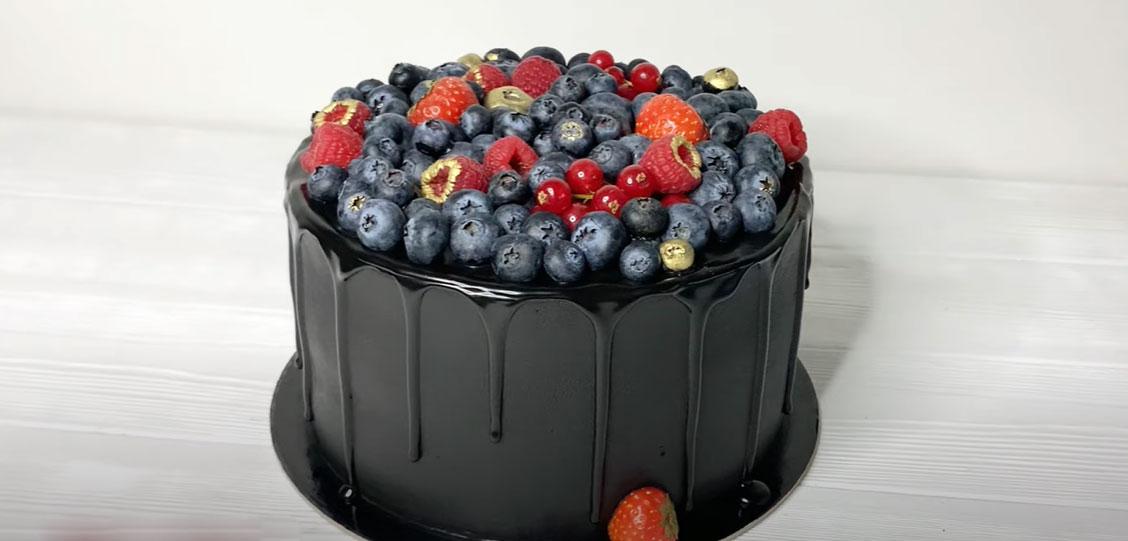
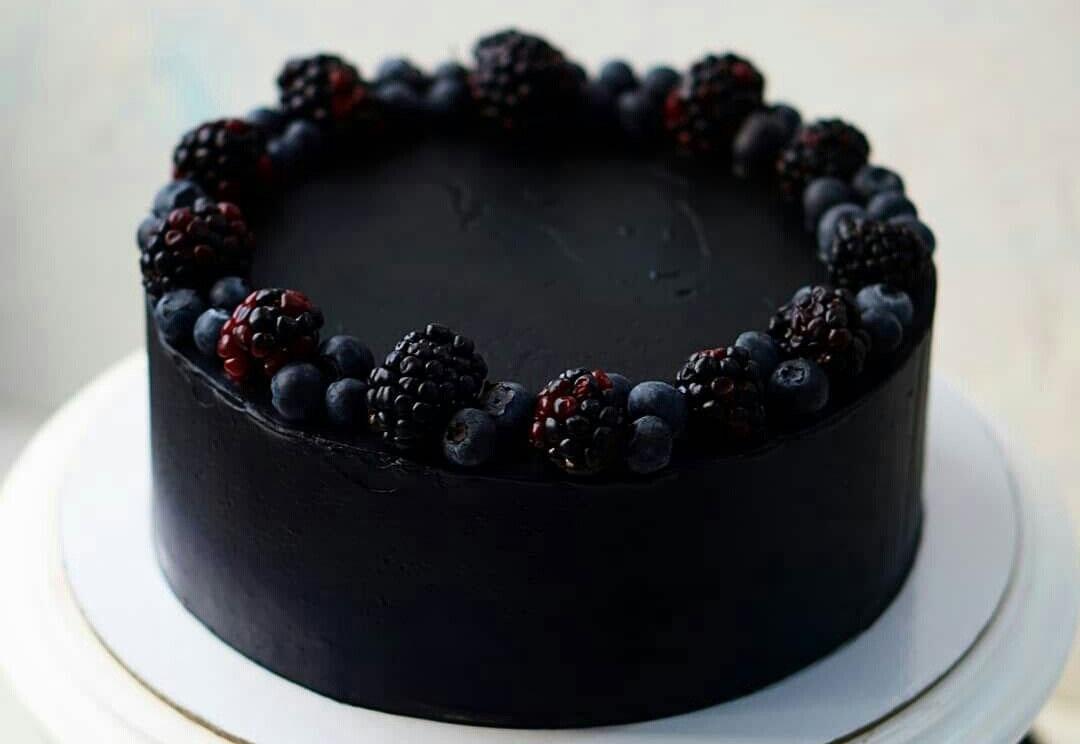
The combination of a perfect black base with bright multi-colored berries, fruits or citrus fruits looks no less luxurious.
Delicate flowers of any shade will also look bright and impressive on a black surface.