Potatoes are a sweet treat from childhood.

It’s strange, but along with the numerous delicacies that literally fill the windows of fashionable confectionery shops today, The recipe for the famous "potato" dessert hasn't dropped in demand at all.We buy it with the same pleasure for holidays or for evening tea.
During the Soviet era, there probably wasn't a single cafe where dessert potatoes weren't the top dessert on the menu. Each establishment, and now even different stores, offer their own unique flavor, shape, and even aroma. The beauty of the recipe lies in the freedom to choose the main ingredients.
In fact, our grandmothers and parents know that this "potato" isn't exactly a dessert, but rather a repurposed version of products that were left unsaleable at the store. Let's say cookies or wafers crumbled, butter was misshapen, sugar was left in bags of varying weights, and so on—there's a great recipe. And here's where you're tempted to write, "Cool, but..." So we'll write: cool, but it's not quite right! In fact, the story behind the creation of the confectionery potato recipe is much more interesting and captivating than rolling cookies in cocoa powder. It's full of audacity, resourcefulness, and wit.
The potato has Finnish roots.
Johan Runeberg, the renowned Finnish poet ("Idylls and Epigrams," "The Country Man"), didn't live in a mansion. His modest existence was one day interrupted by unexpected guests. Neighbors would have stopped by, chatted, and joked, but these guests were high-ranking citizens, and it was necessary to show them proper hospitality.
Johan had nothing to offer his guests. A few small items remained: a few cookies and some liquor. Perhaps some of the older generation will remember a time, perhaps our great-grandmothers told us about it, when cookies didn't grace the shelves in colorful, rustling packages. They were packaged for wholesale purchase for families, in huge sacks. Therefore, returning to the "Runeberg calculus," a little remained at the bottom of that sack. But, of course, under the combined weight and over time, all the ingredients had crumbled, and serving them would have been rather unseemly.
Johan's faithful and loving wife, Frederica, came to his aid. After sending her husband off to entertain the guests, in the short time fate had given her to come up with a good recipe, she crushed the remaining cookies, covered the crumbs in sour cream, mixed them with jam, and seasoned them with a little liqueur. The resulting mixture became a stiff dough, from which Frederica easily formed a thick sausage and divided it into small pieces, which in her hands transformed gracefully and easily into the likeness of small potatoes. The family didn't have a potato dish, but they did have an expensive silver platter, perfect for a formal reception of important people. On it, the world's first sweet potato-type dessert, based on Madame Runeberg's recipe, was laid out.
The guests were surprised by the dessert they saw, but curiosity overcame their wariness, and the result was so impeccable that everyone in the drawing room that evening begged Frederica to share the recipe for this delicious dish. Thus, the dessert quickly spread across the globe and, by the end of the 19th century, acquired its only name, "Kartoshka." Since then, the pastry's popularity has never waned.
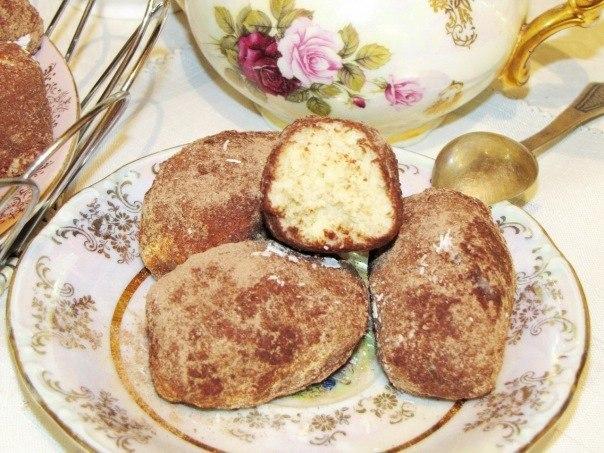
Today's "potatoes" are varied and sometimes even unpredictable. Large cakes are made from a mixture, according to a recipe intended for making sweet potato tubers, and topped with cream. Inside this seemingly simple dessert, you might find a sweet filling like boiled condensed milk or crumbly halva, as well as nuts and jam.
In fact, no real potato recipe can be complete without a drop of good cognac. It's what gives the dessert its enticing, mouth-watering aroma. Paired with the aroma of cocoa, it warms the soul and lifts the spirits.
We will present to your attention several popular potato recipes:
Recipe No. 1
To make dessert potatoes, you'll need a good mood, some help from the kids, and some ingredients:
- About a kilogram of cookies or vanilla dry bread
- Nuts, raisins, wafers
- Butter 50g
- Cream 200 ml
- Sugar to taste
The rest is up to your imagination and good mood. Why did we mention children's participation in potato making above? Because this exciting activity can engage restless kids for a few minutes and keep the whole family busy with one good activity. It's a lot of fun to spend time making sweet potatoes, laughing at each other's jokes.
So, thoroughly grind whatever ingredients you have on hand for the potato batter. This could be gingerbread, cakes, pastry bread, or a little bit of everything—whatever you prefer. The most common base is, of course, sponge cake.
Add a piece of butter to the crumbs. Make sure it's been at room temperature for a few hours. You need to rub it into the crumbs until smooth, and that's impossible with frozen butter. To enhance the flavor, you can add condensed milk, cinnamon, or sour cream to the potatoes.
To finish off the fun mixtures, the potatoes are mixed with cocoa powder. You can do this however you like: either coat the white potatoes in the powder or mix the cocoa with the sugar mixture and butter to create a perfectly browned cake.
Video instructions for cooking sweet potatoes:
How to make "potato" if there are no cookies in the house?
To ensure the quality of the dessert you're served is second nature, you're better off making it yourself from start to finish. Here's what you'll need:
- Eggs 6 pcs.
- Sugar 6 tbsp.
- Flour 4 tbsp.
- Potato starch 1 tbsp
- Walnuts 30g
Nothing changes for the cake itself:
- Butter 150g
- Sugar 150g
- 2 eggs
- Cognac or rum
- Chocolate, cocoa, coffee drink
Method of preparation:
To make a delicious potato sponge cake, you need to pay special attention to the egg whisking process. It's best to prepare the mixture in a double boiler, which will heat the pan containing the whisked eggs to 50°C (122°F). Then, you can beat the resulting mixture with a mixer. While you're whisking, the thick mixture will cool to room temperature.
Add the nuts and mix thoroughly again. This is necessary to ensure the nuts are evenly distributed throughout the dough, as adding flour will thicken the consistency, and one half may contain a lot of nuts, while the other may contain none at all.
The dough shouldn't be too tight. It will be fluffy and soft. Place it on a baking sheet and bake in the oven at 200°C (400°F). Once ready, the sponge cake will cool in its pan.
For the cream, it's best to beat the eggs and sugar the same way you did for the sponge cake batter, that is, in the same water bath to a temperature of 50°C. Beat the butter separately to prevent it from lumping when mixed with the egg whites. Once you have a smooth mixture in two separate bowls, combine them together. This will eliminate lumps, and the cream itself will be very smooth and unique in flavor.
By the time you prepare the potato cream, your sponge cake should already be cool. Careful removal from the pan isn't required, as you'll be putting the cake through a meat grinder or blender.
When mixing the resulting sponge mixture with the delicate cream, set aside some of the cream to decorate the top of the cake, and don't forget to add a spoonful of rum or cognac to the mixture. Without these confectionery tricks, the dessert won't have its original flavor, but the aroma of the spicy alcohol will give the potatoes a special charm and a festive feel.
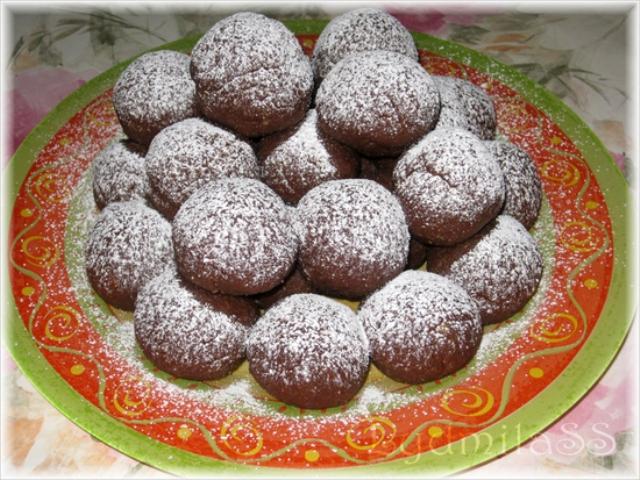
Even if you decide to make this dessert on a summer day at your dacha, with a large gathering of neighboring families, the feeling of comfort and family ties, love and harmony will linger. The spicy aroma of this sweet treat wafting over the table brings a smile and whets everyone's appetite.
Many families have long had a tradition of decorating the holiday table with this timeless potato dish, which lifts the spirits from the moment of preparation to the moment of tasting.