Homemade rice flour

Content
Today, Asian cuisine is becoming a part of the daily lives of billions of people around the world. The culture of Eastern countries amazes with its sophistication and uniqueness, and its dishes are light and uniquely flavorful. Therefore, special ingredients are used; otherwise, achieving the desired effect and, for example, creating an authentic Japanese delicacy would be difficult.
Rice flour is a key ingredient in Asian cuisine. It's commonly used to make mochi, traditional pastries, and rice paper, which is used in many Eastern recipes.
Today we'll talk about how to make this essential product yourself. We'll also explore the differences and properties of different types of rice flour and discuss possible substitutes.
What is rice flour made of?
Rice flour is widely used in traditional Eastern cuisine. Sticky flour is typically used for sweets, while regular flour is used for baked goods and savory dishes.
Glutinous rice flour contains a lot of starch, which allows it to act as a thickening agent in some dishes. This is what produces the sticky dough characteristic of the popular Japanese dessert, mochi. Furthermore, its stickiness allows it to be used to create a variety of shapes and maintain their shape and integrity for a long time.
This flour also has a high sugar content. Therefore, it is primarily used for making various sweets and only secondarily in other recipes.
It's made from glutinous rice, which is firmer than regular rice. Even comparing them visually, you'll notice a clear difference: glutinous rice isn't translucent at all, but rather matte and white, and it's not as long as we're used to seeing.
How to make rice flour at home
If you need rice flour but don't want to buy it at the store, you can easily make your own. It's quite simple, and the only ingredients you need are rice and water. This grain makes an excellent flour, perfect for making chimpeni.
Is there anything that can be used as a substitute for rice flour?
Rice flour has many advantages. For example, it's gluten-free, making it suitable for both healthy eating and children. Furthermore, it contains half the fat of regular flour, which improves the shelf life of prepared treats. This product is rich in vitamins and plant proteins and is easily digestible.
Despite this, sometimes you still want to replace rice flour with something else. In some recipes, this can be done without sacrificing flavor. But in others, it plays a key role.
In mochi and other desserts
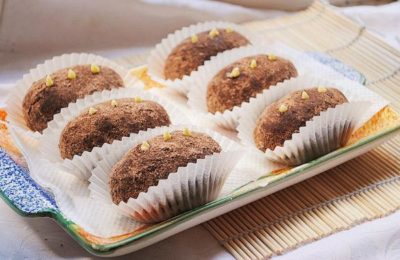
Mochi is a traditional Japanese dessert in the form of round pastries. The central ingredient of this dish is rice flour, which gives the texture and sweetness that characterize this delicacy.
Sticky flour is used in making mochi. It's not recommended to substitute it with even regular rice flour, let alone other types. This will not only result in a loss of flavor but also a distorted texture. You simply won't be able to roll the dough into the desired shape and form a round ball.
It's also not recommended to alter the recipe for the traditional Japanese dessert, dango. It's prepared by mixing both types of rice flour. This combination ensures exceptional strength throughout all stages of cooking, ensuring the balls retain their integrity and neat shape.
In flatbreads
Rice cakes are widely popular in all Eastern countries. They are eaten instead of bread with various soups, meat, fish, and even on their own. They don't require much time or effort to prepare, as the recipe is quite simple. But can you substitute the key ingredient?
To make flatbreads, you can use flaxseed, corn, or whole-wheat flour. Depending on your choice, you'll get a new and interesting flavor. However, you'll need to adjust the cooking process and proportions slightly. You can also mix different suitable flours, rather than using just one.
In kimchi
Kimchi is a traditional Korean snack that, in some ways, is very similar to the familiar sauerkraut. This dish is almost always served in Asian cuisine. It can also easily be turned into a hot soup, similar to shchi.
In this recipe, you can easily substitute regular wheat flour for the rice flour. It won't affect the taste in any way, and the change won't be noticed, as rice flour plays a supporting role rather than a key ingredient.
Video: How to Make Rice Flour in a Coffee Grinder
This method for making rice flour is similar to the previous recipe in some ways. You'll notice differences in the drying process and the sifting steps. Grinding rice is easy in either a food processor or a coffee grinder, as their operating principles are similar. The video also includes tips on storing the finished flour, along with plenty of helpful hints and detailed explanations.