Top 4 Mochi Recipes: How to Make Japanese Rice Flour Delights at Home

Content
- 1 What is mochi (mochi, motti)?
- 2 What kind of flour do you need for mochi?
- 3 Classic rice flour mochi recipe
- 4 Japanese mochi cake with chocolate
- 5 Mascarpone Mochi Recipe
- 6 Mochi fillings
- 7 How to make mochi dessert without a microwave?
- 8 How long can you store mochi?
- 9 Video: How to make mochi at home in 15 minutes.
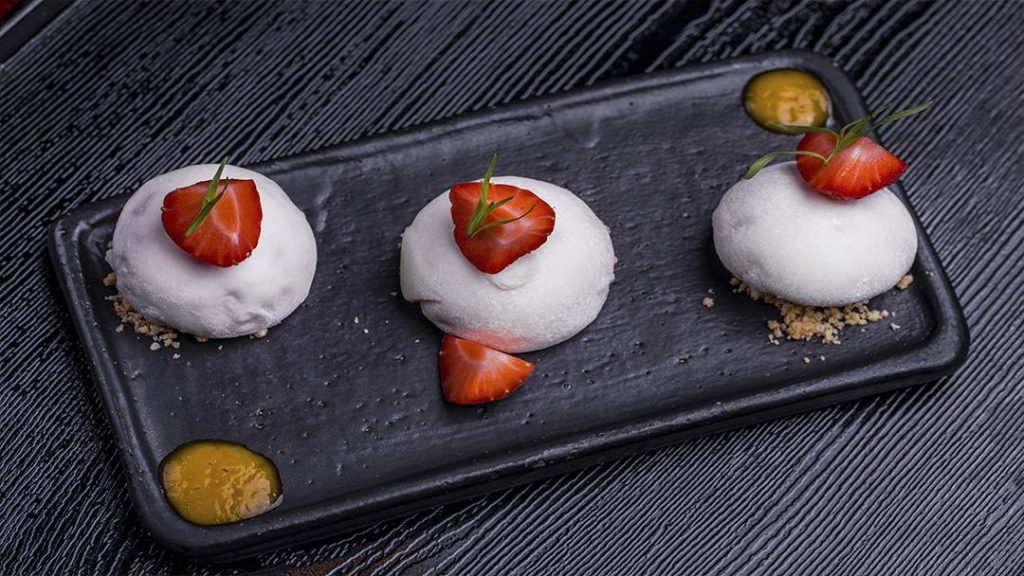
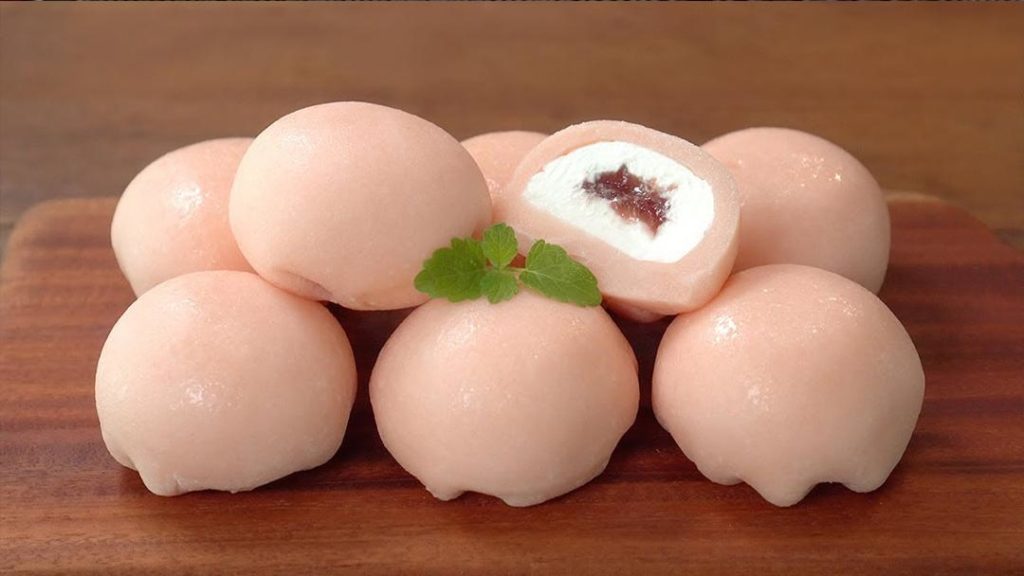
Mochi are traditional Japanese delicacies that have remained popular for centuries. They are made at home and sold at fairs, in pastry shops, and in stores. These delicate and exquisite pastries are made from a thick, sticky rice dough. They are filled with ice cream or the most delicate whipped cream with various toppings (berries, chocolate, nuts, fruits, spices, mint). The finished dough is often colored with natural food coloring, giving these treats a unique and delicious appearance.
In this article, I'll share simple mochi-making techniques, as well as the most interesting and useful information about this amazing delicacy. Choose your favorite recipe, get inspired, and delight your loved ones with a unique dessert.
What is mochi (mochi, motti)?
Many people mistakenly believe that mochi is a Korean or Chinese pastry. But this is absolutely not true. Although these delicacies are popular in virtually all East Asian countries, their origin is Japan.
Mochi cakes come in different types:
- Botamochi (covered with bean paste);
- Warabimochi (made from wasabi);
- Daifuku (with bean filling);
- Dango (miniature, on skewers);
- Sakuramochi (in cherry leaves);
- Kusamoti (from the emogi plant);
- Kashiwamochi (salted oak leaves).
And this is far from a complete list. After all, modern pastry chefs are constantly experimenting with dough and fillings, creating new, delicious desserts every time.
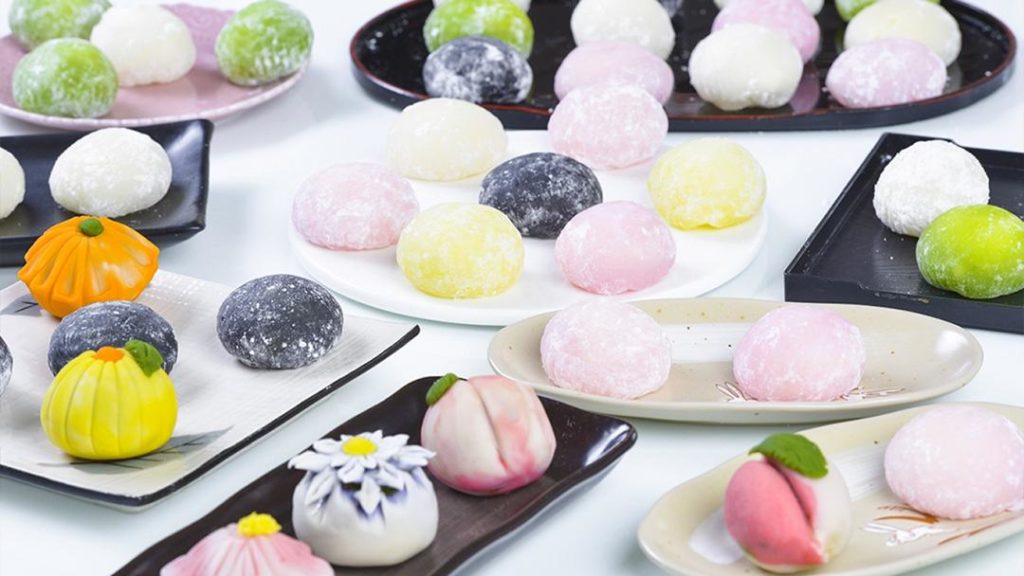
What does wagashi mochi mean?
In Japan, the word "wagashi" refers to all traditional sweets made from natural ingredients. These include mochi, dorayaki, manju, anmitsu, shiruko, and others.
So, it's fair to say that mochi is a type of wagashi. However, outside of Asia, you might find a dish called "wagashi mochi" on restaurant menus. Don't let this confuse you. After all, it's just regular, classic mochi with a filling.
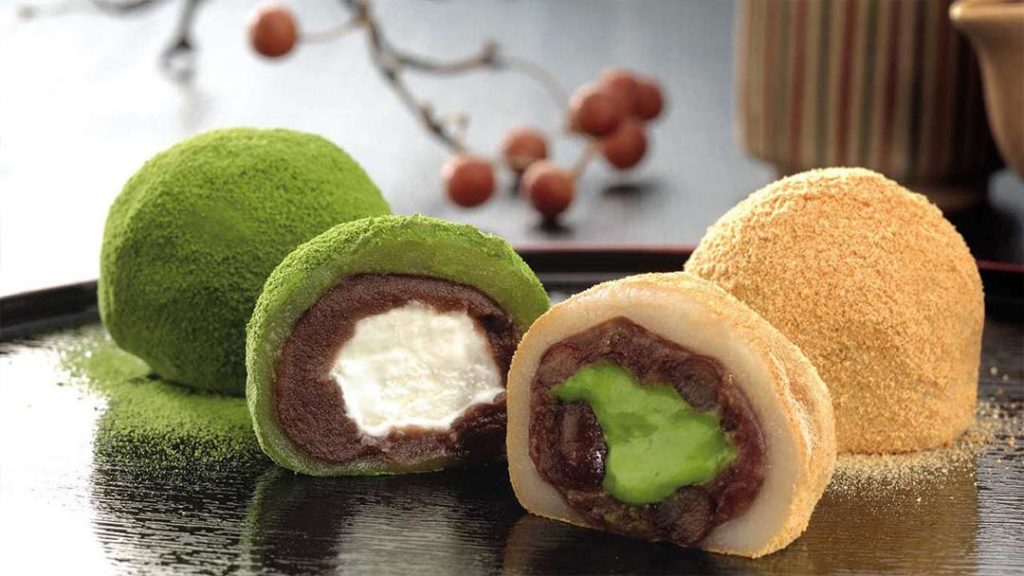
The origins of mochi
Mochi first appeared in Japan in the early 8th century. At that time, they were considered the food of true aristocrats. These delicacies are made from a special type of rice called mochigome, which was in short supply at the time.
In the 14th century, mochi dessert became widely available. However, most Japanese could only afford it on special occasions. The pastries were made from white rice dough and had no filling.
Nowadays, this Japanese rice confection has become an everyday dessert. It's served at tea ceremonies, in restaurants, sold in supermarkets and pastry shops, and given as holiday gifts to loved ones. And before the New Year, mochi is made into pyramids to decorate homes.
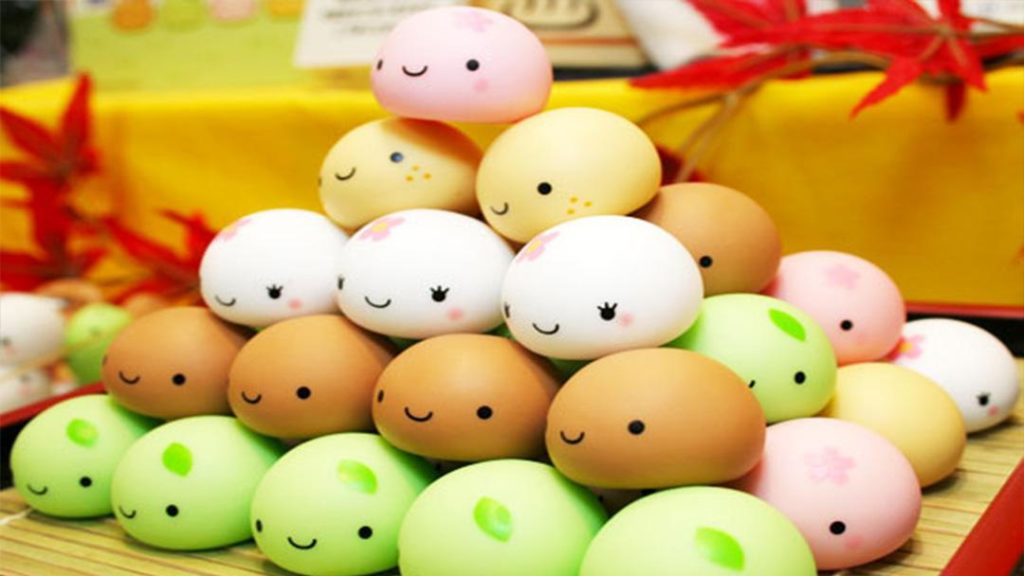
How to eat mochi
Mochi is eaten in the same way as other sweets (cakes, candies, or cookies). Typically, it's eaten with the hands, along with tea and other beverages.
If mochi has been frozen, it must be thawed before serving. You can add various sauces or syrups to it, and garnish it with berries, fruit, or mint leaves.
What kind of flour do you need for mochi?
Mochi is made with a special flour made from motigomė rice. This particular variety has a high gluten content, resulting in a dense, sticky, and elastic dough. Using any non-sticky rice flour would result in a completely different consistency, becoming flimsy and inelastic. Proper, classic mochi cannot be made from such dough.
Can you make mochi with regular flour?
No, you can't make mochi with regular wheat flour. The dough won't be dense or elastic enough. And the taste of the dessert won't be anything like that of real mochi.
But you can make this Japanese delicacy from boiled glutinous rice. Here's the cooking process:
- Soak the polished glutinous rice overnight.
- The next day, cook the rice over low heat or steam it.
- Pound the cooked rice with a wooden hammer in a mortar. Remember to stir the mixture periodically.
- The resulting rice mixture will become viscous and doughy. It can easily be formed into cakes of the desired shape and size.
You can't make classic mochi from boiled rice. But the dessert will still be delicious and unique.
You can try making your own rice flour at home. You just need to find the right recipe.
But if you have the opportunity, make mochi cakes using glutinous rice flour. Then you're sure to have a luxurious Japanese dessert that will be the highlight of any celebration.
Classic rice flour mochi recipe
This is a classic mochi recipe made from glutinous rice flour. It's very tender, delicious, and light. You can vary the filling to your liking. Berries, fruits, ice cream, and whipped creams that hold their shape well are perfect for mochi. This treat is sure to impress.
Japanese mochi cake with chocolate
These mochi cakes will undoubtedly become your favorites! They're incredibly light, tender, and just the right amount of sweet. Their rich chocolate flavor and exquisite aroma will captivate you from the first bite. It's best to choose a neutral filling for these mochi. Lightly whipped cream cheese is ideal.
Ingredients
- Rice flour (glutinous) - 120 g
- Corn starch - 30 g
- Sugar - 90 g
- Milk - 210 ml
- Cocoa powder - 2 tbsp. l.
- Butter - 15 g
Cooking time: 45-50 minutes
Servings: 1 (approximately 6-8 pcs)
Step-by-step recipe
Step 1
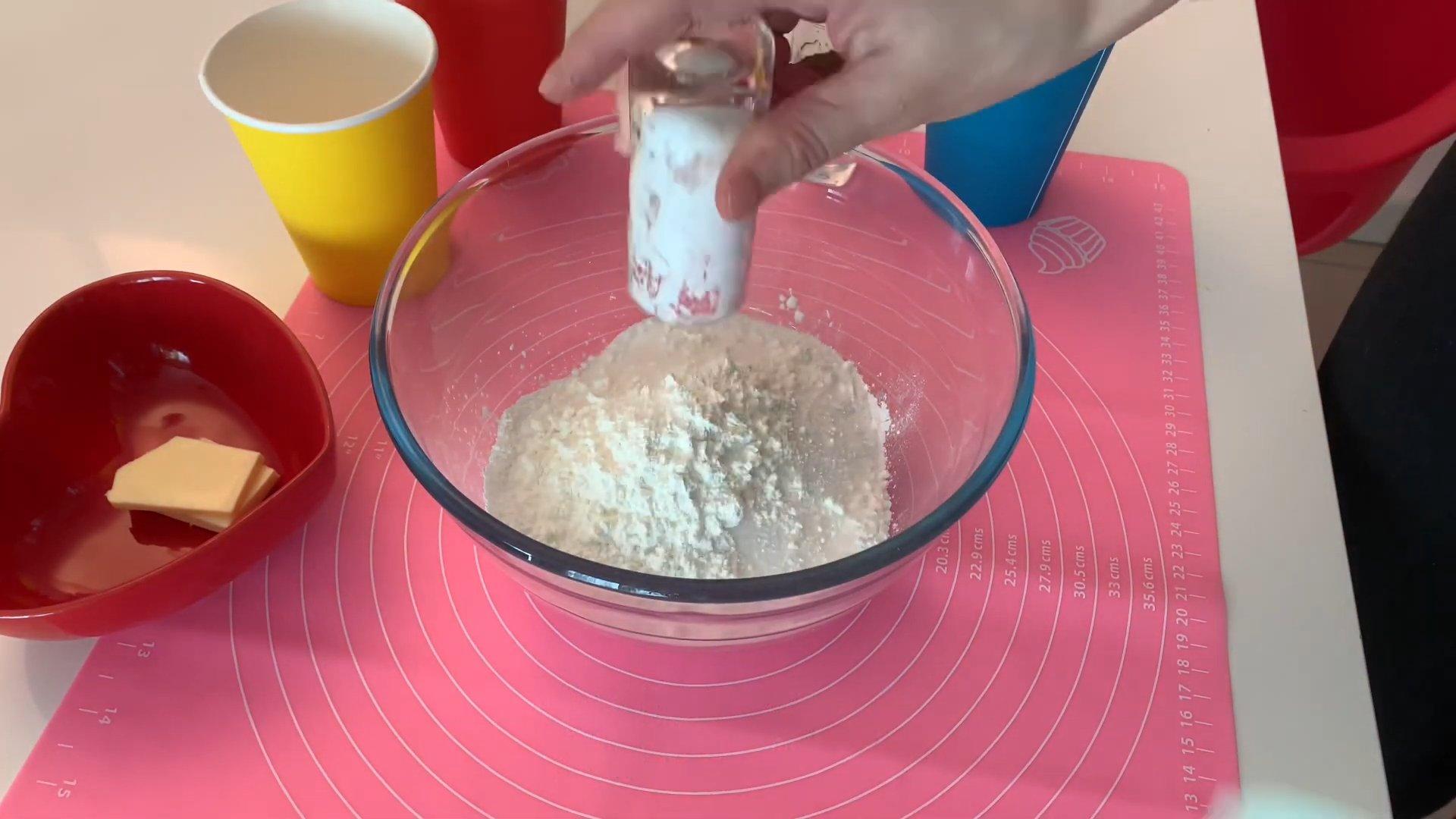
Pour flour, starch and sugar into a deep container.
Step 2
Add cocoa powder to the resulting mixture and lightly mix the ingredients.
Step 3
Pour milk into the dry mixture and mix thoroughly until smooth.
Step 4
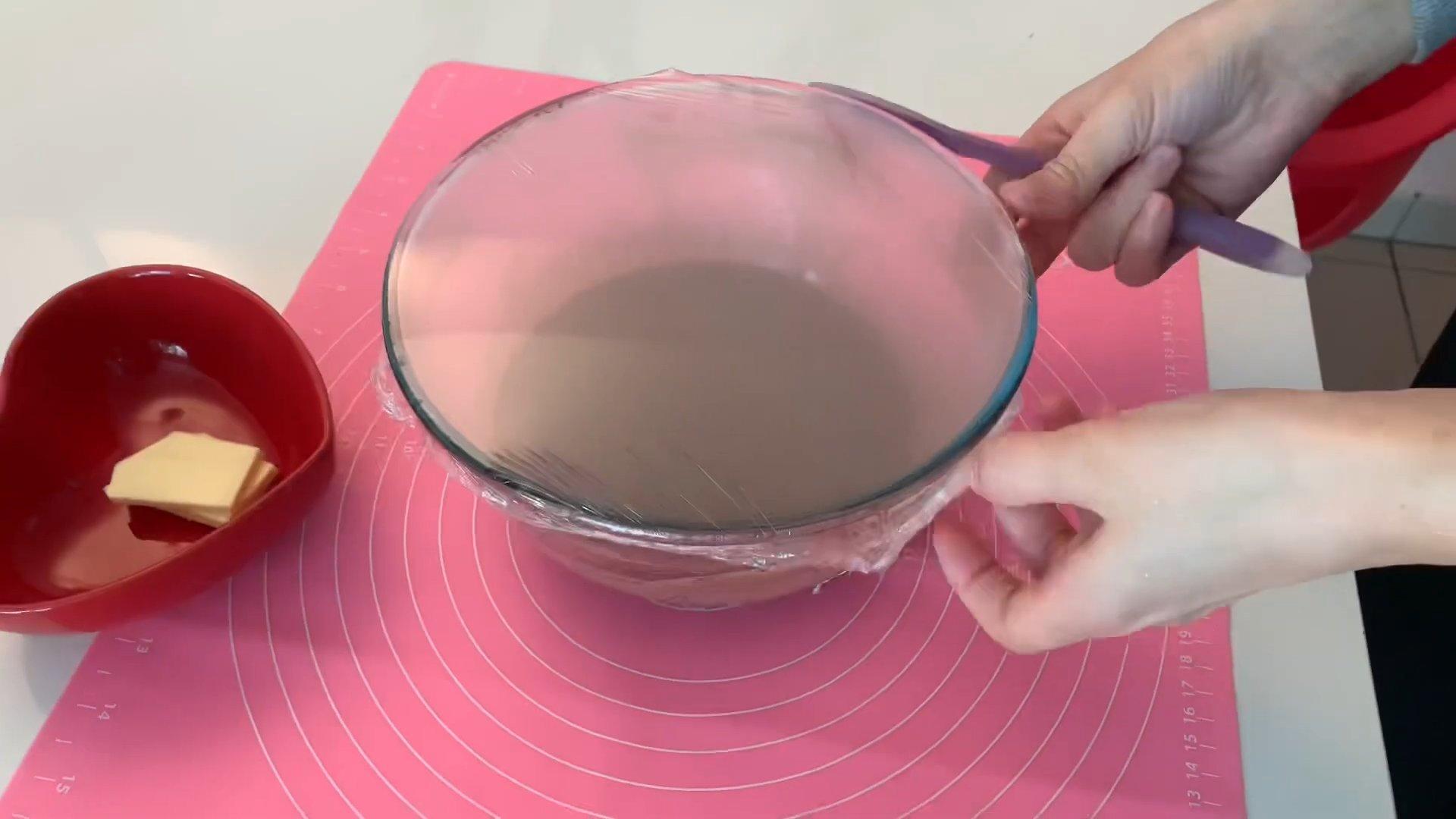
Cover the bowl with cling film and place it in the microwave for 2 minutes.
Step 5
Stir the mixture, cover it again and microwave for another 2 minutes.
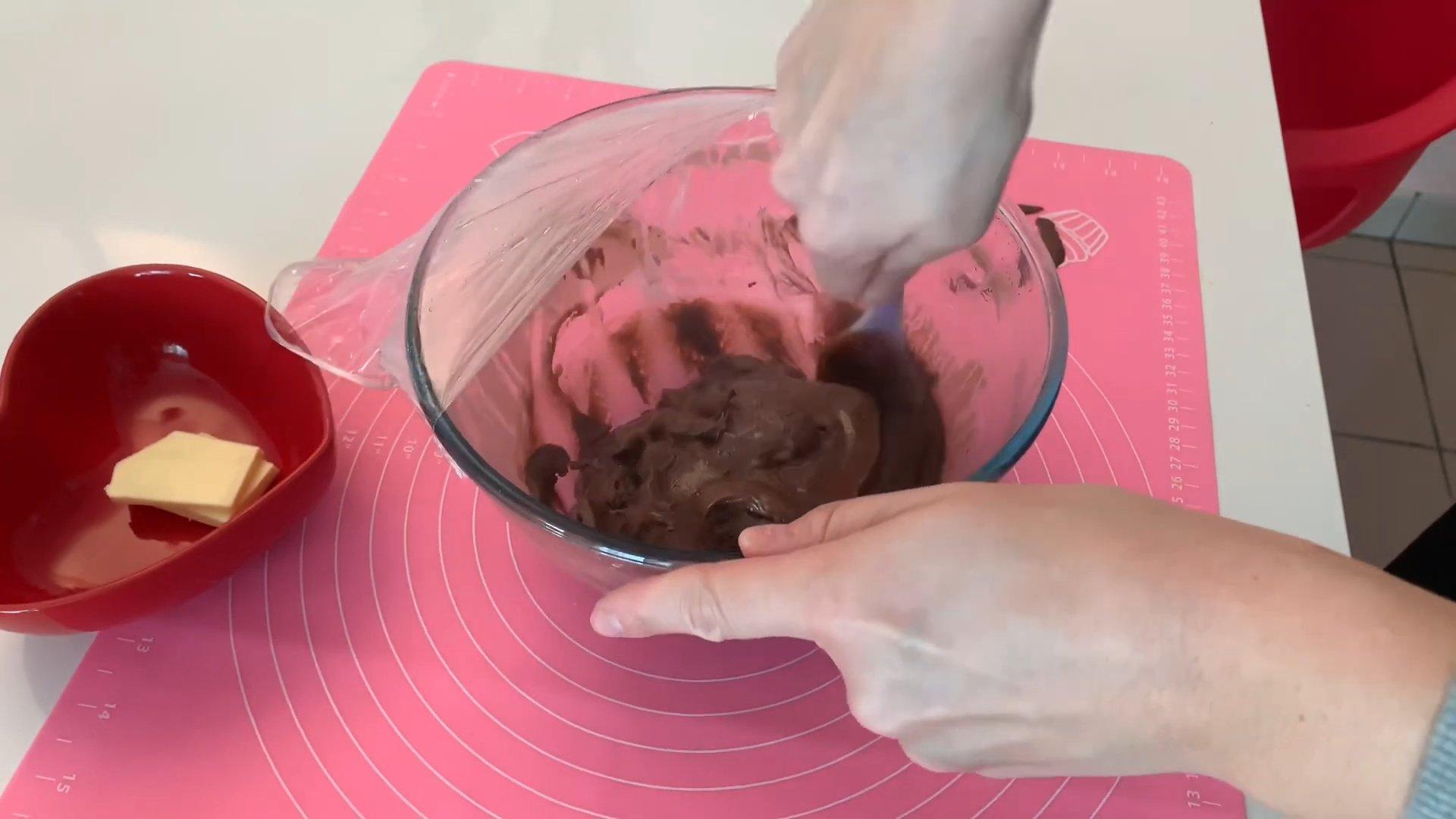
Step 6
Add butter to the resulting dough, mix it and leave it until it cools completely.
Step 7
Once the dough has cooled thoroughly, divide it into 6-8 pieces, forming each into a small flatbread. Place the filling in the center of the flatbread.
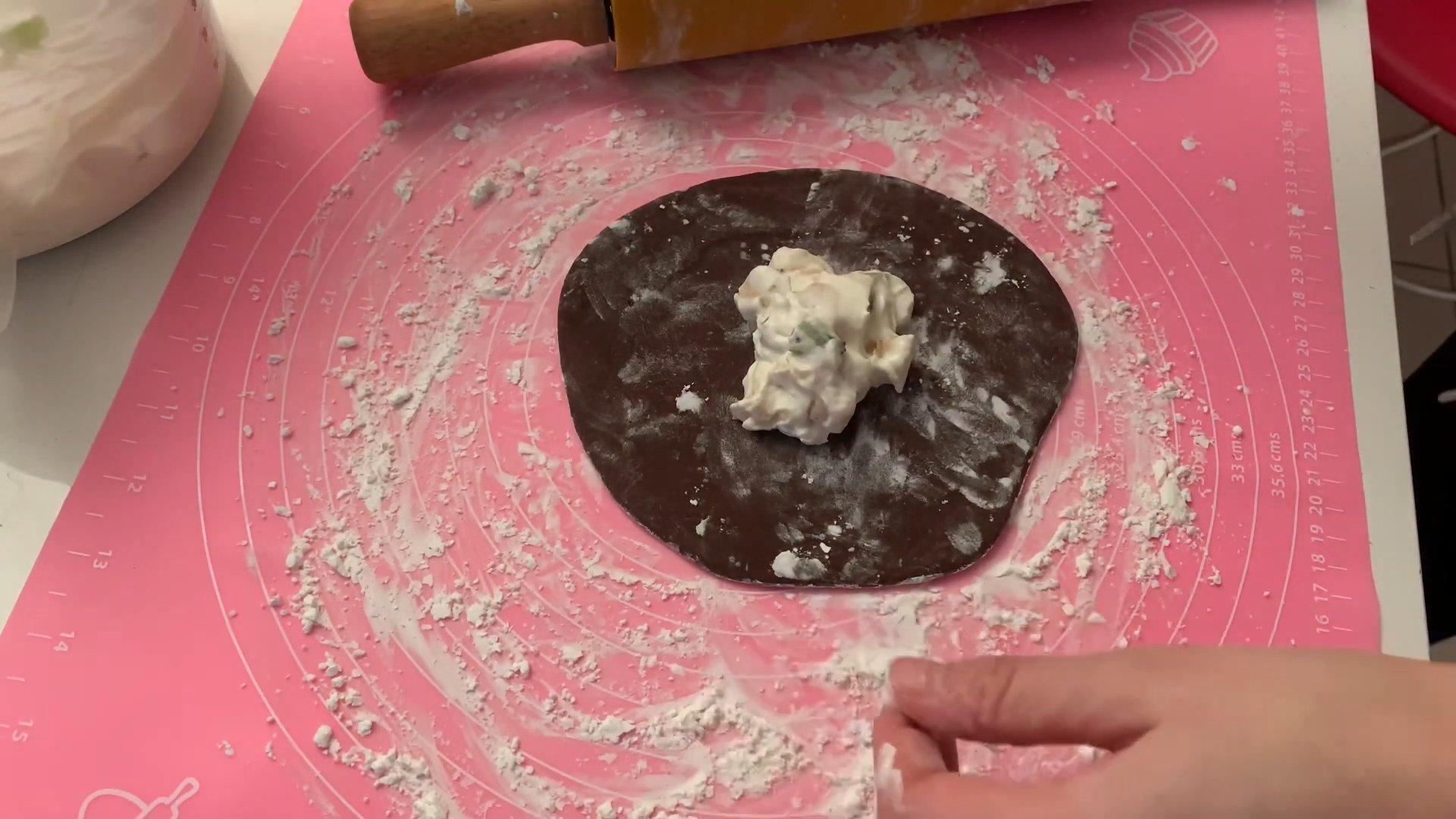
Step 8
Carefully seal each cake.
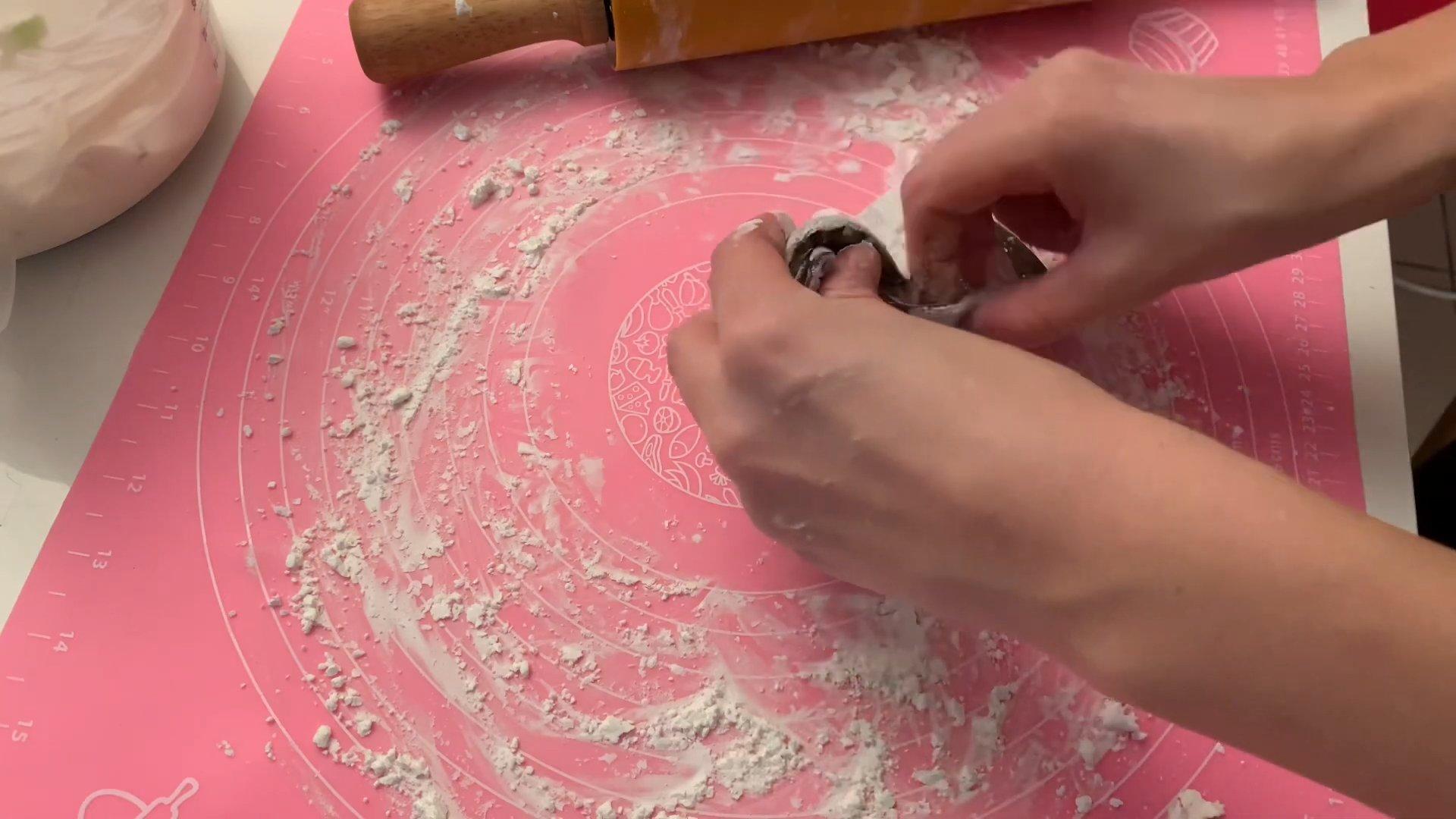
Step 9
Roll the finished products in powdered sugar and serve.
Mascarpone Mochi Recipe
I'd like to share with you a wonderful recipe for mochi with mascarpone cheese. It's tender, airy, and incredibly delicious. Mascarpone pairs well with many fruits and berries, so feel free to add your favorite treats to the filling.
Ingredients
For the test
- Rice flour (glutinous) - 100 g
- Corn starch - 5 g
- Powdered sugar - 15 g
- Vegetable oil - 15 g
- Water - 100-150 ml
- Food coloring
For the filling
- Mascarpone cheese - 150 g
- Cream - 30-40 ml
- White chocolate - 80 g
- Fruits (any) - to taste
Cooking time: 50-60 minutes
Servings: 1 (approximately 6-8 pcs)
Step-by-step recipe
Step 1
In a deep container, pour in flour, corn starch, powdered sugar and vegetable oil.
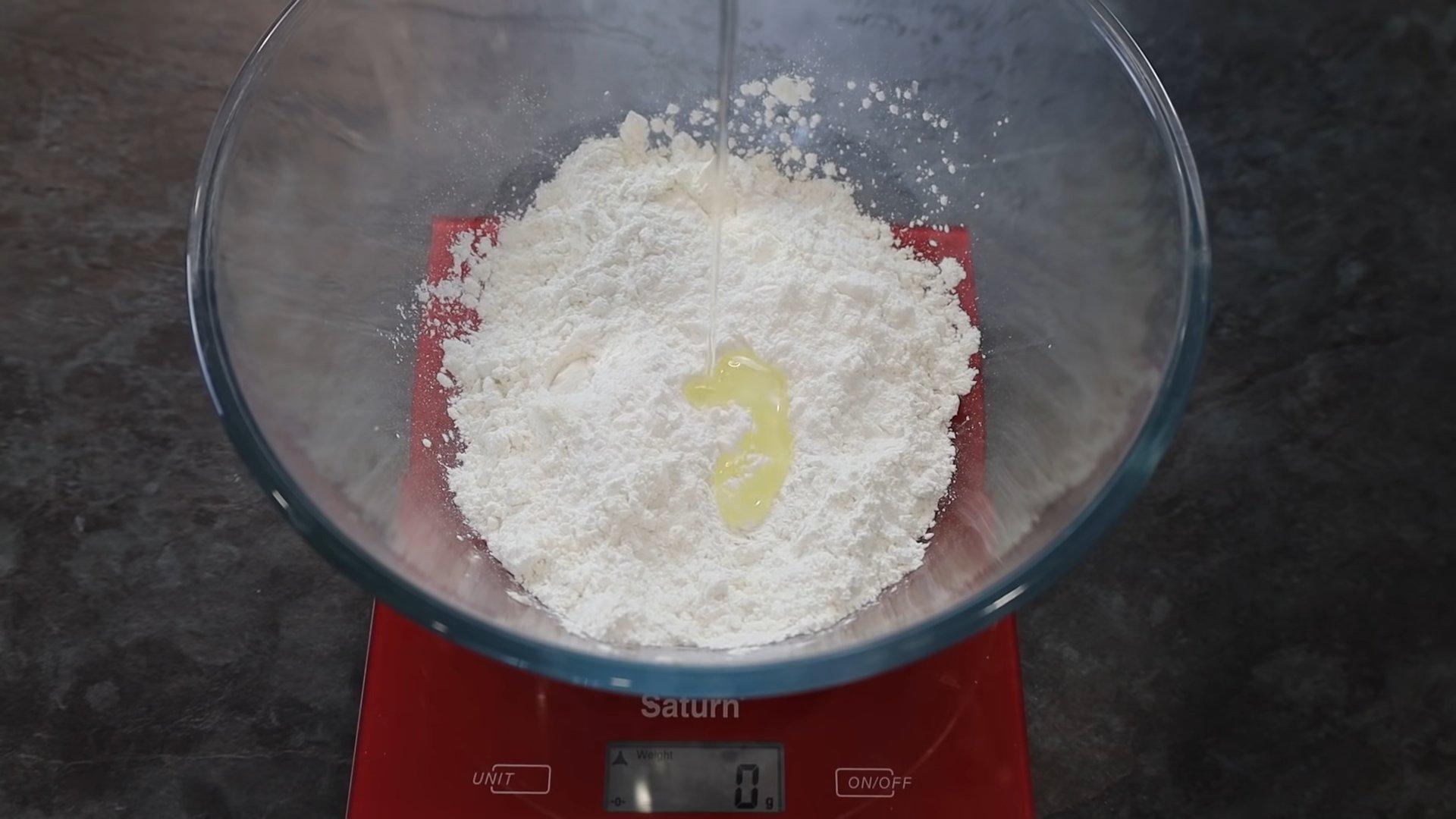
Step 2
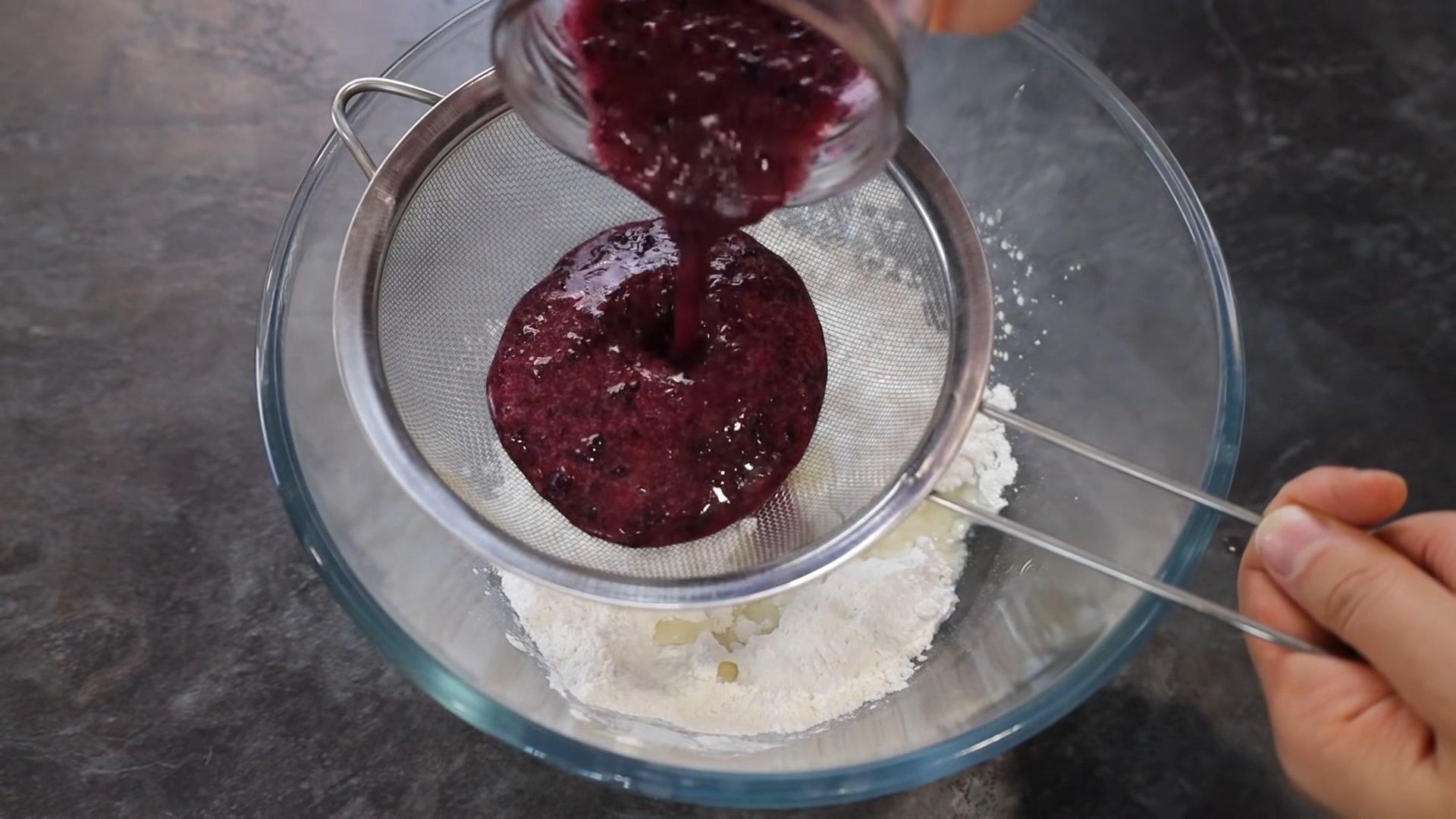
Add a little berry juice or food coloring.
Step 3
Mix the mixture thoroughly until smooth.
Step 4
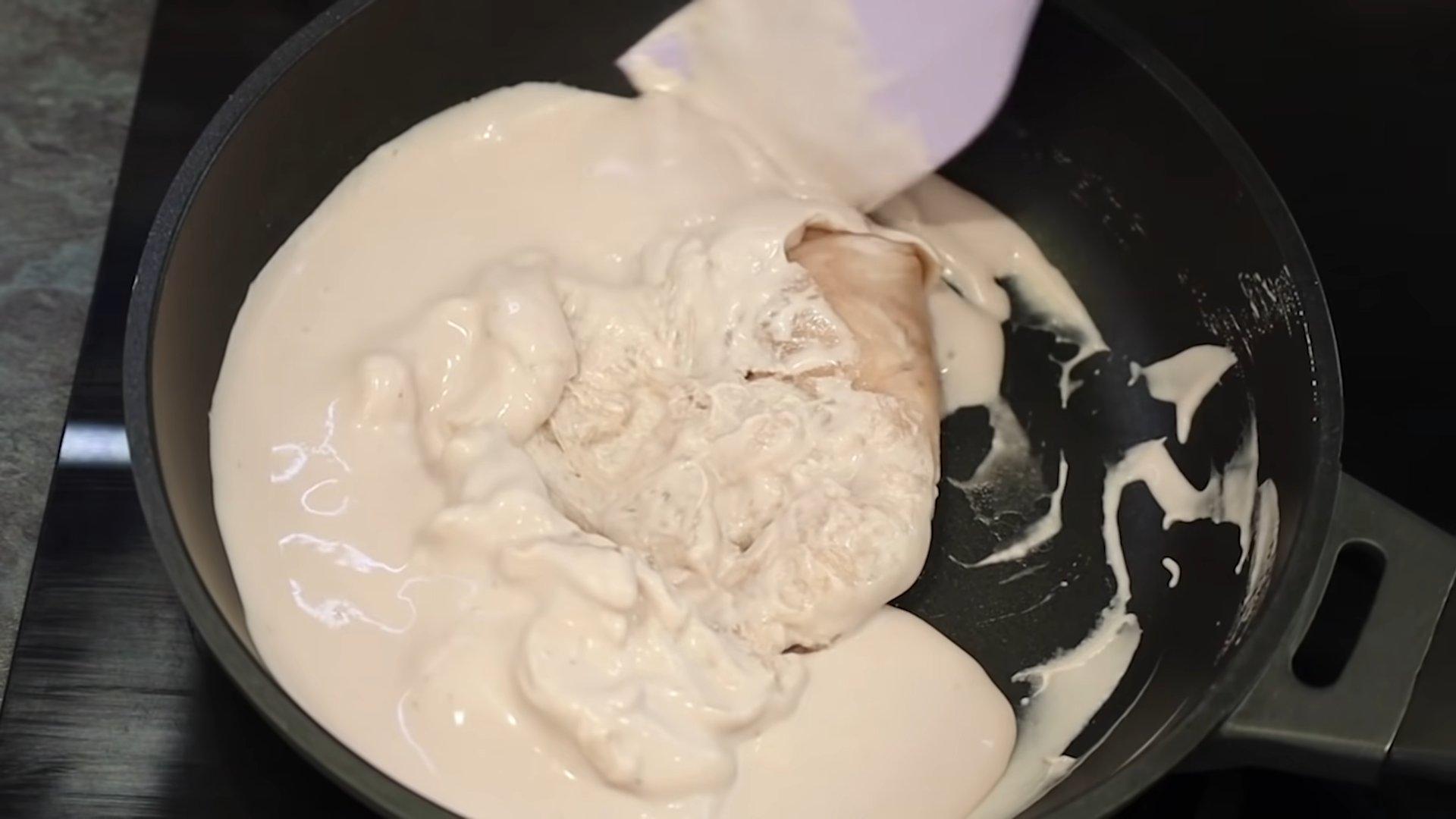
Transfer the dough to a well-heated frying pan.
Step 5
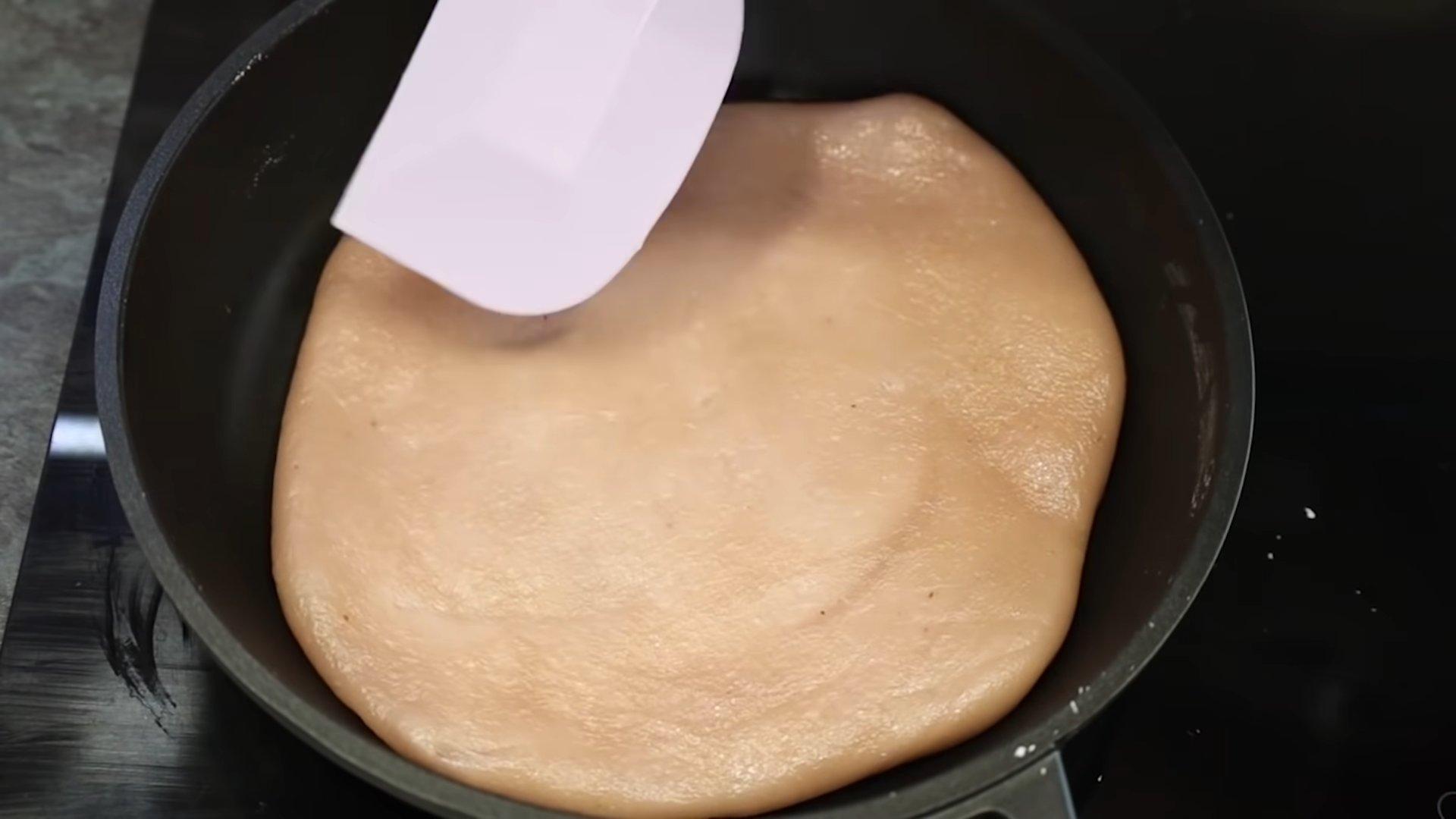
Cook the dough, stirring constantly, until it becomes smooth and elastic. This will take approximately 10 minutes.
Step 6
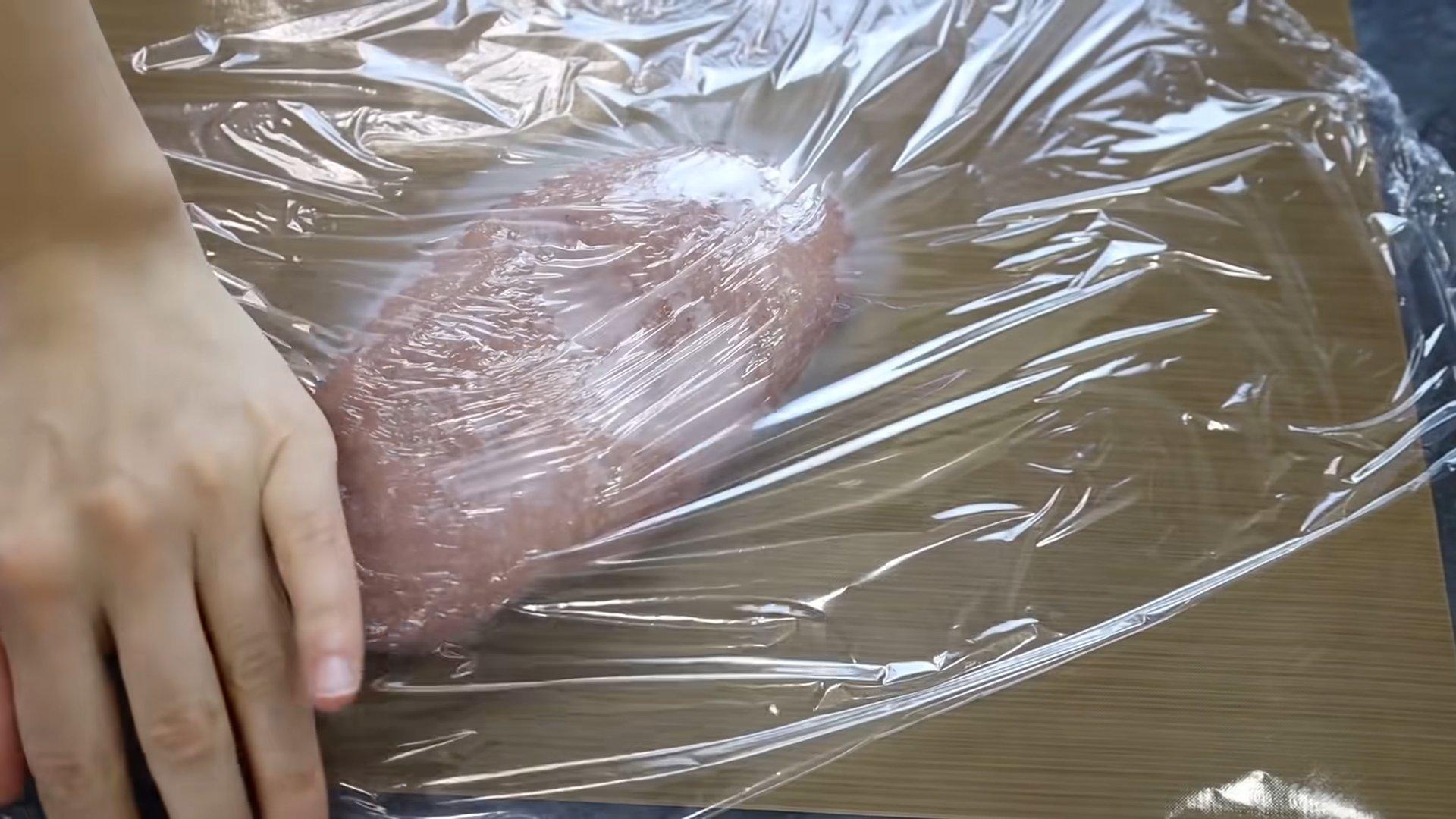
Cover the finished dough with cling film to prevent it from drying out, and leave it to cool.
Step 7
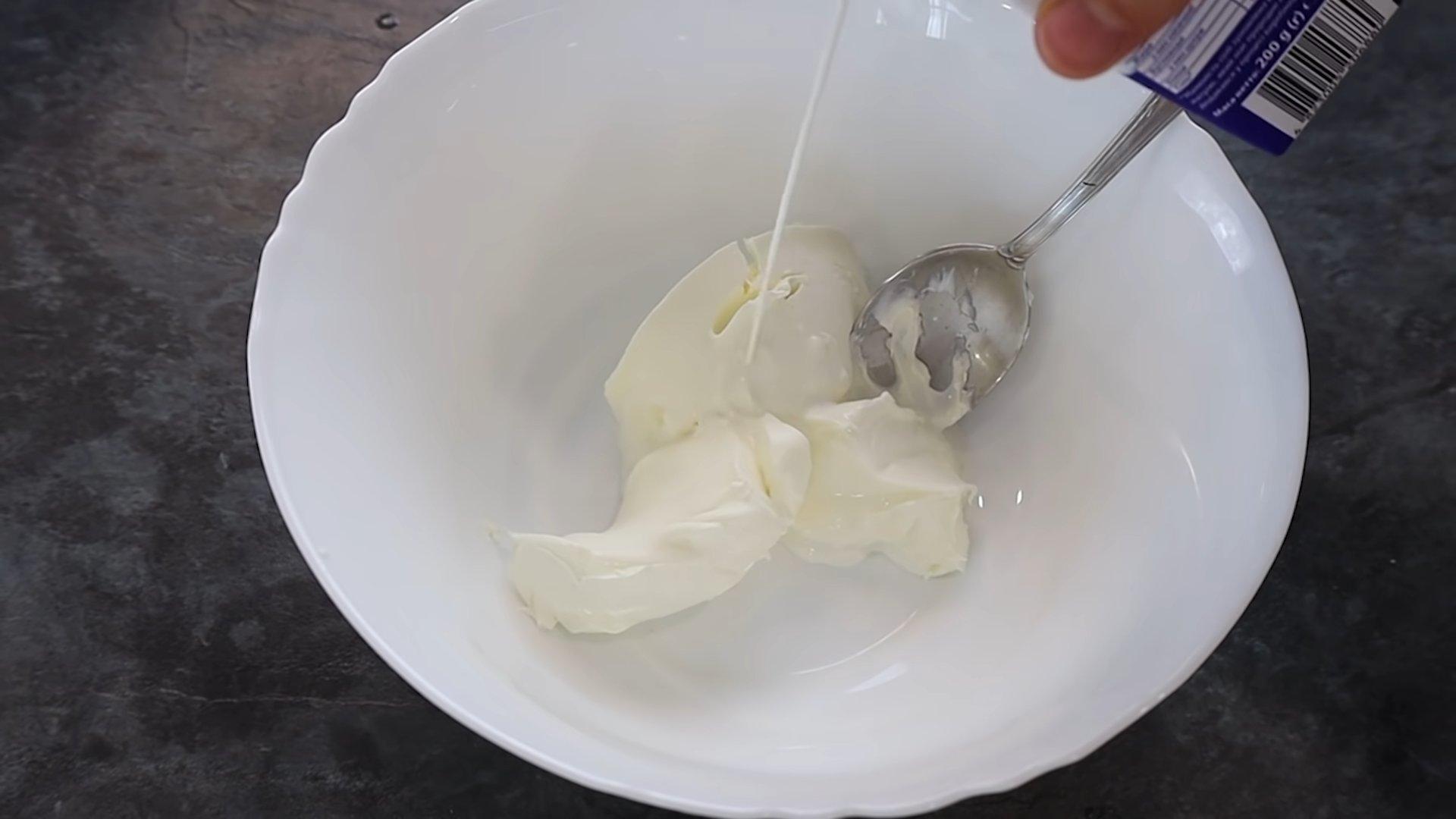
Meanwhile, let's prepare the filling. Place the mascarpone cheese and cream in a deep bowl. Mix the ingredients until smooth.
Step 8
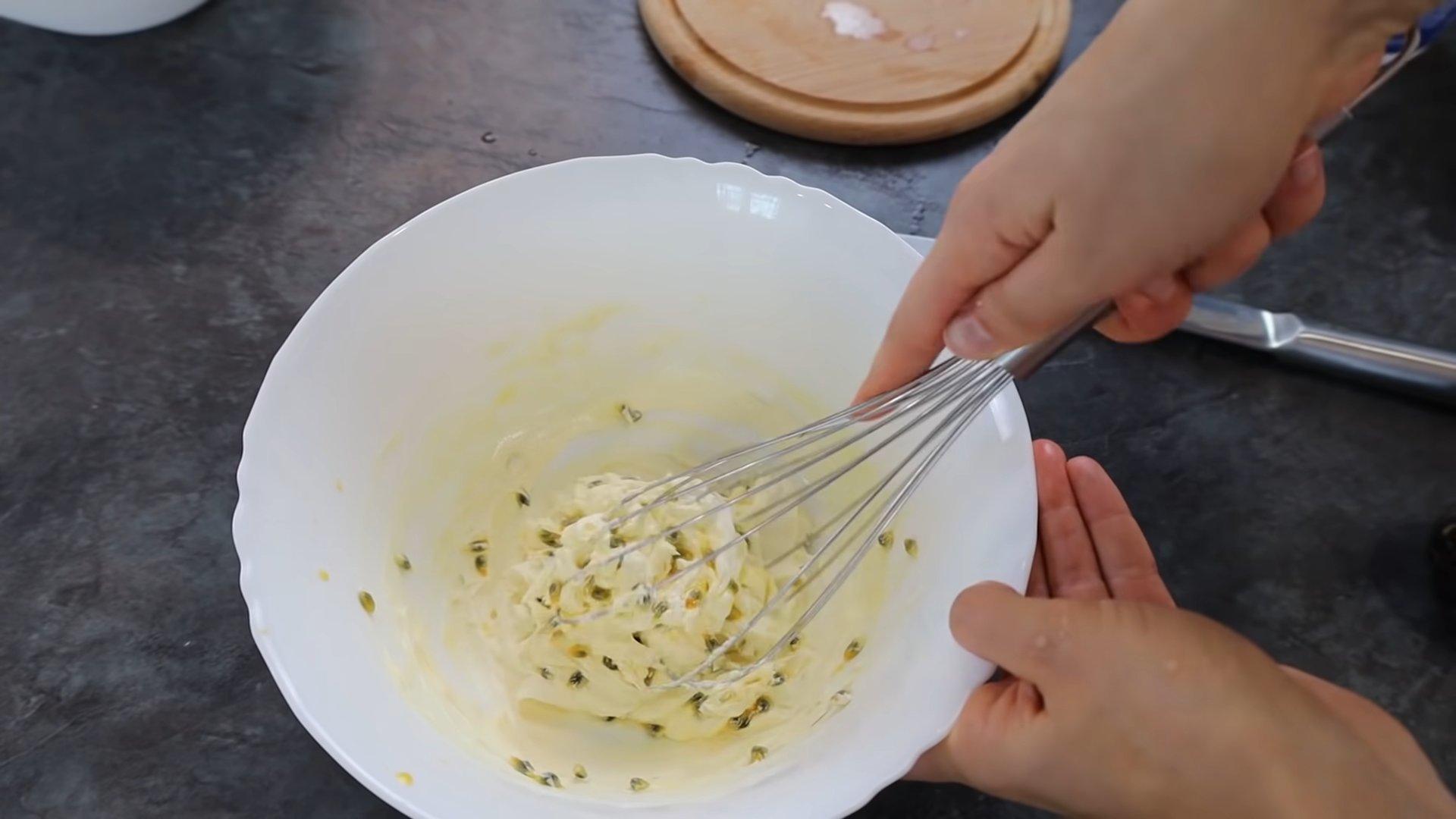
Add fruit puree or fruit pieces and mix the mixture well.
Step 9
Melt the chocolate and pour it into the cream. Mix again until smooth.
Step 10
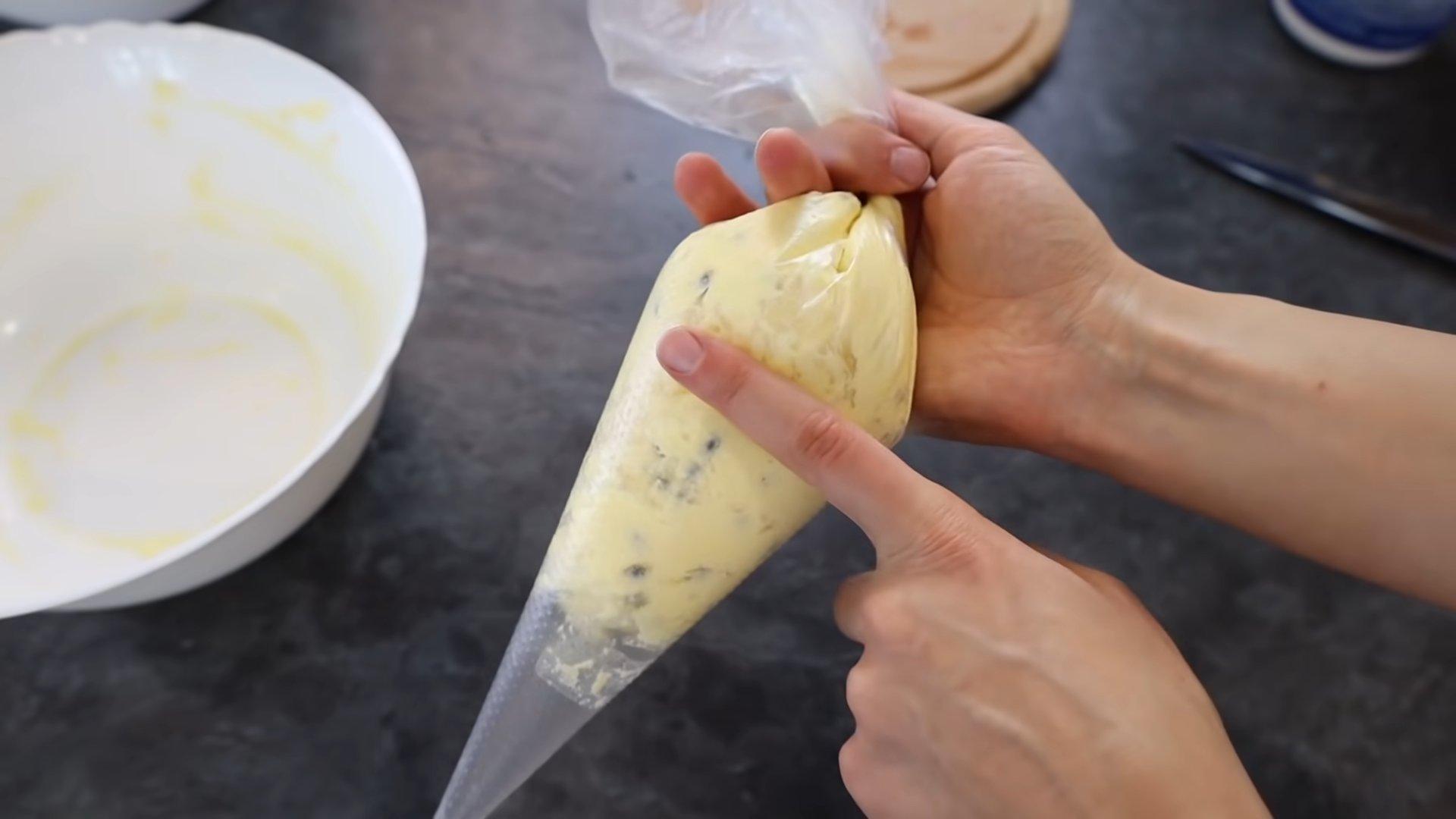
Transfer the cream into a pastry bag and place it in the refrigerator.
Step 11
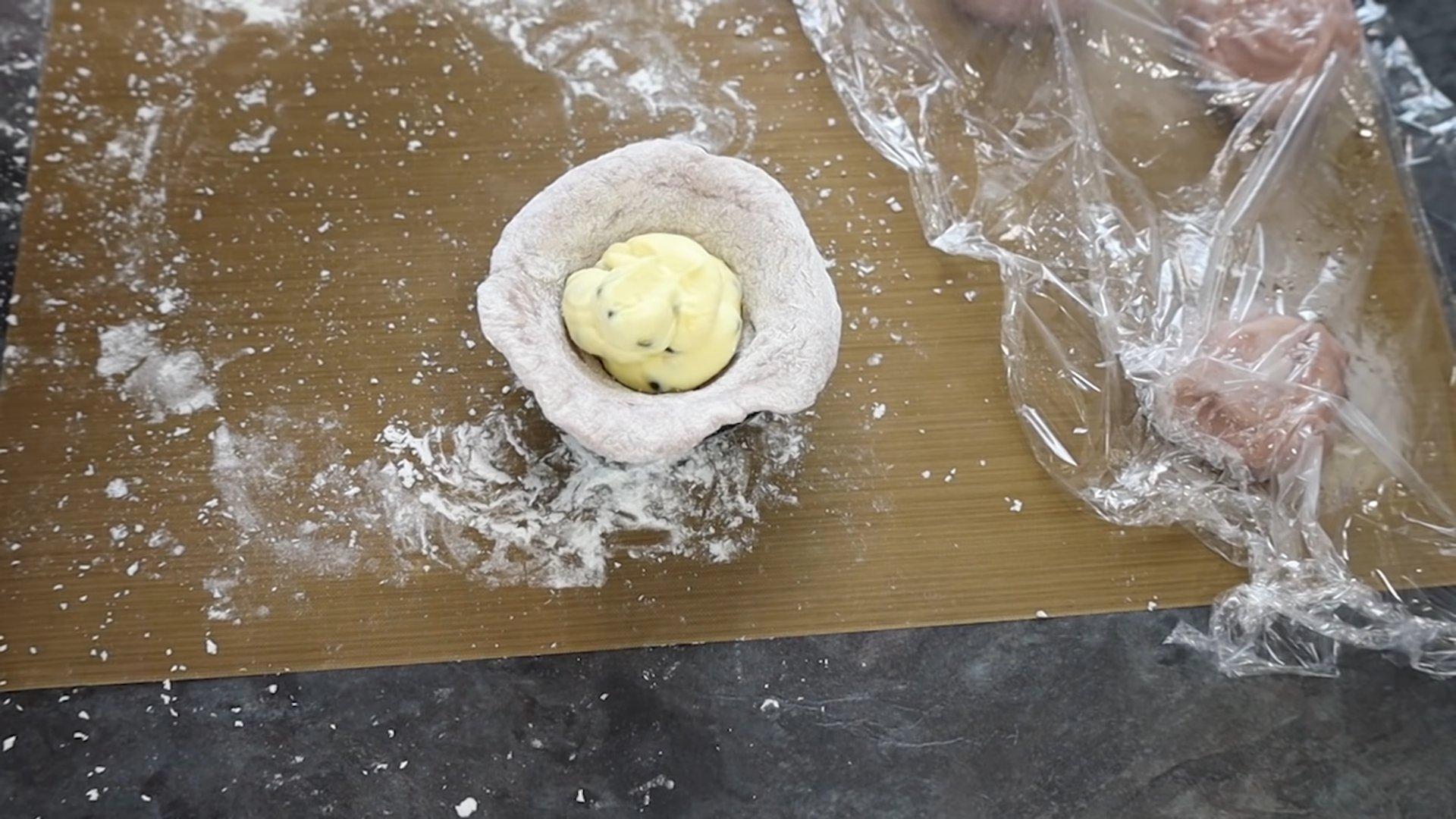
Lightly knead the cooled dough and divide it into several pieces. Form each piece into a flat cake, then spread the filling on top.
Step 12
We seal the cakes, roll each one in powdered sugar and serve with tea.
Mochi fillings
The variety of mochi pastries is impressive. This is all thanks to the vast array of fillings that can be used to stuff these delicate treats. While the dough itself isn't particularly flexible, creams and toppings offer endless possibilities. And modern pastry chefs are very adept at exploiting this.
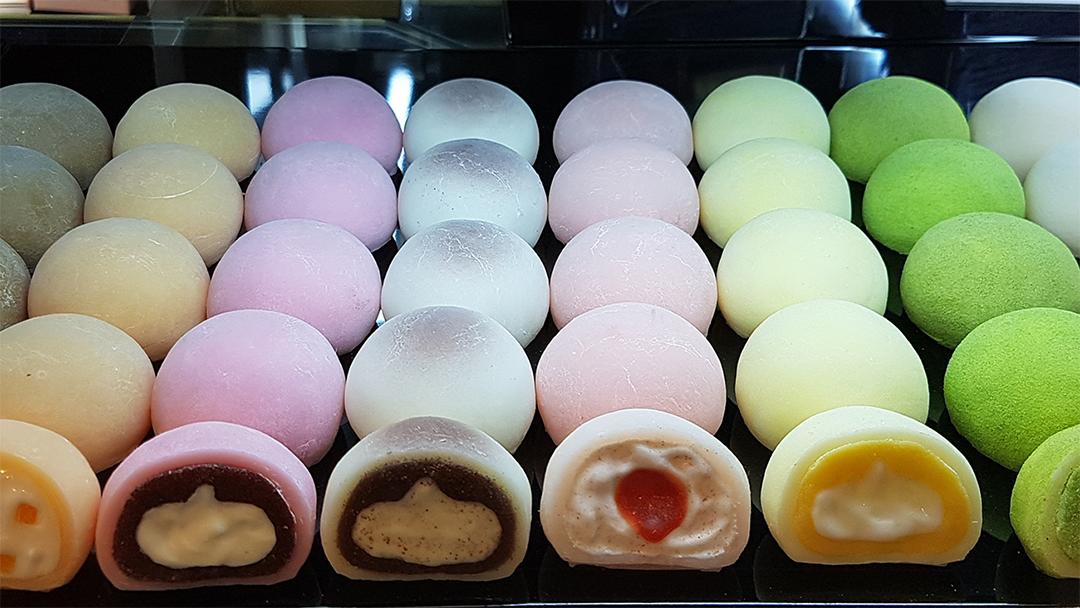
Let's take a look at the most popular fillings for Japanese mochi cakes:
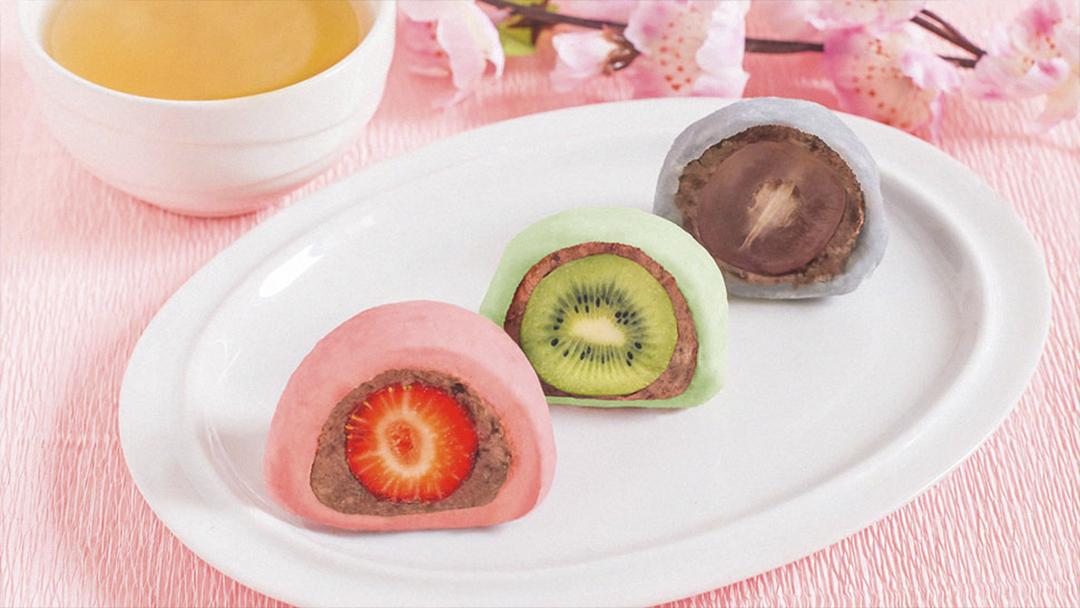
- Anko paste - made from adzuki beans, can be either sweet or salty;
- Various berries - mixed with ancho or airy creams;
- Ice cream - absolutely any flavor will do;
- Fruits (peaches, mango, passion fruit and others) - they are added to cream or ancho;
- Crème Mont Blanc - ground chestnuts;
- Coffee - it is added to various creams and ice cream;
- Caramel cream - prepared on the basis of cream or cottage cheese;
- Tiramisu is a cream that tastes like the dessert of the same name;
- Mascarpone is a universal cream that goes well with any additives;
- Ganache is a chocolate-cream whipped cream.
And this is far from a complete list of mochi fillings. Their dough pairs beautifully with various creams, spices, berries, fruits, nuts, coconut, sesame seeds, and other additives. Fillings can be combined, and the ingredients can be swapped out, creating a dessert with a new, unique flavor each time.
Unsweetened mochi is also very popular. Their dough is sugar-free, and the filling is made from adzuki beans, sweet potatoes, and flavored with mugwort and various spices.
Don't be afraid to experiment. Constantly seek out new, interesting combinations that will please you and your loved ones.
How to make mochi dessert without a microwave?
Modern pastry chefs and home cooks often make mochi in the microwave. It's very convenient and quick. But what if you don't have a microwave?
Let's look at two popular ways to make mochi cakes without a microwave:
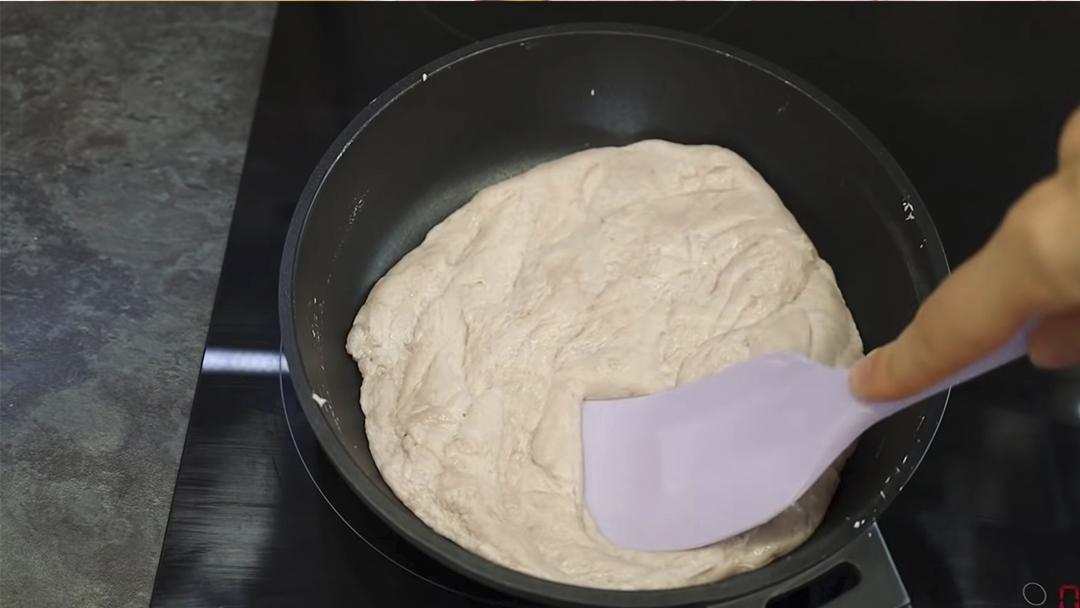
- In a frying pan. Place the dough in a well-heated, dry frying pan. Stir constantly, and cook for 10 minutes. The mixture should be thick and elastic. Cool the finished dough and form into cakes.
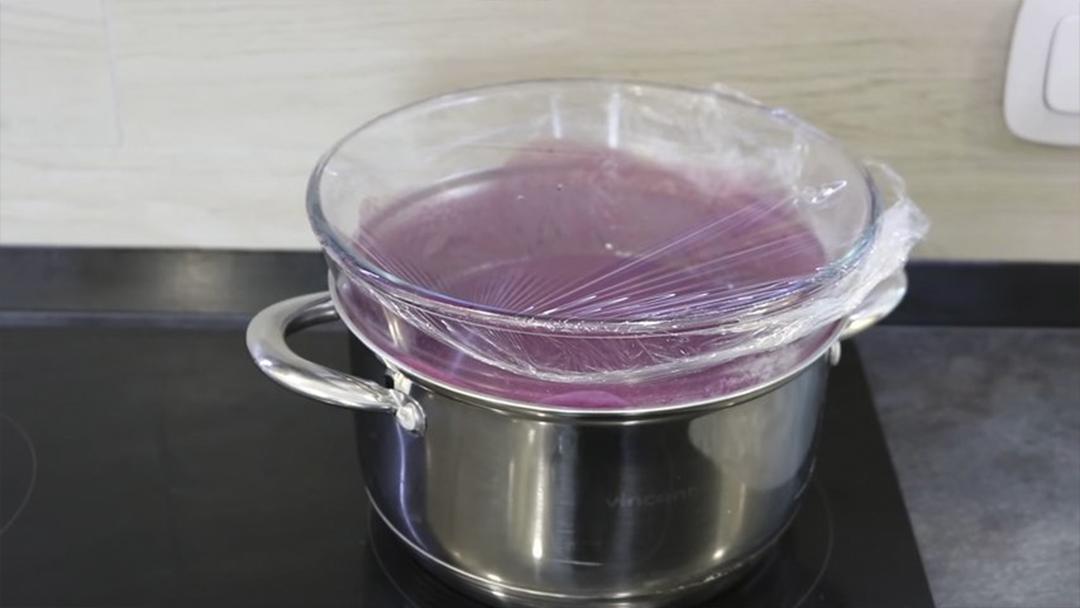
- In a water bath. Place the dough in a deep bowl and cover it with cling film. Place the mixture in a water bath. Cook for 20 minutes, stirring occasionally. The mixture should be smooth and elastic.
- In the oven. This method is only suitable for Chi Chi Dango Mochi, which are prepared without filling. Pour the batter onto a baking sheet and bake at 180-200 degrees Celsius for 60 minutes. After cooling, cut the resulting cake into candies or cakes of the desired size.
Don't worry if you don't have a microwave. Choose any other method and treat yourself and your loved ones to a delicious Japanese delicacy.
How long can you store mochi?
Fresh mochi cakes are quite difficult to store, as they dry out very quickly. At room temperature, they will stay fresh for no more than 1-2 days.
You shouldn't put mochi in the refrigerator either. There, it will absorb moisture, quickly becoming hard and completely inedible.
The best way to store mochi is to freeze it. Many professional pastry chefs use this method. So, if you've made a lot of these Japanese pastries and can't eat them all right away, consider freezing the fresh treats. They should be carefully placed in an airtight container. This will ensure they retain their flavor and texture.
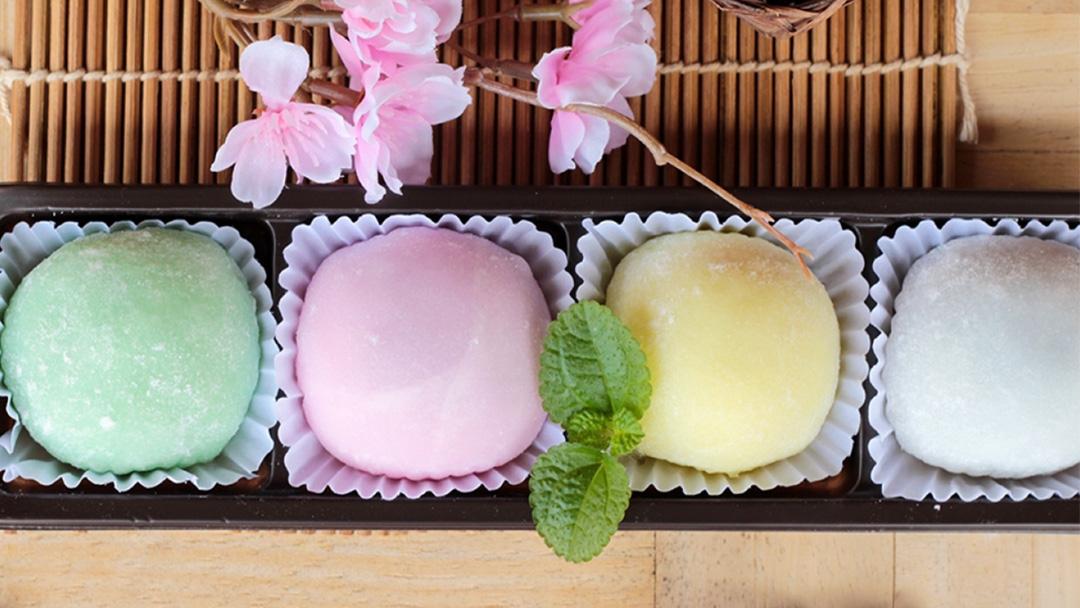
But it's important to remember to remove the treats promptly, as they need to be completely thawed before serving. Frozen cakes can last for several weeks or even months, depending on the filling.
Choose only high-quality ingredients, follow proper preparation and storage techniques, and your mochi will always be incredibly delicious, beautiful, and tender.
Video: How to make mochi at home in 15 minutes.
Did you know that delicious Japanese mochi cakes can be made at home in just 15 minutes? No? Then you definitely need to watch this video. It shows a very simple and quick mochi recipe. The treats are incredibly light, tender, and beautiful. They pair well with any filling.
The video's creator clearly demonstrates the entire dough preparation process and demonstrates how to properly shape it into cakes. The pastry chef shares a simple recipe for mochi filling with Philadelphia cheese and juicy strawberries. After watching this video, you'll easily be making delicious Japanese treats in your own kitchen.