"Potato" Cake in the Best Traditions, or How to Comply with GOST Standards

Content
There weren't many pastries that brought joy to children growing up in the USSR. And even fewer have survived to this day. The "Kartoshka" pastry is lucky. It has survived not only in the memories of grown-up children but also on the shelves of pastry shops. And yet, the modern version hardly corresponds to what the "Potato" cake should actually be like according to GOST.
At that time, the State Standardization System covered virtually all products manufactured in the USSR. "Kartoshka" also had its own GOST, or classic recipe, specifying product standards and production technology. And it must be said, this delicacy was a delicious one.
Firstly, the cake actually resembled a potato. That is, it was dark on the outside (dusted with cocoa) and light on the inside, as befits this root vegetable. The top of the "Kartoshka" was decorated with improvised cream "sprouts." Secondly, the recipe called for the use of sponge cake, not crackers, cookies, or buns. It was this, combined with the delicate cream, that made the "Kartoshka" the most beloved and coveted treat of Soviet children.
The recipe was changed later, and not for the best of reasons: a poor-quality, burnt sponge cake can easily be disguised with the flavor of cocoa. Thus, the "Kartoshka" lost its original appearance and became completely brown.
Today, we'll go back to the roots, find the right recipe, and prepare a traditional potato cake—according to GOST standards, exactly as it was made in the USSR.
Real Potato
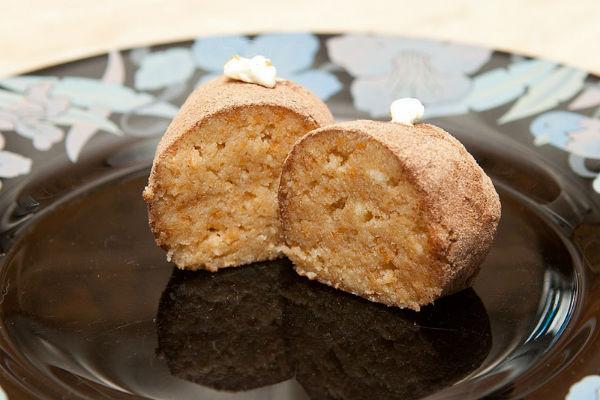
To try a Real Potato, you'll have to "grow" it yourself. The process is effortless and even exciting. To create 10 delicious "root vegetables," you'll need:
- flour - 75 g (for biscuit);
- starch - 15 g (for biscuit);
- eggs – 3 pcs. (for biscuit);
- sugar – 90 g (for biscuit);
- butter – 125 g (for cream);
- powdered sugar – 65 g (for cream), 100 g (for rolling);
- condensed milk – 50 g (in cream);
- alcohol (cognac or rum) – 3 tsp (in cream);
- cocoa powder – 70 – 80 g (for rolling).
Cooking process
The recipe calls for starting the cooking process with a biscuit:
- It's best to turn on the oven right at the beginning. The sponge cake dough should bake immediately after preparation. The temperature should be high – 200 degrees Celsius. It's also best to prepare the baking sheet in advance – line it with parchment paper.
- The yolks are the first to go. Beat them thoroughly with a mixer with 2/3 of the sugar, turning them into an almost white, viscous cream.
- The egg whites won't be left unattended either—it's their turn. Before whipping (as the recipe suggests), you need to thoroughly wash the beaters, dry them, and only then begin. You'll need to beat for quite a while—until stiff peaks form; only then can you add the remaining sugar. The egg white mixture needs to be whipped until it doesn't fall out of the bowl when turned upside down.
- Now gently and carefully combine the two prepared mixtures, stirring with a spoon from the bottom up (from the edges to the center). Add the flour mixed with starch and, also using a spoon, carefully blend until the mixture is smooth.
- Pour the prepared sponge cake batter onto a baking sheet and bake in the oven for 12-15 minutes. Allow the baked sponge cake to cool thoroughly. The recipe recommends stopping the baking process at this point and letting it rest overnight (assuming you baked it in the evening).
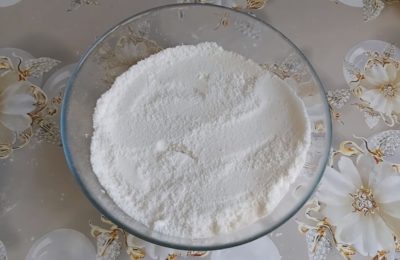
- The cooled cake layer must be mercilessly broken up and ground into crumbs in a blender. Pour the crumbs into a deep bowl.
- Next, prepare the cream: beat the butter with powdered sugar until fluffy, then add the condensed milk, whisking constantly. Set aside a spoonful of the finished cream for garnishing the Potatoes.
- Place the cream in a bowl with the biscuit crumbs, pour in the alcohol, and mix well. You should get a moist mixture that will be easy to shape into the future potatoes.
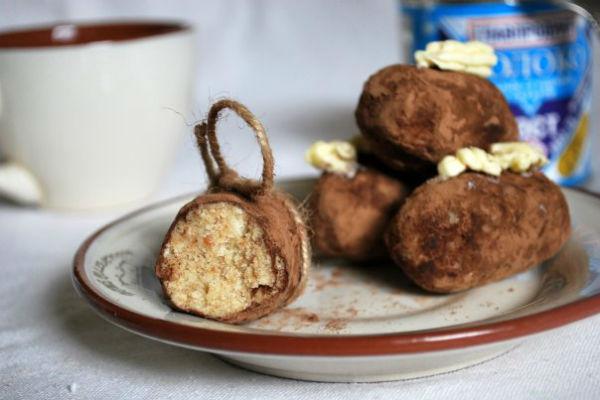
- The recipe calls for just enough "dough" for 10 potatoes. Shape the potatoes into oblongs and roll them in a cocoa and powdered sugar mixture. Let them rest for a bit, then roll them again.
- The finishing touch is the "eyes." To make our potato "sprout," make a few indentations on its surface (for example, with a pencil) and squeeze a drop of the reserved cream into them using a pastry bag. Finally, place the home-grown potato in the refrigerator for an hour.
The GOST-compliant Potato Cake is ready! This recipe is so easy to make. And the main thing is, it's will allow you to enjoy at any time the most amazing delicacy, which has deservedly enjoyed universal love for many decades.
Enjoy! Check out other potato recipes: made with cookies, crackers, and the Dukan diet.