Portuguese pastries inspired by Jamie Oliver

Content
This famous, delicate Portuguese dessert with exquisite orange caramel has gained unprecedented popularity among sweet-toothed people around the world. Soft and incredibly delicious, this delicacy is simply impossible not to love. Classic Portuguese pastries are not easy to make, so after Jamie Oliver significantly simplified the recipe and preparation process, the legendary dessert experienced a new wave of popularity.
A bit of history
Classic Portuguese pastries are made using puff pastry and pudding. According to some historical accounts, this unique method of creating this sweet treat was invented in the 18th century by monks at a monastery located in the suburbs of modern-day Lisbon.
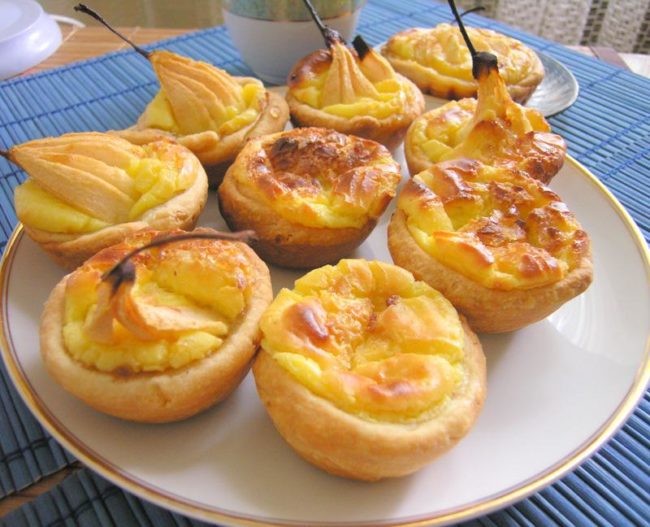
The original recipe for Portuguese pastries remains a closely guarded secret. However, thanks to numerous attempts to recreate the amazing taste of this famous delicacy, resourceful pastry chefs have finally managed to develop a rough recipe for this incomparable dish. Despite this success, the process of preparing this exotic dessert is quite complex.
Jamie Oliver, a true master of modern culinary art, has offered his signature modernized version of the Portuguese pastry recipe. Now every homemaker has the unique opportunity to create this sweet, exquisite dessert in their own kitchen. Jamie Oliver has thoughtfully preserved all the key ingredients that allow him to recreate the unique taste of these legendary pastries with astonishing precision.
Ingredients for a simplified Portuguese pastry recipe
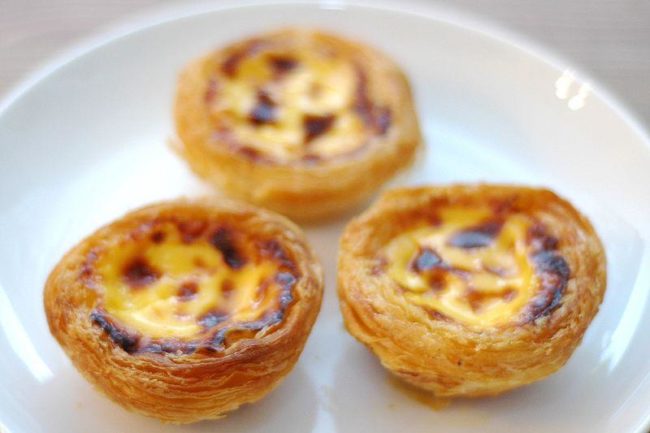
You can, of course, make your own puff pastry. However, Jamie Oliver suggests keeping things simple and buying ready-made. Here are the ingredients you'll need:
- 375 g puff pastry
- 125 g of fat sour cream;
- cinnamon;
- a teaspoon of vanilla extract;
- 5 tablespoons of sugar;
- one chicken egg;
- orange.
You should also prepare the following tools in advance:
- sharp knife;
- muffin tin with wells;
- a deep bowl;
- a small saucepan;
- grater;
- cutting board.
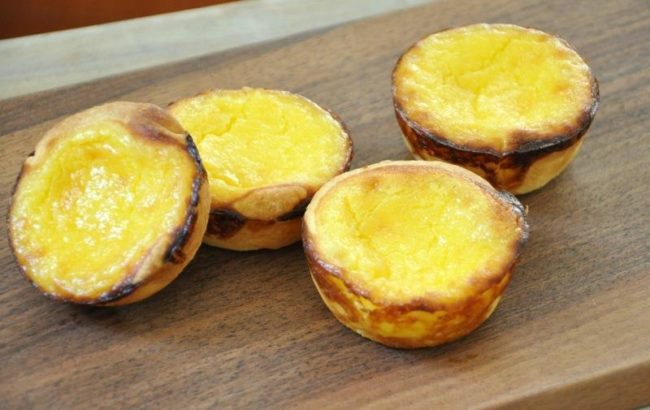
The process itself:
- First, thaw and roll out 375g of ready-made puff pastry. Then cut it in half. You should have two squares measuring approximately 20x20cm.
- Sprinkle the dough generously with cinnamon and roll it into a roll, which is then cut into six equal pieces.
- Place each piece of cinnamon dough into a well in a muffin tin.
- Press the dough firmly until it forms a flat cake. Fold the edges outward to create a nice border.
- Preheat the oven to 200 degrees, place the cake tins in there and bake them for about 8-10 minutes.
- Next, Jamie Oliver suggests making the cream. To do this, zest the orange and squeeze out the juice thoroughly.
- After this, thoroughly mix the heavy cream, one tablespoon of sugar, egg, and orange zest.
- When the baking time is nearly complete, remove the fragrant, fluffy pastries from the oven. Jamie Oliver recommends lightly pressing the center of the baked pastries with the heel of a teaspoon.
- Spread the finished cream into the hollows of the mini cakes. Then return the cakes to the oven and bake for another eight minutes.
- Meanwhile, Jamie Oliver recommends making the caramel. Combine the orange juice, vanilla extract, and four tablespoons of sugar in a small saucepan. Cook until the mixture turns into caramel syrup.
Pay special attention to serving the dessert. Once the cakes are done, drizzle them with warm caramel. This exquisite and original treat is served slightly chilled but warm.
Enjoy your meal! Explore new dessert recipes with us.