Easter cottage cheese cake is the perfect recipe for the holiday.

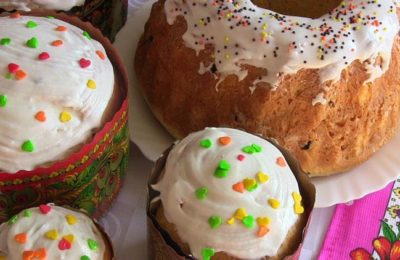
The main components of the Easter holiday are paska (paska) itself and kulich (Easter cake). Recipes vary widely, and there are countless ways to prepare them. One of the most delicious, without a doubt, is cottage cheese Easter cake.
There are several varieties of Easter cottage cheese dessert. The two most common are raw and cooked. Raw is quicker and easier to prepare, while cooked has a slightly longer shelf life and a slightly different flavor. We'll share recipes for both types of festive treats, explaining all the intricacies of preparation so your Easter cake turns out exactly like the photo.
No-Bake Easter
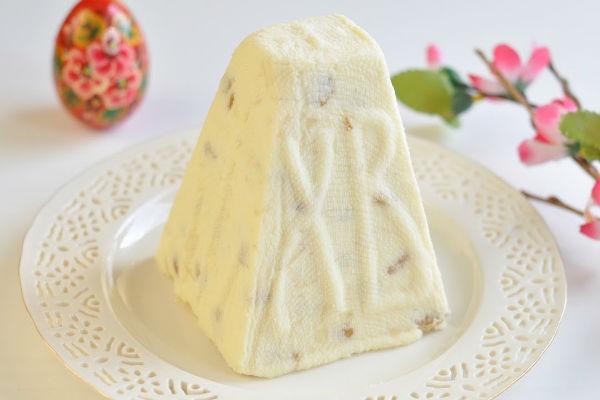
This paskha is four-sided in shape, symbolizing Golgotha. It's made with non-sour cottage cheese, using only high-quality, high-fat ingredients. To make it, you'll need:
Easter is usually celebrated on Maundy Thursday, the last Thursday before Easter Day.
- 1 kilogram of cottage cheese 20% fat;
- 200 milliliters of cream, 33% fat;
- 200 grams of sugar;
- 2 egg yolks;
- 1 teaspoon orange zest;
- 120 grams of butter.
So, the cottage cheese for our treat must be very soft, even airy. To achieve this, we strain it through a sieve, not once, but twice. This process breaks it down and oxygenates it. Never substitute this procedure with grinding it in a meat grinder—it will ruin the product.
Add softened butter to the grated cottage cheese. Remove it from the refrigerator beforehand, but do not melt it. Mash the cottage cheese and butter with a spoon until smooth.
Next, take a saucepan, fill it with water, and set it on the stove. This is our double boiler. When the water starts to boil, place a small bowl over the boiler and add the yolks and sugar. Whisk everything until the mixture becomes light in color and doubles in volume. Then add the beaten yolks and sugar to the cottage cheese.
Our next ingredient is cream, which should be straight from the refrigerator. We need to whip it. It's much easier and faster to do this with a mixer. Whip the cream until it forms a beautiful, fluffy mass. Place this mass in the bowl with the cottage cheese, add the orange zest, and mix very gently but thoroughly. Everything should be smooth. The recipe doesn't call for it, but at this stage you can also add raisins or other dried fruit, pre-soaked in water and dried on a towel.
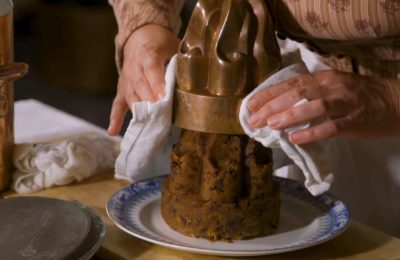
After this, place the almost-ready dish in a pasochnitsa (a special mold) lined with three layers of cheesecloth. Spoon the curd mixture into the mold, pressing it down firmly to ensure there are no gaps. Cover the curd with the remaining edges of the cheesecloth. Place the mold, without inverting it, in a deep bowl. Place a weight on top. Refrigerate for at least 24 hours. This allows the whey to drain. Then remove the dish from the pasochnitsa, invert it, and remove the cheesecloth. Place it on a pretty plate.
If you followed the recipe, you'll have a paskha just as beautiful as the one in the photo. Now you can dedicate it.
[blockquote_gray»]See also: A real Easter cake
Boiled Easter cake
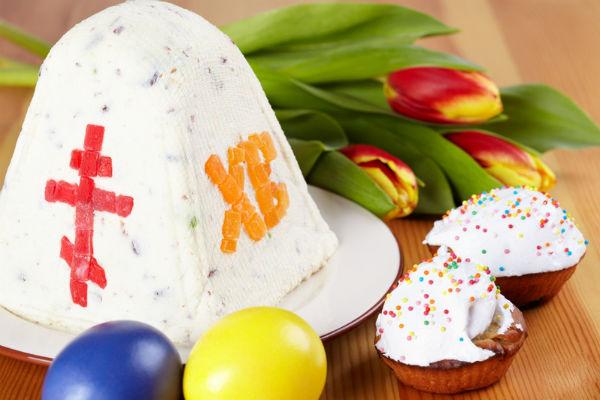
Reading this, you're likely thinking the recipe is wrong, the author made a mistake, and that paskha is absolutely impossible to cook. There's no mistake, and we'll teach you how to make an incredibly delicious cottage cheese dish, like the one in the photo, which is being cooked. To make it, prepare:
- 1.5 kilograms of fatty cottage cheese;
- 4 tablespoons of sugar;
- 3 yolks;
- a pinch of salt;
- 200 milliliters of cream, 33% fat;
- 500 grams of sour cream, 30% fat;
- 250 grams of butter;
- 150 grams of raisins;
- 0.5 teaspoon ground turmeric;
- vanillin or vanilla sugar;
- For decoration: 50 grams of almond petals and 50 grams of small candied fruits.
First, place the cottage cheese in a cheesecloth-lined colander, place a weight on it, and let it sit for five hours to drain. After five hours, strain the cottage cheese. Use a fine-mesh colander or a sieve. This step is included in the recipe for a reason; don't skip it: it greatly affects the final result.
Next, add turmeric, a pinch of vanilla (can be replaced with 1 teaspoon of vanilla sugar), salt, sour cream, and 200 grams of softened butter to the cottage cheese. Beat with a mixer for about ten minutes. Place the cream, sugar, and egg yolks in another bowl. Beat with a mixer, then combine the mixtures.
A culinary tip: you can replace the pasochnitsa with a plastic flower pot. Line it with 2-4 layers of damp cheesecloth and then place the paskha inside.
Place the raisins in a saucepan, add the remaining butter, and simmer over very low heat for 10 minutes. Then add to the curd mixture and stir. The paska is almost ready—place it in the saucepan and simmer in a double boiler over medium heat for half an hour. Stir occasionally. Then place it in a cheesecloth-lined paska dish.
Important: Place the pasochnitsa (pasochnitsa) in a deep saucepan with the narrow end down, and place a weight on top. For example, a liter jar of water or something else. Refrigerate for a day or more.
Before serving, remove the finished paskha from the mold and cheesecloth and garnish with candied fruit and almond flakes. The recipes are very simple and time-tested. You'll make a perfect paskha! Happy Easter!
Video recipe for making Easter cottage cheese
[blockquote_gray»]
Try other Easter recipes
Easter cupcakes— with chocolate, cocoa and oranges.
Eggs in jelly — for children on holiday