Milk Soak for Cake - Top 3 Recipes
Classic milk impregnation can be used not only for biscuit, but also For buns, cupcakesIt will go with any dough and almost any filling or cream you might want to use. at homeThere is probably only one exception: vegan desserts.

Content
- 1 Milk and sugar cake impregnation
- 2 Milk and sugar cake impregnation
- 3 Impregnation for sponge cake made from milk, cream and condensed milk
- 4 Impregnation for sponge cake made from milk, cream and condensed milk
- 5 Milk syrup for soaking from regular, baked and condensed milk
- 6 Milk syrup for soaking from regular, baked and condensed milk
- 7 Secrets of preparing and using impregnation
- 8 Storage Features of Milk Impregnations
You can make syrup for soaking sponge cake layers using more than just regular milk. This collection includes recipes for using baked milk, sweetened condensed milk, and even light cream.
Milk soaking helps enhance the creaminess, soften overly strong spice flavors, and balance the sweetness of the dessert. It also remains white in most cases, so it won't leave unsightly stains on light-colored cakes. This makes it an excellent solution for triffles and other individual desserts in a glass.
Milk and sugar cake impregnation
Milk and sugar cake impregnation
- Proteins: 6 g
- Fats: 2.5 g
- Carbohydrates: 44 g
- Total time:
- Time in the kitchen:
-
Complexity:
It will work even if you're making it for the first time. Not just this dish, but your first time ever.
- Number of servings: 1
Ingredients
-
Milk200 ml
-
Sugar1 tbsp
-
Vanilla sugar1 tbsp
Preparation

Pour the milk into a saucepan, add the regular and vanilla sugars, and stir. It's best to use a saucepan with a thick bottom to prevent the syrup from heating up too quickly.

Place over medium heat and heat, stirring frequently until the two types of sugar are completely dissolved.

Bring to a light boil and remove from heat.

Strain the syrup through a fine-mesh sieve to remove any foam that forms. If you added other spices to the syrup, remove them at this stage to prevent them from over-flavoring the syrup.

The milk soak is ready. Let it cool completely and use according to the planned recipe.
Impregnation for sponge cake made from milk, cream and condensed milk
Impregnation for sponge cake made from milk, cream and condensed milk
- Proteins: 3.3 g
- Fats: 42 g
- Carbohydrates: 20 g
- Total time:
- Time in the kitchen:
-
Complexity:
It will work even if you're making it for the first time. Not just this dish, but your first time ever.
- Number of servings: 1
Ingredients
-
Milk100 ml
-
Condensed milk30 G
-
Cream 10%30 G
Preparation

Pour room temperature milk into a thick-bottomed saucepan and add cream.

Take a soft spatula and use it to collect all the condensed milk, which we also add to the ladle.

Heat everything over low heat until the condensed milk is completely dissolved. To speed up the process and prevent the mixture from boiling, use a whisk.

After about 30 seconds, everything will be ready and the mixture will be smooth. If it does boil and foam forms, strain the mixture through a sieve to remove it.

The impregnation is ready. Let it cool to room temperature before using. The sponge cake should also be cold to ensure even soaking.
Milk syrup for soaking from regular, baked and condensed milk
Milk syrup for soaking from regular, baked and condensed milk
- Proteins: 3 g
- Fats: 2.5 g
- Carbohydrates: 6 g
- Total time:
- Time in the kitchen:
-
Complexity:
It will work even if you're making it for the first time. Not just this dish, but your first time ever.
- Number of servings: 1
Ingredients
-
Milk50 ml
-
Condensed milk50 G
-
Baked milk50 ml
Preparation

Pour the milk into a thick-bottomed saucepan. Place it on the stove and turn the heat to low. If the heat is too high, the syrup will eventually burn and lose its flavor.

Add baked milk.

Pour in the condensed milk.

Mix the ingredients thoroughly until combined, keeping the heat on. Remove the mixture from the stove and let it cool to room temperature before using.
Secrets of preparing and using impregnation
The recipes for soaking are simple. So, the actual process of making syrups doesn't require many tricks. But soaking the cake layers is a bit more complicated. This is a crucial step, and you don't want to make any mistakes.
- Use cookware with a thick bottom
When heating milk and other ingredients, try to use a saucepan with a thick bottom and turn the heat to low. Otherwise, the mixture may burn on the bottom or along the sides, which will negatively affect the flavor of the syrup. Don't rush.
- Add only whole spices
When cooking spices, always remove them at the end. Otherwise, bits of zest, large granules of ground nutmeg, and unsightly blobs of cinnamon will settle on the dough. Therefore, always try to use only pods, sticks, whole buds, and seeds; this makes them easier to scoop out with a slotted spoon or strain through a sieve. This will also protect you from counterfeit spices when purchasing them.
- Let the impregnation cool down
The syrup and sponge cake must be cold when soaking. Only then will the dough absorb the liquid evenly, becoming moist and crumbly, rather than simply wet and unpleasant.
- Distribute the impregnation evenly
Unless the recipe specifies pouring syrup directly into the pan, don't just saturate one spot. The syrup spreads from top to bottom. Therefore, pouring syrup only into the center will keep the edges dry.
- Do not lift soaked cakes
Wet dough breaks and falls apart very easily. Therefore, the cake layers should be soaked immediately upon assembly on the tray that will be used for transporting the cake.
However, this rule doesn't apply to small, individual desserts. Even rectangles of cake can be easily transferred individually on a spatula without worrying about their integrity.
Storage Features of Milk Impregnations
Syrups are quick to prepare and don't require a lot of expensive ingredients. Therefore, I recommend not worrying too much if, after you've properly soaked the sponge cake with milk, some of the liquid remains unused. If it's only a small amount, it's easier to drink the rest, add it to your coffee, or add it directly to your porridge.
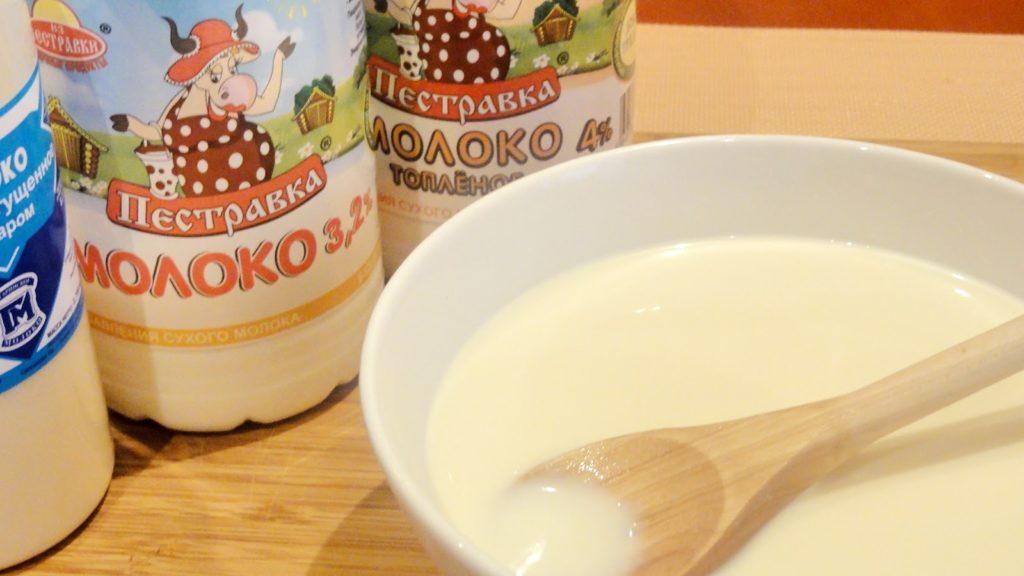
Unlike classic sugar syrups, milk syrups can't be prepared in bulk. They will quickly turn sour and become unsuitable for confectionery purposes. You can store milk or cream syrup in the refrigerator for up to 3 days at most. During this time, you'll need to figure out how to use it.
If you soaked the sponge cake with a spoon, simply pour the syrup into a container with a tight-fitting lid and set it aside. Using a pastry brush will inevitably result in bits of dough ending up in the bowl with the syrup. Therefore, it's best to strain the syrup, even though this won't remove even the smallest bits of sponge cake.
It's easier to make fresh and tasty syrup than to store leftovers.