Sponge Cake Soak – Top 7 Recipes + Video
Impregnation helps make yours biscuit much tastier. It's a very simple procedure that doesn't require exceptional culinary skills or expensive ingredients. But it's right soaked cake transform from cakes and cream into a single soft and delicious dessert.

Content
- 1 What is cake impregnation?
- 2 Do I need to soak the biscuit?
- 3 What types of cake impregnations are there?
- 4 Sugar syrup for soaking the sponge cake
- 5 Video: 3 Cake Soak Options
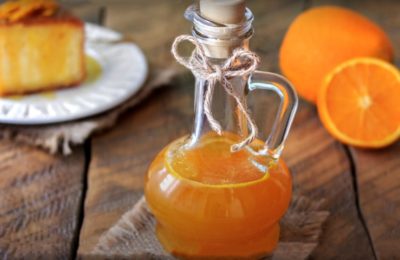
- 6 Orange impregnation for sponge cake
- 7 Cherry impregnation for sponge cake
- 8 Impregnation for sponge cake made from condensed milk
- 9 Caramel syrup for soaking the cake
- 10 Coffee impregnation for sponge cake
- 11 Lemon Soak for Sponge Cake
- 12 How to soak sponge cake at home?
- 13 Answers to frequently asked questions
A simple sponge cake icing can be made in just a couple of minutes using household ingredients. But there are more complex recipes, though even these are easy enough for anyone who can bake the cakes.
You can confidently choose from a variety of impregnation options to create a variety of flavor combinations and transform even classic recipes into completely new desserts. All it takes is a little imagination and a willingness to experiment.
What is cake impregnation?
Classic sponge cake soak is very simple to make. It's made from sugar and water in varying proportions. Essentially, it's a syrup. It can be made not only with water, but also with milk or other beverages, including alcoholic ones. Any sweetener can be used instead of sugar.
The primary purpose of a sponge cake soak is to moisten the cake base. The syrup should soften the dough, making it easier to eat and even scoop with a spoon. But soaking can also serve other functions:
- Aromatization
Using various flavorings—spices, alcohol, and more—syrup can impart new nuances to the sponge cake. This allows you to try new combinations of ingredients without changing the classic, tried-and-true recipe, ensuring the cake will be just as delicious and fluffy, and the cream won't run.
- Coloring
Impregnations can be transparent, light, dark, and even multi-colored. This can be used to make the sponge cake's hue more vibrant and interesting. However, this can also be problematic, as a dark impregnation on white dough will simply look like an unsightly stain.
- Sweetness regulation
If your sponge cake uses minimal sugar, simply make a sweet soak, and the problem will be solved. Conversely, if you're worried about your guests' jaws tightening from the dessert's cloying sweetness, soften it with a tart or piquant syrup. You can even use a soak without any sugar at all.
Do I need to soak the biscuit?
Even the most delicious and in every way the best soaking can ruin the flavor of the dough. As I mentioned above, the main goal is to moisten the crust. But if you overdo it, it will become soggy, and only a small number of people like super-moist cakes.
Moreover, many cake bases already contain a fair amount of moisture. Therefore, using a soak won't improve their flavor, but will only ruin it. To help you decide when to drizzle syrup over your cake, use the following guide based on sponge cake types.
Classical
Dry sponge cakes made with eggs, sugar, and flour always need to be soaked. This is especially true if you've overcooked the cake. This doesn't matter what spices you use or whether cocoa is included. If the recipe doesn't call for fat, syrup is necessary.
Chiffon
The opposite is true. Chiffon sponges are made with butter or vegetable oil. Therefore, they are already moist and don't need soaking. The same applies to dacquoise made with fatty nut flour.
However, this doesn't mean you can't use soaking. If you feel like your sponge cake isn't moist enough, simply make some syrup. Just try to use it sparingly, otherwise the cake might crumble when you assemble it.
Fruit
Almost all vegetable and fruit sponge cakes don't require additional soaking. They are moistened by the juices of the fruit used. But, as with chiffon cakes, you need to judge the situation and rely on your own experience.
Named desserts
In most cases, you can use the fat content rule as a guide. For example, the cake layers for honey cakes, red velvet cakes, brownies, and Prague cakes are already moist enough and don't require soaking. However, if you're not using a classic recipe, but a unique, original version, you might need syrup.
The "Milk Girl" cake deserves special mention. Its layers are very dry, but they aren't soaked because cream is used instead of syrup for this purpose. While the cake is resting, the sponges absorb moisture from the cream layer, which gives the dessert its unique flavor. Soaking would only weaken this process.
Store-bought
It's impossible to give a universal answer about soaking store-bought cakes. The decision depends on the condition of the sponge cake. Even products from the same company can vary in moisture content depending on how long the cakes have been sitting on the store shelf.
What types of cake impregnations are there?
It's simply impossible to describe all the different types of soaking agents. There are thousands of syrups you can use to moisten the base of cakes and other baked goods. And that's great, because you can make anything from a simple cake soak to a colorful syrup that will create a unique flavor combination and add color to the dessert base.
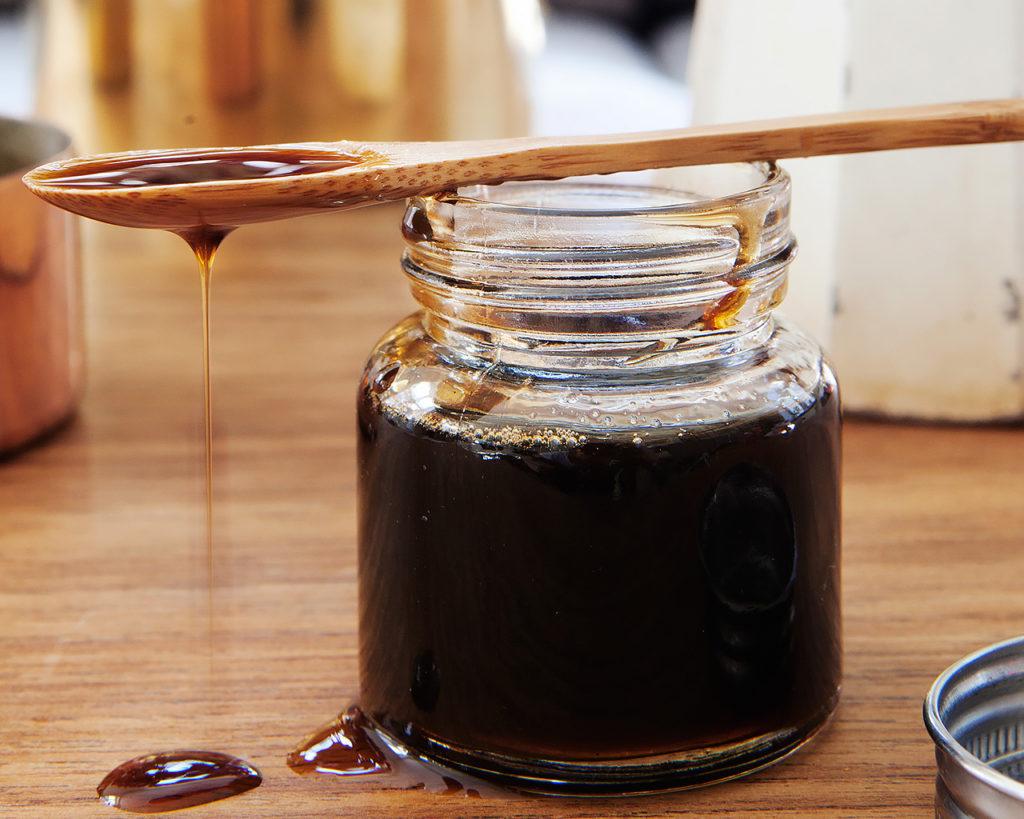
However, most impregnations can be divided into several categories. Perhaps this will make it easier for you to create your own syrup selection.
Basic
This is a classic cake soak made from water and sugar in varying proportions. This recipe is considered basic because it's suitable for any baked good. Citrus juice and zest, spices, and alcohol can also be added to the syrup, creating a variety of new soaking options.
Dairy
This doesn't just include syrups made with milk. Condensed milk, yogurt, cream, and even sour cream can be used as a base. Milk-based soaks are versatile and can be transformed into chocolate-based ones simply by adding a spoonful of cocoa.
Fruity
Fresh or frozen fruits, berries, and some vegetables are most often used to make these syrups. However, you can also simply drain the syrup left over from boiling candied fruit or making jam. These infusions are very aromatic and vibrant, but they should be used according to the flavor chart.
Coffee shop
These are coffee-based syrups, often with the addition of strong alcohol. This is the type of syrup used to make tiramisu. It's also often found in chocolate desserts.
Coffee infusions are dark and have a distinct aroma. They don't pair well with all desserts. However, when used correctly, they can achieve amazing results.
Besides coffee, you can use tea and even sweet store-bought drinks, like cola, to soak the biscuits.
Alcoholic
Cognac, rum, or whiskey are most often used for soaking. They enhance the dessert's rich aroma. However, some desserts are soaked in liqueurs for additional flavor notes, culinary and dessert wines, champagne, and even beer.
I don't recommend using dark-colored impregnations for white dough. They stain the crust, resulting in a muddy color. If this doesn't bother you, you can use any shade of liquid.
Sugar syrup for soaking the sponge cake
- Proteins: 0.1 g
- Fats: 0 g
- Carbohydrates: 31.9 g
- Total time:
- Time in the kitchen:
-
Complexity:
It will work even if you're making it for the first time. Not just this dish, but your first time ever.
- Number of servings: 1
Ingredients
-
Sugar600 G
-
Water250 ml
-
Lemon (slice)1 pcs
-
Citric acid0.25 tsp
Preparation

Place the sugar in a saucepan and add water. Immediately add a lemon wedge.

Place on the stove and turn on medium heat. Start stirring until the sugar is completely dissolved.

Stop stirring and bring the syrup to a boil. At this point, add the citric acid and quickly stir until completely dissolved. Cook for 1 minute and remove from heat.

Pour the syrup into a glass container that can withstand high temperatures.

The sugar syrup for the cake is ready. Remove the lemon wedge and let it cool to room temperature before using.
Video: 3 Cake Soak Options
Polina is not only a beautiful woman but also a professional pastry chef who regularly creates confectionery masterpieces. In this video, she shares recipes for simple sponge cake soaks that she uses herself.
These are versatile yet unique alcohol-free syrups. They'll be enough for most cakes at home.
Orange impregnation for sponge cake
- Proteins: 0 g
- Fats: 0 g
- Carbohydrates: 34.1 g
- Total time:
- Time in the kitchen:
-
Complexity:
It will work even if you're making it for the first time. Not just this dish, but your first time ever.
- Number of servings: 1
Ingredients
-
Orange juice150 ml
-
Sugar (or powdered sugar)150 G
-
Water100 ml
-
Cinnamon1 pcs
Preparation

Peel the oranges, being careful not to touch the white part between the peel and the pulp. This is where the bitter part is, which can make the infusion taste less than ideal. Then cut the oranges in half.

Juice the citrus fruits using a regular hand juicer. If the slits are too wide and orange seeds fall into the juice bowl, strain the juice through a sieve.

Place the orange zest in a saucepan. Add sugar, a cinnamon stick, and half the water. Adjust the amount of water depending on how thick you want the sauce to be. If necessary, add the remaining water halfway through the cooking time.

Bring to a boil and cook until the sugar is completely dissolved, stirring with a spoon. This will take 2 minutes.

Now add the orange juice and the remaining half of the water. Bring to a boil and simmer for 7 minutes over medium-low heat.

Strain the mixture, removing the zest and cinnamon using a slotted spoon. Or, to speed up the process, pour everything into a bowl through a fine-mesh sieve.

Prick the hot sponge cake with the tines of a fork and spread the impregnation evenly over the surface.
Cherry impregnation for sponge cake
- Proteins: 0.2 g
- Fats: 0.1 g
- Carbohydrates: 17.4 g
- Total time:
- Time in the kitchen:
-
Complexity:
It will work even if you're making it for the first time. Not just this dish, but your first time ever.
- Number of servings: 1
Ingredients
-
Water200 ml
-
Sugar (or powdered sugar)150 G
-
Syrup3 tbsp
Preparation

Measure out the ingredients so you have everything on hand. If you want do alcoholic version on cognac, we use 25 ml of drink per 200 ml of water.

Place sugar in a thick-bottomed saucepan and add water. Heat over medium heat until boiling.

Now stir until the sugar is completely dissolved, using a silicone or wooden spatula.

Bring to a boil, reduce heat to low, and simmer for 1 minute. Don't let it simmer any longer, otherwise the syrup will thicken and caramelize. This will make it difficult to spread over the sponge.

Turn off the heat and add cherry syrup.

Mix everything well and leave the impregnation to cool to room temperature.

When the syrup has cooled, we use it to soak the cake Sponge the sponge cake layers. Spread the liquid with a silicone brush or a spoon.
Impregnation for sponge cake made from condensed milk
- Proteins: 2.1 g
- Fats: 7.8 g
- Carbohydrates: 23.1 g
- Total time:
- Time in the kitchen:
-
Complexity:
It will work even if you're making it for the first time. Not just this dish, but your first time ever.
- Number of servings: 1
Ingredients
-
Condensed milk380 G
-
Water (boiling water)200 ml
-
Cognac15 ml
Preparation

Measure out the required amounts of ingredients. Bring the water to a boil on the stove or in an electric kettle. This will help soften the taste of the alcohol and make it easier for the condensed milk to dissolve.

Combine cognac with water.

Stir quickly to distribute evenly.

Pour hot water into a bowl with condensed milk.

Mix until a homogeneous mixture is obtained.

The condensed milk soak is ready. Use it for a cake 24-26 cm in diameter. Or pour it into a jar, seal it with an airtight lid, and refrigerate until ready to use. Stir again before use to ensure the soak is uniform.
Caramel syrup for soaking the cake
- Proteins: 0 g
- Fats: 0 g
- Carbohydrates: 78 g
- Total time:
- Time in the kitchen:
-
Complexity:
It will work even if you're making it for the first time. Not just this dish, but your first time ever.
- Number of servings: 1
Ingredients
-
Sugar (or powdered sugar)100 G
-
Water100 ml
-
Lemon juice1 tbsp
Preparation

Measure out equal amounts of hot water and sugar. Squeeze in the lemon juice; it will add a citrusy flavor to the syrup and make the dessert more aromatic. Lemon juice is optional; you can omit it if desired.

Pour the sugar into a thick-bottomed ladle or saucepan. We also add lemon juice.

Place the ladle over low heat and warm it up. Don't stir the sugar at first, just gently lift the ladle and shake it from side to side.

When the sugar begins to melt, quickly stir it along the bottom with a spatula. Be careful not to burn it. The color should remain a beautiful amber, but not brown, otherwise the caramel will taste bitter. As soon as the sugar turns a darker caramel color, remove the saucepan from the heat.

Add hot water in small amounts, stirring well each time until the mixture is smooth. Work quickly to avoid scalding from the steam. The stain will darken further as it comes into contact with water. This is normal and nothing to worry about.

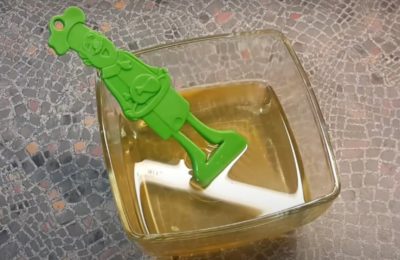
Pour the syrup into a glass bowl and let it cool to room temperature.

The caramel sauce is ready. Use it to moisten desserts. If it seems too runny, you can increase the sugar or decrease the water.
Coffee impregnation for sponge cake
- Proteins: 1 g
- Fats: 0 g
- Carbohydrates: 27 g
- Total time:
- Time in the kitchen:
-
Complexity:
It will work even if you're making it for the first time. Not just this dish, but your first time ever.
- Number of servings: 1
Ingredients
-
Coffee (instant)3 tsp
-
Water (boiling water)100 ml
-
Sugar (or powdered sugar)30 G
-
Cognac1 tsp
Preparation

Bring water to a boil in an electric or regular kettle and prepare instant coffee. Stir well to remove any sediment. Alternatively, use a measuring cup to measure out coffee beans prepared in a coffee maker. If using a Turkish coffee pot, be sure to strain the coffee through a sieve to ensure a smooth, even texture.

Add sugar and stir quickly until completely dissolved. You can also use ready-made syrups of various flavors to make the soak more flavorful.

At this stage, you can add cognac if desired. Or skip this step if you prefer soaking. no alcohol.

The coffee infusion is ready. Use it for chocolate cake, coffee cake, or similar desserts.
Lemon Soak for Sponge Cake
- Proteins: 0.2 g
- Fats: 0.1 g
- Carbohydrates: 18.1 g
- Total time:
- Time in the kitchen:
-
Complexity:
It will work even if you're making it for the first time. Not just this dish, but your first time ever.
- Number of servings: 1
Ingredients
-
Sugar (or powdered sugar)100 G
-
Water300 ml
-
Lemon1 pcs
Preparation

Combine the water and sugar and bring to a gentle simmer. Stir and cook until the sugar is completely dissolved. To speed up the process and prevent caramelization at the bottom, stir everything with a spoon. Then simmer the syrup over medium heat for 15 minutes, maintaining a simmer.

Grate the zest using a fine-hole grater. Then cut the citrus in half and squeeze the juice from each half. Remove any seeds that may have fallen into the bowl.

Combine the reduced syrup with the lemon juice and zest. Stir gently with a spoon or spatula. Cook for 1-2 minutes over low heat, maintaining a simmer.

Let the syrup steep for 3-5 minutes. Then strain through a sieve to remove the zest.

The lemon infusion is ready. Use it according to the planned recipe only after it has cooled completely. To speed up the cooling process, pour it into a glass container.
How to soak sponge cake at home?
In most cases, the cut sponge layers are soaked directly during cake assembly. The bottom layer is then placed directly on the base on which it will be transported. Once soaked for added richness, the sponge will become loose and fall apart easily. For this same reason, less syrup is used to moisten it.
Before Before starting work, prepare the cake, cool the impregnation to room temperature and make cream, after which you can begin processing the biscuit.
The most classic way to soak sponge cakes is with a spoon. You scoop up the syrup and gradually pour it onto the cake base, preferably from the edges to the center.
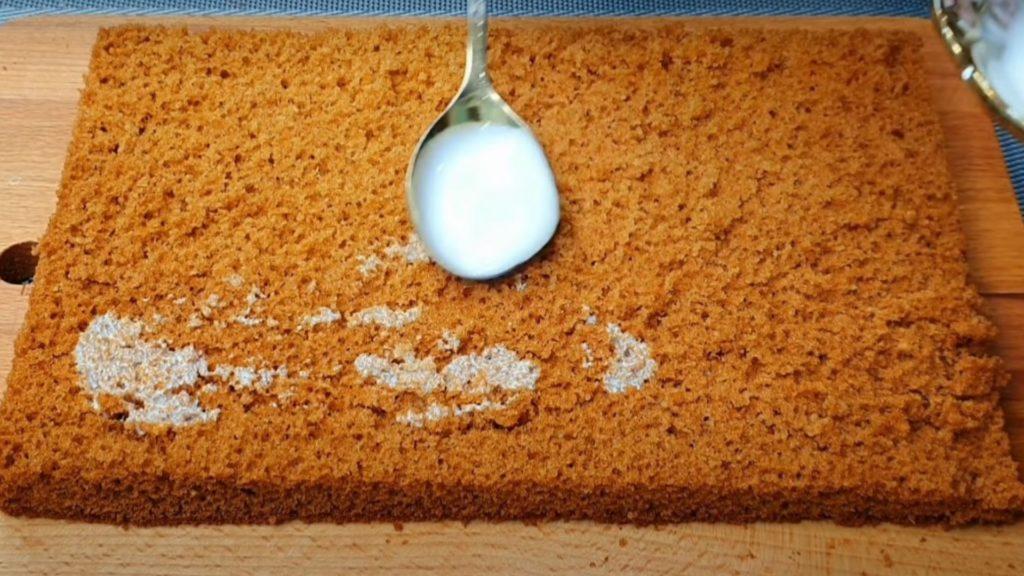
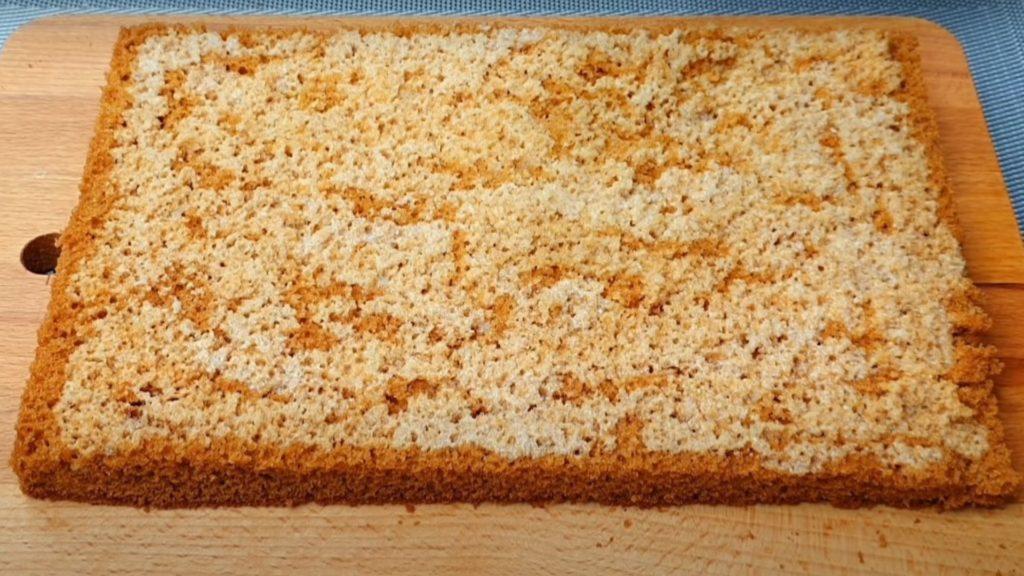
Once the entire surface of the sponge cake is evenly coated with liquid, you can spread the cream or filling and place the next layer on top. Repeat this process until the cake is assembled.
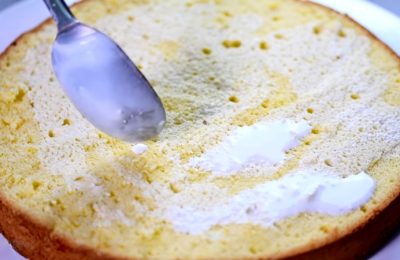
Be sure to keep an eye on the edges of the cake to ensure they don't dry out. The surface of the sponge cake after soaking should look like this.
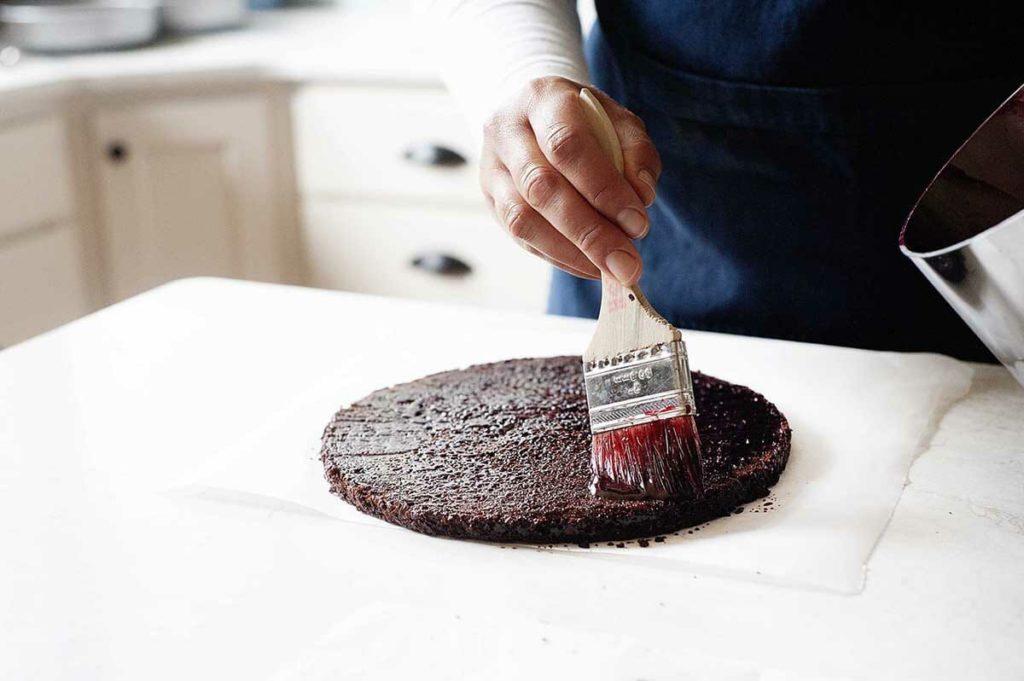
While soaking with a spoon is simple, it has one small drawback. It's difficult to achieve even moistening. More syrup will spill in some places, less in others. If you need more control over the process, for example when soaking wet cake layers, use a brush.
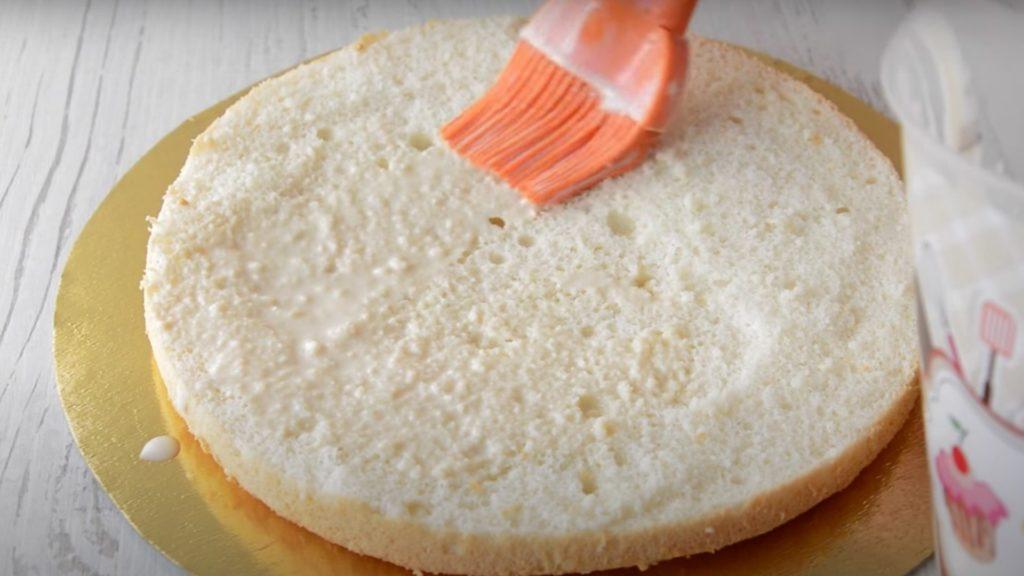
You can use other tools if you prefer. Some confectioners use a spray bottle for liquid impregnations. Others pour the syrup directly from the saucepan. The final choice is always yours.
Answers to frequently asked questions
If you still have questions or new ones, ask them in the comments.