

Crème Anglaise: A Classic Step-by-Step Recipe
Classic English Crème Anglaise It's especially popular in the confectionery industry. Its delicate, airy texture and light, creamy flavor with a subtle, refined vanilla flavor pair perfectly with a wide variety of cakes. cupcakes, pies, and other desserts.
Also, English sauce is the base for various creams (Patissiere, Mousseline, Diplomat, etc.) and delicious homemade ice cream.

- Proteins: 3.7 g
- Fats: 18.0 g
- Carbohydrates: 37.2 g
- Total time:
- Time in the kitchen:
-
Complexity:
It's easy and straightforward to prepare, but it does require some experience. Not everyone can do it right the first time.
- Number of servings: 8
This sweet dessert sauce, a special type of custard (in recipes, crème anglaise is sometimes called "English custard"), was invented in the 16th century by English chefs, but it also gained no less popularity in France. It's worth noting that the recipes for crème anglaise and crème anglaise differ slightly:
- Classic recipeCommon in English cuisine, custard is used as a cream for cakes and as a sauce for a wide variety of desserts (such as cheesecake or banoffee pie). It has a thicker, richer flavor.
- French equivalent It differs in consistency; it is quite liquid and is often used cold, as an addition to pies, muffins, cheesecakes and other desserts.
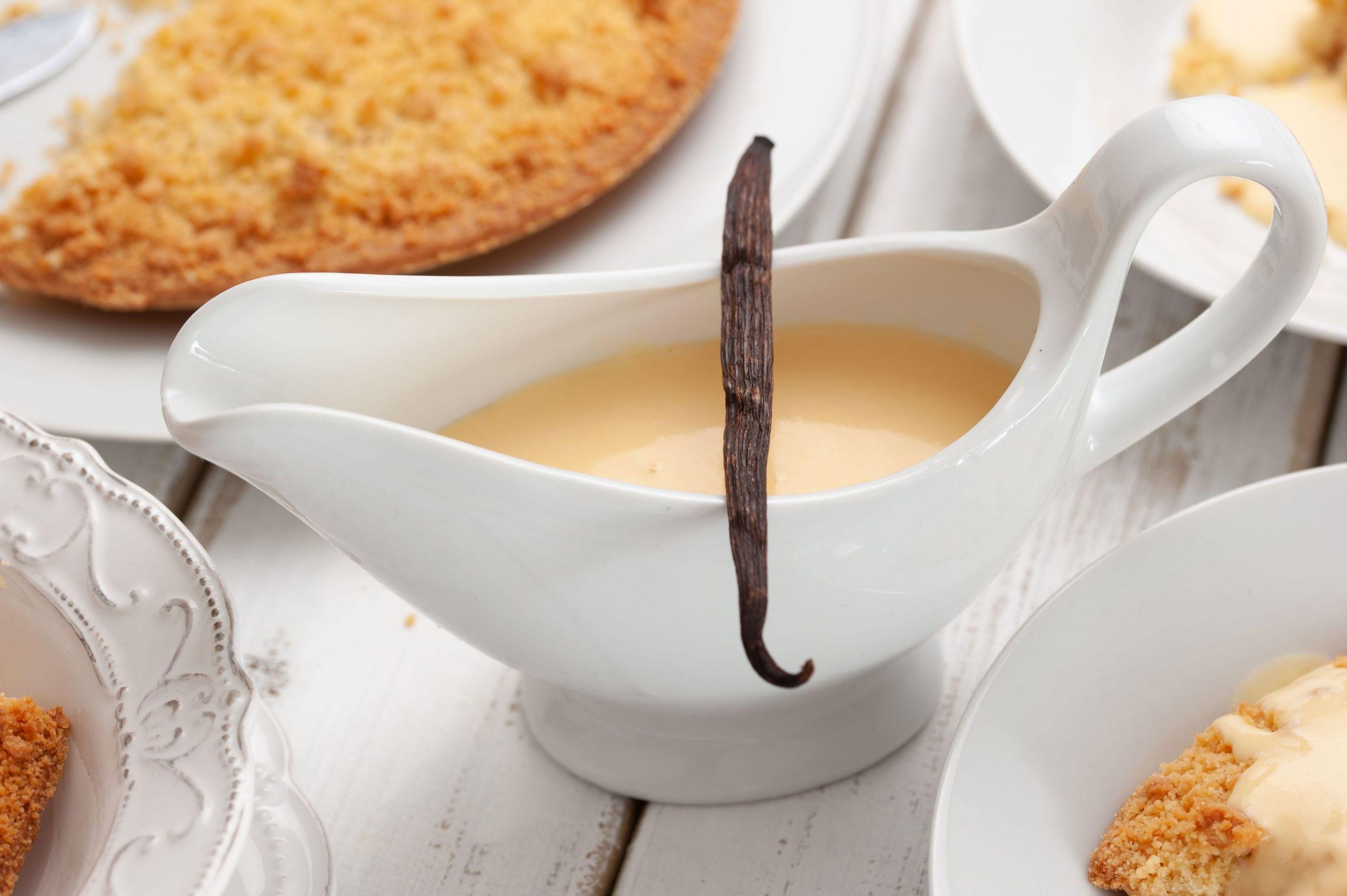
Today we will prepare the classic English crème anglaise, made with milk and heavy cream in a 50/50 ratio.
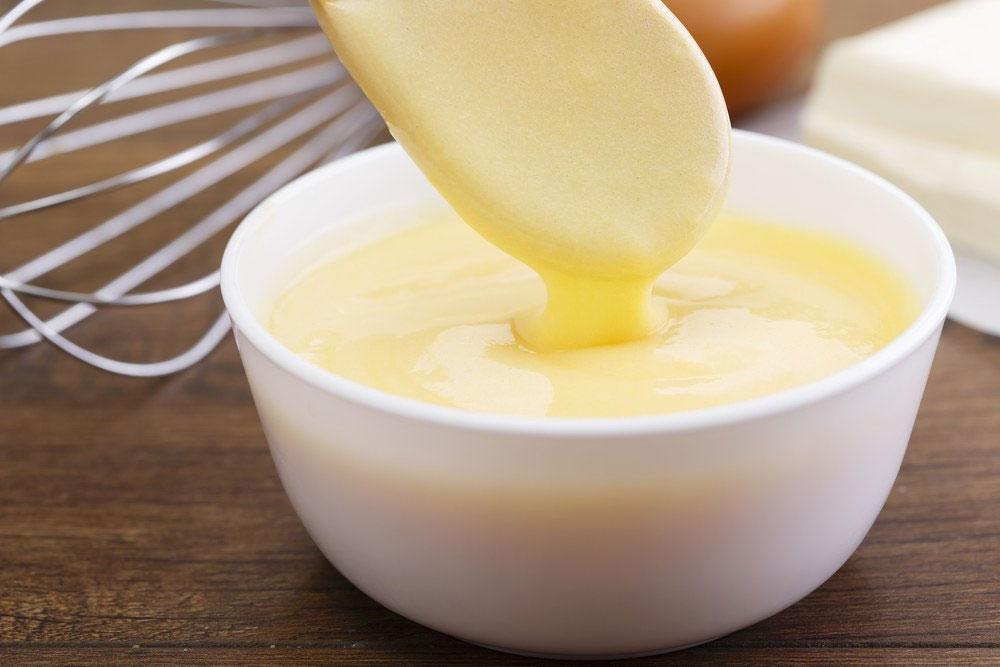
If the technique is not followed, the cream will overcook, and a thick layer of eggs that set too quickly will form at the bottom of the pan. This can be corrected by whisking the cream until smooth with a hand-held immersion blender, but the skill of a cook is to prevent this from happening in the first place.
-
Milk100 G
-
Cream 33%100 G
-
Egg yolks45 G
-
Sugar50 G
-
Vanilla extract1 tsp

Separate the yolks from the whites and place them in a separate container.

Pour 100 grams of milk and 100 grams of heavy cream into a saucepan with a thick bottom.

Add half the sugar and a teaspoon of vanilla extract to the milk and cream. Heat the mixture to 82°C (180°F). Be careful not to let the milk boil!
If you decide to make a pastry cream flavored with natural vanilla, you need to cut the pod lengthwise, remove the seeds and put everything into milk.
At this stage, you can also add any other flavorings to taste, depending on what dessert or cake the Anglaise is intended for:
- coffee beans;
- spices;
- green tea with jasmine or bergamot aroma;
- aromatic herbs, etc.

When the mixture has reached the required temperature, remove the saucepan from the heat, cover with a lid and let it sit for 15-20 minutes.

After 20 minutes, return the flavored milk-cream mixture to a low heat. Meanwhile, whisk the yolks and sugar together with a regular whisk.

While whisking vigorously, pour a little less than half of the warmed milk into the yolk. Mix thoroughly until the sugar is completely dissolved and a homogeneous liquid mixture forms.

Pour the yolk mixture into a saucepan.

At this stage, it is necessary to apply the most minimal heating.
Bring the cream to a boil, stirring constantly with a silicone spatula and monitoring the temperature. To ensure a smooth and creamy sauce, it's recommended to constantly monitor the temperature with a culinary thermometer.
The secret is that at this temperature, the egg yolk begins to cook slowly, without forming lumps. If the temperature is higher, the egg will cook too quickly near the bottom, forming dense lumps.

Once the cream reaches 82℃, turn down the heat, but continue to stir the cream vigorously even after the pan has been removed from the heat.

To prevent the cream from overcooking, pour it through a sieve into a cold container. This will dramatically reduce the temperature of the sauce and allow you to separate out any lumps that may form, as well as the vanilla bean, seeds, and other flavorings, if used.

Pay attention to the bottom of the pan. If the custard is prepared correctly, there should be no crusty egg residue on the bottom or sides of the pan.

Once the Anglaise has cooled completely, it can be poured into a special container.
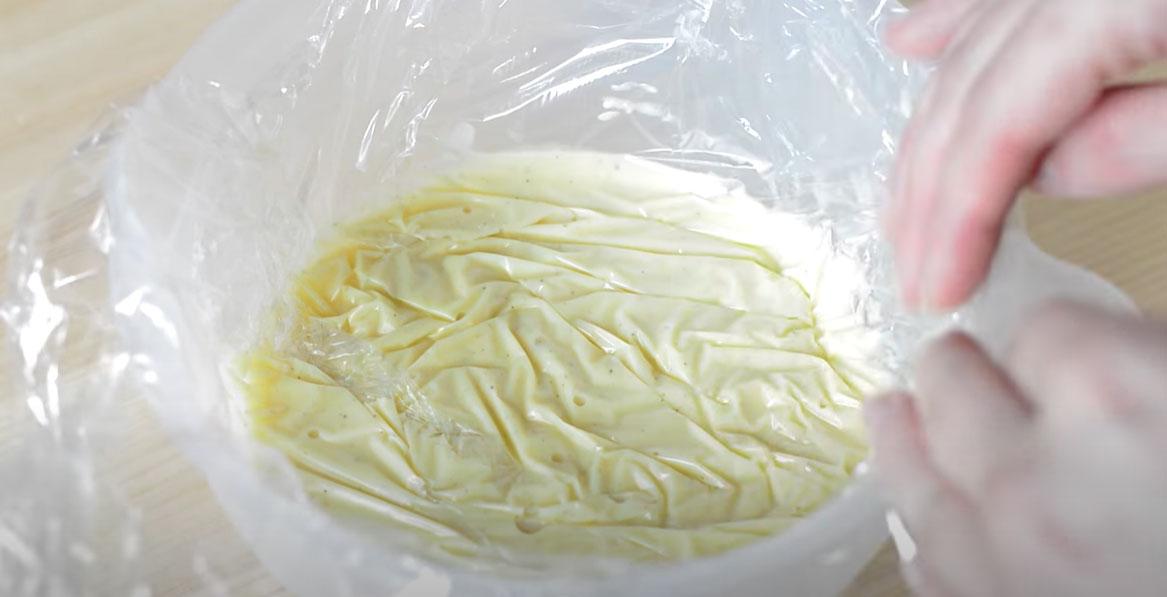
You can also store the mixture in a bowl, covering the surface tightly with cling film to prevent the top layer from being exposed to air and drying out. If you don't do this, a thick, weathered crust will form on the surface of the cream, which will then have to be discarded, reducing the volume of the product.
Experienced confectioners recommend not to forget the following important points during preparation:
- Flavorings should be as natural as possible;
- To add flavor, the mixture must be left to steep under a lid;
- the yolk and sugar cannot be mixed in advance;
- You cannot pour the undiluted mixture of yolk and sugar into milk, it will curdle (be sure to add a little milk to the yolk and only then pour everything into the saucepan);
- the cream should cool gradually naturally;
- If there are small lumps, you can additionally beat the mixture with an immersion blender.
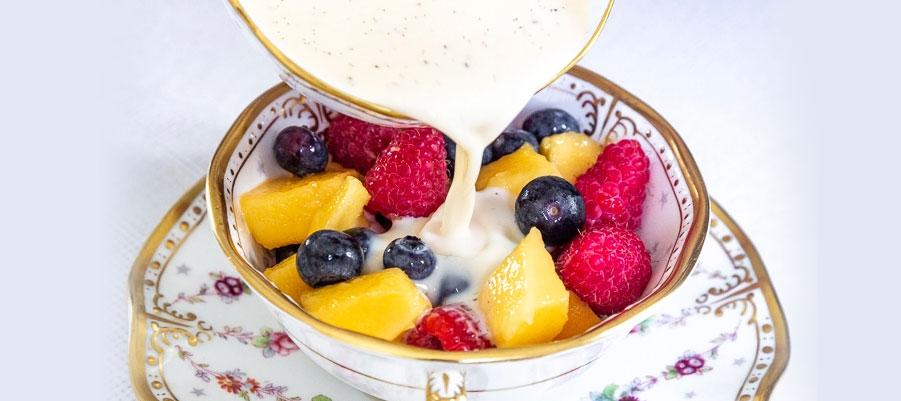
Our delicate buttercream is ready! It can be used as a base for mousse, ice cream, or cake frosting, or as a sweet sauce for any dessert. It can also be enjoyed plain, drizzled over toasted bread or fresh berries.
If your stovetop doesn't allow you to set the heat to very low, try cooking the Anglaise in a double boiler. This video explains how to do this in detail:
- 20 min
- 181.9 kcal
- 861
- 30 min
- 198.2 kcal
- 429
- 2 hours
- 198 kcal
- 730
- 15 min
- 268.8 kcal
- 572
- 10 min
- 329.9 kcal
- 3695
- 25 min
- 167 kcal
- 599
- 20 min
- 320.3 kcal
- 757
- 20 min
- 350.7 kcal
- 361