

English marmalade or Paddington's orange marmalade
In our usual understanding, English marmalade isn't marmalade at all, but rather... jam. True, it's a bit sticky and dense, but our housewives roll this confection into preserves. The British use the general term "marmalade" to refer to both viscous and solid substances. Jam is made from a variety of ingredients: berries, fruits, vegetables, and even flowers.

- Proteins: 0.2 g
- Fats: 0.1 g
- Carbohydrates: 77 g
- Total time:
-
Complexity:
It's easy and straightforward to prepare, but it does require some experience. Not everyone can do it right the first time.
- Number of servings: 1
"Paddington Marmalade" is named after the main character in Michael Bond's book "Paddington." The image of the red-beret-wearing teddy bear who lost his family emerged after World War II. In the book, one of Paddington's happiest moments is making orange marmalade with his grandmother.
-
Orange500 G
-
Lemon0.5 pcs
-
Sugar500 G
-
Cinnamon0.5 tsp

Wash the oranges thoroughly and remove the zest. Gently grate only the outer layer, being careful not to touch the white veins, which will taste bitter.

Cut the oranges and lemon into pieces.

Place the chopped fruit in a blender and blend.

Add zest and sugar to the mixture.

Stir the mixture until the citrus juice is released.

Cover with a lid and leave for an hour until the sugar is completely dissolved.

After the time has elapsed, place the saucepan with the fruit puree on the stove at maximum heat.

Stirring constantly, bring to a boil.

Cinnamon for flavor.

Cook the marmalade over medium heat until thickened, stirring occasionally. Pour into jars. Done!
Britain's most famous marmalade
Jam culture in England developed in the second half of the 18th century. Different regions developed their own varieties of marmalade, resulting in the emergence of several iconic types of English jam.
One such product is orange marmalade. Its invention is thanks to Oxford housewife Sarah Cooper. In 1874, she first made citrus jam using a special technique for her husband. The Coopers soon established mass production of orange marmalade.
Queen Elizabeth II prefers Oxford jam for breakfast. In one James Bond film, the protagonist often has breakfast with this brand of marmalade. This isn't just a promotional gimmick. However, the delicacy hardly needs greater publicity. In 2001, a plaque commemorating the creation of the first batch of Oxford jam was installed on the Coopers' home.
Refrigerator or freezer: where to store homemade marmalade?
After making marmalade, the question of where to store it doesn't immediately arise, as you want to enjoy the fresh dessert as quickly as possible. However, there comes a time when you need to decide where the candies will last longer while maintaining their texture, flavor, and aroma. There are two options: the refrigerator and the freezer.
If you don't plan to store your marmalade for long, a regular refrigerator is 100% safe. Place the treat on the bottom shelf or in the fruit drawer—it maintains the optimal temperature, preventing it from overheating, drying out, or freezing too much. This marmalade can be eaten for up to 7 days.
For both the first and second methods, the marmalade must be stored in an airtight container so that it does not absorb the aroma of its roommates.
Storing marmalade correctly is not difficult if you follow basic recommendations.
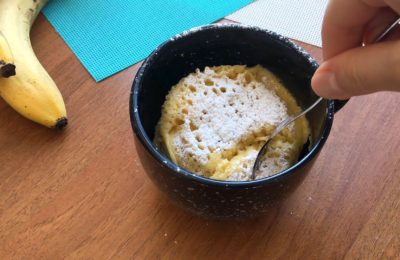
- 5 min
- 150.4 kcal
- 415
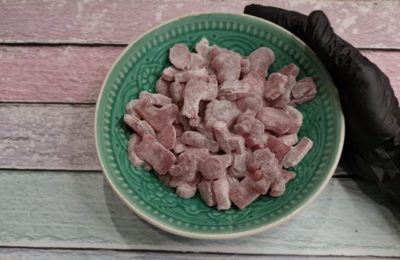
- 45 min
- 329 kcal
- 2028

- 1 hour
- 351 kcal
- 327
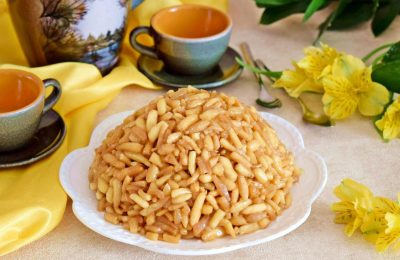
- 1 hour 30 minutes
- 471.0 kcal
- 3020
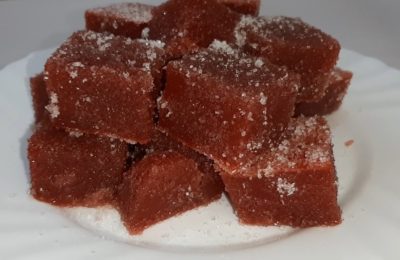
- 2 hours 20 minutes
- 82.5 kcal
- 901
- 1 hour
- 450 kcal
- 4727
- 2 hours 30 minutes
- 277.3 kcal
- 12372
- 1 hour 20 minutes
- 230 kcal
- 1252