

Candied Melon: A Step-by-Step Recipe at Home
Candied fruit is a delicious and healthy natural treat for the whole family, which you can make at home. Today, we'll take a detailed look at how to make fragrant candied melon and offer a simple step-by-step recipe for making this sweet treat at home, complete with step-by-step photos and detailed explanations of each step.

- Proteins: 0.6 g
- Fats: 0.6 g
- Carbohydrates: 52 g
- Total time:
- Time in the kitchen:
-
Complexity:
A simple recipe.
- Number of servings: 1
Traditional Eastern recipes include candied melon, apricot, and also orange peels.

Historical references to candied fruits, known in Rus' as "dry jam," date back to the 14th century. This delicacy was prepared from various fruits and served at wedding feasts and special receptions in the highest circles.
As the recipe spread, the list of ingredients used to make these aromatic "natural candies" expanded significantly. In addition to the peels of various citrus fruits, fruits, and berries, it also included some vegetables. For example, delicious sweet candied fruit is even made from pumpkin and carrots.
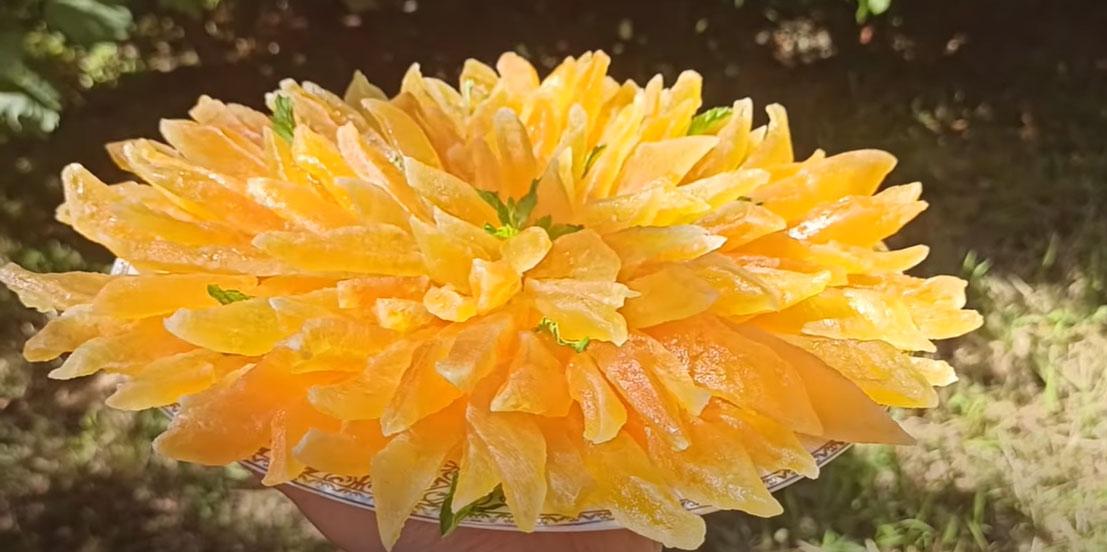
There are different ways to prepare candied fruit at home:
- natural drying (the longest method, but allows you to finely control the degree of moisture in the treat);
- in the oven (suitable for those who want to get the result as quickly as possible without extra costs);
- using a dehydrator (you can get perfect quality in a special electric dehydrator, so if you plan to frequently prepare such delicacies, you should definitely consider purchasing a dehydrator).
In this article, we'll show you how to quickly make natural candied melon at home, using natural drying or a quick oven-drying method.
-
Melon1 kg
-
Sugar3 glass
-
Water4 glass
-
Lemon juice1 tbsp

Step 1 – preparing the melon.
Cut the melon in half and remove the seeds. Next, peel the rind and cut the flesh into large wedges. If the melon is soft, like ours, then for candied peel, cut out the firmer outer part of the wedge.

Cut the melon into small strips, as shown in the photo.
If desired, you can cut into cubes or make shaped pieces using special molds.

Step 2 – blanching the melon in boiling water.
Place two containers on the stove:
- with ordinary water, which must be brought to a boil.
- with syrup per 1 kg of melon - 3 cups of water + 1 cup of sugar + a tablespoon of lemon juice or a little citric acid (if you have more melon, then increase the amount of syrup ingredients accordingly).

Once the water comes to a boil, add the melon pieces. Wait until the boil returns to a simmer and then simmer for another 3-4 minutes (if the melon is very dense, you can increase the time to 5-6 minutes).
By this time, the syrup should also boil.

Remove the melon pieces from the boiling water with a slotted spoon and immediately transfer them to the now-simmering syrup. Bring to a boil again and simmer for another 10 minutes, stirring occasionally.

Add another 1 cup of sugar for each kilogram of melon and cook for another 12-15 minutes.

Add a third portion of sugar (also 1 cup per 1 kg of melon) and simmer until translucent. This usually takes 15-20 minutes, but may take longer. The time it takes depends on the melon variety (its density and juiciness).

Let the caramelized melon sit in the sugar syrup until it cools completely. You can leave the pieces to soak overnight.

Stage 3 – Drying
Remove excess syrup from the slices and place them briefly in a sieve.

Lay out the candied fruit to dry. Depending on the drying method, you can use:
- for natural drying (2-4 days) – a mesh, a plastic tray, any plate;
- for drying in the oven (2-3 hours at a temperature of 40-50℃) – baking sheet and silicone mat;
- for a dehydrator (time depends on the drying mode) - nets included with your device.
Also watch a detailed video recipe for making candied melon in a home dehydrator:
Dried melon in a dehydrator is an alternative to classic candied fruit, perfect for those who want to make natural sweets without using sugar.
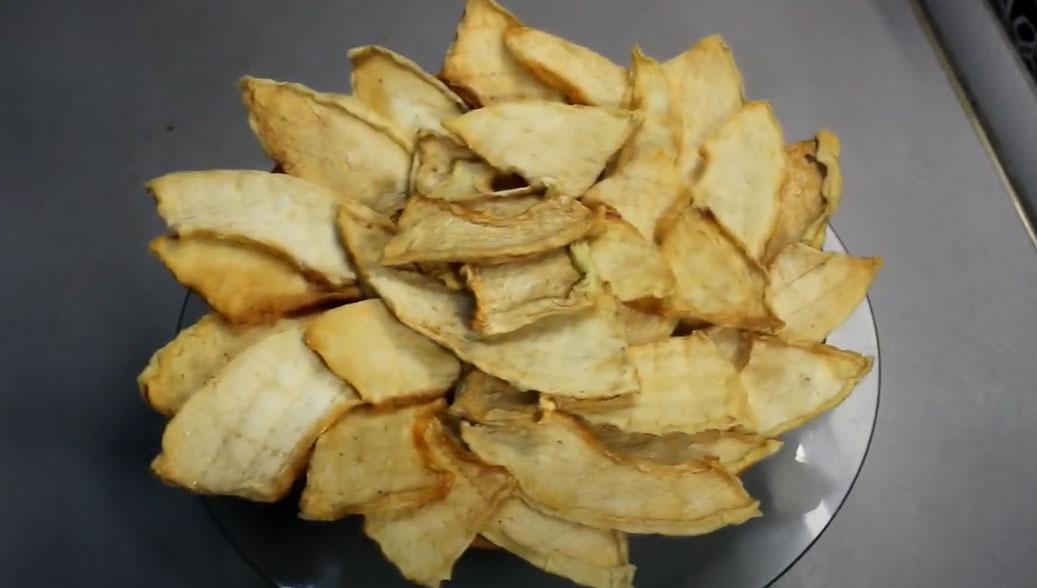
Watch this video to learn how to prepare this delicacy in an electric dehydrator or food dehydrator, as well as how to choose a modern kitchen assistant:
- 40 min
- 440 kcal
- 2571

- 2 hours
- 367.8 kcal
- 299
- 4 hours
- 109.6 kcal
- 2079
- 8 hours 30 minutes
- 234 kcal
- 764
- 33 hours 20 minutes
- 343 kcal
- 577
- 2 hours 30 minutes
- 277.3 kcal
- 12372
- 10 hours 20 minutes
- 324 kcal
- 9423
- 5 hours 40 minutes
- 310 kcal
- 10098