

Italian Meringue: A Classic Step-by-Step Recipe
Italian meringue – a custard-like protein cream used for icing cakes, as well as making airy meringues, pavlovas, and delicate meringue rolls. In this article, we'll offer a classic step-by-step recipe that will help you create the perfect dessert at home.

- Proteins: 3.4 g
- Fats: 7.2 g
- Carbohydrates: 71.3 g
- Total time:
- Time in the kitchen:
-
Complexity:
For experienced cooks. Special equipment may be required.
- Number of servings: 1
There are three types of meringue:
- French (The recipe only contains sugar and egg whites.) This is the easiest to prepare, but also the most unstable cream.
- Swiss (The egg whites are whipped with sugar and then boiled in a double boiler.) The cream is more stable, but achieving the perfect recipe without a special thermometer is quite difficult.
- Italian (The recipe is based on egg whites and sugar syrup heated to 121°C). The resulting cream is dense and stable, making this type of meringue recommended for decorating and spreading cakes, as well as for making various desserts.
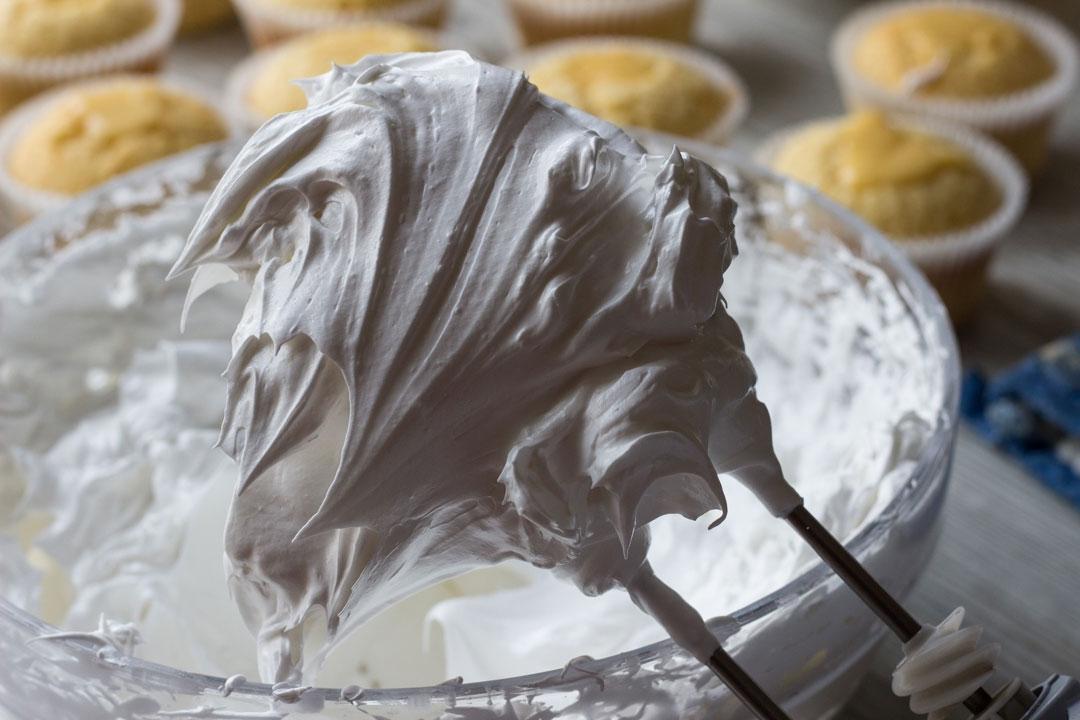
To ensure your Italian meringue cream is thick, stable, and smooth, follow these tips:
- Use finely dispersed sugar.
- Observe the ratio of ingredients - 3 parts sugar to 1 part water (for the protein of 1 large egg, approximately 30-50 grams of sugar syrup).
- The protein should not be cold, but warm (optimally 22-25°C).
- Boil the syrup to 118-121°C, strictly controlling the temperature.
- If you cook the syrup without a thermometer, then boil it down to the state of a “thick thread” (when testing, the syrup should not flow, but stretch on a stick, forming a thread and solidify when lowered into cold water).
- Add the syrup to the egg white mixture in a thin stream, avoiding the beaters. If it comes into contact with metal, the syrup will immediately harden, causing lumps to form in the cream.
For more information on how to make Italian meringue, check out our detailed recipe with step-by-step photos of each stage of cream preparation.
-
Egg white100 G
-
Water80 G
-
Sugar250 G
-
Citric acid0.25 tsp

In a saucepan, combine 80 grams of water, 250 grams of caster sugar, and a quarter teaspoon of citric acid (both will prevent the sugar from crystallizing during heating). Heat over medium heat, stirring constantly, until the sugar is completely dissolved.

Bring the mixture to a boil and cook, gradually increasing the temperature to 121°C.

When the syrup has warmed up to approximately 115-116°C, begin to beat the whites until a fluffy foam forms.

As soon as the whites have formed a foam and the syrup has heated up to 121℃, begin to add the syrup to the white mass in a thin stream, trying not to get it on the beaters and the sides of the bowl.

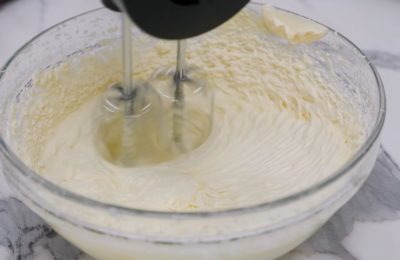
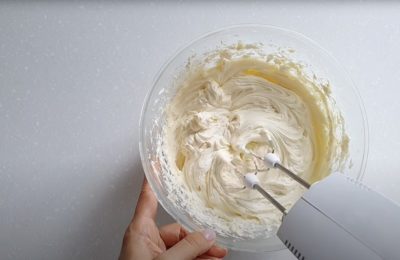
Continue beating the mixture until it reaches a fluffy, glossy texture. Using a hand mixer, this process may take 10-15 minutes (depending on the power of your equipment).

Properly prepared Italian meringue has an airy, glossy texture, holds its shape well, and does not fall.
Possible problems:
- If the mixture isn't thick enough, it's not whipped enough. Try whipping at a higher speed for a little longer.
- If the meringue has become porous (stratified), it's overbeaten and ruined. Restoring the proper texture won't be possible, and meringues or swiss rolls made with this type of cream will be sticky and stringy, and won't retain their shape during cooking.
Based on Italian meringue you can prepare:
Also watch how to make Italian meringue cream in a stand mixer:
- 30 min
- 260.15 kcal
- 1769
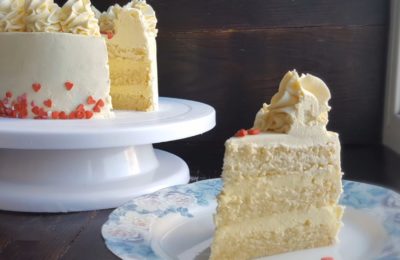
- 30 min
- 542 kcal
- 422
- 45 min
- 547 kcal
- 365
- 10 min
- 624.9 kcal
- 699
- 10 min
- 329.9 kcal
- 3695
- 2 hours 40 minutes
- 386.5 kcal
- 622
- 50 min
- 547 kcal
- 700
- 1 hour
- 268.8 kcal
- 853