

How to dilute raw yeast

- Proteins: 12.7 g
- Fats: 2.7 g
- Carbohydrates: 0 g
- Total time:
-
Complexity:
It will work even if you're making it for the first time. Not just this dish, but your first time ever.
- Number of servings: 1
To achieve airy, fluffy, and tender baked goods, you must first prepare the starter. It's important to select the right amount of fresh yeast, test it, and ensure it's active and capable of performing the task.
-
Milk100 ml
-
Sugar1 tbsp
-
Live yeast25 G
-
Flour3 tbsp

Pour warm milk into a deep container. Its temperature should be approximately 37-40 degrees Celsius. If you don't have a thermometer handy, test the milk with your finger: it should be neither cold nor hot.

Add sugar to the milk. You don't need to add much sugar to the starter. It's needed to "feed" and activate the yeast. If you're making sweet baked goods, most of the sugar will be added to the dough separately, at a later stage.

Color the yeast. Keep in mind that 1 kg of flour typically requires 35 to 50 g of fresh yeast, depending on the type of dough (sweet dough requires more). If you don't have fresh yeast, you can substitute dry yeast. You'll need about a third as much dry yeast—in our case, about 8 g.

Add the flour and mix well. Don't worry about breaking up all the lumps; they'll disperse naturally as the mixture steeps.

After adding all the ingredients, the dough should have the consistency of liquid sour cream.

Cover the container with a towel and leave it in a warm place for 20-30 minutes. Some housewives cover the dough with cling film. In this case, it's best to cover the container loosely or poke small holes in it with a toothpick. This will allow better air circulation and allow the dough to rise properly.

If no bubbles appear on the dough at all, you can't use it for baking. Most likely, the yeast is stale and not working. Replace the yeast and try again.
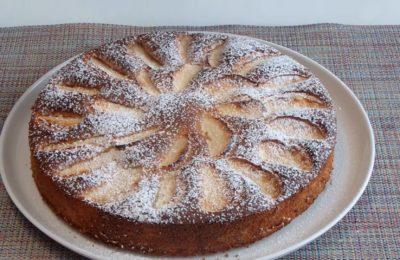
- 50 min
- 203 kcal
- 4478
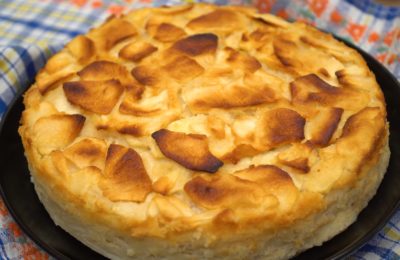
- 1 hour 20 minutes
- 191.1 kcal
- 524
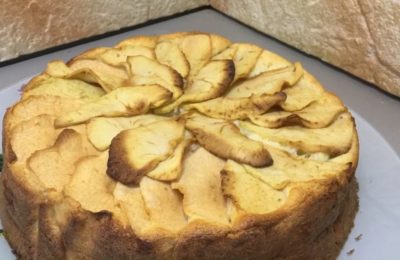
- 1 hour
- 118.6 kcal
- 1372
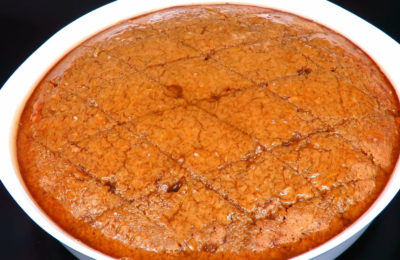
- 1 hour 10 minutes
- 107.4 kcal
- 649
- 1 hour 15 minutes
- 182.5 kcal
- 1894
- 1 hour
- 194 kcal
- 4352
- 2 hours 45 minutes
- 266 kcal
- 3366
- 10 min
- 0 kcal
- 310