

Cupcakes with cottage cheese cream
Cottage cheese is distinguished by its excellent culinary properties and affordability. It is practically as good as Italian mascarpone or ricotta, but much more affordable. It is sold in almost all grocery stores.

- Proteins: 5 g
- Fats: 3 g
- Carbohydrates: 64 g
- Total time:
-
Complexity:
It's easy and straightforward to prepare, but it does require some experience. Not everyone can do it right the first time.
- Number of servings: 16
It's often used by professional pastry chefs to create delicate frostings with a rich, creamy flavor and aroma. The resulting frosting is thick and rich—the perfect filling and decoration for rich cakes, cupcakes, and muffins.
-
Egg C12 pcs
-
Flour400 G
-
Sugar300 G
-
Sour cream200 G
-
Butter100 G
-
Baking powder2 tsp
-
Vanillato taste
-
Cottage cheese250 G
-
Butter150 G
-
Powdered sugar100 G
-
Vanillato taste

Beat room temperature chicken eggs into a bowl until lightly foamy.

Add sugar and stir thoroughly until the crystals are completely dissolved. Finely crystallized sugar is best.

Add sour cream with a fat content of at least 30%.

Melt the butter in the microwave or over a double boiler. Pour it into the egg-sugar mixture.

Combine the baking powder and wheat flour. Stir. Sift the mixture gradually through a sieve into the wet ingredients, ensuring there are no lumps. The dough should be thick, smooth, and velvety.

Spoon or piping bag the batter into the cupcake liners, filling them 2/3 full. Bake the cupcakes for 25 minutes at 170 degrees Celsius.

Place the soft butter in a clean container and lightly beat until creamy.

Add the cream cheese and beat again until smooth. The cheese should be slightly chilled to prevent the mixture from becoming too runny.

Add powdered sugar and a pinch of vanilla for flavor. For a more intense effect, use vanilla extract. Beat the cream for 2–3 minutes.

Let the cupcakes cool and then place them in the pan. above curd cream using a pastry bag and nozzle.

If desired, decorate the cupcake tops with additional decorations, as shown in the picture. Serve. Enjoy!
Similar video recipe: Universal curd cream for muffins, cupcakes, and cakes
Do you love homemade baked goods and are passionate about pastry? Then the "I Am a Cake Maker" YouTube channel will be a great source of inspiration for new culinary endeavors. Here you'll find tried-and-true recipes for delicious cakes, muffins, puddings, candies, and much more. Detailed and informative videos show step-by-step processes for creating perfect desserts that anyone can master.
The channel features affordable frostings for fillings and decorating baked goods. One of the most popular videos is a recipe for a versatile curd frosting. The author often uses it for frosting. It's virtually identical to cream cheese frosting, yet much cheaper. You can draw on it, attach sugar and fondant elements, and make cupcake toppers. Definitely worth checking out.
Cottage cheese and cream cheese: the main differences
Quite a few recipes include cottage cheese or cream cheese. They are often used as a base for dessert creams. While they can be interchanged, the flavors will differ significantly. The problem is that few people distinguish between these types of cheese, and manufacturers often refer to their products as both cottage cheese and cream cheese.
Essentially, they are a fermented milk product produced by heating or adding a starter culture. Thus, cream cheese and cottage cheese are both cheeses with a delicate, creamy texture. However, their production methods differ.
- Cream cheese is primarily made from cream, while cottage cheese is made from curd cheese. Hence the name.
- Cream cheese is a soft, ready-to-eat product with a delicate, creamy flavor. It has a smooth consistency and a texture more reminiscent of cream. A prime example of cream cheese is Italian Mascarpone.
- Cottage cheese is an unripened product that requires subsequent heat treatment. It contains up to 6% milk protein. It has a distinctly fermented flavor. The consistency is soft, delicate, flexible, and dense. Popular cottage cheeses include Philadelphia and Almette.
- In culinary terms, cream cheese is more often used for savory dishes, while cottage cheese is used for sweet ones. However, in pastry, both types of cheese are widely used. For a dense cream, cottage cheese is best, while cream cheese is ideal for creating a light, airy filling.
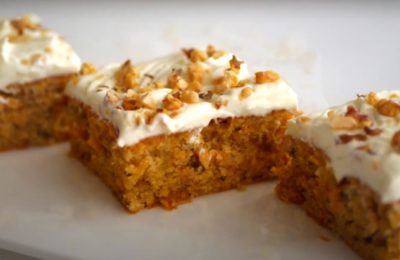
- 1 hour 20 minutes
- 280.54 kcal
- 2722
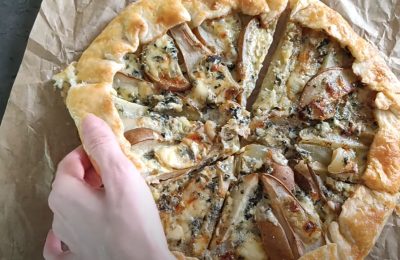
- 1 hour 20 minutes
- 235 kcal
- 882
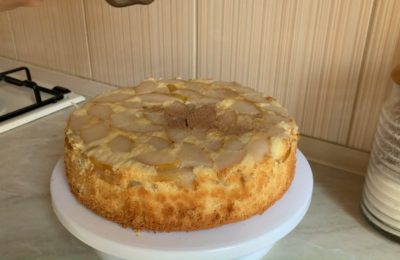
- 1 hour
- 228.6 kcal
- 574
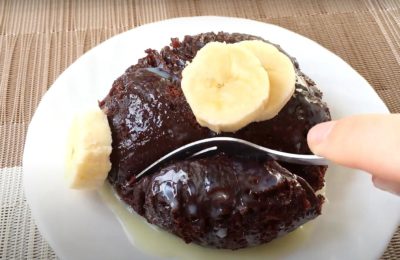
- 5 min
- 205.5 kcal
- 823
- 1 hour
- 417.0 kcal
- 1213
- 1 hour
- 201 kcal
- 1716
- 1 hour
- 185 kcal
- 1766

- 15 min
- 341.9 kcal
- 518