

Healthy rhubarb marmalade with agar-agar
One of the main advantages of homemade marmalade is that it can be made from almost anything. Each cook chooses a base that suits their taste and the occasion. For example, for a child, it's worth making delicate fruit, berry, and even vegetable-based marmalade vitamin candies.

- Proteins: 0.6 g
- Fats: 0.1 g
- Carbohydrates: 9.7 g
- Total time:
- Time in the kitchen:
-
Complexity:
A simple recipe.
-
Number of servings:
1 a solid piece weighing 500 g
Rhubarb marmalade—it sounds like something not very tasty, but very healthy, right? However, don't judge the dish until you try it.
Rhubarb has a distinctive, tart, herbaceous flavor, making it a popular pie filling. This plant is incredibly beneficial, rich in fiber and pectin. It has cleansing properties and eliminates toxins. It's also wonderful for the intestines. You can even make the marmalade without sugar, making it not only delicious but also incredibly healthy.
-
Rhubarb450 G
-
Dates350 G
-
Water300 ml
-
Agar-agar1 tbsp

Place the diced rhubarb into a blender bowl.

Pour in water and beat until smooth.

After chopping the root, add dates and agar-agar.

Blend everything until smooth. If you're using an immersion blender, pre-mix all ingredients and simmer for 7-8 minutes to soften.

Transfer the mixture to a heavy-bottomed saucepan. Cook for 7–10 minutes after boiling, stirring occasionally, until thickened.

Place the cooled mixture into a mold. This can be any convenient container. Refrigerate for 2 hours.

Cut the whole piece into bite-size pieces. Done.
Answers to frequently asked questions
However, gelatin is an excellent gelling agent, but it won't achieve the desired marmalade consistency. Furthermore, the jellies won't keep for long at room temperature.
Interesting facts from the history of marmalade
The history of marmalade spans thousands of years. Its preparation and techniques have changed over the years, in line with global progress and the knowledge of confectioners.
It is known that marmalade was already being made by the ancient Greeks on the shores of the Mediterranean. They made marmalade with pectin by boiling down the juice of apples and kumquats. The prototype of this product is considered to be the Eastern Turkish delight, made from honey, rose water, and fruit.
Only later did Europeans add "agar" to it. The name "marmalade" is translated in various ways. According to one version, it's quince jam; according to another, it's well-cooked applesauce. However, there's one, the most unusual. Legend has it that the dessert was used as a cure for seasickness by Mary, Queen of Scots's physician, and he literally called it "sick Mary."
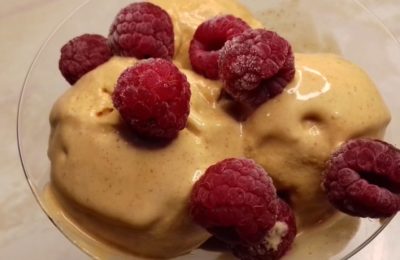
- 7 hours
- 240 kcal
- 2020
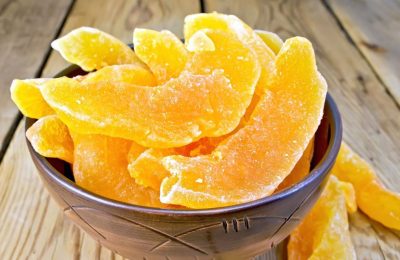
- 26 hours
- 218 kcal
- 614
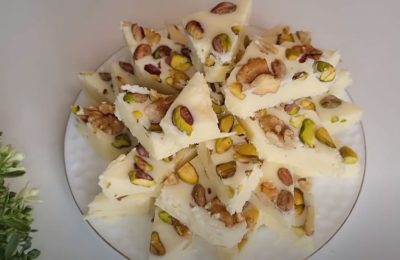
- 3 hours 20 minutes
- 320 kcal
- 9053
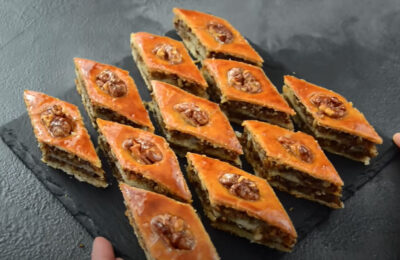
- 2 hours
- 367.8 kcal
- 299
- 4 hours
- 196 kcal
- 4470
- 4 hours
- 76.6 kcal
- 4665
- 5 hours
- 109.2 kcal
- 2062
- 6 hours 20 minutes
- 352.1 kcal
- 2813