

Meringue roll on albumen
Albumen is a dried egg white that has only recently become a common ingredient in cooking, but has already established a strong presence in the culinary arts. In confectionery, it is often used in cakes, creams, mousses, and various baked goods.

- Proteins: 13.8 g
- Fats: 0.5 g
- Carbohydrates: 77 g
- Total time:
-
Complexity:
It's easy and straightforward to prepare, but it does require some experience. Not everyone can do it right the first time.
- Number of servings: 1
Albumen is an excellent ingredient for holding whipped cream together. That's why it's so widely used in Swiss meringue. Baked meringues made with dried egg whites are much fluffier, airier, and more durable.
-
Albumin10 G
-
Water90 G
-
Powdered sugar150 G
-
Cornstarch20 G
-
Lemon juice1 tsp
-
Vanilla sugar1 tsp
-
Walnut50 G
-
Cream 33%125 G
-
Cottage cheese125 G
-
Sugar25 G
-
Vanilla sugar1 tsp

Dissolve the albumin in water. To do this, add room-temperature water to the mixture and stir. Set aside until the powder is completely dissolved—approximately 15 minutes.

In a deep bowl, begin beating the egg whites on medium speed until they form fluffy white foam. Make sure the bowl is clean and dry. A metal bowl is best.

Next, gradually add the powdered sugar. You can use regular white granulated sugar instead, but the meringue will be more delicate this way. Continue beating at maximum speed until white peaks form.

Citric acid for stabilization.

Add the starch and gently stir the mixture with a silicone spatula or spoon. The starch will give the meringue a velvety texture.

Line a baking sheet with parchment paper. Lightly grease it with odorless vegetable oil. Spread the meringue onto the pan and spread it into an even layer 1.5–2 cm thick.

If desired, you can sprinkle the meringue with finely chopped walnuts, almonds, or pistachios. The nuts will add aroma and additional flavor.

Bake the meringue for 25-30 minutes at 150 degrees Celsius. Once the surface is golden brown, remove the cake from the pan, turning it upside down onto another piece of parchment paper. Let it cool on a wire rack to distribute the heat evenly.

In a clean container, combine 33% cream, cream cheese, sugar and vanilla sugar.

Beat everything thoroughly until it forms a thick, creamy mass.

Spread the cream on a clean surface of the meringue cake and spread it out. Place a thick layer of cream on one edge, then pull it toward the other edge. This will create a small mound of cream.

If desired, you can add fresh berries to the filling. I recommend choosing berries with a slight tartness—they'll add a wonderful refreshing touch to the roll.

Start rolling the roulade, starting from the edge with the thick layer of cream. Use parchment paper or a silicone mat to help you form the roulade. Refrigerate the roulade for 1–2 hours to allow the crust to soak and set.

Decorate the roll with the remaining cream and top with fresh berries. Serve. Enjoy!
Benefits of Albumin
Albumin is a great alternative if you don't want to have to figure out what to do with the egg yolks after separating them.
Its main advantage over raw egg white is its shelf life. The powder can be stored in a dry, dark place for up to one year. Moreover, fermented albumin retains all the beneficial properties of raw egg white.
The main advantages of albumin:
- The protein is pasteurized during drying, so salmonella bacteria will not get into your dessert;
- safe even without heat treatment;
- facilitates the process of forming fluffy foam during whipping;
- stabilizes the meringue, making it denser.
Albumin is classified according to three foaming properties. For confectionery purposes, the powder with increased foaming properties is most suitable.
Types of Italian meringue
The first meringue was made in Switzerland in the 17th century, which is why the Swiss version of this baked pastry is considered the classic. Authentic meringue, as created by the pastry chef Gasparini, consists of egg whites and sugar in a 1:2 ratio. The egg white and sugar mixture is heated in a double boiler before whipping.
The simple combination of room temperature egg whites and sugar is called French meringue.
There's also an Italian meringue. It's made by making a syrup from sugar and water in a 2:1 ratio, then whisking it into egg whites.
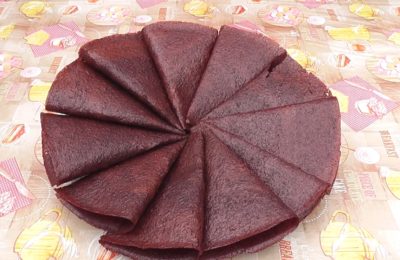
- 12 hours 30 minutes
- 126.9 kcal
- 2284
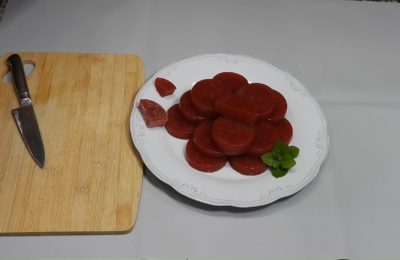
- 40 min
- 158.4 kcal
- 2276
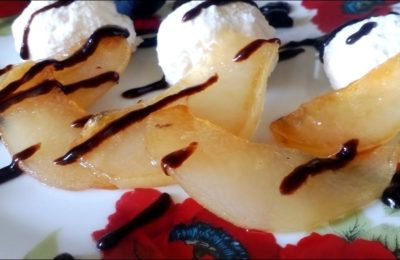
- 20 min
- 92.1 kcal
- 707
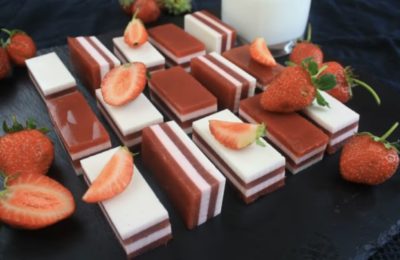
- 1 hour 30 minutes
- 44.4 kcal
- 2366
- 5 hours
- 67.6 kcal
- 2403
- 1 hour 10 minutes
- 296.2 kcal
- 5502
- 3 hours 20 minutes
- 192 kcal
- 1201
- 30 min
- 278.4 kcal
- 228