

Turkish Halva: A Classic Step-by-Step Recipe
Speaking "Turkish halva"Tahini halva" is most often referred to as classic tahini halva (an Eastern sweet made from sunflower seeds or nuts), but it's far from the only recipe for this popular Turkish dessert. Today, we'll explain the different types of halva and how they differ. We'll also teach you how to make traditional Turkish halva at home and offer a classic step-by-step recipe with a detailed description of the preparation process, complete with photos and video instructions.

- Proteins: 8 g
- Fats: 23 g
- Carbohydrates: 76 g
- Total time:
- Time in the kitchen:
-
Complexity:
A simple recipe.
- Number of servings: 4
But few people know that Turkish halva comes in a wide variety of flavors, and its taste depends on the ingredients and the recipe.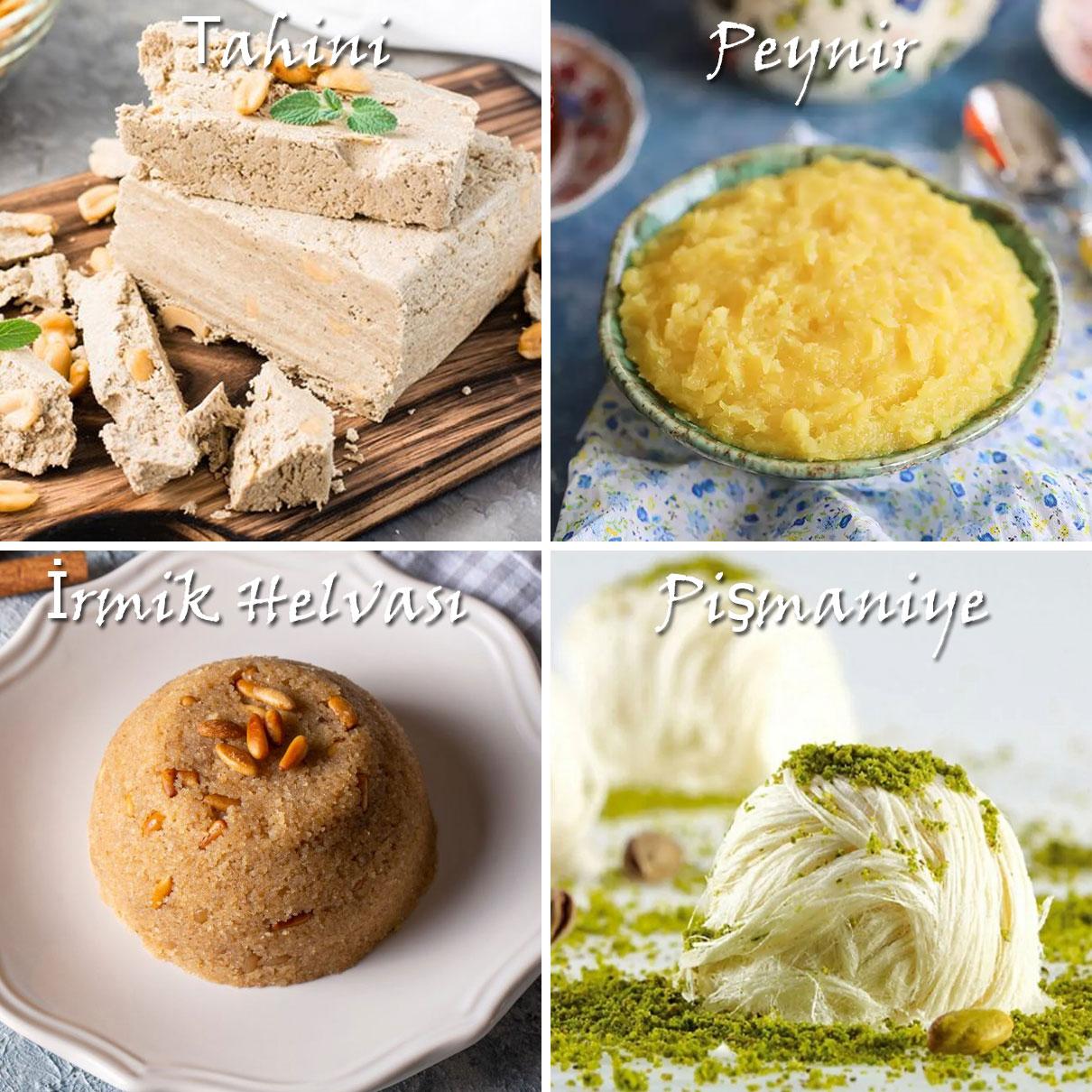 The following varieties of sweet dishes are popular in Turkey:
- Tahini (tahini halva is prepared from seeds, sesame and nuts);
- "Peynir" or "cheese" (this Teretsk halva is prepared from “irmik,” a special type of large semolina and cheese);
- "Irmik helvasi" – semolina halva (made from semolina with walnuts or pistachios);
- «Writing» (analogous to the Persian dish "Pishmak", which is made from airy sugar threads).
In Turkey, they also prepare unusual varieties of halva, the recipes of which include cocoa, chocolate or caramel.
Today, we'll take a detailed look at how to make the Eastern sweet "Irmik Helvası" at home. Known in Turkey as "funeral halva," the dish got its name because it's traditionally served at funerals to ensure a sweet afterlife for the deceased.
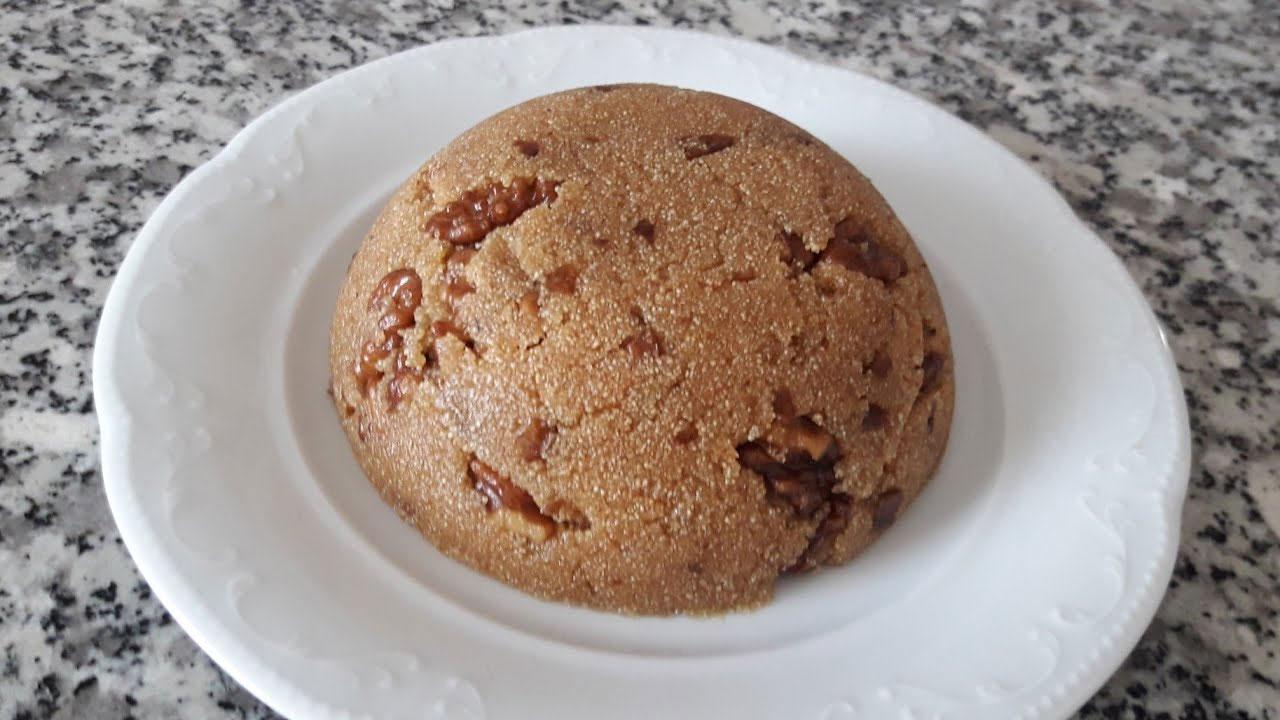
It's worth noting that Turkish halva is quite easy and quick to prepare at home, and using our detailed recipe with photos, even novice cooks can make this authentic oriental dessert at home.
-
Semolina1 cup
-
Sugar1 cup
-
Milk2 glass
-
Butter110 G
-
Vegetable oil3 tbsp
-
Pine nuts20 G
-
Walnuts20 G
-
Cinnamon (ground)to taste
-
Sesame pasteto taste

Begin by adding 3 tablespoons of vegetable oil and 110 grams of butter to the pan. Heat the oil over medium heat until it becomes liquid.

Add a glass of semolina to the melted butter and mix thoroughly.

Fry the cereal for 12-15 minutes, until it turns a characteristic golden color, stirring constantly.

When the semolina is almost ready, add the pine nuts and continue frying for a little while longer.

While continuing to heat, add 2 cups of milk to the mixture and mix thoroughly until smooth.

Add 1 cup of sugar, stir and bring to a boil.

Cook the mixture over low heat until it thickens, stirring constantly.

Remove the finished halva from the heat, cover with a lid and let it steam for 20-30 minutes.

While the halva is still warm and soft, form beautiful mounds (you can use muffin tins). Drizzle each portion with sesame paste and sprinkle with cinnamon and chopped walnuts.
Now you know what Turkish housewives use to make inexpensive homemade halva. We also suggest trying another classic recipe for this traditional Turkish dish with nuts and dried fruits:
- 33 hours 20 minutes
- 343 kcal
- 577
- 1 hour 20 minutes
- 250 kcal
- 4597
- 7 hours
- 285 kcal
- 10351
- 26 hours
- 184.9 kcal
- 268
- 2 hours 20 minutes
- 79 kcal
- 668
- 10 hours 20 minutes
- 324 kcal
- 9423
- 1 hour
- 350 kcal
- 966
- 1 hour 20 minutes
- 230 kcal
- 5225