

Turkish Baklava: A Step-by-Step Recipe for Making at Home
Turkish baklava (Baklava) is an Eastern sweet originally from Turkey, which can now be enjoyed in Moscow, Paris, London, or any other capital city around the world. Moreover, with a detailed step-by-step recipe, you can even make traditional Turkish baklava at home.

- Proteins: 3.8 g
- Fats: 22.0 g
- Carbohydrates: 52.7 g
- Total time:
- Time in the kitchen:
-
Complexity:
It's easy and straightforward to prepare, but it does require some experience. Not everyone can do it right the first time.
- Number of servings: 40
Baklava is a sweet dish prepared in many Eastern countries. Naturally, each country has its own unique twist on this dessert:
- Turkish baklava is made from the thinnest unleavened filo dough;
- Greek - made from thicker puff pastry with added spices;
- Armenian – made from thin dough with spices;
- Azerbaijani – based on yeast dough;
- Iranian - impregnated with rose water;
- Crimean – based on shortcrust or fluffy yeast dough.
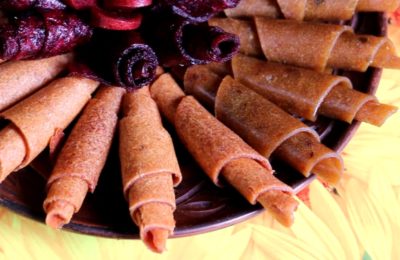
Typically, pistachio Turkish baklava is baked in the oven and served in small rolls, as pictured.
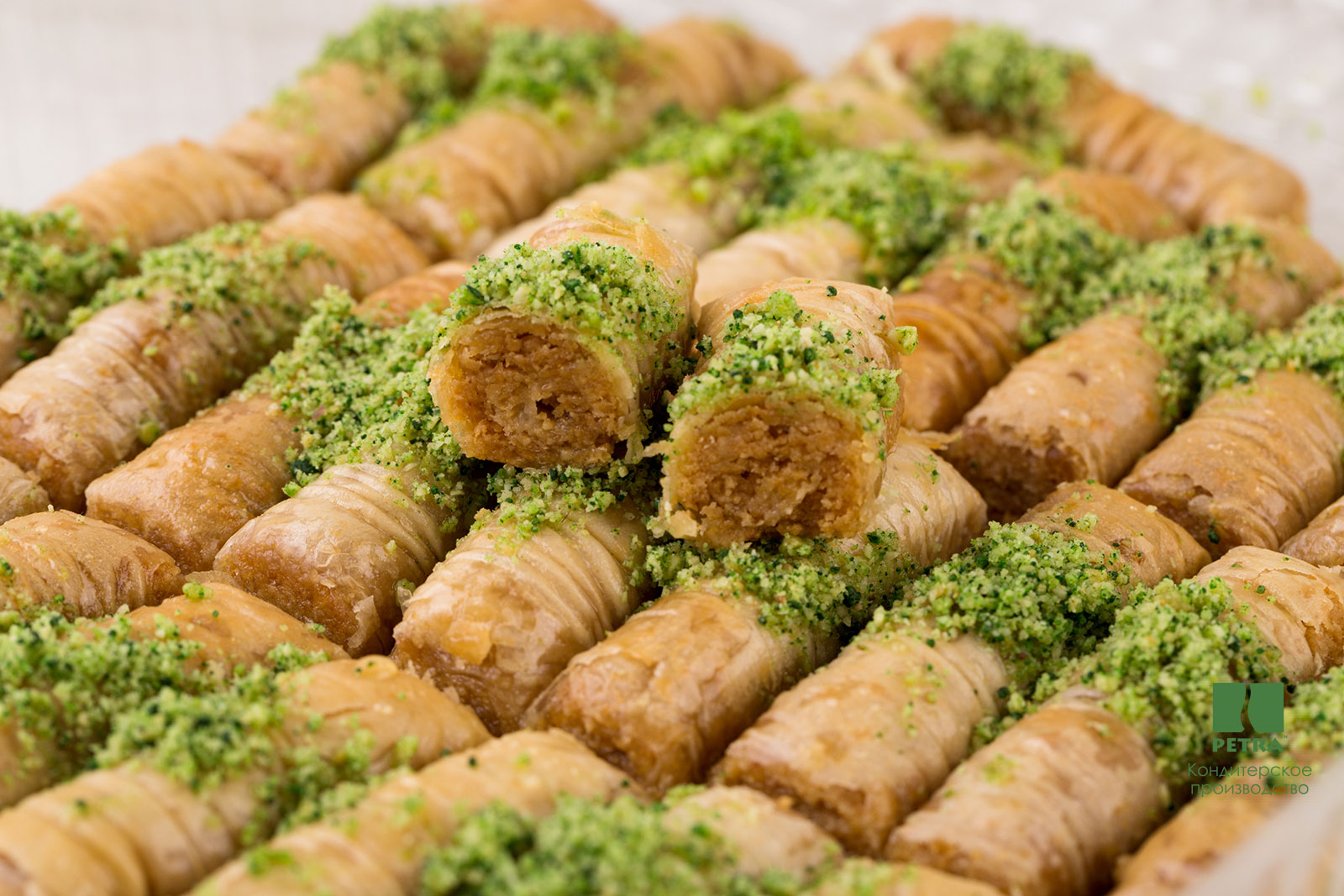
To make authentic Turkish baklava, you'll need a special unleavened filo pastry. Making it yourself is quite difficult, so it's best to buy it frozen at a specialty store. If you can't find the right kind of pastry in your local supermarket, you can follow the classic baklava recipe using puff pastry, rolling it out as thinly as possible.
-
Filo dough10 pcs
-
Pistachios300 G
-
Walnut300 G
-
Butter180 G
-
Vegetable oil90 G
-
Sugar500 G
-
Water300 ml
-
Cardamom3 pcs
-
Cinnamon sticks1 pcs
-
Lemon1 pcs

Let's start making Turkish pistachio baklava by preparing the nut filling. Grind 300 grams of oven-roasted pistachios in a blender until they form fine crumbs. If you prefer, you can leave the pieces larger; the result will be just as delicious.

We also grind 300 grams of roasted walnuts.

In a heavy-bottomed saucepan, combine 180 grams of butter and 90 grams of vegetable oil. Place over high heat and heat until the butter melts (do not boil).

Thin unleavened dough must be defrosted naturally by simply placing it in the refrigerator for a few hours.

Generously grease the first sheet of dough with oil.

Next, sprinkle the sheet generously with pistachios.

Fold the edge of the dough over once or twice and begin to wind the dough onto a round strip with a diameter of 1 cm.

The dough should be rolled loosely, so that the strip can be removed later. Once the rolling is complete, the dough is pressed slightly on both sides to fit the baking pan in which the baklava will be baked.

All that remains is to remove the wooden strip and place the roll in a baking dish, as shown in the photo.

We repeat the same procedure, only we use crushed walnuts as the filling.

If desired, you can make rolls with pistachios and walnuts separately, or mix the nut fillings. You should end up with 10 rolls.

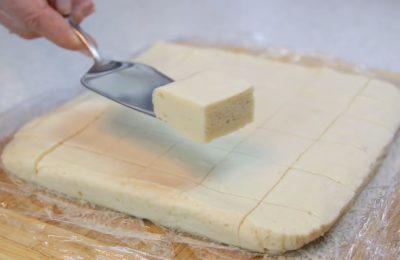
Next, cut the pieces into servings. They can be longer or shorter, depending on your preference.

While the baklava is baking, prepare the syrup. Combine 500 grams of sugar and 300 ml of water in a heavy-bottomed saucepan.

Add 3 cardamom seeds, a cinnamon stick, and a third of a lemon. Bring the syrup to a boil over medium heat and simmer for a few minutes. Remove from heat and discard any flavored ingredients.

Remove the finished baklava from the oven and immediately pour a generous amount of hot syrup over it.

All that remains is to decorate our incredibly delicious dessert with pistachios, cool and serve.
Pistachio baklava is served cold. The dessert itself is so beautiful that it would look great even on a regular plate. However, if possible, it's certainly better to arrange the rolls beautifully on a platter or tray, as in the photo.
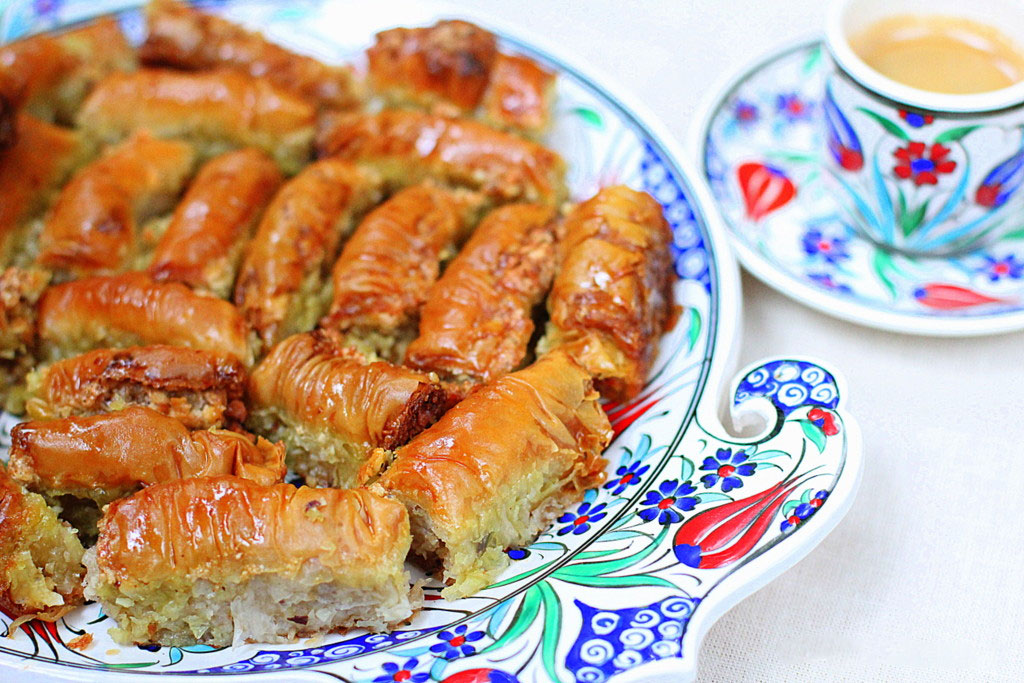
We also suggest trying making pistachio baklava at home, following the step-by-step instructions in this video recipe:
- 1 hour
- 350 kcal
- 966
- 10 hours 30 minutes
- 212 kcal
- 3134
- 24 hours 30 minutes
- 84.2 kcal
- 1960
- 30 min
- 324 kcal
- 4543
- 8 hours 30 minutes
- 234 kcal
- 764
- 12 hours 30 minutes
- 126.9 kcal
- 2284
- 2 hours 30 minutes
- 277.3 kcal
- 12372
- 7 hours
- 285 kcal
- 10351