How to make tiramisu?

"Lift me up," Italians say when they visit a coffee shop as a couple or with a group of friends. It's not a cheerful greeting or a code word in a game; it's simply the translation from their native language of the name of a delicious dessert, familiar to each of us from photos or tastes—whichever is more fortunate. The recipe for "Tira mi su" speaks to the calorie content of its mass or the mood that soars with just one spoonful of this world-famous dessert. Because tiramisu is filled with chocolate and coffee, it may be that the name shouldn't be translated literally, but rather refers to an emotional uplift.
What is tiramisu and to what category of confectionery should it be classified? It's not a cake, it can't be called a pastry, and it's nothing like a tiramisu soufflé. The recipe is simple, but it's not easy to make.
And this Italian dessert is treated with appropriate respect. It's okay, but you shouldn't eat tiramisu on the go or while sitting in a car. The delicate contents of the bowl in which the dessert is traditionally served won't allow for such careless handling. The recipe for this dish bears an aristocratic title.
You can truly appreciate the full beauty of this texture only in the right setting. A café, restaurant, summer patio, and a good mood are all perfect for this dessert.
History of tiramisu
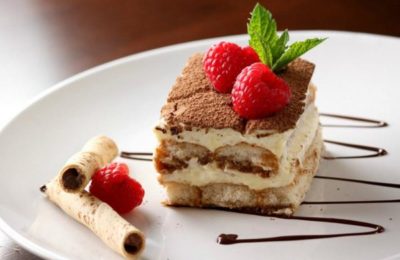
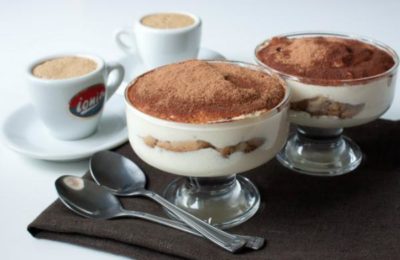
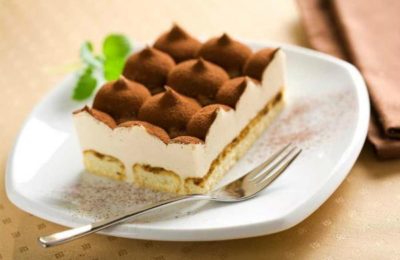
Tiramisu is bound to be associated with Italy, just like pasta or pizza. The dessert was first served in the 17th century for Archduke Cosimo III of Midi. A renowned sweet tooth appreciated the efforts of Siena's chefs and, taking the recipe for the sweet soup "Del Duca" (Duke's Soup), traveled through the cities to Venice. It was there that the dessert's true charm was truly appreciated. Its uplifting effect was appreciated by local representatives of the ancient profession, and the Italian dessert became a symbol of coquetry and seduction. "Lift Me Up," according to some, is not such a romantic dessert, but simply a "testing ground" for the pastry chefs who devised the recipe and found the golden mean between hard and soft, slightly bitter but delicious, chocolatey and creamy. Italians consider those who hold this opinion about the recipe's history envious. After all, this national dish is a treasure of Italy, and it's certainly a joy to talk about and a delight to taste. The tiramisu looks very appetizing in the photo. Much depends on the bowls in which this dessert is served, but the contents are worth the effort.
Let's take a break and watch a video
Tiramisu, like many other desserts, has many different recipe interpretations today, all of which resemble the original, both in photos and in taste. Of course, everyone who's ever seen one wants to try a true Italian masterpiece. But has everyone ever seen real tiramisu? That's debatable. How can you even imagine it? It's not a cake, it's not a cheesecake wrapped in a napkin, and no pastry, éclair, or anything like that, comes close to this delicacy. According to the recipe, tiramisu doesn't have a specific shape, as you can see in the original photos. If you decide to make it yourself, don't rush into making bread dough and filling molds, as was the custom before you decided to become the best chef in your area.
The basis of authentic tiramisu is mascarpone. For those hearing this word for the first time, it's another treasure of Italy – the cheese of Lombardy. This region boasts incredible natural beauty, thriving under the blanket of pristine air, mirror-like waters, and incredibly lush meadows.
Made from the milk of cows privileged to graze on these heavenly meadows, this cheese contains over 50% fat. Translated from Lombardy, mascarpone means nothing more than cottage cheese. Cottage cheese (mascherpa) is delicate and the most delicious of all cheeses.
Savoyardi are another essential ingredient in the dessert, essential for making tiramisu. Savoyardi are shaped like tubes, but they're called cookies. They're made from egg whites, sugar, and flour. Some artisans use sponge cake layers instead, but this is a fatal mistake when making authentic tiramisu.
The quintessential Italian treasure—tiramisu—is Marsala, a confectionery wine. This wine has been labeled as a DOC for thousands of years, ensuring the high quality of this drink since 1773. It is available in a wide range of fruity flavors.
If you can easily find all the ingredients listed in the recipe, then we wholeheartedly congratulate you, as you live in Italy, the very country many countries look up to, aspire to, and envy. However, if you're stuck in your apartment and the weather outside is anything but Italian, you won't be able to make your own tiramisu.
The only thing that can brighten this indelibly sad fact is the news that in Russia, too, they have found a way out of the deplorable situation of being deprived of the dessert of sunny Italy.
Product substitution:
Mascarpone is made from high-fat cottage cheese and equally fatty cream.
Marsala is made with amaretto or a thick fruit liqueur. If the atmosphere allows, you can use a good cognac. And, of course, as home cooks, we can easily substitute the elusive savoiardi with sponge cake. Although, if you prefer, you can try making these crispy, delicate rolls yourself, in the oven. But it will take some time.
The dessert itself doesn't need to be baked in the oven. It's made by layering the necessary ingredients. So, even if you're terrified of turning on the oven, you can rest assured and perhaps surprise more than just your family with your evening meal.
To prepare, beat the yolks and sugar until smooth. Add the Russian mascarpone (450 grams of curd mixture is needed for 6 yolks), then add a little Marsachsla and mix thoroughly. Add the whipped cream to the resulting mixture.
The next step for the marmalade is mixing it with good, natural coffee, brewed in a Turkish coffee pot and cooled. Dip the cookies or whatever cake layers you have in the coffee-liqueur mixture and arrange them beautifully in the bottom of the ramekins. Place a miracle layer of curd cream or cheese mixture on top of the moistened "base," then cover it with another layer of soaked cookies. Next comes a layer of cheese cream, decorated with chocolate chips.
This tiramisu recipe calls for refrigeration, not oven cooking. It should sit for approximately 6 hours. When ready to serve, generously sprinkle the dessert with dark cocoa powder. This will give the dessert its unique character and an unforgettable, special flavor.
A little more about the replacement:
If you don't want to replace mascarpone cheese with something you can grab from the fridge, head to your local market for real, full-fat sour cream, the kind you can stand up to with a spoon. This product will be closer to what you might call a cheesy flavor.
It's better to replace cookies with dessert tubes "for tea" than with cakes, which, moreover, absorb more liqueur than the recipe requires.
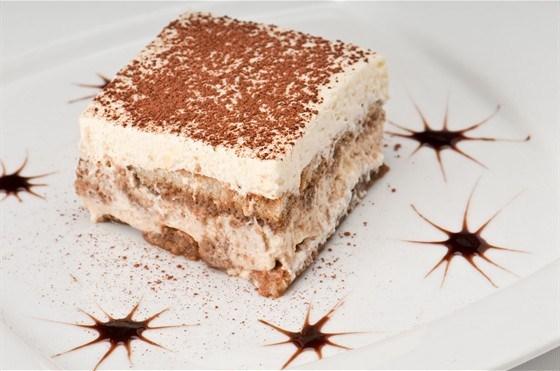
A dessert made with love and soul will be truly appreciated by everyone you prepare it for. While some ingredients may be out of reach for now, and the tiramisu itself may not look like the photo, anything is possible in this life, if you truly desire it. Perhaps this tiramisu recipe will be the first step on your way to the airline ticket office to visit sunny Italy and sample this authentic liqueur-based curd dessert.