Australian Lamingon and other sponge desserts

Content
Delicate, delicious, incredibly light, and aromatic—all these adjectives are aptly associated with sponge cake. This culinary creation is quite capricious, but once you've made desserts with it, you'll want to try them again and again.
A Brief History
The name of the person who invented the sponge cake recipe has since faded into oblivion. The first mention of the baked good can be found in the logbooks of English sailors. When setting out on voyages, they stocked up on provisions, including desserts such as "ship's biscuits." Because the sponge cake lacked butter, it remained edible until the end of the voyage. On one voyage, a courtier sampled the delicate desserts and decided they were worthy of a royal table. Thus, the food of the poor evolved into the most delicate sponge-based pastries with cream and jam fillings.
Types of biscuit
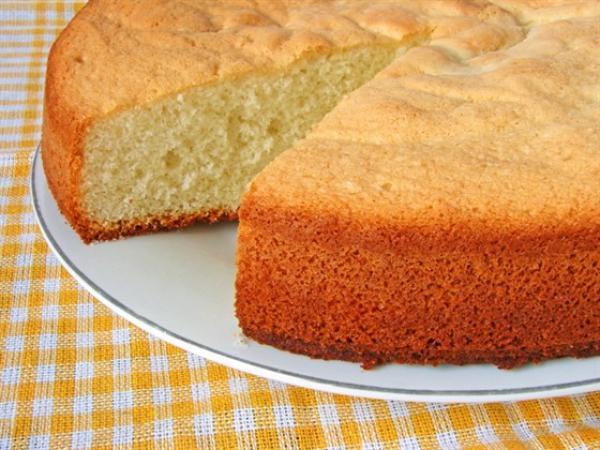
Regardless of which type of sponge cake you decide to make, you should know: the dough's structure is created by whisking eggs or just the whites until fluffy. There are countless varieties of sponge cake, as well as desserts made with them. Omit one spoon of sugar or add one egg less than the recipe calls for—and you've got yourself a new sponge cake. However, there are four main types:
- Simple (sponge cake) – made from eggs and flour (without adding fat);
- Genoise (génoise) - made from eggs, flour and butter;
- Chiffon cake – made from eggs, sugar and vegetable oil;
- Angel food cake – made from egg whites, sugar and flour.
To make a truly tender dough, don't add any chemical leavening agents. The cake rises naturally due to the air in the whipped egg whites and the steam generated during baking. Baking powder can only be added to chiffon sponge cake. The simplest dessert you can make is sponge cake topped with any cream or icing.
General notes when making sponge cake
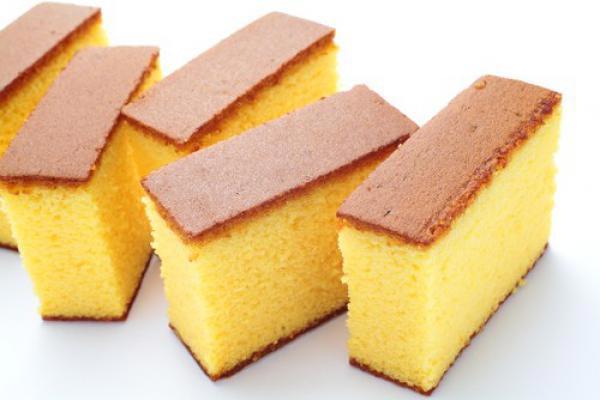
When preparing desserts, homemakers often wonder why the dough didn't rise. They seem to have followed the recipe and adjusted the proportions correctly, but they're still unable to create a tender sponge cake or pastry. Below, we'll share valuable secrets for making the perfect sponge cake. Follow them, and you'll succeed!
- Flour should always be sifted after you have measured out the required amount.
- It's best to use low-protein cake flour. Otherwise, replace one-third of the required amount with starch.
- Eggs must be fresh.
- All cooking utensils must be perfectly clean, free of any grease or moisture, and pre-chilled. The same applies to food—it should also be chilled.
- It is important to beat the whites carefully: do not under-beat or over-beat.
- The beaten egg mixture should be mixed with the other ingredients carefully. Fold the ingredients in gradually to prevent foam from settling.
- The dough must be immediately and carefully transferred into the prepared pan.
- The oven should be preheated. The temperature should be set at least 20 minutes before you bake the dough. This ensures even heating of the oven.
The main problems you may encounter when baking sponge cake and how to solve them
- The dough didn't rise, or it rose only slightly. This could happen because the whipped egg whites sank when mixed with flour.
- The dough rose, but then began to fall right in the oven. There are three options:
- You opened the door too early.
— opened the door and slammed it shut (cool air entered)
— the door is not closed tightly - The top is burning. This could be due to the oven being too hot, or moving the baking sheet from the center rack to a lower rack.
- The dough rose, but immediately fell as soon as the baking sheet was removed from the oven - it was taken out too early.
- The dough rose well, but after cooling, the center sank. This means the baking sheet was taken out of the oven too early.
We offer you a recipe for a stunning dessert that can be made using sponge cake. Follow all the tips above, and you're sure to create a true culinary masterpiece!
Lamington Sponge Cake Recipe
This is an Australian confection that consists of small portions of sponge cake covered in chocolate and coconut flakes.
Ingredients:
- 3 eggs;
- 150 g sugar;
- 1 tsp vanilla;
- 150 g flour;
- 50 g starch;
- 300 g baking powder
- 70 g butter;
- 3 tbsp cocoa powder;
- 400 g powdered sugar;
- 100 g coconut flakes.
Preparation:
- Preheat oven to 190°C. Line a baking sheet with parchment paper.
- Beat eggs, adding a pinch of salt, sugar and 0.5 tsp vanilla.
- In a separate container, sift flour, baking powder and starch.
- Add to the egg mixture, then carefully pour in 4 tablespoons of melted butter.
- Pour the mixture into the prepared pan and bake for 30 minutes. Let the pie rest for another 10 minutes.
- Meanwhile, dissolve the cocoa in 70g of hot water, add the powdered sugar and vanilla. Mix well.
- Cut the cake into portions and spread warm glaze over each piece. Let the lamington soak for a while before serving.