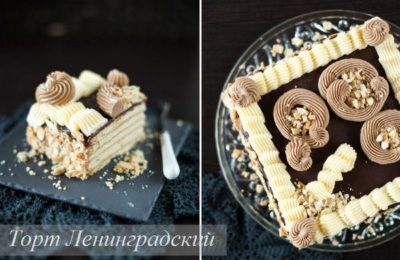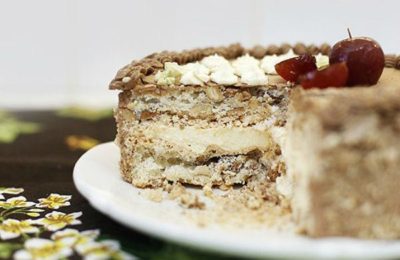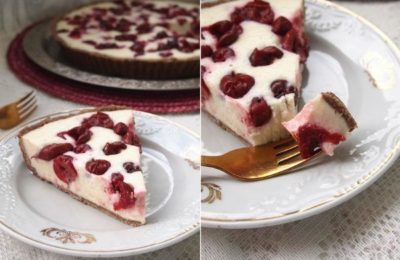
7 impregnations for chocolate sponge cake.

Content
How often do we admire a colorful cake and anticipate its perfect taste, only to discover that upon tasting it, we only taste a dry sponge cake instead of the richness and abundance of cream?! To surprise your family and friends with a delicious chocolate dessert during a celebration or reception, remember to soak the sponge cakes, otherwise the cake or pastries will turn out dry. This will ruin the entire celebration. After all, everyone looks forward to the cake, especially if your guests are children!
Without allowing them to be disappointed, for a chocolate cake Use a flavorful soak, which can be created in minutes: coffee, chocolate, caramel, etc. When creating a dessert for adults, you can soak it in cognac or another high-quality alcohol without a strong flavor: liqueur or even champagne.
Chocolate sponge cake pairs beautifully with fruit or berry syrups and toppings, especially cherry and apricot. A striking and delicious example of this is the famous Viennese cake, Sachertorte.
Features of impregnation of chocolate cakes.
Since the prepared sponge cake loses moisture after baking, becomes brittle and dry (this applies to baked goods made with chicken eggs without the addition of milk and vegetable or butter), the best solution is to restore its juiciness, and at the same time, to impart or emphasize its flavor with the help of impregnation.
Of course, not all impregnation options go well with chocolate flavor, but there are some popular ones that are loved by almost everyone. Despite the repetition, the perfect compatibility for chocolate sponge cake layers exactly with chocolate impregnation for cake – it enhances their aroma and flavor, imparting richness and moisture. By combining these two ingredients, confectioners around the world create incredibly delicious sweet masterpieces that leave diners with a heavenly delight.
Coffee and caramel soaks rightfully take second place. While the former uses cognac or brandy along with brewed coffee, the latter requires a touch of lemon or lime juice to prevent the dessert from becoming too sweet. Sponge cakes soaked in cognac syrup are intended for adults, while those without alcohol are suitable for everyone, including children. But even this can be easily remedied by briefly setting the alcohol on fire—the alcohol vapor will dissipate, and the treat can be soaked without any age restrictions!
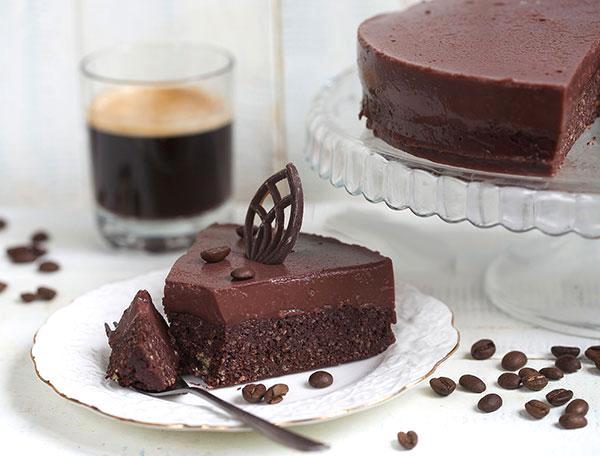
For a chocolate cake It's best to avoid overly sweet syrups: strawberry, vanilla, honey, etc. Individually, these flavors harmonize beautifully, but when paired together, they lose their appeal, overpowering each other. And who wants their dessert to be underwhelming?! That's why it's best to consider all the nuances and combinations in advance so you can surprise your family, friends, and guests with the best pastries or cakes of their lives the first time!
If you still haven't decided, How to soak a cocoa cake If you're making syrups at home, use the most popular syrup recipes to make your sponge cakes moist and juicy. However, remember that the syrup you create must complement the flavor of the cake and the cream, as they don't always complement each other!
The ingredients for making the soaks can be found at any supermarket or store. Plus, you're free to customize the syrups to suit your tastes and those of your family. what is the best way to soak it? dessertLet your culinary imagination run wild and surprise those you love!
7 recipes for impregnations for chocolate sponge cake.
From cocoa.
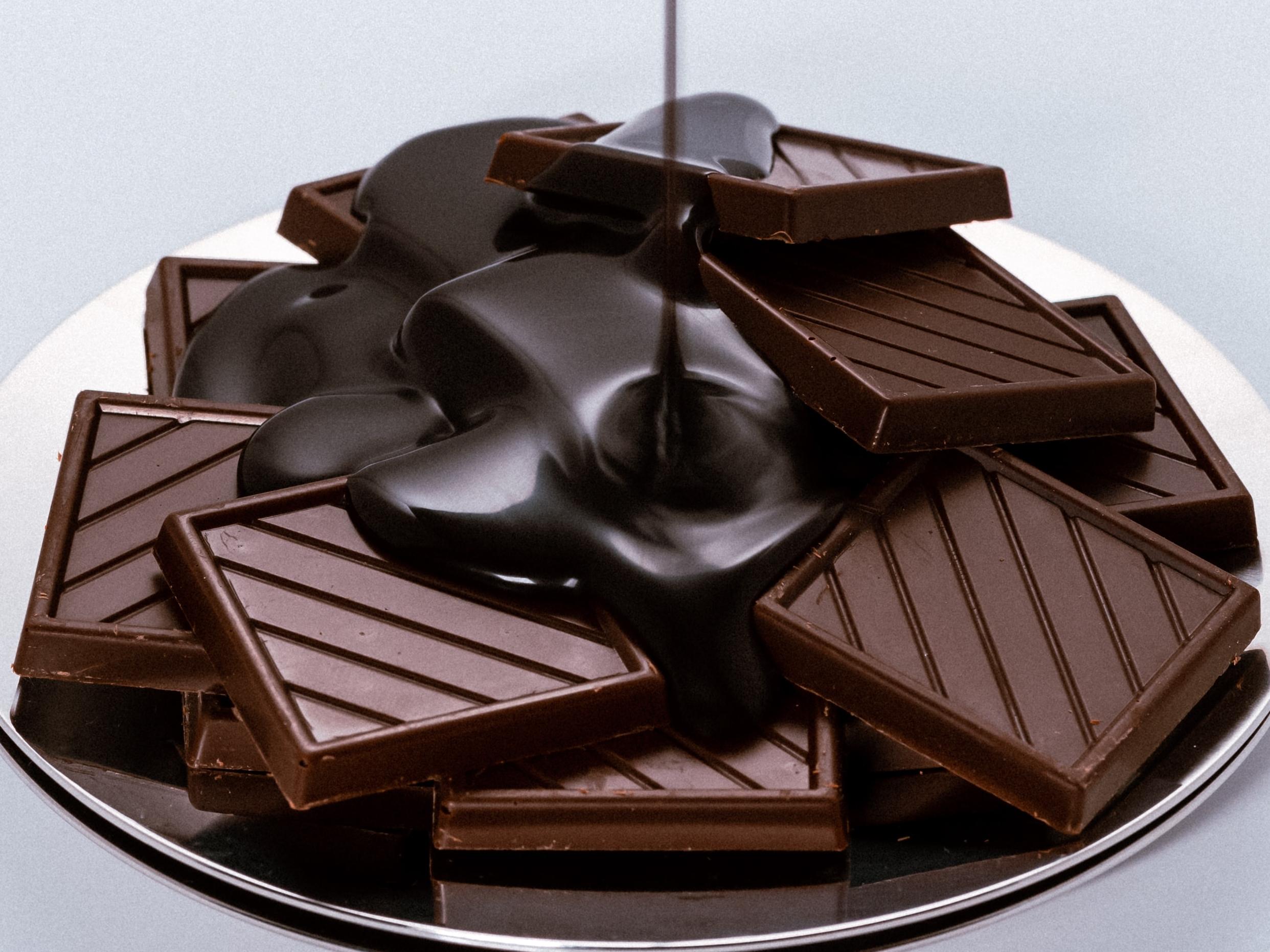
The most popular version of a simple soak is one with added cocoa. It's made with butter and sugar syrup or condensed milk—regular, not boiled. If you choose the first option, add a little lemon juice to counteract the sweetness of the sugar.
- 1.5 tbsp cocoa powder;
- 150 g butter;
- 300 ml condensed milk or sugar syrup.
Preparation:
- Since cocoa only dissolves in warm liquids, place the butter in a deep container and place it in a double boiler. Melt the butter, but do not bring it to a boil.
- Add cocoa powder to the melted butter and mix thoroughly to avoid lumps. You should end up with a dark, melted chocolate butter.
- Pour in the condensed milk and mix gently. As you mix, the mixture will take on a light chocolate tint.
- Simmer for another 1-2 minutes until the mixture is heated through, and turn off the heat. Your simple cocoa soak for baking is ready! Cool it at room temperature for 25-30 minutes or refrigerate for 15-20 minutes, and only then soak the sponge cake with it. Now you know for sure, How to make chocolate impregnation!
Coffee impregnation.
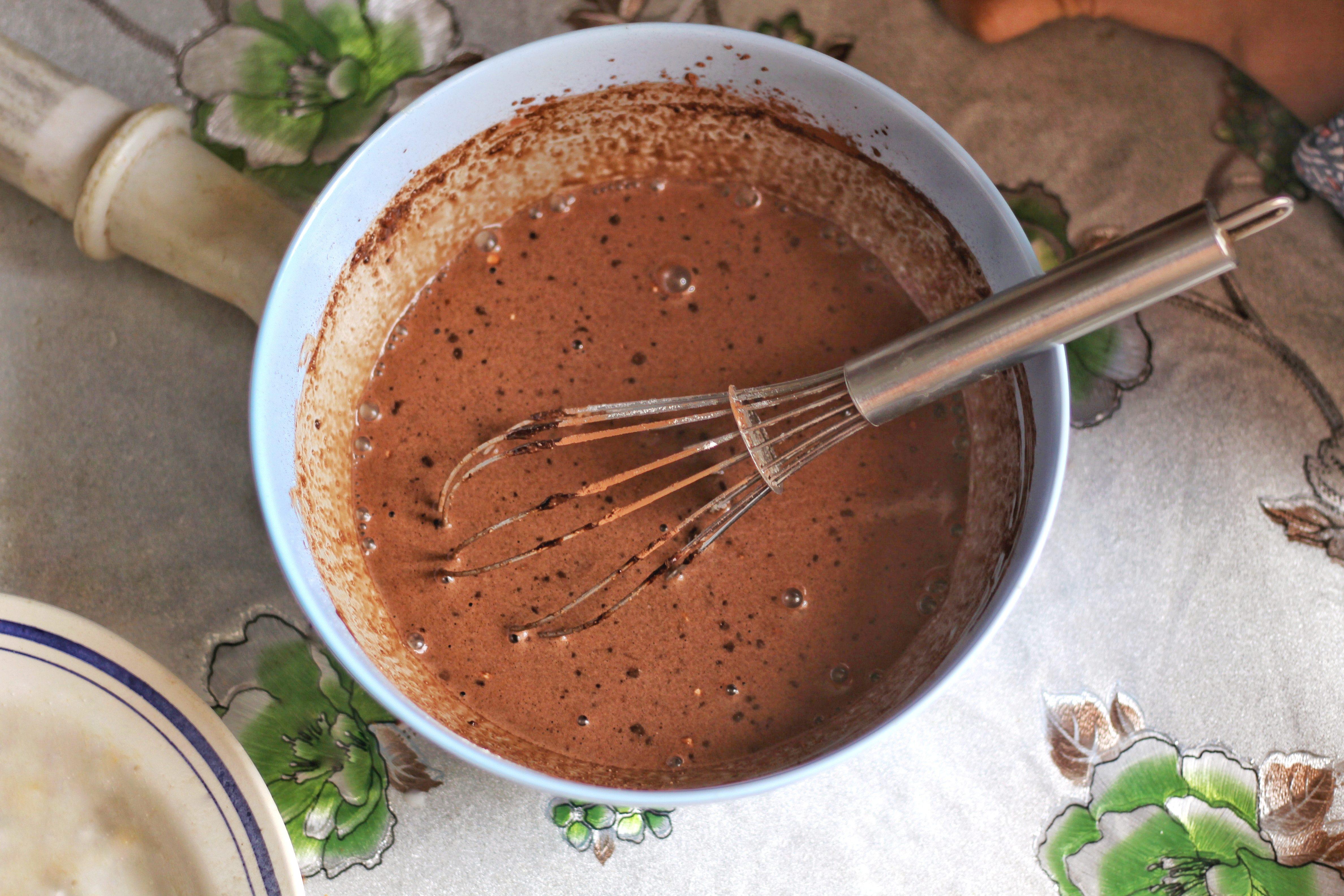
Coffee infusion can be prepared with or without the addition of alcohol, depending on your preference. Use high-quality instant or ground coffee with a rich aroma and flavor.
- 300 ml hot water;
- 3 tbsp. ground coffee or 3 tsp. instant coffee;
- 80 g granulated sugar;
- 3 tbsp brandy (optional).
Preparation:
- Pour ground coffee into a Turkish coffee pot and add hot water, ideally boiling water. Place the pot on the stove and bring to a boil for 2-4 minutes, keeping an eye on the contents to prevent the coffee from spilling. When making instant coffee, pour it into a cup or teapot, pour boiling water over it, and stir.
- Add granulated sugar and stir thoroughly until the crystals are completely dissolved. Taste.
- Before adding brandy, the coffee should be cooled; otherwise, the alcohol vapor will evaporate and won't be noticeable in the finished dessert. The coffee syrup for soaking is ready!
Impregnation with cognac.
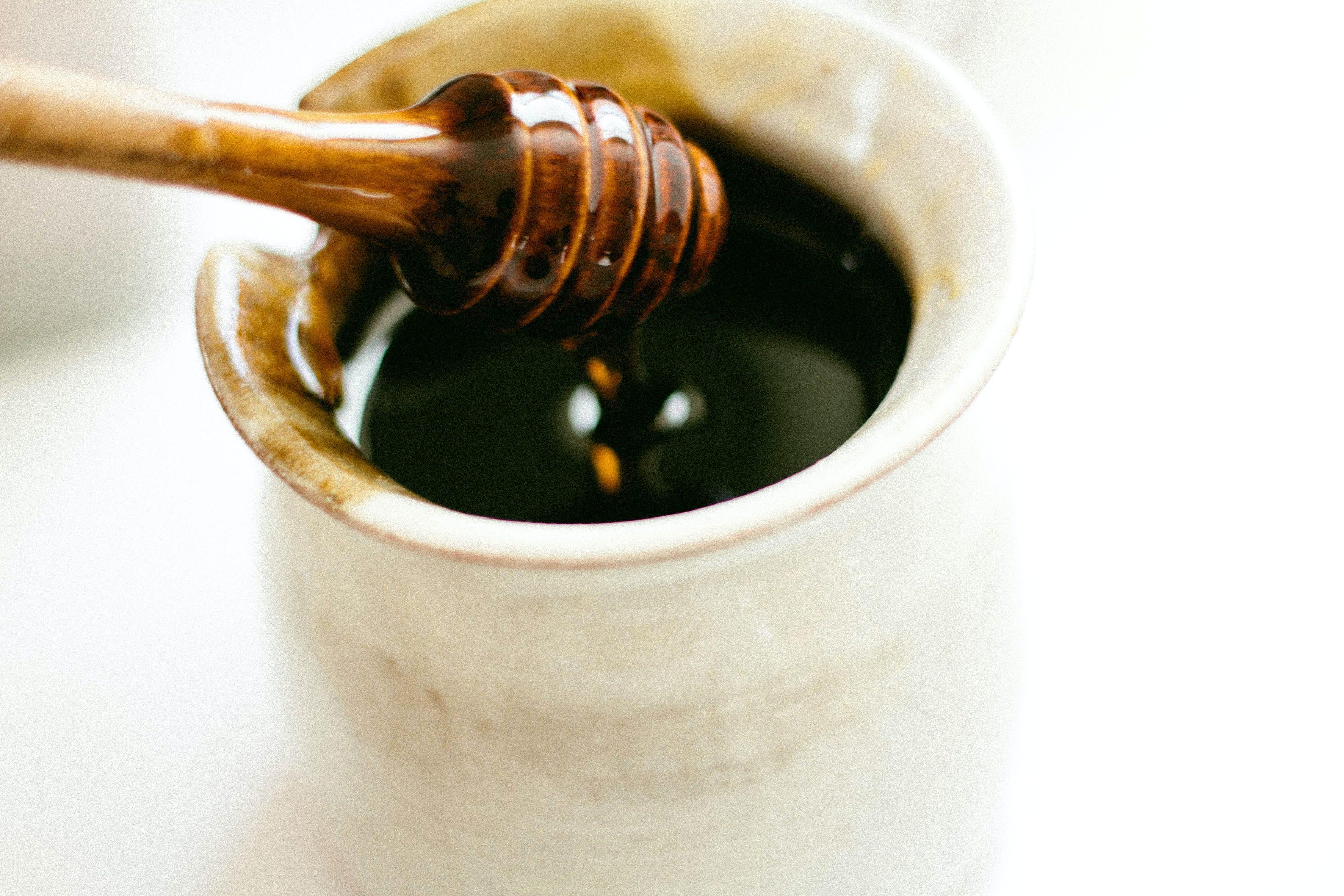
This soaking method is suitable for making cakes or pastries for adults. However, the cognac flavor won't be noticeable in the assembled treat, so children will easily eat it, especially with aromatic tea or warm milk. The alcohol content in the dessert will be extremely low. Remember that low-quality alcohol added to the soaking will ruin the taste of the entire cake or pastries, so don't risk your time or food!
- 300 ml of warm boiled water;
- 20 ml lemon juice;
- 80 g granulated sugar;
- 3 tbsp. of quality cognac.
Preparation:
- Pour warm water into a cup or other container, add granulated sugar, and stir thoroughly until dissolved. You can add boiling water if desired.
- Add lemon juice and stir. If freshly squeezed juice is unavailable or fruit is unavailable, use concentrated juice, remembering to dilute it to the desired proportions.
- Cool the syrup, taste it – it should not be too sour or too sweet.
- Pour the cognac into the cooled syrup and stir gently, immediately soak the sponge cake with it before the alcohol evaporates.
Caramel impregnation.
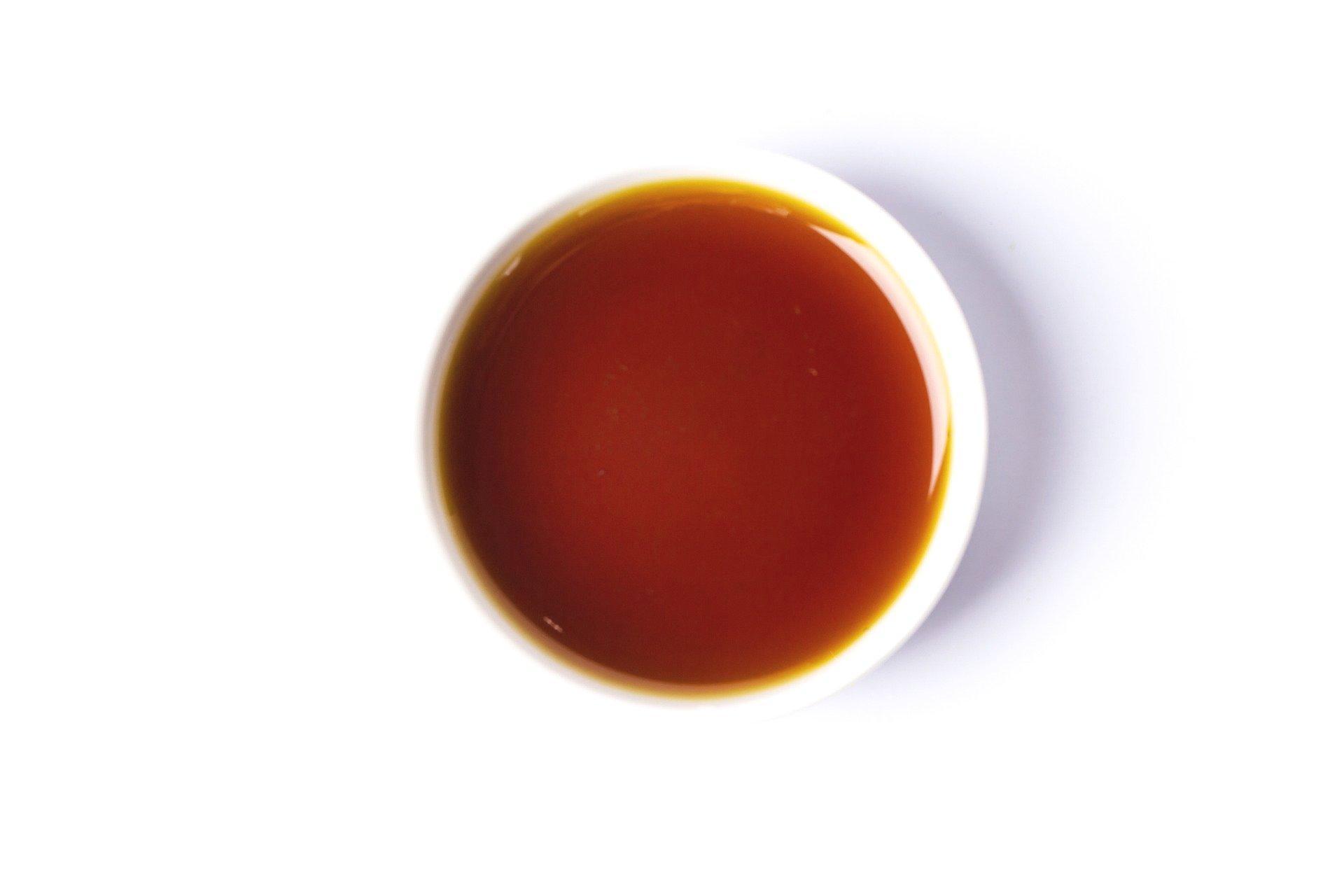
The easiest way to make sugar syrup is with a minimum of ingredients found in any kitchen. Try not to make the syrup too thick, as it won't be absorbed well by the sponge cake. Be sure to add lemon juice or citric acid when cooking the syrup; without them, the sugar may "harden" (absorb water and crystallize).
- 200 ml hot water;
- 120 g sugar;
- 1 tsp lemon juice or 5 g citric acid.
Preparation:
- Place granulated sugar in a nonstick pan, such as a saucepan, ladle, or cauldron. Add warm water and lemon juice, or add citric acid.
- Place the container on the stove and bring to a boil for about 2-3 minutes, then reduce the heat to medium.
- The liquid will become covered with large white bubbles—this is a natural process as the sugar syrup cooks. Simmer for another 3-5 minutes, stirring occasionally, until it turns a caramel color.
- Turn off the heat before the syrup darkens. The syrup will continue to simmer for 1-2 minutes without heating, as it has a very high boiling point. This will give it the desired color. Cool to room temperature and use it to soak the baked goods. Don't use a 1:1 ratio of sugar to water—that ratio will result in a sticky caramel!
Citrus impregnation.
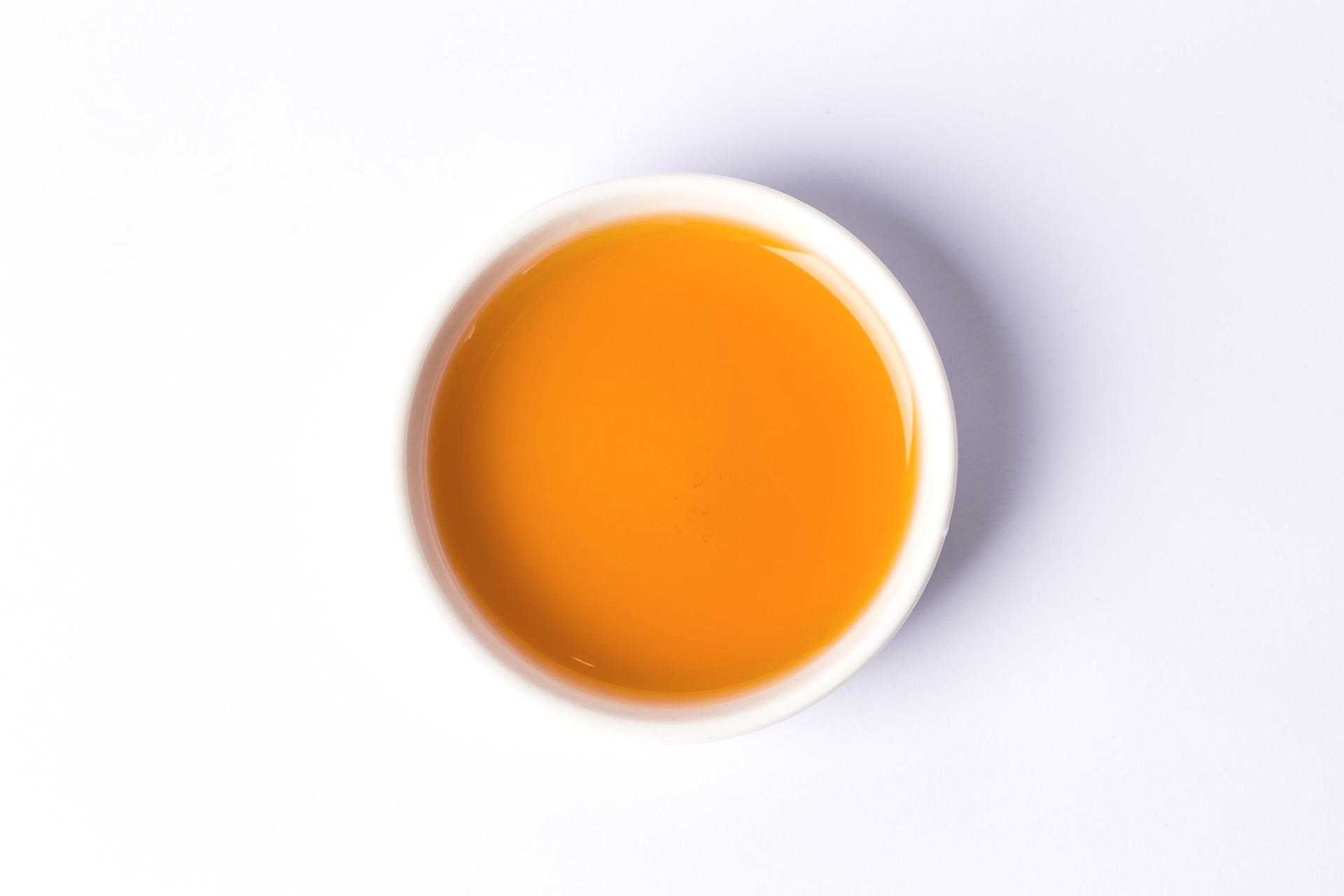
When considering how to drizzle a chocolate cake, you can opt for a citrus drizzle. You don't need lemons or limes for this; oranges or tangerines will add a much more vibrant flavor to the cake.
- 300 ml orange or tangerine juice;
- 120 g granulated sugar.
Preparation:
- If you're using fresh fruit, squeeze the required amount of juice from it. If you bought packaged orange juice from the store, remember that it already contains sugar, so reduce the amount of sugar slightly.
- Heat the juice to 30-40 degrees Celsius and stir in the sugar. Freshly squeezed juice shouldn't be heated, so it's best to make a sugar syrup by mixing the sugar with 30-40 ml of water and heating until boiling. Then combine the syrup with the juice and stir thoroughly. After the citrus infusion has cooled, you can use it to moisten a chocolate sponge cake.
Cherry (raspberry) impregnation.
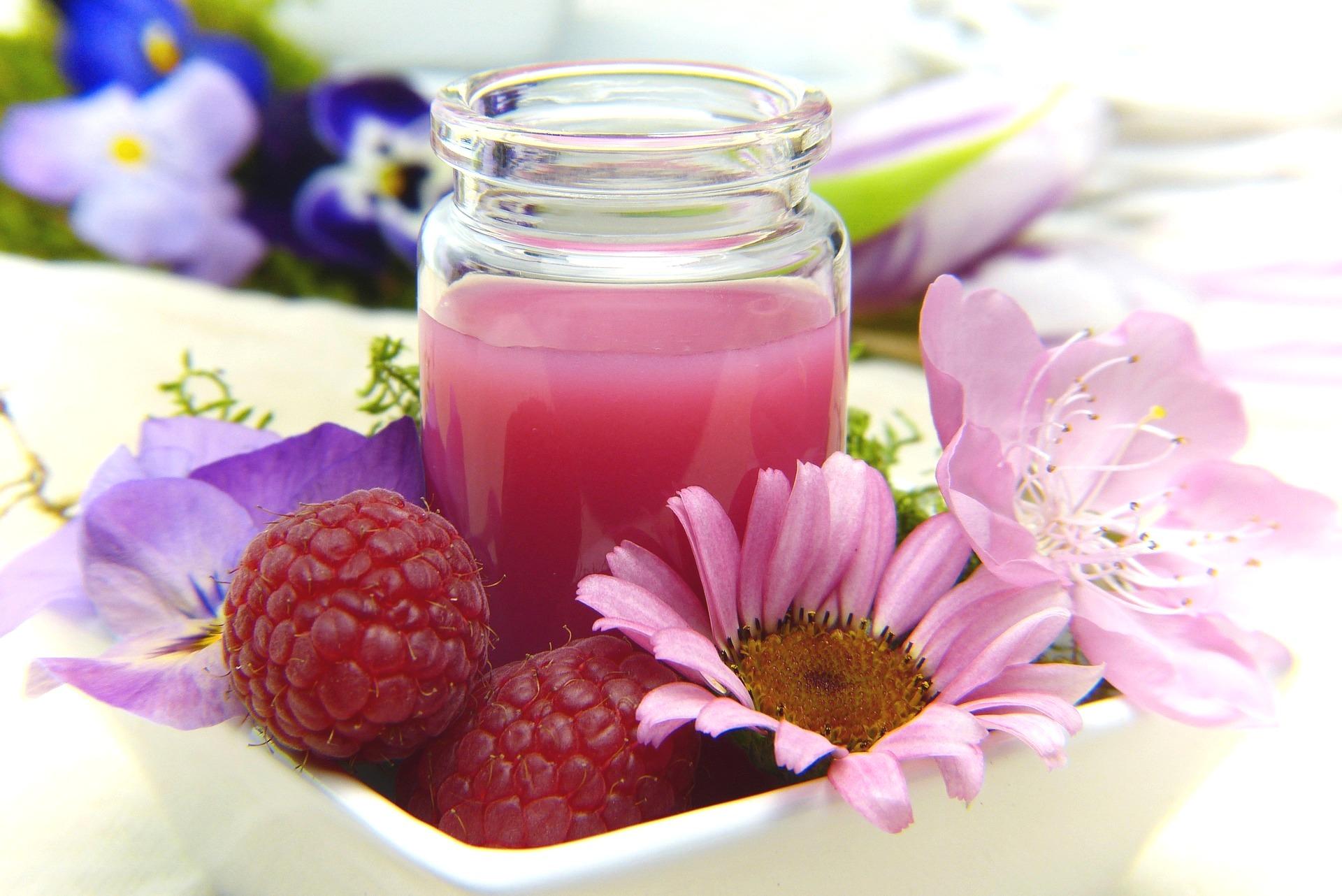
Chocolate and cherries (raspberries) are a perfect pairing, hard to resist for those with a sweet tooth. That's why cherry icing is perfect for a fluffy, airy cocoa sponge cake. You can use berries, juice, or cherry extract if you prefer.
- 400 g cherries (raspberries);
- 120 g granulated sugar;
- 80 ml of water.
Preparation:
- Rinse the berries in water, remove the seeds, and place them in a deep container (such as a cauldron, saucepan, or ladle). Fill with warm water.
- Simmer for about 10-15 minutes, until the berries release their aroma and flavor into the liquid. Don't let it simmer for too long, or you'll overcook the mixture.
- Strain the contents of the container through a sieve, discarding any berries that have lost their color. Pour the liquid back into the container. If using the purchased cherry juice, skip the previous steps.
- Add granulated sugar and simmer for about 2 minutes until all the sugar crystals are completely dissolved. Cool the mixture to room temperature.
Apricot impregnation.
To make this soak, you'll need apricot jam or preserves, as the fruit itself requires a long simmering and pureeing process. You can add a little vanilla sugar or flavoring if desired.
- 250 g apricot jam;
- 150 ml hot water;
- 50-60 g of sugar.
Preparation:
- Place the jam in a non-stick pan and pour in hot water. Stir gently and place the pan on the stove.
- Pour granulated sugar into the liquid and stir until it dissolves, heating the syrup to 70-80 degrees.
- Taste it and adjust if it turns out too sweet – you can do this with citric acid or lemon or lime juice.
- Cool the apricot syrup to room temperature and soak the chocolate sponge cake.
How to soak a sponge cake correctly.
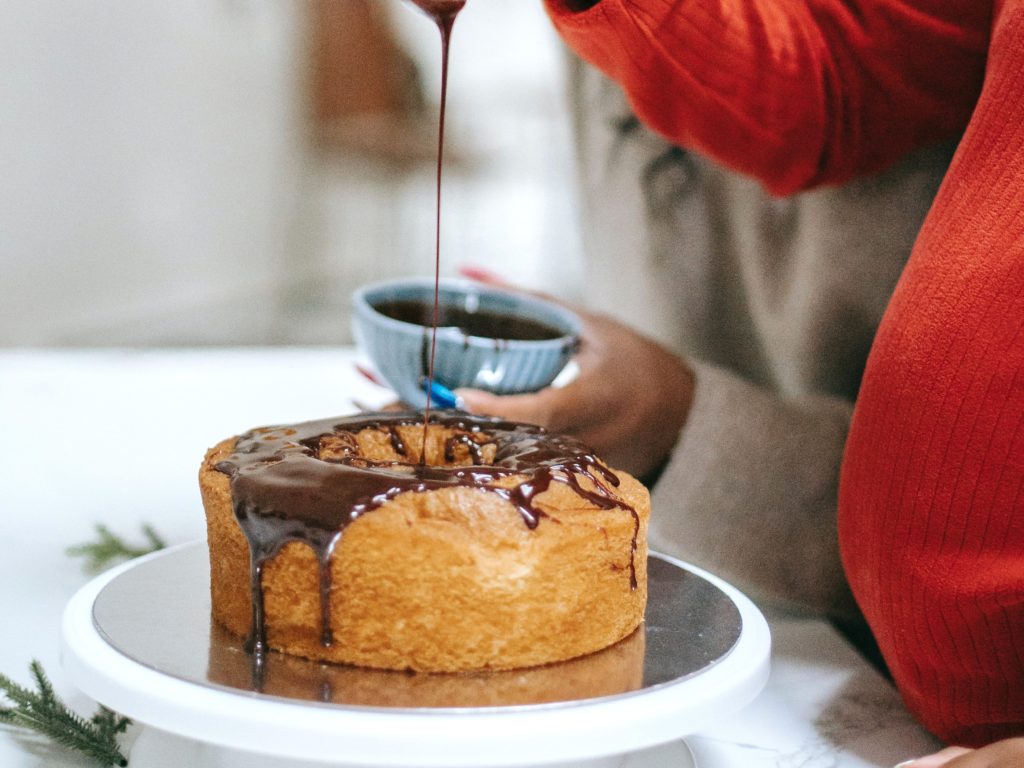
Don't forget about some of the nuances that many pastry chefs overlook when soaking airy sponge cake layers, creating magnificent desserts.
- The syrup must be cooled, otherwise, after soaking and cooling, the cakes may settle slightly and decrease in height.
- After soaking, the baked goods will become much heavier and wetter, meaning you won't be able to move them or even lift them, risking breaking them into several pieces. The ideal option is to soak them while assembling the cake. That is, soak the bottom layer first, placing it on a serving plate. Then, spread the layer with cream or add berry or fruit compote or coulis, and place another layer on top. Soak it again with syrup, and so on, depending on the number of chocolate sponge layers you've cut.
- The sponge cake should only be soaked on the same plate on which the cake will be assembled. The only exception is cakes (small sweets can be transferred from one plate to another without losing their appeal).
Never soak a hot sponge cake straight out of the oven. The edges will likely remain high, while the center will collapse and stick together, making it impossible to cut into even pieces and preventing the cake from achieving an airy, spongy texture. Be sure to cool the cake at room temperature or in the refrigerator for at least 1 hour, or better yet, chill it in the refrigerator, and only then soak it with any soaking solution you've prepared. Now you know for sure... How to soak a chocolate cake!
Have delicious desserts!