What is the difference between icing and chocolate?

Content
In the hands of an experienced pastry chef, confectionery glaze and natural chocolate turn into true masterpieces, yet many professionals have their own opinions on which material is best and most convenient to work with. Today, we offer you a detailed look at the differences between confectionery glaze and chocolate, the influence of the ingredients, and how to use them correctly in pastry making.
History of creation
Europeans became acquainted with cocoa beans only in the mid-15th century, when the conquistador E. Cortés brought them back as a gift to the Spanish monarch after visiting Mexico. By the 17th century, the fashion for a chocolate drink had spread among the nobility in many European countries, but classic chocolate bars only appeared in the early 19th century, after a method for extracting cocoa butter from the beans was invented.
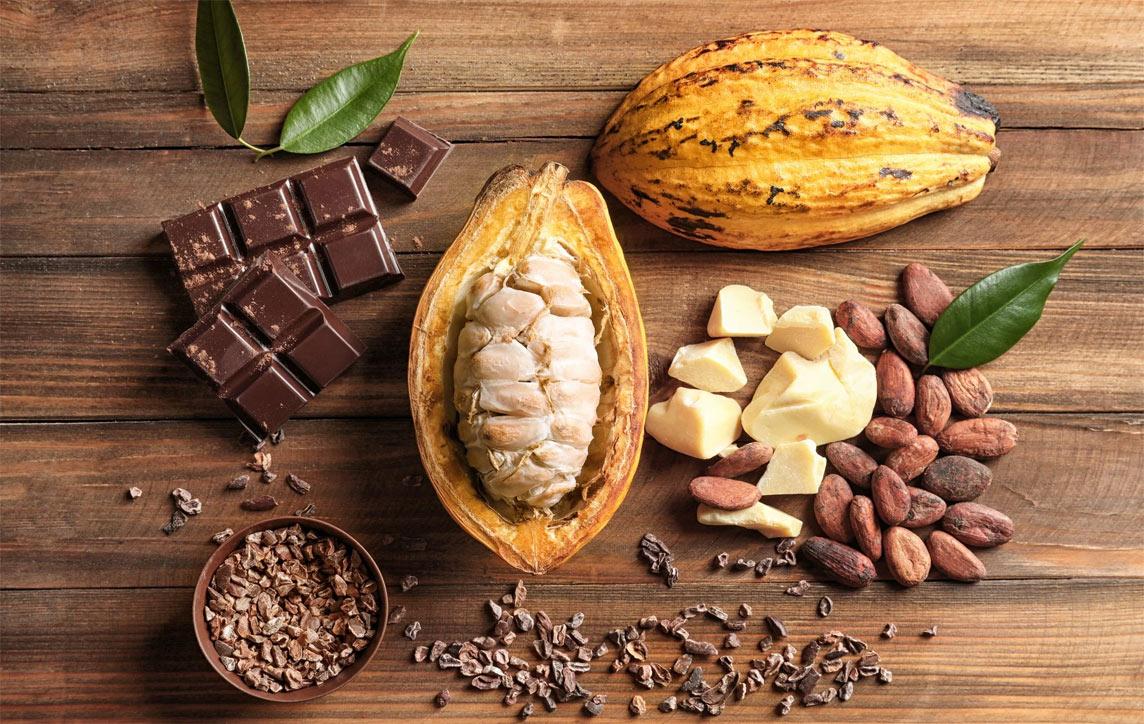
It's unclear exactly when chefs decided to replace expensive cocoa butter in chocolate with cheaper fats to reduce the cost of the final product. But it was this desire to make chocolate more accessible that gave the world chocolate glaze. Moreover, working with glaze eliminates the complex and time-consuming tempering process, without which natural chocolate would not attain its essential properties.
Features of the composition
Although an inexperienced taster may not always be able to distinguish between chocolate and high-quality glaze, the differences in composition are significant.
| Chocolate | Glaze |
| Cocoa mass | Cocoa powder |
| Cocoa butter | Alternative fat (palm, coconut) |
| Sugar | Sugar |
| Other ingredients (including flavorings, preservatives) |
In fact, only a product containing natural cocoa powder and cocoa butter can be called "chocolate." All other alternative recipes are simply glaze variations, which are also widely used for:
- cake and pastry coatings;
- glazing of sweets;
- production of chocolate bars;
- creating decor of any complexity.
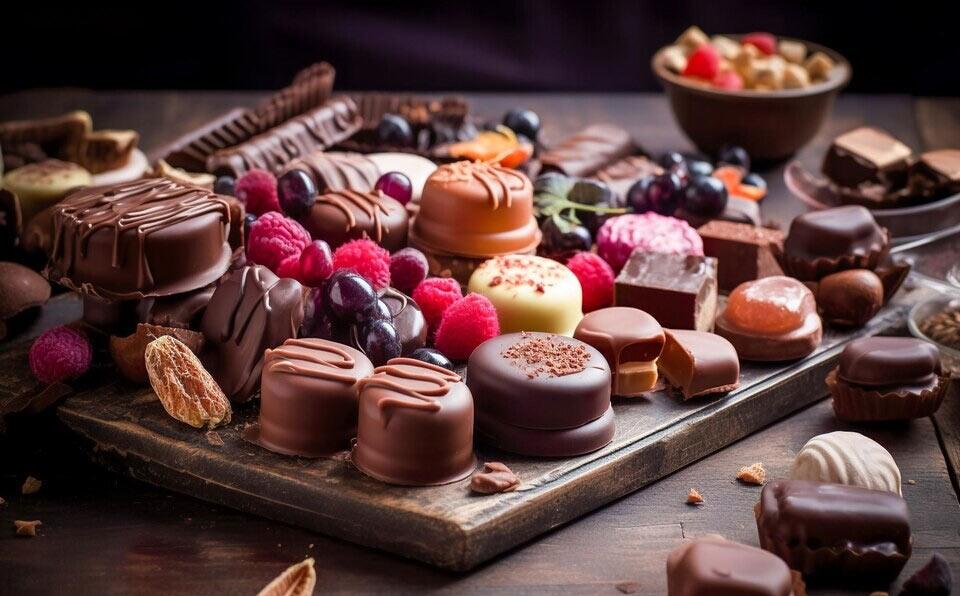
The difference between natural chocolate and glaze
To understand the difference between confectionery glaze and chocolate, we suggest reviewing the table of physical and chemical properties of these two products, determined by the ingredients they contain:
| Properties | Chocolate | Glaze |
| Tempering | it is absolutely necessary | not applicable |
| Surface of the product | matte, with a characteristic yellowish tint | shiny, with a uniform, deep color |
| Taste | rich, chocolatey, multifaceted | It depends a lot on the recipe, it can be “soapy” or “flat” |
| In hands | does not melt | melts quickly |
| When in contact with water | does not interact | may go bad |
| Freezing | Only shock, otherwise a white coating will appear | at sub-zero temperatures it becomes matte and loses its original shine |
| Shelf life | up to 12 months at room temperature | up to 2 weeks in the refrigerator |
| Features of work | It's difficult, you need to be able to temper it | fast and easy |
Considering the differences between chocolate and glaze described in the table, it can be stated that in many cases, instead of a natural cocoa butter-based product, you can use homemade glaze or special confectionery glaze.
What is glaze made of?
| Parameter | Non-lauric fats | Lauric fats |
| Designation | CBR, CBE | CBS |
| Types of oils | modified vegetable oils | palm, coconut oil |
| Fat in the composition | more than 99% | more than 99% |
| Contains lauric acid | 1% | 40% |
| Mixing with cocoa butter | allowed (up to 20%) | not allowed |
| Crystallization rate | average | fast |
| Coating | brilliant | brilliant |
| Scope of application | candy and cake coating, flat decorations, various fillings | Compound chocolate, making volumetric decorations |
Naturally, the ingredients in a glaze recipe vary depending on where and how the finished product is planned to be used, what consistency the confectioner requires, and what color and flavor it should have.
There are several types of confectionery glazes available for purchase in specialty stores, available in discs, tablets, drops, bars, or shavings:
| Type of glaze | Quantity of cocoa products |
| Classic (black) | more than 25% |
| Chocolate | 25% |
| Dairy | 15% |
| White | 10% |
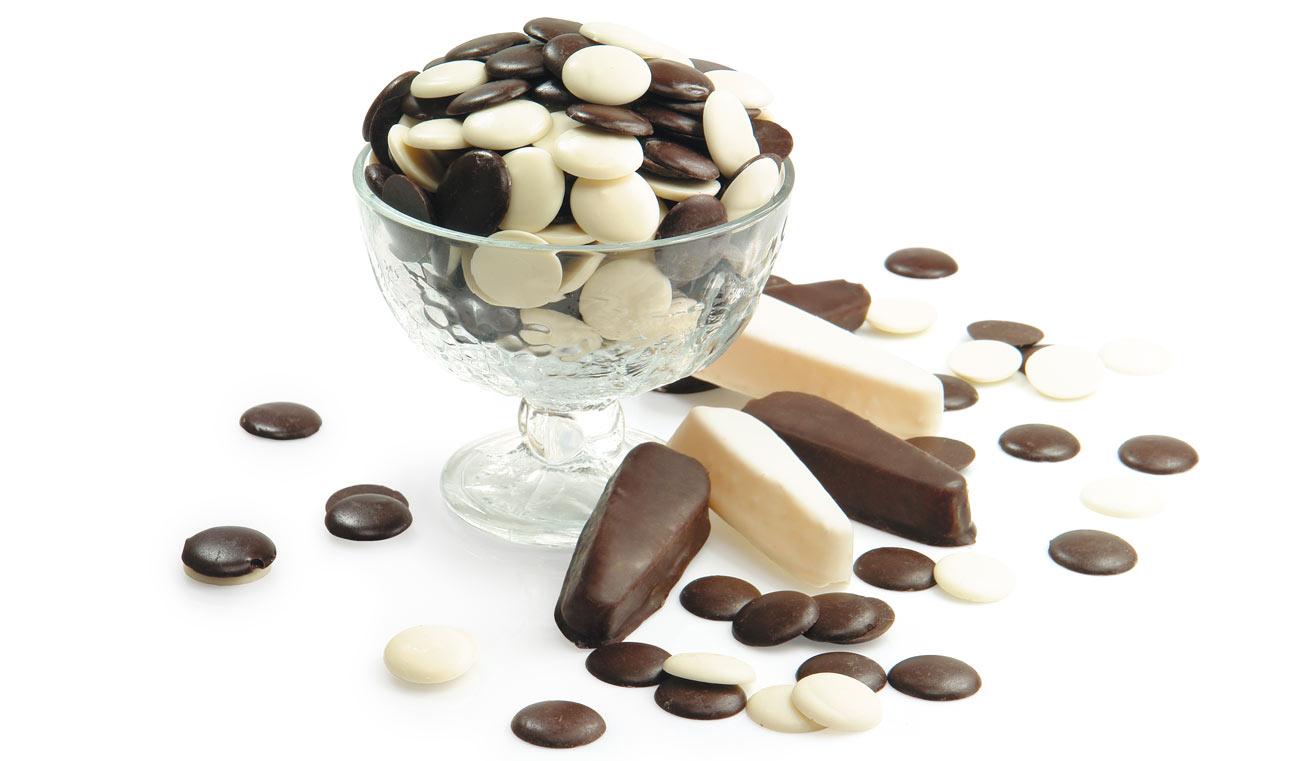
Confectionery glaze is the easiest and most convenient option for beginner bakers. For more information on using store-bought glaze, watch this video:
Homemade chocolate and glaze recipes
Important! Large amounts of vegetable oils are harmful to health, so when making homemade icing, it's best to use high-quality cocoa butter alternatives rather than the "cheap" substitutes widely advertised online.