How to make cream and decorate a cake with it?

Content
Cake is the pinnacle of dessert making. Its taste and appearance depend on all the ingredients used in its preparation. But one of the most important and defining components is the cake icing. There are dozens of recipes for making it. Creams can be roughly divided into: protein, custard, butter, and butter.
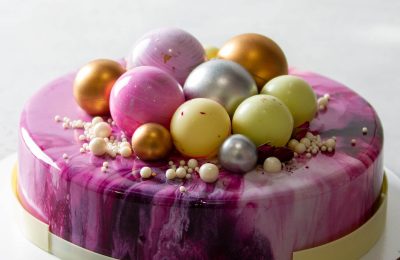
Protein cream is made from egg whites whipped with sugar. It's used only for garnishing the dessert. It's very light and airy, so it's not suitable for soaking or gluing the cake layers together. You can see beautiful photos of desserts with protein cream topped with marzipan and colorful sprinkles.
Custard
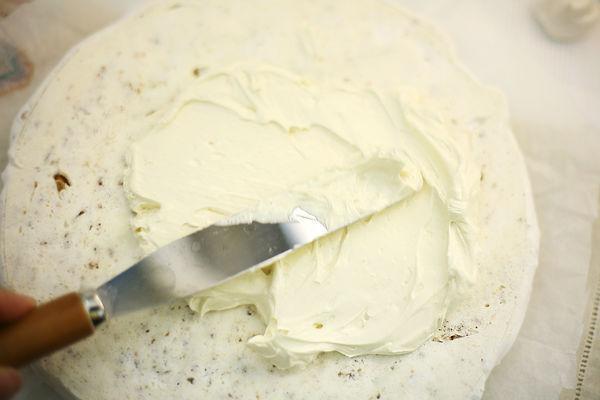
The most labor-intensive preparation process is the custard. It requires attention, precision, and speed. You'll need:
- 1 glass of milk or cream;
- 4 tablespoons of sugar;
- 5 grams of potato starch;
- 3 eggs.
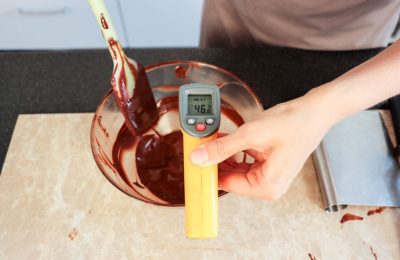
Pour the granulated sugar into a metal bowl, add the eggs, and starch. Mix all ingredients thoroughly for a few minutes, then slowly pour in the milk. Place the bowl with the mixture over medium heat and heat until almost boiling. It's best to use a thermometer to ensure the temperature doesn't exceed 80-85 degrees Celsius. Once the cream has thickened, remove from heat and let cool.
This cream is delicious on its own or with a variety of toppings. To add a fruity flavor, you can use half a glass of milk and half a glass of juice or puree. If done correctly, your efforts will be rewarded with a delicious, fragrant cream. It won't be able to decorate the cake with roses and berries, but it's perfect for soaking layers and frosting the top. You can see what it looks like in the photo of the Napoleon cake.
Butter cream
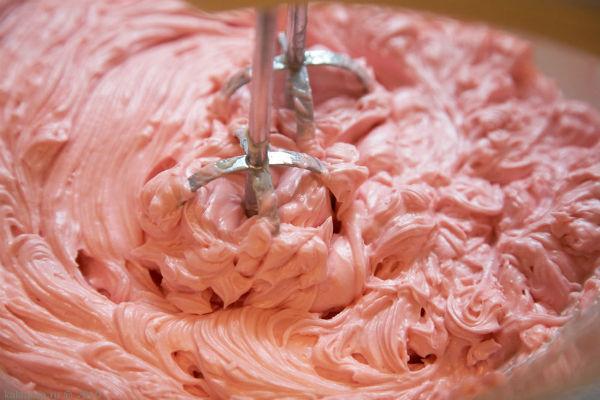
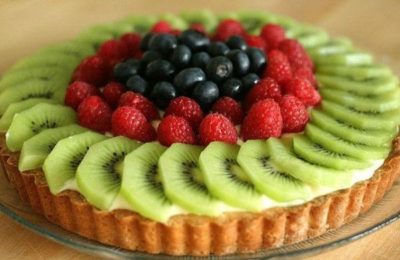
Whipped cream is beloved by many for its lightness, fluffiness, and smooth flavor. Because of its airiness, it's used only as a layer between sponge cake layers, but it's also perfect for decorating the top of cake layers. This is further evidenced by the fact that one of the most common dessert photos features whipped cream with fruit.
To prepare you will need:
- 1 glass of cream, with at least 35% fat content;
- 1 teaspoon powdered sugar;
- Vanillin on the tip of a knife.
Pour the cold cream into a bowl and beat slowly, gradually increasing the speed. Gradually add the powdered sugar and vanilla. You can tell when it's ready by the thickness of the cream.
Unfortunately, the cream quickly loses its shape and should be used immediately. To extend its shelf life, you can add gelatin, but keep in mind that this will make it gelatinous rather than airy.
For the same amount of ingredients, you'll need half a teaspoon of gelatin, soaked in half a cup of cold cream. Dissolve the gelatin in a double boiler and let it cool. Slowly whisk the gelatin into the thick foam whipped from the remaining cream, powdered sugar, and vanilla.
From butter and condensed milk

The most beloved, simple, and popular is buttercream. If you see a beautifully decorated cake in a photo, it's most likely made with buttercream. Because it's very dense and stable, it can be used to fantastically decorate the cake layers: create inscriptions, various flowers, berries, and even portraits. And the recipe is simple and accessible to anyone.
To prepare classic butter cream you will need:
- 100 grams of butter;
- 4 tablespoons of condensed milk.
Heat the butter until it reaches the consistency of thick sour cream. This can be done on the stovetop over low heat or in a double boiler for better control. Beat the heated butter thoroughly until it becomes fluffy and white, then slowly pour in the condensed milk. Stir until the mixture is smooth.
If you don't have condensed milk or don't like it, you can substitute it with syrup. Store-bought or homemade syrup will do. To make the syrup, place granulated sugar in a saucepan, add 4 tablespoons of water, and bring to a boil until the sugar is completely dissolved. Cool the resulting syrup and add it to the butter in the same way as condensed milk in the previous recipe.
A butter mixture made with eggs has an interesting taste and texture. The viscosity of the egg whites creates a satiny texture, while the yolk adds a piquant flavor. Preparation is simple, and only slightly complicated by maintaining the correct temperature. For 100 grams of butter, you'll need 1 egg and 2 tablespoons of sugar. Beat the egg and sugar until doubled or tripled in volume, heating to 45 degrees Celsius (113 degrees Fahrenheit). The temperature can be slightly lower, but not higher, otherwise the egg will curdle. In a separate bowl, heat the butter and beat until white. Combine all ingredients. Stir vigorously until a fluffy butter cream forms.
In France, a trendsetter in culinary design, buttercream is made using eggs and fresh milk. It has its own name: "Charlotte." Add 2 tablespoons of milk to the same ingredients as in the previous recipe. Pour sugar into a saucepan, add milk, and bring to a boil, stirring constantly. In another saucepan, lightly beat the eggs, then slowly and carefully pour in the hot milk. Bring everything together to a boil and let it cool to room temperature, while preparing the butter as in the previous recipes. Mix all the ingredients until a thick consistency forms.
Buttercream is interesting for decorating because it allows for a variety of textures. If you decorate it while it's still warm, the decorations will be glossy and shiny, while if you decorate it cold, you'll get matte, raised designs. Cake decorating often requires different colored buttercreams. Food coloring, berry juices, and vegetable juices are all excellent options.
A cake is a symbol of celebration and a highlight of any table. Regardless of the type of cream used—custard, meringue, buttercream, or buttercream—a cake should be beautifully decorated. And then, it will become the chef's pride.