How to soften mastic at home

Content
Fondant (sugar dough) is a popular cake coating, creating a perfectly smooth, dense surface for any creative design. But what if the finished mixture has become too dry and lost its elasticity? Today, we'll tell you how to quickly soften fondant for cake decoration at home.
Optimal consistency
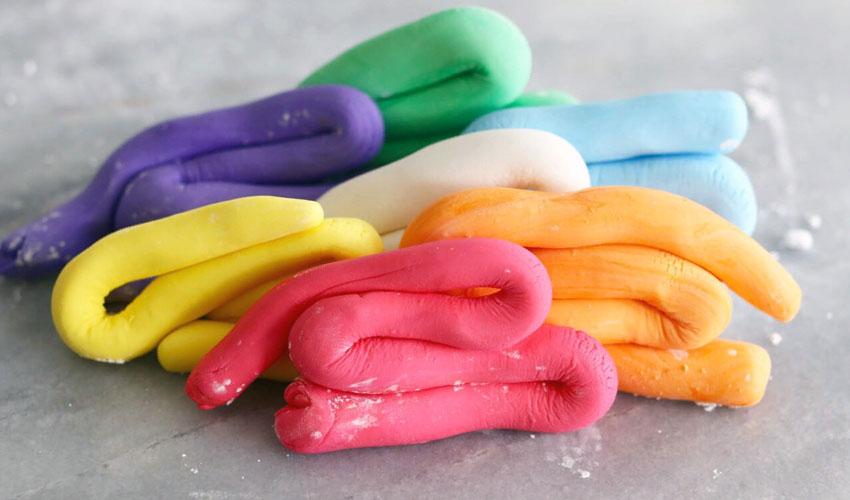
There are many different recipes for making mastic, but no matter which option you choose, it's important to know that the finished coating should:
- have an elastic, soft texture, similar to plasticine;
- does not stick to hands and surfaces;
- easy to roll into a thin sheet of 2-4 mm;
- do not tear or peel during work.
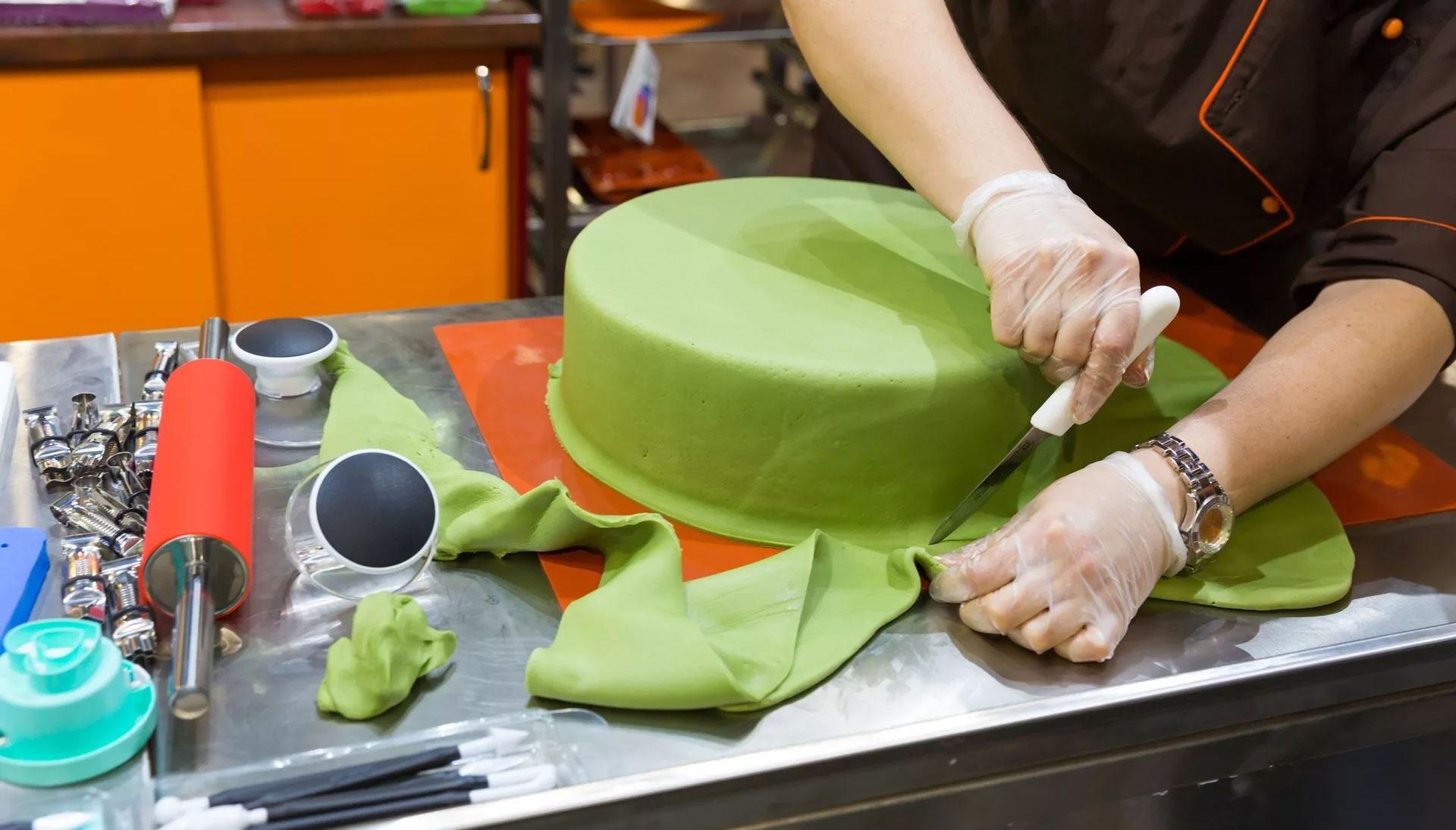
Also, when working with sugar mass, whether homemade or store-bought, it is important to consider the following points:
- Most types of mastic lose elasticity when cooled below 18℃ and regain their correct consistency when heated;
- If the proportions of ingredients are not observed, the mixture may turn out sticky, too hard, or even crumble when rolled out;
- If exposed to air for a long time, the surface of the sugar dough will dry out, forming a hard crust;
- If stored for too long with access to air, the mastic will turn into a hard mass (become like a stone).
Before attempting to fix the problem, it's important to understand the root cause. Is the mastic truly dry, or is it simply not elastic enough but still retaining its essential properties?
Knead the sugar mass
If the product is fresh, the mixture most likely just needs to be warmed up slightly and kneaded thoroughly before use. Below, we'll explain how to make store-bought mastic soft and elastic. Once you've tried working with the prepared mixture, you'll realize it's not difficult at all.
When using mastic for the first time, you likely purchased a 500-gram batch in an airtight package. On an industrial scale, confectioners purchase this product in 6-kg buckets.
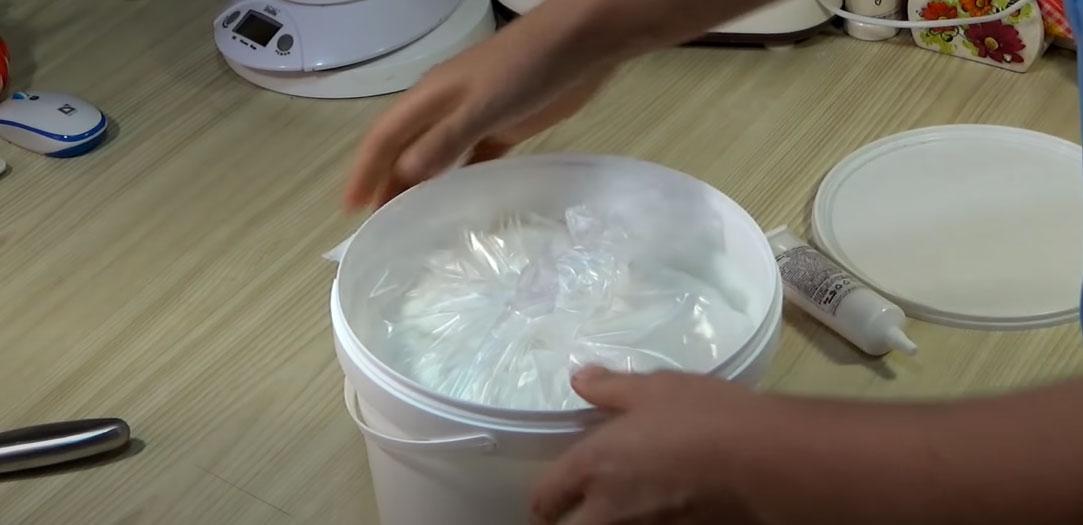
In this case, only the amount you'll use should be heated and kneaded. The remainder should be hermetically sealed (this will prevent it from drying out and hardening).
Sequence of actions:
- Place the required amount of mastic in a sealed bag.
- Place in warm (not hot!) water for 30 minutes or heat in short bursts in the microwave.
- Remove from water (microwave) and knead, initially without removing from the bag.
- When the mastic becomes soft enough, remove it from the bag and simply knead it with your hands, sprinkled with starch, until it reaches a consistency that is comfortable to work with.
What to do if mastic crumbles
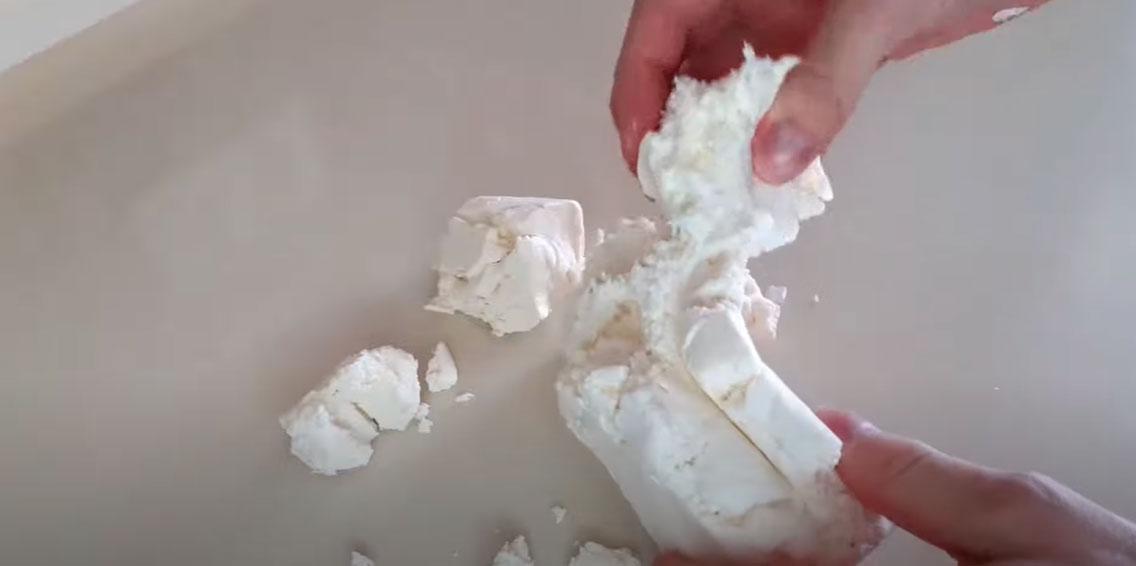
Don't throw this product away, as it can still be revived using a regular microwave. It will just need to be heated a little longer than when working with fresh dough, and you'll also need to thoroughly knead the sugar dough by hand, like clay, to remove all small lumps. If necessary, you can additionally heat it in short bursts until you achieve the right consistency.
How to soften dried mastic
The most difficult option is to revive mastic that has completely hardened (like a rock). It's worth mentioning right away that experienced cooks believe that if the mastic has dried out very much, even if you reconstitute it (melt and knead it), there will still be some hard material in the mixture (it's likely impossible to completely remove the hard bits).
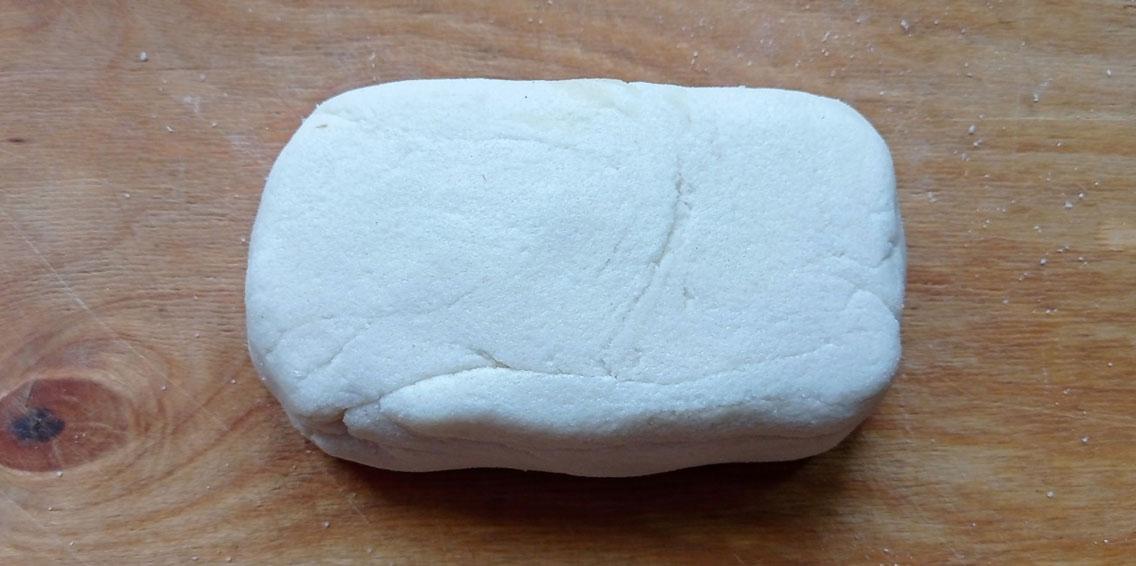
What should you do if the mastic has completely hardened? It's simple – follow the tried-and-true method described in the step-by-step algorithm for softening ready-made mastic (heat and knead). To completely soften the mastic after it has hardened significantly, you may need to heat and knead it several times. This process can take a long time, but gradually even the hardest mass will become pliable and elastic. It's more difficult to knead small, hard pieces, which form a kind of dried crumb and are sometimes difficult to knead even after heating.
Important points when working with sugar mass
Experienced confectioners also recommend:
- When storing, lubricate the surface of the lump with vegetable oil (this will maintain elasticity).
- When working, use only very finely ground powder (coffee grinder sugar is not suitable), otherwise the mass will break.
- Roll out the mastic using starch, not powdered sugar (this is especially helpful if the mixture sticks to your hands, as the starch will remove excess moisture).
- The coating thickness should not be thinner than 2 mm, otherwise the mastic will tear and all the unevenness of the cake surface will be visible through it.
- To make the mastic shine, it can be rolled between two layers of polyethylene or acetate film, coated with odorless vegetable oil.
- You can't put the mastic on wet cream, as the sugar dough will melt quickly when exposed to moisture (be sure to make a layer of very chilled butter cream, chocolate icing, or marzipan under the mastic).
- If you plan to mix mastic for sculpting figures, be sure to add a special thickener (SMS) to the store-bought mastic.
- To connect individual mastic elements, simply wet the bonding area with water.
- To give a beautiful shine to a cake covered with fondant, the coating can be sprinkled with a solution of honey and vodka in a 1:1 ratio after covering.
- It is not necessary to color the entire fondant, as the sugar dough figures or even the coating itself can be colored with food pigments.
For more useful information on working with mastic, watch this video: