What is the difference between agar-agar and gelatin and which is better?

When taking their first steps in the art of cooking, novice cooks often wonder how agar-agar differs from gelatin and which is best to use in a given recipe. In this article, we'll explain how these popular culinary thickeners are made and the key differences between them.
Gelatin
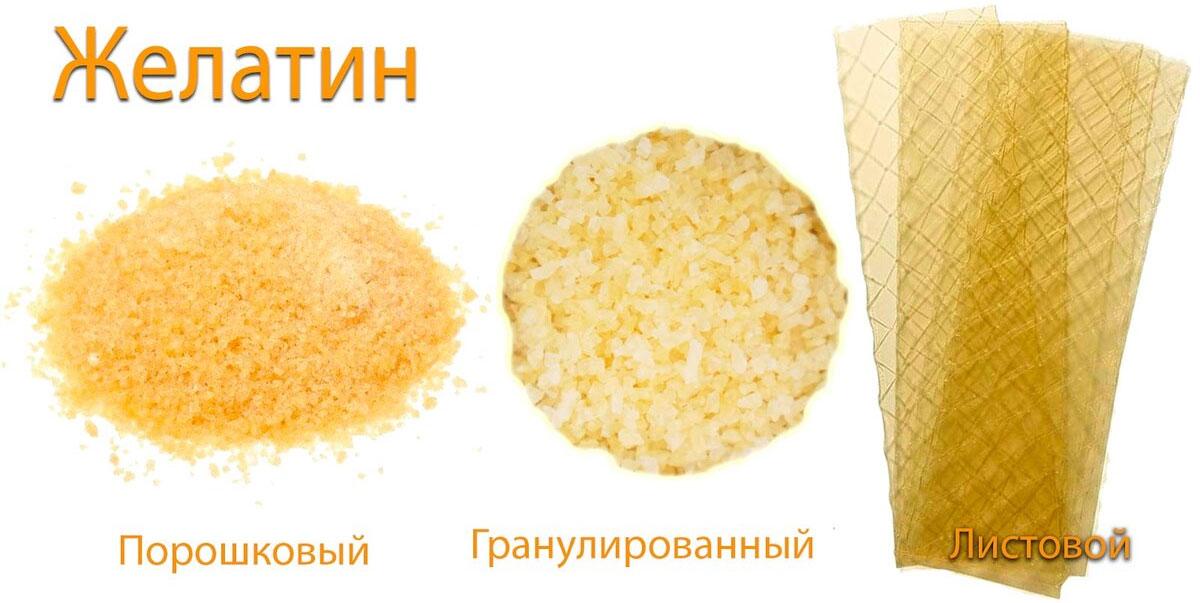
It is known that as early as the 15th century, chefs used the gelling properties of certain animal products in the preparation of various dishes. The first detailed description of a method for extracting collagen (a partially hydrolyzed protein) from animal joints and bones was given by the French physicist Jean d'Arcet, whose discoveries date back to the second half of the 18th century.
The advantages of gelatin include:
- absolute transparency (does not affect the color of the product);
- elasticity of jelly prepared on the basis of gelatin;
- reversibility of the state (under the influence of temperature the jelly melts);
- indispensable in the preparation of whipped products (egg whites, marshmallows, etc.);
- It is beneficial for the human body, as it contains large quantities of the amino acids glycine and proline.
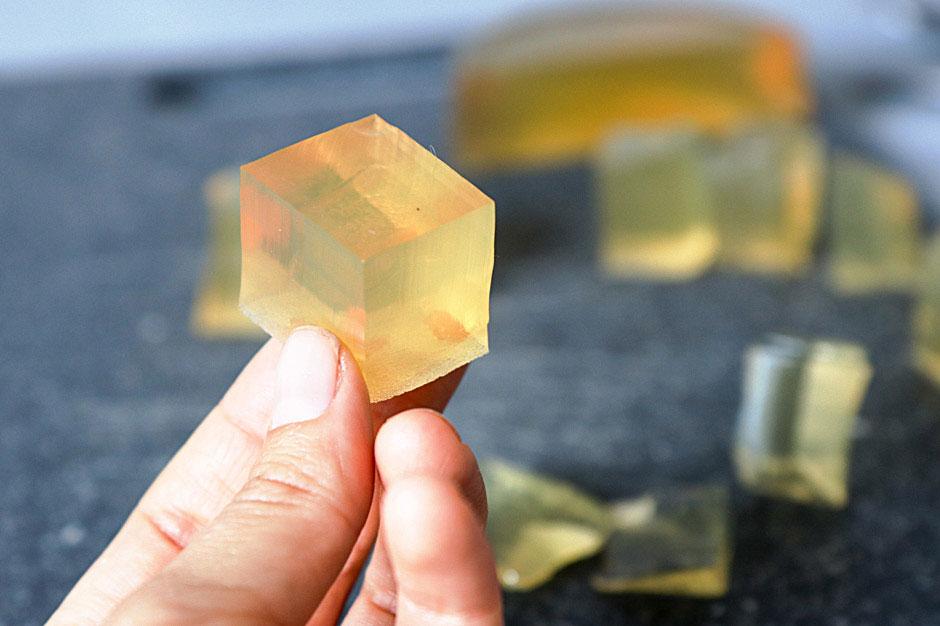
However, if you plan to use gelatin as a gelling agent, it is worth knowing the disadvantages of this product:
- animal origin (the product is not suitable for vegetarians);
- characteristic taste;
- temperature dependence (a dish with gelatin hardens well only in the refrigerator and melts at room temperature);
- high calorie content (335 kcal per 100 grams of product);
- the jelly mass must not be overheated (in a hot mass, gelatin will lose its properties);
- low efficiency in acidic environments (not recommended for use in preparing dishes based on syrup from fresh fruits and berries, as well as those containing juice or pieces of pineapple, kiwi, or citrus);
- low gelling capacity (for 300 ml of liquid, 10-25 grams of gelatin is required, depending on the form of release).
This is why gelatin is good for use in the preparation of jellied meat, classic jelly, and various whipped products (for example, gelatin is used in the process of making mousse cream for cake).
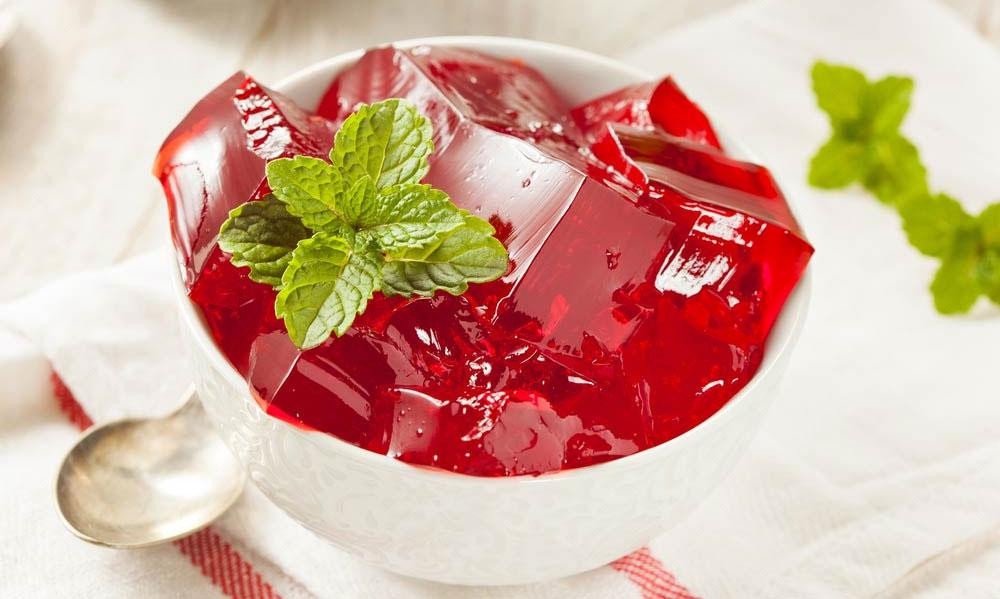
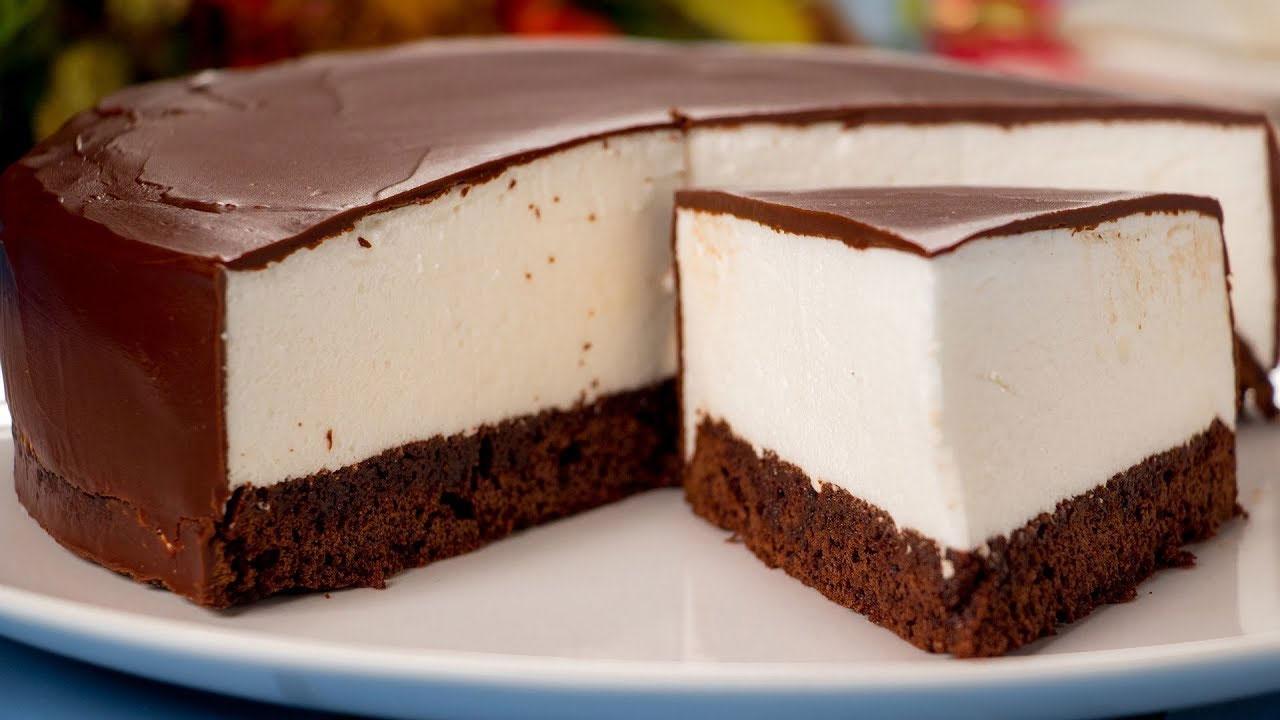
For more information on working with gelatin, watch this video:
But in some cases, it's better to use its plant-based equivalents (agar-agar or pectin). To understand how agar-agar differs from gelatin, let's analyze it in more detail.
Agar-agar (food additive E406)
Premium agar is white or slightly yellowish, but the color of grade I agar can range to a rich, dark yellow. Agar is available in powder, flake, or plate form.
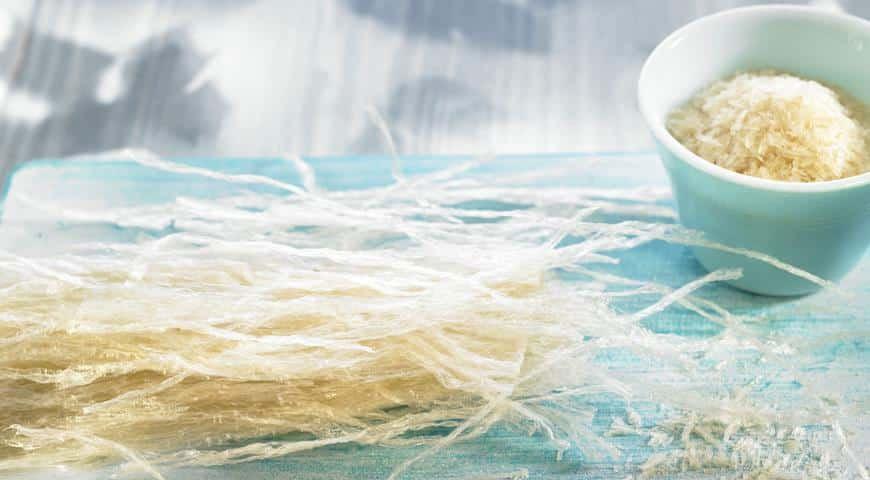
The remarkable properties of certain seaweeds found in the Pacific Ocean, as well as the Black and White Seas, were discovered by Japanese residents as early as the 17th century. A Japanese man named Shimazu noticed that his favorite red seaweed soup turned to jelly the next morning and, with the help of scientists, invented a technology for extracting the gelling agent. Soon, agar-agar began to be widely used in cooking to make popular Japanese jellies, which can be made from vegetables and seafood, as well as sweet fruits and berries.
When considering which is healthier for humans, gelatin or agar-agar, it's worth considering the following benefits of the plant-based thickener:
- high content of useful substances (mineral salts, polysaccharides and other incredibly useful microelements);
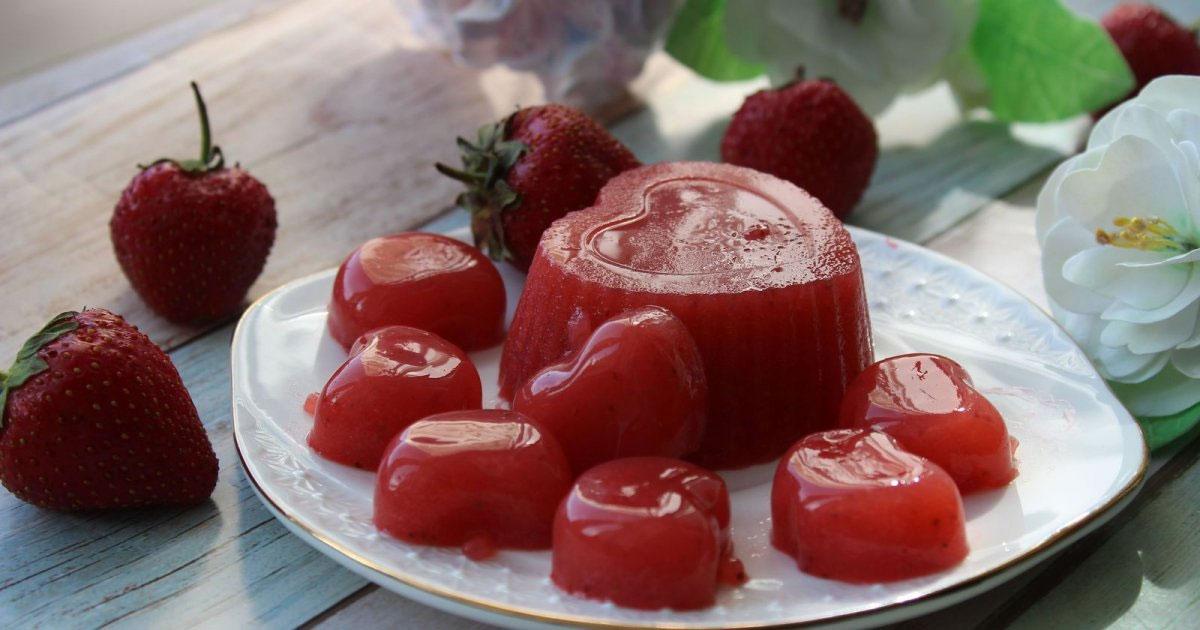
- high strength of the prepared jelly (that is why agar is much better suited for marmalade than gelatin);
- thermoreversibility (agar jelly becomes liquid when heated to 95℃);
- absence of taste and smell, due to which the component does not distort the taste of the main product;
- significant increase in volume upon contact with liquid (ratio of 1:30);
- low calorie content (100 grams of agar-agar contains 300 kcal), taking into account the fact that the finished product contains several times less of this thickener than gelatin;
- high efficiency even in acidic environments (for acidic agar products, you need to take not 8, but 16 grams per 1 liter of liquid);
- Products containing agar are poorly digested, so the supplement is recommended for use during the weight loss phase.
This seemingly ideal product also has its drawbacks:
- agar jelly does not melt in the mouth, but remains dense and must be chewed;
- Not compatible with products containing oxalic acid, as well as recipes that contain vinegar;
- poorly absorbed by people with gastrointestinal problems, has an irritating effect on the stomach;
- Harmful to health when consumed in excess (may cause severe diarrhea).
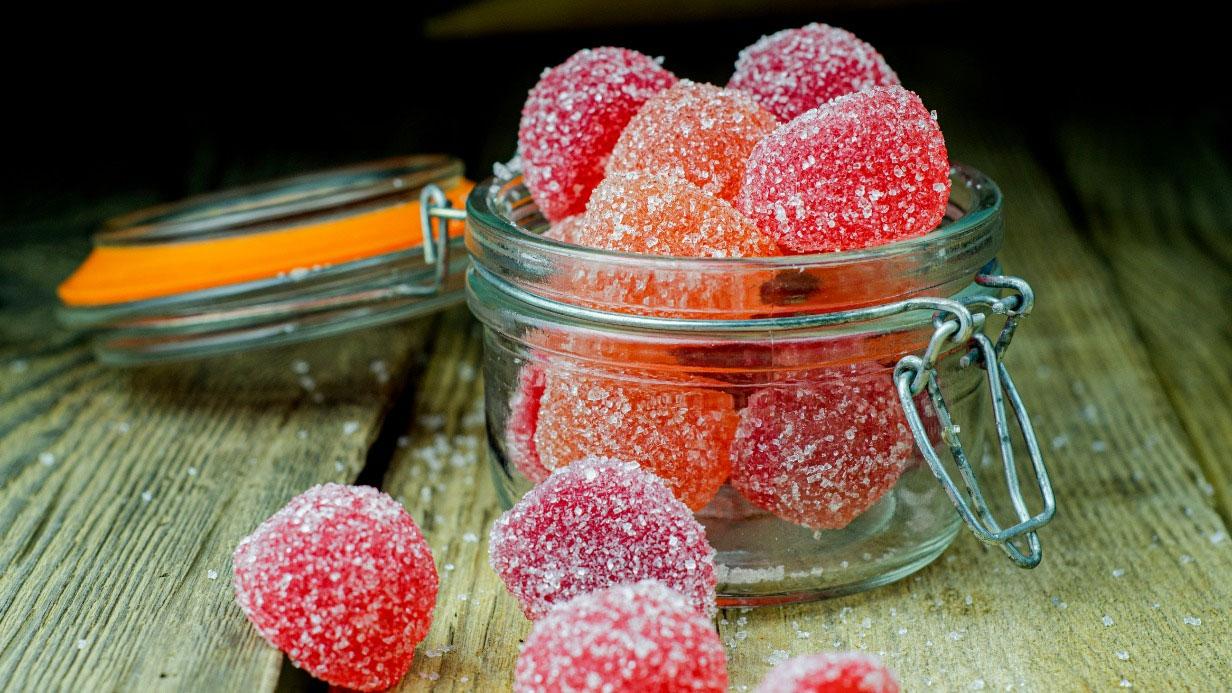
Agar-agar or gelatin? The vegetable thickener is definitely preferable if you need a thick consistency that won't melt at room temperature. Agar is most often used:
- in the preparation of sweets, marmalade, marshmallows;
- for working with acidic environments (citrus fruits, fresh fruits and berries, kiwi, pineapple, etc.);
- in the recipes for jams and preserves.
The use of agar-agar in cooking is discussed in more detail in this video:
Pectin (food additive E440)
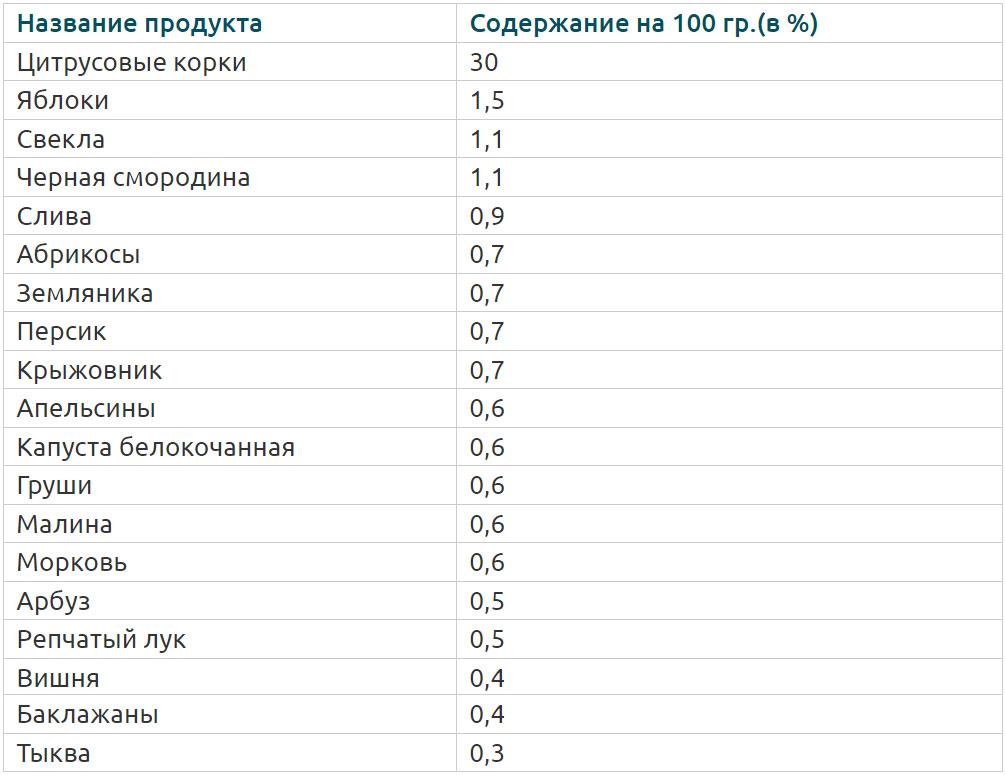
Currently, pectin is produced on an industrial scale using the acid extraction method from sunflower, beet pulp, apple and citrus pomace, less commonly pumpkin, and seaweed called "seaweed."
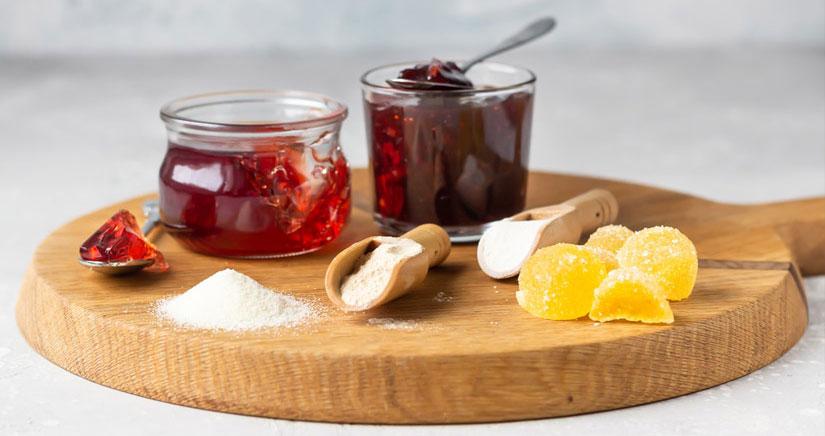
The main difference between agar and pectin is their effect on the human body. While agar can cause negative gastrointestinal effects, pectin, on the contrary, is a natural enterosorbent and promotes:
- lowering cholesterol levels;
- removal of toxic substances from the body;
- removal of bile acids;
- suppression of the activity of some pathogenic microorganisms.
There are also several types of pectin, each with significant differences in application. For example, yellow citrus or apple thickener is best for jams and preserves, thermoreversible NH works best with highly acidic ingredients, and FX58 works best with dairy products.
When choosing pectin, it's important to know that the product also differs in its degree of esterification. This parameter can range from 50 to 76% and indicates the rate and temperature of gelling. The higher the degree of esterification, the faster the mass will set (25 to 10 minutes, respectively) and the higher the setting temperature (45 to 85°C, respectively).
Among the main disadvantages is the difficulty of using a thickener at home, since it is necessary to not only choose the right type of additive, but also calculate the required amount, taking into account the characteristics of the products (amount of sugar, acidity, etc.).
Comparison table
Let's conclude our analysis of "which is better for cooking: agar-agar, gelatin, or pectin" by compiling a comparative table for these three products:
| Parameter | Gelatin | Agar-Agar | Pectin |
| Origin | animal | vegetable | vegetable |
| Dissolution temperature | more than 45℃ | over 95℃ | less than 45℃ |
| Freezing point | less than 15℃ | less than 40℃ | from 45 to 85℃ depending on the type |
| Efficiency in acidic environments | low | high | high |
| Caloric content of 100 g. | 335 kcal | 300 kcal | 336 kcal |
| Ratio | 1:10 (gelatin: liquid) | 1:30 (agar : liquid) | 60:1:1 (sugar : pectin : kistol) |
| Quantity per 1 liter of liquid | 20-60 g | 8-16 g depending on the acidity level | 7-15 g depending on the amount of sugar and acidity |
We've done our best to explain the differences between gelatin, agar agar, and pectin in as much detail as possible. Also, see recommendations for using these three thickeners in confectionery:
If you have anything to add to this article, or if you have extensive experience using different types of thickeners in cooking, please feel free to add useful information and recommendations for choosing the best thickeners for your particular dish in the comments.