Currant jelly: delicious, fresh, healthy!

Content
Before sharing the best currant jelly recipes, I'd like to talk about the benefits of this dessert. After all, jelly is so healthy, it's hard to think of another dessert that's so healthy: gelatin contains glycine, which is essential for the restoration of bones, joints, and cartilage. So, it's a delicious arthritis preventative!
Another key component of currant jelly is also highly beneficial: blackcurrants are a true treasure trove of vitamins, including vitamin C, as well as minerals. Red and white currants are also very beneficial, although they don't compare to blackcurrants in terms of benefits.
The origin of jelly
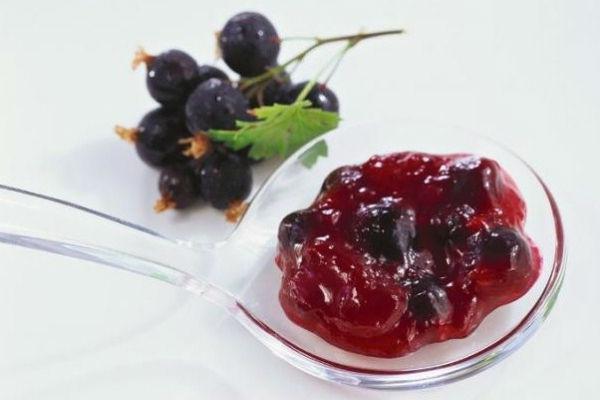
Jello is a French dessert made from fruit juice, sugar, and gelatin. Jello can also be made without gelatin; in this case, the recipe includes pectin or agar-agar.
The history of this dessert is, first and foremost, the story of the invention and perfection of gelatin (this happened several centuries ago). Therefore, it's not particularly interesting to culinary experts, as animal gelatin is obtained by boiling animal bones. However, food-grade gelatin is completely odorless and tasteless, reminiscent of its origins, making it a safe addition to recipes for delicious desserts.
How to Make Jelly: Different Methods
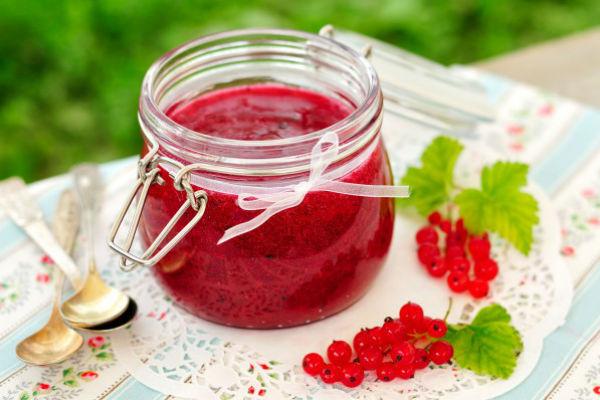
To prepare this currant dessert, you can use powdered gelatin, its sheet analogue, or do without it altogether.
- The simplest recipe requires pre-dissolving the gelatin according to the instructions, then mixing it with the prepared berry mixture, pouring it into molds, and refrigerating it for 3-5 hours.
- Using gelatin sheets, the recipe is even simpler. Soak the sheets in cold water for about 20 minutes, then squeeze them out, mix with berry juice or the prepared mixture (in our case, black or red currants), pour into molds, and then proceed as in recipe #1. This method has its advantages: the resulting black currant juice is undiluted.
- If you want to use agar-agar (this is a seaweed powder), then you need to pour it directly onto the surface of the juice, then heat the mixture to 60 degrees and then continue to heat it as prescribed in the same recipe.
- You can also skip the gelling agents altogether. The recipe would be as follows: combine 1 kg of pureed black or red currants with 700 g of sugar and cook until thickened. Incidentally, this jelly works best with red currants, but you can also make it with black currants or a mixture of berries. Just remember not to turn it over (which is usually done to separate the jelly from the mold if you're using one of the recipes described above: heat the mold briefly but gently and then turn it over).
The best currant jelly recipes
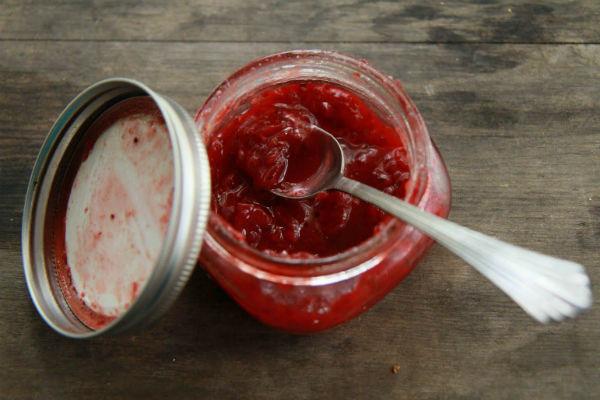
Recipe with gelatinWe'll need 150 grams of black or red currants, 14 grams of gelatin, 350 ml of boiled water, and half a cup of sugar. The gelatin instructions detail how to dissolve it and let it swell. Wash and peel the berries, cover with water, and cook for 10 minutes. Heat on high. Let the mixture cool, then separate the juice and pulp by straining it through a sieve. We don't need the pulp, but boil the juice again, dissolve the sugar in it, and pour the resulting syrup into the gelatin. Mix everything thoroughly, then pour into molds and cool.
Recipe without gelling agentsTake 700 grams of blackcurrants, which is about a liter-sized jar. Wash and peel the berries. Boil in a bowl, skimming off any foam. You don't need a lot of water; 2 cups will be enough. After 15 minutes, add sugar at a ratio of 1:1.5. Cook for another 15 minutes, stirring and skimming off any foam. You'll notice the jelly thickening and clinging to the sides. This jelly is best sealed in jars; it will keep all winter. If unsealed, the shelf life is 5 days. Tip: If the jelly doesn't thicken after 15 minutes, you can safely continue cooking it (the acidity, especially in blackcurrants, prevents the mixture from gelatinizing; depending on the acidity, it may take longer).
Recipe with sheet gelatinOne sheet requires 100 ml of liquid. Estimate how much berry juice you have to determine how many sheets you'll need. Follow the instructions on the gelatin package (cut, soak in water, squeeze, dissolve). Then, mix the desired amount of juice with the resulting gelatin and pour into molds.
Jelly is a low-calorie sweet, so you can enjoy it without worrying about your figure! 100 grams contains only 90 kcal! This dessert is also permitted during Lent.
Bon appetit!