What can replace baking soda in baking?

Content
Baking soda is an essential ingredient in a variety of baked goods. Today, we'll take a detailed look at the role baking soda plays in pie crusts, sponge cakes, pancakes, and fritters. We'll also discuss baking soda substitutes and the potential results of using various substitutes.
Baking soda in cooking
The substance has the following properties:
- when in contact with acidic environments, it reacts with the release of carbon dioxide;
- when exposed to high temperatures (without acids), it triggers a reaction with the release of carbon dioxide;
- poorly soluble in water;
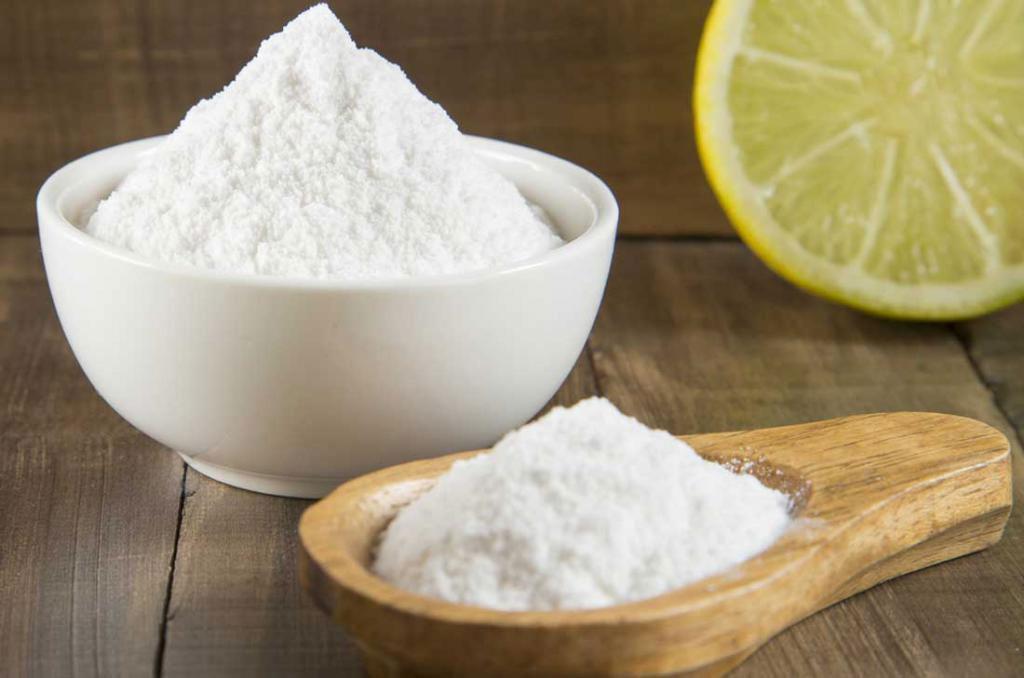
Cooking is one of the many uses of baking soda. Most often, this ingredient is added to dough to create a fluffy, airy texture.
In cooking, you might come across a recipe for dough that adds baking soda without quenching it with acids, but experienced cooks always recommend quenching this component with acid:
- table vinegar;
- fermented milk products (the dough can be mixed with whey, sour milk, kefir or fermented baked milk);
- citric acid (an example is the ready-made mixture “baking powder”);
- honey (as in honey cake);
- lemon juice;
- sour fruit juices;
- fruit puree, etc.
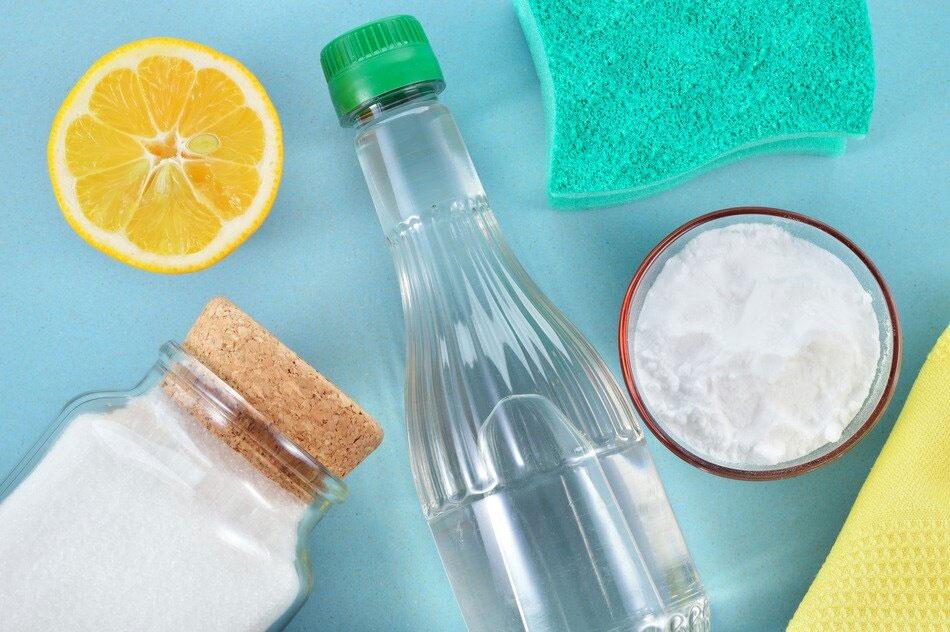
Accordingly, when considering what can replace baking soda at home, we can consider various ingredients that provide the same or similar effect.
What can replace baking soda in homemade baked goods?
There are quite a few culinary substitutes that allow you to get fluffy, airy dough, but each of them has its own peculiarities.
Baking powder
In fact, it is not a "substitute" for soda, but a finished product made from it, since baking powder contains three ingredients in equal proportions:
- sodium bicarbonate (E500ii);
- citric acid (E330);
- starch or flour.
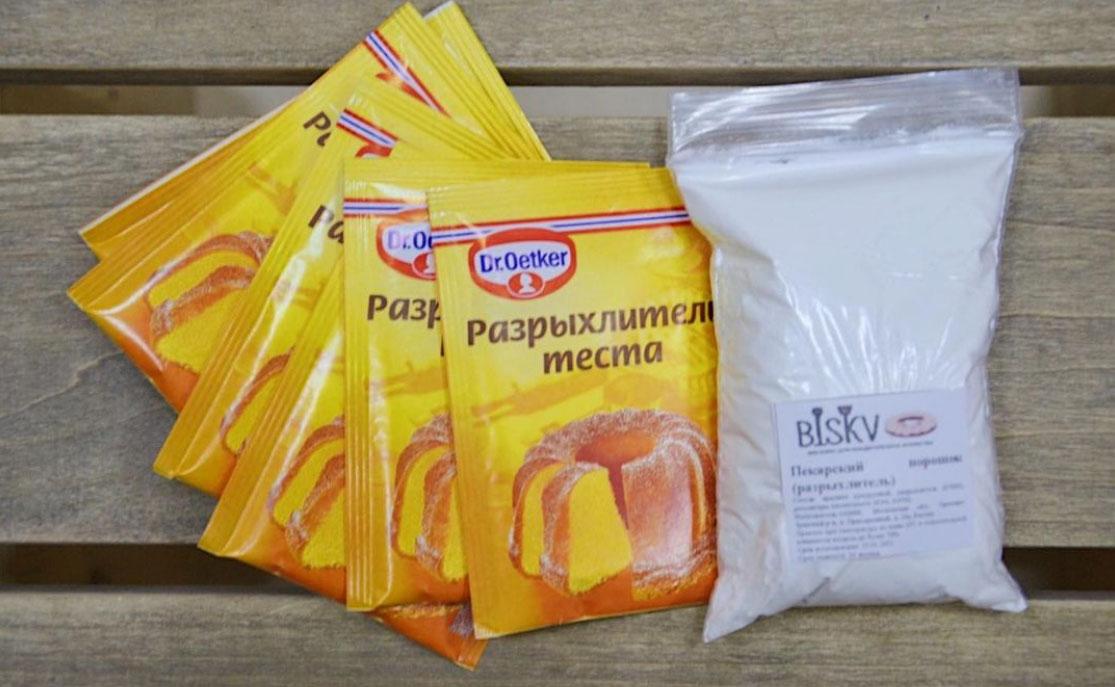
Baking powder is often used instead of baking soda and vinegar in charlotte and other cake bases, fluffy pancakes and fritters, as well as in recipes for pie dough or thin pizza.
Baking powder should always be added to the flour, as the baking soda will immediately react with the citric acid when dissolved in the flour. If this happens too early, the dough will not be as fluffy as it would be if mixed properly.
Yeast
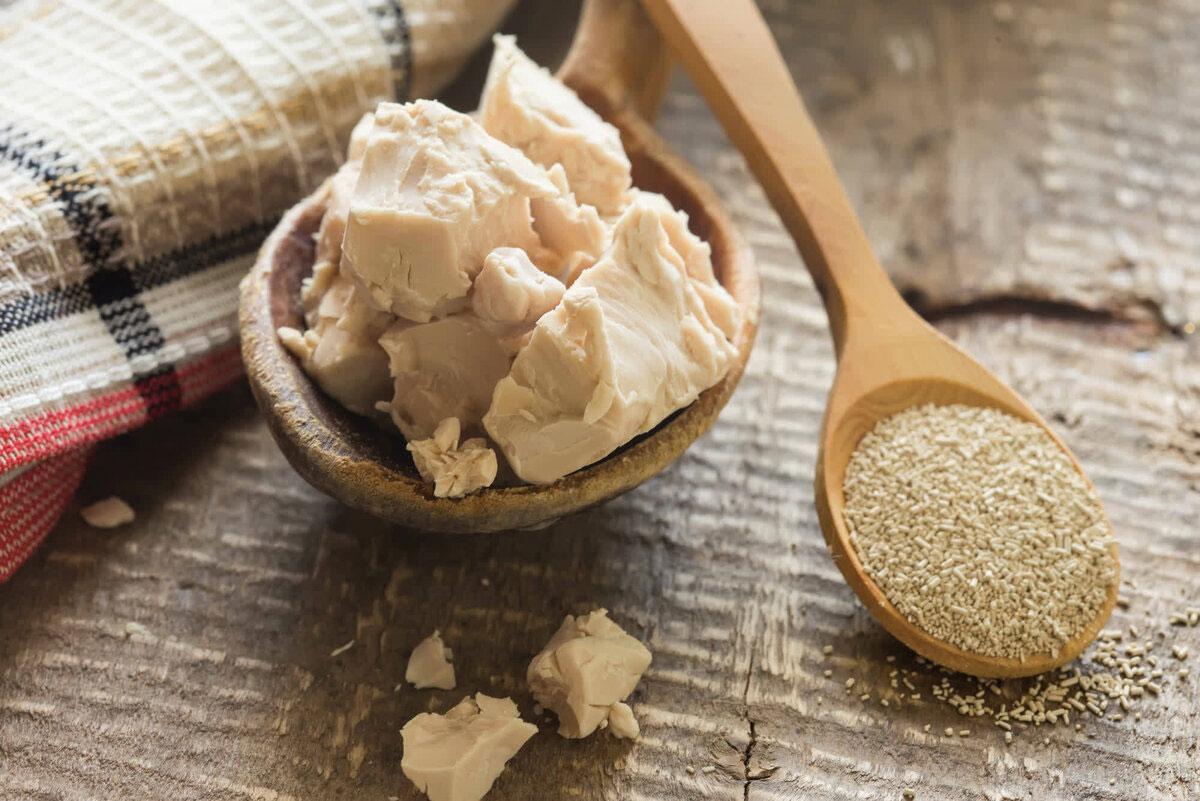
If you're looking for a substitute for baking soda in pancakes, pie dough, or pizza dough, you might want to try using yeast. While baking soda dough (without yeast) is naturally quicker and easier to make, the carbon dioxide-producing reaction triggered by yeast is longer and more stable, resulting in significantly more dough rise and a soft, fluffy texture.
It is also worth considering that:
- dry yeast You can add it directly to the dough, according to the recipe, which is always indicated on the package;
- live yeast (wet) must first be activated by mixing the dough, and only after a vigorous reaction has begun, add it to the dough.
Alcohol
Vodka is a fairly popular culinary ingredient. It can be found in recipes for unleavened dough for chebureki, as well as cookies and thin, crispy khvorost (fried bread).
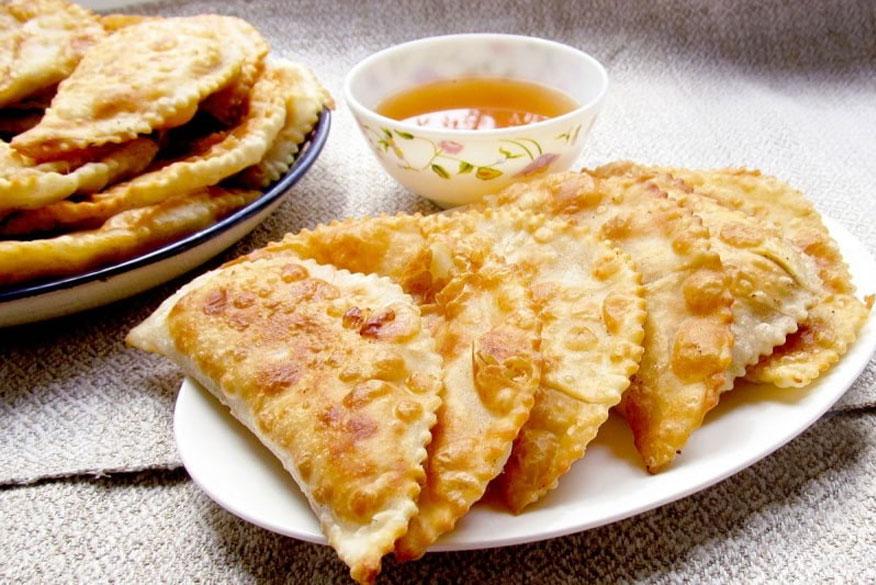
It's worth keeping in mind that during the baking process, all the alcohol in the dough evaporates, so the finished baked goods can be safely given to children.
Carbonated water
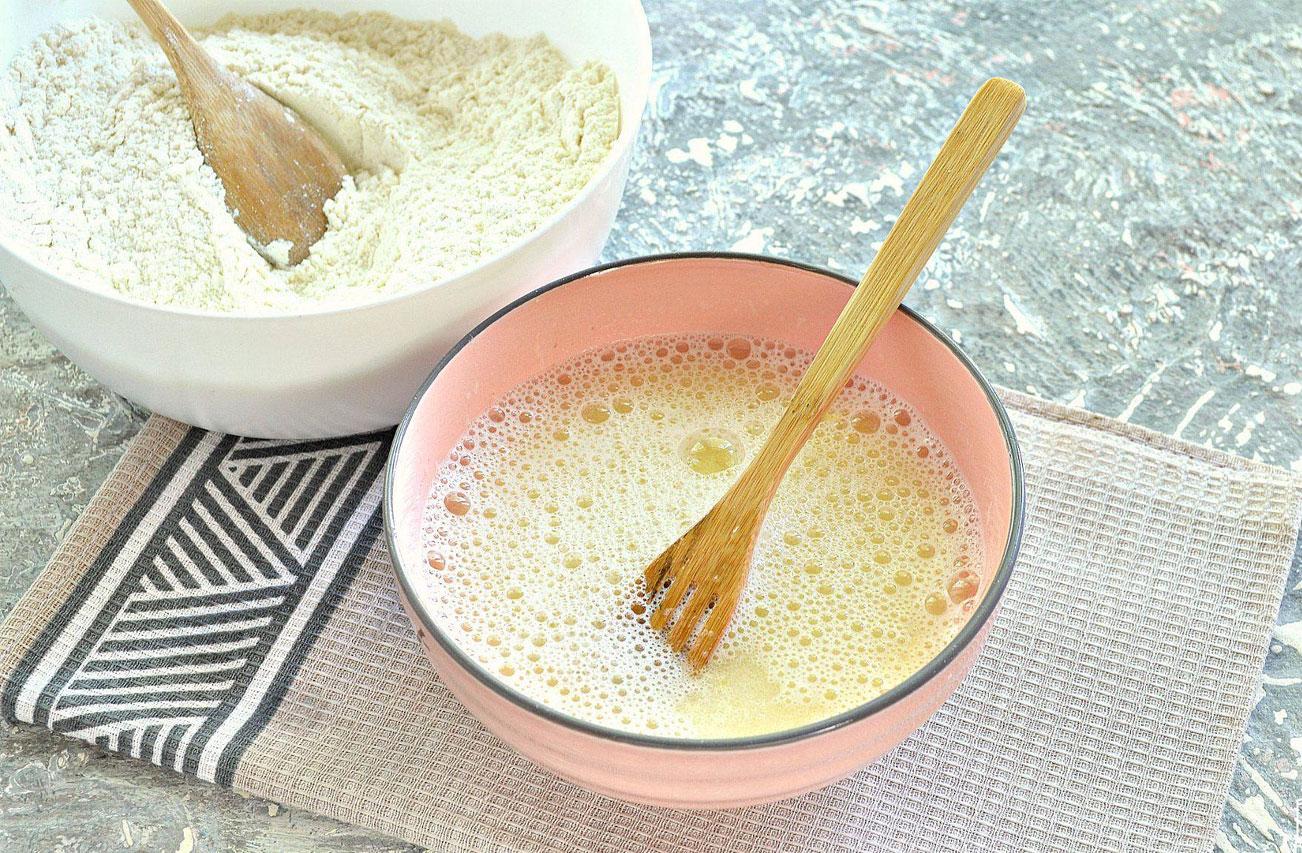
You can also combine soda with yeast, baking soda, or baking powder. The effect will be even more noticeable.
Potassium bicarbonate
Although potassium bicarbonate is widely used industrially, you won't find it in homemade baking recipes, as the powder isn't sold in regular supermarkets. It can be found in pharmacies or on specialized websites for professional cooks.
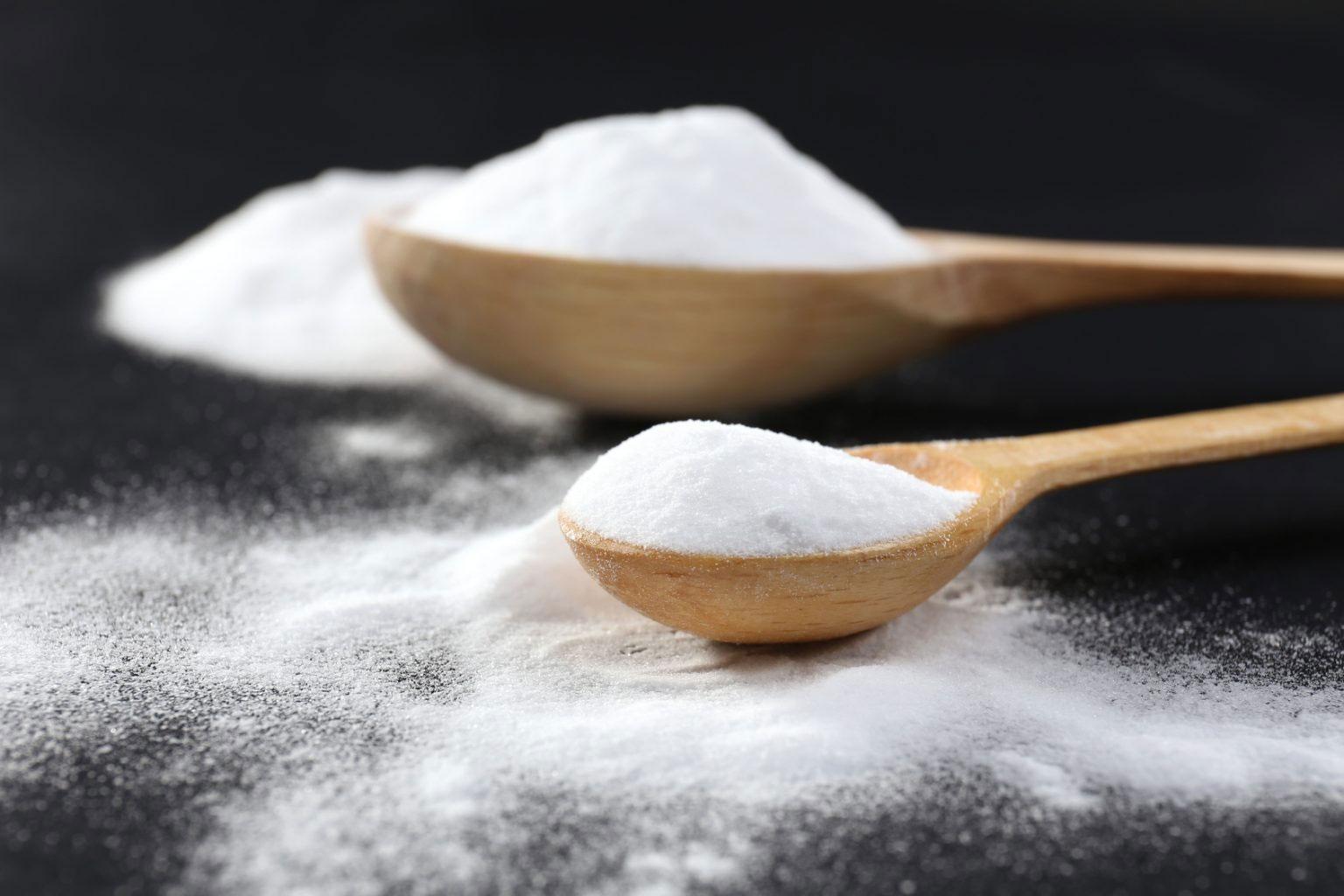
Potassium bicarbonate is added to dough in the same proportions as baking soda and is also quenched by acidic environments. However, due to its low salt content, it can affect the flavor of baked goods. Therefore, when using this substitute, it is recommended to add an additional 1 g of salt for every 5 g of the substance in the recipe.
Ammonium carbonate
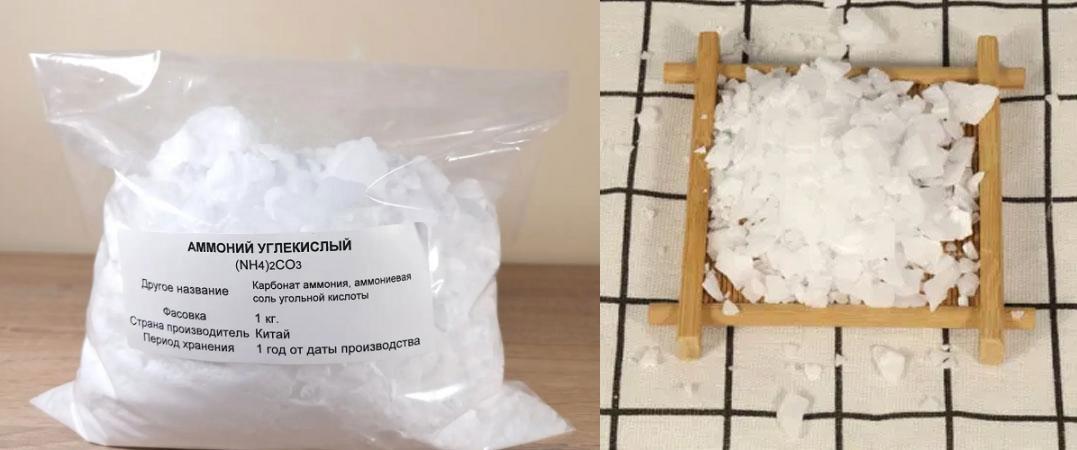
For those looking for a home substitute for baking soda, this is not the best option because:
- a slight overdose will give the product a sharp and unpleasant ammonia smell;
- Even if you follow the recipe, the kitchen is guaranteed to be filled with the smell of ammonia;
- in fluffy, voluminous textures (muffins, biscuits), ammonia does not evaporate completely.
Fats
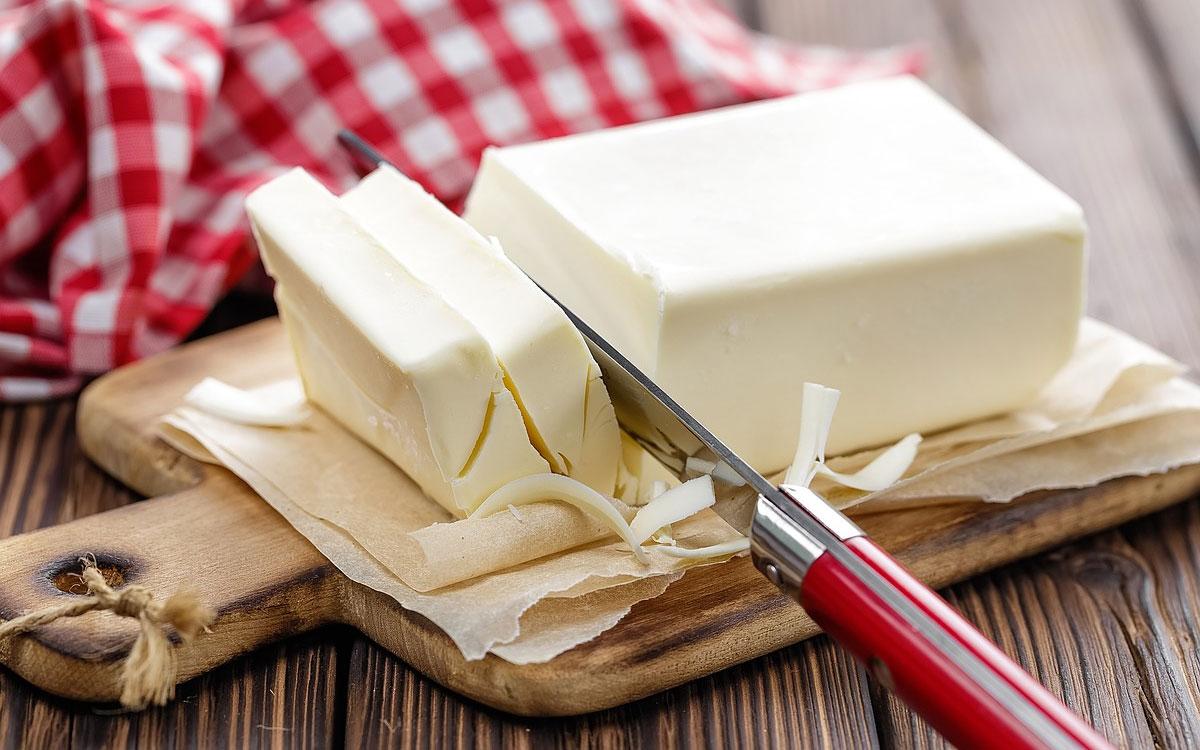
Naturally, the result will be slightly different from what you'd get with baking soda. The product will have a denser texture, but will also break and crumble easily. A prime example is shortbread cookies, which are high in fat.